
自由贸易

Search documents
愿同斯方深化各领域互利合作 坚定维护多边主义和自由贸易
Ren Min Ri Bao· 2025-10-14 22:12
《 人民日报 》( 2025年10月15日 03 版) (责编:赵欣悦、袁勃) 萨科娃表示,斯方高度重视斯中关系,愿同中方进一步密切经贸、投资等领域合作,助力两国关系不断 向前发展。 新华社北京10月14日电 中共中央政治局委员、国务院副总理何立峰14日上午在人民大会堂会见斯洛伐 克副总理兼经济部长萨科娃。 何立峰表示,斯洛伐克是最早同新中国建交的国家之一,中斯友谊源远流长。中方愿同斯方一道落实好 两国领导人重要共识,持续深化各领域互利合作,坚定维护多边主义和自由贸易,推动中斯、中欧关系 走深走实。 ...
何立峰会见斯洛伐克副总理兼经济部长萨科娃时指出 愿同斯方深化各领域互利合作 坚定维护多边主义和自由贸易
Xin Hua Wang· 2025-10-14 09:19
萨科娃表示,斯方高度重视斯中关系,愿同中方进一步密切经贸、投资等领域合作,助力两国关系不断 向前发展。 新华社北京10月14日电 中共中央政治局委员、国务院副总理何立峰14日上午在人民大会堂会见斯洛伐 克副总理兼经济部长萨科娃。 何立峰表示,斯洛伐克是最早同新中国建交的国家之一,中斯友谊源远流长。中方愿同斯方一道落实好 两国领导人重要共识,持续深化各领域互利合作,坚定维护多边主义和自由贸易,推动中斯、中欧关系 走深走实。 ...
21社论丨外贸逆势增长彰显中国出口全球竞争力
21世纪经济报道· 2025-10-14 00:52
Core Insights - China's foreign trade maintained growth in the first three quarters of the year, with total imports and exports reaching 33.61 trillion yuan, a year-on-year increase of 4% [1] - Exports amounted to 19.95 trillion yuan, growing by 7.1%, while imports were 13.66 trillion yuan, showing a slight decline of 0.2% [1] - The growth rate of imports and exports accelerated each quarter, with a notable 8% increase in September, surpassing market expectations [1] Group 1: Export Performance - The export of mechanical and electrical products reached 12.07 trillion yuan, up 9.6%, accounting for 60.5% of total exports, an increase of 1.4 percentage points [1] - High-tech product exports totaled 3.75 trillion yuan, growing by 11.9%, contributing over 30% to the overall export growth [1][2] - The "new three items" and green products like railway electric locomotives saw double-digit growth, indicating strong demand and competitive advantages in global markets [2] Group 2: Regional Trade Dynamics - Major economic provinces such as Guangdong, Jiangsu, Zhejiang, Shanghai, and Shandong contributed over 80% to the national export growth, with a combined increase of 5.2% [2] - The western region's foreign trade maintained strong momentum, with imports and exports reaching 3.21 trillion yuan, a year-on-year increase of 10.2% [2] - The development of new trade routes like the Western Land-Sea New Corridor and China-Europe Railway Express has bolstered exports from the western region [2] Group 3: Market Diversification - Trade with countries involved in the Belt and Road Initiative reached 17.37 trillion yuan, growing by 6.2%, and accounted for 51.7% of total trade [3] - Exports to ASEAN, Latin America, Africa, and Central Asia grew by 9.6%, 3.9%, 19.5%, and 16.7% respectively, reflecting a shift towards diversified markets [3] - The rise of cross-border e-commerce, with a 10.3% increase in trade volume to 1.37 trillion yuan, has provided new support for exports [3] Group 4: Trade Policy Stance - China has announced it will not seek new special and differential treatment in current and future WTO negotiations, indicating a commitment to open markets and multilateralism [4] - The country aims to provide high-quality, affordable products to the global market while opposing unilateralism and protectionism [4]


外贸逆势增长彰显中国出口全球竞争力
2 1 Shi Ji Jing Ji Bao Dao· 2025-10-13 22:43
Core Insights - China's goods trade import and export reached 33.61 trillion yuan in the first three quarters of this year, showing a year-on-year growth of 4% [1] - Exports amounted to 19.95 trillion yuan, increasing by 7.1%, while imports were 13.66 trillion yuan, slightly decreasing by 0.2% [1] - The growth rate of imports and exports has accelerated quarter by quarter, with a notable 8% increase in September, surpassing market expectations [1] Trade Performance - The export of mechanical and electrical products reached 12.07 trillion yuan, growing by 9.6%, accounting for 60.5% of total exports [1] - High-tech product exports totaled 3.75 trillion yuan, with an 11.9% increase, contributing over 30% to overall export growth [1][2] - The "new three items" and green products, such as railway electric locomotives, have seen double-digit growth [2] Regional Trade Dynamics - Major economic provinces like Guangdong, Jiangsu, Zhejiang, Shanghai, and Shandong contributed over 80% to national export growth, with a combined increase of 5.2% [2] - The western region's trade maintained strong momentum, with imports and exports reaching 3.21 trillion yuan, a year-on-year growth of 10.2% [2] Market Diversification - Trade with Belt and Road Initiative countries reached 17.37 trillion yuan, growing by 6.2%, accounting for 51.7% of total trade [3] - Exports to ASEAN, Latin America, Africa, and Central Asia grew by 9.6%, 3.9%, 19.5%, and 16.7% respectively [3] - Cross-border e-commerce imports and exports reached 1.37 trillion yuan, increasing by 10.3%, contributing significantly to employment [3] Trade Policy Stance - China has announced it will not seek new special and differential treatment in current and future WTO negotiations, indicating a commitment to open markets and multilateralism [4]
21社论丨外贸逆势增长彰显中国出口全球竞争力
2 1 Shi Ji Jing Ji Bao Dao· 2025-10-13 22:22
Core Insights - China's total goods trade import and export reached 33.61 trillion yuan in the first three quarters of this year, showing a year-on-year growth of 4% [1] - Exports amounted to 19.95 trillion yuan, increasing by 7.1%, while imports were 13.66 trillion yuan, slightly decreasing by 0.2% [1] - The growth rate of imports and exports has accelerated quarter by quarter, with a notable 8% increase in September, surpassing market expectations [1] Trade Performance - The export of mechanical and electrical products reached 12.07 trillion yuan, growing by 9.6%, accounting for 60.5% of total exports [1] - High-tech product exports totaled 3.75 trillion yuan, with an 11.9% increase, contributing over 30% to the overall export growth [1][2] - The "new three items" and green products, such as railway electric locomotives, have seen double-digit growth rates [2] Regional Trade Dynamics - Major economic provinces like Guangdong, Jiangsu, Zhejiang, Shanghai, and Shandong contributed over 80% to the national import and export growth, with a combined growth of 5.2% [2] - The western region's trade maintained strong momentum, with imports and exports reaching 3.21 trillion yuan, a year-on-year increase of 10.2% [2] Market Diversification - Trade with countries involved in the Belt and Road Initiative reached 17.37 trillion yuan, growing by 6.2%, and accounted for 51.7% of total trade [3] - Exports to ASEAN, Latin America, Africa, and Central Asia grew by 9.6%, 3.9%, 19.5%, and 16.7% respectively [3] - Cross-border e-commerce imports and exports reached 1.37 trillion yuan, increasing by 10.3%, and accounted for 6.3% of total trade [3] Trade Policy Stance - China has announced it will not seek new special and differential treatment in current and future WTO negotiations, indicating a commitment to encouraging imports and maintaining multilateralism and free trade [4]
李强会见加纳总统马哈马
Xin Hua She· 2025-10-13 13:11
Core Points - The meeting between Chinese Premier Li Qiang and Ghanaian President Mahama emphasizes the long-standing friendship and mutual support between China and Ghana, highlighting the elevation of their relationship to a strategic partnership last year [1] - Both parties expressed a commitment to deepen cooperation in various fields, including trade, investment, infrastructure, agriculture, energy, and the Belt and Road Initiative [1][2] - Ghana appreciates China's support and the zero-tariff policy on products from African countries, indicating a desire to enhance economic collaboration [2] Group 1 - The strategic partnership between China and Ghana presents new opportunities for cooperation across multiple sectors [1] - China aims to support Ghana's development path and enhance high-quality collaboration under the Belt and Road Initiative [1] - The two countries plan to leverage the 2026 "China-Africa Cultural Exchange Year" to boost cooperation in education, culture, tourism, and health [1] Group 2 - Ghana values the long-term support from China and is committed to the One China principle, looking to strengthen high-level exchanges [2] - The focus will be on promoting cooperation in trade, investment, infrastructure, energy, agriculture, and mining, while exploring new growth areas like digital economy and artificial intelligence [2] - Ghana supports China's global governance initiatives and aims to deepen multilateral cooperation to uphold multilateralism and international justice [2]
李强会见加纳总统
Yang Shi Wang· 2025-10-13 11:56
央视网消息(新闻联播):国务院总理李强13日在京会见来华出席全球妇女峰会的加纳总统马哈马。 马哈马表示,加方恪守一个中国原则,期待同中方加强高层往来,促进各领域合作。加方支持习近平主 席提出的全球治理倡议,愿同中方深化多边协作,维护国际公平正义。 李强表示,中加传统友谊历久弥坚。习近平主席将同总统先生举行会晤,就进一步深化中加关系擘画新 的蓝图。中方坚定支持加方走符合本国国情的发展道路,愿同加方继续高质量共建"一带一路",深化经 贸、基建、能源等领域合作,增进人文交往,推动中加战略伙伴关系走深走实。中加同为全球南方重要 国家,应当加强协调配合,推动各国一道维护多边主义和自由贸易。 ...
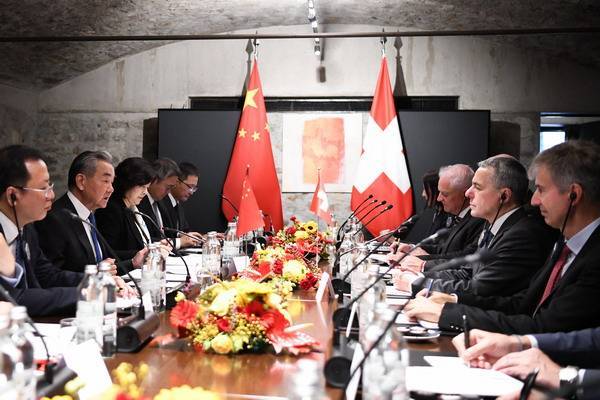
美媒关注:美国关税压力下,瑞士正加快和中国的贸易谈判
Sou Hu Cai Jing· 2025-10-13 11:48
当地时间10月10日,中瑞第四轮外长级战略对话在瑞士贝林佐纳举行外交部网站 【文/观察者网 王恺雯】美国自8月7日起对瑞士进口商品加征39%的关税,远高于其他欧洲国家。彭博 社10月12日指出,随着美国关税的影响加剧,瑞士正加快和中国贸易谈判的步伐。 当地时间10月10日,中共中央政治局委员、外交部长王毅在瑞士贝林佐纳同瑞士联邦委员兼外长卡西斯 举行中瑞第四轮外长级战略对话。 彭博社注意到,中瑞双方同意加快自贸协定升级谈判进程,在人工智能、绿色发展、数字经济、金融及 服务贸易等方面拓展互利合作。 据路透社报道,卡西斯10日和王毅会晤后对媒体表示,瑞士希望能够在2026年初达成新版自贸协定。 "我们很高兴,关于(自贸协定)升级的讨论正以建设性的方式推进,我们双方都希望能尽快完成这项 工作,"卡西斯说,"我们可能无法在今年年底前实现这一目标,但期待在明年年初达成一项基于国际自 由贸易规则的更开放、更公平的贸易。" 彭博社指出,中瑞两国外长展开对话之际,瑞士正面临来自其"关键盟友"美国的压力。 美国总统特朗普此前宣布对进口自瑞士的商品加征39%的关税。这一税率是欧洲国家中最高的,比4月 初美国宣布的31%税率提高了 ...
民主党死磕“反关税” !美国人买罐啤酒都得加钱,特朗普还在嘴硬
Sou Hu Cai Jing· 2025-10-11 10:49
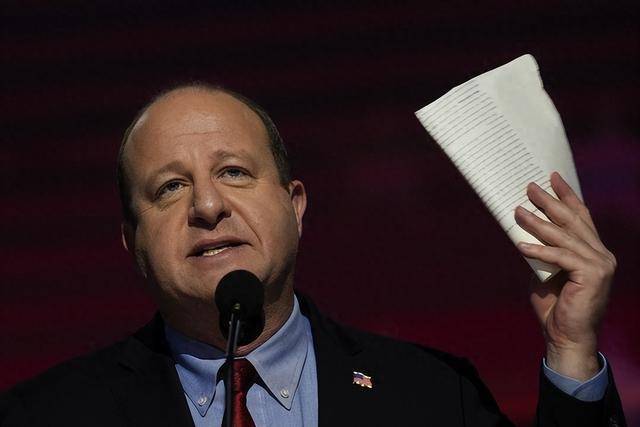
Core Viewpoint - The article discusses the rising prices of everyday goods in the U.S. due to tariffs, highlighting a shift in public sentiment against tariffs as they directly impact consumer costs [1][18]. Group 1: Tariff Impact on Consumer Goods - The increase in tariffs has led to higher costs for products like canned beer, as the price of aluminum and steel has risen, affecting production costs [5][7]. - A significant portion of the American public, now understanding the implications of tariffs, recognizes that these costs ultimately fall on consumers rather than foreign entities [5][11]. Group 2: Political Response and Public Sentiment - Democratic leaders, including Pennsylvania Governor Shapiro, are openly opposing tariffs, framing them as a direct tax on consumers [3][15]. - Polling data indicates that two-thirds of Americans now comprehend the relationship between tariffs and increased prices, marking a notable shift in political discourse [5][18]. Group 3: Historical Context and Political Dynamics - The article reflects on the evolution of the Democratic Party's stance on trade, noting a significant shift from support for free trade to a more protectionist approach in response to public sentiment [11][17]. - The current political climate suggests that both major parties must address consumer concerns about rising prices to maintain public support [17][18].
商务部国际贸易谈判代表兼副部长李成钢出席二十国集团贸易投资部长会议
Zheng Quan Shi Bao Wang· 2025-10-11 00:40
Core Points - The G20 Trade and Investment Ministers' Meeting took place in Gqeberha, South Africa, on October 10, focusing on trade, inclusive growth, and global challenges [1] - Key discussions included promoting green industrialization, sustainable trade investment frameworks, and WTO reforms [1] - The meeting resulted in the issuance of the G20 Trade and Investment Ministers' Declaration and the Chair's Summary, setting the stage for the upcoming G20 Leaders' Summit in November [1] Group 1 - China expressed strong support for multilateralism and announced it would not seek new special and differential treatment in current and future WTO negotiations, demonstrating its commitment as a responsible developing country [1] - The G20 is recognized for its significant contributions to global trade and investment development, emphasizing the need for better utilization of the G20 trade investment mechanism to address global challenges through open cooperation [1] - China aims to contribute to global economic growth while advancing its own development, advocating for support of the multilateral trading system and free trade to counter unilateralism and protectionism [1] Group 2 - During the meeting, China’s representative held discussions with several heads of delegations and leaders of international organizations, including the Director-General of the WTO [2]