单边主义

Search documents
对等反制!中方将对美船舶收特别港务费
Huan Qiu Shi Bao· 2025-10-10 22:42
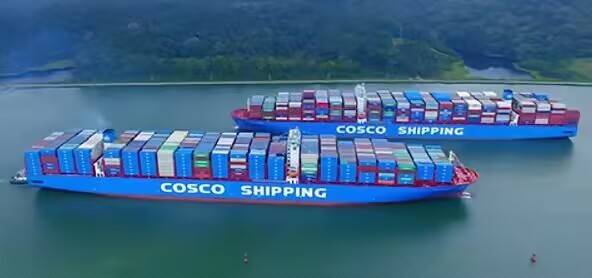
【环球时报综合报道】中国交通运输部10日宣布,自10月14日起,将对美国船舶按航次收取港口费用。 交通运输部新闻发言人10日就这一措施答记者问时提到,今年4月,美国贸易代表办公室宣布对中国海 事、物流和造船领域301调查最终措施。这是中方维护中国海运企业合法权益的正当举措,敦促美方立 即纠正错误做法,停止对中国海运业的无理打压。 外媒在报道这则消息时纷纷提到,美国针对中国船舶加收港口服务费的措施也将于10月14日生效。中国 交通运输部发言人10日表示,美国的做法罔顾事实,充分暴露出其单边主义、保护主义本质,具有明显 的歧视性色彩,严重损害中国海运业的正当利益,严重扰乱全球供应链稳定,严重破坏国际经贸秩序。 中方将对美国错误做法依法坚决采取反制措施,推动构建公平正义的国际海运市场秩序,维护国际物流 供应链安全稳定。 中央财经大学国际经济与贸易学院副教授刘春生10日在接受《环球时报》记者采访时表示,中方对美国 船舶加收特别港务费,是对美方歧视性港口费的对等反制。这一措施依据中国国内法规和国际法对等原 则,旨在维护自身海运业的正当权益,其正当性源于美方率先采取的单边保护主义行动。此举是对美方 错误行为的必要回应。( ...
美国征费重击中国造船业,中国反击措施以牙还牙,但不会立竿见影
Sou Hu Cai Jing· 2025-10-10 16:03
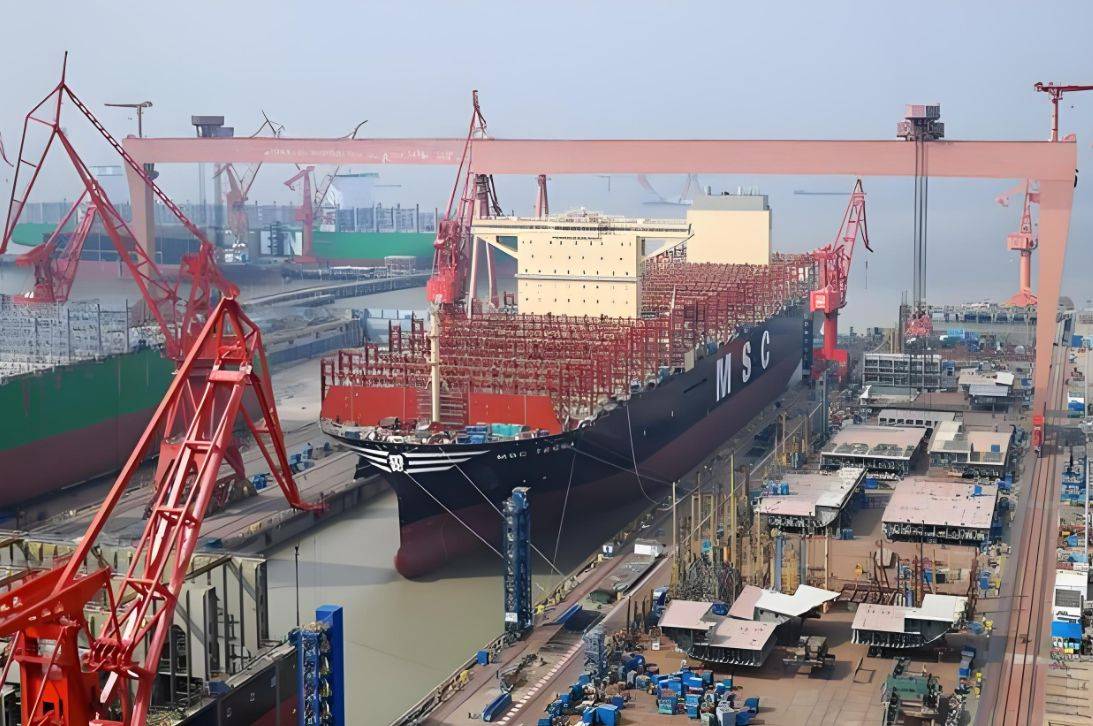
Core Viewpoint - The announcement by the U.S. Customs and Border Protection marks a significant escalation in the geopolitical tensions between the U.S. and China, extending competition from technology and trade to logistics, with a new differentiated fee policy targeting Chinese vessels starting October 14 [1][3]. Group 1: U.S. Policy Details - The U.S. has implemented a tiered fee system, charging $50 per net ton for vessels owned or operated by Chinese companies, $18 per net ton or $120 per container for ships built in China, and a uniform fee for foreign car carriers, indicating a strategic intent to curb China's export of electric vehicles [1][3][7]. - The policy includes exemptions for liquefied natural gas (LNG) carriers and allows shipowners who have ordered new vessels in the U.S. to receive up to three years of exemption, reflecting a complex balancing of interests [3][7]. Group 2: China's Response - China has proactively amended its International Shipping Regulations to include countermeasures against discriminatory restrictions, showcasing strategic foresight in the face of U.S. pressure [3][7]. - The Chinese response is characterized as a "systemic counterattack," preparing the groundwork for reciprocal measures such as imposing special fees and restricting U.S. vessels from entering ports [7][9]. Group 3: Long-term Implications - The U.S. fee strategy is seen as a precise attack on China's dual status as the largest shipbuilding and shipping nation, aiming to increase costs for Chinese shipyards and weaken their global competitiveness [7][9]. - Despite China's robust countermeasures, the impact will be gradual due to the inertia of the global shipping industry and the significant sunk costs associated with existing orders at Chinese shipyards [9][11]. - The potential annual loss of over $5 billion in U.S. agricultural exports due to increased port fees highlights the indirect effects of the U.S. policy, which may take time to translate into domestic political pressure [9][11]. Group 4: Strategic Landscape - The ongoing maritime competition is described as a "war of attrition," where the effectiveness of responses will depend on the strategic patience and industrial foundations of both nations [11][13]. - China's significant share in the global commercial shipbuilding market and its extensive port network provide a strong basis for its shipping industry, while the U.S. faces challenges due to the hollowing out of its shipbuilding sector [11][13].

交通运输部:敦促美方立即纠正错误做法,停止对中国海运业的无理打压
Xin Hua Cai Jing· 2025-10-10 07:47
新华财经北京10月10日电交通运输部新闻发言人就拟对美船舶收取船舶特别港务费答记者问。 问:中方宣布将对美船舶收取船舶特别港务费,有何考虑? (文章来源:新华财经) 答:2025年4月,美国贸易代表办公室宣布了对中国海事、物流和造船领域301调查最终措施,10月14日 起,对中国公司拥有或运营的船舶、中国造船舶、中国籍船舶加收港口服务费。美国的做法罔顾事实, 充分暴露出其单边主义、保护主义本质,具有明显的歧视性色彩,严重损害中国海运业的正当利益,严 重扰乱全球供应链稳定,严重破坏国际经贸秩序。中方将对美国错误做法依法坚决采取反制措施,推动 构建公平正义的国际海运市场秩序,维护国际物流供应链安全稳定。 根据《中华人民共和国国际海运条例》,我部发布《关于对美船舶收取船舶特别港务费的公告》,决定 将于10月14日起对涉美船舶收取船舶特别港务费,这是我们维护中国海运企业合法权益的正当举措。我 们敦促美方立即纠正错误做法,停止对中国海运业的无理打压。 ...
交通运输部新闻发言人就拟对美船舶收取船舶特别港务费答记者问:敦促美方立即纠正错误做法,停止对中国海运业的无理打压
Sou Hu Cai Jing· 2025-10-10 07:45
根据《中华人民共和国国际海运条例》,我部发布《关于对美船舶收取船舶特别港务费的公告》,决定 将于10月14日起对涉美船舶收取船舶特别港务费,这是我们维护中国海运企业合法权益的正当举措。我 们敦促美方立即纠正错误做法,停止对中国海运业的无理打压。 问:中方宣布将对美船舶收取船舶特别港务费,有何考虑? 答:2025年4月,美国贸易代表办公室宣布了对中国海事、物流和造船领域301调查最终措施,10月14日 起,对中国公司拥有或运营的船舶、中国造船舶、中国籍船舶加收港口服务费。美国的做法罔顾事实, 充分暴露出其单边主义、保护主义本质,具有明显的歧视性色彩,严重损害中国海运业的正当利益,严 重扰乱全球供应链稳定,严重破坏国际经贸秩序。中方将对美国错误做法依法坚决采取反制措施,推动 构建公平正义的国际海运市场秩序,维护国际物流供应链安全稳定。 人民财讯10月10日电,交通运输部新闻发言人就拟对美船舶收取船舶特别港务费答记者问。 ...
交通运输部就拟对美船舶收取船舶特别港务费答记者问
Zhong Guo Xin Wen Wang· 2025-10-10 07:45
交通运输部就拟对美船舶收取船舶特别港务费答记者问 编辑:付健青 广告等商务合作,请点击这里 本文为转载内容,授权事宜请联系原著作权人 中新经纬版权所有,未经书面授权,任何单位及个人不得转载、摘编或以其它方式使用。 关注中新经纬微信公众号(微信搜索"中新经纬"或"jwview"),看更多精彩财经资讯。 中新网10月10日电 据交通运输部网站消息,交通运输部新闻发言人就拟对美船舶收取船舶特别港务费 答记者问。 问:中方宣布将对美船舶收取船舶特别港务费,有何考虑? 答:2025年4月,美国贸易代表办公室宣布了对中国海事、物流和造船领域301调查最终措施,10月14日 起,对中国公司拥有或运营的船舶、中国造船舶、中国籍船舶加收港口服务费。美国的做法罔顾事实, 充分暴露出其单边主义、保护主义本质,具有明显的歧视性色彩,严重损害中国海运业的正当利益,严 重扰乱全球供应链稳定,严重破坏国际经贸秩序。中方将对美国错误做法依法坚决采取反制措施,推动 构建公平正义的国际海运市场秩序,维护国际物流供应链安全稳定。 根据《中华人民共和国国际海运条例》,我部发布《关于对美船舶收取船舶特别港务费的公告》,决定 将于10月14日起对涉美船 ...
中国手里握着三个王炸、两根胡萝卜!坚决反击美国制裁中国造船运输业
Sou Hu Cai Jing· 2025-10-09 14:43
Core Viewpoint - The article discusses China's strategic countermeasures against the impending U.S. tariffs on Chinese shipping vessels, highlighting the necessity and effectiveness of these actions in the context of U.S.-China trade relations. Group 1: China's Countermeasures - China has placed three U.S. military shipbuilding companies under control, halting the supply of high-precision CNC machines and special welding materials, which complicates U.S. naval shipbuilding and aircraft carrier maintenance [3] - China amended its "International Maritime Shipping Regulations" to allow for necessary countermeasures against discriminatory actions by other countries, signaling a legal basis for retaliation against U.S. tariffs [3][4] - Initial effects of China's counteractions are evident, with 12 U.S. states suing the Trump administration over "overreaching taxation," and a significant majority of U.S. businesses opposing the tariffs [3] Group 2: Necessity of China's Response - The U.S. is characterized as a unilateral hegemonic power, employing aggressive tactics to suppress China, necessitating a robust response to prevent further escalation of trade hostilities [4] - China's trade with the U.S. has significantly decreased from nearly 30% to below 10% of its total foreign trade, demonstrating resilience and a shift towards trade diversification [4] - The interdependence between the U.S. and China, particularly in sectors like agriculture and rare earth minerals, creates a leverage point for China in the ongoing trade conflict [4] Group 3: Strategic Advantages for China - China holds significant leverage, including the potential to require all imports and exports to be settled in RMB, which could undermine the dollar's dominance in global trade [5] - The article suggests that China may impose landing fees on Boeing aircraft and restrict exports of rare earth materials, among other retaliatory measures, to maintain competitiveness in the shipbuilding industry [6][8] - There are indications of potential large orders from Boeing and the U.S. agricultural sector, which could be influenced by the outcome of the ongoing negotiations [8][9]
关税战打成明牌!中美各走一条道路,美国在等待中的决定?
Sou Hu Cai Jing· 2025-10-09 05:34
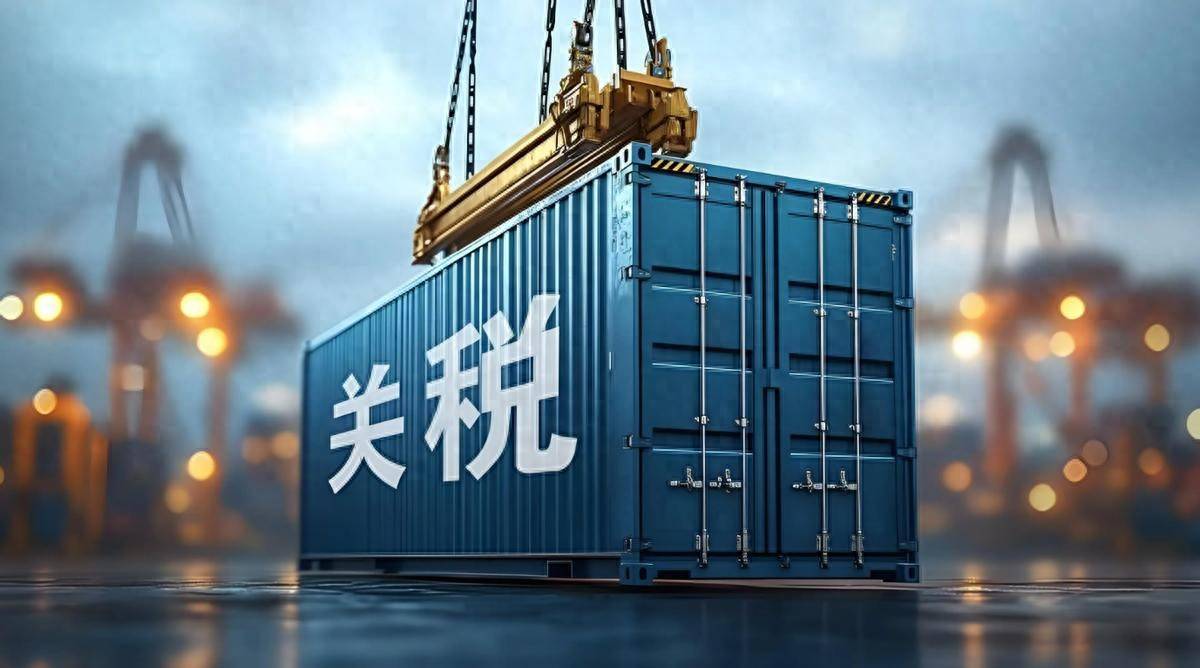
Group 1 - The US-China trade friction has entered a new phase of confrontation, with US officials stating that the current tariff levels on Chinese goods are "acceptable," indicating a shift from covert tactics to open strategic competition [1][5] - Since 2018, the US has continuously imposed tariffs, culminating in a significant strategic escalation with a 10% tariff on a wide range of Chinese imports announced in early 2025, marking a transition from temporary measures to a stable policy foundation [3][10] - The US has integrated previous scattered tariff measures into a systematic policy, affecting nearly all industries, from high-tech to consumer goods, demonstrating a comprehensive approach to trade policy [3][10] Group 2 - In September 2025, US trade officials publicly declared that the current 55% tariff on Chinese goods is in a "good state," narrowing the negotiation space and indicating a clear stance on tariff reduction [5][10] - The deadline for a tariff ceasefire is approaching on November 10, 2025, with the potential for tariffs to revert to higher levels if no new agreement is reached, which the US views as a pressure tactic [5][10] Group 3 - China has actively responded to the US tariffs by initiating a dispute request with the World Trade Organization (WTO) in February 2025, indicating a shift from bilateral negotiations to a multilateral framework [7][13] - In April 2025, China imposed additional tariffs on certain US products and criticized the US for unilateralism and protectionism, emphasizing the negative impact of tariffs on global trade rules [9][13] Group 4 - The US has expanded its tariff measures to include heavy-duty truck imports, further broadening the scope of its trade policy to cover various sectors, including basic industries and transportation [12][18] - China's export structure is shifting towards Europe and Southeast Asia, indicating a diversification strategy in response to high tariffs from the US [15][18] Group 5 - The US is experiencing increased import costs and inflation due to higher tariffs, which is suppressing consumer spending, particularly in agriculture and machinery sectors [17][18] - The ongoing trade conflict is evolving into a long-term structural confrontation, with both countries adopting clear and strategic paths in their trade policies [20]
中国获得全票支持,成功加群!美国“闭关锁国”,为中国做了嫁衣
Sou Hu Cai Jing· 2025-10-09 01:57
Core Viewpoint - China has gained unanimous support to become an observer state in the Andean Community (CAN), a significant diplomatic achievement that contrasts with the recent unilateral actions of the United States in Latin America [3][21]. Group 1: U.S. Actions and Their Impact - The U.S. imposed tariffs of 10%-15% on exports from Latin America, which increased the effective average tariff to 13% and planned to raise copper tariffs to 50% [5][7]. - This led to severe economic consequences for Latin American countries, including a 30% drop in orders for a Peruvian copper mining company and a 20% increase in costs for Colombian flower exporters [7][9]. - The U.S. also cut aid by 37%, exacerbating the economic struggles of countries reliant on American assistance, with Brazil projected to lose 52 billion reais in exports and 100,000 jobs due to increased tariffs [7][9]. Group 2: China's Strategic Positioning - China has been building relationships with the Andean Community since 1999, establishing a consultation mechanism and gradually increasing its engagement [11][13]. - The shift from bilateral trade to regional cooperation has allowed China to provide tangible benefits to Latin American countries, such as stable orders for minerals without political conditions [11][13]. - China's participation as an observer will enable it to influence trade rules and standards, enhancing resource security for its industries, particularly in AI and electric vehicles [17]. Group 3: Geopolitical Implications - China's acceptance as the first Asian observer in the Andean Community breaks the U.S. monopoly in the region, allowing Latin American countries to diversify their economic partnerships [19][21]. - The cooperation between China and the Andean Community is seen as a response to U.S. unilateralism, with China offering investment and market opportunities in contrast to U.S. tariffs and sanctions [21][23]. - The Andean Community's decision to support China reflects a broader rejection of U.S. dominance and an embrace of multilateral cooperation [23].

中国外长立下大功,美国万没料到,中方果断接下了“战书”!
Sou Hu Cai Jing· 2025-10-08 08:55
Core Viewpoint - The article discusses the impact of the Trump administration's decision to impose high tariffs on certain goods starting August 1, which has caused significant market turbulence globally and complicated the economic landscape for ASEAN countries closely tied to China [1][3]. Group 1: U.S. Tariff Policy and Its Implications - The U.S. tariff policy not only pressures the domestic economy but also places ASEAN countries in a difficult position due to rising trade costs [1]. - The unilateral nature of the U.S. tariffs undermines the interests of American businesses and reveals contradictions in the U.S. "Indo-Pacific Economic Framework" proposed by Secretary of State Rubio [1][3]. Group 2: China's Diplomatic Strategy and Economic Cooperation - China continues to promote deep cooperation with ASEAN based on principles of equality and mutual benefit, contrasting sharply with U.S. unilateralism [3][5]. - During the ASEAN Foreign Ministers' meeting, China engaged in negotiations for the China-ASEAN Free Trade Area 3.0 and reached significant agreements on regional economic cooperation, security, and cultural exchanges [3][5]. - China's infrastructure investments, such as the China-Laos Railway under the Belt and Road Initiative, exemplify successful cooperation and enhance economic connectivity between China and ASEAN [3][5]. Group 3: Response to Global Trade Dynamics - China's four-point cooperation proposal, particularly its stance against trade protectionism, resonates strongly with ASEAN countries amid rising global protectionism [3][5]. - The Regional Comprehensive Economic Partnership (RCEP) is highlighted as a framework that provides ASEAN countries with more market opportunities and strengthens China's economic ties in the Asia-Pacific region [5]. - China's diplomatic and economic policies are portrayed as more constructive and sustainable compared to the U.S. tariff war, showcasing China's growing influence in the global economic system [5].
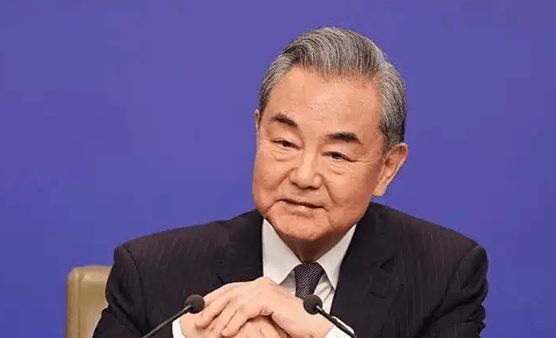
战场扩大,中国在世贸公然“掀桌”,直指美国,印度呼应中方行动
Sou Hu Cai Jing· 2025-10-08 08:15
Core Viewpoint - China actively raised the issue of global service trade stability and responsibility at the WTO meeting, criticizing the unilateral policies of the Trump administration and calling for adherence to WTO rules [2][12] Group 1: China's Position and Actions - China's criticism at the WTO was a response to the perceived insincerity of Trump's proposed meeting, as he continued to impose tariffs while suggesting dialogue [4][12] - The tariffs imposed by the U.S. have expanded from specific industries to essential consumer goods, indicating a broader escalation of trade tensions [4][10] - By voicing concerns at the WTO, China aimed to prevent the upcoming meeting from being used as a tool for the U.S. to pressure China into concessions [12][14] Group 2: International Support and Reactions - Several countries, including India, Brazil, Egypt, and Pakistan, supported China's stance at the WTO, highlighting the widespread discontent with U.S. tariff policies [8][10] - These nations have suffered significant economic losses due to U.S. tariffs, with India losing price advantages on 55% of its exports and Brazil facing severe impacts on its beef and coffee exports [8][10] Group 3: Implications for Global Trade - China's actions at the WTO are seen as a defense of global trade rules, emphasizing the need for multilateralism and fair trade practices [14][16] - If the U.S. continues its unilateral approach, it may face increasing collective opposition from other nations, as they do not wish to become the next victims of such policies [16]