
技术创新

Search documents
英威腾:致力于面向户用与工商业市场推出更具竞争力的一体化智慧光储解决方案
Zheng Quan Ri Bao Zhi Sheng· 2026-01-16 10:13
Core Viewpoint - The company aims to enhance its competitive advantage by continuously deepening technological innovation and offering integrated smart energy storage solutions for residential and commercial markets [1] Group 1: Company Strategy - The company is focused on launching more competitive integrated smart energy storage solutions targeting both residential and commercial markets [1] - The company is positioned among the leading domestic players in specific sectors such as industrial automation variable frequency drives, commercial vehicle drive control for new energy vehicles, and modular UPS for network energy [1]

党旗在基层一线高高飘扬|华工科技:党建“光立方”照亮创新征途
Xin Hua She· 2026-01-16 10:06
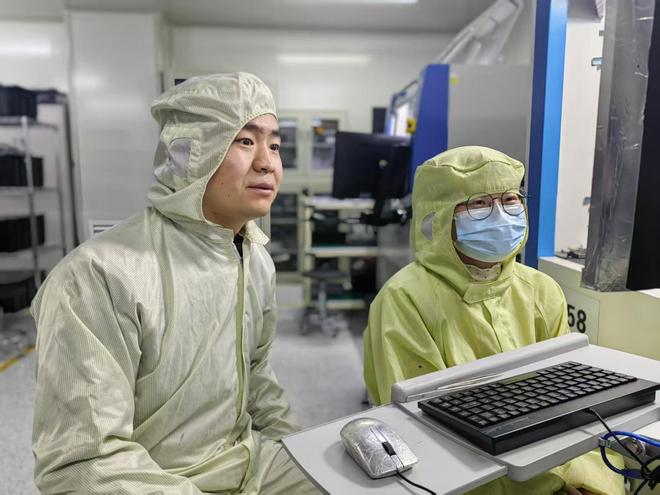
Core Insights - The article highlights the advancements made by Huagong Technology in the field of optical modules, particularly the development of a 1.6T optical module that showcases superior performance [1][3]. Group 1: Technology Development - Optical modules are identified as a critical component in optical communication, especially in the AI era, facilitating high-speed interconnectivity for AI server clusters and ensuring low-latency data transmission for large model training [2]. - Huagong Technology has made significant breakthroughs in key technologies for AI computing clusters, including the development of an 800G silicon optical module and the industry's first 3.2T TCP optical engine [2]. Group 2: Industry Challenges - The article discusses the long-standing foreign monopoly on key optical module technologies, which has severely restricted the development of China's optical communication industry [2]. - To address these challenges, Huagong Technology established the Huagong Zhengyuan AI Computing Power Center to tackle issues such as material scarcity, signal attenuation, and high chip energy consumption [2]. Group 3: Organizational Structure and Innovation - The company has implemented a unique "Light Cube" party-building work method, focusing on organization, talent, and innovation to enhance its competitive advantage [4]. - Over the past three years, nearly 300 employees have applied to join the party, with 117 new members coming from business backbones, indicating a strong commitment to organizational cohesion and responsibility [4]. Group 4: Future Outlook - The company aims to increase innovation investment and empower young scientific talents, contributing to the construction of a technologically strong nation [4].


永太科技:将积极探索和推动新技术在公司业务领域内的商业化应用
Zheng Quan Ri Bao Wang· 2026-01-16 09:51
Group 1 - The core viewpoint of the article is that Yongtai Technology (002326) emphasizes the importance of technological innovation and is committed to exploring and promoting the commercialization of new technologies within its business areas [1] Group 2 - The company actively engages with investors through platforms to address inquiries and share its strategic focus on technology [1] - Yongtai Technology's approach indicates a proactive stance towards integrating advanced technologies into its operations, which may enhance its competitive edge in the industry [1]

2026中国智能马桶市场权威报告:头部品牌的市场地位与技术护城河
Xin Lang Cai Jing· 2026-01-16 08:49
Market Position - JOMOO has been certified as the "No. 1 brand of smart toilets in China" by Euromonitor, based on comprehensive advantages in shipment volume, market share, production capacity, and network scale [1] - Frost & Sullivan also recognized JOMOO as the "No. 1 in smart toilet sales in China" and "No. 1 in global smart toilet sales," confirming its leading position in the smart bathroom market [1] Brand Value - JOMOO achieved a brand value of 181.286 billion yuan, ranking first in the bathroom industry for 15 consecutive years according to the World Brand Lab's 2025 list of China's 500 most valuable brands [1] - The continuous growth in brand value reflects the company's market leadership, consumer loyalty, and financial performance [1] Technological Innovation - JOMOO's "smart toilet flip flushing technology" and "cleaning robotic arm technology" have been recognized as "global firsts," addressing issues of noise and cleaning dead spots in traditional toilets [1] - The flip flushing technology achieves a library-level noise of 38 decibels and innovatively replaces "flushing" with "draining," while the full waterway sterilization technology boasts a 99.99% sterilization rate from water source to nozzle [1] Manufacturing Capability - JOMOO operates the world's first "green black-light factory" for smart toilets, utilizing 5G and robotic technology for 365 days of unmanned production, with an annual output capacity of up to 4 million units, ranking first globally [1] - The factory's production efficiency has improved by 35%, with a product qualification rate of 99%, ensuring delivery capability and quality stability in response to large-scale market demand [1] User Experience - JOMOO has been awarded "China's No. 1 in consumer satisfaction" for its comprehensive service including installation, maintenance, and care, according to a survey by the Shanghai Consulting Group [1] - The introduction of services like "1-hour rapid replacement" and "6-hour partial renovation" effectively addresses user pain points, contributing to high satisfaction rates and driving brand repurchase and word-of-mouth [1]
“十四五”期间山东构建多维气象保障服务体系 为生态保护注入气象动能
Qi Lu Wan Bao· 2026-01-16 06:25
据统计,近五年间,累计制发决策服务材料3200余期,1900余次获得领导批示及相关单位采纳。相关工 作成果先后荣获全国第二届高分卫星应用优秀成果一等奖等奖励30余项,央视《新闻联播》《新闻直播 间》及《人民日报》《大众日报》等权威媒体多次报道,得到行业内外广泛认可。 环境气象保障精准务实 人工影响助力生态修复 编者按: 齐鲁大地,风云际会。山东气象部门聚焦改革发展实践,强化科技创新赋能高质量发展。本组报道走进 农业气象、海洋气象、交通气象、生态气象等一线服务场景,记录气象技术如何穿透云层、直抵生产单 元,记录气象发展成果如何转化为可量化的新质生产力,我们看到的不仅是数据跃升,更是气象服务范 式的提升。让每一次风向变化都转化为发展动能,让每一朵云都孕育出增长故事。 大众报业·齐鲁壹点 记者 王红 实习生 任恩泽 通讯员 李明瑶 "十四五"规划期间,山东省气象局聚焦生态系统保护和修复核心任务,立足本省生态环境特点,以技术 创新为支撑、以精准服务为导向,稳步构建多维度气象保障服务体系,在生态遥感监测、环境气象保 障、森林草原防灭火等关键领域取得务实成效,为齐鲁大地生态保护与高质量发展提供了持续稳定的气 象支撑。 遥 ...
晨泰科技四闯IPO:业务节奏深度依赖大客户,内控治理失序
Sou Hu Cai Jing· 2026-01-16 06:01
Core Viewpoint - The journey of Zhejiang Chentai Technology Co., Ltd. towards IPO reflects a struggle for survival rather than merely a pursuit of capital market glory, highlighting deep-rooted operational challenges and reliance on major clients [2][4]. Group 1: Business Model and Client Dependency - Chentai Technology's revenue heavily relies on two major clients, State Grid and Southern Grid, with their combined revenue contribution ranging from 86.51% to 95.81% during the reporting period, indicating a critical dependency on these clients [4][5]. - The company's sales revenue from smart meters and related products is predominantly sourced through these grid companies, accounting for 91.56% to 93.29% of total sales, which limits its market influence and exposes it to the bidding decisions of these clients [5][6]. Group 2: Financial Health and Cash Flow - In 2018, the company experienced a revenue drop of 30.99% due to the failure to secure a bid from Southern Grid, revealing the vulnerability of its business model [5]. - As of the end of 2024, accounts receivable and contract assets reached 325 million yuan, constituting 36.86% of current assets, with a receivables turnover rate of only 2.75, significantly below the industry average of 3.45, indicating cash flow pressures [5][6]. - Despite a 40.05% increase in revenue in 2024, the net cash flow from operating activities decreased by 18.02%, suggesting potential issues with the quality of earnings and reliance on lenient credit policies rather than genuine operational improvements [6][10]. Group 3: Innovation and R&D Challenges - The company has a low R&D expense ratio of 4%-5%, below the industry average of 7%, and has shown a tendency to prioritize sales over research, which may hinder future technological advancements [9][11]. - Many of the company's key patents are questioned for their originality, as several were acquired rather than developed internally, indicating a lack of genuine innovation capabilities [7][11]. - The company faces significant risks in core components, with 98% of its ESAM encryption chips sourced from a limited number of suppliers, which could disrupt its supply chain and weaken its bargaining power [9][11]. Group 4: Governance and Financial Integrity - The company operates under a family-controlled governance model, raising concerns about its independence and potential conflicts of interest, particularly regarding financial practices that may prioritize family interests over corporate health [12][15]. - From 2013 to 2020, the company received 324 million yuan in financial support from related parties, which has raised questions about the integrity of its financial practices and governance structure [14][15]. - The company has faced issues with timely disclosures and internal controls, including a significant safety incident involving a former representative, highlighting deficiencies in risk management [14][15].

新技术新产品密集亮相 蜂巢能源以差异化布局突围动力电池红海
Zhong Guo Qi Che Bao Wang· 2026-01-16 02:13
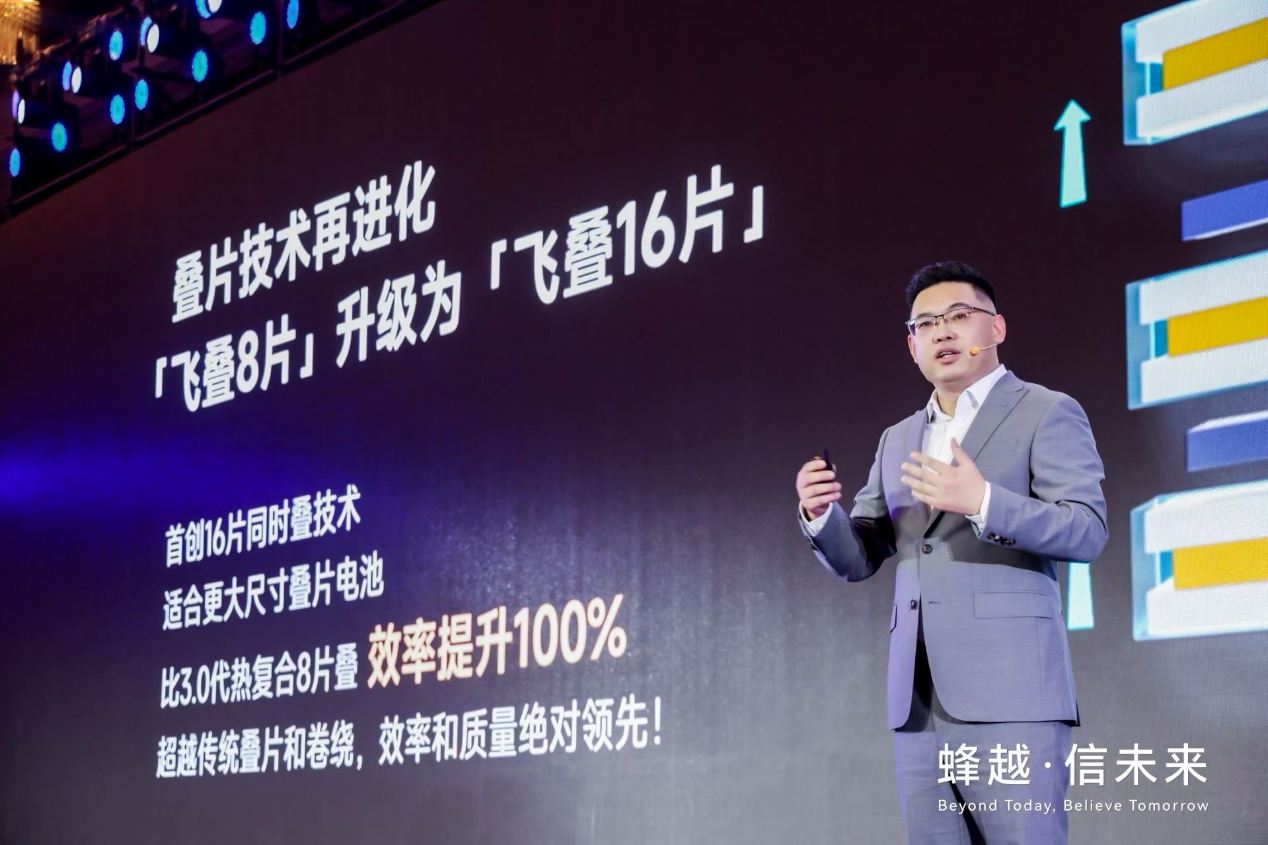
Core Insights - The article highlights the technological innovations driving product upgrades at Hive Energy, which is exploring new paths for the domestic lithium battery industry [1][19] - By 2025, the penetration rate of new energy vehicles (NEVs) in the domestic passenger car market is expected to reach 59.1%, with an overall penetration rate exceeding 50% for the year [1] - The industry anticipates that NEVs will continue to dominate the domestic automotive consumption market in 2026, with consumer demands evolving towards high safety, cost-effectiveness, and long-range capabilities [1] Group 1: Product Innovations - Hive Energy held its sixth Battery Day on January 13, unveiling the stacked 4.0 manufacturing process and a series of new products including the Fortress 2.0 battery and the Dragon Scale 3.0 battery, showcasing its technological reserves and product layout aimed at achieving profitability in 2026 [3] - The Fortress 2.0 battery, designed for the Chinese market, has a total capacity of 80 kWh, making it one of the largest plug-in hybrid electric vehicle (PHEV) battery packs globally, optimized through systematic technological innovations rather than merely increasing cell parameters [5][8] - The Dragon Scale 3.0 battery has been optimized for compatibility with CTC (cell-to-chassis) and CTB (cell-to-body) technologies, addressing industry pain points related to traditional battery layouts [11] Group 2: Safety and Efficiency Enhancements - The Fortress 2.0 battery features a high integration technology that improves volume utilization by 6% and employs supercharging graphite technology, allowing for a charging speed of up to 6C, enabling 10% to 80% SOC charging in just 10 minutes [8] - The Dragon Scale battery system incorporates thermal separation and dual-side cooling designs, enhancing safety levels and gaining recognition from several high-end luxury brands [9] - The newly introduced ion oscillation technology allows for a 25% reduction in charging time by intelligently adjusting current during the charging process, addressing user concerns about charging anxiety [16] Group 3: Market Expansion and Strategic Positioning - The energy storage market is emerging as a new growth engine for the lithium battery industry, with Hive Energy launching the world's first stacked 588Ah energy storage battery and developing a 866Ah version to meet the demand for large-capacity storage systems [17] - The company is also expanding its technology applications into various scenarios, including the release of high-capacity HEV batteries to facilitate the intelligent transformation of traditional fuel vehicles [19] - As the power battery industry transitions from a blue ocean to a red ocean competitive landscape, Hive Energy's focus on technological innovation and differentiated positioning is becoming its core competitive advantage, contributing to the global leadership of China's new energy industry [19]
永和股份受益行业景气预盈超5.3亿 资产增值负债率28.48%创五年新低
Chang Jiang Shang Bao· 2026-01-16 00:36
Core Viewpoint - Yonghe Co., Ltd. (605020.SH) is expected to achieve a significant increase in net profit for 2025, with projections indicating a growth of 110.87% to 150.66% year-on-year, driven by a high demand in the refrigerant industry and the company's operational efficiencies [1][3]. Financial Performance - The projected net profit attributable to shareholders for 2025 is estimated to be between 530 million to 630 million yuan, an increase of 279 million to 379 million yuan compared to the previous year [3]. - For the first three quarters of 2025, the company reported a revenue of 3.786 billion yuan, reflecting a year-on-year growth of 12.04%, and a net profit of 469 million yuan, which is a 220.39% increase [2][3]. - The total assets of Yonghe Co., Ltd. reached 7.904 billion yuan by the end of September 2025, with a debt-to-asset ratio of 28.48%, marking a five-year low [1][6]. Industry Position and Product Offering - Yonghe Co., Ltd. operates in the fluorochemical sector, with a comprehensive product chain that includes fluorite resources, hydrofluoric acid, fluorocarbon chemicals, and fluorine-containing polymers [2]. - The company has established a global sales network covering over 100 countries and regions, supported by its brands "Ice Dragon" and "Fluorlon" [2]. Operational Efficiency and Competitive Advantage - The company benefits from a complete industrial chain that enhances production organization and resource allocation, leading to improved profitability [4]. - Yonghe Co., Ltd. has a production capacity of 190,000 tons for fluorocarbon chemicals and 82,800 tons for fluorine-containing polymer materials, with significant market positions in key products [5][6]. Research and Development - The company emphasizes a strategy of independent research and development, with a focus on high-end and green fluorochemical demands, resulting in 78 valid patents as of mid-2025 [7]. - R&D expenditures have consistently increased, with amounts of 52.11 million yuan, 90.23 million yuan, 104 million yuan, and 81.6 million yuan from 2022 to the first three quarters of 2025, reflecting a commitment to innovation [7].

广发证券:光伏反内卷持续推进,技术创新助力反转
Xin Lang Cai Jing· 2026-01-15 23:18
广发证券研报指出,光伏反内卷持续推进,技术创新助力反转。供给:反内卷持续推进,产业链产量下 行,光伏反内卷有望进一步加强与落实。根据世纪新能源网,12月26日,市场监管总局通报了光伏行业 价格违法问题和风险,并强调全行业要充分认识整治光伏行业"内卷式"竞争的重要性。我们认为,在市 场监管总局的进一步要求下,光伏反内卷有望得到进一步落实与加强,行业盈利改善可期,我们看好 2026年光伏产业链下游组件环节的盈利改善;技术创新:降本增效助力盈利率先反转,BC产业化有望 提速。 ...

Claritev (NYSE:CTEV) FY Conference Transcript
2026-01-15 16:32
Summary of Claritev (NYSE:CTEV) FY Conference Call Company Overview - **Company Name**: Claritev (formerly MultiPlan) - **Industry**: Healthcare technology and services - **Key Executives**: Travis Dalton (President and CEO), Doug Garis (CFO) Core Points and Arguments Company Vision and Strategy - Claritev focuses on transparency and affordability in healthcare, emphasizing clear insights around pricing for employers managing risk and employee benefits [1][2] - The company serves over 700 payer clients and has a provider network of 1.4 million, which is considered a key asset that has been underinvested in [2][3] - The leadership aims to build a sustainable growth company rather than engage in financial engineering, focusing on long-term value creation [4][5] Financial Performance - The company reported a stock increase of 180%-190% year-over-year, indicating strong market performance [3] - In Q3, revenue grew by 7% with record EBITDA, marking the strongest revenue print in absolute dollar terms over the last 12 quarters [26][27] - The company has invested significantly in technology, with $500 million spent over five years and an additional $100 million planned for technology transformation [28] Technology and Innovation - Claritev is transitioning to Oracle Cloud, enhancing its technology infrastructure and enabling faster product development, such as the Network Builder tool [9][50] - The company is focused on integrating AI into its workflows to improve efficiency and service delivery [32] - New product launches and enhancements are planned, with over 30 solution enhancements and 10 new products expected this year [22] Market Position and Growth Opportunities - The company is well-positioned to address challenges in the healthcare market, including cost inflation and regulatory changes, with products that enhance affordability and transparency [8][9] - Claritev's revenue model is based on a percentage of savings (P-save), making it a sticky and profitable business [28][29] - The company is expanding its addressable market by selling existing products into new verticals and international markets without significant customization [19][20] Client Relationships and Sales Strategy - A new client success organization has been established to enhance service for existing clients, leading to multi-year renewals for top clients [44][46] - The sales pipeline has grown significantly, with over 20 new logos acquired in the first three quarters of the previous year [40] Future Outlook - The leadership emphasizes a focus on execution in 2026, aiming for strong financial growth and product innovation [53][54] - Employee satisfaction and engagement are also key focuses, with the belief that a committed workforce will drive long-term success [55][56] Additional Important Content - The company has a high provider acceptance rate, with over 90% of transactions proceeding smoothly [23][24] - Claritev's competitive advantage lies in its extensive data rights agreements and custom business rules developed over years of service [23] - The leadership team has been restructured to enhance focus and drive growth, with a commitment to transparency and accountability in operations [39][42]