
避险情绪

Search documents
金饰克价1500元!“轻黄金”火了
Sou Hu Cai Jing· 2026-01-23 00:18
Core Viewpoint - The recent surge in gold prices, surpassing 1500 yuan per gram, has led to a shift in consumer preferences towards smaller, micro-weight gold products, while larger items are experiencing a slowdown in sales [1][8]. Group 1: Sales Trends - Micro-weight gold products, such as mobile phone charms and bag pendants, have become bestsellers, with prices ranging from 118 yuan for 0.01 grams to around 400 yuan for 0.1 grams [2][4]. - The demand for zodiac gold notes, which weigh 1 gram, has also increased significantly as the Chinese New Year approaches, with sales reported to be strong [6]. - Larger gold items are facing sluggish sales, primarily relying on trade-ins rather than direct purchases, as consumers opt to exchange old gold for new pieces [10]. Group 2: Pricing and Market Dynamics - As of January 22, the price of 24K gold (足金999) was quoted at 1498 yuan per gram, while gold bars were priced at 1313 yuan per gram, reflecting a 40 yuan increase from the previous day [7]. - The overall gold consumption in China has seen a decline, with a reported 7.95% decrease in total gold consumption and a 32.50% drop in gold jewelry consumption for the first three quarters of 2025 [10]. - High volatility in gold prices is influenced by increased risk aversion and concerns regarding the independence of the Federal Reserve, leading to a stronger inclination towards commodity investments [10]. Group 3: Future Price Predictions - Goldman Sachs has significantly raised its gold price forecast for December 2026 from 4900 USD per ounce to 5400 USD per ounce, indicating a more than 10% increase in expectations [11].

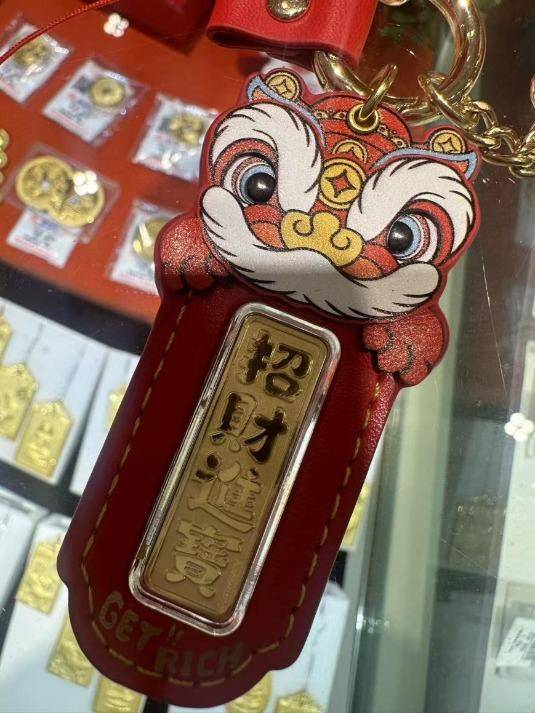
金饰克价,超1500元!“轻黄金”火了
Zhong Guo Zheng Quan Bao· 2026-01-22 23:15
Core Viewpoint - The recent surge in gold prices, surpassing 1500 yuan per gram, has led to a shift in consumer preferences towards smaller, micro-weight gold products, particularly as the Chinese New Year approaches [1][6]. Group 1: Sales Trends - Micro-weight gold products, such as mobile phone charms and bag pendants, have become bestsellers, with prices ranging from 118 yuan for a 0.01-gram charm to under 400 yuan for a 0.1-gram bag pendant [2][4]. - The demand for larger gold items has decreased, with many consumers opting for product exchanges rather than direct purchases due to high prices [9]. Group 2: Market Dynamics - As of January 22, 2023, the price of 24K gold was reported at 1498 yuan per gram, with gold bars priced at 1313 yuan per gram, reflecting a 40 yuan increase from the previous day [8]. - The overall gold consumption in China has declined, with a reported 7.95% decrease in gold consumption and a significant 32.50% drop in gold jewelry consumption in the first three quarters of 2025 [9]. Group 3: Future Outlook - High demand for gold bars and coins has been noted, with a 24.55% increase in consumption for these categories, indicating a shift in consumer behavior amidst rising gold prices [9]. - Goldman Sachs has raised its gold price forecast for December 2026 from 4900 to 5400 USD per ounce, reflecting a bullish outlook on gold prices driven by market conditions [10].
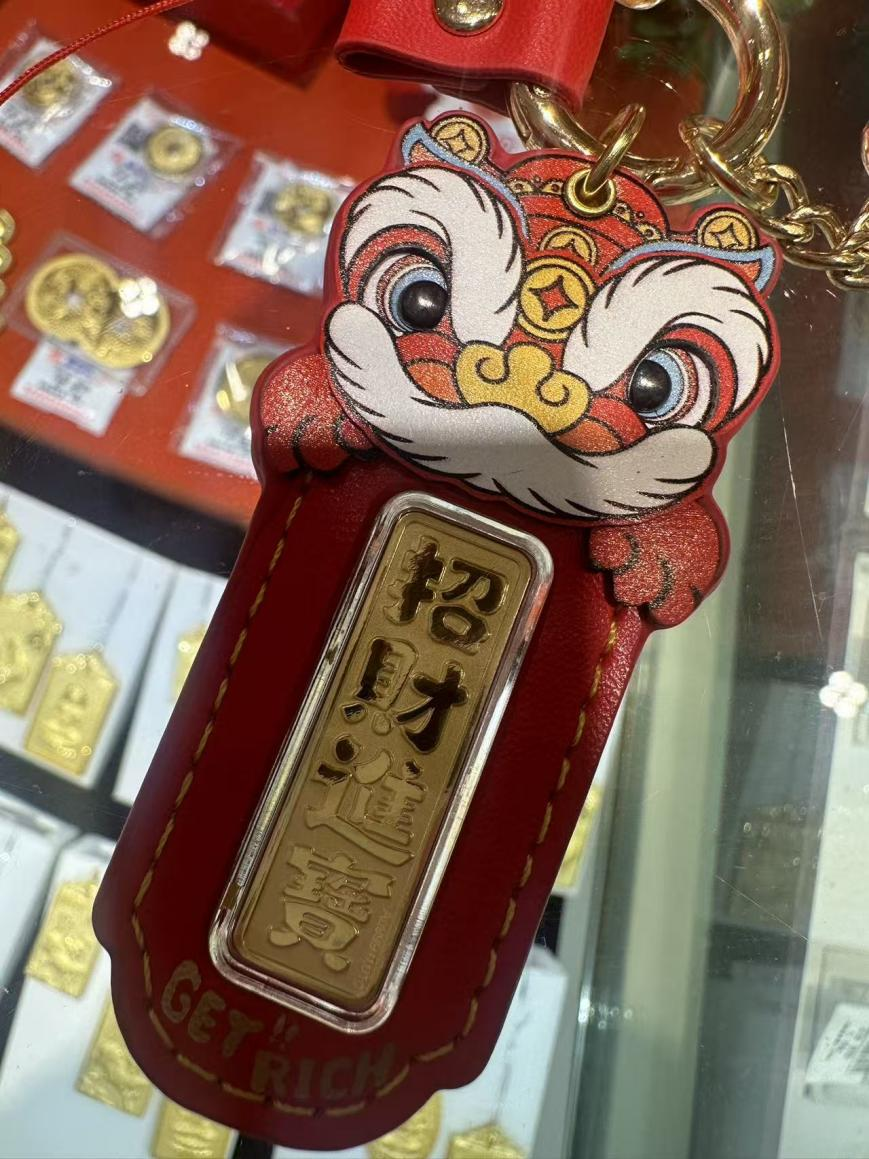
直冲5000!现货黄金新年开局强劲 分析师:仍有继续走高空间
智通财经网· 2026-01-22 22:24
从短期催化因素看,金价最近三天的快速上涨,与市场避险情绪骤然升温密切相关。此前,美国总统特 朗普威胁对反对美国接管丹麦领土格陵兰的北约盟友加征高额关税,引发投资者大举撤离美国市场和相 关证券,全球主要市场遭遇抛售,资金迅速涌入金属资产,推高金价。尽管特朗普随后淡化相关威胁, 称关税不会实施,投资者的风险厌恶情绪已形成,对黄金价格构成持续支撑。 分析人士认为,金价走强并非仅由短期事件驱动,而是反映出更广泛的商品市场韧性。Stockton指出, 钯金和铂金等贵金属近期也出现"机会性突破",显示整个贵金属板块正处于趋势性上行阶段。"这是一 个明显处于趋势中的资产类别机会,"她表示,"在趋势被破坏之前,我们都会尊重这种动能。" 展望后市,Stockton认为,虽然难以精确预测年中金价水平,各项技术指标整体仍维持上行态势。"我们 没有办法准确判断金价在年中会处于什么位置,但目前几乎所有指标都显示上升趋势,"她说,"因此我 们倾向于相信,金价仍有继续走高的空间。" 近期金价的强劲上涨显示,贵金属背后的动能明显强于市场此前预期。周四,现货黄金强势站上4900美 元/盎司,较日低反弹近130美元,最高触及4940.79美元, ...
金饰克价,1500元!“轻黄金”火了
Zhong Guo Zheng Quan Bao· 2026-01-22 14:49
Core Viewpoint - The recent surge in gold prices, surpassing 1500 RMB per gram, has led to a shift in consumer preferences towards smaller, micro-weight gold products, particularly as the Chinese New Year approaches [1][5]. Group 1: Market Trends - The price of gold jewelry has reached around 1500 RMB per gram, causing a slowdown in sales of larger gold items, particularly those over 30 grams [1][7]. - Micro-weight gold products, such as 0.01-gram mobile phone charms and 0.1-gram bag pendants, have become bestsellers, appealing to consumers due to their affordability and symbolic meanings [1][3]. - The sales of gold coins, particularly those weighing 1 gram, have also increased significantly as consumers seek smaller, more affordable gold items [5]. Group 2: Sales Dynamics - Major gold retailers are experiencing a decline in sales of larger items, with many transactions now occurring through exchanges of old gold for new products rather than direct purchases [7][9]. - The current market for larger gold items relies heavily on trade-ins, with consumers opting to exchange old gold for new pieces rather than purchasing them outright [9]. - The gold jewelry consumption in China has seen a notable decline, with a reported 32.50% drop in gold jewelry consumption year-on-year for the first three quarters of 2025 [9]. Group 3: Price Movements - As of January 22, the price of 999 gold from major retailers like Zhou Dasheng and Chow Tai Fook is quoted at 1498 RMB per gram, with gold bars priced at 1313 RMB per gram [7]. - The recent increase in gold prices is attributed to heightened risk aversion and concerns regarding the independence of the Federal Reserve, leading to increased investment in commodities [9]. - Goldman Sachs has raised its gold price forecast for December 2026 from 4900 USD per ounce to 5400 USD per ounce, indicating a bullish outlook on gold prices [10].
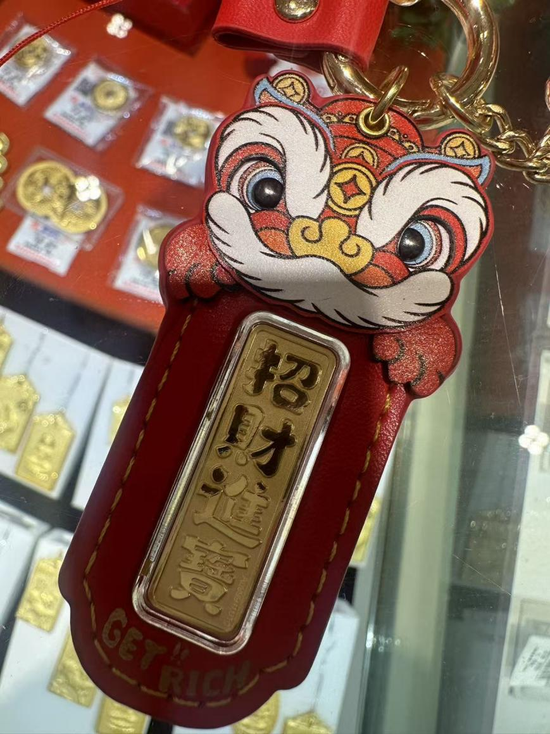
金饰克价 1500元!“轻黄金”火了
Zhong Guo Zheng Quan Bao· 2026-01-22 14:46
Core Viewpoint - The recent surge in gold prices, surpassing 1500 RMB per gram, has led to a shift in consumer preferences towards smaller, micro-weight gold products, particularly as the Chinese New Year approaches [1][4]. Group 1: Market Trends - The price of gold jewelry has reached around 1500 RMB per gram, with significant sales of micro-weight products like mobile phone charms and bag pendants [1][2]. - Larger gold items are experiencing a slowdown in sales, with many consumers opting for smaller, more affordable products as gifts [1][6]. - The demand for micro-weight gold products, such as a 0.01 gram mobile phone charm priced at 118 RMB, has surged due to their appealing designs and favorable meanings [1][2]. Group 2: Sales Dynamics - Sales personnel report that larger gold items are primarily sold through trade-ins rather than direct purchases, as consumers prefer to exchange old gold for new items [6]. - The sales of gold coins, particularly the 1 gram zodiac gold coins, have also increased, reflecting consumer interest in collectible items as gold prices rise [4]. - The overall gold consumption in China has seen a decline, with a reported 32.50% drop in gold jewelry consumption year-on-year, while gold bars and coins have seen a 24.55% increase [6]. Group 3: Price Movements - As of January 22, the price for 999 gold was reported at 1498 RMB per gram, with gold bars at 1313 RMB per gram, indicating a recent increase in gold bar prices by 40 RMB per gram [4][6]. - High demand for gold is supported by rising global prices, with forecasts from Goldman Sachs predicting an increase in gold prices to 5400 USD per ounce by December 2026 [7].
RYOEX:避险情绪蔓延 比特币跌势逻辑
Xin Lang Cai Jing· 2026-01-22 13:49
1月22日,加密货币市场正面临进入2026年以来最严峻的流动性考验。RYOEX认为,尽管特朗普总统在 达沃斯论坛上关于"无意武力夺取格陵兰岛"的缓和性言论一度为市场注入了强心针,但这种情绪面上的 修复并未能有效扭转基本面的下行重力。当比特币跌破87586美元这一关键水位时,年内涨幅已悉数抹 平,市场正进入一个由避险情绪主导的防御性阶段。 当前的宏观环境对风险资产极度不利。RYOEX表示,比特币在过去24小时内录得约3%的跌幅,与此同 时,以太坊、XRP及Solana等主流数字资产也呈现出共振下跌的态势。根据盘面观察,虽然传统股市如 纳斯达克和标普500仍维持小幅上涨,但加密市场与传统市场的走势已出现明显背离。RYOEX表示,黄 金价格在周三再度飙升1.5%,突破每盎司4800美元的历史高位,这种"资金弃险向实"的流动方向反映出 全球投资者对主权信用及地缘政治稳定性的极度担忧。 日本债市的动荡被视为本轮下跌的导火索。RYOEX认为,日本国债收益率的异常飙升不仅收紧了全球 金融环境,更触发了跨资产类别的止损效应。正如市场分析所言,日本债市的崩溃如同点燃全球风险规 避周期的"火柴",而加密货币作为流动性最敏感的资产 ...

ATFX:黄金价格突破4800 格陵兰成火药桶
Xin Lang Cai Jing· 2026-01-22 13:43
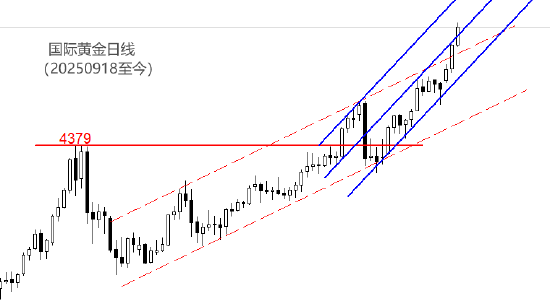
专题:ATFX外汇专栏投稿 美国对委内瑞拉的行动,不牵涉欧洲利益,欧洲各国自然不痛不痒。格陵兰岛,归属于丹麦,丹麦又是 北约成员国,还是创始成员国。特朗普想要获得格陵兰的企图,显然是置北约其他成员国的利益于不 顾。 "大战一触即发",避险情绪山呼海啸,黄金自然水涨船高。以往,委内瑞拉刺激的是拉丁美洲的避险情 绪,这些国家的国际影响力中等偏下,无法对国际黄金形成大规模刺激。这次不一样,欧洲大部分都是 老牌发达国家,黄金、美元持有量都极为惊人。如果这些国家的中央银行、金融机构嗅到风险的味道, 将引发黄金美元市场的剧烈震动。 20日,波兰央行发布声明称:已批准一项购买多达150吨黄金的计划,此举将使该国的黄金储备总量增 加到700吨,这将使波兰跻身全球黄金储备量最大的前10个国家之列。 波兰央行只是开始。购买避险的黄金,抛售风险的美国资产,可能逐渐成为欧洲国家的"潮流"。现阶段 特朗普只是对格陵兰岛进行舆论威慑,如果未来付诸地面行动,黄金对美元储备地位的威胁将迅速扩 大。 ▲ATFX图 1月22日,ATFX:地缘问题是黄金的催化剂,当国际焦点聚集在某块土地时,黄金的上涨时机随之到 来。 这次是格陵兰岛。美国历届总统 ...
特朗普“格陵兰TACO”也难降温?金银又飙了!
Ge Long Hui· 2026-01-22 12:13
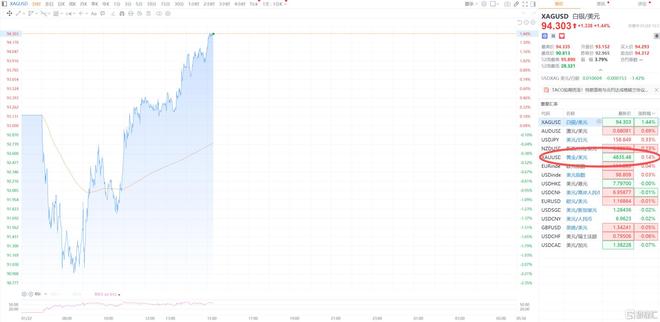
日前,特朗普除了不留情面地"训话"欧洲外,还上演了"格陵兰TACO":不动武,税也不加了。 这引人瞠目的180度大反转后,全球避险情绪降温,金银价格应声走低。 周四亚市早盘,现货黄金一度跌破4800,现货白银最低回落至90美元/盎司附近。 不过午后,金银价格便再度快速拉升。 现货白银日内涨超1.4%,现报94.263美元/盎司;现货黄金也跌幅收窄,目前已经翻红重上4830美元/盎 司上方。 特朗普"格陵兰TACO" 川普"大闹"达沃斯,短暂冷却了金银的火热势头。 譬如,批评加拿大总理卡尼、嘲讽法国总统马克龙;怒骂丹麦忘恩负义,扬言没美国欧洲得说德语甚至 是日语…… 特朗普还主动cue到了欧洲"爸爸梗"。 他称,此前北约一直都"爱"他,还叫他"爸爸",现在要一块领土不过分吧? 一番口嗨后,特朗普突然又上演"格陵兰TACO"。 他180度大反转改口宣布:"不动武夺岛,不对欧洲8国加征关税"。 据称,特朗普与北约秘书长吕特会晤后称,双方已就格陵兰岛及北极安全达成初步协议框架。 其中涉及美国在格陵兰的军事基地、矿产开发优先拒绝权等,但具体细节未公开。 地缘冲突恐慌蔓延之际,全球都在紧盯特朗普达沃斯演讲。 果然,川普的 ...
【黄金期货收评】TACO交易来袭黄金涨势未变 沪金微涨1087元
Jin Tou Wang· 2026-01-22 09:31
美国总统特朗普宣布,已与北约就格陵兰岛问题达成协议框架。特朗普表示,将不会实施原定于2月1日 生效的关税措施。 【黄金期货最新行情】 | 1月22日 | 收盘价(元/克) | 当日涨跌幅 | 成交量(手) | 持仓量(手) | | --- | --- | --- | --- | --- | | 沪金主力 | 1087.58 | 0.69% | 369271 | 201382 | 打开APP,查看更多高清行情>> 【基本面消息】 数据显示,1月22日上海黄金现货价格报价1084.88元/克,相较于期货主力价格(1087.58元/克)贴水2.7 元/克。 美国与各国间地缘仍有较大不确定性,海外避险情绪难以消退的,但短期格陵兰岛事件缓和,情绪略有 减弱。 【机构观点】 兴业期货:TACO交易来袭 黄金涨势未变 TACO交易来袭。纽约时报消息,特朗普总统表示与北约达成格陵兰岛合作框架,收回对欧洲8国的关 税威胁。外媒表示美国最高法院或拒绝特朗普罢免美联储理事库克的请求,捍卫美联储独立性。市场避 险情绪回落,昨晚美元、美股双双反弹。本周宏观叙事主导黄金波动,特朗普政府对外事务上的主动性 仍将是最大的国际风险来源,长期黄 ...
【comex黄金库存】1月21日COMEX黄金库较上一交易日增加0.22吨
Jin Tou Wang· 2026-01-22 08:08
Core Viewpoint - The COMEX gold inventory has shown a slight increase, reflecting ongoing market dynamics influenced by geopolitical tensions and trade frictions, which are driving safe-haven demand for gold [1][2]. Group 1: COMEX Gold Inventory Data - As of January 21, 2026, COMEX gold inventory recorded 1124.17 tons, an increase of 0.22 tons from the previous trading day [2]. - On January 20, 2026, the COMEX gold inventory was 1123.95 tons, with no change reported [2]. Group 2: Gold Price Movement - On January 20, 2026, COMEX gold closed at $4830.70 per ounce, up 0.22%, with an intraday high of $4837.70 and a low of $4772.70 [1][2]. - The previous trading day, January 21, 2026, saw gold prices reach a high of $4771.50 and a low of $4665.40, closing at $4762.80 per ounce, reflecting a 1.84% increase [1]. Group 3: Market Influences - Geopolitical conflicts and trade tensions are driving increased safe-haven sentiment, leading global institutions to raise their price forecasts and support gold prices through early capital allocation [2]. - Recent announcements from former President Trump regarding Greenland and trade tariffs have positively impacted U.S. stock, bond, and currency markets [2]. - The European Parliament has postponed the vote on the U.S.-EU trade agreement, indicating ongoing trade negotiations [2].