
ESG

Search documents
太仓市工业投资年均增长11.6%
Su Zhou Ri Bao· 2026-01-19 00:31
Core Insights - Taicang's GDP grew by approximately 5.2% in the past year, with a general public budget revenue of 19.36 billion and an industrial output value of 343.36 billion, ranking seventh among China's top 100 counties and cities in comprehensive strength [1] - The city signed 300 industrial projects worth over 100 million, with 187 projects launched, achieving a total import and export volume of 118.8 billion [1] - Taicang has strengthened its investment in various sectors, including industry, technology, services, and culture, resulting in the addition of 18 national-level specialized "little giant" enterprises and over 1,400 high-tech enterprises [1] Group 1 - Taicang has initiated major strategic opportunities and continuously promoted reform and opening up, enhancing urban development capabilities [2] - The city has launched significant infrastructure projects, including the Suzhou-Xi'an intercity railway and Jiangsu Beauty Port, and established a one-stop service window for cosmetic registration [2] - Taicang has been recognized as a national model for rural revitalization and has been approved for national rural reform pilot tasks [2] Group 2 - By 2026, Taicang aims to focus on "3+3+X" industrial directions, accelerating intelligent, green, and integrated development [3] - The city plans to strengthen investment attraction and promote major project breakthroughs, emphasizing the importance of projects and industries [3] - Taicang will enhance its integration with Shanghai and develop a national-level cooperation platform with Germany, while implementing comprehensive urban-port integration development [3]
How Entrepreneur Richard Branson Built A Real Estate Empire In The British Virgin Islands
Yahoo Finance· 2026-01-18 16:46
Core Insights - Entrepreneur Richard Branson has transformed the British Virgin Islands into a high-yield, eco-conscious real estate market, with a net worth of $2.8 billion, moving from music and aviation to ultra-luxury properties [1] Group 1: Real Estate Development - Branson's real estate journey began in the 1970s with the purchase of Necker Island for $180,000, which is now a key asset in his portfolio [2] - Necker Island has evolved into a revenue-generating asset under the Virgin Limited Edition hospitality brand, with private buyouts starting at approximately $100,000 per night, often exceeding $1 million per week [3] - Branson purchased Moskito Island for $13.2 million in 2007, which is a more complex real estate development compared to Necker Island [4] Group 2: Sustainability and Modernization - Despite setbacks from a 2011 fire and Hurricane Irma in 2017, Branson modernized Necker Island, making it a sustainable ecosystem powered by wind and solar energy, enhancing its long-term valuation in an ESG-focused market [4] - The infrastructure on Moskito Island supports ultra-wealthy owners in building bespoke estates while sharing communal costs, including Branson's personal multivilla compound [5] Group 3: Brand Strategy and Future Directions - Branson's real estate strategy is closely tied to the Virgin brand, using properties as hospitality flagships, including Son Bunyola in Mallorca, Spain [6] - Following the sale of Virgin Money to Nationwide in 2024, Branson has continued to focus on travel and hospitality, as seen in the growth of Virgin Voyages [6]
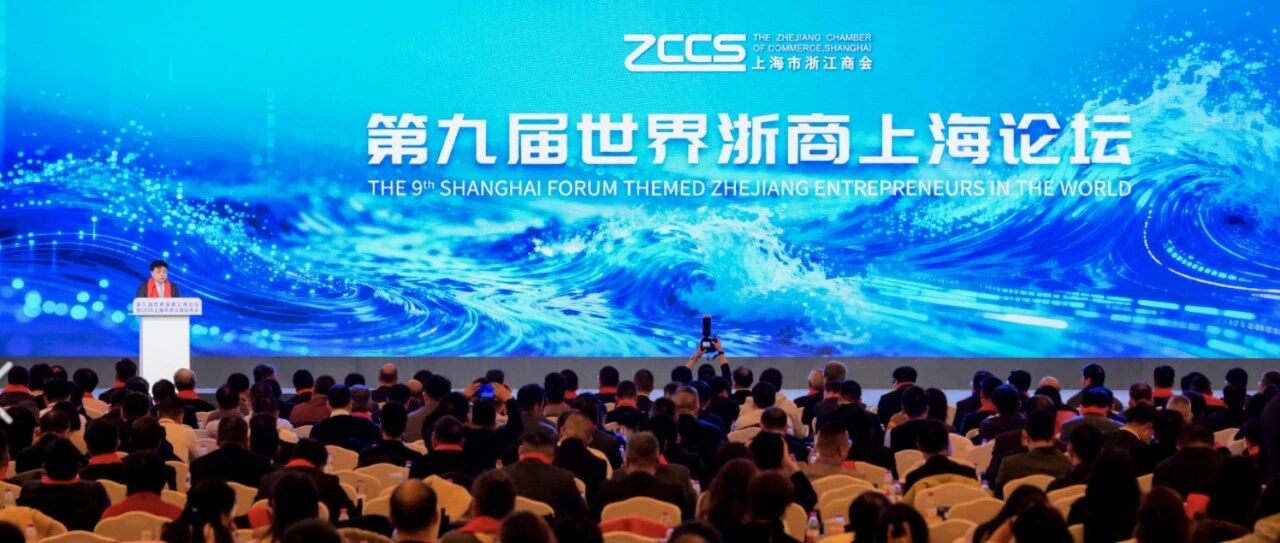
王均金郭广昌南存辉现身浙商年会:今年经济怎么样?民企未来靠什么
第一财经· 2026-01-18 15:51
Core Viewpoint - The article emphasizes the resilience of the Chinese economy amidst challenges, highlighting the importance of innovation and global opportunities for private enterprises in China [3]. Group 1: Economic Resilience and Challenges - The current economic environment is warmer compared to the previous year, with negative factors being gradually digested, showcasing the resilience of the Chinese economy [3]. - The past few decades of rapid economic growth have led to challenges that require reflection on whether companies overestimated their capabilities and competitiveness [5]. Group 2: Innovation and Product Development - The era of relying on a single successful strategy is over; companies must focus on innovation and enhancing product quality to improve competitiveness [6]. - The hospitality sector, exemplified by the Atlantis Hotel in Sanya, has seen improved occupancy rates and pricing, indicating strong consumer demand for high-quality products despite a backdrop of consumption downgrade [6]. Group 3: Importance of Technology and ESG - Emphasis on technological innovation as a new engine for private enterprise development, with a call for investment in foundational research and key technologies [6]. - The significance of ESG (Environmental, Social, and Governance) initiatives and green technology development is highlighted as a global consensus and a substantial market opportunity [6]. Group 4: Globalization and International Opportunities - Despite domestic market challenges, globalization remains a key focus, with companies encouraged to build global capabilities and perspectives [8]. - The example of Fosun's global operations, with overseas revenue reaching 46.67 billion yuan in the first half of 2025, illustrates the potential of Chinese enterprises in the global market [8]. Group 5: Competitive Landscape and Future Directions - Chinese private enterprises, particularly in emerging sectors like AI and biotechnology, are becoming globally competitive, with significant price differentials in international markets [9]. - The new era of globalization involves not just product exports but also the allocation of innovative resources globally and participation in setting international standards [9].

王均金郭广昌南存辉现身浙商年会:今年经济怎么样?民企未来靠什么
Di Yi Cai Jing· 2026-01-18 15:04
Group 1: Economic Resilience and Innovation - The current economic environment is showing signs of improvement compared to the previous year, indicating the resilience of the Chinese economy [1] - The era of relying on a single successful strategy is over; companies must focus on innovation and enhancing product quality to improve competitiveness [3] - The hospitality sector, exemplified by the Atlantis Hotel in Sanya, is experiencing higher occupancy rates and prices, reflecting a strong consumer market despite a backdrop of consumption downgrade [3] Group 2: Green Technology and ESG - Emphasis on green, low-carbon, and circular development is becoming a global consensus, presenting significant market opportunities for businesses [4] - Companies are encouraged to develop core advantages in green manufacturing to navigate upcoming carbon tariffs and trade barriers [4] Group 3: Globalization and Market Expansion - Despite challenges in the domestic market, there is a consensus among entrepreneurs that international expansion and globalization remain key focus areas [5] - The company has accelerated its globalization efforts, with overseas revenue reaching 46.67 billion yuan in the first half of 2025, accounting for 53% of total revenue [5] - Chinese private enterprises are increasingly competitive in emerging industries such as AI and biotechnology, with significant profit potential in international markets [6] Group 4: New Opportunities in Global Resource Allocation - The new era of "going global" involves not just exporting products but also strategically allocating innovation resources and participating in the establishment of international standards [6] - Emerging sectors such as commercial space, deep-sea exploration, and quantum technology are creating new opportunities and reshaping the global industrial landscape [6]
基金市场与ESG产品周报20260118:被动资金减仓各类宽基ETF,TMT和周期主题ETF显著吸金-20260118
EBSCN· 2026-01-18 14:06
- The report does not contain any quantitative models or factors related to quantitative analysis[1][2][3][4][5][6][7][8][9][10][11][12][13][14][15][16][17][18][19][20][21][22][23][24][25][26][27][28][29][30][31][32][33][34][35][36][37][38][39][40][41][42][43][44][45][46][47][48][49][50][51][52][53][54][55][56][57][58][59][60][61][62][63][64][65][66][67][68][69][70][71][72][73][74][75][76][77][78][79][80][81][82][83][84][85][86][87][88][89]
中企对德投资十年迭代:从规模扩张到价值深耕︱问海·中企出海新观察
Di Yi Cai Jing· 2026-01-18 12:41
Core Insights - The systematic risks associated with Chinese enterprises' direct investment in Germany have significantly increased over the past decade, shifting from opportunistic technology acquisitions to deeper integration within the industrial chain [1] - The investment landscape has transformed, necessitating a transition from broad-scale expansion to a more refined focus on value creation and compliance [7] Regulatory Changes - Since 2016, Germany has progressively strengthened its foreign direct investment (FDI) security review mechanisms through amendments to the Foreign Trade Regulation (AWV), impacting the investment environment for Chinese firms [2] - The introduction of the EU Foreign Direct Investment Screening Regulation in 2019 established a unified framework for FDI reviews among member states, enhancing scrutiny on investments from China [2][3] - Key revisions in 2021 expanded the scope of review to include critical technologies such as AI, semiconductors, and cybersecurity, increasing compliance costs and uncertainties for Chinese investors [3] Compliance Risks - Compliance risks for Chinese companies in Germany have evolved from transaction-based compliance to ongoing operational and governance responsibilities, particularly in light of the European Green Deal and the Supply Chain Due Diligence Act [4] - The implementation of the General Data Protection Regulation (GDPR) has intensified scrutiny on data security and privacy, posing additional challenges for Chinese investments [5] - The upcoming Corporate Sustainability Reporting Directive (CSRD) will require comprehensive ESG disclosures, further complicating compliance for Chinese firms operating in Germany [5] Investment Environment Changes - The investment environment in Germany has undergone significant changes due to structural and cyclical factors, with economic growth slowing and macroeconomic uncertainties rising since 2020 [6] - Despite challenges, Germany remains an attractive destination for high-end manufacturing and technology investments due to its skilled labor force and robust vocational education system [6] - Rising energy costs and labor market changes have impacted operational costs, prompting a shift in investment strategies towards clean energy and infrastructure [6][7] Strategic Shifts - Chinese enterprises have shifted their investment strategies from large-scale acquisitions to minority stakes, strategic partnerships, and greenfield investments, reflecting a more diversified approach [8] - The focus has moved towards compliance-friendly sectors aligned with EU policies, emphasizing local employment, R&D investment, and supply chain collaboration [7][8] - The competitive advantage for Chinese firms in Germany will increasingly hinge on compliance capabilities, depth of local integration, and innovation in green technologies [9]
“矿业双雄”的掘金密码
Zhong Guo Jing Ying Bao· 2026-01-18 10:48
Core Insights - In 2025, Zijin Mining and Luoyang Molybdenum both achieved record-high profits and market valuations, driven by strategic positioning in the global commodity market and effective operational management [1][2][4]. Financial Performance - Zijin Mining expects a net profit of 51-52 billion yuan for 2025, marking a year-on-year increase of 59%-62%, with core mineral products seeing significant price and volume growth [2][3]. - Luoyang Molybdenum anticipates a net profit of 20-20.8 billion yuan, representing a year-on-year growth of 47.8%-53.71%, and is entering the 20 billion yuan profit range for the first time [2][3]. Production and Market Position - Zijin Mining's production includes approximately 90 tons of gold, 1.09 million tons of copper, and 437 tons of silver, positioning it as the fourth-largest metal mining company globally and the largest gold mining company [2][3]. - Luoyang Molybdenum's copper production reached 741,100 tons, with cobalt, molybdenum, tungsten, and niobium also hitting historical highs [3][4]. Strategic Initiatives - Luoyang Molybdenum's success is attributed to its long-term strategic focus on the energy transition and early investments in overseas copper assets, alongside capitalizing on the current metal price upcycle [1][4]. - The company is advancing its KFM Phase II project, expected to add 100,000 tons of copper production annually by 2027, and is planning further expansions to reach a target of 1 million tons of copper by 2028 [4]. Management Changes - Zijin Mining has undergone a leadership transition, with a new management team emphasizing stability and internal promotion, which is seen as crucial for maintaining strategic continuity [5][6]. - Luoyang Molybdenum has introduced a new management team with significant external experience, aiming to enhance global management capabilities and adapt to evolving industry demands [7][8]. Industry Trends - The contrasting management strategies of Zijin Mining and Luoyang Molybdenum reflect broader trends in the mining industry, with Zijin focusing on internal stability and Luoyang on external talent acquisition to drive innovation and digital transformation [9].


IIGF观点 | 邓洁琳:数字经济投资转向下的全球可持续挑战与中国“走出去”ESG实践路径
Mei Ri Jing Ji Xin Wen· 2026-01-18 10:21
Group 1: International Investment Trends - Global foreign direct investment (FDI) is experiencing a downward trend for two consecutive years, with a 3% decrease compared to the same period in 2024, and a significant 7% decline in developed economies [2] - Developing economies are showing stable growth, with Asia expanding by 7% and Latin America and the Caribbean increasing by 12%, alongside a notable 254% rise in merger and acquisition activities [2] - Investment focus is shifting from sustainable infrastructure projects to the digital economy, with a 10% decrease in the number of sustainable development-related projects in developing countries and a 7% drop in investment amounts [3] Group 2: Digital Economy Investment Trends - Investment in the digital economy has seen significant growth, with greenfield investments nearly doubling since 2020, reaching $360 billion, and attracting an average of 8.3% of global FDI annually from 2021 to 2023 [3] - Despite a 10% decline in sustainable development-related projects in early 2025, the digital economy continues to attract foreign direct investment, with developing economies seeing nearly a doubling of annual inflows [3] Group 3: Global Sustainable Development Challenges - The digital divide is widening due to increased demands for physical infrastructure and digital literacy, exacerbated by a slowdown in sustainable infrastructure investment [4] - Inequitable distribution of benefits and costs in the digital economy, where developed countries capture most value while developing nations bear the costs, is a significant challenge [5] - The environmental footprint and resource consumption associated with the digital economy are rising, with projections indicating a 500% increase in demand for minerals like graphite, lithium, and cobalt by 2050 [6] Group 4: China's Foreign Investment and Sustainable Development - China ranks among the top three globally in foreign investment, with a 7.5% year-on-year increase in direct investment amounting to approximately $158.2 billion in 2025 [8] - The investment landscape is diversifying, with over 80% directed towards five major sectors, and significant growth in information technology services and construction [9] - China's investments in ASEAN countries have surged, with a 61% increase from 2022 to 2023, highlighting the role of Chinese firms in supporting local economic and technological development [11] Group 5: Implementation of Global Initiatives - The "Four Global Initiatives" framework emphasizes China's commitment to sustainable development and corporate social responsibility in international investments [13] - The guidelines for corporate social responsibility abroad stress the importance of integrating ESG principles into business strategies to enhance sustainable development in host countries [14] - The focus on supporting local economic development through technology and investment aligns with global trends in digital transformation and sustainable practices [14]
iShares MSCI USA ESG Select ETF (SUSA US) - Investment Proposition
ETF Strategy· 2026-01-18 10:09
iShares MSCI USA ESG Select ETF (SUSA US) – Investment PropositioniShares MSCI USA ESG Select ETF (SUSA) offers U.S. equity exposure screened for stronger environmental, social, and governance profiles while maintaining diversified market representation. The rules elevate companies with robust practices and risk controls and remove or reduce exposure to certain controversial activities, often imparting quality-like traits and mild sector tilts. The portfolio remains primarily large-cap but is typically more ...

iShares ESG 1-5 Year USD Corporate Bond ETF (SUSB US) - Investment Proposition
ETF Strategy· 2026-01-18 10:09
iShares ESG 1-5 Year USD Corporate Bond ETF (SUSB US) – Investment PropositioniShares ESG 1-5 Year USD Corporate Bond ETF (SUSB) offers short-duration exposure to U.S. dollar investment-grade corporates with an environmental, social, and governance screen that removes issuers tied to certain business activities and controversial practices. The strategy aims to balance income generation with reduced interest-rate sensitivity relative to broad, longer-maturity credit, emphasizing issuers with stronger ESG cha ...