
适度宽松的货币政策

Search documents
经济日报财经早餐【12月25日星期四】
Jing Ji Ri Bao· 2025-12-24 23:08
Group 1 - The National Development and Reform Commission and the Ministry of Commerce released the "Encouragement Directory for Foreign Investment Industries (2025 Edition)," effective from February 1, 2026 [1] - The State Administration for Market Regulation and other departments launched a special governance action plan for the quality and safety of industrial products sold online, aiming to enhance the quality and safety standards of these products [1] - The People's Bank of China and eight other departments proposed 21 financial support measures to promote the high-quality development of the Western Land-Sea New Corridor [1] Group 2 - The National Energy Administration reported that the total electricity consumption in November reached 8,356 billion kilowatt-hours, a year-on-year increase of 6.2% [3] - Central enterprises achieved a value-added of 9.5 trillion yuan in the first 11 months, reflecting a year-on-year growth of 1.4% [3] - Beijing's housing authorities announced adjustments to real estate policies, easing purchasing conditions for non-local families and supporting multi-child households [3] Group 3 - Sanya's duty-free shops reported cumulative sales of 535 million yuan from November 18 to 22, marking a year-on-year increase of 50.3% [4] - The completion of the Beitian Mountain Tunnel, a key project on the G577 highway, will significantly reduce travel time across the Tianshan North Range to approximately 15 minutes [4]
中国人民银行:要继续实施适度宽松的货币政策,加大逆周期和跨周期调节力度
Qi Huo Ri Bao Wang· 2025-12-24 17:37
Core Viewpoint - The People's Bank of China (PBOC) emphasizes the need for a moderately accommodative monetary policy to address the challenges posed by the changing external environment and to promote stable economic growth and reasonable price recovery [1] Economic Analysis - The meeting analyzed both domestic and international economic and financial conditions, noting that the external environment is increasingly volatile, with insufficient growth momentum in the global economy and rising trade barriers [1] - There is a divergence in economic performance among major economies, and uncertainties exist regarding inflation trends and monetary policy adjustments [1] Domestic Economic Conditions - China's economy is generally stable and progressing, achieving new results in high-quality development, but still faces significant challenges such as a pronounced imbalance between strong supply and weak demand [1] - The PBOC aims to enhance counter-cyclical and cross-cyclical adjustments, leveraging both the total and structural functions of monetary policy tools [1] Policy Recommendations - The PBOC calls for strengthened coordination between monetary and fiscal policies to better support economic stability and price recovery [1]
中国人民银行货币政策委员会2025年第四季度例会:继续实施适度宽松的货币政策 加大逆周期和跨周期调节力度
Zheng Quan Ri Bao· 2025-12-24 16:25
Group 1 - The People's Bank of China (PBOC) emphasizes the need for a moderately loose monetary policy to support high-quality economic development and create a favorable monetary environment for stable economic growth [1] - The meeting highlighted the importance of using various monetary policy tools to enhance the efficiency of monetary policy transmission and maintain low social financing costs [1][2] - The external economic environment is becoming more challenging, with insufficient global economic growth and increasing trade barriers, while domestic economic performance remains stable but faces issues such as strong supply and weak demand [1] Group 2 - The PBOC plans to integrate incremental and stock policies, using multiple tools to strengthen monetary policy regulation in response to domestic and international economic conditions [2] - There is a focus on maintaining ample liquidity and aligning social financing scale and money supply growth with economic growth and price level expectations [2] - The meeting calls for large banks to enhance their role in serving the real economy while encouraging small and medium-sized banks to focus on their core responsibilities [3] Group 3 - The PBOC aims to effectively implement structural monetary policy tools to support key areas such as expanding domestic demand, technological innovation, and small and micro enterprises [3] - The meeting stresses the importance of strengthening financial services for the private economy and promoting high-level financial openness [3] - There is a call to enhance the coordination of macro policies to better balance total supply and demand, focusing on expanding domestic demand and optimizing supply [3]
理响中国·聚焦2026中国经济丨准确把握经济工作政策取向,为何强调这八个字?
Yang Guang Wang· 2025-12-24 13:24
Group 1 - The central economic work conference was held in Beijing from December 10 to 11, focusing on the current economic situation and key tasks for the new "14th Five-Year Plan" period [1] - The government is implementing a more proactive fiscal policy for the first time this year, with a deficit level and scale at the highest in recent years, increasing the deficit rate to around 4% and the deficit scale to 5.66 trillion yuan, which is an increase of 1.6 trillion yuan compared to 2024 [4][5] - The total issuance of government bonds in 2025 is projected to be 11.86 trillion yuan, including 4.4 trillion yuan in government bonds and 1.3 trillion yuan in special long-term bonds [4] Group 2 - The fiscal policy will continue to be proactive next year, maintaining necessary fiscal deficits, total debt scale, and total expenditure while optimizing the fiscal expenditure structure [5][6] - The government aims to enhance the effectiveness and precision of fiscal spending, focusing on major national strategic financial support and increasing investment in people's livelihoods, domestic demand, and long-term growth [5][6] - The monetary policy will be moderately loose, with the central bank having implemented a reduction in the reserve requirement ratio and interest rates for the first time in 14 years, and plans to continue this approach next year [8][10] Group 3 - The social financing scale and broad money supply (M2) grew by 8.7% and 8.4% year-on-year, respectively, with the balance of RMB loans reaching 270.4 trillion yuan [11] - The new lending rates for corporate loans and personal housing loans have decreased by approximately 40 basis points and 25 basis points year-on-year, respectively [11] - The monetary policy will focus on promoting stable economic growth and reasonable price recovery as key considerations [12][14] Group 4 - The government will enhance the consistency and effectiveness of macro policies, integrating economic and non-economic policies, as well as stock and incremental policies, to ensure coordinated efforts across various policy measures [17] - The emphasis on "seeking progress while maintaining stability" continues as the overall guideline for economic work during the "14th Five-Year Plan" period, with a focus on quality improvement and efficiency enhancement [20]


央行:要继续实施适度宽松的货币政策
Sou Hu Cai Jing· 2025-12-24 12:36
中国人民银行货币政策委员会召开2025年第四季度例会 中国人民银行货币政策委员会2025年第四季度(总第111次)例会于12月18日召开。 会议指出,要引导大型银行发挥金融服务实体经济主力军作用,推动中小银行聚焦主责主业,增强银行 资本实力,共同维护金融市场的稳定发展。有效落实好各类结构性货币政策工具,扎实做好金融"五篇 大文章",加强对扩大内需、科技创新、中小微企业等重点领域的金融支持。用好证券、基金、保险公 司互换便利和股票回购增持再贷款,探索常态化的制度安排,维护资本市场稳定。持续做好支持民营经 济发展壮大的金融服务。切实推进金融高水平双向开放,提高开放条件下经济金融管理能力和风险防控 能力。 会议强调,要以习近平新时代中国特色社会主义思想为指导,全面贯彻落实党的二十届四中全会和中央 经济工作会议精神,按照党中央、国务院的决策部署,牢牢把握高质量发展首要任务,扎实推进中国式 现代化,完整准确全面贯彻新发展理念,加快构建新发展格局。把做强国内大循环摆到更加突出的位 置,统筹好总供给和总需求的关系,增强宏观政策前瞻性针对性协同性,着力扩大内需、优化供给,做 优增量、盘活存量,不断巩固拓展经济稳中向好势头。 ...
央行:继续实施适度宽松的货币政策
21世纪经济报道· 2025-12-24 12:35
Core Viewpoint - The People's Bank of China (PBOC) emphasizes the need for a moderately loose monetary policy to support high-quality economic development and stabilize the economy amidst external uncertainties and domestic challenges [1][2]. Group 1: Monetary Policy and Economic Environment - The PBOC has increased macroeconomic regulation efforts this year, implementing a moderately loose monetary policy to create a favorable financial environment for stable economic growth [1]. - The loan market quotation rate reform is showing positive effects, and the market-oriented adjustment mechanism for deposit rates is functioning effectively, leading to lower social financing costs historically [1]. - The external economic environment is increasingly challenging, with insufficient global economic growth momentum and rising trade barriers, while domestic economic performance remains stable but faces issues such as strong supply and weak demand [1][2]. Group 2: Future Monetary Policy Directions - The upcoming monetary policy will focus on integrating incremental and stock policies, utilizing various tools to strengthen monetary policy regulation based on domestic and international economic conditions [2]. - Maintaining ample liquidity is crucial, ensuring that the growth of social financing and money supply aligns with economic growth and price level expectations [2]. - The PBOC aims to enhance the effectiveness of monetary policy transmission mechanisms and improve the efficiency of fund utilization [2]. Group 3: Financial Sector Support and Stability - Large banks are encouraged to play a leading role in providing financial services to the real economy, while smaller banks should focus on their core responsibilities and enhance capital strength [3]. - Structural monetary policy tools will be effectively implemented to support key areas such as expanding domestic demand, technological innovation, and small and micro enterprises [3]. - The PBOC emphasizes the importance of financial services for the development of the private economy and aims to enhance financial openness and risk management capabilities [3].
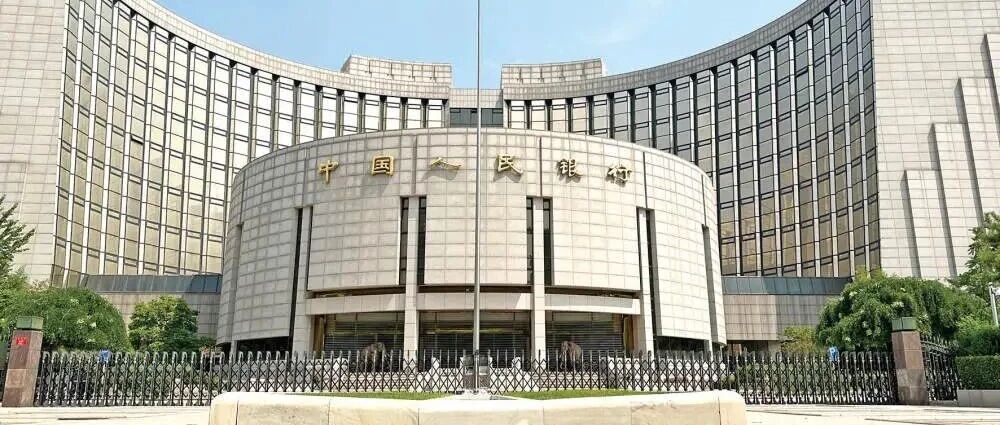
中国人民银行:要继续实施适度宽松的货币政策
Sou Hu Cai Jing· 2025-12-24 12:02
Core Viewpoint - The People's Bank of China (PBOC) aims to continue implementing a moderately accommodative monetary policy, enhancing counter-cyclical and cross-cyclical adjustments to support stable economic growth and reasonable price recovery [1][4]. Group 1: Monetary Policy Implementation - The PBOC's monetary policy committee recently held a meeting to discuss the main ideas for the next phase of monetary policy, emphasizing the integration of incremental and stock policies [4]. - The meeting suggested using various tools to strengthen monetary policy regulation, ensuring liquidity remains ample and aligning money supply growth with economic growth and price level expectations [5]. Group 2: Financial Support and Structural Policies - The meeting highlighted the importance of effectively implementing various structural monetary policy tools to support key areas such as domestic demand expansion, technological innovation, and small and micro enterprises [5]. - The PBOC plans to utilize securities, funds, and insurance company swap facilities, as well as stock repurchase and refinancing, to maintain capital market stability [5]. Group 3: Domestic Economic Focus - The PBOC intends to prioritize strengthening the domestic economic cycle, balancing total supply and demand, and enhancing the forward-looking, targeted, and coordinated nature of macro policies [5]. - The focus will be on expanding domestic demand, optimizing supply, and continuously consolidating and expanding the momentum of stable economic growth [5].
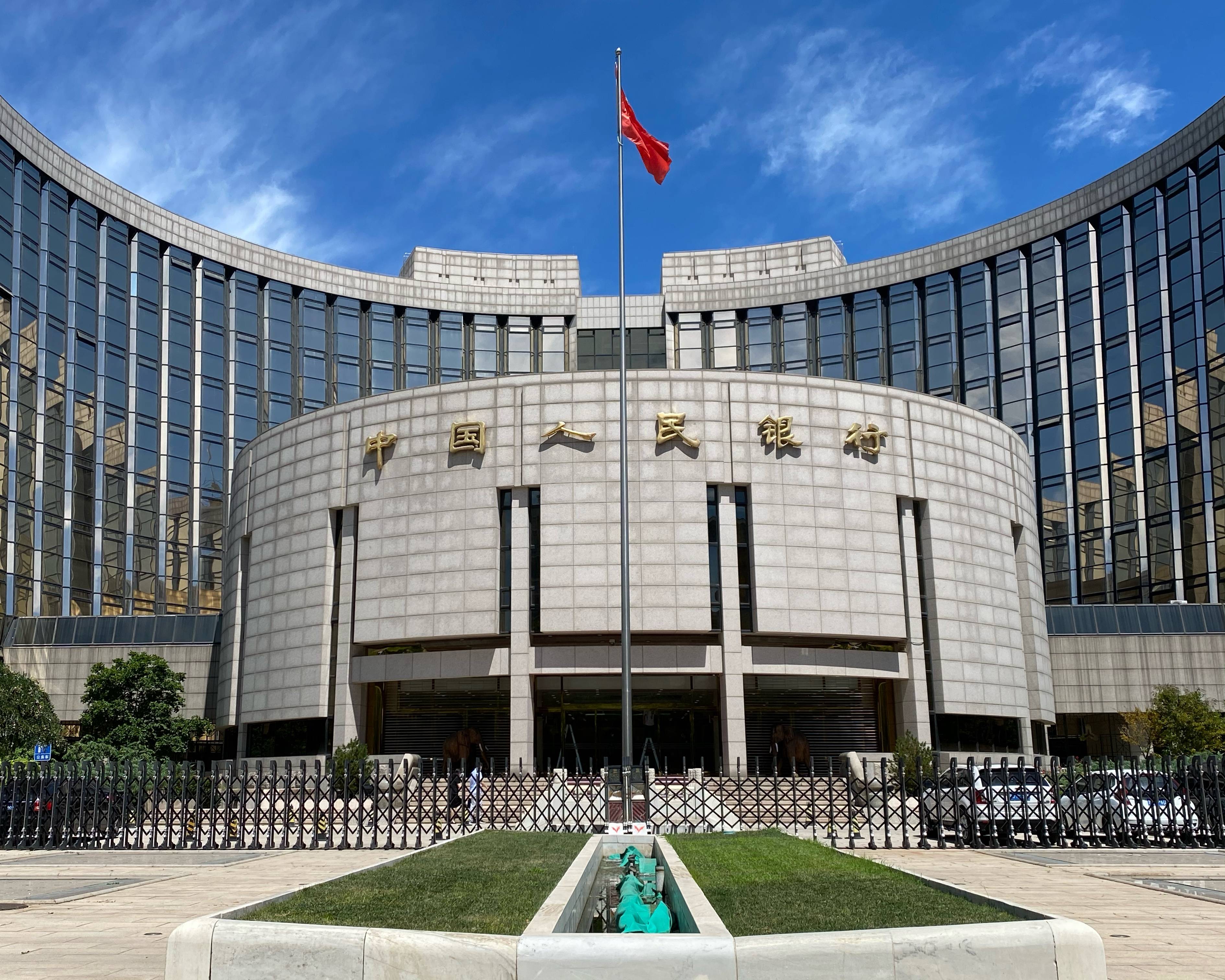
央行:要继续实施适度宽松的货币政策,加大逆周期和跨周期调节力度
Sou Hu Cai Jing· 2025-12-24 11:17
中国人民银行货币政策委员会召开2025年第四季度例会。会议分析了国内外经济金融形势,认为当前外 部环境变化影响加深,世界经济增长动能不足,贸易壁垒增多,主要经济体经济表现有所分化,通胀走 势和货币政策调整存在不确定性。我国经济运行总体平稳、稳中有进,高质量发展取得新成效,但仍面 临供强需弱矛盾突出等问题和挑战。要继续实施适度宽松的货币政策,加大逆周期和跨周期调节力度, 更好发挥货币政策工具的总量和结构双重功能,加强货币财政政策协同配合,促进经济稳定增长和物价 合理回升。 ...
宣讲家理论精选:向新而行,中央经济工作会议释放亮眼“信号”
Sou Hu Cai Jing· 2025-12-23 06:13
Core Insights - The Central Economic Work Conference summarized the economic work for 2025 and analyzed the current economic situation, setting the stage for 2026 economic work [1][4][17] Economic Performance - In the first three quarters of 2025, China's GDP grew by 5.2% year-on-year, with the total economic output expected to reach around 140 trillion yuan [3][5] - The economic development goals for the year are on track to be achieved, reflecting a resilient and vibrant economy [4][6] Key Areas of Focus - The conference highlighted five key areas for economic work: 1. Overall economic stability and progress, with major indicators meeting expectations [5] 2. Continuous advancement in modern industrial system construction, with significant achievements in technology and innovation [5] 3. Progress in reform and opening up, with a focus on building a unified national market [5] 4. Positive developments in risk mitigation in key areas, including local government debt management [5] 5. Strengthened social welfare measures, including childcare subsidies and free education [5] Policy Directions for 2026 - The conference outlined the policy direction for 2026, emphasizing stability and quality improvement, with a focus on integrating existing and new policies [17][19] - A more proactive fiscal policy will be implemented, maintaining necessary fiscal deficits and ensuring sustainable finances [20][21] - An appropriately loose monetary policy will be adopted to support economic stability and reasonable price recovery [22] Eight Key Tasks for "15th Five-Year Plan" - The conference identified eight key tasks to ensure a strong start for the "15th Five-Year Plan": 1. Focus on domestic demand and build a strong domestic market [26] 2. Accelerate innovation-driven development [26] 3. Enhance high-quality development dynamics through reform [26] 4. Promote win-win cooperation in international trade [26] 5. Foster coordinated development between urban and rural areas [26] 6. Lead with carbon neutrality initiatives for green transformation [26] 7. Prioritize people's livelihoods and address practical issues [26] 8. Mitigate risks in key areas effectively [26][32]

12月LPR报价保持不变,解读来了
Sou Hu Cai Jing· 2025-12-22 03:14
Core Viewpoint - The LPR (Loan Prime Rate) has remained unchanged for seven consecutive months, with the 1-year rate at 3.0% and the 5-year rate at 3.5%, reflecting stable market liquidity and a low-interest environment [1][2] Group 1: LPR Quotation Stability - The LPR rates for December remained stable due to the unchanged policy rates, indicating no significant changes in the pricing basis for LPR [1] - The slight increase in financing costs for commercial banks in the money market has reduced the incentive for banks to lower the LPR [1] Group 2: Economic Context and Future Projections - The resilience of the macro economy, supported by strong exports and rapid development in new productivity sectors, has alleviated the urgency for aggressive counter-cyclical adjustments [2] - The Central Economic Work Conference has indicated a continuation of moderately loose monetary policy into 2026, with potential for interest rate cuts in the first quarter of 2026 to stimulate domestic financing demand [2] - The current low inflation levels provide ample space for monetary policy adjustments, including potential interest rate cuts, especially in light of the Federal Reserve's recent rate reductions [2]