
金融高水平双向开放

Search documents
上海:稳步扩大金融高水平双向开放 完善“沪港通”“债券通”“互换通”等机制安排
Zhong Guo Zheng Quan Bao· 2026-02-11 22:28
Core Viewpoint - Shanghai aims to enhance its status as an international financial center through high-level financial openness and alignment with international trade rules, as outlined in the 15th Five-Year Plan [1][2]. Financial Sector Developments - The Shanghai government emphasizes the importance of advancing financial openness to boost the city's international competitiveness and influence [2]. - Since the 14th Five-Year Plan, Shanghai has focused on strengthening its global resource allocation capabilities and improving the internationalization of its financial markets [2]. Key Initiatives - **Increasing Financial Market Internationalization**: Shanghai plans to enhance the internationalization of its financial markets by improving mechanisms like "Shanghai-Hong Kong Stock Connect" and "Bond Connect," and by launching more international financial products [2]. - **Attracting Foreign Financial Institutions**: The city aims to attract high-level foreign financial institutions and international organizations by supporting the establishment of regional headquarters and accelerating the development of a global asset management center [2]. - **Facilitating Cross-Border Financing**: Shanghai will support financial institutions in expanding their global service networks and optimizing integrated fund management for enterprises [3]. - **Exploring Offshore Financial Services**: The city intends to develop a regulatory framework for offshore financial services and promote the growth of offshore debt business [3].
陆磊:金融高水平双向开放应抓住陆海新通道建设契机
Sou Hu Cai Jing· 2025-12-26 02:38
Core Viewpoint - The Chinese government is focusing on enhancing financial support for the construction of the Western Land-Sea New Corridor, which is a key component of the Belt and Road Initiative, by expanding financial cooperation and creating a structured financial network with relevant countries [2][3]. Financial Support for the Western Land-Sea New Corridor - The People's Bank of China (PBOC) and several government departments have issued guidelines to accelerate the development of the Western Land-Sea New Corridor, which connects 12 provinces in western China and reaches over 580 ports in 127 countries [2]. - The corridor serves as a crucial node in the Belt and Road Initiative, linking southern China to Southeast Asia and the Indian Ocean, and connecting western China to Central Asia and Europe [3]. Key Measures in the Guidelines - The guidelines propose 21 key measures across six areas, including improving financial organization collaboration, building a high-quality financial system, and enhancing cross-border financial supervision [5]. - Specific measures include expanding the use of the Renminbi (RMB) in cross-border transactions and exploring international cooperation in digital finance, particularly through the use of digital RMB [5][6]. Digital Currency Initiatives - The PBOC has made progress in establishing new pathways for cross-border payments using digital RMB, aiming for faster settlement times for businesses [6]. - The guidelines emphasize the importance of expanding the geographical scope of digital RMB applications and supporting cross-border payment projects with countries like Thailand and Singapore [5][6]. Highlights of the Guidelines - The guidelines focus on regional collaborative development, addressing the common needs of various provinces while allowing for tailored financial services [8]. - They also emphasize institutional innovation to provide efficient financing and settlement services for enterprises [8]. - The integration of data flows and financial services is highlighted, aiming to enhance the effectiveness of financial services through digitalization [8]. - The guidelines reflect China's commitment to increasing openness in the financial sector, particularly in the context of international cooperation in digital and green finance [8].

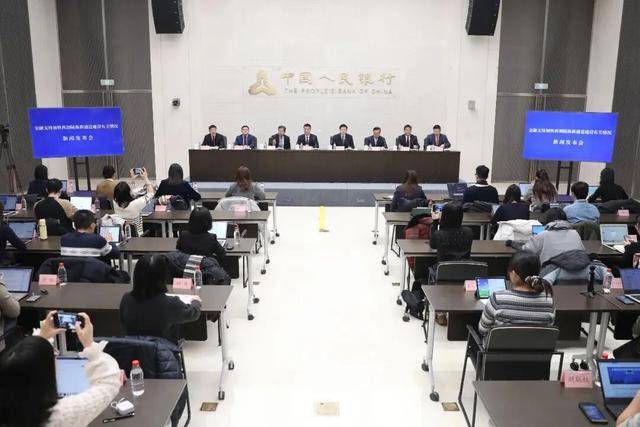
中国人民银行货币政策委员会2025年第四季度例会:继续实施适度宽松的货币政策 加大逆周期和跨周期调节力度
Zheng Quan Ri Bao· 2025-12-24 16:25
Group 1 - The People's Bank of China (PBOC) emphasizes the need for a moderately loose monetary policy to support high-quality economic development and create a favorable monetary environment for stable economic growth [1] - The meeting highlighted the importance of using various monetary policy tools to enhance the efficiency of monetary policy transmission and maintain low social financing costs [1][2] - The external economic environment is becoming more challenging, with insufficient global economic growth and increasing trade barriers, while domestic economic performance remains stable but faces issues such as strong supply and weak demand [1] Group 2 - The PBOC plans to integrate incremental and stock policies, using multiple tools to strengthen monetary policy regulation in response to domestic and international economic conditions [2] - There is a focus on maintaining ample liquidity and aligning social financing scale and money supply growth with economic growth and price level expectations [2] - The meeting calls for large banks to enhance their role in serving the real economy while encouraging small and medium-sized banks to focus on their core responsibilities [3] Group 3 - The PBOC aims to effectively implement structural monetary policy tools to support key areas such as expanding domestic demand, technological innovation, and small and micro enterprises [3] - The meeting stresses the importance of strengthening financial services for the private economy and promoting high-level financial openness [3] - There is a call to enhance the coordination of macro policies to better balance total supply and demand, focusing on expanding domestic demand and optimizing supply [3]
中国人民银行:要继续实施适度宽松的货币政策
Sou Hu Cai Jing· 2025-12-24 12:02
Core Viewpoint - The People's Bank of China (PBOC) aims to continue implementing a moderately accommodative monetary policy, enhancing counter-cyclical and cross-cyclical adjustments to support stable economic growth and reasonable price recovery [1][4]. Group 1: Monetary Policy Implementation - The PBOC's monetary policy committee recently held a meeting to discuss the main ideas for the next phase of monetary policy, emphasizing the integration of incremental and stock policies [4]. - The meeting suggested using various tools to strengthen monetary policy regulation, ensuring liquidity remains ample and aligning money supply growth with economic growth and price level expectations [5]. Group 2: Financial Support and Structural Policies - The meeting highlighted the importance of effectively implementing various structural monetary policy tools to support key areas such as domestic demand expansion, technological innovation, and small and micro enterprises [5]. - The PBOC plans to utilize securities, funds, and insurance company swap facilities, as well as stock repurchase and refinancing, to maintain capital market stability [5]. Group 3: Domestic Economic Focus - The PBOC intends to prioritize strengthening the domestic economic cycle, balancing total supply and demand, and enhancing the forward-looking, targeted, and coordinated nature of macro policies [5]. - The focus will be on expanding domestic demand, optimizing supply, and continuously consolidating and expanding the momentum of stable economic growth [5].
人民银行:探索常态化的制度安排,维护资本市场稳定
Bei Jing Shang Bao· 2025-12-24 11:35
Core Viewpoint - The People's Bank of China emphasizes the importance of large banks in supporting the real economy and encourages small and medium-sized banks to focus on their core responsibilities while enhancing their capital strength to maintain financial market stability [1] Group 1: Financial Policy and Support - The meeting highlighted the need to effectively implement various structural monetary policy tools to support key areas such as expanding domestic demand, technological innovation, and small and micro enterprises [1] - It was noted that financial services should be strengthened to support the development of the private economy [1] Group 2: Capital Market Stability - The use of securities, funds, insurance company swap facilities, and stock repurchase loans was encouraged to explore regular institutional arrangements for maintaining capital market stability [1] - The meeting called for a continuous effort to enhance financial services that support the growth of the private economy [1] Group 3: Financial Openness and Risk Management - There is a push for high-level two-way financial openness, aiming to improve economic and financial management capabilities and risk prevention under open conditions [1]
央行:用好证券、基金、保险公司互换便利和股票回购增持再贷款,探索常态化的制度安排,维护资本市场稳定
Zheng Quan Shi Bao Wang· 2025-12-24 11:09
Core Viewpoint - The People's Bank of China emphasizes the importance of large banks in supporting the real economy and enhancing the capital strength of small and medium-sized banks to maintain financial market stability [1] Group 1: Financial Policy and Support - The meeting calls for effective implementation of various structural monetary policy tools to support key areas such as expanding domestic demand, technological innovation, and small and micro enterprises [1] - It highlights the need to utilize securities, funds, and insurance company swap facilities and stock repurchase loans to explore regular institutional arrangements for maintaining capital market stability [1] Group 2: Financial Services and Economic Management - There is a strong focus on providing financial services to support the growth of the private economy [1] - The meeting stresses the importance of advancing high-level financial openness and improving economic and financial management capabilities and risk prevention under open conditions [1]
潘功胜重磅发声,提出六个方向
2 1 Shi Ji Jing Ji Bao Dao· 2025-10-28 15:45
Core Viewpoint - The People's Bank of China (PBOC) emphasizes the importance of maintaining a stable financial environment to support the real economy and enhance financial regulation, reform, and openness, while preventing financial risks [2][5][10]. Group 1: Monetary Policy - The PBOC plans to implement a moderately loose monetary policy to support economic recovery, including measures such as interest rate cuts and reserve requirement ratio reductions [4][5]. - By September 2025, loans in technology, green, inclusive finance, elderly care, and digital economy sectors have seen significant year-on-year growth rates of 11.8%, 22.9%, 11.2%, 58.2%, and 12.9% respectively, all exceeding the overall loan growth rate [4]. Group 2: Financial Regulation and Reform - The PBOC aims to enhance financial services for the real economy, focusing on sectors like technology innovation, consumption, small and micro enterprises, and foreign trade [5][8]. - A comprehensive macro-prudential management system will be established to improve the transmission mechanism of monetary policy and support structural reforms in the financial supply side [5][11]. Group 3: Financial Openness - The PBOC is advancing high-level financial openness, promoting the internationalization of the Renminbi (RMB), and enhancing its functions in pricing, payment, investment, and reserve [7][8]. - The RMB has become the largest currency for cross-border payments in China and ranks among the top three currencies for trade financing and payments globally [7]. Group 4: Risk Prevention - The PBOC has made significant progress in mitigating financial risks, particularly in small and medium-sized financial institutions, with a notable reduction in the number of financing platforms and their debt levels by 71% and 62% respectively from March 2023 to September 2025 [10][11]. - Future efforts will focus on monitoring systemic financial risks and supporting the market-oriented transformation of financing platforms [11].
潘功胜重磅发声,提出六个方向
21世纪经济报道· 2025-10-28 15:40
Core Viewpoint - The report by the People's Bank of China emphasizes the importance of maintaining a stable and progressive financial system, enhancing support for the real economy, and ensuring financial stability and security while deepening financial reforms and opening up [2]. Group 1: Monetary Policy - The implementation of a moderately loose monetary policy is prioritized, with a focus on structural support for technology innovation, consumption, small and micro enterprises, and stabilizing foreign trade [4][5]. - By the end of September 2025, loans for technology, green, inclusive, elderly care, and digital economy industries grew by 11.8%, 22.9%, 11.2%, 58.2%, and 12.9% respectively, all significantly outpacing the overall loan growth [5]. - The goal is to create a conducive monetary environment to support economic recovery, ensuring that the growth of social financing and money supply aligns with economic growth and price expectations [5][6]. Group 2: Financial Services to the Real Economy - The focus is on providing high-quality financial services, particularly in areas such as technology innovation, consumption stimulation, small and micro enterprises, and stabilizing foreign trade [6]. - Financial institutions are encouraged to enhance their specialized and refined service capabilities, ensuring effective use of existing structural monetary policy tools [6]. Group 3: Financial Opening and International Cooperation - A multi-channel, comprehensive cross-border payment system for the RMB has been established, with significant progress in internationalization and cooperation [8][9]. - The RMB has become the largest currency for cross-border payments in China and ranks among the top three currencies for trade financing globally [8]. - The report outlines plans to further promote the internationalization of the RMB and enhance its functions in pricing, payment, investment, financing, and reserves [9][10]. Group 4: Risk Prevention and Financial Stability - Significant achievements have been made in preventing and mitigating financial risks, particularly in addressing the risks of small and medium-sized financial institutions [12]. - By the end of September 2025, the number of financing platforms and the scale of operating financial debt decreased by 71% and 62% respectively compared to March 2023, indicating a notable reduction in risk [12]. - Future efforts will focus on monitoring systemic financial risks and supporting the market-oriented transformation of financing platforms [12].
潘功胜:落实落细适度宽松的货币政策、推进金融高水平双向开放
2 1 Shi Ji Jing Ji Bao Dao· 2025-10-28 15:21
Core Viewpoint - The People's Bank of China (PBOC) is committed to maintaining financial stability and supporting the real economy through a series of monetary policy measures and financial reforms, as outlined by Governor Pan Gongsheng in a recent report to the State Council [3][4]. Monetary Policy - The PBOC plans to implement a package of substantial monetary policy measures starting from September 2024, focusing on moderate easing to support economic recovery [4][5]. - Specific measures include further reductions in reserve requirements and interest rates, along with increased structural monetary policy support for technology innovation, consumption, small and micro enterprises, and stabilizing foreign trade [4][5]. - By September 2025, loans in sectors such as technology, green finance, inclusive finance, elderly care, and digital economy are expected to grow significantly, with year-on-year increases of 11.8%, 22.9%, 11.2%, 58.2%, and 12.9% respectively, all surpassing the overall loan growth rate [4]. Financial Regulation - The PBOC emphasizes the need for enhanced financial regulation and the establishment of a comprehensive macro-prudential management system to ensure effective monetary policy transmission [6]. - Financial services will be directed towards key areas such as technology innovation, consumption, small and micro enterprises, and foreign trade, with a focus on improving service quality [6]. Financial Opening - The PBOC is advancing high-level financial openness, with a well-established cross-border payment system for the renminbi (RMB) and ongoing efforts to enhance the internationalization of the RMB [7][8]. - The RMB has become the largest currency for cross-border payments in China and ranks among the top three currencies for trade financing globally [7]. Risk Management - The PBOC has successfully mitigated financial risks, particularly in small and medium-sized financial institutions, through measures such as mergers, market exits, and timely liquidity support [9][10]. - By September 2025, the number of financing platforms and the scale of operating financial debt are projected to decrease significantly, indicating a reduction in financial risk [9].
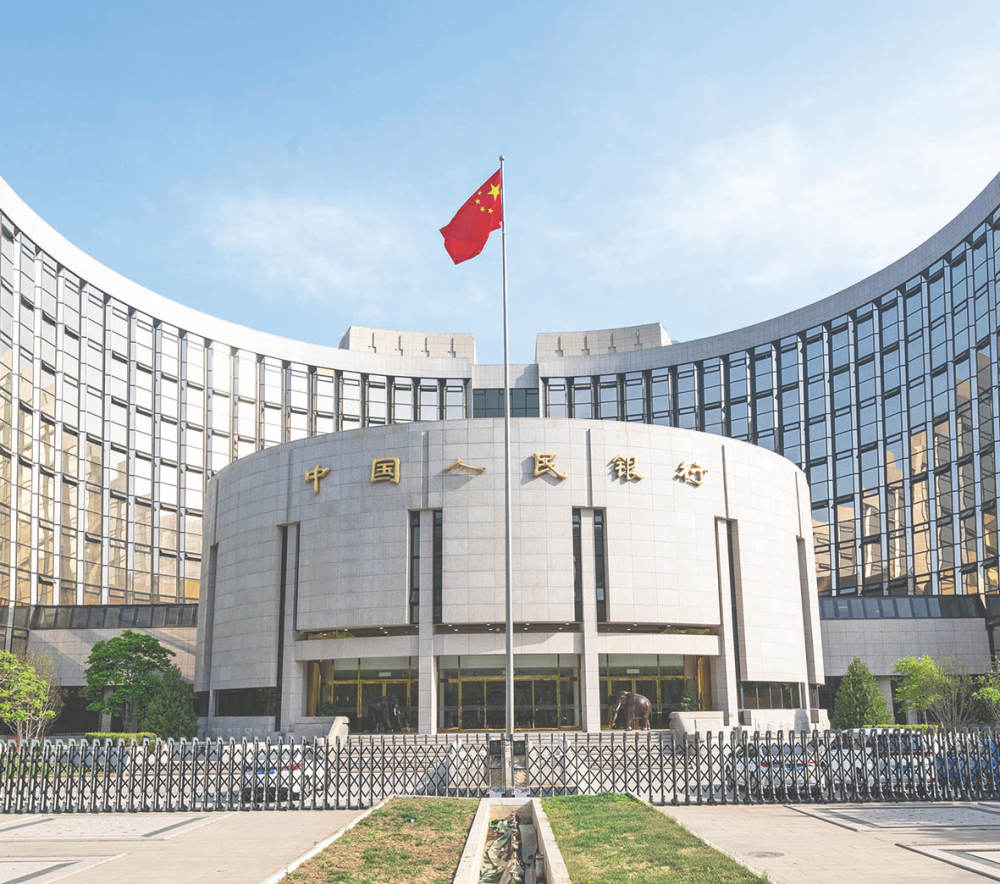
【金融街发布】中国人民银行行长潘功胜:大力整治金融机构无序非理性竞争 不断增强监管质效
Xin Hua Cai Jing· 2025-10-28 13:17
Core Viewpoint - The People's Bank of China (PBOC) has reported significant progress in financial work since November 2024, emphasizing the importance of a stable monetary policy to support the real economy and enhance financial services [1][2]. Monetary Policy Execution - The PBOC has implemented a moderately loose monetary policy since 2025, including measures such as reserve requirement ratio (RRR) cuts and interest rate reductions to support technology innovation, consumption, small and micro enterprises, and stabilize foreign trade [1][2]. - As of September 2025, loans in key sectors such as technology, green finance, and digital economy have seen substantial year-on-year growth rates, with technology loans increasing by 11.8% and green loans by 22.9% [2]. Financial Market Stability - The Chinese financial market has withstood significant external shocks, with improved expectations and confidence among market participants [1][2]. - The PBOC has explored various monetary policy tools to maintain market stability, particularly during the global financial market turbulence in April 2025 [1]. Financial Reform and Opening Up - A comprehensive cross-border payment system for the Renminbi has been established, with the currency becoming the largest for cross-border payments in China and ranking among the top three globally for trade financing [2]. - The PBOC is committed to enhancing international financial cooperation and maintaining national financial security [2]. Risk Management - The PBOC has utilized mergers, market exits, and other strategies to reform and mitigate risks in small and medium-sized financial institutions, resulting in a significant reduction in the number of financing platforms and their debt levels [2]. Future Work Considerations - The PBOC plans to continue implementing a moderately loose monetary policy and enhance financial regulation to improve the quality of financial services [3][4]. - There is a focus on providing high-quality financial services to key sectors, including technology innovation and small enterprises, while ensuring policy coordination across fiscal, monetary, and industrial domains [3][4]. Structural Reforms - The PBOC aims to deepen supply-side structural reforms in finance, improve the central bank's system, and enhance the macro-prudential management framework [4][5]. - Efforts will be made to promote the internationalization of the Renminbi and maintain financial security through systematic monitoring and risk assessment [4][5].
