
东方美学

Search documents
独家解析|2027春夏功能性面料色彩与材质趋势指南
Sou Hu Cai Jing· 2026-01-20 08:15
Core Insights - The Shanghai International Functional Textile Exhibition serves as a significant window for industry trends, providing insights for brand designers and material research teams [1] - The exhibition will take place on March 5-6, 2026, at the Shanghai World Expo Exhibition and Convention Center, featuring global innovative functional materials and the 2027 Spring/Summer functional fabric trend [1] Group 1: 2027 Spring/Summer Functional Fabric Trends - The 2027 Spring/Summer functional fabric trend report reveals core directions for the upcoming season, emphasizing a shift towards slow fashion and emotional connections in consumer behavior [5][11] - The trend highlights a focus on natural fibers, minimalist designs, and a balance between performance and refined texture in materials [9][15] - Applications for these fabrics include business commuting, yoga, and all-weather sports, reflecting a versatile approach to modern lifestyle needs [5][11] Group 2: Color and Material Characteristics - The color palette for the upcoming season features calming tones such as tranquil blues and earthy hues, designed to create a serene visual environment [8][15] - Materials are evolving to balance performance with aesthetic appeal, incorporating features like temperature control, moisture-wicking, and skin-friendly properties [9][18] - The trend also emphasizes the use of sustainable materials, such as recycled nylon and bio-based fibers, aligning with environmental commitments [21][26] Group 3: Design Philosophy and Consumer Behavior - The design philosophy is shifting towards a narrative-driven approach, where clothing serves as a cultural and emotional vessel, reflecting deeper connections to nature and personal stories [11][15] - Consumer behavior is moving from ownership to recognition and co-existence, seeking products that resonate with their values and lifestyles [11][15] - The integration of technology in fabrics, such as responsive fibers and smart textiles, is enhancing the functionality and appeal of sportswear [26][27]

这部小成本云南方言电影,为何能拿遍大奖?
第一财经· 2026-01-19 10:58
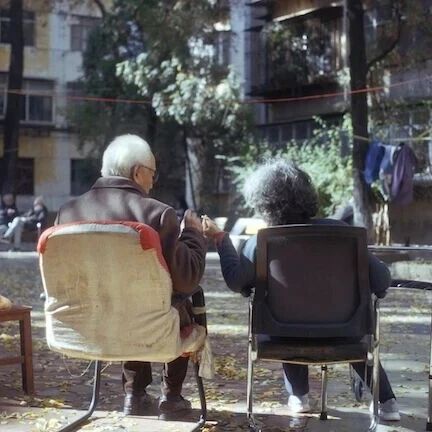
Core Viewpoint - The article discusses the journey of a new filmmaker, Bian Zhuo, who created the film "Cuihu" as a personal and emotional exploration of family relationships and generational dynamics in contemporary China, drawing inspiration from his late grandfather's diary [6][10][27]. Group 1: Film Overview - "Cuihu" is a low-budget film that tells the story of a widowed elderly man and his three daughters, highlighting the complexities of family relationships across generations [4][6]. - The film has received multiple awards, including Best Film at the 27th Shanghai International Film Festival and Best Film at the 12th Silk Road International Film Festival [6][10]. - The film is set to be released nationwide on January 24, 2023 [6]. Group 2: Themes and Narrative Style - The film employs long and empty shots to convey a sense of "Eastern aesthetic" and emotional depth, reflecting the silent love and loneliness within Chinese families [7][15]. - It presents three distinct family archetypes, each representing different social classes and their unique struggles, emphasizing the theme of familial love amidst conflict [17][18][19]. - The narrative avoids dramatic conflicts, instead focusing on the subtle emotional currents and connections between characters, mirroring the filmmaker's own experiences and observations [21][24]. Group 3: Personal Background and Inspiration - Bian Zhuo's inspiration for the film came from his grandfather's diary, which revealed deep emotional insights and reflections on family life [11][14][27]. - The filmmaker's personal journey includes a period of introspection and recovery following an injury, during which he found motivation in his grandfather's writings [25][27]. - The film serves as a form of self-healing for Bian Zhuo, aiming to resonate with audiences by addressing themes of love, loneliness, and the desire for connection in modern society [27][28].
这部小成本云南方言电影,为何能拿遍大奖?
Di Yi Cai Jing· 2026-01-19 02:35
Core Viewpoint - The film "Cuihu" tells the story of a Chinese ordinary family across three generations from the perspective of a widowed elder, exploring themes of love, loneliness, and intergenerational relationships [1][10]. Summary by Sections Film Overview - "Cuihu" is a low-budget film that portrays the subtle relationships within a Chinese family, focusing on a widowed elder, his three daughters with different life circumstances, and their rebellious grandchildren [2][4]. - The film has received multiple awards, including Best Film at the 27th Shanghai International Film Festival and Best Actor at the 12th Silk Road International Film Festival [4]. Director's Journey - Director Bian Zhuo, who faced personal challenges, used his grandfather's diary as inspiration for the film, aiming to heal himself through storytelling [2][15]. - The film reflects Bian's personal experiences and observations of family dynamics, showcasing the emotional depth of familial relationships [10][15]. Themes and Emotional Depth - The film captures the complexities of love and loneliness within Chinese families, emphasizing the silent struggles and emotional connections between generations [10][12]. - Critics have noted the film's poetic visual style and its ability to convey deep emotional resonance without dramatic conflict [4][5]. Character Dynamics - The film features three daughters from different socioeconomic backgrounds, each representing various themes of familial expectations and personal aspirations [10][12]. - The elder serves as a unifying figure among the siblings, highlighting the nuanced relationships and emotional distances within the family [12]. Cultural Significance - "Cuihu" reflects the broader societal changes in China, portraying how families have become increasingly isolated while still yearning for connection and understanding [15][16]. - The film is set in Kunming, a significant location for the director, symbolizing the essence of ordinary Chinese families and their experiences [15][16].

情绪消费、体验消费、绿色消费齐头并进多机构预计2026年消费市场将迎三大趋势
Xin Lang Cai Jing· 2026-01-18 21:31
Core Trends - The consumer market is expected to see three major trends by 2026: increased demand for differentiated experience services, growth in "self-pleasing" consumption, and the rise of green consumption [1][2]. Differentiated Experience Services - Consumers are increasingly seeking differentiated experiences and services, prompting many companies to invest more in offline experiences and establish emotional connections with consumers [2][3]. - Brands must provide stable product quality and respond to new lifestyle characteristics to build differentiation and trust, while offering a high-quality omnichannel shopping experience [3]. "Self-Pleasing" Consumption - Emotional consumption and the "self-pleasing" mindset are emerging as new trends, with many young consumers using spending to alleviate anxiety [2]. - The emotional consumption market in China is projected to reach 27.2 trillion yuan by 2026, with expectations to exceed 45 trillion yuan by 2029 [2]. Green Consumption - Green consumption is becoming a focal point for industry transformation, supported by policies that encourage consumers to purchase energy-efficient appliances and vehicles [5][6]. - The automotive sector is being guided towards green consumption through trade-in policies that promote low-carbon vehicles, with nearly 60% of new car purchases expected to be electric by 2025 [6]. - Many foreign car manufacturers are accelerating their transition to green technologies, as evidenced by significant price reductions for electric vehicles in the Chinese market [6].
【牢记嘱托 感恩奋进·说说我的2025】越来越“燃”
Xin Lang Cai Jing· 2026-01-17 19:45
Core Insights - The year 2025 is anticipated to be a pivotal year for both the career of the producer and the Chinese animation industry, described as the most "exciting" year [1] - The producer's inspiration to establish an AI animation company stemmed from the impressive visual effects of the domestic animated film "Ne Zha" [1] - There is a growing global interest in Eastern aesthetics, with foreign audiences beginning to study Chinese animation [1] Industry Developments - The use of AI models in Chinese animation has significantly reduced production costs, allowing creators to focus more on cultural content [1] - The producer emphasizes the importance of conveying authentic Chinese stories and Eastern charm to audiences [1] - The confidence in storytelling and aesthetic maturity is expected to lead to an increasingly vibrant Chinese animation scene by 2026 [1]
第40届秦淮灯会将亮灯 用世界设计语言讲述东方美学故事
Xin Lang Cai Jing· 2026-01-17 11:29
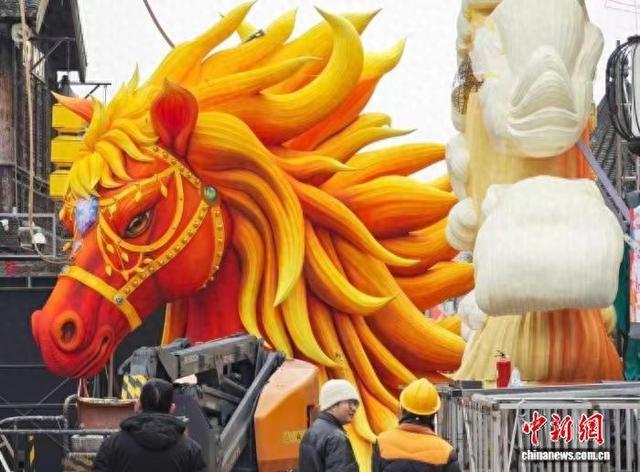
1月6日, 江苏南京,工作人员在城南老街上安装大型彩灯,营造喜庆氛围,迎接丙午马年的到来。中新网记者 泱波 摄 中新网南京1月17日电 (记者 朱晓颖)以"千年灯彩耀金陵·四秩华章启新程"为主题的第40届秦淮灯会,将 于21日在南京白鹭洲公园举办亮灯仪式。中新网记者了解到,本届灯会将借助与荷兰埃因霍温灯光节、 第二届中法·佩皮尼昂-秦淮灯会等合作契机,拓展海外展示区,用世界设计语言讲述东方美学故事,扩 大秦淮灯会和秦淮文化的影响力。 1月3日, 江苏南京,城南老街的树上挂满灯笼营造节日氛围,吸引民众前来游玩。中新网记者 泱波 摄 布展方面,灯会将以南京夫子庙核心景区、老门东历史文化街区、白鹭洲公园为重点布展范围,在南部 新城设立分会场,共设置8个展区约390组灯。(完) 本届灯会将从2026年2月17日至3月6日(农历正月初一至十八),延展至2026年3月31日,重点突出历史、 民俗、非遗、生肖等传统灯会核心元素,兼顾科技应用与创新表达,满足民众多元审美需求。 ...
订单已排到四月份!山东曹县节前汉服赶制忙
Sou Hu Cai Jing· 2026-01-17 10:10
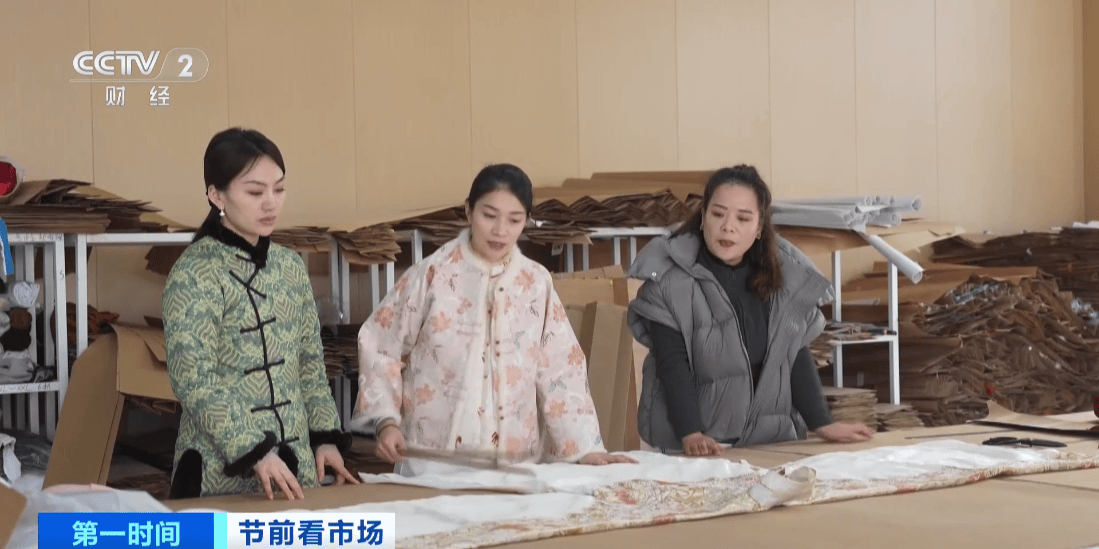
(央视财经《第一时间》)还有一个月就是马年春节了,"过大年"系列的旅游产品热度在持续攀升。如今,游客们已不再满足于简单的观光打卡,而是倾向 于穿上古装、沉浸式体验的场景,相关服饰近期销售也十分火热。 据统计,2025年曹县汉服销售额突破130亿元,形成了完整产业链。不仅如此,东方风雅也扬帆出海,曹县汉服远销欧美、东南亚等数十个国家和地区,在 国际舞台上展示着东方美学的独特魅力。 转载请注明央视财经 编辑:潘煦 春节临近,山东曹县的拜年汉服持续火爆,姚驰行和她的团队开始进入最繁忙的时刻,设计的汉服订单已排到了四月份。 在款式上,既遵循历史形制,又巧妙融入现代设计元素;在工艺上,传承传统刺绣技法,创新数字化生产流程;在文化表达上,通过服饰传递了"含蓄内 敛""礼乐交融"的东方美学理念。 ...
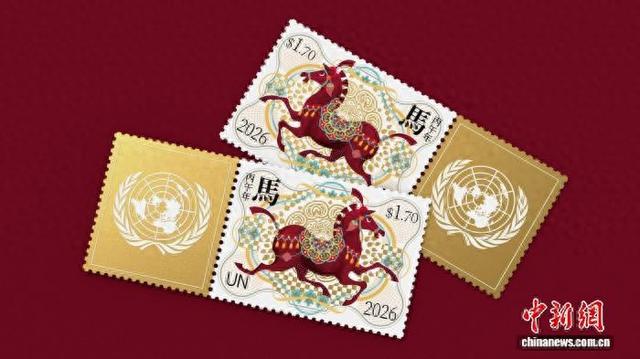
联合国马年邮票发行 方寸之间尽显东方美学
Xin Lang Cai Jing· 2026-01-17 09:29
初微微向中新社记者介绍,联合国邮政管理局给予设计师广阔创作空间,创作过程中既秉持"有图必有 意,有意必吉祥"的设计理念,又充分尊重各国文化禁忌,在文化差异中寻求全球审美共识。2025年, 潘虎团队启动了马年邮票的设计工作,最终确定以东汉青铜器铜奔马为原型,同时融入敦煌藻井纹样的 创作方案。 这一设计选择,恰是文明互鉴的具象表达。1987年,河西走廊上的敦煌莫高窟被联合国教科文组织列入 《世界遗产名录》,其承载的艺术风格是古代中西文化在敦煌交汇交融的见证。初微微对记者表示,将 敦煌藻井纹样融入生肖邮票,不仅为票面增添了艺术质感,更能借助世界遗产的全球影响力,让中国生 肖文化与敦煌艺术跨越山海,实现文化价值的跨国传递。 在初微微看来,生肖并非简单的动物图像,而是蕴含深厚内涵的文化符号。"马在中华文化中承载的'一 马当先''万马奔腾'等意象,所传递的积极进取、团结奋进的精神,正是当下全球社会共同需要的。" 中新社北京1月17日电 题:联合国马年邮票发行 方寸之间尽显东方美学 作者 周昕 敦煌藻井纹样环绕间,一匹赤色骏马奔驰向前,鬃毛如焰飞扬,尽显汉唐风骨与现代活力。联合国邮政 管理局16日正式发行的生肖马年邮票,成 ...
比亚迪在大学校园风靡,受到老师们青睐
Feng Huang Wang Cai Jing· 2026-01-13 10:48
Core Insights - BYD has become a preferred choice among university faculty, showcasing its brand strength and product line across various models, from the Han to the Dolphin and luxury brands like Yangwang [1] - The appeal of BYD to the educated demographic is rooted in its strong technological capabilities and innovative spirit, aligning with the values of university professors who prioritize reliability and advanced technology [2] - BYD's commitment to energy efficiency and environmental sustainability resonates with the lifestyle and consumption values of university teachers, offering low fuel consumption and maintenance costs [3] - The recognition of BYD's technology in academic settings and the brand's ability to create a consensus among educated consumers reflect its evolution from manufacturing to innovation, establishing a strong emotional connection with users [4] Group 1 - BYD models are widely seen in university parking lots, indicating strong brand presence and preference among educated consumers [1] - The company's technological advancements, such as the blade battery and DM hybrid system, have gained academic recognition, enhancing its credibility among university faculty [2] - BYD's energy-efficient vehicles, like the fifth-generation DM model with a fuel consumption of 2.6L/100km, align with the practical and environmental values of university teachers [3] Group 2 - The integration of Eastern aesthetics in BYD's vehicle design appeals to university faculty, enhancing the brand's attractiveness [3] - The consensus among university faculty regarding BYD reflects a deeper recognition of its technological and value propositions, marking a significant shift in consumer perception [4] - BYD's strategy of making advanced technology accessible in affordable vehicles challenges traditional market norms and aligns with the values of its target demographic [3][4]

南宋花器修复中的东方美学与文明重生
Hang Zhou Ri Bao· 2026-01-13 02:57
Core Insights - The lecture titled "Flourishing Techniques: Restoration and Aesthetic Rebirth of Cultural Relics from Deshou Palace" was delivered by Hu Lihong, the director of the Hangzhou Archaeological Research Institute, highlighting the restoration of Southern Song Dynasty ceramics and the underlying Eastern aesthetics and philosophy [1] - Since 2020, Hu Lihong and her team have systematically restored over 200 cultural relics, showcasing the hidden historical and aesthetic values within the fragments excavated from Deshou Palace [1] Group 1 - The lecture emphasized the transformation of artifacts from fragments to restored pieces, illustrating the historical narratives behind items like the "Great Auspicious Bottle," which symbolizes the fusion of Chinese and Indian cultures [1] - The centerpiece of Deshou Palace, the Longquan Kiln blue-glazed hexagonal seven-tube vase, serves as evidence of Southern Song flower arrangement art and is considered an inspiration for modern flower arrangement tools [1] Group 2 - Hu Lihong stated that restoration is not about making artifacts "look new" but about allowing them to "speak again," adhering to the principle of "minimal intervention, maximum information retention" [2] - The team has optimized their restoration processes to handle the large volume of artifacts, exemplified by the rapid restoration of a seasonal vase for an exhibition at Zhejiang University, completed in just six hours with minimal visible traces [2]