
地瓜经济

Search documents
瞭望|护航“在地全球化”
Huan Qiu Shi Bao· 2025-06-24 08:25
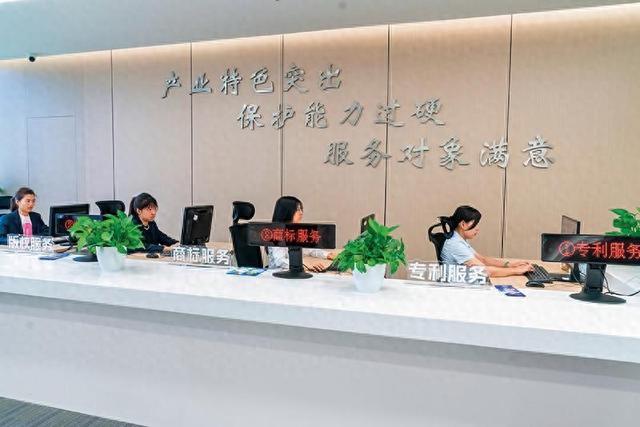
Core Viewpoint - The article emphasizes the need for a collaborative effort between the government and enterprises to address the challenges faced by Chinese companies in expanding overseas, transitioning from isolated efforts to a systematic approach. Group 1: Government and Enterprise Collaboration - The government plays a crucial role in assisting enterprises with overseas expansion by addressing their fears and capabilities, transforming their approach from "going it alone" to "systematic operations" [2][5] - In Zhejiang, over 200,000 local businesses have successfully ventured abroad, contributing nearly 90% to the province's export growth with 102,000 private enterprises involved in import and export activities [1][2] Group 2: Intellectual Property Protection - Intellectual property (IP) protection is highlighted as a key area for support, with the establishment of the first industry-specific IP protection center in Hangzhou, which significantly reduces the patent approval time to an average of 65.8 days, speeding up the process by over 80% [6][7] - The center also provides ongoing updates on overseas IP information and risk alerts, helping businesses navigate complex international environments [7] Group 3: Skills Training and Talent Development - The article discusses the critical shortage of skilled labor in both domestic and international markets, particularly in sectors requiring technical expertise, which poses challenges for Chinese manufacturing companies expanding abroad [10][12] - A new educational model is being developed to address this gap, focusing on creating a talent pool that meets the needs of both domestic industry and overseas markets, with a goal to train 30,000 to 50,000 skilled workers in various fields over the next three to five years [11][12] Group 4: Global Value Network Development - The shift from being mere product exporters to becoming builders and leaders of global value networks is essential for Chinese enterprises, necessitating a comprehensive overseas service system to support this strategic transformation [1][15] - Zhejiang's approach includes establishing overseas service platforms and integrating various resources to facilitate smoother market entry for small and medium-sized enterprises [8][18] Group 5: Localized Operations and Market Integration - The article highlights the importance of localizing operations to better integrate into foreign markets, providing practical guides on local regulations and fostering community relations [17][18] - The establishment of overseas service centers in various countries aims to support businesses in navigating local challenges and enhancing their operational capabilities [8][15]

为何多家环保企业更名?未来发展需拓宽思路
Zhong Guo Huan Jing Bao· 2025-06-19 23:23
Group 1 - The core viewpoint is that the renaming of several environmental companies, removing terms like "ecology," "environment," and "environmental protection," indicates a decline in the attractiveness of the environmental sector, yet it also reflects a strategic shift towards core business focus and deeper development opportunities [1] - The environmental industry is facing intensified competition, leading to a decrease in market valuations, but this also presents a window for companies to adjust their development strategies [1] - Small and medium-sized environmental companies can still find growth opportunities by broadening their perspectives and seeking collaborations, particularly with rapidly developing state-owned environmental groups [1] Group 2 - Environmental companies are encouraged to adopt the "sweet potato economy" model from Zhejiang Province, which involves local enterprises expanding beyond regional limitations through trade, investment, and industry chain extension to optimize resource allocation [2] - The ongoing "Belt and Road" initiative provides an opportunity for environmental companies to expand internationally while contributing to global economic development [2] - Strengthening technological innovation is crucial for environmental companies, as unique technological inventions or superior governance techniques can provide a competitive edge in the market [2]
“携手浙商行天下 中行赋能全球化”活动启动
Sou Hu Cai Jing· 2025-06-16 14:12
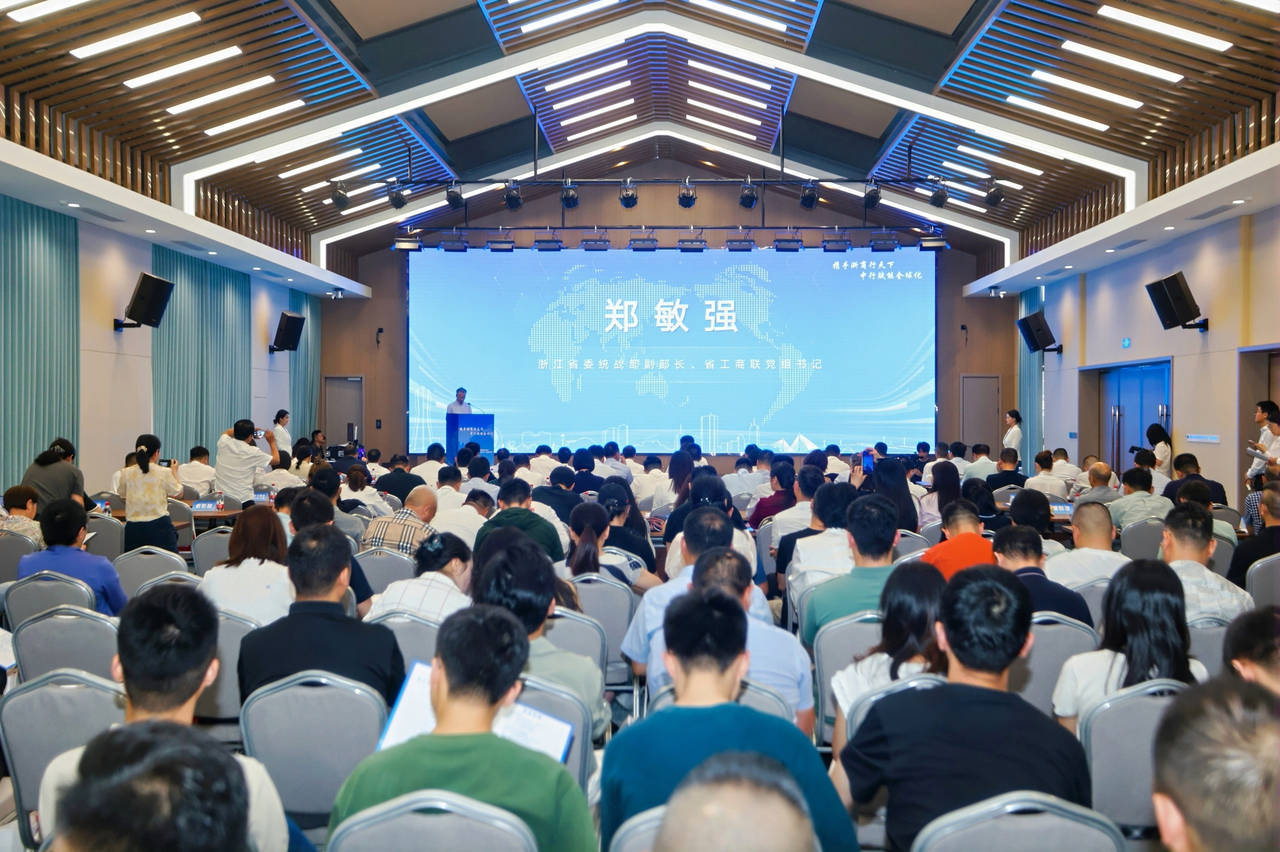
Core Viewpoint - The event "Empowering Zhejiang Merchants to Go Global" organized by the Zhejiang Provincial Federation of Industry and Commerce and the Bank of China Zhejiang Branch aims to enhance the internationalization of private enterprises in Zhejiang through financial support and collaboration [1][2]. Group 1: Event Overview - The event took place on June 16 in Hangzhou, highlighting the efficient collaboration between the Bank of China and local businesses, as noted by Zhang Jianying from Hangzhou Water Show Cultural Group [1]. - The event is part of a series of activities planned in various cities including Wenzhou, Huzhou, Shaoxing, Jinhua, and Taizhou [9]. Group 2: Financial Support for Enterprises - The Bank of China Zhejiang Branch emphasizes its commitment to providing comprehensive financial services, including investment consulting, cross-border financing, and risk management, to support the international expansion of private enterprises [5]. - The collaboration between the provincial federation and the Bank of China has been ongoing since a strategic cooperation agreement was signed in 2020, focusing on enhancing the international operational capabilities of private enterprises [2][4]. Group 3: Policy and Economic Context - The provincial government encourages private enterprises to leverage financial support to enhance their capabilities in exploring international markets and managing risks amid complex global conditions [4]. - The concept of "Sweet Potato Economy" is referenced as a guiding principle for Zhejiang's economic development, aiming for a robust and sustainable growth model [2].

正泰南存辉:浙江民营企业家,遇到阻碍“翻墙、打洞、绕道也要过去”
Sou Hu Cai Jing· 2025-05-28 03:06
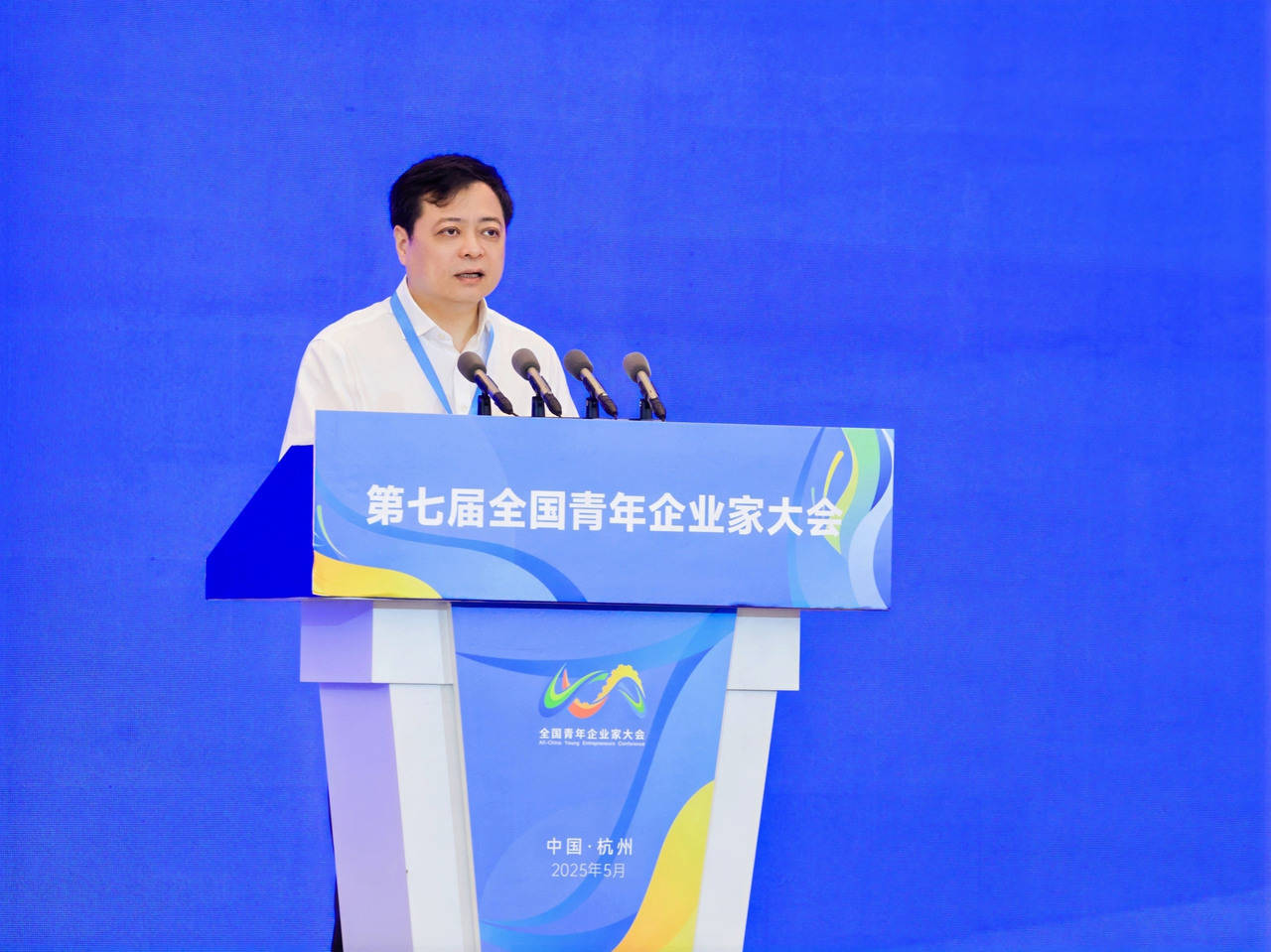
Core Viewpoint - The speech by Nan Cunhui emphasizes the challenges faced by industries, particularly in the context of global trade disruptions and the need for innovation to sustain growth in a competitive environment [3][5]. Group 1: Industry Challenges - The global trade order is experiencing severe shocks, with increasing trade barriers and a restructuring of global supply chains amid intense geopolitical competition [3]. - The photovoltaic industry is undergoing deep adjustments, leading many companies to face transformation pains and survival crises [3][7]. Group 2: Company Performance - In 2024, the company achieved a revenue of 178 billion yuan, representing a 15% year-on-year growth, showcasing its ability to maintain a good growth level despite a challenging environment [3]. - The company has established a "3+2" development framework, focusing on three major industry sectors: green energy, smart electrical, and low-carbon intelligence, along with international and innovation incubation platforms [5]. Group 3: Innovation and Strategy - The company promotes an innovation culture that respects success and tolerates failure, driving growth through a focus on demand pain points and long-term strategies [5]. - The company has adopted a new operational model characterized by high technology, light assets, platformization, and service orientation to navigate industry challenges [7]. Group 4: Global Expansion - The company has implemented a localization strategy for over 20 years, establishing R&D centers, subsidiaries, distribution networks, logistics centers, and manufacturing bases in over 140 countries and regions [9]. - The company aims to align its management systems with international standards while adapting to local conditions to enhance its global business development [9].

聚焦主责主业 赋能对外开放 进出口银行浙江省分行为高能级开放强省建设添动能
Zhong Guo Jing Ji Wang· 2025-05-26 08:35
Core Viewpoint - The Export-Import Bank of China Zhejiang Branch has been committed to supporting the province's open economy and enhancing the international competitiveness of Zhejiang enterprises through high-quality financial services over the past 19 years [1]. Group 1: Financial Support for Foreign Trade - The bank plays a leading role in foreign trade by increasing credit investment and optimizing service quality, helping foreign trade enterprises stabilize and expand their operations [2]. - In the first four months of the year, the bank provided nearly 25 billion yuan in foreign trade loans, with a balance accounting for over 50% by the end of April [2]. - A special working group was established to support small and micro foreign trade enterprises, facilitating the rapid allocation of funds to address their urgent financial needs [2]. Group 2: International Expansion Support - The bank has actively supported Zhejiang enterprises in their international expansion, exemplified by a 124 million yuan loan approved within 20 days for a wind power materials manufacturer in Spain [3]. - The bank has established a project team focused on managing and expanding overseas non-sovereign business, enhancing the international operational capabilities of enterprises [4]. - By the end of April, the bank's loans related to the Belt and Road Initiative exceeded 50 billion yuan, growing at a rate 10 percentage points higher than the average loan growth [4]. Group 3: Collaborative Ecosystem Development - The bank has signed a memorandum of cooperation with Huali Group to enhance support for enterprises in overseas investment and trade [5]. - Since 2018, the bank has organized numerous overseas economic and trade exchange activities, facilitating direct communication between enterprises and international markets [5]. Group 4: Future Outlook - The bank aims to provide diverse, efficient, and professional financial services to inject continuous vitality into Zhejiang's economic development and contribute to the construction of a high-level open economy [6].
出海本地化?温州老板用“地瓜经济”打了个样
Hu Xiu· 2025-05-22 08:56
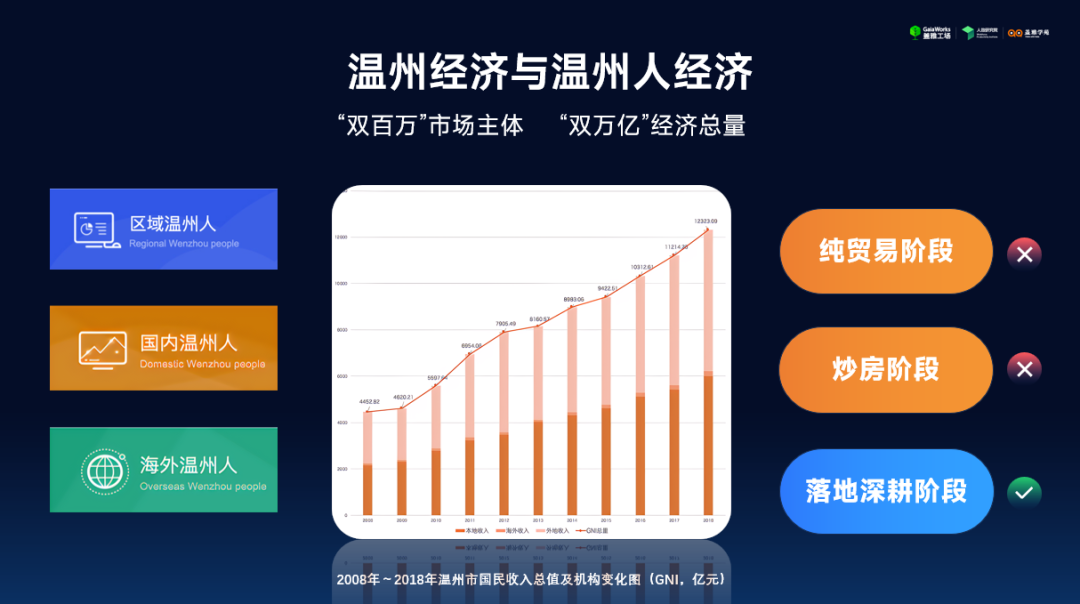
Group 1 - The core viewpoint of the article emphasizes that the era of globalization based on rules and free trade has ended, leading to a new phase characterized by protectionism and safety concerns in global supply chains [5][4] - The recent announcement indicates that the U.S. will reduce tariffs on China to 10% within 90 days, and China will reciprocate, resulting in a 91% reduction in tariffs between the two countries [2][3] - The concept of "going global" for companies is evolving into "global localization," where businesses must adapt to local markets while maintaining their roots [7][6] Group 2 - The article discusses the "Wenzhou economy," which illustrates how local businesses can thrive globally while remaining connected to their home base [21][25] - It highlights the three stages of Wenzhou's economic development: pure trade, real estate speculation, and the current phase where Wenzhou people establish roots globally [14][16][18] - The article notes that there are over 245,000 Wenzhou people worldwide, with significant entrepreneurial activities contributing to both local and global economies [22][23]
刘非与市政协港澳委员、列席市两会的港澳台侨代表人士座谈
Hang Zhou Ri Bao· 2025-05-22 02:36
Core Viewpoint - The meeting highlighted the importance of collaboration between local government and overseas compatriots from Hong Kong, Macau, and Taiwan in promoting the development of Hangzhou, emphasizing their contributions to the city's economic growth and modernization efforts [1][2]. Group 1: Economic Development - Hangzhou has been implementing the "Eight-Eight Strategy" to ensure steady economic progress and quality improvement, showcasing its role as a major economic city [2]. - The city aims to transform the vision outlined by General Secretary Xi Jinping into reality by focusing on high-quality development and building a demonstration zone for common prosperity [2]. Group 2: Community Engagement - The local government expressed gratitude towards overseas compatriots for their support and contributions to Hangzhou's development, emphasizing the emotional connection and sense of responsibility they have towards their hometown [1][3]. - The government is committed to providing better services and conditions for overseas compatriots to facilitate their participation in local governance and development [3]. Group 3: Future Aspirations - The government encourages overseas compatriots to actively contribute ideas and strategies to help Hangzhou become a world-class modern socialist city and a model for Chinese-style modernization [2]. - There is a call for enhanced patriotism and collaboration to promote Hangzhou's image and the broader narrative of China's modernization to the world [2].
走出去抓机遇谋发展——浙江构建开放型经济调研记
Jing Ji Ri Bao· 2025-05-18 22:09
Core Viewpoint - The article discusses the evolution of Zhejiang's economy through the "Sweet Potato Economy" theory, emphasizing the importance of Zhejiang merchants expanding globally to enhance local development and economic growth [1][2]. Group 1: Economic Growth and Development - Zhejiang's economic total has grown from 800 billion in 2002 to 9.01 trillion in 2024, with foreign trade exceeding 5 trillion for the first time, and exports ranking second nationally for two consecutive years [1]. - Over 600,000 Zhejiang merchants are actively engaged in markets outside the province, with more than 200,000 operating in over 180 countries and regions globally [4]. Group 2: Global Expansion of Companies - Companies like Huayou Cobalt have successfully integrated into global supply chains, expanding operations from Zhejiang to Africa, Indonesia, and Europe, thus enhancing their competitive edge [3]. - The Delixi Group, after relocating its R&D center to Shanghai, expanded its operations to countries like Russia, Brazil, and Spain, demonstrating the benefits of "going out" for long-term growth [3]. Group 3: High-Quality Development Strategies - Zhejiang's strategy includes high-quality "going out" and "bringing in" to strengthen its economic base, with a focus on integrating into global industrial chains [5][6]. - The success of companies like Jack and Geely illustrates the effectiveness of acquiring foreign technology and resources to enhance local production capabilities [6]. Group 4: Digital Economy and Trade - Zhejiang is leveraging digital trade to enhance its international competitiveness, focusing on creating a digital trade rule system and promoting cross-border e-commerce [7]. - The province has hosted global digital trade expos and developed a "digital port" to facilitate international trade, aligning domestic supply with global demand [7]. Group 5: Future Challenges and Opportunities - Zhejiang faces challenges from increasing external uncertainties and the need for internal breakthroughs, prompting a push for high-level openness and the construction of a high-energy open province [8][10]. - The ongoing application of the "Sweet Potato Economy" theory is seen as crucial for sustainable development and adapting to global market changes [10].
5月18日晚间央视新闻联播要闻集锦
Yang Shi Xin Wen Ke Hu Duan· 2025-05-18 12:41
Group 1 - The "sweet potato economy" theory, articulated by General Secretary Xi Jinping during his tenure in Zhejiang, has significantly contributed to the province's high-quality development and open economy [5][1] - Over the past 20 years, Zhejiang has effectively utilized the "sweet potato economy" theory, transforming it into a hub for reform and investment [5][1] Group 2 - In the first four months of this year, China's postal industry saw a significant increase in delivery volume, reaching 674 billion items, which represents a year-on-year growth of 18.3% [10][2] - The cold chain logistics market in China has been expanding steadily, driven by policies aimed at stabilizing growth and promoting consumption [11] Group 3 - The number of museums in China has been steadily increasing, resulting in a diverse and inclusive museum system that has been established [3][12]
扎根一地着眼全国走向世界——浙江加快建设高能级开放强省
Ren Min Ri Bao· 2025-05-17 22:02
Core Concept - The article emphasizes the "Sweet Potato Economy" theory, which highlights the relationship between local development and openness, advocating for Zhejiang's economic growth through external resource utilization and market expansion [1][3][29]. Group 1: Economic Development and Openness - Zhejiang's economic strategy focuses on "going out" to enhance development, with over 1,000 groups and 10,000 enterprises participating in market expansion initiatives [2]. - The province has seen a significant increase in the number of Zhejiang merchants, with over 600,000 in China and 200,000 globally, reflecting the successful implementation of the "Sweet Potato Economy" [3][29]. - The Ningbo-Zhoushan Port plays a crucial role in Zhejiang's open economy, maintaining the world's highest cargo throughput for 16 consecutive years and facilitating global trade [6][9]. Group 2: Infrastructure and Logistics - The establishment of the Zhejiang Free Trade Zone has led to significant innovations and the creation of a comprehensive oil and gas industry chain, enhancing the province's economic capabilities [7]. - Zhejiang's logistics infrastructure, including the successful operation of the China-Europe Railway Express, supports the province's goal of becoming a global trade hub [6][9]. Group 3: Digital Economy and E-commerce - The rise of digital economy initiatives, such as live-streaming e-commerce, has positioned Zhejiang as a leader in this sector, with companies like Yaowang Technology leveraging digital tools to expand market reach [8][9]. - The integration of cross-border e-commerce platforms is enhancing Zhejiang's global trade capabilities, optimizing logistics and supply chain management [9]. Group 4: Government Support and Business Environment - Zhejiang's government emphasizes a supportive business environment, ensuring that services are responsive to the needs of enterprises, which fosters a culture of innovation and investment [10][11][12]. - The province's commitment to improving administrative efficiency has led to faster project approvals and enhanced support for businesses, contributing to a favorable investment climate [14][15][16]. Group 5: Quality and Competitiveness of Enterprises - The focus on high-quality development is evident in the emphasis on strengthening core competencies and innovation within Zhejiang's private enterprises [20][21]. - Companies are encouraged to maintain a strong focus on their main business areas, with many achieving over 90% of their revenue from primary operations [23]. - The commitment to technological innovation is reflected in significant R&D investments, with the top 200 private enterprises in Zhejiang investing a total of 265.95 billion yuan in 2024 [26].
