
新能源汽车下乡

Search documents
工信部:发布汽车行业稳增长工作方案的同时,将持续优化促消费优惠政策
Zheng Quan Shi Bao Wang· 2025-09-13 03:32
Core Viewpoint - The Ministry of Industry and Information Technology (MIIT) is actively promoting automotive consumption through a new round of policies aimed at stabilizing growth in the automotive industry, particularly focusing on electric vehicles [1] Group 1: Policy Initiatives - MIIT has released a new plan to stabilize growth in the automotive industry [1] - The ministry will continue to optimize tax incentives for purchasing new energy vehicles, including vehicle purchase tax and vessel tax [1] - There will be an ongoing effort to promote the adoption of new energy vehicles in rural areas [1]
媒体报道丨新能源汽车如何加速驶向新农村,基础设施短板怎样补齐?
国家能源局· 2025-09-07 08:55
Core Viewpoint - The article discusses the ongoing promotion of new energy vehicles (NEVs) in rural areas, highlighting the importance of vehicle quality, after-sales service, subsidies, and charging infrastructure for rural consumers [2]. Group 1: Vehicle Selection and Consumer Preferences - Rural consumers are increasingly considering factors such as after-sales service, availability of subsidies, and charging facilities when purchasing NEVs [2]. - In Jiangsu, the government has implemented policies to support NEV purchases, with over 270,000 NEVs sold by June 30, resulting in subsidies exceeding 4.1 billion [8]. - A local peach farmer in Jiangsu shared that he purchased a new electric logistics vehicle, benefiting from a 10,000 subsidy for trading in his old vehicle, and found the operational costs significantly lower compared to traditional fuel vehicles [6][8]. Group 2: Service and Support Systems - In Hunan, the service infrastructure for NEVs is being enhanced, with local dealerships offering 24-hour roadside assistance and home test drives to facilitate rural consumers [9]. - A sales consultant in Hunan successfully secured multiple orders by providing on-site services and incentives, demonstrating the effectiveness of personalized customer engagement [10]. Group 3: Infrastructure Development - In Guangxi, the construction of charging stations is being prioritized to support the growing number of NEVs in rural areas, with a focus on safety and convenience [12]. - The local government is strategically planning the placement of charging stations to ensure accessibility, with over 200 public charging stations added in the first half of the year, leading to a 25.7% increase in NEV sales [16][17]. - The development of charging infrastructure is aligned with the NEV promotion policies, aiming to unlock consumer potential in rural markets [17].


新能源汽车如何加速驶向新农村
Ren Min Ri Bao· 2025-09-07 01:16
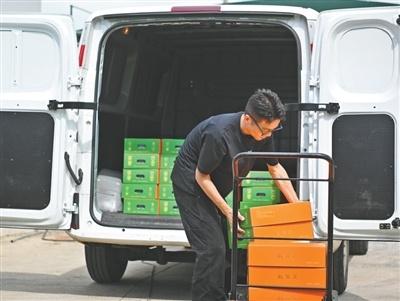
Core Insights - The article discusses the ongoing promotion of electric vehicles (EVs) in rural areas of China, highlighting the increasing interest and adoption among local residents since the initiative began in 2020 [1][2]. Group 1: Vehicle Adoption and Preferences - Local farmers are increasingly considering factors such as after-sales service, subsidies, and charging infrastructure when purchasing EVs [1]. - In Jiangsu, a farmer named Chen Yuehao purchased a new electric logistics vehicle, which he finds practical for transporting goods, significantly reducing delivery costs compared to traditional methods [3][5]. - The Jiangsu government has provided substantial subsidies, with over 270,000 EVs sold by June 30, 2023, amounting to more than 4.1 billion yuan in subsidies [5]. Group 2: Service and Support Infrastructure - In Hunan, the service support system for EVs is being upgraded, with local maintenance stations now offering charging and repair services for electric vehicles [7]. - Dealerships are implementing convenient measures such as 24-hour roadside assistance and home test drives to facilitate the purchasing process for rural consumers [7][9]. - Hunan has seen a significant increase in public electric buses, with 97.32% of the fleet being green vehicles, and a total of 42,150 charging stations established [9]. Group 3: Charging Infrastructure Development - In Guangxi, the construction of charging stations is being prioritized to support the growing number of EVs in rural areas, with a focus on safety and convenience [10]. - The local government is strategically planning the placement of charging stations to ensure they meet high usage demands, with over 200 new public charging stations added in the first half of the year [11][13]. - The initiative aims to convert the success of charging infrastructure into increased EV sales, with a reported 25.7% year-on-year growth in sales of electric vehicles in Guangxi [13].

新能源汽车如何加速驶向新农村(经济新方位)
Ren Min Wang· 2025-09-06 21:55
Core Viewpoint - The article discusses the ongoing promotion of new energy vehicles (NEVs) in rural areas of China, highlighting the increasing adoption, the importance of after-sales service, and the development of charging infrastructure to support this initiative [6][12][15]. Group 1: Adoption of New Energy Vehicles - The initiative to promote NEVs in rural areas has been ongoing since 2020, with a growing variety of models and increased support from policies [6]. - In Jiangsu province, over 270,000 NEVs were purchased by June 30, 2023, with subsidies exceeding 4.1 billion yuan [11]. - Consumers are increasingly considering factors such as after-sales service, subsidies, and charging facilities when purchasing vehicles [6][11]. Group 2: Consumer Experiences - Farmers like Chen Yuehao have found NEVs practical for logistics, with significant cost savings compared to traditional fuel vehicles [8][11]. - The selected NEV for logistics has a range of 305 kilometers and an energy consumption of 15.9 kWh per 100 kilometers, making it suitable for rural deliveries [10]. - The article highlights the convenience of local services, such as home delivery of test vehicles and subsidies for potential buyers [12][13]. Group 3: Service and Infrastructure Development - In Hunan, local service stations are enhancing their offerings to include charging and maintenance for NEVs, making it easier for rural consumers [12]. - The establishment of charging stations is crucial for the success of NEVs in rural areas, with efforts underway to build infrastructure that is safe and convenient [15][18]. - In Guangxi, over 200 public charging stations were added in the first half of the year, contributing to a 25.7% increase in NEV sales [18].
从“政策引导”走向“供需适配”(快评)
Ren Min Ri Bao· 2025-09-06 21:54
Core Insights - Industry experts predict that sales of new energy vehicles (NEVs) in rural areas will exceed 4 million units by 2025, indicating a significant growth opportunity in this market [1] Industry Overview - Compared to traditional fuel vehicles, NEVs have lower operating costs, and rural models offer higher safety and better after-sales support, catering to the actual needs of rural consumers [1] - The penetration rate of NEVs in first- and second-tier cities is nearing 50%, making the rural market a new growth point for the automotive industry [1] Market Dynamics - The ongoing NEV promotion activities in rural areas are expected to stimulate consumption potential, benefiting the entire automotive supply chain, including vehicle manufacturing, parts, and maintenance [1] - The variety of models available has increased, providing consumers with more choices that are better suited to rural needs, such as improved performance and larger cargo space [1] Policy and Support - The initiative includes a coordinated approach involving production, sales, finance, charging, and after-sales services, offering integrated promotional schemes like "purchase discounts + energy support + service guarantees" to address rural consumers' concerns about vehicle ownership [1] - Collaborative efforts are anticipated to accelerate the transition of rural NEVs from "policy-driven" to "supply-demand matching," leading to a greater presence of NEVs in rural areas [1]
8月新能源乘用车渗透率,首次突破55%
21世纪经济报道· 2025-09-05 23:57
Core Viewpoint - Automotive consumption is a key driver for economic growth, with recent subsidy initiatives in cities like Nanjing aimed at boosting new car purchases, particularly in the electric vehicle (EV) sector [1][8]. Group 1: Subsidy Initiatives and Market Impact - Nanjing announced a new round of consumer subsidies for new passenger cars, offering up to 8,000 yuan based on the vehicle's invoice price, effective until the end of the year [1]. - In the first half of the year, automotive consumption subsidies significantly stimulated consumer demand, with retail sales of new energy vehicles (NEVs) in large enterprises increasing by 68.9%, contributing 4.0 percentage points to overall retail sales growth [1]. - The penetration rate of NEVs has consistently exceeded 50% for six consecutive months, reaching over 55% in August [3]. Group 2: Downstream Market Expansion - The cumulative sales of NEVs in rural areas have surpassed 15 million units since the launch of the "NEVs Going to the Countryside" initiative, with an expanded model range of 124 vehicles this year [3][8]. - The initiative aims to meet diverse consumer needs in lower-tier markets, showcasing a shift in consumer demand towards more affordable and varied vehicle options [3][5]. - Challenges remain in rural areas, such as inadequate charging infrastructure and limited access to maintenance services, which hinder NEV adoption [5]. Group 3: "Thousand Counties and Ten Thousand Towns" Campaign - The "Thousand Counties and Ten Thousand Towns" campaign aims to enhance the purchasing environment for NEVs in rural areas, promoting vehicle trade-in programs and increasing the availability of suitable models [7][8]. - The campaign includes a focus on policy promotion and consumer education to maximize the impact of subsidies and trade-in incentives [7]. - Data from Shandong indicates strong growth in vehicle trade-in applications, suggesting that such initiatives can further stimulate market activity [7]. Group 4: Diversification of Automotive Consumption - The automotive consumption landscape is evolving from mere vehicle purchases to include experiences like RV camping, modifications, and motorsport events, reflecting a broader trend in consumer preferences [10]. - The government encourages the development of the automotive aftermarket, which is seen as a vital component of overall automotive consumption [10]. - As NEV costs decrease and technology improves, the market outlook for 2025 appears promising, particularly in rural areas where penetration is expected to accelerate [10].
多地多措并举提振汽车消费 8月新能源乘用车渗透率超55%
2 1 Shi Ji Jing Ji Bao Dao· 2025-09-05 10:02
Group 1: Economic Impact of Automotive Consumption - Automotive consumption is a key driver of economic growth, with recent subsidy activities in Nanjing offering up to 8,000 yuan for new car purchases, effective until the end of the year [1][7] - In the first half of the year, automotive consumption subsidies significantly boosted consumer demand, with retail sales of new energy vehicles (NEVs) in large units increasing by 68.9%, contributing 4.0 percentage points to overall retail sales growth [1] Group 2: New Energy Vehicle Market Trends - As of August, cumulative retail sales of new energy passenger vehicles reached 7.535 million units, marking a 25% year-on-year increase, with penetration rates exceeding 50% for six consecutive months [2] - The launch of new energy vehicle rural outreach activities has led to cumulative sales surpassing 15 million units, with an expanded model range of 124 types catering to diverse consumer needs [3] Group 3: Challenges in Rural Adoption - Despite growth in NEV sales, rural areas face challenges such as low charging infrastructure and limited maintenance services, which hinder consumer adoption [3][4] - The government is addressing these issues by promoting the establishment of comprehensive service networks and ensuring charging facilities are available in rural areas [4] Group 4: Policy Initiatives and Consumer Engagement - The "Thousand Counties and Ten Thousand Towns" initiative aims to enhance NEV purchasing environments and promote consumer engagement through various activities, including trade-in programs [5][6] - Local governments are increasingly implementing policies to stimulate automotive consumption, with Nanjing's recent subsidy program exemplifying this trend [7] Group 5: Innovative Consumption Scenarios - The automotive consumption landscape is evolving, with a shift towards integrating automotive experiences with travel, leisure, and lifestyle activities, reflecting changing consumer preferences [8][9] - The promotion of automotive after-market consumption is seen as a vital component of overall automotive consumption growth, enhancing consumer satisfaction and quality of life [9] Group 6: Future Outlook - The outlook for the NEV market is positive, with expectations of accelerated penetration in rural areas driven by declining costs, technological advancements, and supportive policies [10]
多地多措并举提振汽车消费,8月新能源乘用车渗透率超55%
2 1 Shi Ji Jing Ji Bao Dao· 2025-09-05 10:00
Core Insights - The article emphasizes the importance of promoting electric vehicle (EV) consumption in lower-tier markets through initiatives like the "Thousand Counties and Ten Thousand Towns" campaign and vehicle trade-in policies to maximize policy effects [1][4]. Group 1: Policy Initiatives - Nanjing has launched a new round of consumer subsidies for purchasing passenger vehicles, offering up to 8,000 yuan based on the vehicle's invoice price [1][5]. - The "Thousand Counties and Ten Thousand Towns" EV consumption season aims to enhance the purchasing environment for EVs in rural areas, with a focus on trade-in programs and diverse vehicle offerings [3][4]. - The Ministry of Commerce has initiated a new round of EV rural outreach activities, expanding the range of available models to 124, catering to various consumer needs [2][3]. Group 2: Market Performance - As of August, cumulative retail sales of new energy passenger vehicles reached 7.535 million units, marking a 25% year-on-year increase, with penetration rates exceeding 50% for six consecutive months [2][3]. - In the first half of the year, the retail sales of new energy vehicles in major cities increased by 68.9%, contributing 4.0 percentage points to overall retail sales growth [1]. Group 3: Challenges and Solutions - Despite the growth in EV sales, rural areas face challenges such as low charging infrastructure and limited maintenance services, which hinder consumer adoption [2][3]. - The government is addressing these issues by promoting the establishment of charging stations and service networks in rural regions, aiming for comprehensive coverage by 2025 [2][3]. Group 4: Consumer Trends - The demand for cost-effective vehicles is prominent in lower-tier markets, with trade-in purchases being a significant trend among consumers influenced by government policies [4][6]. - The article highlights a shift in automotive consumption from mere vehicle purchases to experiences such as road trips and vehicle modifications, indicating a broader market trend [6][7].
政策组合拳释放汽车市场新动能
Zhong Guo Qi Che Bao Wang· 2025-08-28 01:15
Core Viewpoint - The recent government policies aimed at boosting automobile consumption, including subsidies and loan interest support, are expected to stimulate a new wave of demand in the automotive market [2][11]. Group 1: National Policies - The Ministry of Finance, the People's Bank of China, and the financial regulatory authority jointly issued a plan that includes a maximum subsidy of 3,000 yuan for car loans [2]. - The central government has allocated 138 billion yuan in subsidies for vehicle trade-ins, which will be distributed in the third and fourth quarters [2]. - The "千县万镇" (Thousand Counties and Ten Thousand Towns) initiative aims to promote electric vehicle consumption in rural areas, enhancing market reach [9][10]. Group 2: Local Initiatives - Local governments, such as Sichuan and Chongqing, have introduced their own subsidy programs, with Sichuan offering up to 6,500 yuan for eligible new car purchases [3][4]. - In Jinan, consumers can receive up to 8,500 yuan in subsidies for purchasing non-operational passenger vehicles [5]. - Various regions are implementing a "first come, first served" approach for subsidy applications to improve efficiency and prevent overspending [5]. Group 3: Automotive Industry Response - Car manufacturers like Li Auto and XPeng are providing additional cash incentives and benefits to consumers, enhancing the overall attractiveness of vehicle purchases [6]. - The third batch of central subsidies for trade-ins, amounting to 69 billion yuan, has been distributed, with some regions restarting their trade-in programs due to high demand [6]. Group 4: Market Trends - Data shows that from August 1 to 17, retail sales of passenger vehicles reached 866,000 units, a 2% year-on-year increase, with a cumulative retail of 13.61 million units for the year, reflecting a 10% growth [6]. - The penetration rate of automotive consumer finance has exceeded 60%, indicating a significant shift towards financing options for vehicle purchases [8]. - The combination of national and local policies is expected to maintain a high level of market activity and consumer interest in the automotive sector through the end of the year [15][16].

政策与需求同频共振 充电设施加速下乡
Xin Hua Wang· 2025-08-12 05:48
Core Insights - The development of charging infrastructure in rural areas is accelerating, driven by government policies and the growing demand for electric vehicles [1][2][3] - The market potential for electric vehicles in rural China is significant, with projections indicating a total vehicle ownership exceeding 70 million by 2030, creating a market worth 500 billion yuan [2] - Current public charging infrastructure in rural areas is insufficient, with only 9.45% of public charging stations located in county-level and below regions, highlighting the need for expansion and upgrades [2][3] Group 1: Charging Infrastructure Development - Multiple regions are implementing three-year action plans to enhance charging infrastructure in rural areas, addressing the shortfall in charging facilities [1] - In Guizhou province, there are 1,952 operational charging projects and 10,068 charging guns, achieving 85% coverage in 973 out of 1,145 townships [1] - The charging volume in Guizhou from January to July reached 25.5 million kilowatt-hours, indicating a growing usage of charging facilities [1] Group 2: Challenges and Opportunities - The low utilization rate of public charging facilities in rural areas is attributed to the lower ownership of electric vehicles and the convenience of home charging [3] - There are significant challenges in rural charging infrastructure, including weak power grids, safety risks, and the need for better planning and operational personnel [2][3] - Innovative business models and solutions are being explored, such as placing charging stations in key locations like township supply cooperatives and promoting home charging solutions [3] Group 3: Future Directions - The enhancement of rural power grids is essential for supporting the expansion of charging infrastructure, as outlined in recent government guidelines [4] - The focus is on creating a high-quality charging infrastructure system that supports the integration of electric vehicles and new energy systems [4][5] - The industry is encouraged to innovate in charging service models and improve the intelligence of charging services to meet the growing demand [4][5]
