
无废城市

Search documents
1830万辆以旧换新!新能源占比近60%,绿色消费市场持续扩容
Zhong Guo Neng Yuan Wang· 2026-01-21 02:15
Core Viewpoint - The recent issuance of the "Notice on Implementing Green Consumption Promotion Actions" marks a new phase in promoting green consumption in China, emphasizing the need for coordinated efforts to address existing challenges in the green consumption sector [1] Group 1: Green Consumption Market Expansion - The green consumption market in China is steadily expanding, driven by policy guidance and market demand, becoming a crucial force for high-quality development and economic transformation [2] - The "14th Five-Year Plan" suggests improving the green consumption incentive mechanism and promoting low-carbon lifestyles [2] - Data indicates that from 2024 to 2025, China aims to achieve 18.3 million vehicle trade-ins, with nearly 60% being new energy vehicles, reflecting a significant growth in green product consumption [2] Group 2: Support for Green Products - The "Notice" supports consumers in purchasing new energy vehicles and promotes energy-saving facilities and equipment [3] - Encouragement is given to enterprises to prioritize the use of green electricity and optimize green building designs to reduce energy consumption [3] Group 3: Recycling System Development - The construction of a recycling system for renewable resources is a key focus of the "Notice," aimed at enhancing resource recycling and promoting a green lifestyle [4] - The goal is to achieve a total recycling volume of approximately 380 million tons by 2025, with support for high-value recycling projects and optimized sorting center construction [4] Group 4: "Zero Waste City" Initiative - The "Zero Waste City" initiative aims to transform waste into resources, with plans to expand the program to around 200 cities during the "14th Five-Year Plan" period [5] - The initiative includes promoting waste reduction at the source and enhancing resource utilization capabilities through innovative technologies [5] Group 5: Progress Evaluation - By early 2025, an evaluation method for "Zero Waste City" construction will be implemented, analyzing the progress of 109 cities, with notable reductions in industrial solid waste generation and improvements in agricultural waste utilization [6]
何为“无废城市”?让城市“代谢”更高效
Yang Shi Wang· 2026-01-20 22:09
Group 1: Overview of "Waste-Free City" Initiative - The Ministry of Ecology and Environment announced a significant push for "Waste-Free City" construction, aiming to expand pilot cities to around 200 by 2027, with a goal of 60% of cities participating by 2027 and full coverage by 2035 [1] - "Waste" in "Waste-Free City" refers to solid waste, including household garbage, construction waste, industrial waste, agricultural waste, and hazardous waste [2] Group 2: Current Challenges and Environmental Impact - Over 600 major cities in China face significant challenges with high volumes of solid waste, leading to severe environmental issues such as water, air, and soil pollution [6] - Historical waste accumulation has not been effectively managed, posing risks to human health and the environment [6] Group 3: Concept and Goals of "Waste-Free City" - The concept of a "Waste-Free City" does not imply zero waste production but aims for a green, circular development model that minimizes waste impact on urban environments and residents [8] - The initiative focuses on promoting green production and living, with strict management processes to enhance resource recovery and high-value recycling [8] Group 4: Innovative Solutions and Case Studies - In Zhejiang, the province plans to collect and process 7.64 million tons of perishable waste by 2025, achieving a 100% harmless treatment rate, which will contribute to urban green development [9] - The New Chang County's kitchen waste disposal center efficiently processes perishable waste, converting it into high-quality insect protein and organic fertilizer, generating economic benefits of over 5 million yuan [13] - In Chongqing, construction waste, which constitutes over 40% of urban solid waste, is being processed into various reusable materials, with a resource utilization rate of 69% and plans to reach 80% during the 14th Five-Year Plan [20] Group 5: Economic and Environmental Benefits - The transformation of marble tailings into usable materials has significantly increased their economic value, with annual processing of over 2 million tons and a potential output value exceeding 3 billion yuan [20]

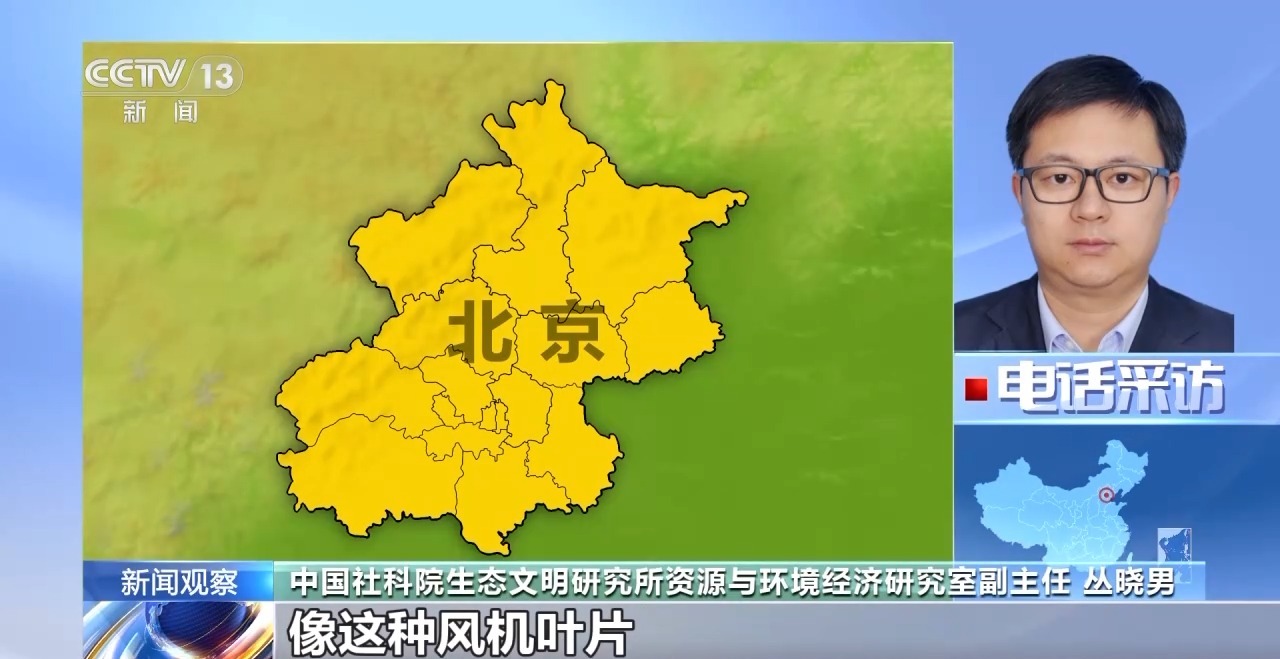
滨州将培育绿色工厂 绿色园区20家,持续打造“无废城市”
Qi Lu Wan Bao· 2026-01-20 09:05
Group 1 - The core focus of the report is on promoting green and low-carbon development in Binzhou by 2026, emphasizing structural adjustments and demonstration projects [1] - The city plans to accelerate the development of new energy, including the construction of a comprehensive wind-solar-storage transmission base and the implementation of 10 key projects, aiming to add 1 million kilowatts of renewable energy capacity [1] - Initiatives include the development of new models for "source-grid-load-storage" and "green electricity direct connection," along with the establishment of a 500 kV highland transmission and transformation project [1] Group 2 - The report highlights the importance of improving ecological environment quality through actions such as the clean transformation of 99 coal-fired furnaces and the renovation of 120 kilometers of rainwater and sewage pipelines [2] - It emphasizes the implementation of a river and lake chief system and systematic governance of river basins to enhance the beauty of coastal areas [2] - The completion of a national regional waste salt disposal center and the promotion of red mud comprehensive utilization are part of the efforts to create a "waste-free city" [2]
环保产业转型记:从“末端治理”到“点废成金”
Zheng Quan Ri Bao· 2026-01-19 16:28
Core Perspective - The transformation of waste management in Beijing, exemplified by the Liulitun landfill turning into a recreational park, reflects China's shift from "end-of-pipe treatment" to "value creation" in the environmental industry, driven by dual goals of carbon neutrality and waste-free cities [1] Group 1: Technological Upgrades - Continuous technological breakthroughs are the core driver for realizing the potential value of waste, particularly in solid waste management [2] - Advanced technologies like waste incineration for energy generation allow for economic benefits, with valuable metals being recovered from incineration ash, maximizing the industrial value of household waste [2] - The integration of smart tools and lean management in waste processing facilities enhances operational efficiency and maximizes the economic benefits of individual power plants [3] Group 2: Industry Collaboration - Full industry chain collaboration is essential for maximizing value, with companies emphasizing the importance of synergy and intelligent systems in their operations [3] - The implementation of integrated urban sanitation and smart waste classification systems can lead to efficient waste collection and precise source classification, contributing to energy efficiency and reduced carbon emissions [4] Group 3: Policy Support - The transformation of waste into wealth is supported by government policies, such as the State Council's action plan for solid waste management, which aims for significant improvements by 2030 [5] - The environmental industry is undergoing a profound change from end-of-pipe treatment to value extraction throughout the entire process, driven by technological advancements and policy incentives [5] Group 4: Market Expansion - The overseas market is emerging as a new growth area for the industry, with companies adapting domestic waste management models to fit local regulations and cultural contexts [6] - Successful localization strategies involve precise adjustments of core technologies to meet the specific needs of target markets, ensuring effective performance in diverse environments [6] - The practice of transforming waste into valuable resources is reshaping the value logic of the environmental industry, aiming for a harmonious coexistence between humans and nature [6]


济南2026年将新增市级以上绿色工厂(园区)25家以上
Qi Lu Wan Bao· 2026-01-19 06:39
Core Viewpoint - Jinan City is committed to implementing the "dual carbon" strategy, focusing on energy consumption and carbon emission management, while promoting the transition from energy consumption control to carbon emission control [1] Group 1: Carbon Management and Energy Transition - Jinan will strictly control total coal consumption and implement coal consumption substitution [1] - The city aims to optimize the structure and layout of coal-fired power generation and accelerate the construction of advanced coal-fired units [1] - Projects such as the Longqing 2×660 MW advanced coal-fired unit transmission project (Phase II) will be expedited [1] Group 2: Green Energy and Smart Energy Initiatives - Development of virtual power plants and integrated energy systems will be accelerated to enhance green electricity consumption [1] - The city will actively promote comprehensive smart energy pilot projects in the starting area [1] Group 3: Transportation and Waste Management - Jinan will optimize and adjust its transportation structure, improving the multimodal transport system [1] - The city will promote the transfer of bulk goods from road to rail and water transport [1] - Efforts will be made to enhance the management of municipal solid waste and improve the resource utilization of construction waste [1] Group 4: Green Development Goals - Jinan plans to establish over 25 new green factories (parks) at the municipal level or above [1] - The city is committed to deepening the "waste-free city" initiative and advocating for a green, low-carbon lifestyle among its citizens [1]
《固体废物综合治理行动计划》出台,如何构建“无废未来”?
Ren Min Wang· 2026-01-18 04:13
Group 1 - The core viewpoint of the news is the importance of comprehensive solid waste management in promoting the construction of a beautiful China and accelerating the green transformation of economic and social development [1] - The State Council has issued the "Comprehensive Solid Waste Management Action Plan," which forms part of a policy system for pollution prevention alongside previous documents on water, soil, and air pollution [1] - The Action Plan sets clear goals for 2030, including achieving significant results in solid waste management, controlling historical stockpiles, curbing illegal dumping, and reaching an annual comprehensive utilization of 4.5 billion tons of major solid waste and 510 million tons of recycled resources [1] Group 2 - China generates over 4 billion tons of industrial solid waste annually, accounting for nearly half of the total solid waste, leading to increasing environmental pollution risks [2] - The Ministry of Ecology and Environment emphasizes the need to address both historical stock and new accumulation of industrial solid waste, aiming for a dual reduction in new and accumulated stockpiles [2] - The Ministry will guide provinces to conduct pilot projects for the large-scale utilization of industrial solid waste in mining and restoration efforts [2] Group 3 - A survey identified approximately 33 billion tons of accumulated industrial solid waste in China, occupying around 3,500 square kilometers [3] - The Ministry has completed risk assessments and remediation for over 5,000 tailings ponds, with more than 2,200 in the Yangtze River Economic Belt and Yellow River Basin undergoing governance [3] - The Action Plan requires the Ministry to accelerate the construction of "waste-free cities" and strengthen unified supervision and management of solid waste pollution prevention [3] Group 4 - The Ministry will focus on planning, responsibility assessment, regulatory standards, and technological support to enhance solid waste pollution prevention [3] - It will strengthen planning by incorporating solid waste pollution prevention into the "14th Five-Year Plan" and developing specific action plans [3] - The Ministry aims to establish a control standard system for toxic and harmful substances in solid waste and reduce the generation of hazardous solid waste at the source [3]
锂电回收市场大洗牌!“固废十条” 倒逼行业合规化转型
Zhong Guo Neng Yuan Wang· 2026-01-18 03:13
Core Insights - The State Council has released the "Solid Waste Comprehensive Management Action Plan" (referred to as "Solid Waste Ten Measures"), marking a significant top-level design in pollution control following previous initiatives targeting air, water, and soil pollution [2][4] - The plan aims to enhance solid waste management comprehensively, contributing to ecological protection and supporting a green transformation of the economy and society [2][4] Group 1: Objectives and Goals - By 2030, the plan sets clear targets, including significant improvements in solid waste management, effective control of historical waste stockpiles, and a reduction in illegal dumping [2] - The annual comprehensive utilization of major solid waste is expected to reach 4.5 billion tons, with the recycling of key resources projected at 510 million tons [2] Group 2: Current Challenges - The scale and complexity of solid waste generation in China present significant challenges, with 93.2 billion tons of solid waste produced across 315 cities in 2023 [3] - The breakdown of waste includes 38 billion tons of industrial solid waste, 1 billion tons of hazardous waste, 3.9 billion tons of municipal waste, 24.1 billion tons of construction waste, 25.8 billion tons of agricultural solid waste, and 0.4 billion tons of municipal sludge [3] Group 3: Policy Innovations - The "Solid Waste Ten Measures" introduces groundbreaking regulations, including a requirement for local governments to allocate at least 1% of industrial land for resource recycling projects, addressing long-standing barriers to project implementation [5] - The plan emphasizes the use of fiscal funds and the development of green finance to support projects, creating a "government-led + market-driven" investment mechanism [6] Group 4: Industry Implications - The measures are expected to stimulate demand across the entire waste management and recycling industry, promoting innovation and integration with energy and material sectors [6] - The lithium battery recycling sector is highlighted as a key area for transformation, with the introduction of extended producer responsibility (EPR) expected to enhance the recycling framework and reduce informal collection practices [7] Group 5: Market Dynamics - The current landscape of the lithium battery recycling industry is undergoing significant changes, with compliance and scale becoming the new norms as regulatory pressures increase [7] - Major automotive manufacturers are shifting from passive observation to active participation in recycling, indicating a move towards a closed-loop management approach [7]
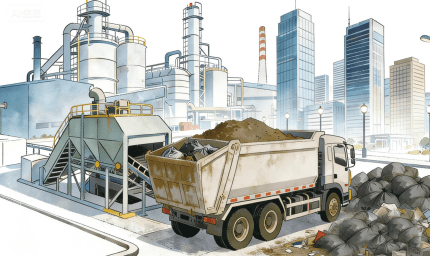
“国补”激活消费市场 福嫂温暖京津万家
Xin Lang Cai Jing· 2026-01-16 23:11
Group 1 - The new round of national subsidies for replacing old consumer goods in Hebei has been implemented, covering various sectors including automobiles, home appliances, and digital products, effectively stimulating consumer activity [6] - From January 1 to 9, the subsidy for replacing old home appliances in Hebei exceeded 130 million yuan, driving sales over 920 million yuan [6] - The "Hebei Fusa" brand has significantly impacted labor output and public services, with 153,000 workers employed in the Beijing-Tianjin area, enhancing local labor force income and meeting family needs [7] Group 2 - The construction of a "waste-free city" in Xiong'an New Area has shown significant results, with a waste treatment facility capable of processing over 3,000 tons of waste daily, utilizing advanced incineration technology [5] - The Xiong-Xin high-speed railway's key project, the Beitai Mountain Tunnel, has been completed, facilitating the railway's timely operation and enhancing regional economic development [5] - The market recognition of drought-resistant alkali wheat products is increasing, with unique flavors and nutritional benefits leading to expanded production and processing [8] Group 3 - Langfang is developing a "computing power highland" to drive intelligent upgrades across various industries, leveraging its geographical and industrial advantages [9] - The city has established a robust computing power application ecosystem, integrating AI technologies into sectors such as transportation and project matching [9]
让低残值塑料变成宝
Xin Lang Cai Jing· 2026-01-16 23:09
(来源:湖州日报) 转自:湖州日报 讲述人:市政协委员姚恩亲 市两会召开在即,我将提交一份关于以低残值塑料资源化助力湖州经济生态双赢的提案。我建议,开展 专项调研,精准测算低残值塑料的年产生量、当前处置的财政与环境成本,科学评估资源化利用后带来 的综合效益。同时,完善政策支撑体系,将低残值塑料资源化利用纳入湖州市"无废城市"建设、循环经 济发展等专项规划,明确发展目标、重点任务和扶持政策。 此外,构建农业、商业领域分类回收网络,在乡镇农资点、村级回收站及大型商超、物流园区等地设置 专用回收区或容器,并通过"以旧换新"等激励措施,实现高效收集。在技术攻坚方面,建议重点关注和 扶持"低温绝氧热解"等技术,支持本地企业联合技术团队,在循环经济产业园内规划建设示范项目,打 造一个可复制、可推广的湖州样板。 让每一份资源物尽其用,让生态优势转化为发展优势。低残值塑料的"重生之路",或许就是湖州书 写"无废未来"的又一个精彩章节。我期待,也愿为之共同努力。 (记者 俞黎新 整理) 我是一名来自生态环境保护一线的工作者,也是一名市政协委员。过去一年,我在调研走访中了解到, 湖州塑料制品消费量持续增长,随之产生的塑料废弃物治 ...
六个关键词看未来六年固废治理“行动计划”
Xin Hua She· 2026-01-16 04:22
Group 1: Core Action Plan - The "Solid Waste Comprehensive Governance Action Plan" aims for significant improvements in solid waste management by 2030, including effective control of historical stockpiles and curbing illegal dumping, with a target of 4.5 billion tons of comprehensive utilization of major solid waste and 510 million tons of recycling of main renewable resources annually [1] - The plan emphasizes the importance of enhancing solid waste governance capabilities and levels significantly [1] Group 2: Agricultural Waste Management - The plan promotes scientific use of agricultural films, encouraging the adoption of thicker, high-strength, and fully biodegradable films, along with improved collection of pesticide packaging waste [2] - It aims to advance the resource utilization of livestock and poultry manure, promote straw return to fields, and develop ecological circular agriculture through policy incentives [2][3] - The focus is on overcoming technical bottlenecks in manure application and straw decomposition, while enhancing the integration of technology, products, and equipment [2] Group 3: Illegal Dumping and Enforcement - There will be a strict crackdown on illegal dumping, with enhanced environmental law enforcement from waste generation to disposal, and severe penalties for serious violations [6] - The plan includes regular monitoring of progress in waste management across regions and emphasizes the importance of local responsibility in managing illegal dumping [6] Group 4: Circular Economy Development - The initiative encourages the direct utilization of industrial, construction, and agricultural solid waste without altering their properties, focusing on efficient extraction and overall utilization of valuable components [6] - It promotes the recycling of various waste products through detailed disassembly and extraction of recyclable materials, while also encouraging the development of remanufacturing industries [7] Group 5: Construction Waste Management - The plan calls for promoting green construction practices, integrating waste reduction and management costs into project budgets, and implementing classification and management of construction waste [10] - It emphasizes the need for regulatory oversight of transportation and disposal of construction waste, including the installation of GPS systems on transport vehicles [10] Group 6: "Waste-Free City" Initiative - The plan sets a target for 60% of cities to achieve "waste-free" status by 2027, with full coverage by 2035, expanding the initiative to around 200 cities during the 14th Five-Year Plan [13] - It aims to integrate the "Waste-Free City" initiative with the Solid Waste Comprehensive Governance Action Plan to enhance urban waste management [13][14]
