电动化与智能化

Search documents
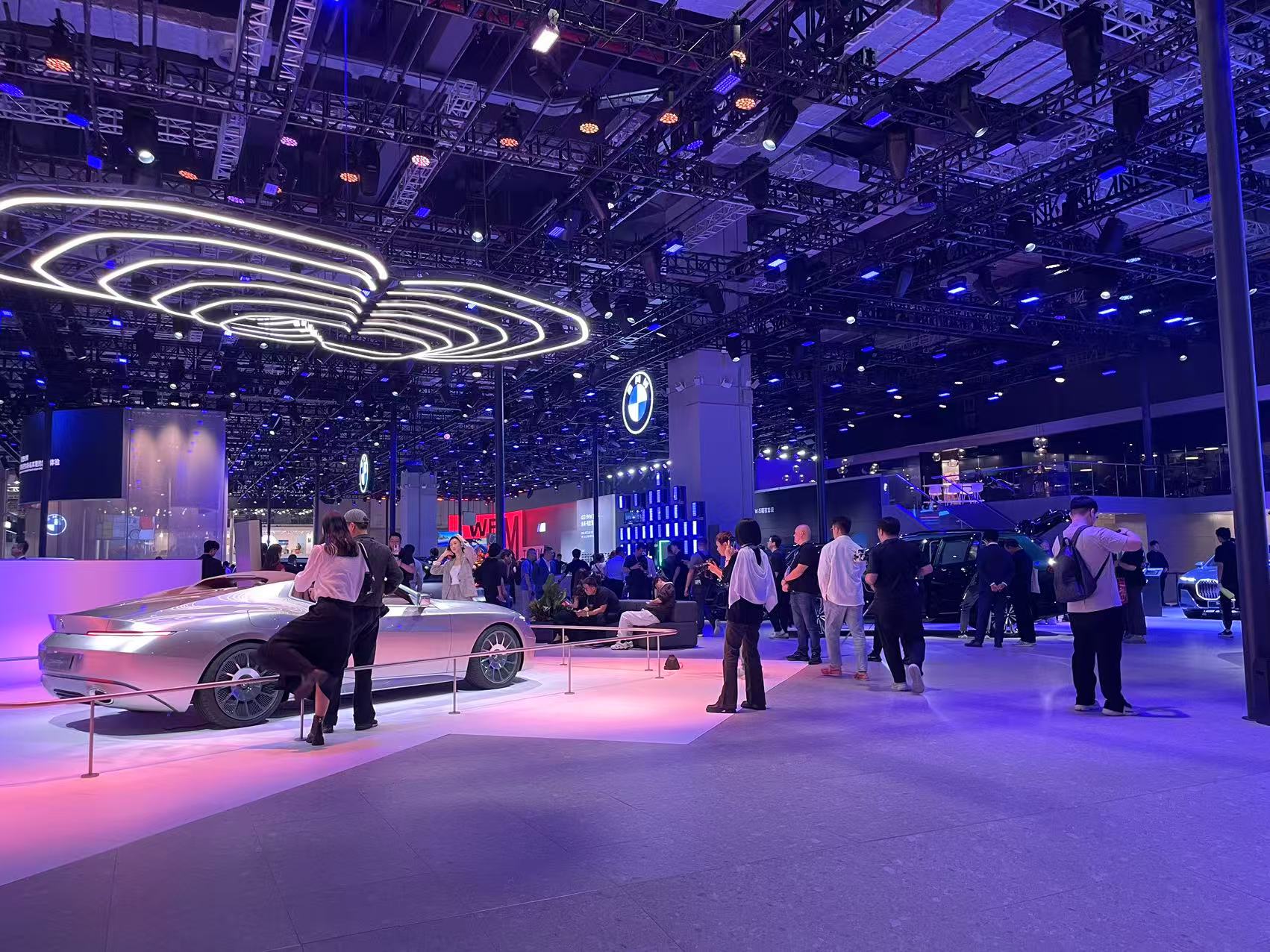
因美欧关税问题上半年痛失4亿欧元 保时捷下调全年盈利预期
Xi Niu Cai Jing· 2025-08-05 08:22
Group 1 - Porsche has lowered its full-year profit forecast, with sales profit margin expected to drop from 6.5%-8.5% to 5%-7% due to increased tariffs from EU and US trade agreements, resulting in a loss of approximately 400 million euros in the first half of the year [2] - The company's annual sales are projected to remain between 37 billion euros and 38 billion euros, indicating significant pressure on profitability despite stable sales expectations [2] - The global market performance of Porsche shows a stark contrast, with North America being the only bright spot, where deliveries increased by 10% year-on-year to 43,577 vehicles in the first half [2] Group 2 - The European market has underperformed, with German sales declining by 23% to 15,973 vehicles and other European regions down by 8% to 35,381 vehicles [2] - Porsche's performance in China is particularly concerning, with deliveries in the first half of 2025 plummeting by 28% to 21,302 vehicles, dropping from the top global market to the third position after North America [2] - The first quarter saw a staggering 42% year-on-year drop in deliveries, marking the largest single-quarter decline in nearly a decade [2] Group 3 - Financially, Porsche's operating profit fell by 91% year-on-year in the second quarter, amounting to only 154 million euros [3] - In response to these challenges, Porsche is implementing measures such as price adjustments and cost reductions, planning to cut 1,900 jobs over the next four years and reduce its dealer network in China from 150 to 100 by 2027 [3] - The company aims to accelerate the launch of new models based on the PPE platform and enhance local R&D in China, including plans for more accessible electric models like the pure electric Panamera [3]

汽车公司反复拆分,整合尽头何在?
3 6 Ke· 2025-07-26 02:20
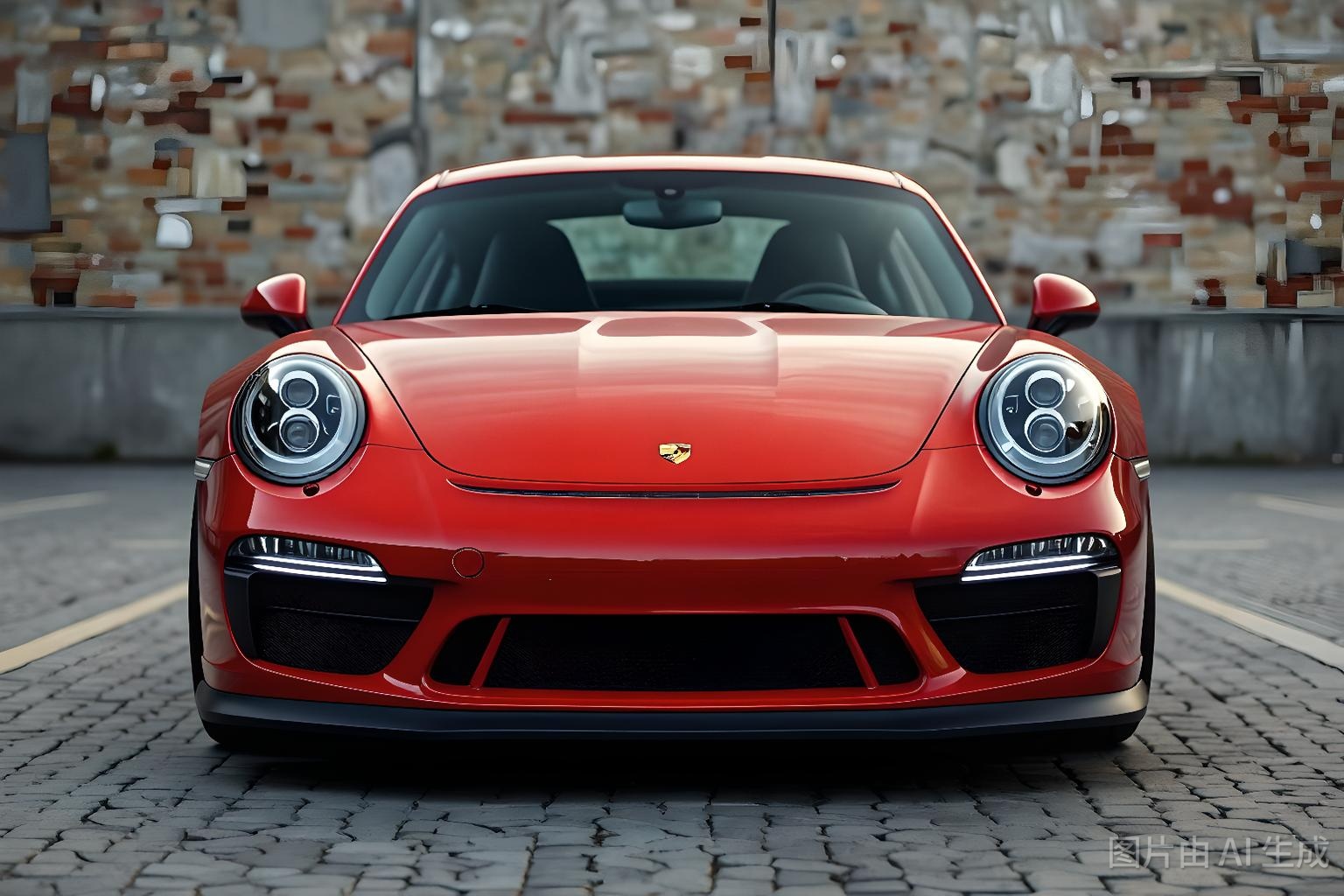
Core Viewpoint - The automotive industry is undergoing a significant transformation driven by electrification and intelligence, leading to a wave of mergers and resource reorganization among companies to adapt to new market dynamics and technological trends [1][3][17]. Group 1: Industry Trends - The integration of automotive companies is a response to intense market competition, particularly in the rapidly expanding electric vehicle sector, where traditional manufacturers are accelerating their electrification efforts [3][5]. - The Chinese automotive market is experiencing a shift in concentration, with companies needing to consolidate resources to enhance competitiveness in a limited market space [3][5]. - Companies are focusing on increasing product scale and reducing costs through strategic mergers, such as Geely's integration of its Geometry brand into Geely Galaxy to avoid resource wastage [3][5]. Group 2: Strategic Moves by Companies - SAIC Group has consolidated five companies into a "large passenger vehicle sector" to improve resource concentration and reduce costs [5]. - NIO has integrated its brands into the main brand system to enhance cross-departmental collaboration and maintain an edge in the competitive high-end electric vehicle market [5]. - GAC Group has restructured its R&D system into three independent research institutes to optimize processes and improve response speed in a rapidly changing technological environment [7]. Group 3: Focus on Core Business - Many companies are returning to their core automotive business to enhance product quality and service levels, as seen with Dongfeng Motor's establishment of Yipai Automotive Technology Company to focus on its passenger vehicle segment [9][10]. - This strategic adjustment allows companies to concentrate on R&D, production, and sales, thereby creating a differentiated competitive advantage in the market [9][10]. Group 4: Impact of Integration - The integration of companies is reshaping the competitive landscape, leading to clearer brand positioning and resource allocation, which enhances technological innovation [10][15]. - Companies like Chery have established distinct business units to clarify brand positioning and create a complementary brand matrix [10][12]. - The consolidation of resources is crucial for optimizing market resource allocation, as seen with the integration of SAIC's software company and R&D institute to streamline innovation processes [15][17]. Group 5: Future Outlook - The ongoing integration will likely increase industry concentration, with companies possessing resource and technological advantages gaining a more favorable competitive position [17][18]. - The competition will evolve from product-centric to comprehensive industry chain competition, pushing companies to innovate and upgrade services, ultimately benefiting consumers with better products and services [17][18].





华富新能源股票型发起式A:2025年第二季度利润974.51万元 净值增长率3.69%
Sou Hu Cai Jing· 2025-07-19 10:40
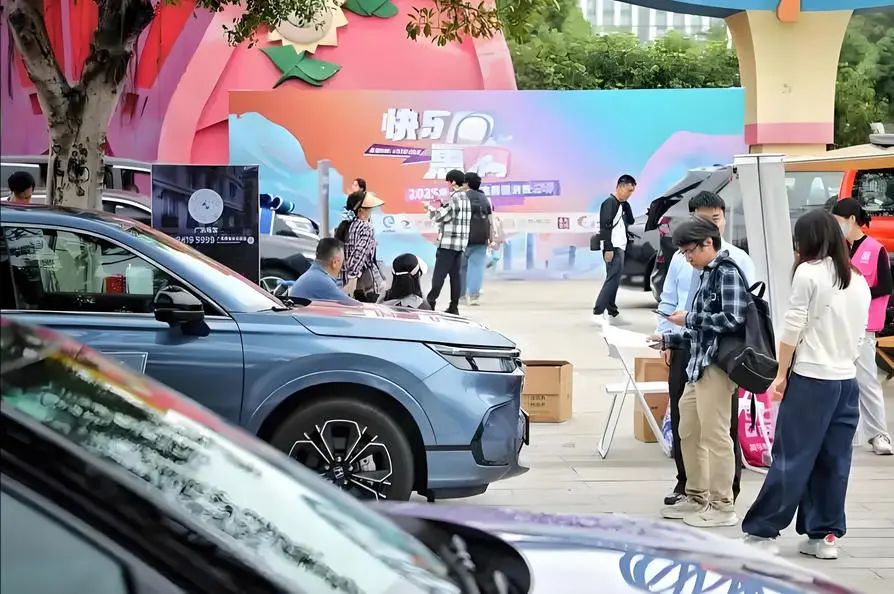
Core Viewpoint - The AI Fund Huafu New Energy Stock Type Initiated A (012445) reported a profit of 9.7451 million yuan for Q2 2025, with a net asset value growth rate of 3.69% during the period [3][4]. Fund Performance - As of the end of Q2 2025, the fund's scale was 252 million yuan [15]. - The fund's unit net value was 0.793 yuan as of July 18 [3]. - The fund's one-year return was 22.27%, ranking 19 out of 44 comparable funds [4]. - The fund's three-month return was 15.88%, ranking 9 out of 44 comparable funds [4]. - The fund's six-month return was 13.06%, ranking 8 out of 44 comparable funds [4]. - The fund's three-year return was -25.00%, ranking 10 out of 31 comparable funds [4]. Investment Focus - The fund manager highlighted key areas of focus including advancements in the battery segment of the electric vehicle and smart technology supply chain, competitive advantages in the vehicle manufacturing segment, and the lithium battery materials segment showing signs of recovery [4]. - In the wind power sector, the easing of domestic offshore wind power restrictions is expected to enhance future demand, with domestic manufacturers gaining global competitiveness [4]. - In the photovoltaic sector, there is a consensus on strengthening industry self-discipline to prevent harmful competition, with a focus on technological advancements in high-efficiency batteries [4]. Risk and Return Metrics - The fund's three-year Sharpe ratio was -0.0967, ranking 11 out of 31 comparable funds [9]. - The maximum drawdown over the past three years was 48.66%, ranking 22 out of 31 comparable funds, with the largest single-quarter drawdown occurring in Q1 2024 at 23.68% [11]. - The average stock position over the past three years was 86.08%, slightly below the comparable average of 87.53% [14]. Top Holdings - As of the end of Q2 2025, the fund's top ten holdings included Ningde Times, Dongfang Cable, Huayou Cobalt, Xiamen Tungsten, Daikin Heavy Industries, Li Auto-W, Deyang Co., Haili Wind Power, Xianhui Technology, and Jinjiang Online [18].
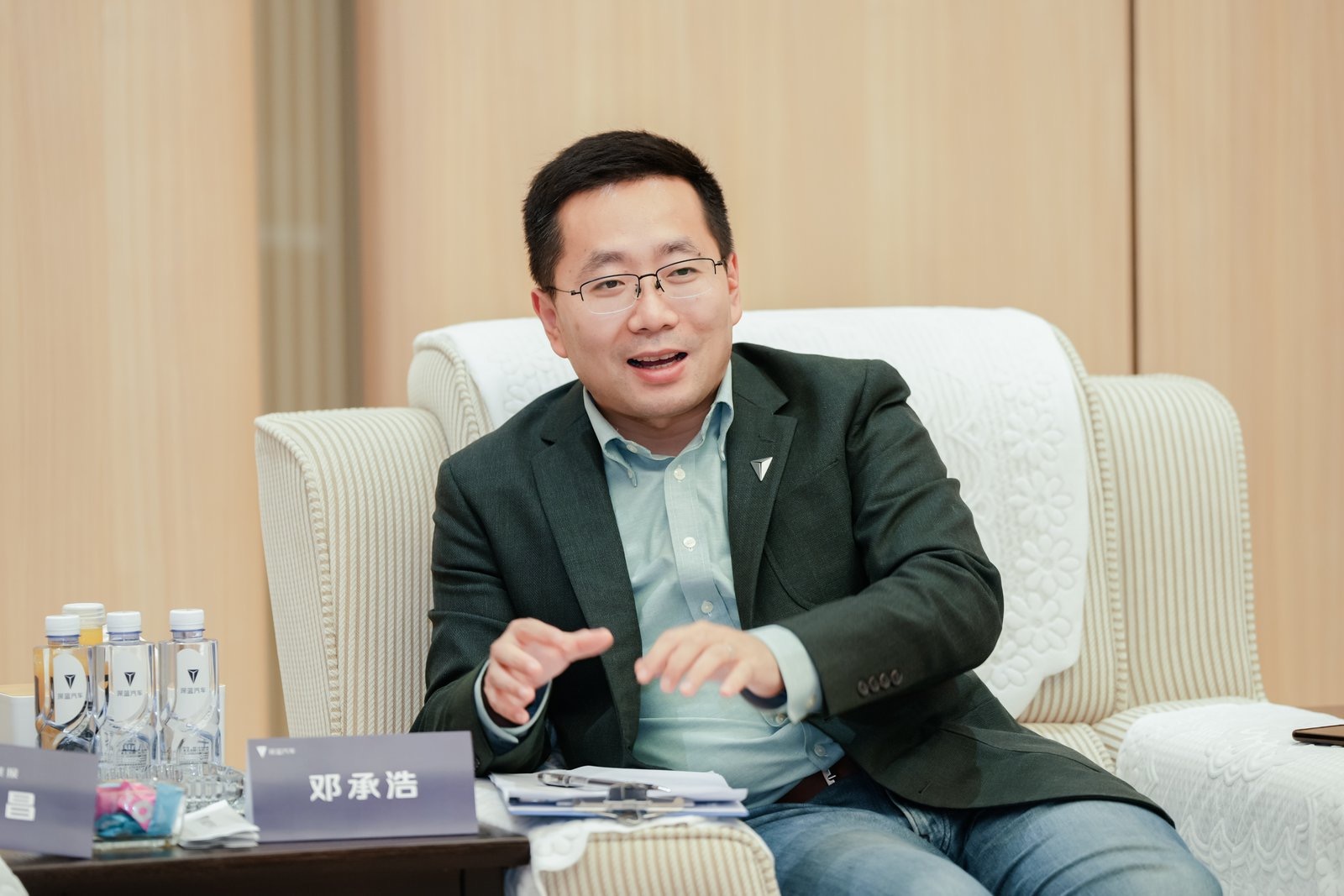
访谈|深蓝汽车CEO邓承浩:必须破釜沉舟推动行业共赢
Zhong Guo Jing Ying Bao· 2025-05-24 14:14
Core Viewpoint - The company plans to open-source two key patent groups, which are considered core R&D achievements, as a strategic choice to enhance innovation and adapt to the trends of electrification and intelligence in the automotive industry [1][3][4]. Group 1: Open-Sourcing Strategy - The open-sourcing initiative aims to stimulate internal innovation and push the team to continuously break through technological barriers [3][4]. - The two patent groups include 112 patents related to "key safety technologies for electric vehicle power batteries," which won the National Science and Technology Progress Award, and 50 patents for "micro-core high-frequency pulse heating technology," which received the China Intellectual Property Gold Award [4][5]. - The CEO expressed confidence that core competitiveness will not be compromised by open-sourcing, emphasizing the need to embrace AI and promote industry-wide collaboration [4][5]. Group 2: Future Goals and Commitments - By 2030, the company aims to achieve global sales of 2 million vehicles, with 35% of sales coming from overseas markets, and plans to launch 30 new models [5]. - The company will invest no less than 10% of its annual revenue in R&D, with a total investment exceeding 100 billion yuan, and plans to recruit at least 500 top industry experts to ensure continuous technological innovation [5]. Group 3: Safety and Design Innovations - The CEO addressed concerns regarding hidden door handle designs, stating that they represent technological progress and efficiency improvements, despite potential safety risks [6]. - The company maintains a commitment to using safe and compliant hidden door handle designs, exemplified by the S09 model, which features a rotating hidden handle that enhances both aesthetics and safety [6].
中国比亚迪 欧洲“闪光辉” 4月新能源车销量在欧洲14国领跑
Shen Zhen Shang Bao· 2025-05-14 17:07
Group 1 - In April, BYD achieved a historic milestone in the European electric vehicle market, selling 11,123 units, surpassing Tesla's 6,253 units, and leading in 14 European countries [1] - In Germany, BYD's sales reached 1,566 units, a year-on-year increase of 120%, while Tesla's sales fell by 45.9% to 885 units, showcasing BYD's successful penetration into the market [1] - In the UK, BYD's sales surged by 654% year-on-year to 2,511 units, while Tesla's sales plummeted by 62%, attributed to BYD's strategic partnership with Pendragon [1] Group 2 - During the Milan Design Week, BYD's luxury brand Tengshi made its European debut, with the flagship model Z9GT receiving over 2,000 pre-orders on the first day, 70% of which came from existing BBA customers [2] - BYD has won the "AUTO BEST" annual electric vehicle award in France for two consecutive years, with its design center collaborating with the Paris Fashion Institute, enhancing brand recognition [2] - In April, BYD sold 2,064 units in France, with 35% of sales coming from administrative users, challenging the stereotype of Chinese cars being low-priced and low-quality [2] Group 3 - BYD's breakthroughs in the European market signal that Chinese automakers are capable of competing with international giants in the most stringent markets, marking a shift in the global automotive landscape [3] - The Chinese automotive industry is evolving from simple product trade to a more complex model of "technology + localization + brand premium," indicating a significant transformation in the global electric vehicle sector [3]

ID. EVO领航,金标大众开启新能源赛道“进化攻势”
Di Yi Cai Jing· 2025-04-30 07:05
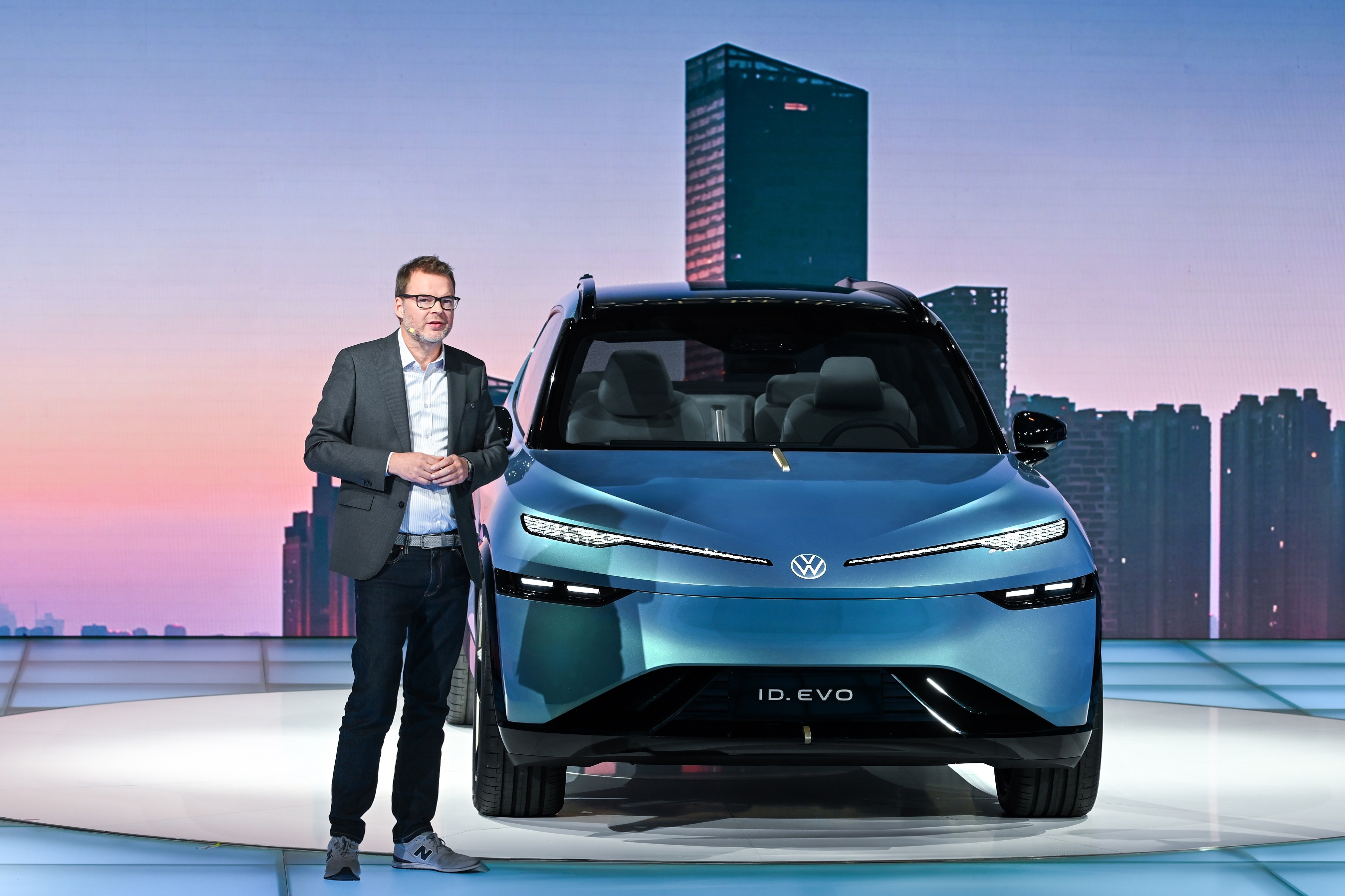
Core Viewpoint - The company is entering a transformative phase with the launch of the ID. EVO concept car, which represents a significant evolution in product offerings and technology integration, aiming to capture the luxury smart SUV market in China [1][4][7]. Group 1: Product Development - The ID. EVO concept car showcases advanced features such as L2++ high-level autonomous driving and an immersive smart cockpit, addressing the competitive landscape of electric vehicles [4][5]. - The ID. EVO is designed for urban young consumers, offering a maximum range of 700 km under CLTC conditions and featuring 800V ultra-fast charging technology [7][8]. - The production model based on the ID. EVO concept is set to launch in 2026, with the concept car already achieving 80% production maturity [8]. Group 2: Market Strategy - The company aims to differentiate itself from other joint ventures by focusing on innovative design and technology, establishing itself as a "new force" in the joint venture landscape [9]. - The brand is committed to maintaining high quality while expanding its product lineup, with plans to introduce two sedans and one SUV by 2026 [13]. - The sales network has expanded to 67 stores across 35 cities, with plans to reach 120 stores in 70 cities by the end of 2025, targeting a balanced regional presence [14][16]. Group 3: Competitive Landscape - The automotive market is shifting from "incremental competition" to "stock competition," with a focus on differentiation to succeed amid price wars and consumer demands for innovation [4][11]. - The company emphasizes strategic stability and responsiveness to market changes, aiming to build long-term relationships with customers [11][16]. - The ID. EVO concept car is positioned to lead a new trend in automotive design, breaking away from traditional perceptions of the brand [7][9].
车展观察|从“单向技术输入”到“双向技术合作”
Bei Ke Cai Jing· 2025-04-24 09:09
Core Viewpoint - The 2025 Shanghai Auto Show highlights the shift from "one-way technology input" to "two-way technology cooperation," showcasing the rise of the Chinese automotive industry and its potential to lead global automotive development [3][15]. Group 1: Industry Collaboration - Global automotive giants are collaborating with local Chinese companies, integrating Chinese technology into their products [1][4]. - Nissan's latest model, the N7, is co-developed by Japanese and Chinese enterprises, while BMW announced the integration of the DeepSeek model into new vehicles [2][5]. - Audi has partnered with SAIC to develop the AUDI E5 Sportback, utilizing SAIC's electric vehicle technology [7]. Group 2: Technological Advancements - Chinese brands are leveraging opportunities in electrification and intelligence, focusing on electric and hybrid vehicles, along with smart cockpit and driver assistance technologies [4]. - BMW's new operating system, tailored for the Chinese market, has 70% of its source code developed in China, enhancing user interaction through the DeepSeek feature [5]. - Honda plans to collaborate with Momenta to develop mass-production driver assistance solutions based on end-to-end large models, aiming to implement this technology in over 50% of its models within three years [10]. Group 3: Market Position and Sales - China is the largest market for new energy vehicles, with projected sales of 12.866 million units in 2024, accounting for over 70% of global sales [12]. - CATL holds over 30% of the global market share in battery products, with its Kirin battery achieving a world-leading energy density of 255 watt-hours per kilogram [12]. - Companies like Horizon Robotics and Black Sesame Intelligence are breaking foreign monopolies in the automotive chip sector, while Huawei and Baidu are commercializing autonomous driving technologies [12]. Group 4: Future Industry Dynamics - The competition in the automotive industry is shifting towards a comprehensive battle involving technology, branding, and ecosystem [15]. - The 2025 Shanghai Auto Show marks a transformation of the Chinese automotive industry from a technology follower to a leader, indicating a change in the global competitive landscape [15].