
胖东来模式

Search documents
胖东来分级开放引热议,模式输出迈入价值共享2.0时代
Sou Hu Cai Jing· 2025-11-27 20:32
Core Insights - The recent initiatives by Pang Donglai, including the establishment of "Pang Donglai Open Day" and high-cost training programs, signify a shift towards a more tiered and shared model of business operation, marking the evolution into a 2.0 output model [1] - The "Pang Reform" has led to differentiated growth among supermarket brands, with notable success stories such as Bubugao achieving a revenue of 3.194 billion yuan and a net profit increase of 357.71% [2] - The transformation of brands like Yonghui Supermarket and Yajiale demonstrates the potential for recovery and growth through structural optimization, despite facing challenges [2][4] - The application of AI technology in Wumart's stores has resulted in over 70% product turnover, showcasing the effectiveness of tech-driven brand upgrades [3] - The core logic of the Pang Donglai model addresses traditional supermarket pain points by creating a value ecosystem among employees, customers, and the enterprise [3] - The retail industry's ultimate competition lies in financial endurance, product depth, and organizational resilience, rather than superficial imitation of successful models [4] - The Pang Donglai model emphasizes the importance of trust and co-creation in brand value, suggesting that true transformation requires a comprehensive restructuring rather than mere imitation [4][5] Industry Trends - The supermarket industry is entering a phase of "stock competition," where traditional large-scale models are being challenged by smaller, more specialized formats [3] - The coexistence of store closures and growth trends indicates a complex landscape where differentiation and homogenization are in constant competition [4] - The future of supermarket competition will focus on precision and value resonance rather than mere expansion and price competition [5]


【地评线】贺兰山网评:零售业如何以真诚赢得消费信心
Sou Hu Cai Jing· 2025-11-25 08:31
Core Insights - The opening of the first "Fat Modified Store" in Yinchuan marks a significant shift in the retail landscape of Ningxia, inspired by the successful operational model of "Fat Donglai" [1][5] - This new retail format emphasizes building trust with consumers and adapting to changing market dynamics, particularly in a period of slowing consumption growth [1][5] Group 1: Store Features and Consumer Experience - The Yinchuan "Fat Modified Store" introduces unique features such as a fresh flower section priced at 9.9 yuan and 19.9 yuan, enhancing the shopping experience [3] - The store offers over 40 free services, including a "no worries return policy," pet storage, and live fish processing, reflecting a deep understanding of consumer needs [3][4] - The store's approach contrasts sharply with traditional hypermarkets, focusing on sincerity and quality rather than excessive marketing [3][4] Group 2: Employee Welfare and Service Quality - The employee welfare system has been significantly upgraded, with benefits including free meals, improved working conditions, and salary increases of 30%-50% [4] - By treating employees as valuable assets, the store enhances service quality, leading to better customer experiences [4][6] - The distribution of 50% of shares to frontline employees and 40% to management fosters a sense of ownership and motivation among staff [4] Group 3: Product Strategy and Market Positioning - The "Fat Donglai" model focuses on reshaping product quality, with popular items like cooking oil and NFC juice quickly selling out [4][5] - The model emphasizes high-quality, cost-effective products and a customer-centric service approach, which has resonated well with consumers [4][5] - The success of the "Fat Donglai" model reflects a broader market trend where consumers prioritize quality and experience over low prices [5][6] Group 4: Business Model and Expansion Strategy - The Yinchuan store is not merely a replication of the "Fat Donglai" model but incorporates local consumer characteristics through a comprehensive approach to product optimization and service enhancement [5][6] - The gradual expansion strategy mirrors the "honeycomb layout" of "Fat Donglai," focusing on regional density to ensure supply chain efficiency and brand recognition [5][6] - The future of retail is seen as a shift from rapid expansion to creating deeper value, as evidenced by "Fat Donglai" achieving nearly 20 billion yuan in sales with only 13 stores [6]
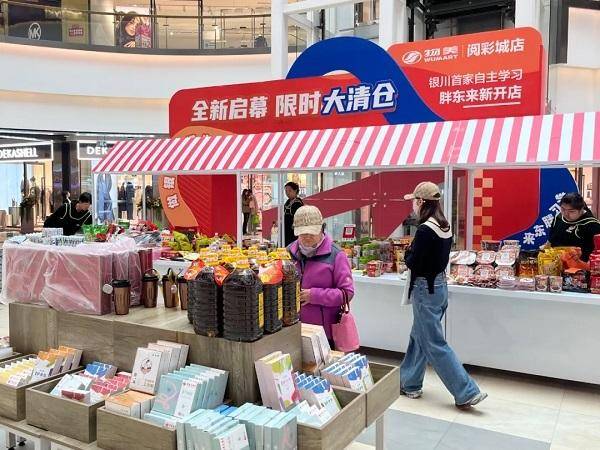
汇嘉时代20251121
2025-11-24 01:46
Summary of Huijia Times Conference Call Company Overview - **Company**: Huijia Times - **Industry**: Supermarket and Retail Key Points and Arguments Store Performance and Adjustments - The Beijing Road Huijia store's daily sales increased significantly to 1.4 million yuan after deep adjustments, while other stores saw a 10%-20% increase in daily sales after minor adjustments, validating the effectiveness of the Pang Donglai model [2][3] - The company plans to adjust employee salary systems, optimize product structures, widen sales channels, and add convenience facilities instead of large-scale renovations to reduce costs and quickly enhance store operational efficiency [2][6] Product Sales Composition - In Huijia Times supermarkets, fresh products account for over 55% of sales, baked goods approximately 2%, and cooked food about 8% [2][10] - The introduction of around 105 Pang Donglai products constitutes about 9% of the supermarket's total sales [2][8] Profitability and Margin Expectations - The overall gross margin of the supermarket business is approximately 19%, with expectations for further improvement in Q1 2026 due to performance growth [2][11] - The net profit margin for the North Huijia store reached 8%, while other adjusted stores are expected to achieve over 3% net profit margin to be considered successful [2][14] Central Kitchen and SKU Management - The construction of the central kitchen is slowing down as existing baking capacity meets demand, with SKU numbers stabilized between 10,000 and 12,000 in the North Huijia store [2][12][13] Future Business Plans - The company is planning to launch an instant retail system by mid-December, with the first online sales platform [5][21] - The department store segment plans to close underperforming rental stores while retaining profitable shopping centers and adjusting brand structures [5][22] Low-altitude Business Development - The agricultural protection business is expected to start by the end of the year, while the manned tourism project faces complex approvals and may contribute in 2026 [2][14][16][18] Employee Compensation and Management - Adjustments to employee salaries have been made to align with the standards set by Beijing Longhui, while non-adjusted stores have not reached these standards due to poor performance [20] Financial Outlook - The company anticipates a doubling of revenue for the year, with better performance expected next year through the closure of underperforming projects and further development of low-altitude businesses [5][24] Communication and Learning Mechanisms - Huijia Times has established effective communication channels with Pang Donglai, allowing for continuous learning and problem-solving [2][8] Additional Important Information - The company has successfully eliminated backend costs through supply chain optimization and the introduction of Pang Donglai's supply chain management [5][23] - The company is not planning to open new stores in the short term, focusing instead on the adjustment of existing stores [19]

永辉超市再融资,创始人再减持
Sou Hu Cai Jing· 2025-11-12 23:58
Core Viewpoint - Yonghui Supermarket is undergoing significant changes, including a new financing plan and a major share reduction by its founder, which raises concerns among investors about the company's future direction and stability [1][3][17]. Group 1: Company Actions - Yonghui Supermarket plans to raise 3.1 billion yuan through a private placement to upgrade stores, improve logistics, and supplement working capital [11][13]. - The company has initiated a "fat reform" strategy, inspired by the successful model of another retailer, which has already seen significant sales increases in pilot stores [12][13]. - As of September, Yonghui has completed the transformation of 124 stores and aims to reach 150 by the end of July, with a long-term goal of 300 stores by early 2026 [13]. Group 2: Leadership Changes - The leadership of Yonghui has shifted, with the new CEO Wang Shoucheng, a 34-year-old with experience in the company, taking charge of the reform efforts [16]. - The founder, Zhang Xuansong, remains a significant shareholder but has reduced his direct influence over the company's operations [5][17]. - The board has seen changes, with new non-independent directors from the Miniso group, indicating a shift in strategic direction [15][16]. Group 3: Financial Performance - Yonghui Supermarket has faced significant financial challenges, with revenues dropping from 91.06 billion yuan in 2021 to 67.57 billion yuan in 2024, and cumulative losses of 9.5 billion yuan during this period [15]. - The company reported a revenue of 42.43 billion yuan and a net loss of 710 million yuan in the first three quarters of the current year, marking a year-on-year decline of 22.21% and 811.60%, respectively [15]. Group 4: Market Reaction - Following the announcement of the share reduction by the founder, Yonghui's stock price fell by 2.74%, leading the decline in the A-share retail sector [18].

手握41亿元现金,胖东来“不上市”!于东来最新发声→
Sou Hu Cai Jing· 2025-11-06 07:44
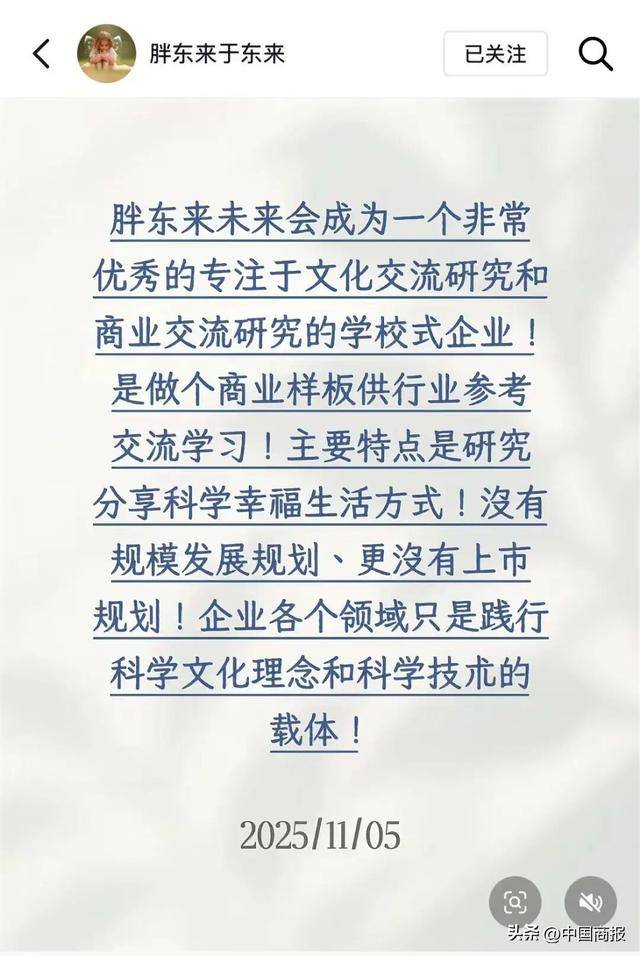
Core Viewpoint - The founder of Pang Donglai, Yu Donglai, stated that the company has no plans for scale development or an IPO, aiming instead to be a model enterprise focused on cultural and business exchange research, promoting a scientific approach to a happy lifestyle [1] Group 1: Open Day and Learning Initiatives - Pang Donglai has established an "Open Day" to allow external parties to learn about the company, with visits starting from November 1, 2025, and occurring on the 10th and 20th of each month [3][4] - The participation fee for the Open Day is set at 20,000 yuan per person, with a limit of 15 participants per batch and a maximum of 5 from the same company [4] - Yu Donglai announced personal sharing sessions at a cost of 500,000 yuan for three hours, alongside a two-day entrepreneur study activity organized by Lian Shang College costing 1 million yuan [4] Group 2: Financial Performance and Industry Impact - Pang Donglai reported a cash reserve of 4.1 billion yuan and no loans, with sales reaching 18.4 billion yuan from January to October 2025, and a single-month sales record of 1.1 billion yuan in October [6] - The company has been recognized as a benchmark in the retail industry, inspiring competitors like Yonghui Supermarket and Bubugao to adopt its operational model, leading to improved performance metrics [6][7][8] Group 3: Focus on Quality Over Scale - Pang Donglai currently operates 14 stores primarily in Xuchang and Xinxiang, with no plans to expand outside Henan, emphasizing a strategy of steady and sustainable growth rather than blind expansion [9][10] - The company has closed several profitable stores to maintain quality and customer experience, reflecting its commitment to operational excellence over mere growth [10] - Yu Donglai expressed the desire for Pang Donglai to serve as a model for the industry, focusing on quality and long-term sustainability rather than becoming a nationwide chain or multinational giant [10]
渭南首个胖东来模式调改店落地新城吾悦广场,11月7日焕新开业
Sou Hu Cai Jing· 2025-11-01 12:35
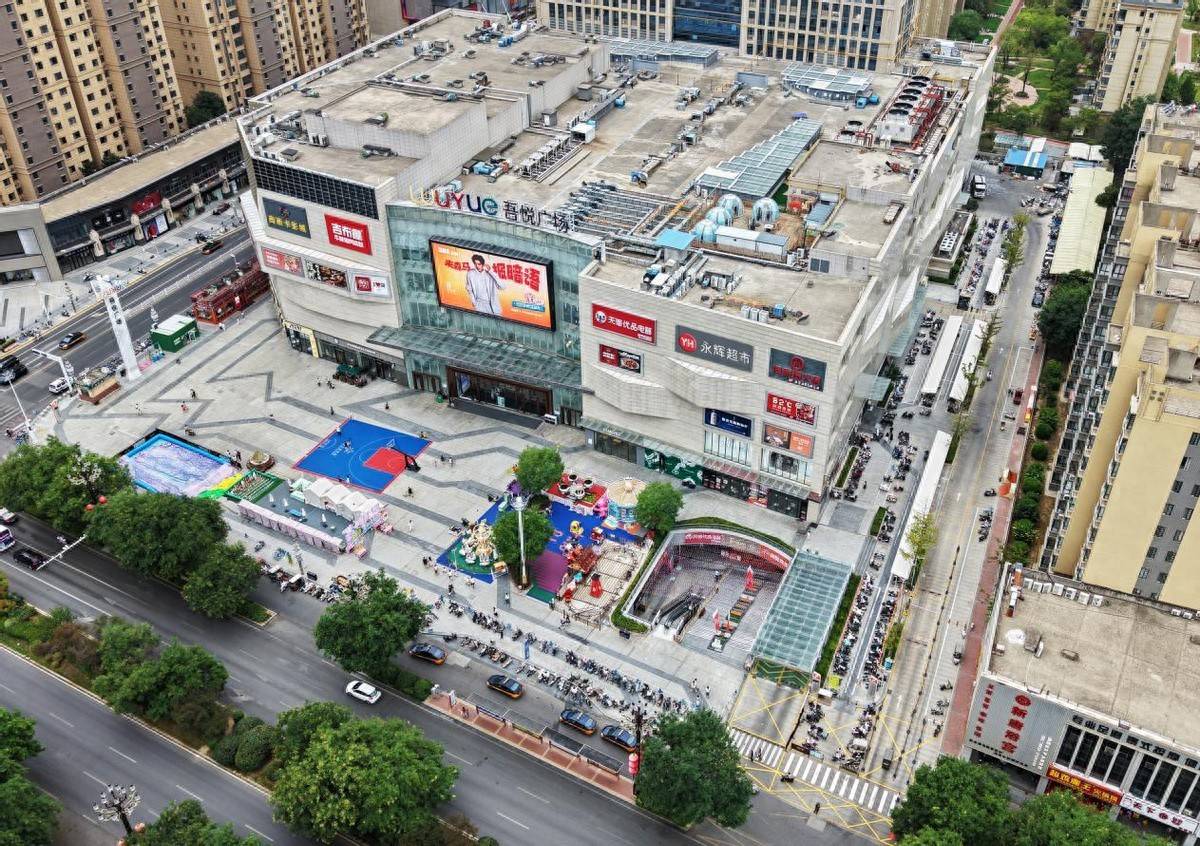
Core Insights - The article highlights the launch of Yonghui Supermarket's first "Pang Donglai model" store in Weinan, marking a significant step in enhancing the retail market and consumer experience in the region [1] Group 1: Store Transformation - The Yonghui Supermarket in Weinan focuses on optimizing product structure, improving shopping environment, enhancing service details, and deepening employee care as part of its commitment to the Pang Donglai model [3] - The store redesign includes the removal of forced traffic flow, widening main aisles, and standardizing shelf heights to 1.6 meters, creating a more open shopping experience [3] - Special areas for Pang Donglai and Yonghui's private label products have been established, with significant upgrades to the bakery, deli, and fresh food sections to create an immersive shopping space [3] Group 2: Product Offering - The store maintains a comprehensive range of essential goods while introducing high-quality domestic and international brands, with new products making up 47% of the assortment [4] - The product structure has been systematically restructured, with a focus on increasing the proportion of imported goods and fresh products, including local specialties like organic vegetables and various ready-to-eat items [4] - The differentiation strategy is built on three pillars: premium products, Yonghui custom offerings, and quality Yonghui products [4] Group 3: Quality Control and Services - Quality control is emphasized throughout the supply chain, with strict standards for product entry and management to ensure safety and freshness [5] - The store offers over 40 customer convenience services, including rest areas, free beverages, and pet accommodation, along with thoughtful facilities like magnifying glasses and thermal bags [5] - Additional services include meat processing, seafood customization, and extensive sampling options to enhance consumer convenience [5] Group 4: Employee Welfare - The number of employees at the store increased from 99 to 145, with an average salary increase and benefits such as 10 days of paid annual leave after one year of service [7] - The store has implemented a structured cultural and skills training program to enhance employee professionalism and service quality [7] - The transformation aims to create a unique shopping experience under the theme "National Supermarket, Quality Yonghui" [7]
永辉超市前三季度净亏超7亿,完成调改门店222家
Xin Lang Cai Jing· 2025-10-31 03:17
Core Insights - Yonghui Supermarket reported a revenue of 42.434 billion yuan for the first three quarters, a year-on-year decline of 22.21%, and a net loss attributable to shareholders of approximately 710 million yuan, which is more than eight times the loss of 77.87 million yuan in the same period last year [1] - The decline in revenue is attributed to intense competition in the retail industry, changes in consumer habits, and a focus on optimizing store operations, which led to a decrease in both customer traffic and average transaction value [1] - The net profit decline is primarily due to the drop in revenue and gross margin, with the third quarter's gross margin affected by the company's strategy to optimize product structure and procurement during store renovations [1] Revenue and Profit Analysis - The company has closed 227 loss-making stores, which contributed to the revenue decline and increased net losses in the first half of the year [2] - As of September 30, the company had 450 operational stores, with 222 undergoing renovations, and has reported a recovery in same-store sales to positive growth after focusing on core renovated stores [1] Strategic Initiatives - Yonghui Supermarket has initiated a comprehensive restructuring based on the "Fat Donglai model," focusing on supply chain transformation, customer experience enhancement, and employee welfare [2] - The company announced a new positioning strategy "National Supermarket Quality Yonghui" and a "Product Centralization" strategy, aiming to launch a series of billion-level flagship products over the next three years [4] - The introduction of "Yonghui Custom" and the private label "Quality Yonghui" includes over 20 quality products across various categories, with 15 products generating over 100 million yuan in sales since their launch in October [4] Market Performance - As of October 31, Yonghui Supermarket's stock price increased by 0.43% to 4.66 yuan per share, with a market capitalization of 42.29 billion yuan [4]
3小时交流收费50万元,于东来“办学”怎么越来越贵了
3 6 Ke· 2025-10-24 11:47
Core Insights - The founder of Pang Donglai, Yu Donglai, emphasizes the importance of understanding his retail business model, suggesting that even a partial understanding can help others escape the "death zone" of retail [1] - Yu Donglai is increasingly positioning himself as a mentor, launching high-priced educational programs for entrepreneurs, reflecting his confidence in the value of his insights [2][3] Educational Initiatives - Yu Donglai announced plans to charge 1 million yuan for a two-day entrepreneur exchange program and 50,000 yuan for a three-hour personal sharing session [2][3] - The Pang Donglai Open Day will start on November 1, allowing limited groups to visit and learn about the business for a fee of 20,000 yuan per person [4] - The Pang Donglai Commercial Research Institute offers various paid courses, including a "Seed Class" with fees of 50,000 yuan for the first year, and 30,000 yuan for the subsequent years [5][6] Business Performance - As of October 21, 2023, Pang Donglai Group reported a total sales revenue of 18.95 billion yuan, with an expected annual revenue of 22 billion yuan, up from approximately 17 billion yuan the previous year [7] - The success of Pang Donglai is attributed to its strong brand loyalty and efficient supply chain, which are difficult for other retailers to replicate [13] Industry Context - The retail industry is facing significant challenges, with major players like Yonghui Supermarket and Bubu Gao experiencing substantial losses and store closures [9][12] - Despite the struggles of other retailers, Pang Donglai's growth has made it a beacon of hope in the industry, leading to a growing admiration for Yu Donglai among other entrepreneurs [10] Limitations of the Model - The unique success of Pang Donglai is closely tied to its regional identity and consumer loyalty, which may not be applicable to other retailers operating in different markets [13] - While many retailers are attempting to adopt Pang Donglai's model, they often lack the core competitive advantages that drive its profitability [13][14] - The sustainability of the profitability of these adapted models remains uncertain, especially given the high costs associated with store renovations and the need for genuine consumer trust in new private label products [16]
8年!从管培生到CEO,永辉超市为什么敢把命交到一个90后的手里?
Sou Hu Cai Jing· 2025-10-20 15:01
Core Insights - The appointment of Wang Shoucheng as CEO of Yonghui Supermarket at the age of 34 signals a strong desire for change within the company, aiming to embrace new transformations and break away from traditional management practices [1][3][7] Company Performance - In the first half of 2025, Yonghui Supermarket reported revenue of 29.948 billion yuan, a year-on-year decrease of 20.73%, with a net profit attributable to shareholders of -241 million yuan [3] - Under Wang Shoucheng's leadership, the "Fat Donglai Model" has begun to show results, with an average increase of 80% in customer traffic and over 60% of stores achieving their highest profitability in the past five years [3][4] Leadership Background - Wang Shoucheng joined Yonghui in 2017 as a management trainee and has held various positions, including business assistant to the CEO, cluster operations partner, and regional general manager, before becoming CEO [4] - His successful implementation of the "Fat Donglai Model" in 100 stores within a year demonstrates his capability to drive significant change in a struggling company [4][6] Strategic Shift - Wang Shoucheng is leading a strategic transformation towards a "product-centered" approach, aiming to develop 100 billion-yuan-level products within three years and increase the number of private label products from 60 to 500 by 2029 [9] - The traditional supermarket model of merely selling shelf space is deemed outdated, prompting Yonghui to establish a unique competitive advantage through its own brands [9][10] Market Context - The Chinese retail market is undergoing profound changes, characterized by a "new normal" of single-digit growth, while instant retail is experiencing significant growth, projected to exceed 1 trillion yuan by 2025 [10][11] - Yonghui is simultaneously renovating and closing stores, having opened 93 new locations while shutting down 227 underperforming ones in the first half of 2025, aiming to streamline operations in a competitive market [11]
永辉“胖改”500天 “刮骨疗伤”奏效了吗?
2 1 Shi Ji Jing Ji Bao Dao· 2025-10-17 23:13
Core Insights - Yonghui Supermarket has initiated a transformation process inspired by the "Fat Donglai model," which began over 500 days ago, following a visit by its former management team to the chairman of Fat Donglai [1] - The company announced that Guangdong Jun Cai International Trade Co., a wholly-owned subsidiary of Miniso, will acquire shares held by several stakeholders, marking a significant step in its transformation [1] - New CEO Wang Shoucheng reported an average customer traffic increase of 80% in transformed stores, with over 60% of stabilized stores achieving their highest profitability in five years [1][5] Transformation Phases - The transformation has progressed from "Fat Donglai assistance" to "regional autonomous transformation," establishing Yonghui's own methodology for store improvement [2] - A systematic evaluation metric has been developed, focusing on technical standards, customer service, product quality, and food safety, with stores scoring above 80 considered high-performing [2] - The second phase of transformation will emphasize refining product offerings to meet consumer needs, breaking down existing barriers [2] Product Strategy - Yonghui aims to shift focus from traditional retail practices to a product-centric approach, dedicating full attention to market analysis and product development [3] - The company plans to launch its own brand products, adhering to the quality standards set by Fat Donglai, with 12 new products introduced, including juice and laundry detergent [3] - The introduction of products similar to popular items from Fat Donglai indicates a strategic alignment with successful market trends [3] Financial Performance - Despite ongoing transformation efforts, Yonghui reported a revenue decline of 14.07% in 2024, with a net loss of 1.465 billion yuan, marking the fourth consecutive year of losses [5] - The revenue drop is attributed to intense competition in the retail sector and significant store optimization and strategic shifts [5] - Positive indicators from transformed stores include a net promoter score (NPS) exceeding 40 and sales growth of over 100% during peak holiday periods, suggesting improving customer engagement [5]