
金融风险化解

Search documents
潘功胜:重点领域风险有序化解,融资平台数量下降超过60%|“十四五”成绩单
Zhong Guo Jing Ying Bao· 2025-09-22 14:58
Core Insights - The press conference highlighted significant achievements in China's financial sector during the "14th Five-Year Plan" period, with a focus on financial stability and risk management [2][5][10] Financial Sector Achievements - As of June 2023, China's banking sector total assets reached nearly 470 trillion yuan, ranking first globally; stock and bond market sizes ranked second worldwide; and foreign exchange reserves have maintained the top position for 20 consecutive years [6][10] - The financial system has seen improvements in green finance, inclusive finance, and digital finance, with the RMB cross-border payment clearing network nearly established and mobile payments leading internationally [6][10] Financial Reform and Risk Management - Financial reforms have deepened, with a restructuring of financial leadership and regulatory systems, enhancing the governance framework and modernizing financial services [7][10] - The number of financing platforms has decreased by over 60% and financial debt has dropped by more than 50% compared to the beginning of 2023, indicating effective risk mitigation in local government financing [5][9] Economic Support and Financial Services - The People's Bank of China (PBOC) has implemented a stable monetary policy, supporting major national strategies and addressing weak links in the economy, with annual growth rates for loans to tech SMEs, inclusive micro-enterprises, and green loans exceeding 20% [7][9] - The PBOC has also adjusted mortgage policies to alleviate financial burdens on over 50 million households, reducing interest expenses by approximately 300 billion yuan annually [9] Future Outlook - The PBOC aims to further explore and expand its macro-prudential and financial stability functions, ensuring the prevention of systemic financial risks [10]

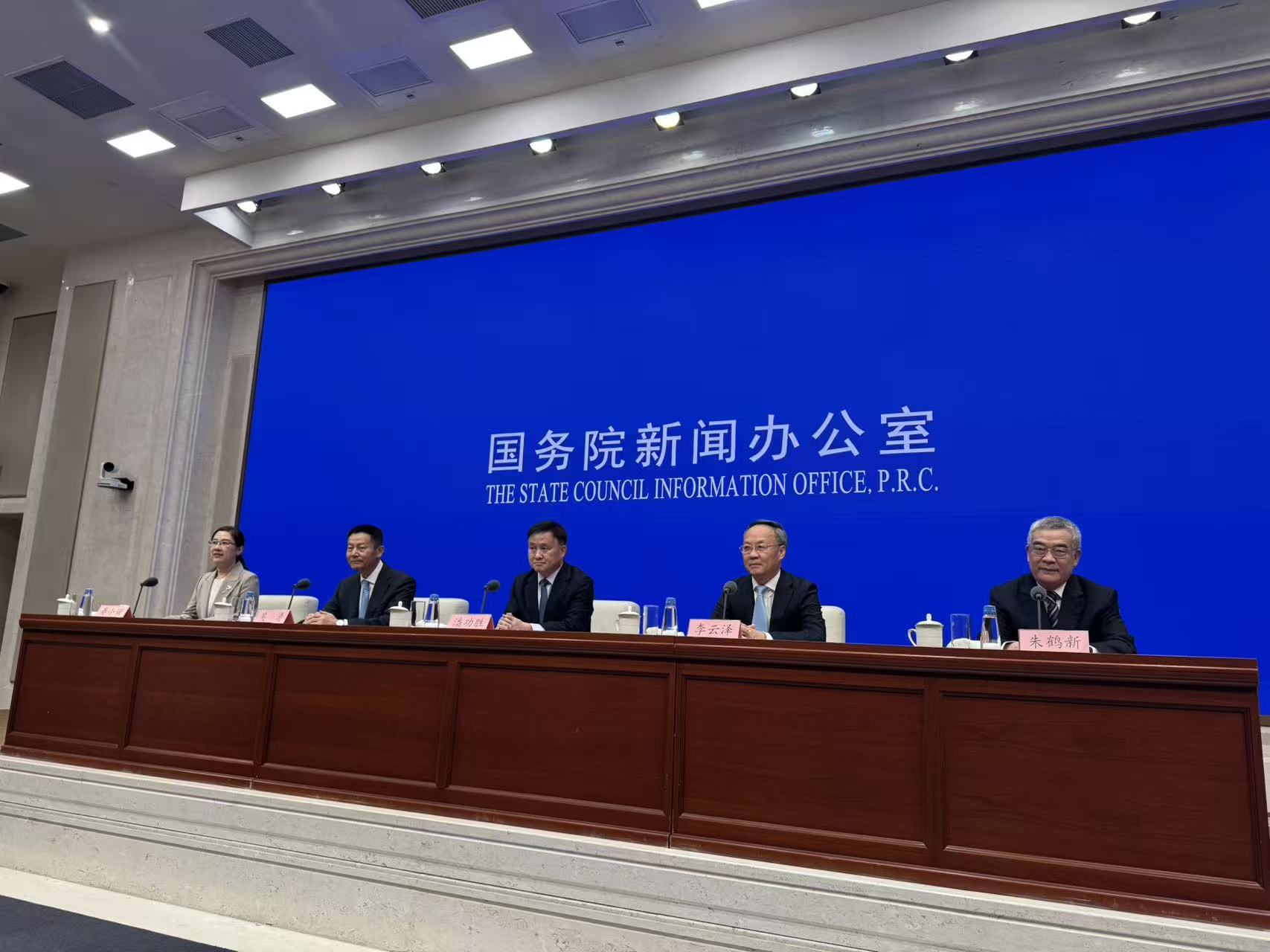
事关股票、债券、外汇、银行业等,四部门最新发声!
Sou Hu Cai Jing· 2025-09-22 13:23
Financial Market Developments - Over the past five years, China's financial system has undergone comprehensive reforms, enhancing the quality, efficiency, and inclusiveness of financial services [3] - As of June 2023, China's banking sector total assets reached nearly 470 trillion yuan, ranking first globally, with stock and bond market sizes also ranking second worldwide [3] - The banking and insurance sectors' total assets exceeded 500 trillion yuan, with an average annual growth rate of 9% over five years [3] Capital Market Insights - The A-share market's total market capitalization surpassed 100 trillion yuan for the first time in August 2023, with 157 futures and options products covering major industries [3] - More than 90% of newly listed companies in recent years are technology-related, with the technology sector's market capitalization exceeding 25% of the A-share market [3] - Listed companies have significantly increased their return to investors, distributing a total of 10.6 trillion yuan through dividends and buybacks over the past five years, an increase of over 80% compared to the previous five-year period [3] Risk Management in Financial Institutions - The focus on managing risks in small and medium-sized financial institutions has led to a significant reduction in the number of high-risk institutions and assets, with many provinces achieving "dynamic zero" for high-risk institutions [4] - Recent reports indicate a substantial decline in China's high-risk financial assets, with expectations for further reductions in the next two years [4] Real Estate and Local Debt Risk Mitigation - Financial support exceeding 1.6 trillion yuan has been provided for housing projects, with an average annual growth of 52% in loans for rental housing [5] - Financial institutions are guided to avoid new hidden debts while restructuring and replacing debts for local financing platforms [5] Monetary Policy and Global Financial Environment - The recent 25 basis point cut in the Federal Reserve's interest rate was anticipated by global financial markets, with stable reactions observed in major financial markets in China [7] - China's monetary policy remains supportive and moderately loose, aimed at fostering economic recovery and maintaining financial market stability [7] Foreign Exchange Management - Since the beginning of the "14th Five-Year Plan," China's foreign exchange reserves have remained stable above 3 trillion USD, consistently exceeding 3.2 trillion USD in recent years [8] - The country is actively promoting foreign exchange innovation policies in key regions such as free trade zones and the Guangdong-Hong Kong-Macao Greater Bay Area [8]
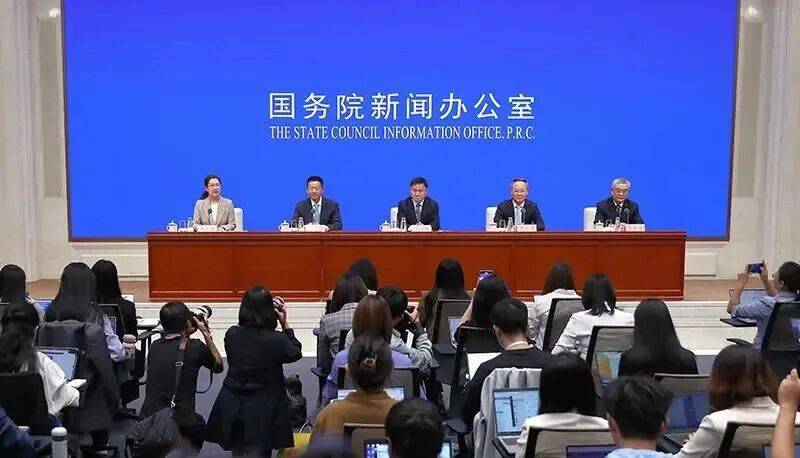
四部门发声!事关股票、债券、存贷款、美联储降息影响
Zhong Guo Zheng Quan Bao· 2025-09-22 11:19
Core Insights - The press conference highlighted the progress and stability of China's financial system, emphasizing the effectiveness of monetary policy and risk management strategies during the "14th Five-Year Plan" period [2][3][4]. Banking and Financial Sector - As of June 2023, China's banking sector total assets reached nearly 470 trillion yuan, ranking first globally, with the insurance sector's total assets exceeding 500 trillion yuan [2][5][6]. - The number of high-risk local government financing platforms has decreased by over 60% since the beginning of 2023, and the scale of financial debt has dropped by over 50% [3][6]. - The average annual growth rates for loans to technology SMEs, inclusive finance for small and micro enterprises, and green loans exceeded 20% during the "14th Five-Year Plan" [2]. Risk Management - The People's Bank of China has implemented measures to reduce interest payments for over 50 million households by approximately 300 billion yuan annually through adjustments in mortgage policies [3]. - A significant reduction in the number of high-risk small and medium-sized banks has been achieved through various strategies, including mergers and market exits [3][6]. Capital Market Developments - The A-share market's total market capitalization surpassed 100 trillion yuan for the first time in August 2023, with direct financing's share increasing to 31.6% [8][9]. - By the end of August 2023, various types of medium- and long-term funds held approximately 21.4 trillion yuan of A-share circulating market value, marking a 32% increase since the end of the "13th Five-Year Plan" [9]. Regulatory Framework - The regulatory environment has been strengthened with the introduction of 171 regulatory measures over the past five years, aimed at enhancing the quality of financial services and risk management [7]. - The insurance law revision is being expedited to adapt to the evolving financial landscape [7]. Foreign Investment and Exchange - As of July 2023, foreign institutions and individuals held over 10 trillion yuan in domestic stocks, bonds, and deposits, indicating robust cross-border investment activity [12]. - China's foreign exchange reserves have remained stable above 3 trillion USD throughout the "14th Five-Year Plan," contributing to a balanced international payment position [12].
四部门发声!事关股票、债券、存贷款、美联储降息影响……
Zhong Guo Zheng Quan Bao· 2025-09-22 11:16
Core Viewpoint - The press conference highlighted the progress and stability of China's financial system, emphasizing the effectiveness of monetary policy and risk management in supporting economic growth during the "14th Five-Year Plan" period. Group 1: Banking and Financial Stability - As of June 2023, China's banking sector total assets reached nearly 470 trillion yuan, ranking first globally [2] - The number of high-risk local government financing platforms has decreased by over 60% since the beginning of 2023, and the scale of financial debt has dropped by over 50% [3] - The banking and insurance sectors' total assets exceed 500 trillion yuan, with an average growth of 9% over the past five years [6] Group 2: Monetary Policy and Economic Support - The People's Bank of China maintains a supportive monetary policy stance, focusing on internal and external balance, with a moderate easing approach [3][4] - Financial services to the real economy have significantly improved, with annual growth rates exceeding 20% for loans to technology SMEs, inclusive small and micro enterprises, and green loans during the "14th Five-Year Plan" [2] Group 3: Capital Market Development - The A-share market's total market capitalization surpassed 100 trillion yuan for the first time in August 2023, with direct financing's share increasing to 31.6% [8][9] - Various reforms have been implemented to enhance the capital market, including the introduction of new standards for unprofitable tech companies and the promotion of high-quality development for listed companies [9][11] Group 4: Foreign Investment and Exchange Reserves - By the end of July 2023, foreign institutions and individuals held over 10 trillion yuan in domestic stocks, bonds, and deposits [12] - China's foreign exchange reserves have remained stable above 3 trillion USD since the beginning of the "14th Five-Year Plan," contributing to a balanced international payment position [12]
潘功胜:重点领域风险有序化解,融资平台数量下降超过60% "十四五"成绩单
Zhong Guo Jing Ying Bao· 2025-09-22 11:08
Core Insights - The press conference highlighted significant achievements in China's financial sector during the "14th Five-Year Plan" period, with a focus on financial stability and risk management [2][5][9] Financial Sector Achievements - As of June 2023, China's banking sector total assets reached nearly 470 trillion yuan, ranking first globally; stock and bond market sizes are second in the world; and foreign exchange reserves have maintained the top position for 20 consecutive years [5][9] - The number of financing platforms has decreased by over 60% and financial debt has dropped by more than 50% compared to the beginning of 2023, indicating a significant reduction in local government financing platform risks [5][8] Financial System Reforms - Financial system reforms have deepened, with a focus on modernizing the financial governance structure and enhancing the quality and efficiency of financial services [5][6] - The People's Bank of China (PBOC) has implemented a series of monetary policies to stabilize expectations and boost confidence, contributing to economic recovery [7] Risk Management and Stability - The PBOC has effectively managed financial risks, particularly in local government financing and real estate sectors, ensuring that systemic financial risks are contained [8][9] - The overall financial system remains stable, with healthy operation of financial institutions and a low default rate in the bond market [9] Future Outlook - The PBOC plans to further explore and expand its macro-prudential and financial stability functions to maintain systemic financial risk control [9]
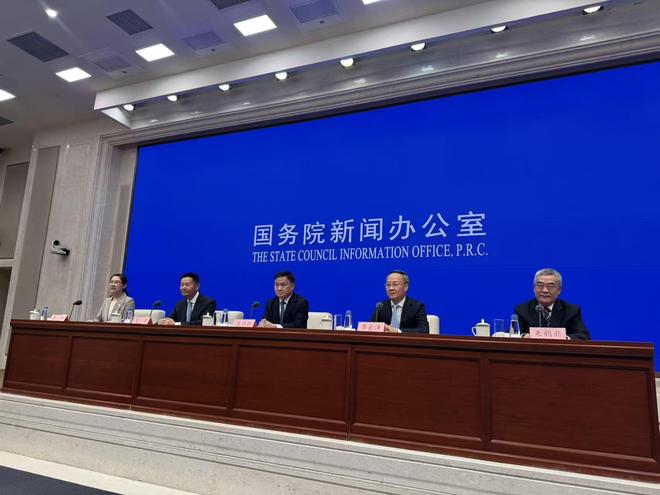
央行:今年6月末与2023年初相比,融资平台数量下降超过60%,金融债务规模下降超过50%
Sou Hu Cai Jing· 2025-09-22 09:24
Core Insights - The People's Bank of China (PBOC) emphasizes a balanced approach during the 14th Five-Year Plan, focusing on supporting the real economy while managing financial risks and maintaining stability [1][3]. Financial Support and Risk Management - The PBOC has taken significant steps to mitigate debt risks associated with financing platforms, resulting in a reduction of over 60% in the number of financing platforms and a decrease of more than 50% in financial debt scale compared to the beginning of 2023 [3]. - In the real estate sector, the PBOC has adjusted policies such as down payment ratios and mortgage rates, which is expected to save over 300 billion yuan in interest payments for more than 50 million households annually [3]. - The PBOC, in collaboration with regulatory bodies and local governments, has implemented measures to reduce the number of high-risk small and medium-sized banks significantly from peak levels [3]. Market Stability and Regulatory Measures - The PBOC maintains that the market plays a decisive role in exchange rate formation, ensuring the basic stability of the RMB amid external fluctuations [4]. - In the bond market, the PBOC has strengthened regulatory coordination and risk assessment, resulting in a low default rate and overall stable market operations [4]. - The PBOC is exploring monetary policy tools to maintain capital market stability, including the creation of swap facilities and stock repurchase loans in collaboration with the China Securities Regulatory Commission [4]. Overall Financial Health - The PBOC asserts that during the 14th Five-Year Plan, financial risks are generally controllable, and the financial system is operating robustly, providing strong support for high-quality economic development [4].
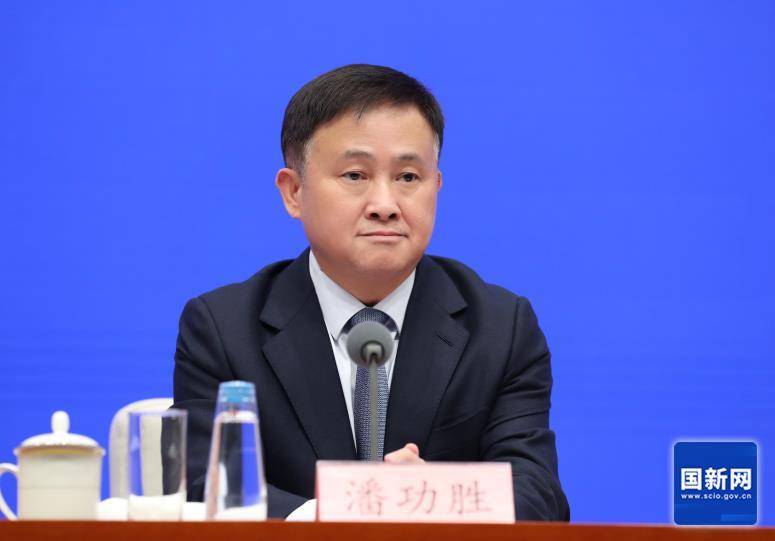
中国人民银行行长潘功胜:2025年6月末与2023年初相比 融资平台数量下降超60%、金融债务规模下降超50%
Sou Hu Cai Jing· 2025-09-22 09:21
在化解融资平台债务风险方面,中国人民银行行长潘功胜9月22日在国新办"高质量完成'十四五'规划"系列主题新闻发布会上介绍,中国人民银行严肃财经 纪律,推动地方政府统筹资金、资产、资源化解债务风险,剥离融资平台的政府融资功能,转型为市场化的经营主体;引导金融机构通过债务重组,降低融 资平台流动性风险和利息负担。相关工作取得重要的阶段性成效。截至今年6月末,与2023年初相比,融资平台数量下降超过60%,金融债务规模下降超过 50%,总体上地方政府融资平台风险水平大幅收敛。 外汇市场方面,潘功胜表示,坚持市场在汇率形成之中的决定性作用,面对多变的外部环境,保持了人民币汇率的基本稳定;债券市场方面,中国人民银行 从宏观审慎的角度观察、评估债市运行情况,强化监管协同,及时向市场参与机构提示风险,有效弱化和阻断风险的累积,债券违约率保持低位,市场运行 总体平稳;资本市场方面,探索维护资本市场稳定的货币政策工具,会同证监会创设互换便利和股票回购增持再贷款两项工具,支持中央汇金公司发挥 类"平准基金"作用,不断健全支持资本市场的长效机制。 在化解融资平台债务风险方面,潘功胜介绍,中国人民银行严肃财经纪律,推动地方政府统筹资 ...
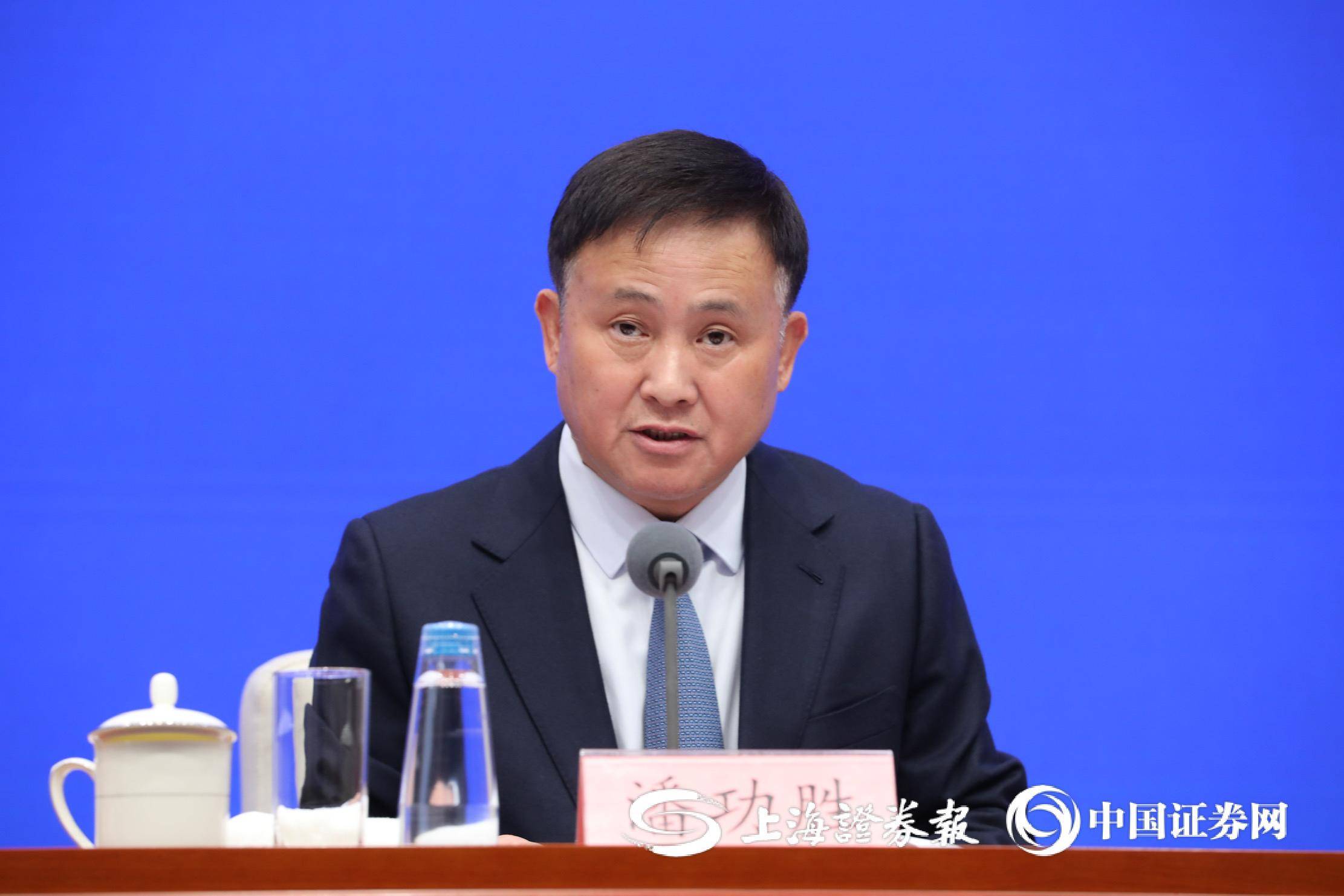
央行潘功胜:地方政府融资平台风险水平大幅收敛
Sou Hu Cai Jing· 2025-09-22 09:17
在化解中小金融机构风险方面,人民银行会同金融监管部门和地方政府,综合采取在线修复、兼并重组 和市场退出等方式,推动高风险中小银行数量较峰值明显压降。 中国人民银行行长潘功胜9月22日在国新办举行的"高质量完成'十四五'规划"系列主题新闻发布会上表 示,有序化解重点领域风险。 在金融支持房地产风险化解方面,人民银行立足宏观审慎管理的职能,优化调整首付比、房贷利率等多 项政策,并降低存量房贷利率,每年可为超过5000万户家庭减少利息支出约3000亿元。 在化解融资平台债务风险方面,严肃财经纪律,推动地方政府统筹资金、资产、资源化解债务风险,剥 离融资平台的政府融资功能,转型为市场化的经营主体;引导金融机构通过债务重组,降低融资平台流 动性风险和利息负担,相关工作取得重要的阶段性成效。截至今年6月末,与2023年初相比,融资平台 数量下降超过60%,金融债务规模下降超过50%,总体上地方政府融资平台风险水平大幅收敛。 ...
潘功胜、李云泽、吴清、朱鹤新齐聚,发布会要点汇总
Di Yi Cai Jing· 2025-09-22 08:43
Core Viewpoint - The press conference highlighted the achievements of China's financial sector during the "14th Five-Year Plan" period, emphasizing significant growth in financial services to the real economy and the stability of the financial system [1][4]. Financial Sector Achievements - During the "14th Five-Year Plan," loans to technology-based small and medium-sized enterprises, inclusive micro-loans, and green loans grew at an average annual rate of over 20% [2][3]. - As of June 2023, China's banking sector total assets reached nearly 470 trillion yuan, ranking first in the world, with stock and bond market sizes ranking second globally [3]. - The financial system has seen a significant reduction in high-risk institutions and assets, with the number of financing platforms decreasing by over 60% and financial debt declining by over 50% compared to early 2023 [6][14]. Monetary Policy and Financial Stability - The People's Bank of China achieved dual goals of currency stability and financial stability during the "14th Five-Year Plan," supported by a robust monetary policy framework [4][5]. - The central bank's policies have effectively stabilized market expectations and boosted confidence, contributing to economic recovery and high-quality development [3][4]. Support for Real Economy - Over the past five years, the banking and insurance sectors provided an additional 170 trillion yuan in funding to the real economy, with significant growth in loans for scientific research, manufacturing, and infrastructure [12]. - Financial policies aimed at real estate risk mitigation have reduced interest expenses for over 50 million households by approximately 300 billion yuan annually [8]. Capital Market Developments - The A-share market has seen a significant increase in the proportion of technology companies, with over 25% of the market capitalization now attributed to this sector [18]. - In the past five years, listed companies distributed a total of 10.6 trillion yuan in dividends, significantly exceeding the amounts raised through IPOs and refinancing [17]. Foreign Exchange and International Standing - Since the beginning of the "14th Five-Year Plan," China's foreign exchange reserves have remained stable above 3 trillion USD, providing a crucial stabilizing role for the economy [29][30]. - The foreign exchange market has shown improved resilience and rational trading, with enhanced regulatory capabilities and risk prevention measures [31].
中国信达半年报:主业投放创五年来最佳,多领域风险化解成效显著
2 1 Shi Ji Jing Ji Bao Dao· 2025-08-28 06:48
Core Viewpoint - China Cinda's H1 2025 performance report indicates steady growth in business scale and stable asset quality, achieving "steady progress and quality improvement" in overall operations [1] Group 1: Financial Performance - As of June 30, 2025, China Cinda's total assets reached 1.68 trillion yuan, a 2.62% increase from the end of the previous year; total liabilities were 1.46 trillion yuan, up 2.80% [1] - The net profit attributable to shareholders for H1 2025 was 2.281 billion yuan, reflecting a year-on-year growth of 5.78% [1] Group 2: Core Business Segments - China Cinda's main business segments include non-performing asset management and financial services, with non-performing asset management accounting for 53.8% of total revenue in H1 2025 [2] - The total assets in the non-performing asset management segment were 938.229 billion yuan, a 2.51% increase year-on-year, with total revenue of 18.491 billion yuan, up 0.30% [2] - In H1 2025, China Cinda acquired new non-performing debt assets worth 26.581 billion yuan, a significant year-on-year increase of 47.55%, with 96% of the increase coming from financial non-performing debt assets [2] Group 3: Financial Services Performance - The financial services segment, which includes subsidiaries like Nanshan Bank and Cinda Securities, had total assets of 736.737 billion yuan, a 1.23% increase from the previous year, and achieved a pre-tax profit of 3.518 billion yuan, a substantial year-on-year growth of 63.87% [3] - Key subsidiaries showed strong performance: Nanshan Bank's pre-tax profit was 2.014 billion yuan (up 22.68%), Cinda Securities at 1.138 billion yuan (up 82.37%), and Cinda Financial Leasing at 709 million yuan (up 69.93%) [3] Group 4: Risk Management and Support for the Economy - China Cinda actively implements the central financial work conference's spirit, focusing on financial asset management and contributing to economic stability [4] - In H1 2025, China Cinda acquired non-performing debts from 54 local small and medium-sized banks, involving nearly 60 billion yuan, a year-on-year increase of 85.4% [4] - The company supported 19 risk resolution projects in the real estate sector, investing 5.4 billion yuan and facilitating the delivery of 14,000 housing units, with a project value exceeding 75.7 billion yuan [4] Group 5: Support for the Real Economy - China Cinda enhanced financial support in key areas, assisting state-owned enterprises in revitalizing inefficient assets and promoting a positive cycle of existing and new investments [5] - The company collaborated with 500 private enterprises, generating new cooperation worth 12.5 billion yuan, aiding 30 private firms in deleveraging and asset revitalization [6]