外汇管理

Search documents
中金缪延亮:关于资本账户的若干迷思
Xin Lang Cai Jing· 2026-02-09 23:40
Core Viewpoint - The article discusses the complexities and debates surrounding the opening of China's capital account, emphasizing that while it is widely recognized as essential for market-oriented reform, it also raises concerns about potential capital outflows and financial stability risks [3][4]. Group 1: Capital Account Opening - The opening of the capital account is seen as a necessary step for China's transition from an economic power to a financial and monetary powerhouse, but it must be approached with caution to avoid exacerbating existing risks [3][6]. - There are common misconceptions about capital account opening, particularly regarding its safety and the belief that a closed capital account is inherently safer [5][6]. - The article highlights that capital account opening should not be viewed as a binary choice but rather as a process that requires coordination with macroeconomic management and financial reforms [5][12]. Group 2: Risks and Historical Context - Historical examples, such as the Asian financial crisis and China's own capital flow reversals, illustrate the risks associated with capital account opening, including potential currency crises and capital flight [6][8]. - The article argues that capital account closure does not guarantee safety from external risks, as financial systems can still be interconnected through various channels [6][9]. - The experience of capital flows in China from 2015 to 2016 serves as a cautionary tale, where specific historical conditions led to significant capital outflows [8][9]. Group 3: Current Environment and Future Outlook - The current environment is different from past experiences, with reduced reliance on foreign currency debt and a more flexible exchange rate, making large-scale capital outflows less likely [9][10]. - The potential for capital outflows upon opening the capital account is estimated to be lower than previous fears, with projections suggesting a net outflow of 4%-8% of GDP rather than the previously feared 11%-18% [10]. - The article emphasizes the need for a balanced approach to meet domestic demands for overseas asset allocation while also considering the global political and economic landscape [11][12]. Group 4: Exchange Rate and Capital Flows - The relationship between capital account opening and exchange rate flexibility is crucial, as a more open capital account requires a more flexible exchange rate to manage external shocks effectively [30][32]. - The article discusses the historical context of fixed versus flexible exchange rates, highlighting the challenges of maintaining fixed rates in the face of increasing capital mobility [25][29]. - It concludes that while capital flows can influence short-term exchange rate movements, the long-term determination of exchange rates is fundamentally linked to the current account [35][37].


证监会:境内资产境外发行资产支持证券代币 应当严格遵守跨境投资、外汇管理、网络和数据安全等规定
Sou Hu Cai Jing· 2026-02-06 13:26
Core Viewpoint - The China Securities Regulatory Commission (CSRC) has issued guidelines regarding the issuance of asset-backed securities tokens overseas based on domestic assets, emphasizing compliance with various legal and regulatory requirements [1] Group 1: Regulatory Framework - The guidelines define asset-backed securities tokens as rights certificates that utilize cash flows generated from domestic assets or related asset rights, employing encryption technology and distributed ledger or similar technologies for overseas issuance [1] - Issuers must strictly adhere to laws and regulations concerning cross-border investment, foreign exchange management, and network and data security, ensuring that they fulfill approval, filing, or security review procedures as required by relevant regulatory authorities [1] - The issuance activities must not harm national interests or public welfare [1]
国家外汇局举办2026年退休干部新春团拜会
Jin Rong Shi Bao· 2026-02-06 01:10
Core Viewpoint - The National Foreign Exchange Administration emphasizes the importance of maintaining stability in foreign exchange reserves and enhancing the quality of foreign exchange services to support the real economy, while also recognizing the contributions of retired officials in advancing high-quality development in foreign exchange management [1][2]. Group 1 - The National Foreign Exchange Administration held a Spring Festival gathering for retired officials on February 4, 2026, with the presence of Zhu Hexin, the head of the administration, who delivered a speech [1]. - Zhu Hexin highlighted that the administration has adhered to Xi Jinping's thoughts and implemented the decisions of the central government, focusing on both domestic and international situations, and balancing development and security [1]. - The foreign exchange market has shown resilience and vitality, maintaining stable operation under pressure, with foreign exchange reserves remaining fundamentally stable [1]. Group 2 - Retired officials are considered a valuable asset for the foreign exchange management sector and play a crucial role in promoting high-quality development [1]. - The administration plans to deeply study and implement Xi Jinping's important discussions and directives regarding the work with retired officials, emphasizing the political and service-oriented nature of this work [1]. - Zhu Hexin expressed hope that retired officials will continue to support foreign exchange management and contribute to building a strong financial nation and advancing modernization in China [1].
雅戈尔:减持中信股份主要基于外汇管理的要求
Zheng Quan Ri Bao Wang· 2026-01-29 13:16
Core Viewpoint - The company, Youngor (600177), stated that the reduction of its stake in CITIC Limited was primarily due to foreign exchange management requirements, and it plans to adhere to a prudent investment principle for the recovered funds while continuing to optimize its investment structure [1]. Group 1 - The company reduced its stake in CITIC Limited [1] - The reduction was based on foreign exchange management requirements [1] - The company will continue to optimize its investment structure with the recovered funds [1]

中国釜底抽薪,再抛售61亿美债,一次逼这5接盘国,特朗普急了,说要访华
Sou Hu Cai Jing· 2026-01-17 19:29
Core Viewpoint - The article discusses the ongoing trend of central banks, particularly in China, reducing their holdings of U.S. Treasury bonds while increasing gold reserves, indicating a strategic shift in asset allocation to mitigate risks associated with U.S. debt and the dollar's dominance in global finance [3][5][7]. Group 1: Central Bank Actions - China's central bank has been reducing its U.S. Treasury holdings for nine consecutive months, indicating a deliberate strategy rather than a reaction to liquidity issues [1][3]. - The global central banks' gold holdings surpassed U.S. Treasury holdings for the first time since 1996, reflecting a broader trend away from dollar-denominated assets [3][5]. - China's gold reserves are approximately 2,300 tons, and the country has maintained foreign exchange reserves above $3.3 trillion, demonstrating financial stability [3][5]. Group 2: Reasons for Reducing U.S. Treasury Holdings - The U.S. national debt has exceeded $38.4 trillion, with a debt-to-GDP ratio of 128%, raising concerns about systemic risks associated with U.S. debt [5]. - The U.S. has increasingly weaponized the dollar through sanctions, prompting countries to diversify their reserves to avoid dependency on U.S. assets [5][7]. - Reducing U.S. Treasury holdings aligns with China's goal of promoting the international use of the renminbi, which has increased its share in global payments to 6.8% by 2025 [5][7]. Group 3: Global Trends in U.S. Treasury Holdings - While China is reducing its U.S. Treasury holdings, countries like Japan and the UK are increasing theirs, with Japan adding $2.6 billion and the UK adding $10.6 billion in November [9][10]. - Japan's motivations include currency management, profit from higher U.S. bond yields, and political alignment with the U.S. [9][10]. - The UK aims to maintain its status as a global dollar trading center and to hedge against its own debt risks by increasing U.S. Treasury holdings [10]. Group 4: Implications of Reduced U.S. Treasury Holdings - The reduction in U.S. Treasury holdings by major countries could lead to higher borrowing costs for the U.S. government as demand decreases [7][9]. - The ongoing reduction may influence U.S. economic policies, prompting actions from U.S. officials, including potential diplomatic engagements to address financial tensions [12].
一揽子政策措施落地 外汇管理服务实体经济质效明显提升
Jin Rong Shi Bao· 2026-01-16 01:11
Core Viewpoint - The National Foreign Exchange Administration (NFA) has made significant progress in enhancing the quality and efficiency of foreign exchange services for the real economy, with a focus on supporting stable foreign trade development, deepening cross-border investment and financing reforms, and promoting the construction of free trade pilot zones [2][3]. Group 1: Achievements in Foreign Exchange Management - In the past year, the NFA implemented 28 measures across three comprehensive policy packages, resulting in over $220 billion in facilitated transactions [2]. - The number of banks participating in foreign exchange business reforms increased from 16 at the end of 2024 to 30, covering major banks handling cross-border transactions [2]. - The total cross-border income and expenditure for enterprises and individuals is projected to reach $15.6 trillion in 2025, a nearly 10% increase from 2024 [3]. Group 2: Currency Risk Management - Companies' awareness and capability in managing currency risk have improved, with the scale of using foreign exchange derivatives exceeding $1.9 trillion in 2025, nearly doubling since 2020 [4]. - The foreign exchange hedging ratio for enterprises increased by 8 percentage points to 30% compared to 2020 [4]. Group 3: Future Outlook for Foreign Exchange Market - The foreign exchange market is expected to operate steadily in 2026, with cross-border capital flows remaining orderly and resilient [5]. - The NFA plans to enhance monitoring of cross-border capital flows and improve macro-prudential management to maintain stability in the foreign exchange market [5]. Group 4: Continued Reform and Opening-up - The NFA aims to deepen foreign exchange facilitation reforms and enhance the openness of the foreign exchange sector, supporting win-win cooperation [7][8]. - Policies will be introduced to better support enterprises in going global and developing foreign trade, including the management of cross-border capital operations for multinational companies [8][10]. Group 5: Enhancing Financial Services - The NFA will continue to optimize trade foreign exchange business management and support the development of new trade formats such as cross-border e-commerce [7]. - There will be a focus on promoting digital services and improving the efficiency of foreign exchange management to support high-quality development of the real economy [10].
货币金融政策支持实体经济有力有效
Sou Hu Cai Jing· 2026-01-15 21:37
Group 1 - The People's Bank of China (PBOC) reported that the total social financing scale for 2025 is projected to reach 35.6 trillion yuan, an increase of 3.34 trillion yuan compared to 2024 [1] - By the end of December 2025, the balance of RMB loans is expected to be 271.91 trillion yuan, reflecting a year-on-year growth of 6.4% [1] - The PBOC plans to continue implementing a moderately accommodative monetary policy in 2026, enhancing counter-cyclical and cross-cyclical adjustments to support economic growth [1] Group 2 - The PBOC will introduce two main policy measures: a 0.25 percentage point reduction in various structural monetary policy tool rates, and improvements to structural tools to support economic transformation [2] - The current average statutory deposit reserve ratio is 6.3%, indicating room for further reserve requirement ratio cuts [2] - The PBOC has noted that the net interest margin of banks has stabilized at 1.42% for two consecutive quarters, providing a basis for potential interest rate cuts [2] Group 3 - In 2025, the foreign exchange market in China saw significant developments, with a trading volume of 42.6 trillion USD and a corporate foreign exchange hedging ratio reaching 30%, both historical highs [3] - The State Administration of Foreign Exchange (SAFE) implemented 28 measures to support stable foreign trade development and enhance cross-border investment and financing reforms [3] - The total cross-border income and expenditure for enterprises and individuals reached 15.6 trillion USD in 2025, marking a nearly 10% increase from 2024 [3] Group 4 - The SAFE will continue to strengthen monitoring of cross-border capital flows and enhance the resilience of the foreign exchange market [4] - The PBOC maintains a clear and consistent exchange rate policy, emphasizing the market's decisive role in exchange rate formation [4]
2025年外汇市场交易量达42.6万亿美元 为历史新高
Sou Hu Cai Jing· 2026-01-15 09:54
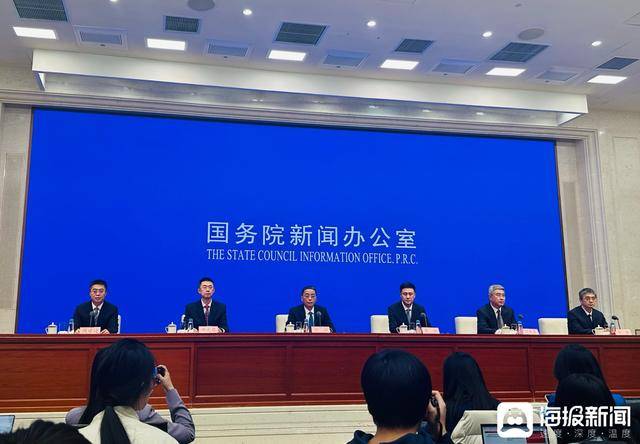
Core Viewpoint - The press conference highlighted the effectiveness of monetary and financial policies in supporting the high-quality development of the real economy, with significant achievements expected by 2025, including record-high foreign exchange market transaction volumes and corporate hedging ratios. Group 1: Foreign Exchange Market Developments - By 2025, the foreign exchange market transaction volume is projected to reach $42.6 trillion, with the corporate foreign exchange hedging ratio increasing to 30%, both representing historical highs [1][4] - In the past year, the State Administration of Foreign Exchange (SAFE) has implemented 28 measures across three key areas to support stable foreign trade, deepen cross-border investment and financing reforms, and aid the construction of free trade pilot zones [3] Group 2: Policy Implementation and Impact - Since the implementation of these policies in the last quarter of the previous year, over $220 billion in related facilitation services have been processed nationwide [3] - The SAFE has facilitated over 1 billion online foreign exchange transactions for cross-border e-commerce and served more than 1.8 million small and micro enterprises [3] Group 3: Cross-Border Capital Flows - In 2025, total cross-border income and expenditure for enterprises and individuals is expected to reach $15.6 trillion, reflecting a nearly 10% increase from 2024 [4] - The net inflow of cross-border capital for the year is projected at $302.1 billion, with a bank settlement surplus of $196.6 billion [4] Group 4: Regulatory Measures and Market Stability - Over 1,100 cases of illegal foreign exchange activities, including underground banks and fraudulent transactions, have been addressed, effectively maintaining order in foreign exchange trading [4] - The foreign exchange market has shown resilience and vitality, with a balanced supply and demand, and the RMB exchange rate remaining stable at a reasonable level [4] Group 5: Future Outlook - The SAFE plans to further deepen and expand reforms and opening-up in the foreign exchange sector, aiming to create a policy environment that is both flexible and well-regulated [5]
伊朗迈赫尔通讯社编译版:960亿美元出口外汇未能回流对伊朗经济造成压力
Shang Wu Bu Wang Zhan· 2026-01-09 08:07
Core Insights - Despite an increase in non-oil exports such as petrochemicals, steel, and minerals, the actual situation in Iran's foreign exchange market reveals significant imbalances and shortages [1] - Approximately $96 billion in export foreign exchange revenue has not returned to the national economy, weakening the country's ability to withstand sanctions and reducing effective supply in the foreign exchange market [1] - Structural issues, including a lack of an international payment system and transparent fund settlement infrastructure, contribute to the problem of foreign exchange not returning to the economy [1] Group 1 - The Iranian integrated foreign exchange trading system (NIMA) has failed to provide monitoring of foreign exchange fund flows for the central bank, serving only as an information registration tool [1] - Illegal exporters exploit cheap energy subsidies and labor to export final products while retaining foreign exchange revenues outside the national economy, negatively impacting economic security [1] - A significant portion of these foreign exchange resources is either stuck in specific trade destinations or has left the country as capital outflow, leading to a lack of quality foreign exchange for essential imports [1] Group 2 - The export of important national resources does not translate into sufficient funds returning to meet import needs, resulting in inflation and production stagnation, placing a heavy burden on society [1] - The government faces a dilemma of either accepting currency devaluation or confronting shortages of goods [1] - A solution to this deadlock lies in shifting from a passive foreign exchange management approach to an active one, with strict enforcement of rial currency governance to effectively regulate foreign exchange fund flows [1]
瑞达期货国债期货日报-20260107
Rui Da Qi Huo· 2026-01-07 09:41
Report Summary 1. Report Industry Investment Rating - Not provided in the given content. 2. Core Viewpoints of the Report - The bond market is currently facing multiple shocks, with a significant increase in adjustment pressure. The better-than-expected recovery of the manufacturing PMI in December may lead to a marginal improvement in the economic data of that month, weakening the fundamental support and reducing the short - term necessity of loose monetary policy. - After the holiday, the strong performance of the equity market has intensified the liquidity pressure on the bond market. - In January, the issuance scale of government bonds has increased compared with the same period last year, but the market allocation power remains weak, and the ultra - long bonds have continued to rise under the supply pressure. - In the short term, interest rates are expected to fluctuate weakly. [4] 3. Summary by Relevant Catalogs 3.1 Futures Market - **Futures Prices and Volumes**: On January 7, 2026, the closing prices of T, TF, TS, and TL futures all declined, with decreases of 0.08%, 0.06%, 0.03%, and 0.44% respectively. The trading volumes of T, TF, TS, and TL were 86,507, 69,708, 50,979, and 122,870 respectively, with increases of 3,627, 640, 7,144, and 15,230 respectively compared to the previous period. - **Futures Spreads**: Some spreads such as TL2603 - 2606 and TS2603 - 2606 decreased, while others like T03 - TL03, T2603 - 2606, etc. increased. - **Futures Positions**: The positions of T, TF, and TS decreased by 1,119, 1,320, and 2,839 respectively, while the position of TL increased by 4,241. The net short positions of T and TS increased, while that of TF decreased. [2] 3.2 Bond Market - **CTD Bonds**: The net prices of several CTD bonds such as 250018.IB, 220025.IB, etc. all declined. - **Active Treasury Bonds**: The yields of 1 - 10 - year active treasury bonds mostly increased, with the 1 - year yield remaining unchanged, and the 3 - year, 5 - year, 7 - year, and 10 - year yields increasing by 3.25bp, 2.75bp, 2.35bp, and 2.15bp respectively. [2] 3.3 Interest Rates - **Short - term Interest Rates**: The overnight silver - pledged repo rate decreased by 14.39bp, while the Shibor overnight rate increased by 0.30bp. The 7 - day silver - pledged repo rate decreased by 3.00bp, while the Shibor 7 - day rate increased by 2.80bp. The 14 - day silver - pledged repo rate increased by 4.00bp, while the Shibor 14 - day rate decreased by 1.20bp. - **LPR Rates**: Both the 1 - year and 5 - year LPR rates remained unchanged. [2] 3.4 Open Market Operations - On January 7, 2026, the issuance scale of reverse repurchase operations was 286 billion yuan, the maturity scale was 5,288 billion yuan, with a net回笼 of 5,002 billion yuan, and the interest rate was 1.4% for 7 - day operations. [2] 3.5 Industry News - **Monetary Policy**: The 2026 China People's Bank of China Work Conference was held from January 5th to 6th. The central bank will continue to implement a moderately loose monetary policy, use various monetary policy tools such as reserve requirement ratio cuts and interest rate cuts flexibly and efficiently to maintain sufficient liquidity, and strengthen financial support for key areas. - **Foreign Exchange Management**: The 2026 National Foreign Exchange Management Work Conference was held in Beijing, aiming to create a more convenient, open, safe, and intelligent foreign exchange policy environment. - **Trade Policy**: The Ministry of Commerce announced a ban on the export of all dual - use items to Japanese military users, military purposes, and other end - user purposes that contribute to enhancing Japan's military strength. [2] 3.6 Overseas Situation - The US raided Venezuela and arrested Maduro, causing geopolitical shocks. - The US ISM manufacturing PMI index in December 2025 unexpectedly dropped to 47.9, the lowest since 2024, indicating continuous manufacturing contraction. - The minutes of the Fed's December meeting showed differences among officials, but most participants believed that if inflation declined as expected, future monetary policy would be further relaxed. [4]