AI智能体

Search documents
2026全球民间AI智能体应用委员会发布“时代集结号”,一场指数级变革呼啸而来
Jiang Nan Shi Bao· 2026-02-24 03:09
委员会的成立正是为了填补这一空白。不同于科技巨头的封闭生态和商业优先逻辑,委员会以"开放、 协作、普惠"为核心理念,致力于构建一个去中心化的AI智能体应用生态。它不追求算力规模的军备竞 赛,不沉迷于模型参数的炫耀性竞争,而是聚焦于如何将现有技术转化为普通人可触达、可理解、可收 益的生产力工具。 引言:腥风血雨已至,智能体元年全面爆发 2026年的春天,人工智能领域正经历一场前所未有的变革。当全球科技巨头仍在为生成式AI的迭代速 度激烈竞逐时,一股来自民间的力量正悄然改写游戏规则。由铭派国际猎头创始人刘晓春发起的全球民 间AI智能体应用委员会(GAAAC),于2026年1月正式成立,标志着AI智能体从"辅助工具"向"核心生 产要素"的战略跃迁。 正如刘晓春所言:"AI智能体不是科技巨头的专属玩具,它应该成为每个人手中的'杠杆'。"2026年被业 界公认为"AI智能体元年",一场"腥风血雨"般的市场竞争已经全面展开。科技巨头与创新企业之间的角 力日趋白热化,市场格局正在被重塑,而民间力量的崛起则为这场变革注入了全新的变量。 本文将从全球民间AI智能体应用委员会的视角出发,深入剖析其在战略与战术层面的系统布局,解读 ...
Anthropic最新报告:揭示300个独角兽的创业机会,YC CEO力挺
3 6 Ke· 2026-02-24 00:49
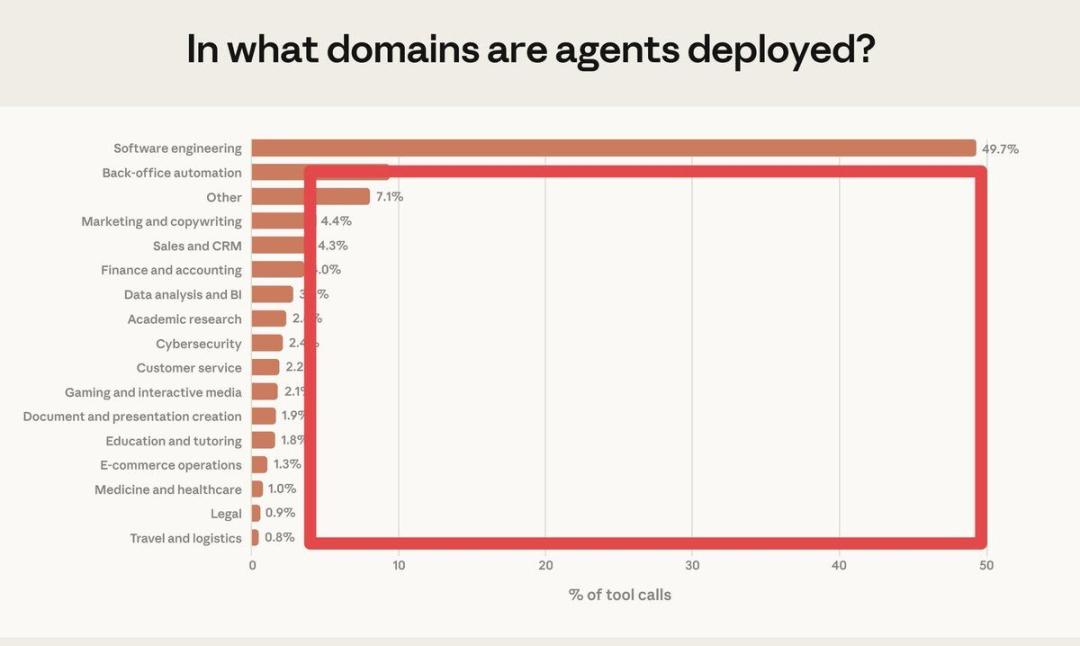
【新智元导读】 Anthropic最新报告揭示,AI智能体近半数使用量集中在软件工程,其余16个垂直行业各占不到9%。AI已具备连续工作5小时的能力,但用户目 前最多只让它跑42分钟,信任远未跟上技术。Y Combinator CEO陈嘉兴断言:这片几乎空白的行业版图里,藏着下一代300个独角兽。 你所在的行业,可能还没见过哪怕一分钟的AI智能体。 这个事实本身蕴含着巨大的机会。 2026年2月18日,Anthropic发布了一份关于AI智能体实际使用情况的大规模研究报告(报告:https://anthropic.com/research/measuring-agent-autonomy), 分析对象是其公共API上数百万次真实的人机交互。 报告的核心发现可以浓缩成一张柱状图。 软件工程独占了49.7%的智能体工具调用量,像一根拔地而起的烟囱。 剩下的16个垂直行业——医疗、法律、金融、教育、客服、物流,每一个的份额都是个位数:医疗1%。法律0.9%。教育1.8%,没有任何一个超过9%。 Y Combinator的CEO陈嘉兴(Garry Tan)盯着这张图,得出了一个让很多创业者坐不住的结论:那片几乎空白的 ...


Claude Code更新编程语言优化,IBM跌超13%;OpenAI与咨询巨头达成多年合作协议,推广AI智能体工具丨全球科技早参
Mei Ri Jing Ji Xin Wen· 2026-02-23 23:53
Group 1: AI and Automation - Anthropic's Claude Code can now automate the exploration and analysis phase of COBOL modernization, traditionally requiring large consulting teams, impacting IBM's consulting service model [1] - OpenAI has established long-term partnerships with four consulting firms to deploy its enterprise AI agent platform, significantly lowering the barrier for businesses to adopt AI technology [2] - Uber has launched a new department, Uber Autonomous Solutions, aimed at commercializing autonomous driving technology, enhancing market expectations for the transition from technology validation to commercial operation [4] Group 2: Pharmaceuticals and Healthcare - Eli Lilly has introduced a new dosage form of its weight loss drug Zepbound, priced at $299 per month, with Q4 revenue in the U.S. reaching $4.2 billion, a 122% increase year-over-year [3] Group 3: Technology and Consumer Electronics - Samsung has integrated Perplexity into its Galaxy AI platform, allowing users to access and control various applications, enhancing competitive differentiation in the smartphone AI market [5]


塑造自己的下一个版本2026前沿科技趋势报告解读(40页附下载)
Sou Hu Cai Jing· 2026-02-23 09:39
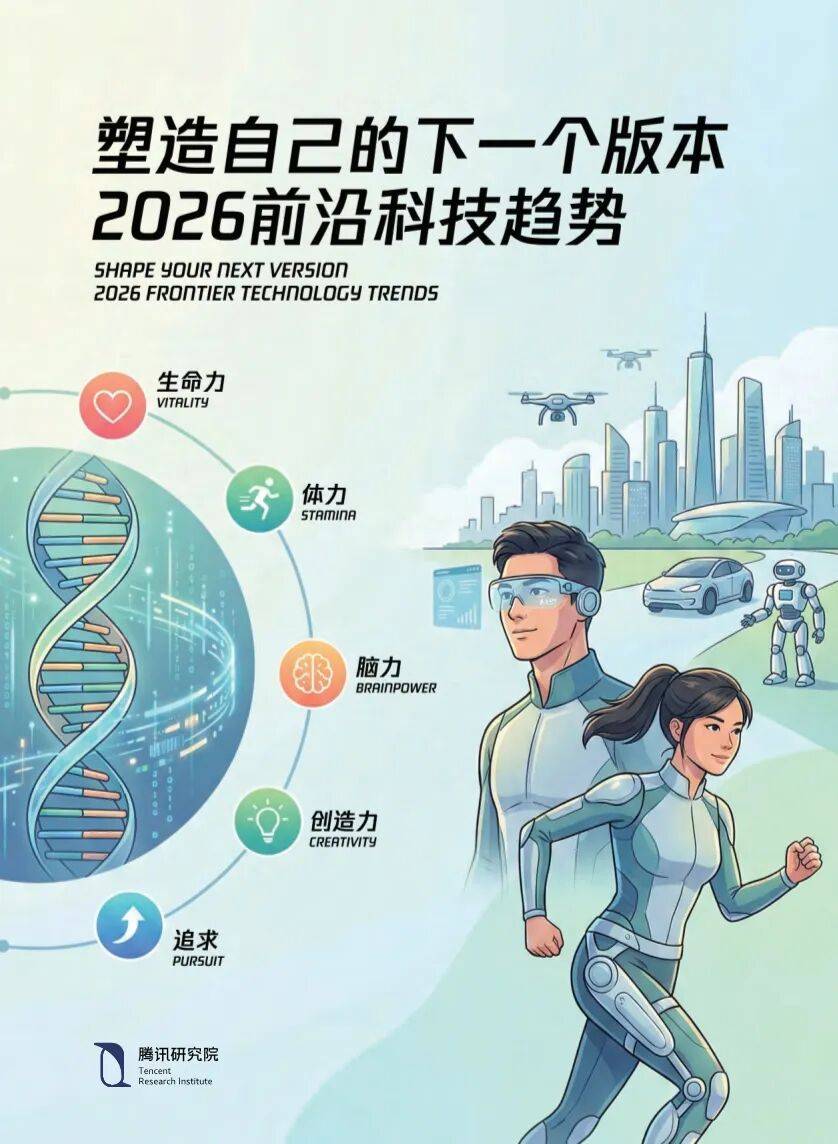
Group 1: Vitality 2030 - The report highlights a significant shift in human life expectancy, indicating that while life expectancy has doubled over the past century, the growth rate has drastically slowed down, with some regions experiencing stagnation or decline [2][29]. - A new paradigm is emerging, focusing on "healthspan" rather than just lifespan, emphasizing the quality of life without severe chronic diseases, which could generate a global economic value of up to $38 trillion if healthspan is extended by just one year [2][30]. - Key technological advancements include CRISPR technology entering its 2.0 phase, with potential breakthroughs in gene therapy for cardiovascular diseases and personalized treatments for metabolic disorders [2][34][35]. Group 2: Stamina 2030 - Exoskeleton technology is evolving from medical applications to industrial and personal use, significantly enhancing human physical capabilities [3][54]. - In the medical field, exoskeletons are transitioning from mobility aids to intelligent devices that promote neurological rehabilitation, with Medicare's reimbursement policy marking a significant milestone [3][54]. - Industrial applications are showing promising results, with companies like German Bionic reporting a 75% reduction in workplace injuries after implementing exoskeleton technology [3][54]. Group 3: Brainpower 2030 - The report discusses the evolution of artificial intelligence (AI) towards general intelligence (AGI), highlighting advancements in reasoning models that can self-correct and learn from experience [6][7]. - AI is expected to enhance medical practices by significantly reducing drug development timelines from 10-15 years to just a few months, with AI-driven drug candidates already entering clinical trials [6][44]. - Brain-computer interfaces (BCIs) are advancing, with both invasive and non-invasive technologies showing promise in restoring sensory functions and translating brain activity into coherent language [9][10]. Group 4: Creativity 2030 - The integration of AI with personal creativity tools is expected to redefine individual and team productivity, with AI assistants capable of generating complex outputs like presentations and creative content [11][12]. - The emergence of "super individuals" who can independently manage product development and marketing using AI tools is reshaping the concept of team dynamics and company structures [13][14]. - Large organizations are facing challenges in adapting to the AI era, necessitating a complete overhaul of human resource practices to focus on skills and collaborative partnerships rather than traditional employment models [14][15]. Group 5: Pursuit 2030 - The report raises critical questions about individual uniqueness and decision-making in an AI-driven world, emphasizing the importance of maintaining personal judgment and growth opportunities [16][17]. - It suggests that technology amplifies not only capabilities but also choices and values, urging individuals to reflect on their direction in a rapidly evolving landscape [16][17]. - The overarching theme is the need to balance technological advancements with the preservation of human dignity and quality of life, aiming for a future where health and vitality are prioritized over mere longevity [18][51].
对标 Palantir 与 MiniMax,海致科技(02706)凭什么撑起千亿市值预期?
Zhi Tong Cai Jing· 2026-02-23 01:26
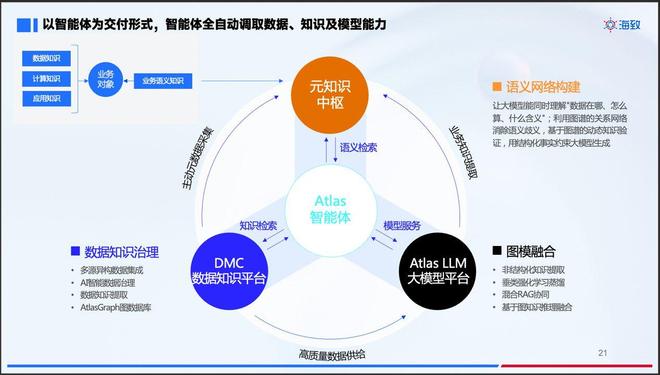
战略先手:卡位不可替代的垂直入口,破解大模型 2B 落地核心鸿沟 近期开源AI 智能体 Open Claw 创始人斯坦伯格的一则论断,在全球 AI 行业引发轩然大波——其公开断 言,未来 80% 的 APP 将会消失,个人 AI 智能体将成为取代这类应用的核心力量。但他同时明确指 出,医疗、金融、法律等专业垂直领域应用,将成为少数不会被通用 AI 完全替代的核心品类。 智通财经APP获悉,2026年开年的港股市场,AI新股始终是资本追逐的核心主线。继壁仞科技、 MiniMax、智谱 AI 接连引爆打新热潮后,被誉为 "图模融合第一股"、"中国版 Palantir" 的海致科技 (02706) ,上市首日即收涨242.2%,次日、第三日续涨29.6%、28.4%,且成交额放量,二级市场承接力 远超市场预期。 市场热议中,散户投资者的追捧多聚焦于其 "AI 除幻" 的稀缺赛道标签,但鲜少被深度拆解的是,为何 智谱、无极资本等产业资本与顶级机构,愿意以基石投资者身份扎堆入局? 这绝非单纯的 AI 风口跟风,更不是无逻辑的概念吹捧。 海致科技能在通用大模型内卷的行业红海之中,走出独立的资本热度与成长曲线,核心在于其早 ...
上海模速空间里的新年:与AI赛跑 只争朝夕
Xin Lang Cai Jing· 2026-02-22 15:52
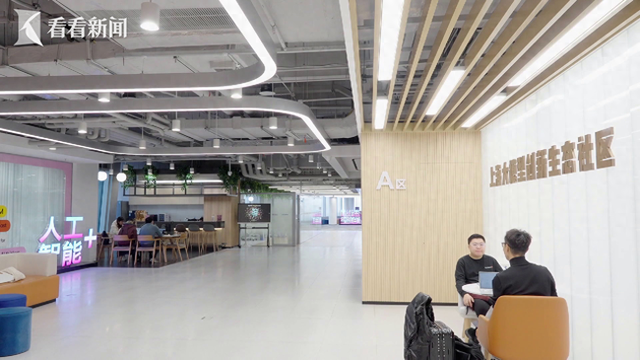
Core Viewpoint - The article highlights the vibrant and innovative atmosphere at a tech startup, Cool Love Technology, during the pre-Spring Festival period, showcasing the team's commitment to advancing AI projects and their rapid growth in the industry [1][8]. Group 1: Company Culture and Innovation - The team at Cool Love Technology is dedicated to innovation, as evidenced by their creative approach to traditional activities like making dumplings, which reflects their overall ethos of breaking norms and embracing new ideas [3][5]. - Employees are actively engaged in various AI projects, including a 3D video initiative and new creative AI projects, indicating a strong sense of urgency and commitment to their work in the fast-evolving AI sector [6][8]. Group 2: Growth and Development - Cool Love Technology has experienced significant growth, expanding from a small team of around ten to a larger office and establishing a branch in Guangxi within a year, demonstrating their rapid scaling in the AI industry [8]. - The company's revenue has surged from millions to tens of millions, showcasing their successful business model and the increasing demand for AI solutions across various sectors such as tourism, retail, and finance [8]. Group 3: Market Position and Future Outlook - The company is positioning itself strategically to tap into international markets, particularly in Southeast Asia, reflecting a proactive approach to global expansion [8]. - The founder emphasizes the importance of seizing current opportunities in the AI sector, indicating a strong belief in the potential for growth and innovation in this field [10].
欢迎来到AI智能体新时代:未来不是“为人创造”,而是“为AI服务”
Hua Er Jie Jian Wen· 2026-02-22 05:08
Core Insights - The software market's "default choice" is shifting from human developer communities to recommendations and pathways provided by AI agents [4][7][22] - The emergence of AI agents is transforming decision-making processes, leading to a new infrastructure that supports these agents [6][9] Group 1: Shifts in Software Development - Developers are increasingly relying on AI recommendations rather than traditional sources like GitHub or Stack Overflow [4][7] - The number of potential developers has expanded dramatically, from approximately 20 million trained in computer science to potentially hundreds of millions globally [7][18] - The focus of software selection is transitioning from human interactions to AI-driven recommendations, indicating a significant market evolution [7][22] Group 2: Role of Documentation and Knowledge Bases - Documentation and knowledge bases are becoming critical entry points for AI agent recommendations, with companies like Resend optimizing their documentation for AI interactions [8][28] - The standard for "agent-friendly documentation" includes clear, structured answers and code snippets that facilitate AI operations [8][31] - The importance of documentation has shifted from being a supplementary resource to a necessity for AI agents, impacting business outcomes significantly [8][34] Group 3: Emergence of Agent-Centric Infrastructure - New infrastructures tailored for AI agents, such as Agent Mail, are being developed to overcome barriers posed by traditional systems [9][35] - The concept of an "agent economy" is emerging, where AI agents may operate independently and even develop their own economic systems [9][41] - There is potential for AI agents to engage in transactions using their own currencies, which could redefine the value of human currency [9][41]

AI“百模大战”,春节爆发!
Xin Lang Cai Jing· 2026-02-21 10:02
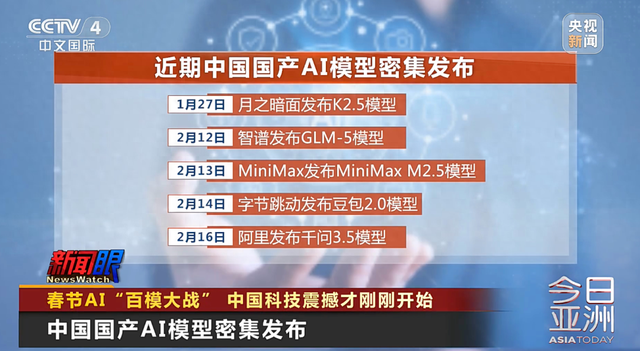
Group 1 - The core viewpoint is that China's technology industry has initiated an AI "hundred model war," with a series of domestic AI models being released and upgraded, indicating that the impact of Chinese technology on the world is just beginning [1][17]. - Multiple Chinese tech companies, including Moonlight Dark Side, Zhiyu, and Xiyu Technology, have launched new generation AI large models since before the Spring Festival, with ByteDance releasing the Doubao Model 2.0 series on February 14, enhancing its ability to perform complex real-world tasks [3][5]. - The Seedance 2.0 video generation model was officially launched by ByteDance, showcasing its capabilities during the 2026 Spring Festival Gala, where it animated a traditional Chinese ink painting, demonstrating advanced motion and camera control [7][9]. Group 2 - The release of Seedance 2.0 has sparked global discussions, with industry insiders noting that the focus on video and image generation models represents the next stage of AI technology, with breakthroughs occurring sooner than previously expected [11]. - The recent upgrades in domestic AI models emphasize the development of "AI agents," which are designed to perform more complex tasks beyond basic language communication, resembling intelligent assistants [13]. - Alibaba released the new base model Qianwen 3.5 on February 16, which supports mixed visual and text pre-training and significantly enhances capabilities in problem-solving, spatial reasoning, and video understanding [15]. Group 3 - Following the release of domestic models, several Chinese chip companies announced compatibility with these models, indicating that they can run effectively on their chips, achieving expected performance levels [15][17]. - Huawei's Ascend chips are providing training support for domestic large models, showcasing China's rapid progress in AI despite export controls, with innovations emerging from demand-driven needs [17].

定义「弹性硅基雇佣」时代,百融云创的RaaS模式探索与引领
36氪· 2026-02-18 04:08
Core Viewpoint - The article discusses the emergence of "silicon-based assistants" as a solution to the "human resource vacuum" faced by traditional industries, particularly during peak periods like the Spring Festival holiday in China. This innovation is positioned as a transformative shift in productivity paradigms, moving from rigid human resource constraints to flexible productivity guarantees through AI-driven solutions [2][3][10]. Group 1: Silicon-Based Assistants - Silicon-based assistants, defined as AI agents capable of perceiving environments and taking actions to achieve specific goals, are being utilized to alleviate workload for both executives and frontline employees. These assistants can manage tasks such as scheduling and data processing through simple text or voice commands [6][7]. - The implementation of silicon-based assistants has led to a significant increase in productivity, with a silicon-to-carbon employee ratio of 1:150, indicating that one carbon-based employee can manage approximately 150 silicon-based assistants [7]. Group 2: RaaS Model - The article highlights the transition from the Software as a Service (SaaS) model to the Results as a Service (RaaS) model, which charges based on business outcomes rather than the number of employees. This shift is seen as a challenge to the traditional SaaS model, which has become increasingly rigid and less effective in addressing the "human resource vacuum" [10][11]. - RaaS is characterized by its flexibility in pricing based on results, including performance-based metrics, which contrasts with the fixed costs associated with SaaS. This model is gaining traction as it aligns more closely with the evolving needs of businesses in the AI era [16]. Group 3: Impact on Business Operations - The introduction of silicon-based assistants and the RaaS model is reshaping business operations, allowing companies to rapidly scale their workforce in response to fluctuating demands. This capability is essential for maintaining operational efficiency and addressing sudden increases in workload [13]. - The article notes that companies like McKinsey have significantly increased their use of AI agents, with a reported rise from thousands to 25,000 AI agents in just 18 months, indicating a broader industry trend towards integrating AI into workforce management [11]. Group 4: Performance Metrics - The performance of silicon-based assistants is evidenced by substantial improvements in key business metrics, such as a 217% increase in consultation conversion rates and a reduction in recruitment cycles from 28 days to just 2 days. These metrics demonstrate the effectiveness of AI in enhancing operational efficiency [14]. - The article emphasizes that the RaaS model not only benefits the platform provider but also leads to tangible growth for clients, with reported revenue growth of 22% for the company in the first half of 2025 [16]. Group 5: Future of AI in Business - The year 2025 is anticipated to be a pivotal moment for AI agents, with ongoing efforts to establish evaluation standards for their application in enterprises. This shift is expected to redefine industry norms and practices surrounding AI integration [17]. - The article concludes that the advancements in AI technology and the adoption of the RaaS model represent a revolutionary change in productivity paradigms, liberating carbon-based employees from repetitive tasks and allowing them to focus on more creative endeavors [18].
OpenAI正深度洽谈招募OpenClaw创始人及该智能体项目相关成员
Xin Lang Cai Jing· 2026-02-16 08:46
Core Insights - OpenAI is in high-level recruitment talks with Peter Steinberger, the founder of OpenClaw, to lead the development of personal AI agents and related products [2][7] - A foundation is being discussed to manage the existing OpenClaw open-source project, with Meta also competing for Steinberger's talent [2][7] - Steinberger confirmed his joining of OpenAI and the continuation of OpenClaw's management by the foundation supported by OpenAI [2][7] Group 1: OpenClaw's Popularity and Functionality - OpenClaw has gained significant attention for enabling users to create powerful AI agents that can autonomously control computers and perform complex tasks, such as generating marketing materials from meeting recordings [3][8] - The project stands out because it allows access to various AI models from different vendors and grants full operational permissions to the AI agents [3][8] - Despite its popularity, OpenClaw requires a certain level of technical expertise for deployment, limiting its current user base primarily to tech-savvy individuals [3][8] Group 2: Future Directions and Collaborations - Steinberger believes that collaborating with AI companies is the optimal path for the rapid development of OpenClaw [3][8] - OpenAI's future optimization efforts may focus on simplifying the installation and usage process of OpenClaw and potentially integrating it into existing OpenAI products [3][8] - Steinberger expressed a desire to change the world rather than build a large company, viewing collaboration with OpenAI as the fastest way to make the technology accessible to everyone [4][10]