
扩内需

Search documents
银河基金蒋宇翔:情绪与资金共推A股破浪前行
Guo Ji Jin Rong Bao· 2025-08-13 13:12
Group 1 - The A-share market has shown resilience, with the Shanghai Composite Index rising 8.59% and the CSI Communication Equipment Index increasing by 28.84% from January 1 to August 6, 2025 [1] - The recent surge in the A-share market is attributed to high market sentiment and continuous capital inflow, as noted by the assistant director of the research department at Galaxy Fund, Jiang Yuxiang [1][2] - As of August 13, the Shanghai Composite Index reached 3680 points, the highest since December 2021, indicating a positive market trend [2] Group 2 - The "national team" and other institutional investors have played a crucial role in stabilizing the market by increasing their holdings in ETFs, providing liquidity during market fluctuations [2] - There is significant potential for retail investors to contribute to the A-share market, with household deposits reaching 151 trillion yuan by the end of 2024, an increase of 14.3 trillion yuan from the previous year [2] - The margin trading balance in the A-share market surpassed 2 trillion yuan, indicating a growing investor confidence and willingness to engage in the market [2] Group 3 - The "barbell strategy" has gained popularity among investors, balancing low-risk and high-risk assets to manage returns and risks effectively [3] - The non-ferrous metals and banking sectors have performed well in the first half of the year, with the CSI Non-ferrous Metals Index rising by 28.77% and the CSI Banking Index increasing by 13.42% [3] - New consumption trends targeting Generation Z, such as emotional needs in areas like trendy toys and pet economy, are creating new growth opportunities [3]
真金白银助力消费!财政部:撬动更多信贷资金精准投向消费领域
Sou Hu Cai Jing· 2025-08-13 04:32
费领域的服务水平,为居民获得高品质的商品与服务提供便利。二是坚持简单易行。两项政策不设繁琐的 门槛、不搞复杂的操作,力求惠及广大人民群众生活和经营主体经营所需,贴息测算和申请等工作主要由 贷款经办机构完成,这样能最大程度地便利借款人。三是坚持贴近生活。政策支持范围广泛覆盖涉及居民 衣食住行的主要消费场景和消费种类,贴息额度综合考虑了城乡居民家庭收入和支出状况,有助于支持普 通老百姓日常生活的部分开支。四是坚持市场化、法治化运作。两项政策均明确要求经办机构要按照市场 化、法治化的原则开展授信评审、贷后管理,严格执行各项信贷监督管理制度规定,强化信贷资金用途管 理和风险管控。五是坚持部门的协作。两项政策实行全流程管理,中央和地方相关部门各司其职,严格把 好资金的审核、拨付等关口,确保政策的执行效果。 廖岷表示,当前人民群众的消费需求日益呈现出多层次、多样化的特点。两项贴息政策分别从消费的需求 端和供给端来发力,将财政金融政策的着力点更多转向惠民生、促消费。现在也正值暑期,大家旅游度 假、休闲消暑、影视打卡、学习充电等消费需求旺盛。接下来还有中秋佳节、"十一"黄金周,都是传统的 消费旺季,希望这项政策能够对人民群众 ...

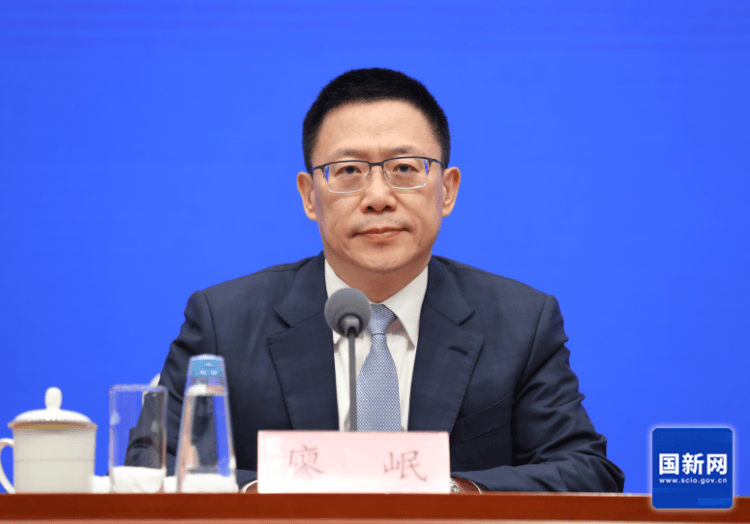
申请消费贷财政贴息需要哪些操作?财政部,最新回应!
证券时报· 2025-08-12 15:49
Core Viewpoint - The article discusses the implementation of the "Personal Consumption Loan Financial Subsidy Policy" aimed at boosting consumer spending and expanding domestic demand, which is crucial for economic growth and improving people's livelihoods [1][2][3]. Group 1: Background and Importance - Consumption is a key driver of economic growth and is essential for enhancing people's well-being and meeting their growing needs [2]. - The central government has emphasized the importance of boosting consumption in recent economic meetings and reports, highlighting it as a vital measure for economic stability and growth [3]. Group 2: Policy Features - The policy directly benefits individual consumers by reducing the cost of personal consumption loans, contrasting with previous policies that focused on investment and supply [4]. - It addresses actual consumer needs by covering a wide range of daily expenses and significant investments in areas such as automobiles, education, and healthcare [4][6]. - The policy operates under market-oriented and legal principles, ensuring responsible lending practices and preventing misuse of funds [5]. Group 3: Key Policy Details - The subsidy applies to personal consumption loans used for actual consumption, including amounts below and above 50,000 yuan, with a subsidy interest rate set at 1% per annum [6][7]. - The policy is effective for one year, from September 1, 2025, to August 31, 2026, with potential for extension based on its effectiveness [7]. Group 4: Implementation Process - The application and approval process for the subsidy is streamlined to minimize the burden on borrowers, with financial institutions handling most of the administrative tasks [8][9]. - A comprehensive review mechanism is established to ensure that subsidy funds are used appropriately and effectively [10]. Group 5: Organizational Coordination - The Ministry of Finance will coordinate with relevant departments to ensure effective implementation of the policy, including monitoring and compliance checks [11][12].

【广发宏观钟林楠】对个人消费贷款与服务业贷款贴息政策的理解
郭磊宏观茶座· 2025-08-12 14:14
Core Viewpoint - The article discusses the implementation of the personal consumption loan interest subsidy policy and the service industry loan interest subsidy policy, which are part of the broader initiative to boost consumption in China, as outlined in the "Consumption Promotion Special Action Plan" and the State Council meeting on July 31 [1][8]. Summary by Sections Personal Consumption Loan Interest Subsidy Policy - The policy applies to personal consumption loans issued from September 1, 2025, to August 31, 2026, specifically for loans used for consumption that can be identified by lending institutions [2][11]. - The subsidy covers loans under 50,000 yuan and loans over 50,000 yuan for specific categories such as home appliances, education, and travel, with a maximum cumulative loan limit of 300,000 yuan per institution [2][12]. - The annual subsidy rate is set at 1%, with a maximum of 50% of the loan contract interest rate, funded by central and local governments at a ratio of 90% to 10% [2][13]. - The lending institutions include six state-owned banks, twelve joint-stock banks, and five consumer finance companies [2][14]. Impact and Scale of Personal Consumption Loans - Due to various restrictions, estimating the scale of benefiting consumption loans is challenging. However, as of June 2025, the balance of consumption loans (excluding housing loans) was 21 trillion yuan, with an increase of 1.2 trillion yuan from June 2024 to June 2025 [3][15]. - The new consumption loans accounted for 2.9% of the total retail sales of consumer goods, which was 41.3 trillion yuan during the same period, indicating a limited short-term impact on overall consumption [3][15]. Service Industry Loan Interest Subsidy Policy - This policy is applicable to loans issued from March 16, 2025, to December 31, 2025, for service sectors such as hospitality, healthcare, and cultural entertainment, with funds required to be used for improving consumption infrastructure and service capabilities [4][16]. - The annual subsidy rate is also set at 1%, with a maximum loan amount of 1 million yuan per entity, similarly funded by central and local governments [4][18]. - A total of 21 banks, including three policy banks and six state-owned banks, are authorized to process these loans [4][19]. Observations on Service Industry Loans - As of 2023, the loan balance for the hospitality, residential services, and cultural sectors was approximately 1.8 trillion yuan, with annual increments ranging from 500 to 1,200 billion yuan from 2017 to 2023 [5][20]. - The proportion of loans from policy banks and listed joint-stock banks to these sectors was about 74%, translating to an estimated loan balance of 1.3 trillion yuan for these industries [5][20]. Employment and Economic Stability - The service industry is a significant employment sector, with 62.79 million workers in the relevant fields, representing 12% of the total workforce [6][21]. - The policies aim to stabilize employment and expand consumption, aligning with the political bureau's emphasis on fostering service consumption and infrastructure development [6][22]. Historical Context and Policy Coordination - The interest subsidy is a typical measure of fiscal and monetary policy coordination, similar to previous initiatives aimed at supporting specific sectors during economic downturns [7][24]. - The government’s leverage can stimulate both fiscal and monetary policies, enhancing the effectiveness of support for the real economy [7][24].

财政部:此次出台的个人消费贷款财政贴息政策直接惠及消费者个人 降低个人消费贷款成本
智通财经网· 2025-08-12 11:23
Core Viewpoint - The Ministry of Finance has introduced a personal consumption loan interest subsidy policy aimed at stimulating consumer demand and reducing the cost of personal consumption loans, directly benefiting consumers [3][4][5]. Group 1: Policy Background and Objectives - The policy is part of a broader strategy to boost consumption, expand domestic demand, and enhance the well-being of citizens, aligning with the central government's directives [4][5]. - The initiative is designed to create a positive cycle between economic development and improved living standards by focusing on consumer needs and promoting consumption as a key driver of economic growth [4][5]. Group 2: Key Features of the Policy - This is the first central-level implementation of a personal consumption loan interest subsidy policy, which directly benefits consumers rather than focusing on investment or supply-side support [6]. - The policy covers a wide range of consumer needs, including daily living expenses and significant expenditures in areas such as automobiles, education, and healthcare [7][8]. - The subsidy rate is set at an annualized 1%, approximately one-third of the current commercial bank personal consumption loan rates, making it a significant incentive for consumers [8][9]. Group 3: Implementation and Process - The process for applying for the subsidy is streamlined to minimize the burden on borrowers, with most responsibilities resting on the lending institutions and government departments [10][11]. - Borrowers must authorize lending institutions to access their transaction information to verify eligible consumption expenditures, although this authorization is voluntary [10][12]. - The policy will be in effect for one year, from September 1, 2025, to August 31, 2026, with the possibility of extension based on its effectiveness [9]. Group 4: Oversight and Coordination - The policy emphasizes market-oriented and legal operations, requiring lending institutions to adhere to strict credit management and risk control measures [7][12]. - A comprehensive oversight mechanism is established to ensure that the subsidy funds are used appropriately to support consumer spending, with clear responsibilities assigned to various financial regulatory bodies [12][13].
七月物价数据透出哪些积极信号
Xin Hua She· 2025-08-12 01:14
Group 1 - The Consumer Price Index (CPI) in July showed a month-on-month increase of 0.4%, indicating a shift from decline to growth, with the core CPI (excluding food and energy) rising by 0.8%, the highest increase since March 2024 [1][2] - The rise in service prices by 0.6% in July contributed approximately 0.26 percentage points to the CPI increase, driven by seasonal factors such as summer travel, with significant price hikes in airfare, tourism, and accommodation [1][3] - Various local governments have launched consumption promotion activities, enhancing consumer engagement and boosting demand, which is reflected in the price increases of industrial consumer goods [1][5] Group 2 - The Producer Price Index (PPI) showed a month-on-month decline of 0.2% in July, but the rate of decline has narrowed by 0.2 percentage points compared to the previous month, marking the first contraction in PPI since March [3][4] - The central government's emphasis on regulating low-price competition and improving product quality is expected to optimize market competition, particularly in industries like coal, steel, and lithium batteries, leading to a reduction in price declines [3][4] - The ongoing transformation of traditional industries and the growth of emerging sectors are contributing to price increases in various industries, such as a 3.0% rise in aircraft manufacturing prices and a 1.6% increase in wearable smart device manufacturing prices [5][6] Group 3 - The demand side is shifting towards quality, with consumers increasingly opting for upgraded products, as evidenced by significant sales growth in air conditioning units with advanced features [5][6] - The implementation of consumption-boosting initiatives is fostering a healthy development of the consumer market, which is improving the supply-demand structure in related industries [5][6]
充实稳就业惠民生政策工具箱
Shang Hai Zheng Quan Bao· 2025-08-11 18:18
Group 1 - The core viewpoint of the article emphasizes the establishment of a comprehensive service system for elderly care and childcare, with recent policies introduced at the national level to support these initiatives [1][2] - Local governments are actively implementing supportive measures, including the introduction of maternity support policies in cities like Beijing and Shanghai, which cover various aspects such as childbirth services, childcare services, education services, and housing support [1][2] - The Ministry of Civil Affairs and the Ministry of Finance are implementing a subsidy program for elderly care services, particularly targeting elderly individuals with moderate to severe disabilities, with Shandong province being a pilot area for this initiative [1][2] Group 2 - The financial departments have prioritized basic livelihood in fiscal spending, with social security and employment expenditures increasing by 9.2%, education spending by 5.9%, and health spending by 4.3% in the first half of the year [2] - Experts suggest that enhancing livelihood policies will contribute to economic growth by improving living standards and increasing consumer confidence, which in turn can stimulate demand and create new economic growth points [3][4] - The article highlights the importance of combining livelihood improvement with consumption promotion as a key focus for expanding domestic demand, with measures being taken to enhance consumer capacity and optimize supply [3][4]
长城基金汪立:国内经济淡季不淡,大盘或以结构性机会为主
Xin Lang Ji Jin· 2025-08-11 08:01
Group 1: Market Performance - The A-share market showed a mixed performance last week, with small-cap growth and the CSI 1000 performing well, while the ChiNext Index and tech leaders lagged behind [1] - The average daily trading volume for the entire A-share market was 1,696.41 billion yuan, indicating a decrease compared to the previous week [1] - Sector performance varied, with defense and military (5.93%), non-ferrous metals (5.78%), and machinery equipment (5.37%) showing strong gains, while retail (-0.38%), computer (-0.41%), and pharmaceutical biology (-0.84%) sectors underperformed [1] Group 2: Macroeconomic Analysis - Domestic economic indicators suggest resilience in macroeconomic drivers, with July exports accelerating due to global trade dynamics and a favorable base effect [2] - CPI and PPI data showed improvements, with July CPI exceeding expectations while PPI fell short, indicating mixed inflationary pressures [2] - The outlook for exports remains positive for Q3, but potential slowdowns are anticipated in Q4 due to rising bases and inventory adjustments in overseas markets [2] Group 3: Future Outlook - Starting in August, macro policies are expected to be gradually implemented, with potential support for demand elasticity and industrial prices stabilizing [3] - The U.S. continues to navigate trade tensions, with new tariffs announced, which may impact inflation and economic growth discussions [3] - Market expectations for U.S. interest rate cuts have increased, but inflation trends may limit the extent of these cuts [3] Group 4: Investment Strategy - The A-share market may experience short-term adjustments, with a focus on large technology and financial sectors as key investment themes [5] - Current valuations in the A-share market have reached over 20 times, suggesting a need for fundamental support to sustain future growth [5] - The emphasis on "de-involution" and expanding domestic demand is critical for future economic cycles, with structural opportunities likely to emerge [5] Group 5: Short-term Market Dynamics - The short-term market is expected to be influenced by liquidity factors, with potential for a rotation among growth sectors [6] - Key areas of focus include AI hardware and applications, military industry, and non-bank financial sectors, which may provide solid investment opportunities [6] - The overall market sentiment remains cautious, with expectations of index fluctuations amid ongoing adjustments [6]
中金:若想持续有效推动通胀回归历史中枢,仍需政策加力,且扩内需更为关键
Mei Ri Jing Ji Xin Wen· 2025-08-11 00:13
Core Viewpoint - In July, the "anti-involution" policy led to a reduction in the decline of PPI, which fell by 0.2% month-on-month, driven by key industries controlling volume and raising prices [1] Group 1: PPI and CPI Analysis - The PPI year-on-year decline remains at a two-year low of -3.6%, while CPI has shifted from an increase to stability [1] - The improvement in industrial consumer prices, along with the rise in gold prices and the fading of promotional disturbances, has contributed to the recovery of core CPI for the third consecutive month [1] Group 2: Future Outlook - The easing of tailing factors may lead to improvements in PPI year-on-year and CPI year-on-year in the fourth quarter, starting from August [1] - To effectively drive inflation back to historical averages, stronger policy measures and a focus on expanding domestic demand are essential [1]
中金:提物价待需求端发力
Zheng Quan Shi Bao Wang· 2025-08-11 00:06
Core Viewpoint - In July, the "anti-involution" policy led to a narrowing of the PPI month-on-month decline to -0.2%, driven by key industries controlling volume and raising prices, alongside new funding allocations, the fading of promotional disturbances, and rising gold prices [1] Group 1: PPI and CPI Analysis - The year-on-year decline of PPI remains at a two-year low of -3.6%, while CPI has shifted from an increase to stability [1] - Core CPI has rebounded for the third consecutive month, indicating improvements in industrial consumer prices [1] Group 2: Future Outlook - The fading of tailing factors may lead to improvements in PPI year-on-year and CPI year-on-year in the fourth quarter, starting from August [1] - To effectively drive inflation back to historical averages, stronger policy measures and a focus on expanding domestic demand are crucial [1]