产业转型升级

Search documents
哈电集团董事长黄伟:以加快产业转型升级服务现代化产业体系建设
Zhong Guo Dian Li Bao· 2025-09-24 09:37
Core Viewpoint - Harbin Electric Group is committed to leading the green transformation of the economy and society through technological innovation and high-end equipment manufacturing, aligning with national strategies and focusing on customer satisfaction [1][2][3]. Group 1: National Strategy and Responsibility - The company emphasizes its role in supporting national strategies, particularly in achieving the "dual carbon" goals, having produced approximately 560 million kilowatts of power generation equipment over 70 years and serving over 800 large and medium-sized power plants globally [1]. - Harbin Electric Group aims to accelerate the high-end development of power equipment in line with the new energy security strategy [1]. Group 2: Technological Innovation - The company prioritizes technological innovation as the primary driver for development, maintaining a research and development expenditure intensity of over 5% and contributing to over 430 international and national standards [2]. - It aims to enhance innovation capabilities and develop reliable, controllable, intelligent, flexible, and efficient power equipment to support the creation of a new power system [2]. Group 3: Green Development - Harbin Electric Group integrates green and low-carbon principles into its development strategy, with 60% of revenue coming from strategic emerging industries, and all manufacturing enterprises recognized as national green factories [2]. - The company plans to strengthen its core industries while expanding into new energy sectors such as pumped storage, solar thermal, and hydrogen energy [2]. Group 4: Collaborative Innovation - The company is building an innovation ecosystem that integrates production, education, research, and application, supported by national-level innovation platforms [3]. - It actively participates in the "Belt and Road" energy cooperation and aims to enhance overall innovation efficiency through global clean energy technology networks [3]. Group 5: Energy Security and Supply - Harbin Electric Group focuses on building a robust heavy equipment manufacturing base and aims to provide 100 million kilowatts of power generation equipment during the 14th Five-Year Plan period [3]. - The company is dedicated to delivering safe, reliable, and low-carbon power equipment and services to support energy supply and high-quality economic development [3].
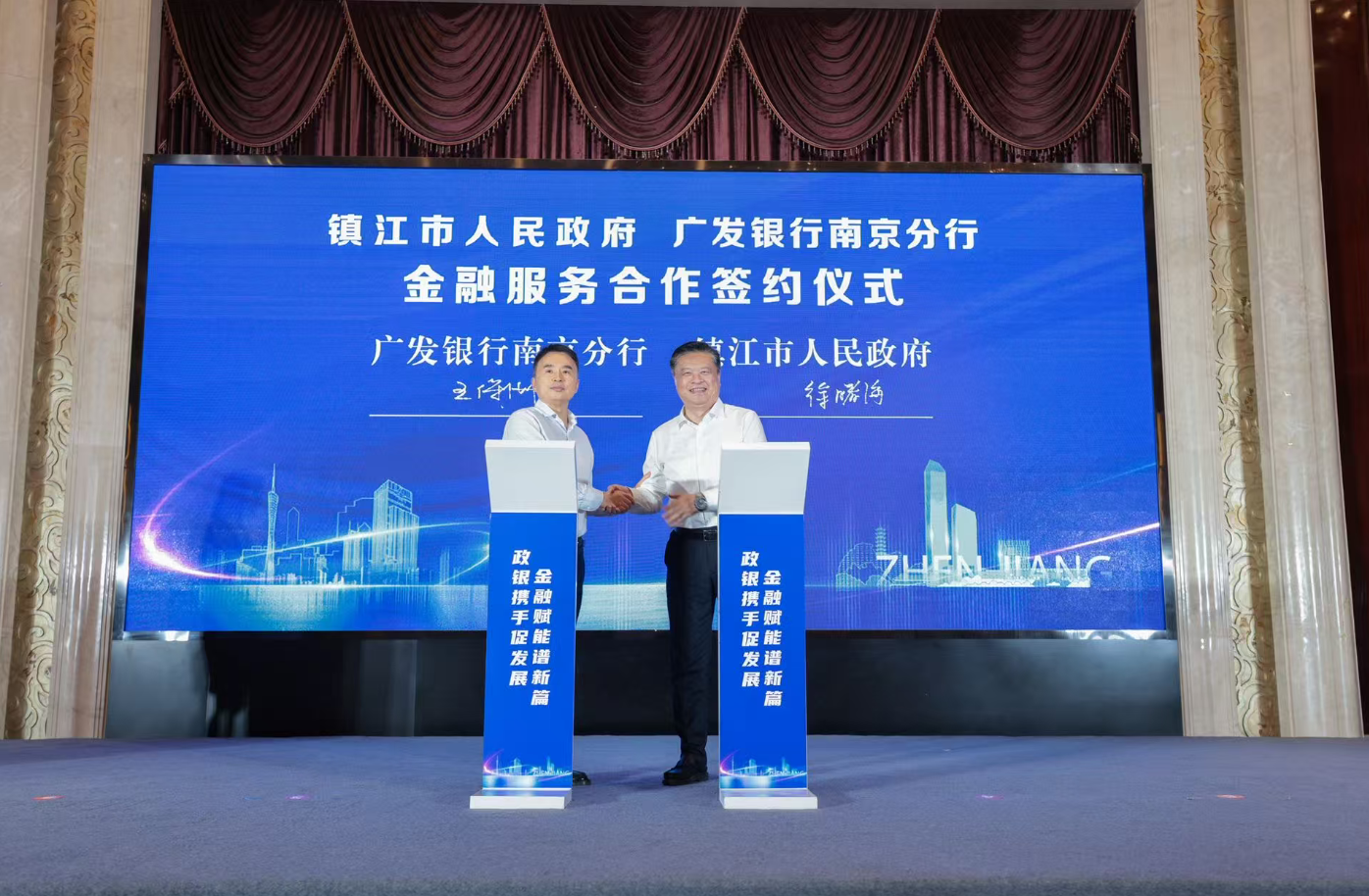
广发银行南京分行与镇江市人民政府签署金融服务合作协议
Jiang Nan Shi Bao· 2025-09-24 09:11
广发银行南京分行党委委员、副行长赵磊代表南京分行致辞,对镇江市政府长期以来的关心与支持表示感谢。赵磊表示,南京分行将以此次金融服务合作协 议的签署为契机,紧密围绕江苏省委省政府关于发展新质生产力、强化科技创新引领、推动产业转型升级、促进绿色低碳转型、构建区域协调发展新格局等 重点部署,与镇江市政府深化合作,引导更多优质金融资源汇聚镇江、服务镇江。 江南时报讯 9月23日,广发银行南京分行与镇江市政府签署金融服务合作协议。镇江市市长徐曙海,广发银行南京分行行长王保洲出席签约仪式。 镇江作为长三角重要的先进制造业基地和区域中心城市,历史悠久、文化厚重、产业兴盛、创新活跃、生态宜居。广发银行是经国务院批准最早设立的具有 央企背景的全国性股份制商业银行,2016年,中央金融企业中国人寿集团增持广发银行股份,成为广发银行单一最大股东,实现强强联合,战略互补。 作为广发银行在江苏的直属省级分行,广发银行南京分行将进一步发挥"银行+保险+投资"协同的综合金融优势和股份制银行的创新优势,做好金融"五篇大 文章",紧密围绕镇江市"四群八链"主导产业和"876"创新工程,精准支持民生项目、城市基建、实体产业与普惠金融发展,推动更 ...

摩洛哥汽车业与服务外包业过度依赖欧洲市场
Shang Wu Bu Wang Zhan· 2025-09-24 05:49
Core Insights - Morocco's economy is growing, but key industries like automotive and outsourcing face structural challenges due to over-reliance on the European market [1][2] - The Moroccan government is focusing on market diversification and accelerating industrial transformation to address these challenges [1] Automotive Industry - In 2024, Morocco's industrial exports are projected to reach nearly $40 billion, accounting for 88% of total exports, with the automotive sector contributing approximately $16 billion [1] - The automotive sector has created 200,000 jobs, but has seen a decline in exports, with a 12.7% year-on-year decrease from January to July, amounting to a loss of $510 million [1] - The EU's ban on fuel vehicle sales by 2035 is intensifying market pressures, prompting Morocco to accelerate its focus on electric vehicles and battery production [1] - The Moroccan Competition Council predicts a 40% growth in the automotive industry by 2027, with the African internal market expected to exceed $42 billion [1] Outsourcing Industry - The outsourcing sector is also facing challenges, particularly with France's new regulation banning unsolicited telemarketing calls, which could result in a revenue loss of $107 million and nearly 10,000 job reductions [2] - Currently, the outsourcing industry generates $1.8 billion in annual revenue and employs 90,000 people [2] - Economists emphasize the need for Morocco to strengthen local supply chains and enhance market diversification and localization capabilities to mitigate international risk impacts [2]
贵研铂业拟募12.9亿助创新转型 专注主业全年营收有望首超500亿
Chang Jiang Shang Bao· 2025-09-23 23:17
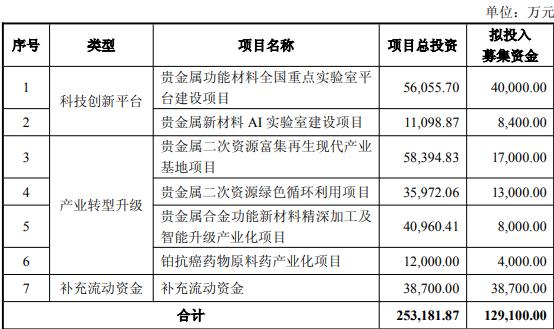
Core Viewpoint - Guizhou Platinum Industry (600459.SH) plans to raise up to 1.291 billion yuan through the capital market to accelerate technological innovation and transformation upgrades [1][2] Fundraising Details - The company intends to invest 480 million yuan in a "Technology Innovation Platform" project, accounting for approximately 37% of the total fundraising [1][2] - An additional 420 million yuan is earmarked for "Industrial Transformation and Upgrading" projects, representing about 33% of the total [1][3] - The remaining 387 million yuan will be used to supplement working capital [2] Project Breakdown - The "Technology Innovation Platform" project includes two sub-projects: the "National Key Laboratory Platform for Precious Metal Functional Materials" and the "AI Laboratory for New Precious Materials," with investments of 400 million yuan and 84 million yuan, respectively [2] - The "Industrial Transformation and Upgrading" project consists of four sub-projects, including the "Modern Industrial Base for Precious Metal Secondary Resource Enrichment and Regeneration," with total investments of 170 million yuan, 130 million yuan, 80 million yuan, and 40 million yuan [3] Financial Performance - Guizhou Platinum Industry's revenue has grown from 6.881 billion yuan in 2014 to 47.504 billion yuan in 2024, with a compound annual growth rate of 21.31% [4] - In the first half of 2025, the company achieved revenue of 29.554 billion yuan, a 20.91% increase from the same period last year [4][5] - The net profit for the first half of 2025 was 3.48 billion yuan, reflecting a 1.93% increase year-on-year [4] R&D Investment - In the first half of 2025, R&D expenses reached 149 million yuan, a year-on-year increase of 24.19%, aligning closely with revenue growth [6] - The company has established a comprehensive technology innovation system supported by multiple national and provincial innovation platforms [6] Dividend History - Since its listing, Guizhou Platinum Industry has distributed dividends 20 times, totaling 1.072 billion yuan [7]

天辰公司签署内蒙古化工企业焦炉煤气制LNG总承包合同
Zhong Guo Hua Gong Bao· 2025-09-23 03:14
Group 1 - Tianchen Company signed an EPC general contracting agreement for a project to produce 2.6 million tons of coke and utilize resources, with an initial phase of 1.3 million tons of coke and an LNG facility [1] - The collaboration between Tianchen Company and Shandong Energy Xinkun Group reflects a long-standing partnership and mutual trust, aiming to deepen cooperation in the energy and chemical sectors [1] - The project is significant for optimizing the regional energy structure and enhancing energy utilization efficiency, aligning with Shandong Energy Group's strategic mission of creating green energy and leading energy transformation [2] Group 2 - The project is crucial for the local coal industry in Inner Mongolia, expected to generate an annual output value of 3.5 billion yuan once fully operational [2] - The implementation of the project will promote the rational use of local coal resources, accelerate resource conversion, and extend the industrial chain, achieving a balance of economic, social, and environmental benefits [2]

贵研铂业拟定增募不超12.91亿 2023年初配股募18.54亿
Zhong Guo Jing Ji Wang· 2025-09-23 02:59
Core Viewpoint - The company Guiyan Platinum Industry (600459.SH) has announced a plan to issue A-shares to specific investors, aiming to raise up to 1.291 billion yuan for various projects, including technological innovation and working capital [1][2]. Group 1: Share Issuance Details - The share issuance will target no more than 35 specific investors, including qualified institutional and individual investors as defined by the China Securities Regulatory Commission (CSRC) [1]. - The issuance price will be set at no less than 80% of the average trading price over the 20 trading days prior to the pricing date [1]. - The total number of shares to be issued will not exceed 30% of the total share capital before the issuance, amounting to a maximum of 227,942,137 shares [2]. Group 2: Fund Utilization - The total amount to be raised from this issuance is capped at 1.291 billion yuan, which will be allocated to several projects, including: - Construction of a key laboratory for precious metal functional materials (40 million yuan) - Establishment of an AI laboratory for new precious metal materials (8.4 million yuan) - Development of a modern industrial base for the recycling of secondary resources (17 million yuan) - Green recycling project for secondary resources (13 million yuan) - Deep processing and intelligent upgrading of new alloy functional materials (8 million yuan) - Industrialization of platinum-based anticancer drug raw materials (4 million yuan) - Supplementing working capital (38.7 million yuan) [2][3]. Group 3: Shareholder Structure - As of the announcement date, Yun Investment Group holds 38.60% of the company's shares, making it the controlling shareholder, with the Yunnan Provincial State-owned Assets Supervision and Administration Commission as the actual controller [4]. - The planned issuance is not expected to change the company's control structure [4]. Group 4: Previous Fundraising Activities - In December 2022, the company successfully raised approximately 1.853 billion yuan through a rights issue, with a subscription of 169,910,810 shares at a price of 10.91 yuan per share [4][5]. - The net amount raised after deducting issuance costs was approximately 1.830 billion yuan [4]. Group 5: Financial Performance - For the first half of 2023, the company reported a revenue of 29.554 billion yuan, representing a year-on-year increase of 20.91% [6][7]. - The net profit attributable to shareholders was 3.248 billion yuan, reflecting a growth of 2.30% compared to the previous year [6][7]. - The net cash flow from operating activities was 1.095 billion yuan [6][7].
实探第三届全国技能大赛:前沿技术赛项占比过半 企业现场“抢人”
Zheng Quan Ri Bao· 2025-09-22 17:20
Group 1 - The competition showcased 106 events across over 30 sectors of the national economy, with more than 50% of the events focusing on smart manufacturing, high-end equipment, digital technology, and new energy [2] - The newly added events, such as shield tunneling technology and industrial vision system operation, reflect the alignment with China's technological advancements [2] - The industrial robot installation in China accounts for over 50% of the global total, highlighting the country's significant role in industrial transformation [2] Group 2 - A total of 128 companies supported the competition by providing equipment, technical personnel, and event services, indicating strong corporate interest in skill development [3] - Companies like Zhengzhou Jiean High-tech Co., Ltd. have been consistently providing technical support for multiple events, showcasing their commitment to skill enhancement [3] - Many companies expressed a strong desire to recruit outstanding participants from the competition, indicating a direct link between skill competitions and employment opportunities [4] Group 3 - The development of skilled talent is crucial for supporting China's manufacturing sector, necessitating a robust talent cultivation system underpinned by policy guidance [5] - The State Council's recent guidelines aim to enhance vocational skills training, targeting 30 million training sessions by 2027 to address skill shortages in manufacturing and service industries [6] - The "Skills Illuminate the Future" initiative emphasizes the importance of improving training quality and expanding training scale to support the construction of a skilled workforce [6]
昆明产业转型升级实现新突破
Sou Hu Cai Jing· 2025-09-21 22:54
Core Insights - Kunming is focusing on industrial strength, trade prosperity, tourism development, and financial vitality to enhance new productivity and drive industrial transformation [1][2] - In the first half of the year, Kunming's GDP grew by 4.4%, with industrial added value increasing by 7.4% and emerging industries' added value rising by 11% [1] Group 1: Economic Performance - Kunming's industrial transformation emphasizes high-end, intelligent, and green development, with traditional industries like chemicals and metallurgy reaching a scale of over 100 billion [1] - The added value of emerging industries accounted for 27.4% of Kunming's industrial total in the first half of the year, indicating a shift towards a multi-support and diversified industrial cluster [1] Group 2: Investment and Development - In the first half of the year, Kunming signed 142 projects worth over 100 million, a year-on-year increase of 91.9%, attracting 46.44 billion yuan in external investment [1] - The city is focusing on eight key industrial chains, including green food, biomedicine, and high-end equipment manufacturing, to enhance investment attraction and chain strengthening [2] Group 3: Strategic Focus - Kunming aims to maintain a strong focus on industrial development, leveraging national and provincial manufacturing clusters to promote industries like rare metals and new energy batteries [2]
上半年新兴产业增加值增长11% 昆明产业转型升级实现新突破
Jing Ji Ri Bao· 2025-09-21 22:05
Core Viewpoint - Kunming is focusing on industrial strength, trade prosperity, tourism development, and financial vitality to promote industrial transformation and upgrade, achieving a GDP growth of 4.4% in the first half of the year [1] Group 1: Economic Performance - Kunming's GDP grew by 4.4% in the first half of the year, with industrial added value increasing by 7.4% and emerging industries' added value rising by 11% [1] - The proportion of emerging industries' added value in Kunming's industrial sector increased to 27.4% [1] Group 2: Industrial Development - Kunming is accelerating the transformation of traditional industries towards high-end, intelligent, and green development, while also fostering emerging and future industries [1] - Key traditional industries such as chemicals and metallurgy are being upgraded to reach a scale of 100 billion yuan, while digital economy and biomedicine are also targeting the same scale [1] Group 3: Investment and Projects - In the first half of the year, Kunming signed 142 projects worth over 100 million yuan, marking a 91.9% year-on-year increase, and attracted 46.44 billion yuan in funds from outside the province [1] - The establishment of a "customer database" and "project database" for targeted investment promotion is part of Kunming's strategy to enhance investment effectiveness [2] Group 4: Key Industry Chains - Kunming has developed eight key industry chains, including green food, biomedicine, high-end equipment, and digital economy, focusing on strengthening and expanding these chains [2] - The city aims to consolidate its industrial economy by promoting the integration of industries such as rare and precious metals, new energy batteries, and intelligent terminals [2]
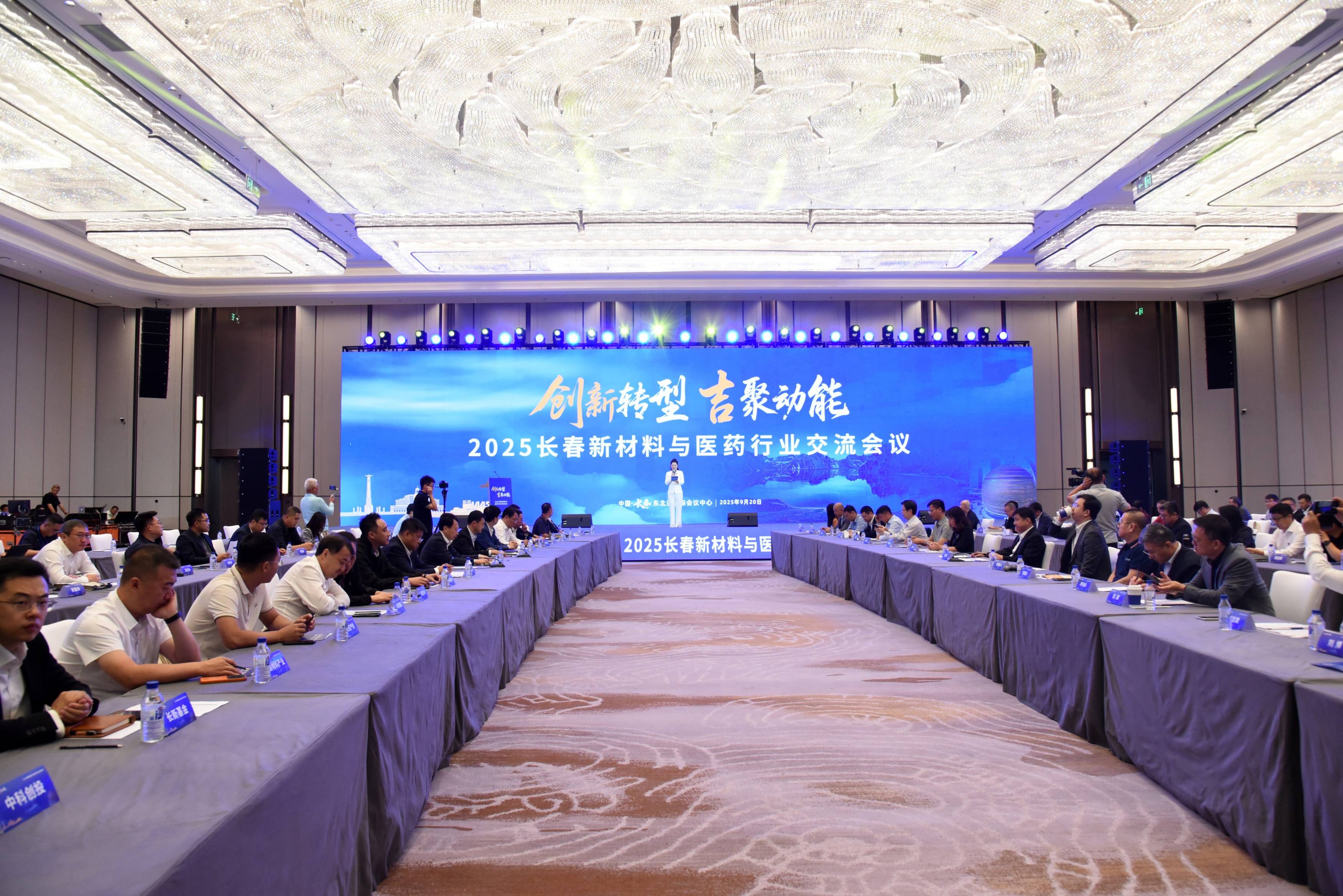
北国春城 “吉”聚动能!政媒企联动共探新材料与医药产业发展新机遇
Sou Hu Cai Jing· 2025-09-21 04:26
Core Viewpoint - The "2025 Changchun New Materials and Pharmaceutical Industry Exchange Conference" held in Changchun aims to explore new cooperation opportunities and innovative development paths in the context of global technological innovation and industrial transformation [4][5]. Group 1: Event Overview - The conference was organized by the China Investment Association, Shanghai Securities Journal, and the Changchun New Area Management Committee, gathering over a hundred executives from listed companies, strong enterprises, financial institutions, and experts from renowned universities [4]. - The event included site visits and in-depth discussions to foster collaboration among participants [4]. Group 2: Industry Development - New materials and biomedicine are recognized as strategic emerging industries that drive high-quality economic development [4]. - Changchun, as a significant old industrial base in China, has shown strong growth in biomedicine, chemical new materials, and advanced equipment manufacturing [4][5]. Group 3: Economic Performance - In the first half of the year, Changchun New Area's GDP grew by 6.4%, and the industrial added value increased by 9.7%, with the pharmaceutical and optical information industries growing by 16.5% and 15.4%, respectively [5]. - The pharmaceutical health industry in Changchun New Area has surpassed a scale of 50 billion yuan [32]. Group 4: Government and Institutional Support - The Changchun municipal government is committed to integrating into the provincial industrial development framework and promoting the construction of the Yongchun Biomedical City and Beihu Future Science City [8]. - The Shanghai Securities Journal aims to leverage its resources to support the development of Changchun New Area, focusing on industry chain investment and collaboration [25]. Group 5: Innovation and Collaboration - The conference highlighted the importance of integrating innovation chains, industry chains, and capital chains to promote technological breakthroughs and collaborative innovation ecosystems [28]. - Various representatives expressed their willingness to collaborate in areas such as pharmaceutical research and development, production, and new materials applications [39][42].