
人工智能(AI)

Search documents
iPod拿到“复活剧本”:跳出播放器定位,AI将成为最大亮点
3 6 Ke· 2026-02-04 09:30
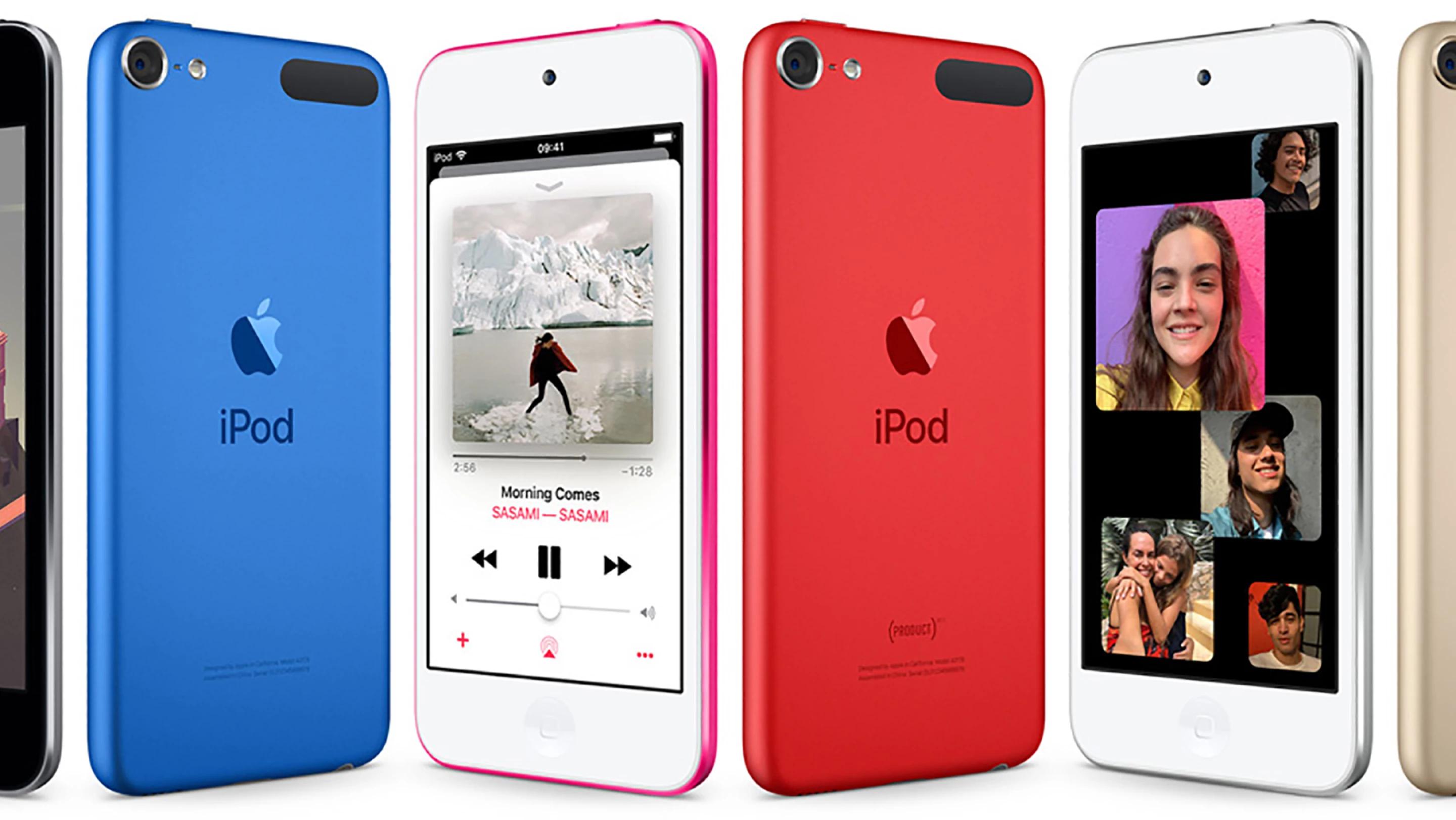
2007年发布的iPhone,彻底改变了手机行业,也将苹果一度推上了神坛。其实,在iPhone诞生之前,苹果已经拥有了封神之作——iPod,一款对音乐播放器 和整个音乐行业产生过颠覆性影响的设备。只是,苹果最后一款iPod产品iPod touch 7发布于2019年,并于2022年停产,至此,iPod完全淡出了我们的视野。 对绝大部分人来说,智能手机时代,不再需要一台音乐播放器。 (图源:苹果) (图源:苹果) 但有人不这么看,而且此人正是「iPod之父」。近日,据Business Insider报道,在一次播客采访中,iPod创建者托尼·法德尔(Tony Fadell)称,苹果是时 候复活iPod了。而且,对于新款iPod的形态,托尼·法德尔还发表了自己的一些看法,包括在AirPods中内置iPod。 坦白说,在音乐播放器已经完全沦为小众产品的今天,贸然复活iPod产品线未必是明智之举。但是,如果在AI硬件大行其道的当下,用AI技术为iPod赋予新 的使命,让iPod以全新的身份重新归来,那么这个构想还真不一定是天方夜谭。毕竟,更早些时候,就有爆料称苹果正在暗中谋划一款类似于AI PIN的产 品。 在小雷看 ...


国际观察|对AI,世界顶尖科学家怎么看
Xin Hua She· 2026-02-04 08:03
Core Viewpoint - The World Summit of Top Scientists highlighted that AI is a powerful tool that enhances human capabilities in scientific research and economic structures, rather than replacing humans. Governance rules regarding safety and ethics are essential for its healthy development [1][3]. Group 1: AI in Scientific Research - AI has become an indispensable assistant for scientists, with significant involvement in research activities, as noted by Nobel laureate Michael Levitt, who stated that AI now participates in about 90% of his research work [1][2]. - AI accelerates the trial-and-error process in scientific research, reducing costs and time, exemplified by the AI tool "AlphaFold," which can determine protein structures in minutes instead of years [2]. - The integration of AI across disciplines is fostering collaboration in fields such as biology, physics, and chemistry, enhancing the potential for innovative research outcomes [2]. Group 2: Economic Impact of AI - Concerns about AI leading to job losses are addressed by economist Christopher Pissarides, who argues that AI will change work methods rather than eliminate jobs, potentially leading to new industries and roles [3]. - Historical patterns suggest that technological advancements, including AI, typically result in structural adjustments within companies rather than widespread unemployment, as employees can leverage AI to improve productivity [3]. Group 3: Governance and Ethical Considerations - The potential risks associated with AI necessitate proper governance, with scientists emphasizing the importance of ethical standards and safety mechanisms to ensure long-term development [4]. - AI's capabilities pose challenges to social governance and ethical frameworks, as highlighted by experts who warn of the risks associated with granting AI higher levels of decision-making autonomy [4]. - There is a call for increased investment in technology innovation and for companies and employees to adapt to new working methods to fully harness AI's potential [4].
英伟达芯片对华出口是否获批仍悬而未决,美国国务院被曝正推动更严格限制措施
Guan Cha Zhe Wang· 2026-02-04 07:10
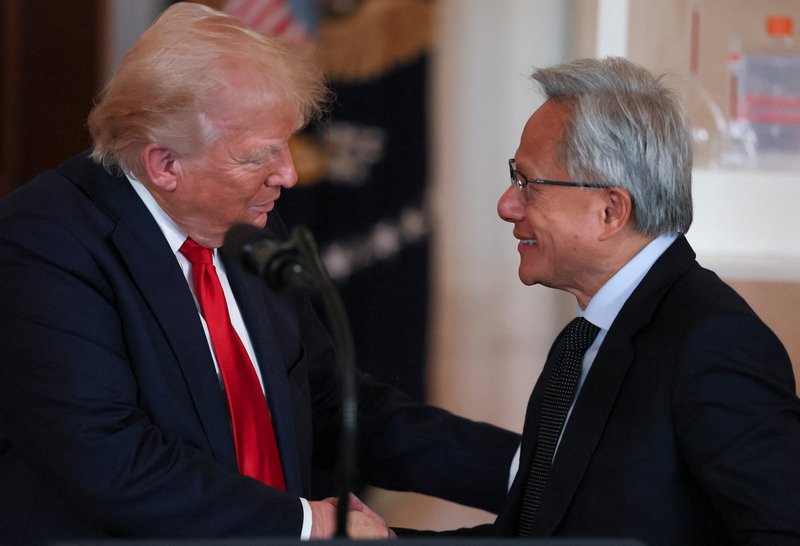
美国国务院的这种立场,让英伟达感到沮丧。"国务院让事情变得非常困难。"一名知情人士说道。 炒股就看金麒麟分析师研报,权威,专业,及时,全面,助您挖掘潜力主题机会! 【文/观察者网 熊超然】去年12月,英伟达创始人兼首席执行官黄仁勋与美国总统特朗普达成一项突破性协议, 这让外界对于该公司即将重返黄仁勋口中"年规模可达500亿美元"的中国市场重燃希望。 然而,英国《金融时报》2月4日援引知情人士报道称,尽管特朗普已批准出口,但英伟达对华销售H200人工智能 (AI)芯片的最终批准事宜仍悬而未决。时间已过近两个月,美国政府仍然正在进行所谓的"国家安全审查",之 后才会向中国客户发放许可证。 今年1月,美国商务部曾发布了一项规定,放宽了对H200芯片出口到中国的限制,但要求美国国务院、国防部和 能源部对所有许可证进行审查。一名知情人士称,美国商务部已完成其分析评估,但几名了解跨部门讨论的人士 披露,美国国务院正推动更严格的限制措施,宣称此举是为了"让中国更难以利用H200芯片损害美国国家安全"。 与此同时,知情人士还透露,在是否能够获得许可证以及许可证将附带何种条件尚不明确之前,中国客户并未向 英伟达的H200芯片下 ...

融合“北大底蕴”与“平安特色” 探索中国式健康管理新路径
Jin Rong Shi Bao· 2026-02-04 05:32
随着人口结构变化、疾病谱系变迁以及民众对健康品质需求的不断提升,单纯以疾病治疗为中心的 医疗模式已不能满足多元化的健康需求。社会办医作为公立医疗服务体系的重要补充,在这场变革中扮 演着愈发关键的角色。其中,由保险资本主导的医疗集团,因其独特的资源禀赋与商业模式,被视为重 塑产业格局的重要变量。 北大医疗作为这一领域的先行者与代表性机构,具有双重基因:一是源自北京大学医学部逾百年的 深厚学术底蕴、严谨医风与顶尖人才体系,这是其医疗品质的压舱石;二是来自中国平安集团的综合金 融资源、科技创新能力与庞大客户生态,这是其模式创新的推进器。两种不同的基因如何真正融合?险 资办医如何平衡医疗本质与市场逻辑?在医疗健康产业变革的十字路口,北大医疗如何走出一条可持续 的创新之路?针对上述问题,近日,《金融时报》记者对北大医疗董事长、平安健康险董事长兼首席执 行官朱友刚进行了专访。 《金融时报》记者:北大医疗所实践的"保险+医疗"模式,最根本的优势与核心的挑战是什么?在 实践中,北大医疗如何用好"北大底蕴"与"平安特色"? 朱友刚:首先谈优势。险资办医,尤其是背靠大型综合金融集团办医,核心优势在于两个方面。一 是构建"支付+服 ...

《中关村对话·AI迎春夜》嘉宾全阵容公布,今晚19点踏上一场与AI共赴春天的旅程
Xin Lang Cai Jing· 2026-02-04 03:35
超强阵容集结完毕!今天19:00-22:00,锁定央视频新媒体矩阵,来《中关村对话·AI迎春夜》,与学 术泰斗、企业领袖、青年开发者、转型先锋、跨代用户,踏上一场与AI共赴春天的旅程。 A 山春夜 F 场与AI 2 3 3 ---------- 2月4日19:00-22:00 央视频新媒体矩阵播出 野佳用 第 HIST as 酸 樓 张桥峰 家 吗 日 anala Relation Production Production College College College College College College College College College Corporation Comment Comment 陈建宁 炸师哲 只 法 大 提 大 更 下 。 。 同點疑 澳 李晓兵 作出版社會出版社 ## 200 Son 生育| 洋血糖果 th 提 有 用 张昱轩 A 上張護 官网站上 起开育 网 # 时纪过 责任编辑:梁斌 SF055 超强阵容集结完毕!今天19:00-22:00,锁定央视频新媒体矩阵,来《中关村对话·AI迎春夜》,与学 术泰斗、企业领袖、青年开发者、转型先锋、跨代用户,踏上一场与 ...


100万颗卫星!马斯克要在太空做什么?
Huan Qiu Wang· 2026-02-04 03:13
Core Viewpoint - SpaceX, led by Elon Musk, has submitted an application to the FCC to deploy a system of up to 1 million satellites in low Earth orbit to create an orbital data center network aimed at supporting AI and high-performance computing needs [1][3]. Group 1: Satellite Deployment and Technology - The proposed satellites will operate at altitudes between 500 to 2000 kilometers, powered by solar energy, and will communicate with each other via lasers and with SpaceX's Starlink satellite internet to ensure high-speed data transmission [1][3]. - The feasibility of deploying 1 million satellites is questioned, as there are currently about 15,000 satellites in orbit globally, making such a large-scale deployment seem unlikely [3][5]. Group 2: Challenges and Considerations - The success of this satellite deployment heavily relies on SpaceX's development of the next-generation reusable heavy-lift rocket, Starship, which is expected to be operational this year [5]. - Experts highlight multiple challenges, including satellite operation and maintenance, orbital congestion, space debris risks, and regulatory scrutiny, which complicate the large-scale deployment of satellites [5][7]. - There are significant unresolved issues regarding the energy supply for the data centers, the required area for solar panels, heat dissipation for numerous chips, and the impact of cosmic radiation on chips and computing [5][7]. Group 3: Strategic Moves and Financial Aspects - SpaceX has acquired xAI, an AI startup also owned by Musk, to integrate innovative resources across AI, rockets, and space internet sectors, which is aimed at more effectively building the orbital data center [7]. - SpaceX's main business includes the manufacturing and launching of rockets and satellites, while xAI operates the chatbot Grok and is expected to complete its integration with the social platform X by 2025 [7]. - Musk plans to push for SpaceX's initial public offering (IPO) in mid-June, with an expected fundraising of up to $50 billion, which could represent a significant funding pathway for the company [7].
马斯克申请部署100万颗卫星
Jing Ji Guan Cha Wang· 2026-02-04 02:48
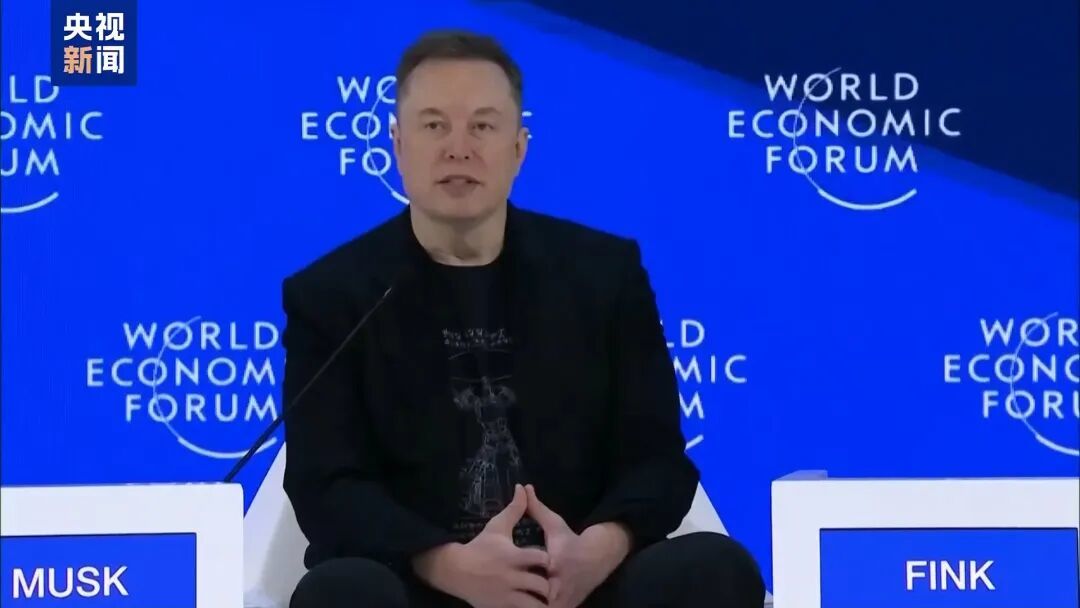
根据太空探索技术公司提交的申请文件,这些卫星计划在约500至2000公里高度的近地轨道运行,依靠 太阳能供电,主要通过激光进行相互之间通信以及与该公司旗下"星链"卫星互联网的连接,以确保数据 高速传输。这样能降低运营和维护成本,减少传统地面数据中心在能源消耗和环境方面的压力。 不过,有数据显示,目前全球各国发射的在轨卫星共计约1.5万颗,太空探索技术公司提出的100万颗的 目标远超这一数字,因此实现这一量级部署的可能性并不大。 经济观察网据央视网,美国企业家埃隆.马斯克旗下的太空探索技术公司(SpaceX)日前向美联邦通信委 员会提交申请,拟在近地轨道部署由多达100万颗卫星组成的系统,构建轨道数据中心网络,以支持人 工智能(AI)等高性能计算需求。 ...
这些芯片,继续涨价
半导体行业观察· 2026-02-04 01:38
Group 1: Memory Market Insights - The general manager of Winbond, Chen Peiming, announced that prices are expected to continue rising, with contract prices for this and next season maintaining similar increases as Q4 of last year [2] - Despite rising prices, demand remains strong, with customers eager to secure production capacity, leading to full bookings for both existing and new capacities through 2027 [2] - The memory market is described as "very good," with Winbond planning to increase prices quarterly while customers are willing to accept these increases [2] Group 2: DRAM and Flash Memory Production - Winbond is expanding production capacity at its Kaohsiung facility, with DRAM installations expected to begin in mid-June, while Flash memory installations will start even earlier [2] - There is a significant supply shortage in DDR4, prompting some customers to downgrade to DDR3, but Winbond aims to maximize output, particularly focusing on the growth potential of LPDDR4 [2] Group 3: Passive Components Price Trends - Passive components, including MLCCs, are experiencing price increases, with recent adjustments in the Chinese market showing price hikes of up to 20% [3] - Major Taiwanese manufacturers like Yageo and Walsin are expected to follow suit with price increases in their contract prices due to the overall upward trend in passive component pricing [3][4] Group 4: Market Dynamics for Passive Components - The demand for tantalum capacitors has surged due to their adoption in high-end AI servers, leading to significant price increases of 20-30% for large-sized polymer tantalum capacitors [4][5] - The increasing use of MLCCs is attributed to their small size and reliability, making them essential in high-density AI server applications [4] Group 5: Financial Outlook for Key Players - Yageo's revenue from tantalum capacitors is approximately 18-22%, with MLCCs contributing 18-20% to its revenue, indicating a diversified product line benefiting from current market trends [5] - Japanese companies Murata and TDK have also reported positive financial forecasts, with Murata's order-to-shipment ratio exceeding 1 for five consecutive quarters, indicating strong demand [5][6]
双轨战略+AI布局加持,沃尔玛市值首破万亿美元大关,十年股价累涨468%
Jin Rong Jie· 2026-02-04 00:58
来源:环球市场播报 美国当地时间周二,零售行业迎来历史性时刻——全球零售巨头沃尔玛(Walmart)市值成功突破1万亿 美元,成为全球首家达成这一里程碑的零售商,正式跻身英伟达、谷歌母公司Alphabet等科技巨头之 列,书写了零售领域的新辉煌。 在业务拓展方面,沃尔玛过去五年动作频频。它大力扩充线上商品数量,如今已逾5亿件;推出一小时 送达服务,极大提升了消费者的购物体验;创建Walmart +会员服务,与亚马逊的Prime展开激烈竞争; 还打造出规模达40亿美元的广告业务,有效提升了利润率。 不仅如此,沃尔玛在科技领域也早早布局,大举押注人工智能(AI)。它在供应链自动化上投入数十 亿美元,这些投入带来了显著成效:商品新鲜度得以提升,配送速度加快,库存预测和商品搜索能力增 强。凭借这些优势,沃尔玛在运营端占据领先地位,已连续15个季度超越LSEG整理的美国同店销售市 场预估。 当下,消费者日益倾向于线上采购食品杂货,而投资者对沃尔玛在AI领域的投资持乐观预期,这一预 期进一步推高了沃尔玛的股价,助力其市值突破万亿美元大关。未来,沃尔玛能否凭借现有优势继续领 跑零售行业,值得市场持续关注。 从股价表现来看, ...

沃尔玛跻身万亿美元市值俱乐部 为首家达成此成就的零售商 过去十年间股价累计上涨468%
Xin Lang Cai Jing· 2026-02-04 00:17
Core Insights - Walmart has become the first retailer globally to surpass a market capitalization of $1 trillion, joining the ranks of tech giants like Nvidia and Alphabet [1] - The company's stock price has increased nearly 26% over the past year, contributing to a total stock price rise of 468% over the last decade, significantly outperforming the S&P 500's 264% increase [1] - Walmart's dual strategy of attracting both high-income consumers seeking quality and convenience, while retaining its core low-income customer base, has been pivotal to its success [1] Business Strategy - Over the past five years, Walmart has expanded its online product offerings to over 500 million items and introduced a one-hour delivery service [1] - The launch of the Walmart+ membership service aims to compete with Amazon's Prime, while the company has developed a $4 billion advertising business to enhance profit margins [1] - Walmart has made significant investments in artificial intelligence (AI) for supply chain automation, focusing on improving product freshness, speeding up delivery, and enhancing inventory forecasting and product search capabilities [1] Market Performance - Walmart has consistently outperformed market expectations, surpassing LSEG's estimates for same-store sales for 15 consecutive quarters [1] - The shift of consumers towards online grocery shopping has led to increased investor optimism regarding Walmart's AI investments, further boosting its stock price [1]