
生物制造

Search documents
医药生物板块分化加剧 三大投资主线机遇凸显
Zhong Guo Zheng Quan Bao· 2025-12-08 20:27
Core Viewpoint - The pharmaceutical and biotechnology sector has shown resilience and growth potential in 2023, driven by policy support and industry transformation, with a clear focus on innovation and cost control shaping the industry landscape [1][5]. Industry Performance - The pharmaceutical and biotechnology sector has achieved a weighted average increase of 30.64% in market capitalization as of December 8, 2023, ranking 14th among 31 primary industries, but underperforming the CSI 300 index by 3.82 percentage points [1]. - The sector has exhibited significant internal differentiation, with innovation-driven segments outperforming others, such as biopharmaceuticals and medical R&D outsourcing, which saw increases of 57.07%, 54.68%, and 51.87% respectively, while traditional segments like traditional Chinese medicine and vaccines lagged behind [2]. Key Factors for Growth - The strong performance of the innovative drug industry chain is attributed to four core factors: exceeding expectations in earnings from leading companies like BeiGene and WuXi AppTec, continuous implementation of supportive policies, increased activity in domestic innovative drug business development (BD) transactions, and substantial clinical data disclosures at global academic conferences [2][3]. Financial Metrics - For the first three quarters of 2023, the pharmaceutical and biotechnology sector reported total revenue of 18,461.96 billion yuan, a year-on-year decrease of 1.27%, while net profit attributable to shareholders was 1,410.97 billion yuan, down 1.63%. However, the third quarter showed signs of recovery with a revenue increase of 1.21% and a net profit increase of 3.79% [4]. Policy Support - The "14th Five-Year Plan" emphasizes support for innovative drugs and medical devices, transitioning from process optimization to comprehensive empowerment across the industry chain, with a focus on key technological breakthroughs in areas such as dual antibodies, ADCs, and digital medicine [5]. Investment Opportunities - Three main investment themes are highlighted: 1. The innovative drug sector, which is expected to be the strongest investment theme due to policy support and market expansion [6]. 2. The CXO sector, benefiting from improved demand for innovative drug development and showing significant performance improvements [6]. 3. Consumer healthcare companies, which are anticipated to see a recovery in demand and performance due to supportive policies [6]. Technological Integration - The integration of AI technology into the biopharmaceutical industry is expected to enhance research efficiency and product development, with AI applications improving diagnostic processes and overall healthcare delivery [7].
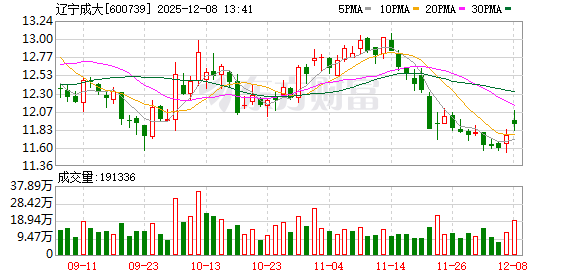
辽宁成大董事长徐飚:科技创新与新质生产力是企业发展核心依托
2 1 Shi Ji Jing Ji Bao Dao· 2025-12-08 05:41
Group 1 - The core viewpoint of the article emphasizes the importance of technological innovation and new quality productivity for corporate development, as highlighted by the chairman of Liaoning Chengda during the Southern Finance Forum [2] - The global technological revolution and industrial transformation are accelerating, with technology innovation becoming a key factor influencing industrial patterns, particularly in areas like AI and biomanufacturing [2] - Traditional enterprises are increasingly transitioning towards technology-driven and innovative models, with many companies adjusting their strategies to focus on innovation in response to market changes [2] Group 2 - Liaoning Chengda, originally a textile import and export company, has shifted its strategic focus towards the technology sector, particularly in biomedicine, which is now a core development area for the company [2][3] - The biopharmaceutical industry in China is transitioning from "copying and following" to independent innovation, with the country gaining a competitive advantage in drug discovery and clinical trial processes [3] - Liaoning Chengda is implementing a "subtraction and focus" strategy to concentrate resources on core areas, gradually exiting non-core businesses and reallocating resources towards high-tech sectors like chips and semiconductors [3]


广东“十五五”规划建议:加快战略性新兴产业集群发展
2 1 Shi Ji Jing Ji Bao Dao· 2025-12-08 03:42
Core Viewpoint - The Guangdong Provincial Committee of the Communist Party of China has released recommendations for the 15th Five-Year Plan, emphasizing the cultivation and expansion of emerging and future industries [1] Group 1: Emerging Industries - Focus on developing strategic emerging industries such as new energy, new materials, commercial aerospace, and low-altitude economy [1] - Strengthening key industries including new energy vehicles, integrated circuits, new energy storage, pharmaceuticals and medical devices, drones, and unmanned ships [1] Group 2: Future Industries - Forward-looking layout for future industries, exploring diverse technological routes, typical application scenarios, feasible business models, and market regulatory rules [1] - Promoting quantum technology, biomanufacturing, hydrogen energy, nuclear fusion energy, brain-computer interfaces, embodied intelligence, and sixth-generation mobile communication as new economic growth points [1] Group 3: Support for SMEs - Encouraging the specialized and innovative development of small and medium-sized enterprises (SMEs) and nurturing "gazelle" and "unicorn" companies [1] - Strengthening institutional support for new tracks and fields, exploring the establishment of "Science and Technology Innovation Special Zones," and implementing inclusive and prudent regulation [1] - Accelerating the cultivation of new products, technologies, and business formats [1]
广东“十五五”规划建议:加快新能源、新材料、商业航天、低空经济等战略性新兴产业集群发展
Zheng Quan Shi Bao Wang· 2025-12-07 23:37
Core Viewpoint - The Guangdong Provincial Government is focusing on cultivating and expanding emerging and future industries as part of its 15th Five-Year Plan, emphasizing innovation and strategic industry clusters [1] Group 1: Emerging Industries - The plan aims to develop strategic emerging industry clusters, including new energy, new materials, commercial aerospace, and low-altitude economy [1] - Key industries identified for strengthening include new energy vehicles, integrated circuits, new energy storage, pharmaceuticals and medical devices, drones, and unmanned ships [1] Group 2: Future Industries - The government is looking to proactively layout future industries by exploring diverse technological routes, typical application scenarios, feasible business models, and market regulatory rules [1] - New economic growth points are expected to emerge from advancements in quantum technology, biomanufacturing, hydrogen energy, nuclear fusion energy, brain-computer interfaces, embodied intelligence, and sixth-generation mobile communication [1] Group 3: Support for SMEs - There is a focus on promoting the development of specialized, innovative small and medium-sized enterprises (SMEs) and nurturing "gazelle" and "unicorn" companies [1] - The plan includes strengthening institutional support for new tracks and fields, exploring the establishment of "special zones for scientific innovation," and implementing inclusive and prudent regulation to accelerate the development of new products, technologies, and business formats [1]
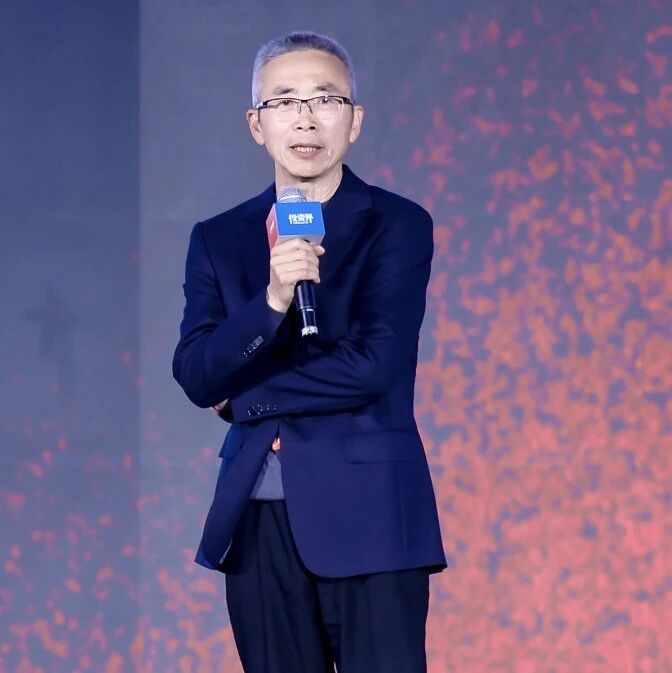
招银国际周可祥:中国创新药迎来爆发时代
投资界· 2025-12-07 07:26
Core Insights - The article emphasizes that the Chinese innovative drug industry has significantly improved its systemic capabilities, leading to explosive growth in overseas business, with a transaction scale reaching approximately $100 billion in the first three quarters of 2025, including upfront payments of $5 billion [3][4] - The market is being activated by a series of major transactions, with companies like Kangfang Biotech, Hengrui Medicine, and Kelun Pharmaceutical making significant moves, resulting in a frenzied atmosphere in the Hong Kong IPO market [3][4] Innovative Drug Sector - China's innovative drug industry has a competitive edge over the U.S. in terms of R&D efficiency, costs, and clinical research, supported by a large clinical patient population and unique regulatory advantages [4] - The article draws parallels between the innovative drug sector and the semiconductor industry, suggesting that as traditional innovation approaches its limits, new technologies like dual antibodies and ADCs will become the core of innovation, leveraging China's industrial advantages [5] - Key factors for investment in innovative drugs include innovation, speed, and positioning, with companies needing to develop unique drug candidates or dominate specific niches to achieve profitability [6] Challenges in the Innovative Drug Market - Despite having the capability to develop original innovative drugs, the Chinese market is limited, leading companies to rely on overseas expansion, with only 3% of the global innovative drug market size compared to the U.S. [6][7] - Chinese innovative drug companies face challenges in late-stage clinical research capabilities and global commercialization, which are critical for competing in high-value markets like the U.S. [7][8] Biomanufacturing Sector - The biomanufacturing sector faces complexities, particularly in product selection, where over 90% of companies fail due to poor choices [9] - Successful biomanufacturing requires a focus on cost control, engineering capabilities, and commercial value, with a strong emphasis on collaboration among scientists, industry experts, and project managers [10][11] - The market size is crucial for biomanufacturing companies, as only those targeting trillion-level markets can potentially develop into leading enterprises [10] Investment Considerations - The article suggests that investment in innovative drugs and biomanufacturing should align with national strategies and market demands, emphasizing the importance of selecting companies that can create real value [11][12] - Investors should focus on identifying entrepreneurs with ambitious goals and the potential to lead in their fields, as well as being open to disruptive business models [13][14] - The investment landscape is characterized by a need for precision in selecting companies with core competitive advantages, as the barriers to entry are low but the potential for high returns is significant [14]
广西“十五五”规划建议:全力打造制造业十大现代化支柱产业
Zheng Quan Shi Bao Wang· 2025-12-07 01:53
Core Viewpoint - The Guangxi Zhuang Autonomous Region aims to establish ten modern pillar industries in manufacturing as part of its 15th Five-Year Plan, focusing on enhancing industrial strength and creating trillion-yuan industrial clusters [1] Group 1: Key Industries - The plan emphasizes upgrading industries such as non-ferrous metals and key metal materials, advanced steel materials, modern green chemicals, artificial intelligence and next-generation information technology, high-end equipment manufacturing, new energy vehicles and batteries, food processing, forestry products and paper, biomedicine and health, and green building materials [1] - The goal is to create new trillion-yuan industrial clusters and add several hundred-billion-yuan industries [1] Group 2: Strategic Actions - The region will implement actions to strengthen and extend the supply chain of key advantageous industries, cultivate advanced manufacturing clusters, and promote large-scale equipment upgrades [1] - Development initiatives will focus on intelligent manufacturing, green manufacturing, and service-oriented manufacturing, aiming to establish a high-end brand "Guangxi Intelligent Manufacturing" [1] Group 3: Ecosystem and Innovation - The plan includes the establishment of a comprehensive experimental zone for high-quality development of key metals in Nandan and the creation of a national advanced manufacturing cluster for key metals [1] - There will be efforts to improve the industrial ecosystem, promote venture capital, and implement a strategic emerging industry doubling plan, along with the establishment of future industry incubators and pilot zones [1] - The initiative aims to foster the development of specialized, innovative small and medium-sized enterprises and cultivate unicorn companies [1]
七年蝶变,从光明科学城看深圳科创的厚积薄发
Nan Fang Du Shi Bao· 2025-12-05 15:53
Core Insights - China's innovative drugs, new energy vehicles, and AI electronic products have emerged as the new three major export items, with innovative drug licensing output reaching $93.7 billion in the first three quarters of 2025, accounting for nearly 40% of the global total, reflecting the strong momentum of China's high-quality development [1][24]. Group 1: Major Technological Achievements - The launch of the National Bio-Manufacturing Industry Innovation Center, led by the Shenzhen Institute of Advanced Technology, marks China's only national-level innovation platform in the bio-manufacturing sector, focusing on green low-carbon, bio-agriculture, and medical health [3]. - The completion of the second phase of the Seventh Affiliated Hospital of Sun Yat-sen University in Shenzhen, a modern hospital designed with a patient-centered approach, aims to enhance healthcare innovation in the region [5]. - The Shenzhen Science and Technology Innovation Fund officially commenced operations, aiming to support original innovation and technology breakthroughs through early-stage investments [7]. Group 2: Infrastructure and Collaboration - The establishment of user committees for major scientific infrastructures like synthetic biology research facilities and brain analysis facilities will ensure efficient operation and high-level research output [9]. - The unveiling of the Regional Technology Transfer and Transformation Center for Higher Education Institutions in the Guangdong-Hong Kong-Macao Greater Bay Area will accelerate the conversion of academic research into practical applications [11]. - The emphasis on open collaboration has led to the formation of a global innovation network, enhancing regional cooperation and attracting international research institutions to participate in the development of the Guangming Science City [12]. Group 3: Talent and Innovation Ecosystem - Over the past seven years, Guangming Science City has attracted more than 3,100 high-level talents, including 59 academicians, forming a robust talent pool that supports innovation in fields like brain science and artificial intelligence [24]. - The establishment of a comprehensive open-sharing mechanism for major scientific infrastructures has allowed over 200 users, including universities and research institutions, to access advanced research facilities [25]. - The rise of industrial innovation has led to the development of several billion-dollar industry clusters, including high-end medical devices and synthetic biology, fostering a deep integration of technological and industrial innovation [26].


美元下跌 金属普涨 伦沪铜再刷新高!沪铝沪锌携手刷新阶段高位
Zhong Guo Neng Yuan Wang· 2025-12-05 10:47
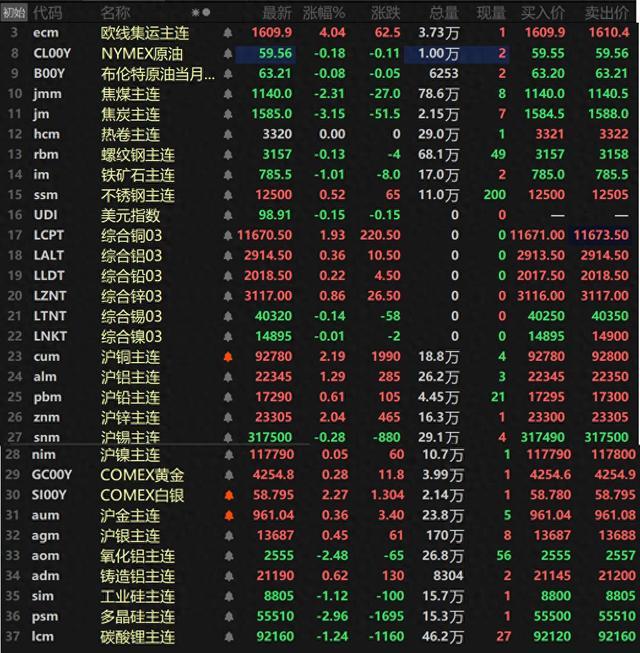
Metal Market - Domestic base metals generally rose, with the exception of tin, which fell by 0.28%. Copper and zinc both increased by over 2%, with copper rising by 2.19% to a record high of 92,910 CNY/ton, and zinc rising by 2.04% to 23,305 CNY/ton, marking a new high since April 3, 2025 [1] - Aluminum rose by 1.29%, reaching a new high of 22,395 CNY/ton after nine consecutive increases, while other metals saw gains of less than 1% [1] - In the external market, base metals also saw a general increase, with copper leading at a 1.93% rise to 11,705 USD/ton, continuing to set a new historical high [1] Precious Metals - As of 15:04, COMEX gold rose by 0.28% and COMEX silver increased by 2.27%. In the domestic market, Shanghai gold rose by 0.36% and Shanghai silver by 0.45% [2] Macro Environment - The National Development and Reform Commission announced a total of 35.5 billion CNY in central investments for the year, aimed at creating over 1.1 million jobs for low-income individuals [5] - The central bank conducted a 1,398 billion CNY reverse repurchase operation, resulting in a net withdrawal of 161.5 billion CNY for the day [5] Energy Market - Both domestic oil prices fell slightly, with WTI down by 0.18% and Brent down by 0.08%. However, WTI is expected to record a nearly 2% increase for the week, supported by Fed rate cut expectations and geopolitical tensions [11][12]
中国生物制造领域唯一国家级产业创新平台试运行
Zhong Guo Xin Wen Wang· 2025-12-04 14:01
广告等商务合作,请点击这里 据悉,该中心围绕"绿色低碳""生物农业"和"医疗健康"三大领域,建设自动化生物制造平台、大规模载 体制备与质控平台、跨尺度生物多模态验证平台、生产工艺高通量开发平台、中试放大及GMP平台(意 为"药品生产质量管理规范平台")、生物信息计算支撑平台六大平台,助力"实验室创意"进入"新产品创 制"的"1-10"进程;将有效打通工艺开发、中试放大等成果转化关键环节,助力深圳打造千亿级生物制 造产业集群。 该中心所在的光明科学城,是粤港澳大湾区综合性国家科学中心先行启动区的重要组成部分,肩负着打 造国家战略科技新力量的责任。自2018年规划建设以来,深圳着力打造世界一流科学城,集中布局一批 大科学装置、2所高水平研究型高校、2个广东省实验室、11个科研机构,聚集颜宁、杨学明、樊建平等 知名院士在内的高层次人才超3000人。光明科学城连续3年入选全国科技城百强榜,排名从2022年第24 名跃升至2024年第7名,创新能力和综合竞争力位居中国前列。(完) 中国生物制造领域唯一国家级产业创新平台试运行 来源:中国新闻网 中新社深圳12月4日电 (记者 索有为)国家生物制造产业创新中心4日在深圳启 ...
国投、招商局参与 生物制造领域唯一国家级产业创新中心试运行
2 1 Shi Ji Jing Ji Bao Dao· 2025-12-04 09:57
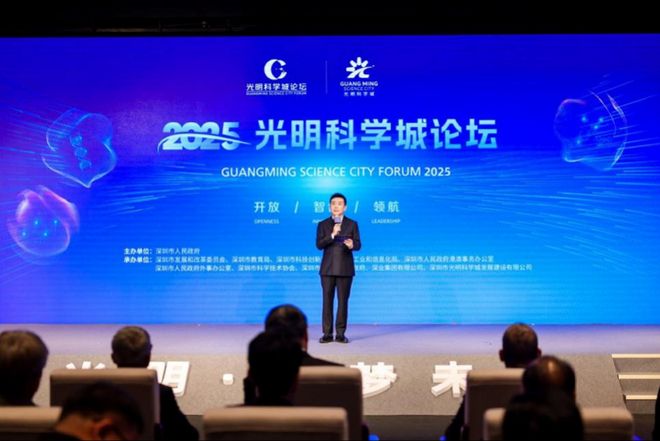
(原标题:国投、招商局参与 生物制造领域唯一国家级产业创新中心试运行) 21世纪经济报道记者 陈思琦 深圳报道 深圳迎又一国家级平台落地。 12月4日,在由深圳市政府主办的"光明科学城论坛·2025"开幕式上,国家生物制造产业创新中心启动试 运行。据悉,该中心由中国科学院深圳先进技术研究院牵头组建,是我国生物制造领域唯一的国家级产 业创新平台。 会上介绍,中心将围绕绿色低碳、生物农业、医疗健康三大领域,建设自动化生物制造平台、跨尺度生 物多模态验证平台、生产工艺高通量开发平台、中试放大及GMP平台、大规模载体制备与质控平台、 生物信息计算支撑平台等六大技术平台,助力实验室创意进入新产品创制的"0—1—10"进程。 当前,深圳已集聚合成生物研究重大科技基础设施、深圳市工程生物产业创新中心、深圳理工大学合成 生物学院等各类产学研平台。《深圳市生物制造发展白皮书(2025)》显示,近三年,中国每新成立 100家生物制造企业,就有40家在深圳,其中30家在光明区。 事实上,参与共建的两大央企,对生物制造领域的关注和布局由来已久。 招商局集团官网显示,集团牵头承担国务院国资委焕新行动生物制造专项,"系列生物基聚酰胺开发 ...