
数字技术

Search documents
专访吕舟:全民参与正在让北京中轴线“活”起来
Xin Jing Bao· 2025-08-11 12:58
Core Perspective - The successful application for the World Heritage status of Beijing's central axis has initiated a new path for cultural heritage protection that emphasizes public participation [1][2][3] Group 1: Value Transformation and Education - The challenge post-heritage application is to transform heritage protection into a driving force for sustainable urban development, integrating heritage value with social education [2][3] - A significant initiative has been the integration of the central axis's heritage value into basic education, aiming to foster recognition and pride among students regarding their cultural heritage [3][4] - The educational materials developed for different age groups utilize a progressive cognitive design to enhance understanding of the central axis's historical and cultural significance [4] Group 2: Public Participation and Community Engagement - The protection of the central axis requires active public participation, moving beyond the misconception that the successful application is the endpoint [5][6] - Various initiatives, such as the creative competition for the central axis, have engaged hundreds of thousands of participants, demonstrating the potential for cultural heritage to foster community involvement and economic benefits [7][8] - Digital platforms have enabled widespread public engagement in monitoring and protecting the central axis, allowing citizens to contribute actively to heritage conservation [8][9] Group 3: Digital Technology in Heritage Protection - Digital technology has revolutionized cultural heritage protection by enhancing public access and understanding through innovative platforms [9][10] - The use of digital tools allows for immersive experiences that convey the historical evolution of the central axis, making it more relatable to the general public [10][11] - The integration of technology not only broadens the audience's understanding but also maintains the depth of cultural heritage discussions [11][12] Group 4: Long-term Vision and Cultural Significance - The journey of protecting the central axis is viewed as a continuous process, with the goal of making it a living part of the community and a driver for urban development [13][14] - The central axis is seen as a cultural backbone that connects the past, present, and future, emphasizing its role in contemporary society [14][15] - The protection efforts are not merely about preservation but also about cultural innovation and relevance in modern life [15]
马库斯:数字技术能让这些照片“走得更远”
Qi Lu Wan Bao Wang· 2025-08-11 07:02
再次来到中国,现代摩天大楼与历史老建筑交相辉映的景象给马库斯留下深刻印象。"这种'新与旧'的 融合,正如'天镜'通过科技创新来保护文化遗产的做法。"在他看来,数字技术能提升呈现效果,让中 国人民更清晰、更深刻地看到它们,让这些照片"走得更远"。"这份数字遗产的意义远胜过让照片静静 躺在抽屉里。" 目前,马库斯、士杰、钟灏松已向山东数字文化集团无偿提供约30张电子版历史照片,用于展厅展示, 并借助数字技术赋予这些历史影像新的生命。值得一提的是,这些照片不仅承载着马库斯家族的记忆, 还可以与济南本地历史影像,尤其是济南惨案的资料并列展示。在中国人民抗日战争暨世界反法西斯战 争胜利80周年这一特殊时刻,其意义将更加深远。 马库斯表示,"天镜"两字,让他想起了以史为镜的深意。这正和外祖父拍摄、收集并保存这些照片的初 衷不谋而合。"他不想让这些真实的记忆被时间淹没,就像我们如今希望更多人透过这些影像铭记历史 一样。" 对于未来,马库斯考虑把照片和照片背后的故事整理成一本书,希望能让大家知道,每一张影像,都不 是冰冷的像素,而是有温度、有故事的时代印记。 谈及捐赠始末,马库斯介绍,最初发现这些照片时,他先将其中三张发给了 ...
(经济观察)安徽汽车产量登顶 探路发展新模式引关注
Zhong Guo Xin Wen Wang· 2025-08-09 07:15
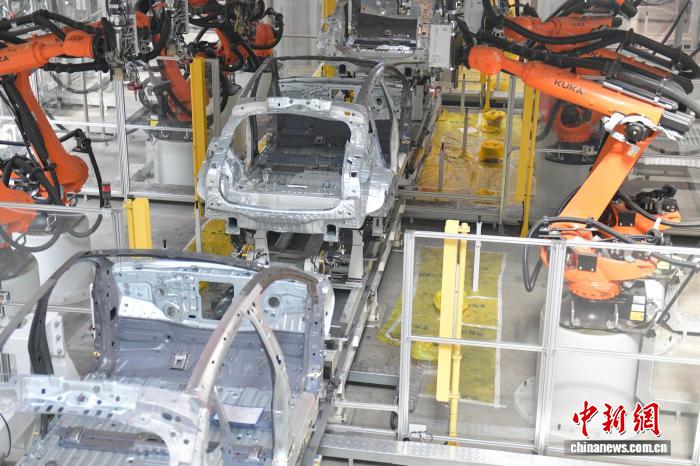
Core Insights - In the first half of the year, Anhui's automobile production reached 1.4995 million units, with new energy vehicles accounting for 730,900 units, both ranking first in the country [1][3] - Digital vehicles are described as the next generation of automobiles, driven by algorithms and data, integrating perception, computation, communication, control, interaction, and service architecture [1][3] Industry Overview - Anhui has gathered 7 vehicle manufacturers and over 3,000 parts suppliers, along with 1,700 aftermarket enterprises [3][5] - The automotive industry is experiencing a wave of innovation due to the rise of smart electric vehicles, which are seen as a fusion of information technology, energy, and automotive sectors [3][5] Company Strategies - Chery Automobile aims to exceed 3 million units in sales and achieve 600 billion RMB in revenue by 2025, focusing on electrification, intelligence, low carbon, and globalization [5] - Companies are encouraged to collaborate to address challenges and opportunities brought by smart and electric vehicle trends, blurring the lines between vehicle manufacturers and parts suppliers [5][6] Technological Advancements - Digital technology is recognized as a catalyst for innovation throughout the entire lifecycle of automotive research, production, and application [5][6] - Enhancements in chassis control, electric drive system control, and communication systems through digital technology are expected to improve vehicle intelligence and safety [6] Future Outlook - Anhui plans to focus on innovation in vehicle products and supply chain for parts, aiming to maintain its leading position in the industry [6] - The region is expected to evolve into a global automotive industry cluster, integrating various technologies such as flying cars, low-altitude economy, and smart transportation [6]

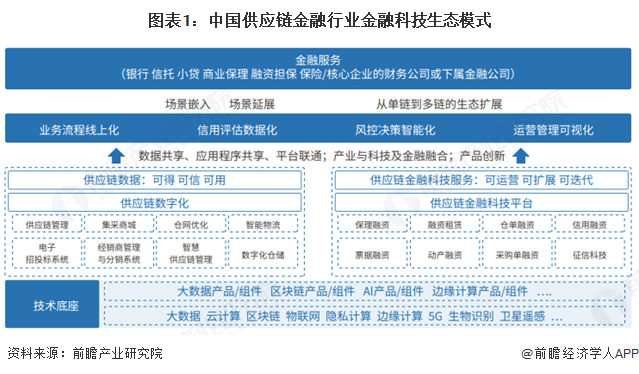
2025年中国供应链金融行业金融科技现状 技术和场景创新有利于供应链企业高质量发展【组图】
Qian Zhan Wang· 2025-08-08 04:11
Core Viewpoint - The supply chain finance industry is undergoing continuous innovation in its ecological model, driven by digital technology, platform support, and policy incentives, which are essential for high-quality development and service model innovation in supply chain finance [1][2]. Group 1: Current Challenges and Innovations - The innovation capability of supply chain finance enterprises needs to be strengthened, with 57% of companies showing low levels of innovation in 2023, and 13% having almost no technological innovation in supply chain finance [2]. - Digital technologies such as IoT and blockchain are becoming crucial tools for supply chain finance, integrating financial services into supply chain trade to support small and medium-sized enterprises [4][5]. Group 2: Technological Impact - Various technologies play significant roles in enhancing supply chain finance, including IoT for asset tracking, blockchain for establishing digital trust, big data for data processing, and cloud computing for cost-effective service delivery [5]. - The innovation in financial products is ongoing, aimed at improving the financing capacity and cost management of the entire supply chain, thereby enhancing payment efficiency and stabilizing the supply chain [7]. Group 3: Service Expansion and Ecosystem Development - Scene innovation is essential for expanding supply chain finance services to more industries and scenarios, requiring the development of a resilient ecosystem that promotes resource sharing and complementary advantages [9].
江苏常熟农村商业银行股份有限公司2025年半年度报告摘要
Shang Hai Zheng Quan Bao· 2025-08-07 18:57
Core Viewpoint - The company has reported a stable growth in its financial performance for the first half of 2025, with a focus on sustainable development and serving the rural economy, while maintaining a strong asset quality and competitive positioning in the banking sector [6][12][13]. Company Overview - The company aims for high-quality and sustainable development, focusing on serving the "three rural issues and two small enterprises" market positioning, and has implemented a diversified financial service system [5]. - The company has established a clear strategic development pattern, with a strong presence in Jiangsu and a network of 109 service outlets in Changshu, creating a "5-minute" financial service circle [7][8]. Industry Situation - The banking industry is facing a complex operating environment with external uncertainties impacting investment decisions and trade [6]. - Despite challenges, the domestic economy is showing stable growth, and banks are focusing on serving the real economy and preventing financial risks [6]. Financial Performance - The company achieved an operating income of 6.062 billion yuan, a year-on-year increase of 10.10%, and a net profit of 1.969 billion yuan, up 13.51% year-on-year [12]. - Total assets reached 401.227 billion yuan, an increase of 9.45% from the beginning of the year, with total deposits of 310.777 billion yuan and total loans of 251.471 billion yuan [13]. Asset Quality - The company's non-performing loan ratio stood at 0.76%, a slight decrease from the beginning of the year, with a provision coverage ratio of 489.53% [13]. - The village and town banks under the company reported a non-performing loan ratio of 1.05%, remaining stable compared to the beginning of the year [13]. Profit Distribution - The company plans to distribute a cash dividend of 0.15 yuan per share, totaling approximately 497 million yuan, which accounts for 25.27% of the net profit attributable to shareholders for the first half of 2025 [21][23].

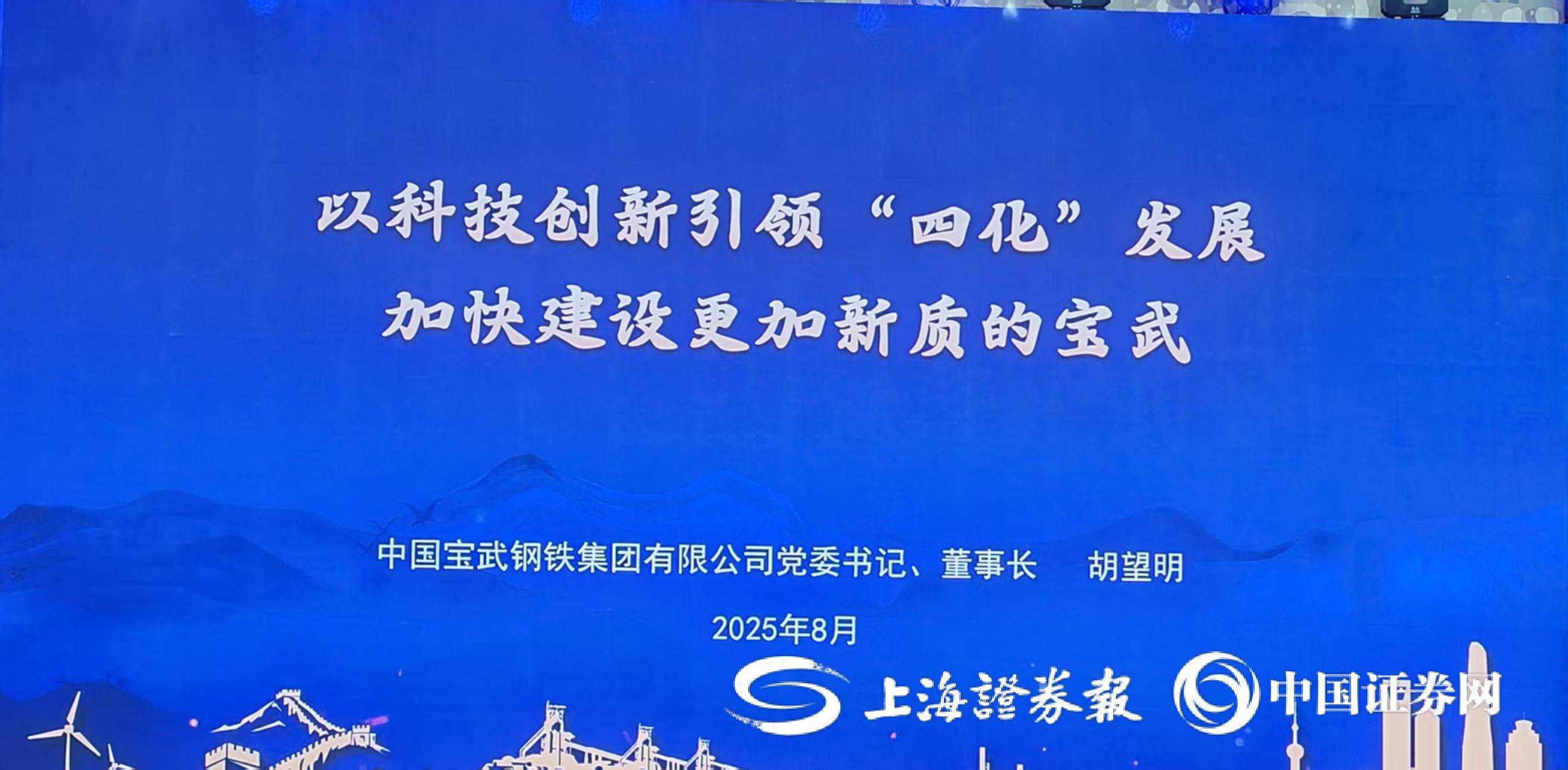
宝武集团董事长胡望明:钢铁工业正面临数字技术的革命性重塑
Sou Hu Cai Jing· 2025-08-07 08:46
胡望明提到,2024年我国粗钢产量10.05亿吨,同比下降1.7%;我国粗钢表观消费量8.92亿吨,同比下降4.4%。基于发达经济体工业化、城镇化与钢铁消费 规律,中国钢铁生产和消费已达峰值区域。 "只有勇于变革、顺应行业结构变化、具备产品和技术优势的企业才能活下来。"胡望明说。 胡望明介绍,2023年下半年开始,宝武全面转变经营理念,从"增量规模发展思维"向"减量高效发展思维"转变,从生产者向经营者转变,从生产交易型向创 新变革型转变。此外,宝武集团强化需求牵引,不断推出轻量、长寿、高效的钢铁及轻金属材料综合解决方案。 8月7日,宝武集团董事长胡望明在第十四届中国国际钢铁大会上表示,结构优化、转型升级、实现更高质量的发展成为中国钢铁工业的发展主题。钢铁工业 正面临新技术,尤其是数字技术的革命性重塑。 上证报中国证券网讯(记者 霍星羽 实习生 陈蒋逸)8月7日,宝武集团董事长胡望明在第十四届中国国际钢铁大会上表示,结构优化、转型升级、实现更高 质量的发展成为中国钢铁工业的发展主题。钢铁工业正面临新技术,尤其是数字技术的革命性重塑。 ...

文明沃土育新枝
Hang Zhou Ri Bao· 2025-08-06 03:27
Core Viewpoint - The articles highlight the efforts of Hangzhou Unicom in integrating digital technology with community service, emphasizing the importance of "Party building + civilization creation" as a framework for enhancing service quality and community engagement [1][2][3] Group 1: Service and Community Engagement - Hangzhou Unicom has been recognized for its commitment to service excellence, with employees like Zhang Shaofeng being acknowledged for their dedication to customer support and community service [1] - The company has established a "Welfare Pioneer" brand under its Party building initiative, achieving a 100% registration rate for party members and accumulating over 11,000 hours of public service [2] - The company has implemented "Three Optimizations" measures—optimizing service, environment, and experience—to transform its service centers into warm and welcoming spaces for the community [2] Group 2: Digital Infrastructure and Innovation - Hangzhou Unicom boasts a 99% coverage rate for 5G networks and a 93.9% coverage rate for broadband, facilitating digital access for households [3] - The company has invested significantly in data intelligence and smart technology, with a focus on enhancing productivity and efficiency in various sectors, including agriculture and manufacturing [3] - The establishment of a community platform in Xiaoshan has been recognized as one of the top ten leading cases in new smart city initiatives in 2023, showcasing the company's role in bridging urban and rural divides [3] Group 3: Recognition and Future Commitment - Hangzhou Unicom has been awarded the title of "National Civilized Unit," which serves as a motivation for the company to continue its efforts in promoting urban civilization [3] - The leadership emphasizes the ongoing commitment to using communication technology to enhance community welfare and support the goal of common prosperity [3]

让银发流量成为民生红利
Sou Hu Cai Jing· 2025-08-06 02:32
Core Viewpoint - The development of the silver economy in China is crucial for enhancing the quality of life for the elderly, emphasizing a human-centered approach rather than exploiting their financial resources [1][2][3] Group 1: Economic Context - 2025 is identified as a pivotal year for China's economic transformation, with a focus on domestic demand amid escalating US-China trade tensions and the "dual circulation" strategy [1] - The silver economy is seen as both an incremental market for industrial upgrades and a vital area for improving people's livelihoods [1] Group 2: Consumer Characteristics - The silver demographic has a strong risk-averse mentality rooted in their "poverty memory," leading to a preference for saving over spending [2] - Understanding the consumption habits of the elderly is essential for developing the silver economy, which should not rely on speculative marketing tactics [2] Group 3: Industry Development - The silver economy can benefit from a "leading enterprise + regional collaboration" model to create a national market, leveraging China's vast geographical diversity [3] - The elderly care industry in China is characterized by a lack of unified standards and regulation, necessitating the emergence of leading firms to enhance market penetration and service coverage [3] Group 4: Healthcare Integration - The development of a standardized, differentiated, and information-driven healthcare system is essential for the silver economy, with a focus on preventive care and health management for the elderly [4] - The integration of digital technologies in healthcare services can enhance the quality of care for the elderly, addressing their unique "longevity needs" [4]
许维鸿:让银发流量成为民生红利
Sou Hu Cai Jing· 2025-08-05 22:50
2025年是中国经济转型升级的重要一年,在中美贸易博弈升级与"双循环"体系建设的双重背景下,深挖 内需成为中国经济发展的重要方向。其中,旨在激活中老年消费潜力的银发经济与银发产业,既是产业 升级的增量市场,更是关乎民生福祉的重要领域。然而,发展银发经济,绝不能将老人视为"韭菜"肆意 收割,唯有立足中国文化背景、发挥制度优势,才能让我们的银发流量真正转化为普惠城乡、持续发展 的民生红利。 发展银发经济、银发产业,本质上是以人为本、提升中老年生活质量的民生政策,并不鼓励投机者利用 相关概念牟取短期利益。说白了,不要光盯着中老年人的钱包,还要考虑他们的文化背景,回应他们对 幸福生活的真实追求。从经济学最基本的研究角度出发,银发产业的周期基于中国人口结构的生命周 期。当前银发经济的主体是50后、60后和70后,他们是中国改革开放最初的建设者,是中国从农耕文明 步入制造业大国的奉献者。这几代人用省吃俭用的生活态度,为中国工业化进程积累了超高的储蓄率、 为"基建狂魔"的崛起提供了持续的资金积累。他们的消费选择理应得到尊重,而非被算计。 理解当前银发群体的消费特征,首先需要看懂他们刻在骨子里的"贫穷记忆"。"银发族"的成长 ...
信用价值重构下企业信用修复研究
Jin Rong Shi Bao· 2025-08-04 02:46
Core Viewpoint - The article emphasizes the need for a unified and categorized credit repair system in China, addressing existing issues such as fragmented regulations and insufficient technological support to enhance the efficiency and effectiveness of credit repair processes [1][12]. Group 1: Current Status and Achievements of Credit Repair - The credit repair system in China has evolved under a framework of "central coordination, local exploration, and government leadership," with significant policy developments since 2014 [2][3]. - As of May 2023, over 40 local regulations related to social credit have been established, indicating a robust local policy environment [3]. - The establishment of a national credit information sharing platform has led to the collection of over 807 billion pieces of credit information, significantly enhancing the credit repair mechanism [6]. Group 2: Technological Infrastructure and Innovations - The integration of digital technologies has transformed credit repair from a passive to an active service model, with the establishment of a unified enterprise credit information platform since 2015 [4]. - The "Credit China" platform utilizes advanced technologies such as big data and AI to create a comprehensive credit repair network, improving automation and compliance in the credit repair process [4]. - Local innovations, such as AI-driven systems for credit application reviews, have further optimized credit repair services [4]. Group 3: Involvement of Third-Party Service Providers - The participation of third-party service institutions in credit repair is increasing, with 13 institutions authorized to provide training and 62 institutions qualified to issue credit repair reports [5]. - These institutions play a crucial role in enhancing the professionalism and standardization of credit repair services [5]. Group 4: Challenges in Credit Repair - The current credit repair system faces challenges such as fragmented regulations and insufficient inter-departmental collaboration, leading to increased costs and inefficiencies for enterprises [7][8]. - There is a notable disparity in technological capabilities across regions, resulting in data governance issues and "data silos" that hinder effective credit repair [8]. - The limited involvement of third-party institutions and the lack of a cohesive training mechanism further complicate the credit repair landscape [9][10]. Group 5: Policy Recommendations for Improvement - Recommendations include establishing a comprehensive credit repair legal framework, enhancing inter-departmental collaboration, and leveraging technology to improve efficiency [12][13][14]. - Encouraging deeper involvement of third-party institutions in the credit repair ecosystem is essential for transitioning to a dual-driven model of government oversight and market services [15][16].