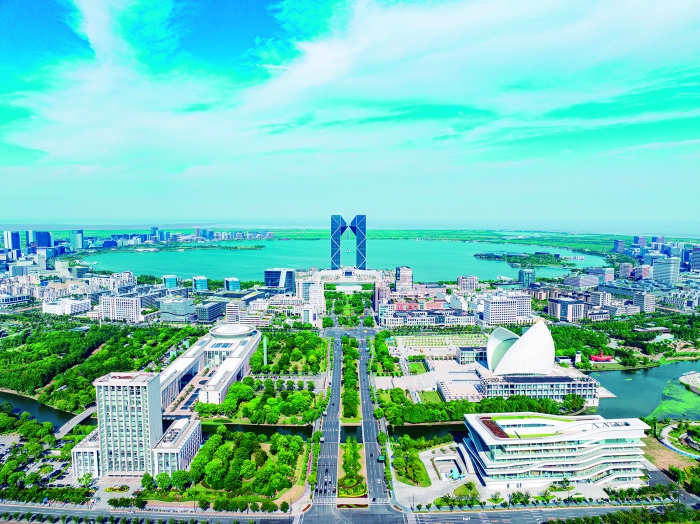
现代化产业体系

Search documents
上海未来五年怎么干? 加快建设“五个中心” 打好城市转型升级攻坚战
Shang Hai Zheng Quan Bao· 2026-01-19 18:45
Core Viewpoint - The "15th Five-Year Plan" for Shanghai emphasizes enhancing the city's role as a global economic and financial center, focusing on high-quality development and the construction of a modern industrial system [2][4][6]. Group 1: Five Centers Development - The plan outlines the construction of "five centers" as a key strategy for Shanghai's modernization, which includes enhancing its international economic, financial, trade, shipping, and technological innovation centers [6][7]. - Specific initiatives include building a world-class high-end industrial cluster, establishing a global RMB asset allocation center, and enhancing the city's trade hub functions [6][9]. Group 2: Economic and Social Development Goals - The main goals for the "15th Five-Year" period include achieving significant high-quality development, elevating urban core functions, and enhancing social civilization levels [4][5]. - By 2035, Shanghai aims to double its per capita GDP compared to 2020 and fully upgrade the functions of the "five centers" to reach international leading levels [4][5]. Group 3: Modern Industrial System - The plan emphasizes the importance of maintaining a reasonable proportion of manufacturing within Shanghai's economy, identifying it as a foundation for the city's international economic status [8]. - It outlines a modern industrial system framework categorized into traditional, leading, emerging pillar, and future industries, aiming for a robust manufacturing backbone [8][10]. Group 4: High-End Service Industry - The development of high-end service industries is highlighted as crucial for enhancing Shanghai's international influence, with specific measures to strengthen the global supply chain and trade hub functions [9]. - The plan also includes fostering world-class enterprises as a dedicated task, providing guidance for the growth of large, medium, and small enterprises [9].

全市推动经营主体高质量发展暨金融服务实体经济大会召开
Sou Hu Cai Jing· 2026-01-19 14:28
Group 1 - The conference emphasized the importance of developing and strengthening business entities as a key focus for the industrial development of Bijie [3] - From September 2025 to January 2026, Bijie plans to sign and implement 90 projects with a total investment of 219.2 billion yuan, providing strong support for the "14th Five-Year Plan" industrial development [3] - The meeting highlighted the need for a strong sense of mission and urgency to accelerate project construction, which is essential for Bijie's competitive advancement and strategic decision-making for enterprises [3] Group 2 - The conference underscored that the business environment is crucial for the survival and development of business entities, with a focus on enhancing their competitive advantages as a top priority [4] - Financial support is deemed essential for the growth of business entities, with a call for deeper cooperation between government, finance, and enterprises to foster mutual development [4] - Financial institutions are encouraged to increase credit support for key projects and small to medium-sized enterprises, while business entities are urged to enhance their operational capabilities and risk resilience [4]
锚定“头号工程”,济宁擘画制造业强市新蓝图
Qi Lu Wan Bao· 2026-01-19 13:56
Core Insights - Jining's 2026 government work report emphasizes the "No. 1 project" aimed at breaking through the industrial economy, reflecting a strong focus on the real economy and manufacturing [1][3] - The strategy involves a systemic innovation that aims to reshape the city's growth model by building a modern industrial system centered on advanced manufacturing [3] - Key initiatives include enhancing industrial chains, upgrading traditional industries, and developing emerging sectors, which are crucial for establishing a competitive industrial identity for Jining [3][4] Group 1 - The "No. 1 project" signifies a profound restructuring of development logic, moving away from traditional growth models to enhance urban competitiveness [3] - Jining aims to achieve a comprehensive rise in industrial value chains through focused measures such as "focusing on advantages, strengthening chains, and ecological empowerment" [1][4] - The emphasis on "greater intensity" highlights the urgency and strength of execution in the implementation of the strategy [3] Group 2 - By the end of 2025, the Shandong Times New Energy Battery Base is expected to produce 22.5 GWh of batteries, generating a revenue of 8 billion yuan and an export value of 1.35 billion yuan [4] - The establishment of a new energy vehicle production line at the Great Wall Heavy Industry headquarters has already received an order for 1,000 vehicles, indicating strong market demand [4] - The initiatives for upgrading traditional industries and developing new sectors are seen as essential for driving industrial growth and transformation in Jining [4][5] Group 3 - Jining's industrial park and modern service industry strategies aim to create stronger and more specialized incubation platforms, enhancing the overall industrial ecosystem [5] - The "1+15+N" park layout optimization and resource concentration policies are designed to support the development of research and design, as well as headquarters economy [5] - The ultimate goal is to foster a complete and smoothly functioning industrial ecosystem that supports the growth of enterprises [5]
清远“十四五”时期前四年GDP累计增长19.5% 经济总量跨越2000亿元台阶
Nan Fang Ri Bao Wang Luo Ban· 2026-01-19 09:41
Economic Development - During the "14th Five-Year Plan" period, Qingyuan's GDP grew by 19.5%, with an average annual growth rate of 7.5% in industrial added value and 10.5% in foreign trade exports, marking 11 consecutive years of positive growth [1] - The city aims to establish a modern industrial system characterized by four pillar industries worth over 100 billion each, including advanced materials, green chemicals, fashion industry, and intelligent equipment manufacturing [1] - Qingyuan has achieved full coverage of provincial industrial parks across eight counties, with 21 provincial-level modern agricultural industrial parks, the highest in Guangdong [1] Green Industry - Qingyuan ranks first in the number of newly listed A-share companies and the number of enterprises in the Guangdong Manufacturing 500 Strong list in the northern part of Guangdong [2] - Ten industrial categories have surpassed 10 billion in output value, and three provincial-level small and medium-sized enterprise characteristic industrial clusters have been cultivated [2] - The city has established the first "billion-level main platform" in the province, with an average annual growth rate of over 14% in industrial added value [2] Ecological Agriculture - The five major agricultural industries have seen an annual growth rate of over 25%, with the total output value of Qingyuan chicken, Xiniu bamboo shoots, and Yingde black tea exceeding 10 billion [2] - By 2025, the total output value of these five agricultural industries is expected to reach 46.124 billion, benefiting over 200,000 farmers [2] - The city has implemented 1,557 rural operation projects, supporting 111,500 farmers and promoting collective economic projects in 215 administrative villages [2] Ecological Tourism - Qingyuan's tourism sector has experienced an annual growth of approximately 16% in visitor numbers and 24.2% in tourism revenue [3] - Eight counties have been recognized as provincial-level all-region tourism demonstration zones, contributing to the development of a billion-level cultural tourism industry cluster [3] - The urbanization rate of the permanent population has increased to 58.23%, with the income disparity between urban and rural residents narrowing to a ratio of 1.71:1 [3]
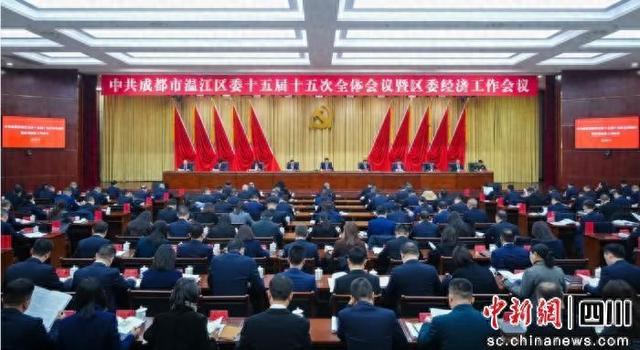
温江统一战线热议温江区委十五届十五次全会精神
Zhong Guo Xin Wen Wang· 2026-01-19 08:17
Group 1 - The Chengdu Wenjiang District Committee's recent meeting emphasized the establishment of a modern industrial system characterized by advanced manufacturing, modern urban agriculture, and modern service industries, aiming to create a leading industrial hub in the western region [1][4] - The meeting highlighted the importance of building a collaborative innovation ecosystem involving government, industry, academia, research, and application, particularly in the biopharmaceutical sector, to enhance competitiveness [3][6] - The focus on strengthening the "3+6" modern industrial system aims to accelerate urban-rural industrial integration and promote high-quality development in modern urban agriculture [4][5] Group 2 - Companies in the region expressed optimism about the improved business environment and the strategic direction provided by the meeting, which is expected to facilitate their growth and innovation [3][6] - The emphasis on smart technology integration in sectors such as elderly care and healthcare reflects a commitment to leveraging technological advancements for community welfare [5][6] - The meeting's strategic deployment for enhancing the manufacturing industry is seen as a clear pathway for companies to upgrade towards high-end, intelligent, and green manufacturing [6][7]
聚焦12个方面重点工作,济南这样谋篇布局“十五五”
Qi Lu Wan Bao· 2026-01-19 06:55
Core Viewpoint - The government work report presented at the Jinan Municipal People's Congress outlines the main goals and tasks for the city's economic and social development during the 14th Five-Year Plan period, emphasizing modernization, innovation, and sustainable growth. Group 1: Economic Development - Accelerate the construction of a modern industrial system, focusing on building a northern advanced manufacturing base and enhancing the "13+34" industrial chain [1] - Implement strategies to expand domestic demand and optimize investment structures, including modern infrastructure projects and support for private capital in major projects [2] - Promote high-quality development in the commercial logistics sector by establishing a comprehensive transportation hub and enhancing the modern commercial circulation system [2] Group 2: Innovation and Education - Implement a strategy to strengthen education and talent development, aiming to build a regional technology innovation hub and enhance the integration of technological and industrial innovation [1][2] - Optimize the layout of innovation resources and strengthen the role of enterprises in innovation, targeting breakthroughs in key technologies and advanced equipment [1] Group 3: Urban and Rural Development - Advance agricultural modernization and rural revitalization, ensuring food security and improving rural governance [4] - Promote urban renewal and the construction of a modern urban area that is innovative, livable, and resilient [3] Group 4: Environmental Sustainability - Promote green and low-carbon transformation, focusing on pollution prevention and ecological restoration, while implementing a dual control system for carbon emissions [4] - Develop a new energy system and promote a waste-free city initiative [4] Group 5: Cultural and Social Development - Enhance cultural development and support the growth of cultural industries, while promoting the core socialist values and protecting historical cultural sites [5] - Focus on improving public services and social welfare to ensure common prosperity and enhance the quality of life for residents [5] Group 6: Security and Governance - Implement a comprehensive national security strategy to safeguard the new development framework, ensuring food, energy, and infrastructure security [6] - Strengthen public safety governance and enhance social governance to build a safer and more law-abiding city [6]
济南将争取国家“人工智能+工业软件”中试基地项目落地建设
Qi Lu Wan Bao· 2026-01-19 02:14
Core Viewpoint - Jinan aims to implement an industrial strong city strategy by 2026, focusing on building a modern industrial system Group 1: Strengthening Advantageous Industries - The city will focus on electronic information, automotive, high-end software, and modern medicine industries, aiming to enhance scale, extend chains, and grow enterprises [2] - In the electronic information sector, Jinan plans to achieve an industry scale of 240 billion yuan by accelerating the construction of semiconductor and micro-display projects [2] - The automotive industry aims for a scale of 180 billion yuan, supporting companies like BYD and Geely in introducing high-end models and promoting collaborative development [2] - The high-end software sector targets a scale of 130 billion yuan, emphasizing the development of industrial software and AI applications [2] - The modern medicine industry, relying on key enterprises, aims for a scale of 52 billion yuan by enhancing various pharmaceutical sectors [2] Group 2: Cultivating Characteristic Industries - Jinan will focus on high-end CNC machine tools, robotics, specialized equipment, steel, advanced materials, and food and bio-manufacturing, aiming to create competitive industrial clusters [4] - The high-end CNC machine tools and robotics sector targets a scale of 55 billion yuan, with key projects like the industrial mother machine park [4] - The specialized equipment industry aims for a scale of 115 billion yuan, with support for leading companies and project expansions [4] - The steel industry will focus on green low-carbon transformation, targeting a scale of 165 billion yuan by developing high-value products [4] - The advanced materials sector aims for a scale of 35 billion yuan, promoting innovation and expansion in chemical and metal materials [4] - The food and bio-manufacturing industry targets a scale of 77.5 billion yuan, supporting innovative development of key enterprises [4]
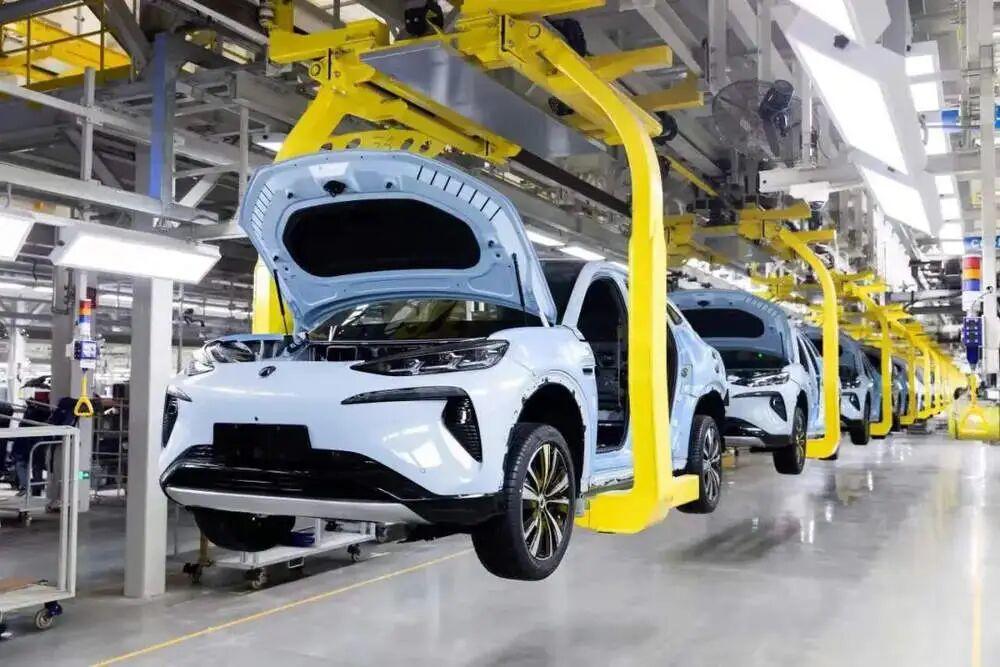
履职尽责这一年丨以实践实干 写好委员作业
Sou Hu Cai Jing· 2026-01-19 00:00
本报记者 李点 在中国式现代化建设的新征程上,做强做优做大国有企业和国有资本,推进国有经济布局优化和结构调 整,既是时代命题,又是系统工程。作为一名经济界省政协委员、资本运营一线工作者,河南资本集团 董事长张军强立足自身在经济领域的实践,始终将促进经济高质量发展作为履职的出发点和落脚点,不 仅在会场内建言,更在实践中出力,主动服务国家战略实施。 一年来,带着如何强化资本"链接器"课题,张军强的调研足迹遍及省内外,深入制造业一线感知产业发 展脉搏,与头部企业对话探寻合作新模式。省政协十三届三次会议期间,他围绕资本赋能产业链创新发 展提出相关建议;省政协常委会会议上,他围绕"以国有资本并购战略性新兴产业为抓手加速构建我省 现代化产业体系"作大会发言。即将参加今年省两会,他又将目光聚焦在国有存量资产盘活、健全要素 市场化配置体制机制等方面。 "省委经济工作会议提出,做优增量、盘活存量,因地制宜发展新质生产力,深度融入和服务全国统一 大市场建设。优化人才、资本、技术、数据等要素协同配置,打通创新链与产业链融合的堵点,成为培 育新质生产力、推动产业转型升级的关键支撑。"张军强认为,省级国有资本运营公司要积极推动各类 要 ...
年用电量首超10万亿度 展现中国经济发展活力
Xin Lang Cai Jing· 2026-01-18 13:17
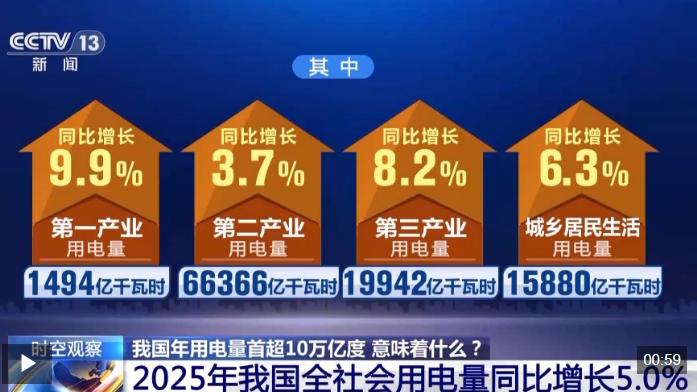
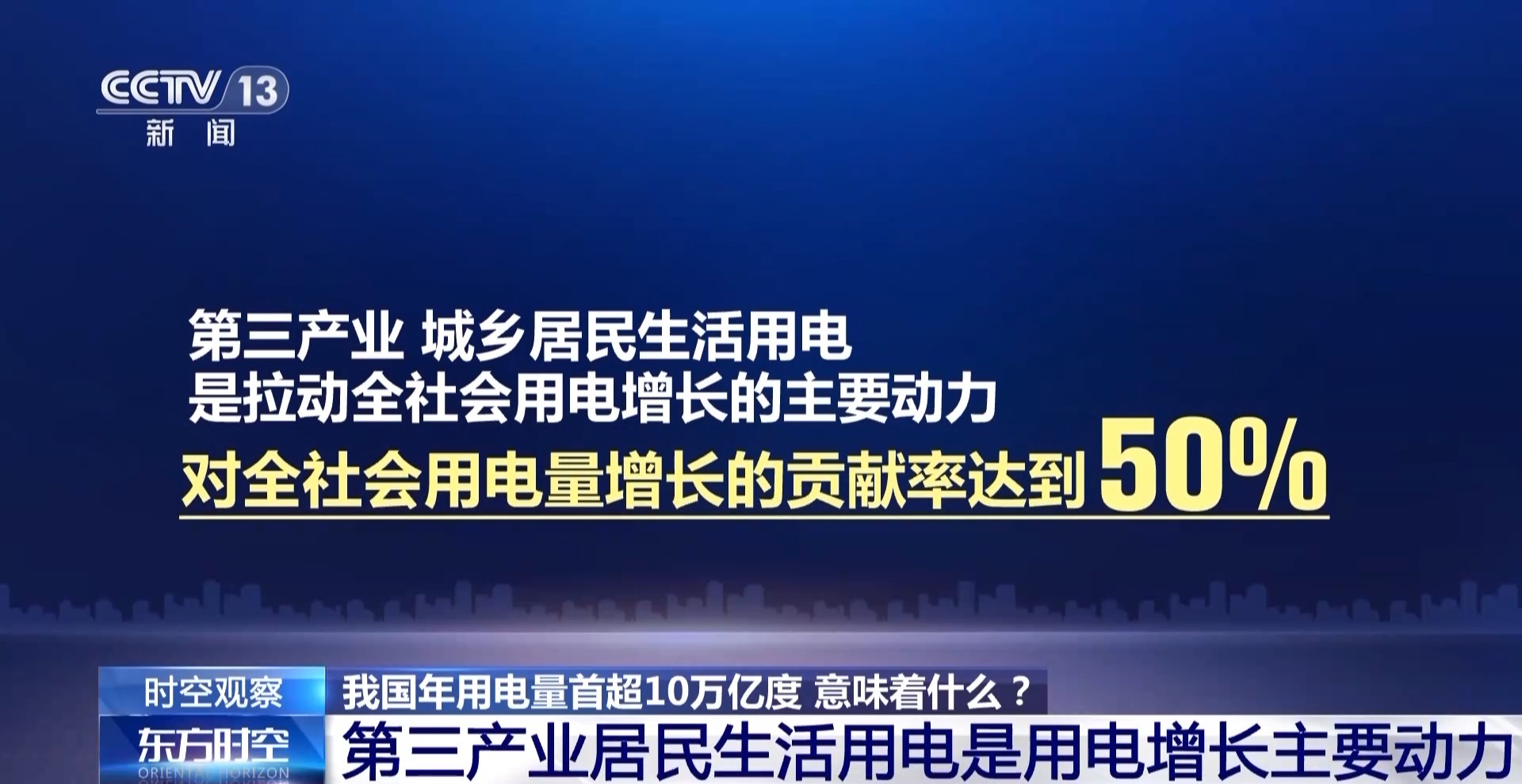
Group 1 - The core point of the article is that China's total electricity consumption is projected to exceed 10 trillion kilowatt-hours by 2025, marking a significant milestone as the first country to reach this level, which is more than double the annual electricity consumption of the United States and surpasses the combined consumption of the EU, Russia, India, and Japan [1][3][4] - In 2025, China's total electricity consumption is expected to reach 10,368.2 billion kilowatt-hours, representing a year-on-year growth of 5.0% [1][3] - The primary sectors contributing to this growth include the first industry with a consumption of 149.4 billion kilowatt-hours (up 9.9%), the second industry with 6,636.6 billion kilowatt-hours (up 3.7%), and the third industry with 199.4 billion kilowatt-hours (up 8.2%) [1][3] Group 2 - The third industry and residential electricity consumption are the main drivers of overall electricity growth, contributing to 50% of the increase [3][6] - The rapid growth in the third industry is attributed to sectors such as electric vehicle charging services, which saw a consumption growth rate of 48.8%, and information transmission, software, and IT services, which grew by 17.0% [3][6] - The electricity consumption in high-end manufacturing has surpassed traditional high-energy-consuming industries, indicating a structural shift towards knowledge-intensive and innovation-driven sectors [4][8] Group 3 - The electricity supply system's resilience is being tested as the country aims to achieve this unprecedented level of consumption, with a focus on building a clean and low-carbon power generation system and an efficient interconnected transmission network [4][6] - The digital economy is experiencing rapid growth, with the data industry in Guizhou seeing a staggering 95.01% increase in electricity consumption, driven by the "East Data West Computing" initiative [8] - The transition towards a high-tech, high-value-added industrial structure is evident, with the increasing share of green electricity supply signaling a positive outlook for a new energy system dominated by renewables [8]
视频丨年用电量首超10万亿度 展现中国经济发展活力
Yang Shi Xin Wen Ke Hu Duan· 2026-01-18 12:50
Core Insights - China's total electricity consumption is projected to exceed 10 trillion kilowatt-hours in 2025, marking the first time any country has reached this milestone, which is more than double the annual electricity consumption of the United States and surpasses the combined consumption of the EU, Russia, India, and Japan [2][4][5] Group 1: Electricity Consumption Breakdown - In 2025, total electricity consumption is expected to reach 10,368.2 billion kilowatt-hours, representing a year-on-year growth of 5.0% [2] - The breakdown of electricity consumption by sector includes: - Primary industry: 149.4 billion kilowatt-hours, up 9.9% - Secondary industry: 6,636.6 billion kilowatt-hours, up 3.7% - Tertiary industry: 199.4 billion kilowatt-hours, up 8.2% - Urban and rural residential electricity: 158.8 billion kilowatt-hours, up 6.3% [2] Group 2: Driving Forces Behind Growth - The tertiary sector and residential electricity consumption are the main drivers of overall electricity growth, contributing to 50% of the increase [4] - Within the tertiary sector, the electric vehicle charging and swapping services, as well as information transmission, software, and IT services, have seen significant growth rates of 48.8% and 17.0%, respectively [4][6] Group 3: Structural Changes in Energy Consumption - The second industry remains the primary electricity consumer, accounting for approximately 64%, with growth shifting from high-energy-consuming industries to high-end manufacturing [6] - In 2025, electricity consumption in the computer, communication, and other electronic device manufacturing sectors is expected to exceed 50 billion kilowatt-hours, surpassing traditional industries like steel and chemicals [6] Group 4: Digital Economy and Innovation - The digital economy is experiencing rapid growth, with the "East Data West Computing" initiative driving significant increases in electricity consumption in the data industry, particularly in Guizhou, where internet data service electricity consumption surged by 95.01% [8] - The demand for computing power is also rising exponentially, as evidenced by the Huawei Cloud data center in Guian New Area, which has seen a 56.92% increase in electricity consumption [8] Group 5: Implications of Exceeding 10 Trillion Kilowatt-Hours - The surpassing of 10 trillion kilowatt-hours indicates a robust and stable economic development across various sectors, reflecting the resilience of China's energy infrastructure and the strong integration capabilities of its modern industrial system [4][5] - The shift towards high-tech, high-value-added industries and the increasing share of green electricity supply signal a positive outlook for the development of a new energy system centered around renewable sources [8]