区块链

Search documents
依米康涨2.12%,成交额1.16亿元,主力资金净流入129.90万元
Xin Lang Cai Jing· 2025-12-29 03:52
Group 1 - The core viewpoint of the news is that Yimikang's stock has shown a significant increase in price and trading activity, indicating positive market sentiment and investor interest [1][2]. - As of December 29, Yimikang's stock price rose by 2.12% to 14.94 CNY per share, with a total market capitalization of 6.581 billion CNY [1]. - The company has experienced a year-to-date stock price increase of 16.90%, with a recent 4.92% rise over the last five trading days [1]. Group 2 - Yimikang Technology Group Co., Ltd. is based in Chengdu, Sichuan, and was established on September 12, 2002, with its listing date on August 3, 2011 [2]. - The company specializes in providing green solutions for the entire lifecycle of digital infrastructure, focusing on data centers and offering services across four main sectors: key equipment, intelligent engineering, IoT software, and smart services [2]. - For the period from January to September 2025, Yimikang achieved a revenue of 1.064 billion CNY, representing a year-on-year growth of 52.61%, and a net profit attributable to shareholders of 27.6472 million CNY, up 273.71% [2]. Group 3 - Yimikang has distributed a total of 51.0709 million CNY in dividends since its A-share listing, with no dividends paid in the last three years [3]. - As of September 30, 2025, the number of shareholders increased to 62,700, with an average of 5,958 circulating shares per shareholder, a decrease of 4.65% from the previous period [2][3]. - Among the top ten circulating shareholders, Hong Kong Central Clearing Limited is the seventh largest, holding 1.8998 million shares as a new shareholder [3].

币圈科学家-Web3科学家地狱级实战课|旺仔大神|价值3万+
Sou Hu Cai Jing· 2025-12-29 03:10
Core Insights - The Web3 ecosystem in 2025 is transitioning from "proof of concept" to "value realization," with X to Earn and RWA reshaping the digital economy's foundational logic [2] Group 1: X to Earn - The evolution of the X to Earn model is moving from a "Ponzi trap" to a sustainable ecosystem, addressing the flaws of early Play to Earn (P2E) games [3] - X to Earn is expanding its boundaries from entertainment to productivity, creating a more integrated economic model [3] Group 2: RWA (Real World Assets) - RWA's core value lies in using blockchain technology to reshape asset circulation logic, enabling the tokenization of traditional assets [3] - Future Star platform exemplifies the integration of various activities with NFT mining, creating a closed-loop of "creation-consumption-reinvestment" [3] - The introduction of a "staking + yield reinvestment" mechanism encourages long-term participation, with users who staked for six months earning 370% more than short-term speculators [3] - Community governance through DAO allows users to participate in rule-making, significantly increasing project retention rates compared to traditional centralized platforms [3] Group 3: Challenges and Innovations - RWA's large-scale application faces three main hurdles: creating a value closed loop, integrating technology, and ensuring asset authenticity [4][5] - The integration of AI with blockchain is becoming essential for the evolution of X to Earn and RWA, acting as an "intelligent hub" [5] Group 4: Future Outlook - The competition in Web3 by 2026 will focus on "value creation capability" and "ecosystem integration capability," with X to Earn and RWA driving a new economic paradigm [5] - Developers need to evolve from "code artisans" to "economic system designers," while investors should shift from "speculators" to "value discoverers" [5] Group 5: Regulatory and Technical Framework - Hong Kong's stablecoin cross-border payment monitoring platform serves as a compliance model for RWA, utilizing real-time transaction monitoring and encryption [6] - Multi-dimensional verification methods are being adopted to ensure the authenticity of on-chain assets, significantly reducing the time for receivables confirmation [6] - Dynamic pricing models for non-standard assets are being developed, enhancing liquidity by 40% for certain platforms [6]


青岛双星涨2.19%,成交额3297.93万元,主力资金净流入186.43万元
Xin Lang Cai Jing· 2025-12-29 02:09
青岛双星今年以来股价涨47.07%,近5个交易日涨7.93%,近20日涨4.98%,近60日涨19.82%。 12月29日,青岛双星盘中上涨2.19%,截至09:49,报6.53元/股,成交3297.93万元,换手率0.63%,总市 值53.33亿元。 资金流向方面,主力资金净流入186.43万元,特大单买入127.58万元,占比3.87%,卖出102.86万元,占 比3.12%;大单买入930.43万元,占比28.21%,卖出768.72万元,占比23.31%。 截至9月30日,青岛双星股东户数4.77万,较上期减少9.00%;人均流通股17114股,较上期增加9.88%。 2025年1月-9月,青岛双星实现营业收入34.92亿元,同比增长5.12%;归母净利润-2.61亿元,同比减少 44.00%。 分红方面,青岛双星A股上市后累计派现1.75亿元。近三年,累计派现0.00元。 责任编辑:小浪快报 今年以来青岛双星已经5次登上龙虎榜,最近一次登上龙虎榜为10月31日,当日龙虎榜净买入-477.87万 元;买入总计7919.29万元 ,占总成交额比8.54%;卖出总计8397.16万元 ,占总成交额比9.0 ...

四方精创跌2.00%,成交额5.18亿元,主力资金净流出4314.45万元
Xin Lang Zheng Quan· 2025-12-29 02:03
Company Overview - Sifang Jingchuang has seen its stock price increase by 123.83% year-to-date, with a recent 4.92% rise over the last five trading days and a 10.52% increase over the last 20 days, although it has decreased by 7.24% over the last 60 days [2] - The company has made nine appearances on the stock market's "Dragon and Tiger List" this year, with the most recent being on August 14, where it recorded a net purchase of 9.47 billion yuan [2] - Sifang Jingchuang was established on November 21, 2003, and went public on May 27, 2015, focusing on providing full-process solutions for financial institutions, including digital transformation and traditional business services [2] Financial Performance - As of September 30, Sifang Jingchuang reported a total of 11.68 million shareholders, a decrease of 15.97% from the previous period, with an average of 4,537 circulating shares per shareholder, an increase of 19.01% [3] - For the period from January to September 2025, the company achieved a revenue of 453 million yuan, a year-on-year decrease of 14.46%, while the net profit attributable to shareholders was 66.89 million yuan, reflecting a year-on-year increase of 27.36% [3] Shareholder Information - Since its A-share listing, Sifang Jingchuang has distributed a total of 300 million yuan in dividends, with 117 million yuan distributed over the past three years [4] - As of September 30, 2025, the top ten circulating shareholders include notable funds such as Huabao Zhongzheng Financial Technology Theme ETF and Southern Zhongzheng 1000 ETF, with varying changes in their holdings [4]

重磅:携程悄悄上线稳定币支付!打响国内企业第一枪
Xin Lang Cai Jing· 2025-12-29 01:48
Core Insights - Trip.com, a platform under Ctrip, has launched a global stablecoin payment feature supporting USDT and USDC, allowing users to save up to 18% on flight bookings in regions like Vietnam [1][46][48] - This initiative addresses the gap in traditional financial systems, providing a payment solution for over 80% of the global population who lack access to international credit cards or bank accounts [3][10][48] - Ctrip's approach is characterized by a low-profile implementation, contrasting with other companies that have made high-profile announcements without substantial progress [5][50] Payment Functionality - The stablecoin payment system allows users to book hotels and flights using multiple public blockchains, simplifying the payment process to just requiring a name and email for hotel bookings [7][8][52] - The payment gateway and settlement support are provided by Triple-A, a licensed institution in Singapore, ensuring compliance and security [8][53] Market Context - The emergence of stablecoin payments is seen as a necessary evolution, particularly for users in high-inflation countries like Turkey, Egypt, and Bolivia, where residents use stablecoins to hedge against currency devaluation [10][55][64] - The global market for stablecoins is rapidly expanding, with a current market cap of nearly $260 billion, accounting for 97% of cryptocurrency trading volume [65] Strategic Implications - Ctrip's stablecoin initiative is part of a broader financial strategy that has been in development since 2013, aiming to create a comprehensive financial ecosystem [14][59] - The choice of Singapore as a base for the payment service reflects a commitment to regulatory compliance and a favorable business environment for cryptocurrency [14][60] User Experience - The payment process is designed to be user-friendly, with minimal information required for hotel bookings, enhancing privacy and reducing data collection [35][63] - The stablecoin payment feature is currently in a testing phase, with expectations that it will lead to cheaper international travel and more innovative products in the future [68][80] Industry Impact - Ctrip's move is likely to inspire other players in the online travel agency (OTA) sector to explore similar payment solutions, potentially reshaping the industry landscape [80] - The integration of blockchain technology in travel could lead to new business models, including smart contracts for travel insurance and NFT-based products [80][82]


新一代数字人民币计量框架、管理体系、运行机制和生态体系明年1月1日正式实施
清华金融评论· 2025-12-29 01:21
文/中国人民银行党委委员、副行长 陆磊 党的二十届四中全会审议通过的《中共中央关于制定国民经济和社会发展 第十五个五年规划的建议》提出"加快建设金融强国" "稳步发展数字人民 币",为今后一个时期数字人民币发展和完善提供了行动指南。面向经济 社会数字化、智能化发展趋势,为深入贯彻习近平总书记关于金融工作的 重要论述,顺应实体经济和金融体系对数字人民币发行、流通、使用的新 需求,把握国际货币体系演进的历史趋势,切实提升数字人民币管理质效 和服务能力,在总结十年研发试点经验基础上,中国人民银行出台了《关 于进一步加强数字人民币管理服务体系和相关金融基础设施建设的行动方 案》(以下简称"《行动方案》"),新一代数字人民币计量框架、管理体 系、运行机制和生态体系将于2 026年1月1日正式启动实施。 一、坚持与时俱进把握数字人民币定位和发展方向 习近平总书记明确要求,"坚持在市场化法治化轨道上推进金融创新发展。金融的安全靠制度、活力在市场、秩序靠法治"。随着2008年国际金融 危机爆发,数字资产、加密货币和新型支付工具层出不穷。这既是经济数字化、智能化在金融领域的客观反映,也带来了影子银行、金融脱媒等 一系列微观宏观 ...

央行副行长陆磊:新一代数字人民币计量框架、管理体系、运行机制和生态体系将于2026年1月1日正式启动实施
Jin Rong Shi Bao· 2025-12-29 01:19
Core Viewpoint - The 20th Central Committee's Fourth Plenary Session has approved the "Suggestions on Formulating the 15th Five-Year Plan for National Economic and Social Development," emphasizing the acceleration of building a financial powerhouse and the steady development of the digital RMB, providing a roadmap for its future development and improvement [1] Group 1: Digital RMB Development Direction - The digital RMB's positioning and development direction must align with market-oriented and legal frameworks, addressing the challenges posed by modern digital payment tools and ensuring effective monetary control [2] - The People's Bank of China (PBOC) initiated research and closed testing of digital RMB in 2014, establishing a management system and operational mechanism based on extensive trials and evaluations [3] Group 2: Current Achievements and Capabilities - The domestic and cross-border trials of digital RMB have shown positive results, with the digital RMB demonstrating capabilities as a universal mixed currency, programmable currency, efficient regulatory currency, and full-scenario currency [4] - As of November 2025, digital RMB has processed 3.48 billion transactions, amounting to 16.7 trillion yuan, with 230 million personal wallets opened [4] Group 3: Challenges Faced by Central Banks - Central banks globally face challenges in recognizing the impact of rapidly evolving digital payment tools on monetary control, requiring a balance between low-cost, high-efficiency digital payment methods and effective macroeconomic regulation [5] - The development of digital cash poses risks of financial disintermediation, as it operates independently of financial intermediaries, potentially affecting liquidity in the banking system [6] Group 4: Digital RMB Management Framework - The "Action Plan" outlines a transition from digital cash to digital deposit money, with the digital RMB being a modern payment and circulation tool supported by the central bank and compatible with distributed ledger technology [8] - The dual-layer operational framework of the digital RMB, which involves both the central bank and commercial banks, has been recognized as a global standard for ensuring financial stability [9][10] Group 5: Risk Management and Regulatory Framework - The "Action Plan" emphasizes the need for a clear delineation of responsibilities between the central bank and commercial banks to mitigate risks associated with financial disintermediation and shadow banking [11] - The establishment of a digital RMB management committee and the use of advanced regulatory technologies like AI and big data are crucial for enhancing regulatory capabilities and ensuring financial stability [18]

中国人民银行副行长陆磊:守正创新 稳步发展数字人民币
Jin Rong Shi Bao· 2025-12-29 00:16
一、坚持与时俱进把握数字人民币定位和发展方向 习近平总书记明确要求,"坚持在市场化法治化轨道上推进金融创新发展。金融的安全靠制度、活力在 市场、秩序靠法治"。随着2008年国际金融危机爆发,数字资产、加密货币和新型支付工具层出不穷。 这既是经济数字化、智能化在金融领域的客观反映,也带来了影子银行、金融脱媒等一系列微观宏观金 融风险挑战。面对新形势,主要经济体中央银行、国际组织纷纷开始中央银行数字现金(Central Bank Digital Currency,CBDC)研发。2018年,国际清算银行定义中央银行数字现金为"中央银行发行的价 值/区块链模式的数字现金"。欧洲中央银行则定义为"一种以数字形式提供给公民和企业用于零售支付 的央行负债"。这些经济体和国际组织从中央银行职责视角审视数字货币。 我国数字人民币的研究和开发起步较早。2014年,在党中央、国务院的统一部署下,中国人民银行启动 理论研究和封闭测试。2016年,中国人民银行提出了具有数字货币特征的电子支付工具(DC/EP)的法 定数字货币理论框架构想,审慎科学稳健试点探索数字人民币(e-CNY)管理体系和运行机理。经反复 论证和开放试点,初步构建 ...
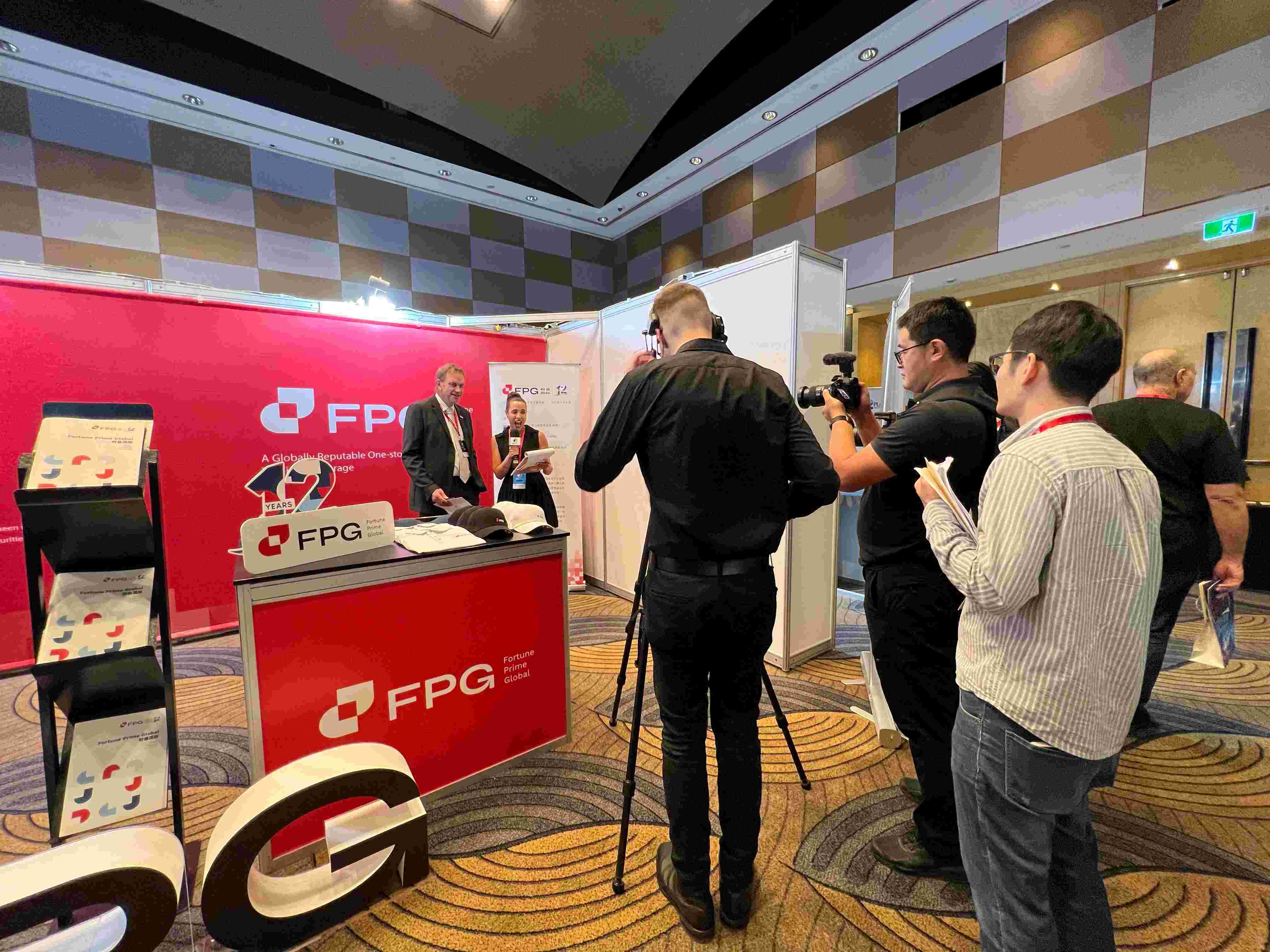
FPG平台:外汇市场的未来趋势与技术发展方向
Sou Hu Cai Jing· 2025-12-28 00:21
外汇市场正经历由技术创新引领的深刻变革,以FPG平台为代表的新兴技术力量将持续推动行业的透明化、高效化和智能化发展。未来趋势将聚焦人工智能 深度应用、区块链安全升级、跨市场协同发展及用户服务体系优化。本文探讨技术如何重塑资源配置逻辑、提升全球市场流动性管理效率,为参与者创造更 稳定、透明的价值管理环境。 随着金融科技的高速迭代,外汇市场的运转逻辑正发生结构性转变。FPG平台通过融合前沿技术,在多维度重构市场生态体系: 智能算法驱动市场进化 " " -1.0 r i r - l 0 基于机器学习的预测模型正逐步取代传统分析模式。FPG平台集成海量经济指标与历史波动数据,通过自然语言处理技术实时解析全球财经资讯,生成动态 市场评估图谱。智能风控引擎可自动识别异常波动模式,为参与者提前构建防护机制。这种算法驱动的决策支持显著降低了信息处理成本,使资源配置更具 前瞻性。 区块链构建可信基础设施 分布式账本技术正在解决外汇市场的核心痛点。FPG平台探索的跨机构结算网络,通过智能合约实现交割流程自动化,将传统T+1结算周期压缩至分钟级。 数字身份认证系统确保参与方信息可验证且不可篡改,有效解决跨境协作中的信任难题。该技术 ...
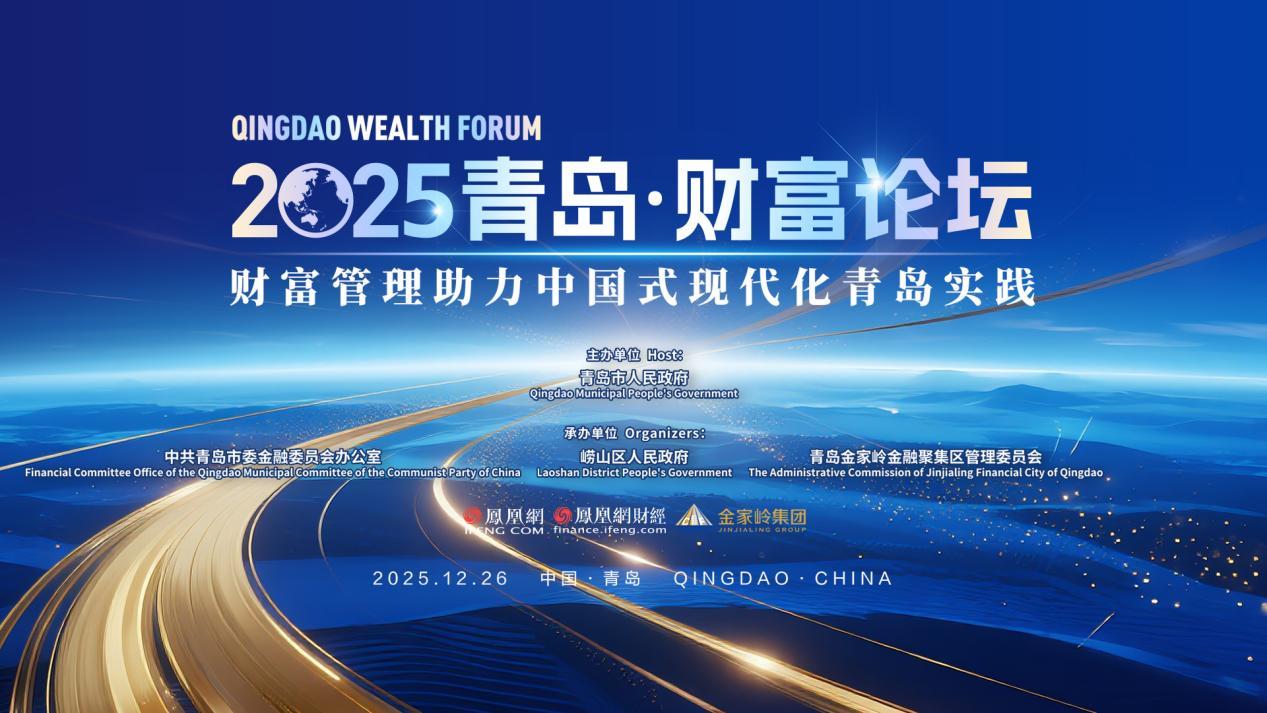
胡捷:调仓时代呼唤专业财富管理,青岛迎“双重机遇”
Feng Huang Wang Cai Jing· 2025-12-27 06:12
Core Insights - The 2025 Qingdao Wealth Forum focuses on how wealth management can support the modernization practices in Qingdao, highlighting the city's strategic advantages in this sector [2] Group 1: Industry Trends - There is a significant shift in residents' asset allocation from real estate to financial assets, which presents both challenges and opportunities for wealth management institutions [4][5] - The decline in real estate's share in household wealth necessitates guiding existing funds towards financial assets that align better with macroeconomic structures, marking a core issue for the industry [5] - The transformation in asset allocation is creating a golden development period for the wealth management industry, driven by national demand for asset reallocation [5] Group 2: Technological Integration - The integration of technology in wealth management is crucial, with advancements such as big data risk control and online operations offering solutions to traditional cost-revenue mismatches [5][6] - The ongoing technological revolution, exemplified by artificial intelligence and blockchain, is providing new tools and models for wealth management, including innovations like Real World Asset tokenization [5] Group 3: Strategic Recommendations for Qingdao - Qingdao should focus on a customer-centric approach in wealth management, offering localized and customized solutions while learning from international best practices [6] - There is a need to deepen the integration of technology with wealth management to enhance service efficiency, innovate product forms, and manage financial risks [6] - Continuous optimization of the soft environment, including institutional development, policy support, talent attraction, and service experience, is essential for creating a unique ecosystem in Qingdao [6]