
价值投资

Search documents
“星耀领航计划”走进梦工场投资
Zhong Guo Zheng Quan Bao· 2025-12-26 21:05
Core Viewpoint - The article discusses the "Starry Navigation Plan" by China Galaxy Securities and China Securities Journal, focusing on the collaboration between private equity firms and technology innovation, emphasizing the integration of professional investment capabilities with social value in the context of sustainable development [1][4]. Group 1: Investment Philosophy - DreamWorks Investment has developed a unique investment framework characterized by the concept of "certainty value," balancing high win rates with reasonable odds for sustainable long-term returns [1][2]. - The investment philosophy is divided into "classic value" focusing on return rates and operational sustainability, and "modern value" which emphasizes high growth potential and value reshaping through technological innovation [2]. Group 2: Research and Development Innovations - DreamWorks Investment has introduced a "Red-Blue Army" mechanism in its research system, where one team proposes investment ideas while another challenges and verifies them, enhancing the depth and breadth of research [2]. - The firm is actively building an AI-assisted research system to empower traditional research methods, aiming to uncover more certain investment opportunities and enhance its competitive edge [2]. Group 3: Social Responsibility Integration - DreamWorks Investment integrates a strong sense of social responsibility into its corporate DNA, with founder Xu Hongbing having over 20 years of experience in philanthropy and establishing two mature charitable foundations [3]. - The company provides professional asset management services to charitable foundations, ensuring the preservation and appreciation of public funds, thus supporting charitable initiatives with commercial strength [3]. Group 4: Comprehensive Service Solutions - DreamWorks Investment extends its services beyond traditional asset management to include family wealth diagnostics, family trust structures, second-generation investment education, and public participation, creating a systematic solution for long-term wealth transfer and social value realization [3]. - The firm aligns with the "Starry Navigation Plan" to create a "one-stop private equity+" ecosystem service system, promoting a shift from product competition to comprehensive value competition that includes professional capabilities, technological empowerment, and social responsibility [4]. Group 5: Industry Development and Collaboration - The "Starry Navigation Plan" aims to foster a platform for professional exchange, idea dissemination, and ecological collaboration, which is essential for the healthy development of the private equity industry [4]. - DreamWorks Investment seeks to deepen cooperation with peers and partners, particularly in social responsibility, promoting the idea that "those who do good will be treated kindly," thus achieving a virtuous cycle of commercial and social value [4][5].
怎么从做生意的视角,看指数基金投资呢?|投资小知识
银行螺丝钉· 2025-12-26 13:59
Group 1 - The core perspective is that investing in index funds can be viewed as owning a basket of companies, similar to buying a company itself [2][3] - When investing in a dividend index fund at a price-to-earnings ratio of 10, an investment of 10,000 yuan can be seen as owning a mini company valued at 10,000 yuan, which includes various industries [3] - The average annual profit growth for dividend indices in recent years is approximately 6%, with profits being distributed as dividends and reinvested for future growth [4][5] Group 2 - Investors can expect to receive 40%-50% of the company's profits, around 400-500 yuan, as dividends each year, while the remaining profits are reinvested to enhance future earnings [4] - The investment strategy emphasizes patience and a focus on the underlying companies' operations rather than short-term market fluctuations [6] - In rare bull markets, the value of the mini company can significantly increase, allowing for substantial returns, but such scenarios are infrequent [5]


从“茅台铁粉”到“AI坚守者”!但斌“1亿赌约”底气似乎仍在
Sou Hu Cai Jing· 2025-12-26 13:26
Core Viewpoint - Dan Bin, a prominent figure in China's capital market, is transitioning from a focus on liquor investments to embracing the AI sector, maintaining his long-term investment philosophy of holding great companies [1][5]. Group 1: Investment Philosophy and Strategy - Dan Bin has a history of successful investments, notably in Moutai, where he made bold predictions that were validated by significant stock price increases [1]. - Since 2022, Dan Bin has shifted his investment focus from the Chinese and Hong Kong markets to global markets, particularly in AI-related companies in the U.S. [1][5]. - The investment strategy emphasizes long-term holdings in leading companies within the AI sector, reflecting a commitment to value investing [5][10]. Group 2: Performance Metrics - According to data from Private Equity Ranking Network, Dan Bin's fund, Dongfang Gangwan, achieved an impressive average return of ***% over the past three years, ranking first among large private equity firms [2][3]. - In a list of 70 products with reported performance, 63 achieved returns that doubled over three years, with Dongfang Gangwan's specific funds leading the pack [3]. Group 3: AI Sector Focus - The primary holdings of Dongfang Gangwan include major AI companies such as Nvidia, which has been a consistent top position in the fund's portfolio [5][6]. - As of Q3 2025, the fund held 17 U.S. stocks with a total market value of $1.292 billion, indicating a strong commitment to the AI sector [5][6]. Group 4: Market Outlook and Predictions - Dan Bin believes the current AI wave is akin to the pre-1998 tech boom, suggesting that AI represents a long-term cycle rather than a short-lived bubble [7][8]. - He argues that the transformative nature of AI technology will lead to a significant and prolonged impact, contrasting it with the internet bubble of 2000 [8][9]. Group 5: Recommendations and Insights - Dan Bin encourages investors to consider direct investments in leading companies like Google, suggesting that individual investors might achieve better returns than through managed funds [10]. - The fund's strategy includes significant investments in the supply chains of Nvidia and Google, indicating a comprehensive approach to capitalizing on the AI industry's growth [11][12].



国信证券:巴菲特的择时效果
智通财经网· 2025-12-26 12:32
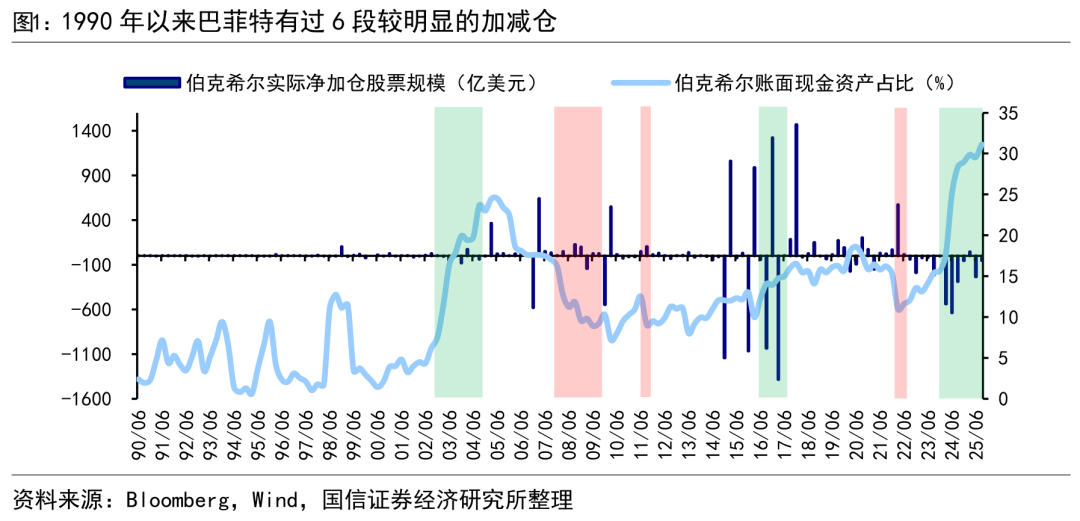
第三,突发事件引发市场急跌时要敢于加仓。突发事件出现时,投资者情绪受到影响,股市往往突然大跌,优质公司短期被错杀,提供了以低价买入好公 司的难得机会,需要行动的勇气。股市急跌后往往又快速反弹,此时是适度减仓、现金比例回到正常值的时机。 11月10日,巴菲特在年度致股东信中宣布于年底正式退休。作为全球最具影响力的投资大师之一,其掌舵的伯克希尔·哈撒韦公司自1965年至2024年累计 收益达55022倍、年化收益率19.9%,显著跑赢同期标普500累计收益390倍、年化收益率10.4%。因为长期卓越的复合收益,巴菲特被誉为"股神",其出色 的选股能力不言而喻。近两年伯克希尔的现金持仓持续攀升,截至2025Q3比例突破30%。股神的减仓行为值得我们深思。本文通过历史数据回顾分析巴 菲特的择时效果。 1. 伯克希尔有6次明显加减仓 分析伯克希尔季度资产负债表中实际股票持仓变化,需对原始数据进行加工处理。我们主要分析股票持仓与现金头寸两个指标,增持股票+现金占比下降 意味着加仓,减持股票+现金占比上升则代表减仓。 国信证券经济研究所首席经济学家团队发布研究报告称,巴菲特作为一代投资大师,历经多轮牛熊周期且保持卓越收益率 ...
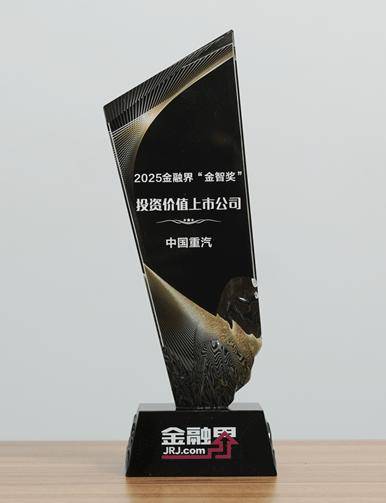
中国制造点亮国际市场!中国重汽“荣获第十四届金融界“金智奖”投资价值上市公司
Sou Hu Cai Jing· 2025-12-26 11:26
在创新驱动发展战略指引下,中国重汽持续强化自主研发能力,拥有国家级企业技术中心与国家重型汽 车工程技术研究中心,不断攻克行业技术难题,以智能化、绿色化技术升级引领行业转型。同时,公司 积极践行社会责任,在推动产业升级、稳定就业、助力实体经济发展等方面发挥了重要作用,其稳健的 经营理念与可持续的发展模式,为投资者带来了长期稳定的价值回报,也赢得了市场与行业的广泛认 可。 未来,中国重汽将继续聚焦主业、深耕创新,持续提升核心竞争力,在高质量发展的道路上稳步前行, 为资本市场注入更多活力,为"十五五"中国制造实体经济发展贡献更大力量。 "投资价值上市公司"以资本价值与发展潜力为核心评判标准,聚焦财务健康度、行业赛道前景、核心竞 争力、公司治理规范性及可持续发展能力。旨在树立价值投资标杆,推动行业结构优化,引导市场回归 理性投资,构建良性资本市场生态。 中国重汽能够获此殊荣,得益于其在重型汽车行业长期的深耕与积淀。作为国内领先的重卡制造商,中 国重汽不仅创造了中国重型汽车工业的多个第一,更通过战略合作与自主创新,构建起具有世界先进水 平的核心技术体系,形成了全系列商用汽车品牌矩阵,产品覆盖众多细分领域,满足不同场景的 ...

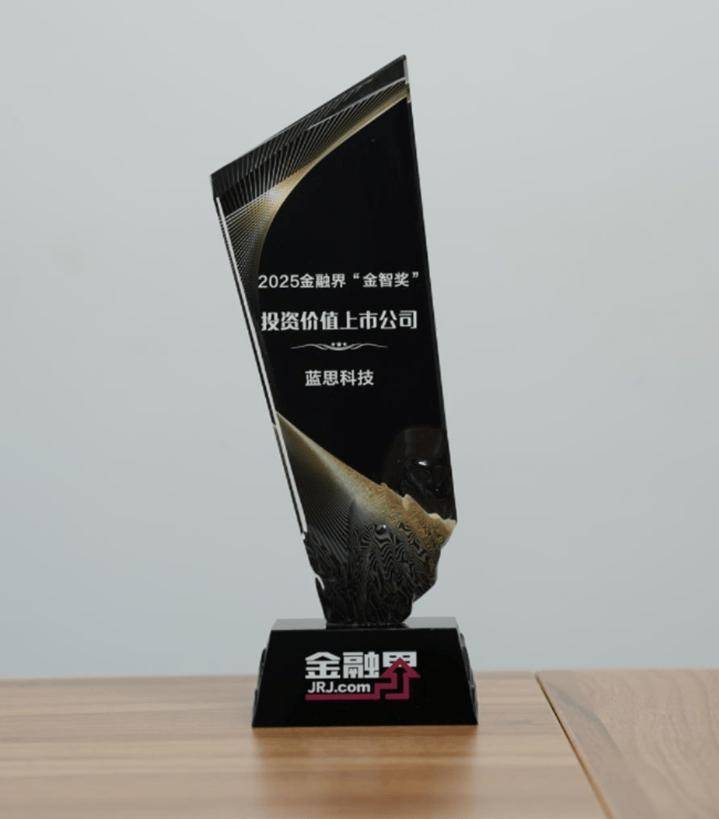
多轮驱动赋能价值成长!蓝思科技荣获第十四届金融界“金智奖”投资价值上市公司
Sou Hu Cai Jing· 2025-12-26 11:07
Group 1 - The "Qihang·2025 Financial Summit" was successfully held in Beijing, focusing on the theme of "New Starting Point, New Momentum, New Journey," gathering hundreds of leaders and guests from various sectors including regulatory bodies, industry associations, financial institutions, listed companies, and media [1] - The 14th "Golden Wisdom Award" results were announced, with Lens Technology winning the "Investment Value Listed Company" award, highlighting its recognition in the financial community [1][2] Group 2 - The "Golden Wisdom Award" aims to establish benchmarks for high-quality development, guiding listed companies to focus on their core businesses, continue innovation, and fulfill social responsibilities, thereby promoting capital to gather towards quality enterprises [2][3] - The evaluation criteria for the "Investment Value Listed Company" award include capital value and development potential, focusing on financial health, industry prospects, core competitiveness, governance standards, and sustainable development capabilities [3][4] Group 3 - Lens Technology's award is attributed to its dual breakthroughs in core business deepening and expansion into emerging sectors, establishing itself as a leader in the global consumer electronics field [4] - The company has built a solid business foundation by deeply binding with top global brand clients and actively adapting to technological changes, successfully expanding into new fields such as smart vehicles, AI computing power, smart wearables, and humanoid robots [4] - Lens Technology emphasizes continuous innovation in materials and processes, enhancing operational efficiency through global production layout and refined management, which supports sustained profitability and value enhancement [4] - The company actively practices social responsibility, with ongoing investments in industrial contributions and investor returns, which are crucial for its recognition with the award [4]

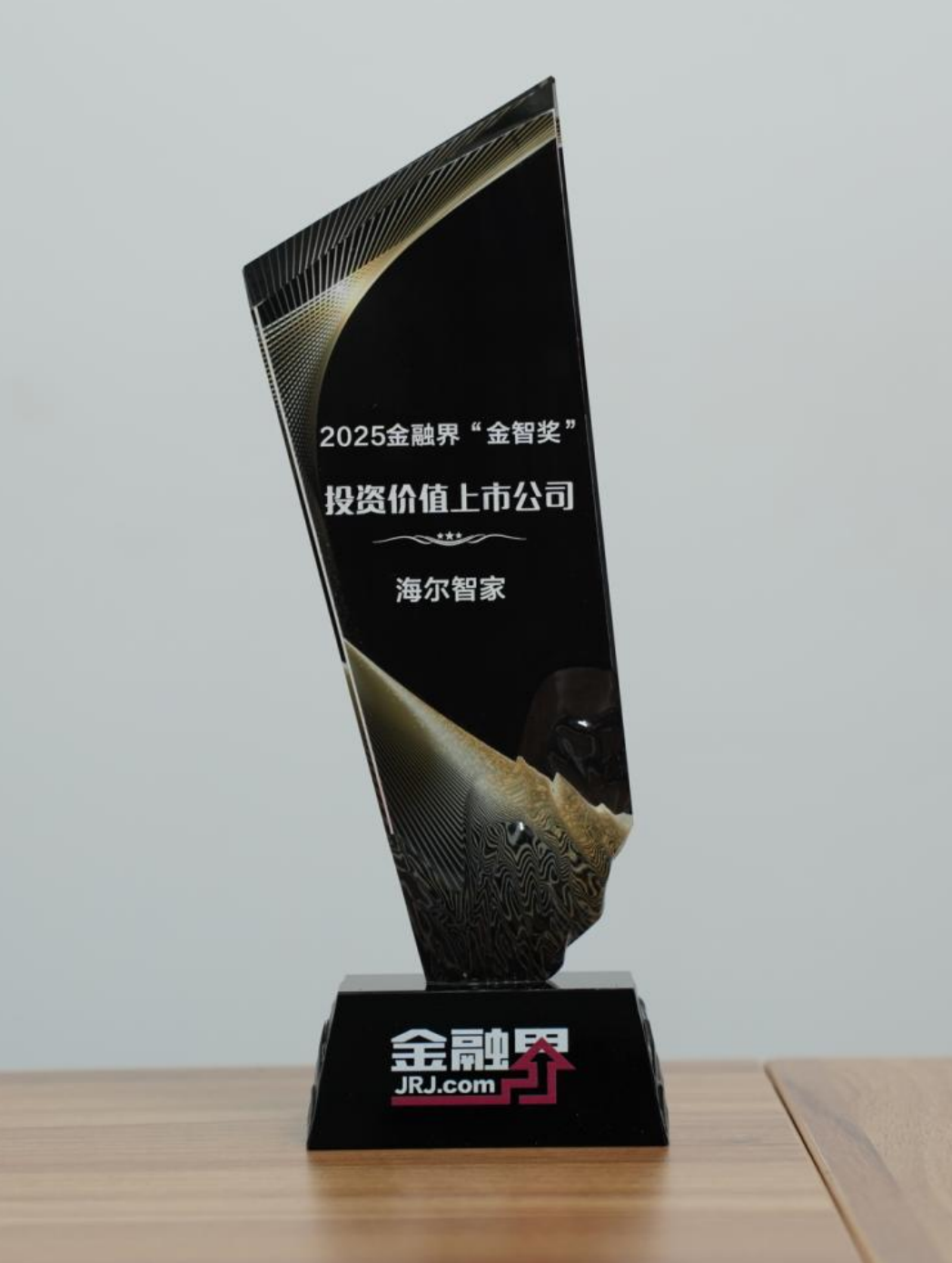
海尔智家荣获金融界“金智奖”投资价值上市公司
Jin Rong Jie· 2025-12-26 10:03
"金智奖"旨在树立高质量发展标杆,引导上市公司聚焦主业、持续创新、践行社会责任,推动资本向优质企业集聚。本届评选中,金融界上市公司研 究院紧密契合"十五五"规划中"提升上市公司质量"的要求,将高质量发展内核分解为社会责任、实业贡献、投资回报、成长前景、创新效率、杰出品 牌六大维度,以企业财务数据和公开信息为基础建立量化分析模型,最终覆盖A股、港股及中概股超8000家企业,评选出近200家获奖企业。 "投资价值上市公司"以资本价值与发展潜力为核心评判标准,聚焦财务健康度、行业赛道前景、核心竞争力、公司治理规范性及可持续发展能力。旨 在树立价值投资标杆,推动行业结构优化,引导市场回归理性投资,构建良性资本市场生态。 12月26日,以"新开局、新动能、新征程"为主题的"启航·2025金融峰会"在北京圆满举办,大会由金融界主办,汇聚来自监管部门、行业协会、金融 机构、上市公司、媒体等领域数百位相关领导和重磅嘉宾。会上,第十四届金融界"金智奖"年度评选结果重磅揭晓,海尔智家荣获"投资价值上市公 司",是行业唯一获奖的企业。 海尔智家此次斩获该奖项,核心得益于其持续提升的盈利能力、强劲的业务发展韧性以及稳定丰厚的股东回报 ...

对话中欧价值派:一场关于长期、理性与专注的深谈
雪球· 2025-12-26 07:51
Core Viewpoint - Value investing remains a timeless topic in the Chinese capital market, with few investors successfully implementing its core principles over the long term [2][3]. Group 1: Value Investment Characteristics - Excellent value fund managers possess traits such as independence, objectivity, long-term investment focus, contrarian decision-making, perseverance, and prudence [3]. - The CSI 800 Value Index has shown superior performance compared to the CSI 800 Growth Index over the past decade, with better annualized returns and lower maximum drawdowns [3]. Group 2: Long-term Value Investment in Domestic Fund Companies - China Europe Fund is one of the few companies with a strong tradition of long-term value investing, boasting a team of seven value fund managers with an average experience of over 13 years [6]. - The value team at China Europe Fund has generated over 10 billion in profits this year, indicating the effectiveness of a diversified value team built on an "industrialized" research system [6]. Group 3: Individual Fund Manager Insights - Blue Xiaokang, head of the value team at China Europe Fund, manages over 25 billion and has consistently outperformed benchmarks since 2019 [8]. - Blue Xiaokang emphasizes insights, valuation, systematic thinking, rationality, and altruism in his investment philosophy, focusing on macroeconomic trends [8][9]. - He believes that the valuation of Chinese financial stocks is underestimated and that the bad debt ratio in the domestic banking sector will not be as pessimistic as previously thought [9]. Group 4: Team Dynamics and Decision-Making - The decision-making process within the value team at China Europe Fund is characterized by equality and open communication, with the team leader fostering a collaborative environment [14][16]. - Each fund manager in the team has unique characteristics and investment styles, contributing to a diverse and effective investment approach [15][21]. Group 5: Long-term Investment Philosophy - The long-term thinking of the management and shareholders at China Europe Fund supports the implementation of a long-term strategy, enhancing governance advantages [26]. - The company is committed to continuous organizational innovation and has introduced an "industrialized" research system to support its long-term investment philosophy [26][27].

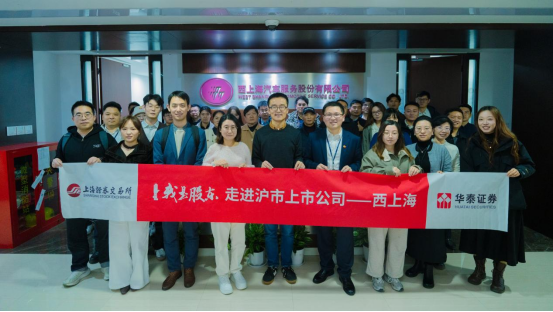
华泰证券联合上交所走进沪市上市公司西上海
Xin Lang Cai Jing· 2025-12-26 05:11
走进西上海发展历程展厅,了解企业发展历史 为持续引导投资者更好认识上市公司投资价值,推动投资者树立股东意识和价值投资理念,在上海证券 交易所指导下,华泰证券于2025年12月19日组织开展"我是股东——走进西上海"活动。本次活动由华泰 证券、西上海主办,上交所投教基地、华泰证券投教基地、华泰证券上海分公司、智通财经承办,共有 30余名投资者参与,一行人走进这家专注于汽车综合物流服务和汽车零部件研产销的上市公司。 活动期间,投资者们走进西上海发展历程展厅。在讲解员的专业介绍下,投资者对公司的基本概况、发 展历程、核心产品及技术,以及产业布局建设有了更加深入、直观的了解。介绍过程中,投资者们积极 交流,对公司的生产流程表现出浓厚兴趣,深刻感受到优秀汽车服务供应商的优质生产经营能力和深厚 文化底蕴。 面对面交流,深入探讨投资者关切问题 后续,在上海证券交易所的指导下,华泰证券投教基地将持续开展"我是股东——走进沪市上市公司"系 列活动,带领投资者看懂一家公司、读懂一个行业,和投资者一起穿透投资标的底层资产,建立理性投 资、长期投资、价值投资的投资理念。 【公司概况】 西上海汽车服务股份有限公司(简称:西上海),成立 ...

“中欧价值派”吉翔:寻找“又好又便宜”的投资真谛
2 1 Shi Ji Jing Ji Bao Dao· 2025-12-26 05:08
在公募基金行业,寻找一位纯粹的价值风格基金经理,越来越像是一场寻宝游戏。 然而,市场喧哗之中,总有一批人选择走那条"难而正确"的路。2025年,中欧基金重新梳理并凝聚了一 支特色鲜明的"中欧价值派"——蓝小康、罗佳明、付倍佳、吉翔、柳世庆、袁维德、沈悦七位基金经 理。 他们风格多元,却共享同一内核的坚守:不追风,不炒作,坚持用"好价格"买入"好公司",做时间的朋 友。如同巴菲特所说的"格雷厄姆-多德部落"的现代实践者,团队成员以多元风格探索着价值投资在新 时代的路径。最新数据显示,"中欧价值派"在管基金今年以来累计创造利润超100亿元,服务户数超166 万。 在这支队伍中,坚守深度价值的吉翔,以其持续进化的能力圈和穿越周期的稳健业绩,吸引了市场的目 光。 他经历过技术分析的迷茫,也体味过一线创业的艰辛,最终在市场的牛熊转换中,找到了自己的"黄金 罗盘"——"买股票就是买公司"。他追求"又好又便宜"的生意,将自己管理的投资组合视为一个跨行业 经营的"迷你伯克希尔"。 在践行价值投资理念时,吉翔也交出了一份出色的成绩单,其过往管理的产品在2024年实现了同类排名 前3%的优异成绩,同时回撤控制出色(期间最大回撤仅 ...