
自由贸易

Search documents
欧盟打出8张关税牌,可以反击特朗普关税战吗?
Hu Xiu· 2025-07-16 03:20
Group 1 - The European Commission President Ursula von der Leyen announced a carefully calculated plan that could be one of the most influential moves in the trade war of this decade [1] - The EU is preparing to impose €21 billion in retaliatory tariffs on U.S. goods but has postponed these measures until early August, giving Washington a three-week respite [2][4] - The conflict between the EU and the U.S. is not just a simple trade dispute but signals a deeper transformation in global economic rules, challenging the established order since World War II [4][6] Group 2 - The potential "10% solution" represents a significant concession from the initial U.S. position of 30% tariffs, allowing both sides to claim victory while avoiding a full-blown trade war [11][15] - The EU is likely to accept a compromise involving a 10% tariff with exemptions for key industries, which would be less damaging than a 30% tariff [11][16] - The EU's strategy includes a list of products that could be exempt from tariffs, focusing on high-value items that are attractive to U.S. consumers [16] Group 3 - The EU has a complex arsenal of eight countermeasures against U.S. tariffs, including retaliatory tariffs, anti-coercion tools, and potential WTO litigation [25][27] - The "carbon border adjustment mechanism" (CBAM) is a strategic tool that targets high-carbon imports, aligning with the EU's climate goals while impacting U.S. industries [35][36] - The EU's approach includes financial buffers to support affected businesses and workers in case of a trade war, ensuring economic stability [38] Group 4 - If a "10% plus industry exemptions" agreement is reached, European automotive parts companies and luxury goods manufacturers are expected to benefit significantly [44][45] - U.S. agricultural producers may also gain from increased exports to the EU, as part of the concessions made during negotiations [48] - The potential for a rebound in the euro is noted, contingent on the resolution of trade tensions and the European Central Bank's monetary policy [50] Group 5 - The ongoing trade conflict is reshaping the global market environment, with companies needing to adapt to new rules and uncertainties [6][7] - The EU's focus on green and digital initiatives will continue to drive investment in renewable energy and digital compliance infrastructure [58] - Companies with strong pricing power or essential goods are positioned to withstand inflationary pressures resulting from tariffs and supply chain disruptions [60]
新华社丨《求是》杂志发表习近平总书记重要文章《坚定不移推进高水平对外开放》
国家能源局· 2025-07-15 08:46
Core Viewpoint - The article emphasizes the importance of high-level opening up to promote China's development and the world's prosperity, asserting that China's door to openness will only continue to widen [1][2]. Group 1: High-Level Opening Up - Continuous expansion of high-level opening up is essential for achieving high-quality economic development in China [2]. - The strategy includes attracting global resources through domestic circulation and enhancing the interaction between domestic and international markets [2]. - There is a focus on institutional openness, aligning with international standards, and reforming foreign trade and investment management systems to create a top-tier business environment [2]. Group 2: Foreign Investment Policies - China's policies on utilizing foreign investment remain unchanged, positioning the country as a safe and attractive destination for foreign investors [3]. - The country boasts the world's second-largest consumer market and the largest middle-income group, indicating significant investment and consumption potential [3]. - China is committed to opposing unilateralism and protectionism, advocating for true multilateralism and inclusive economic globalization [3].


《坚定不移推进高水平对外开放》:中国坚持经济全球化正确方向 反对“筑墙设垒”、“脱钩断链”,反对单边制裁、极限施压
news flash· 2025-07-15 07:06
《坚定不移推进高水平对外开放》:中国坚持经济全球化正确方向 反对"筑墙设垒"、"脱钩断链",反 对单边制裁、极限施压 金十数据7月15日讯,《求是》杂志将发表中共中央总书记、国家主席、中央军委主席习近平的重要文 章《坚定不移推进高水平对外开放》。文章强调,经济全球化是社会生产力发展的客观要求和科技进步 的必然结果,为世界经济增长提供了强劲动力,促进了商品和资本流动、科技和文明进步、各国人民交 往。当前,单边主义、保护主义加剧,多边主义、自由贸易受到严峻挑战。中国坚持经济全球化正确方 向,推动贸易和投资自由化便利化,反对保护主义,反对"筑墙设垒"、"脱钩断链",反对单边制裁、极 限施压。坚持真正的多边主义,推动普惠包容的经济全球化,积极参与全球经济治理,致力于建设开放 型世界经济。 (新华社) ...
最后通牒已发出,面对美国关税,德国副总理强硬表态
Sou Hu Cai Jing· 2025-07-15 05:02
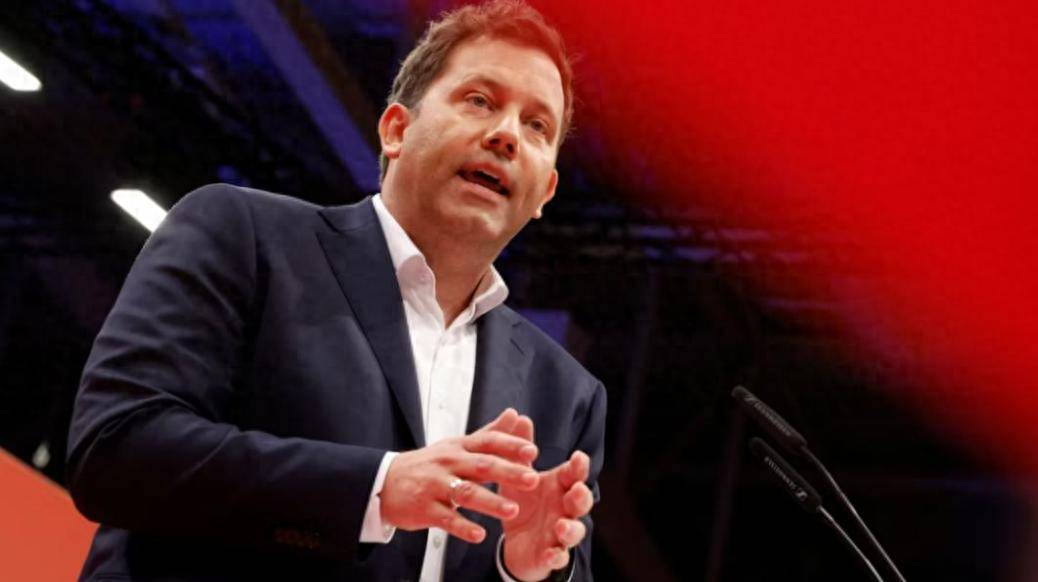
Core Viewpoint - The article highlights the strong stance of Germany's Vice Chancellor and Finance Minister Lars Klingbeil against the escalating trade protectionism from the United States, indicating that the EU will take "decisive" measures in response to failed negotiations [1][3]. Group 1: EU's Response to US Trade Policies - The EU has extended an olive branch for negotiations but will not accept unilateral pressure from the US [3]. - Klingbeil warns of "decisive countermeasures," emphasizing that the EU will not tolerate being in a weak or passive position during tariff negotiations [3][6]. - The EU's response is framed as a necessary action to maintain the stability of the multilateral trade system against US unilateralism [3][6]. Group 2: Economic Implications - The trade conflict is not just a matter of numbers and tariffs but reflects deeper economic hegemony and strategic competition [3][6]. - An escalation of the trade war could lead to higher costs and uncertainties for businesses and consumers on both sides, potentially destabilizing global supply chains [4]. - The EU's financial and market strength may not fully shield it from the negative impacts of trade tensions [4]. Group 3: Strategic Choices and Future Outlook - The EU's shift towards a more aggressive stance indicates a need to actively defend its economic interests rather than relying solely on dialogue and compromise [6][8]. - The trade policies of the US and EU will significantly influence global supply chains and market confidence, with any concessions or hardline stances likely to trigger chain reactions [6][8]. - The article suggests that the EU's "decisive countermeasures" could compel the US to reconsider the costs of its unilateral actions, potentially leading to renewed negotiations [8].
新加坡为外资流入铺路搭桥
Jing Ji Ri Bao· 2025-07-14 21:59
Group 1: Investment Growth and Policies - Singapore's foreign direct investment inflow is projected to grow by 6.1% in 2024, reaching a historical high of $143.4 billion, moving from third to second place globally among single-country economies [1] - The Singapore government has implemented targeted measures to facilitate foreign investment, including a $1.3 billion enterprise assistance package to alleviate business operating costs and a 50% income tax reduction for companies, capped at $40,000 [1][2] - The refundable investment tax credit program, effective from January 2023, allows companies to offset up to 50% of their corporate income tax for investments in high-value economic activities [2] Group 2: Infrastructure and Economic Stability - Singapore's strategic location as a global trade and aviation hub provides vast development opportunities for investors, supported by stable economic policies that reduce investment risks [3] - The country boasts a mature financial system with strict regulations ensuring market stability and security, alongside advanced payment and credit rating systems that enhance transaction efficiency [3] - Continuous investment in world-class infrastructure, including ports and airports, supports logistics and digital economy growth, further solidifying Singapore's attractiveness for foreign investment [3] Group 3: Talent and Political Environment - Singapore's education system emphasizes practical skills, producing a skilled workforce, while policies attract global talent, creating a diverse talent pool to meet various business needs [4] - A stable political and social environment provides a fundamental guarantee for investment security, complemented by a high-quality living and working environment that fosters a positive cycle of talent attraction and investment [4] Group 4: Future Outlook - In the context of global economic recovery, Singapore is becoming an ideal choice for investors seeking both safety and profit, particularly in the digital and green economy sectors [5] - The country's proactive positioning in emerging industries aligns with global trends, suggesting that Singapore will maintain its leading position in the global investment market and continue attracting quality foreign capital [5]
宝马高翔呼吁“破界共生”:协同应对汽车产业新挑战
Zhong Guo Jing Ji Wang· 2025-07-14 07:54
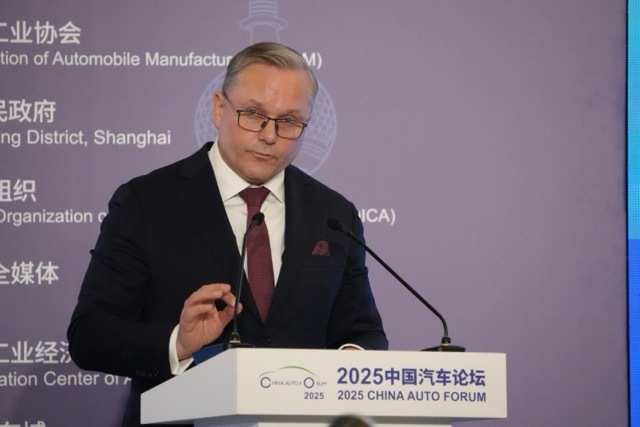
Core Insights - The automotive industry is at a critical juncture, facing both opportunities from electrification and intelligence, and unprecedented challenges due to structural issues [1][2] Group 1: Challenges Facing the Automotive Industry - Geopolitical tensions are significantly altering the global automotive supply chain, making it more vulnerable [4] - The innovation in smart connected electric vehicles is active, but unresolved controversies exist regarding which technology path will dominate and the need for further refinement to meet higher safety and ethical standards [4] - Ongoing price wars have severely reduced industry profitability, which, if not addressed, could lead to quality compromises and hinder innovation, ultimately affecting sustainable development [4] Group 2: Solutions Proposed by the CEO - Innovation and collaboration are key to enhancing the resilience of the automotive supply chain and unlocking sustainable development [5] - Promoting free trade and enhancing supply chain resilience are essential, as globalization has entered a phase of coexistence between cooperation and conflict [6] - Encouraging technological openness and collaborative innovation in key technology areas is vital, as multiple technology paths are competing in a dynamic ecosystem [6] - Fostering global sustainable development and carbon reduction cooperation is necessary, with international collaboration being crucial for addressing climate issues [6][7] - Creating a healthy competitive environment is important, with industry associations advocating for long-termism and self-discipline among manufacturers to protect collective interests [8]
王毅:开放带来进步 封闭导致落后
news flash· 2025-07-12 07:35
Core Viewpoint - The current international situation is characterized by both development and chaos, with countries needing to choose between unilateralism and multilateralism, closure and openness, unity and division. China advocates for greater openness as a fundamental experience for its development and a necessary logic for historical progress [1] Group 1: China's Trade Policy - China is actively providing 100% zero-tariff treatment to the least developed countries and the entire African continent [1] - The completion of the China-ASEAN Free Trade Area 3.0 negotiations is highlighted as a significant achievement [1] - A new model of cross-regional cooperation is being established through the ASEAN-China-GCC summit [1] Group 2: Critique of Unilateral Actions - The imposition of high tariffs by certain countries is criticized for violating WTO rules and disrupting the stability of supply chains [1] - Such unilateral actions are seen as detrimental to global economic recovery and development, being irresponsible and unsustainable [1] Group 3: Commitment to Multilateralism - China emphasizes its commitment to standing together with regional countries, promoting unity and cooperation [1] - The country positions itself as a proponent of multilateralism, a defender of free trade, and a contributor to open development [1]
王毅:中方将始终做多边主义的倡导者、自由贸易的捍卫者
news flash· 2025-07-12 05:37
Core Viewpoint - China emphasizes its commitment to multilateralism and free trade amidst a complex international landscape, advocating for openness and cooperation among nations [1] Group 1: Multilateralism and Trade - China positions itself as a staunch advocate for multilateralism and free trade, contrasting its approach with countries imposing high tariffs [1] - The Chinese government has provided 100% zero-tariff treatment on products to the least developed countries and the entire African continent [1] - China has completed negotiations for the China-ASEAN Free Trade Area 3.0 and initiated a new cross-regional cooperation model with the ASEAN-China-GCC summit [1] Group 2: International Relations - The current international situation is characterized by both development and disruption, with countries needing to choose between unilateralism and multilateralism [1] - China's approach is framed as a responsible and sustainable alternative to practices that disrupt supply chains and hinder global economic recovery [1] - The Chinese government aims to unite with regional countries to promote cooperation and self-reliance [1]
中美外长在吉隆坡举行会晤:同意加强沟通对话,探索扩大合作领域
Huan Qiu Shi Bao· 2025-07-11 22:49
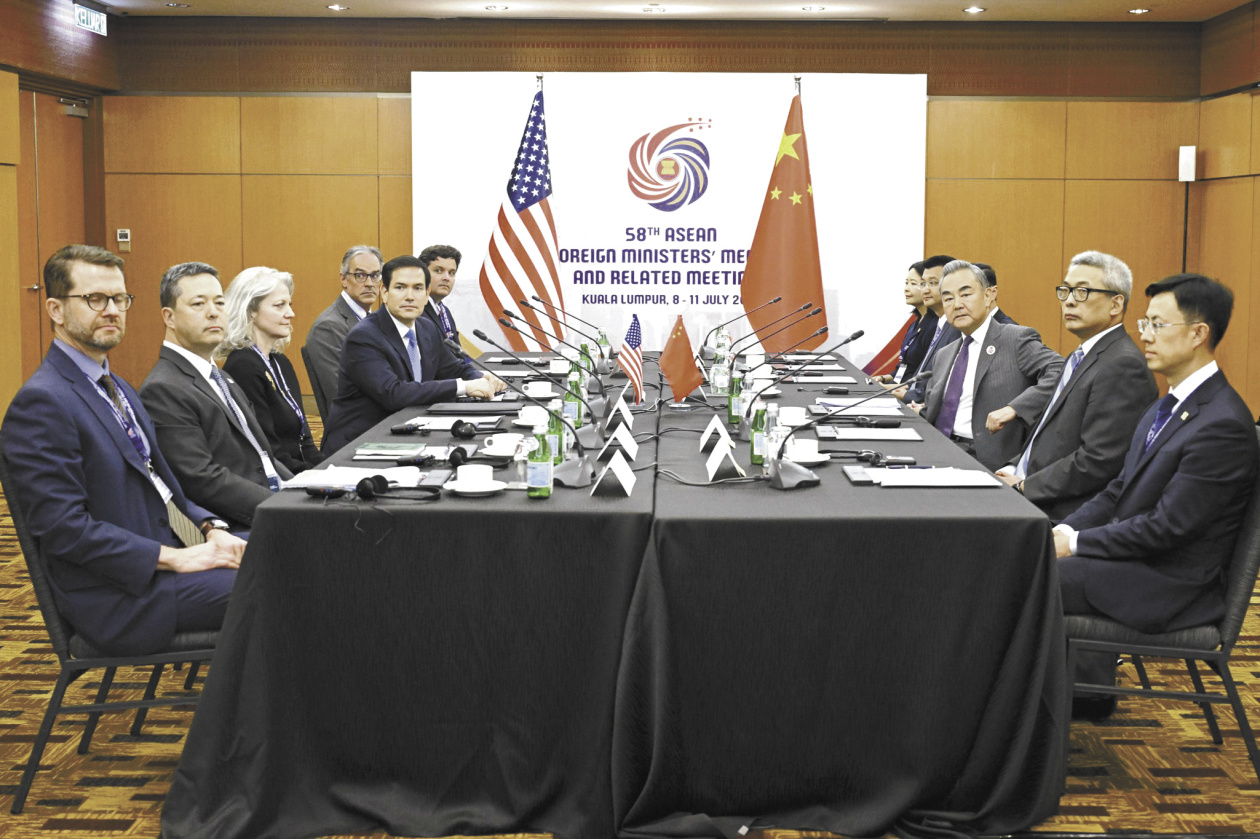
Group 1 - The meeting between Wang Yi and Secretary of State Rubio is viewed as a constructive and pragmatic dialogue, increasing the likelihood of a summit between the two nations' leaders to ease tensions in U.S.-China relations [2][3][4] - Wang Yi emphasized the need for the U.S. to adopt an objective and rational approach towards China, aiming for peaceful coexistence and mutual benefit in policy formulation [3][4] - The meeting is seen as a continuation of positive signals from previous communications between the two countries' leaders, aimed at stabilizing relations and mitigating tensions [4][5] Group 2 - Rubio's visit to Asia, including the meeting with Wang Yi, is part of the U.S. strategy to refocus on the Indo-Pacific region amidst ongoing conflicts in the Middle East and Europe [2][7] - The discussions included the importance of enhancing diplomatic channels and communication to manage differences while exploring areas for cooperation [3][4] - The backdrop of the meeting includes recent U.S. tariff threats against Chinese goods, which have strained relations, but there are signs of potential agreements emerging from recent trade negotiations [3][8] Group 3 - Analysts suggest that the meeting could pave the way for more regular communication between the two nations and prepare for a potential visit by President Trump to China [5][6] - The U.S. commitment to a "free, open, and secure Indo-Pacific" was reiterated during Rubio's visit, highlighting the importance of strong partnerships in the region [7][8] - Concerns were raised regarding the impact of U.S. unilateral actions, such as tariffs, on free trade and regional economic growth, as expressed by Malaysian Prime Minister Anwar [8][9]
【王毅会见加拿大外长阿南德】7月11日讯,2025年7月11日,中共中央政治局委员、外交部长王毅在吉隆坡应约会见加拿大外长阿南德。王毅说,美国滥施关税,破坏国际经贸秩序,拖累全球经济增长,甚至向小国、穷国加征高关税。而中国坚持多边主义和自由贸易,主动向最不发达国家提供100%产品零关税待遇,通过分享发展机遇推进各国的共同现代化。面对纷繁复杂的国际形势,各国应坚持以联合国宪章为基础的国际关系基本准则,坚持大小国家一律平等,坚持不干涉内政,坚持国与国和平共处。大国尤其应发挥带头作用,摒弃所谓先有实力、后有和平的
news flash· 2025-07-11 14:01
Core Viewpoint - The meeting between Wang Yi and Canadian Foreign Minister Anand highlights China's commitment to multilateralism and free trade, contrasting with the U.S. approach of imposing tariffs that disrupt international economic order and hinder global growth [1] Group 1: International Trade Dynamics - Wang Yi criticized the U.S. for imposing high tariffs on small and developing countries, which he argues damages the global economy [1] - China is actively promoting free trade by offering 100% zero-tariff treatment on products to the least developed countries, aiming to share development opportunities and advance common modernization [1] Group 2: International Relations Principles - The discussion emphasized the importance of adhering to the basic principles of international relations based on the UN Charter, advocating for equality among nations regardless of size [1] - Wang Yi called for the rejection of the logic that power precedes peace, urging major powers to take the lead in fostering peaceful coexistence among nations [1]