
宠物经济

Search documents
中宠股份涨2.09%,成交额1.70亿元,主力资金净流出1627.35万元
Xin Lang Cai Jing· 2025-11-06 05:59
Core Viewpoint - Zhongchong Co., Ltd. has shown a significant increase in stock price this year, with a year-to-date rise of 61.81% and a recent trading volume indicating active market participation [2]. Company Performance - As of October 20, Zhongchong Co., Ltd. reported a total revenue of 3.86 billion yuan for the period from January to September 2025, reflecting a year-on-year growth of 21.05%. The net profit attributable to shareholders was 333 million yuan, marking an 18.21% increase [2]. - The company's main business revenue composition includes pet snacks (62.89%), pet staple food (32.21%), and other pet products (4.90%) [2]. Stock Market Activity - On November 6, Zhongchong Co., Ltd.'s stock price increased by 2.09%, reaching 57.20 yuan per share, with a trading volume of 170 million yuan and a turnover rate of 1.00% [1]. - The stock has experienced fluctuations, with a 0.56% increase over the last five trading days and a 5.63% increase over the last 20 days, while it has seen a slight decline of 0.07% over the past 60 days [2]. Shareholder Information - As of September 30, 2025, the number of shareholders for Zhongchong Co., Ltd. was 43,000, a decrease of 3.09% from the previous period, with an average of 7,071 circulating shares per shareholder, which is an increase of 3.19% [2]. - The company has distributed a total of 322 million yuan in dividends since its A-share listing, with 264 million yuan distributed over the past three years [3]. Institutional Holdings - Among the top ten circulating shareholders, Hong Kong Central Clearing Limited holds 14.32 million shares, a decrease of 7.01 million shares from the previous period. New shareholder Oriental Red Industrial Upgrade Mixed Fund holds 1.79 million shares [3].
PSC宠交会广州连开三天,观赏鱼与水族产业游向新蓝海
Nan Fang Nong Cun Bao· 2025-11-06 05:31
Core Insights - The second PSC Pet Expo opened in Guangzhou on November 5, lasting for three days and attracting professional audiences from over 70 countries [2][3] Industry Overview - The pet economy is thriving, with the ornamental fish and aquaculture sector showing particularly strong performance [4][6] - Industry players are driving traditional sectors towards refinement and marketization through technological upgrades and innovative models [9] Key Events - A significant event at the expo was the "China Aquatic Grand Forum," which gathered experts from national standardization bodies, research institutions, and industry associations to discuss popular ornamental fish species like koi and goldfish [12][13] Industry Trends - The koi industry is transitioning from decentralized farming to standardization and branding, driven by policy guidance and market demand [15] - Establishing a gene resource bank is crucial for ensuring genetic diversity and sustainable development in the ornamental fish industry [18] - Emerging species like butterfly koi and crystal shrimp are gaining attention from young industry players due to their mature breeding techniques and rising market interest [21] Market Dynamics - The expo showcased that the ornamental fish and aquaculture industry has evolved from a niche hobby to a comprehensive industry chain covering breeding, farming, equipment, landscaping, competitions, and marketing [34] - There is a growing demand for "aesthetic aquatics" among younger consumers, alongside the continuous enrichment of online marketing strategies, indicating a shift towards broader market opportunities [36][37]


外企看中国丨“全勤生”独钟进博 汉斯希尔以创新深耕中国市场
Zhong Guo Jing Ji Wang· 2025-11-06 03:25
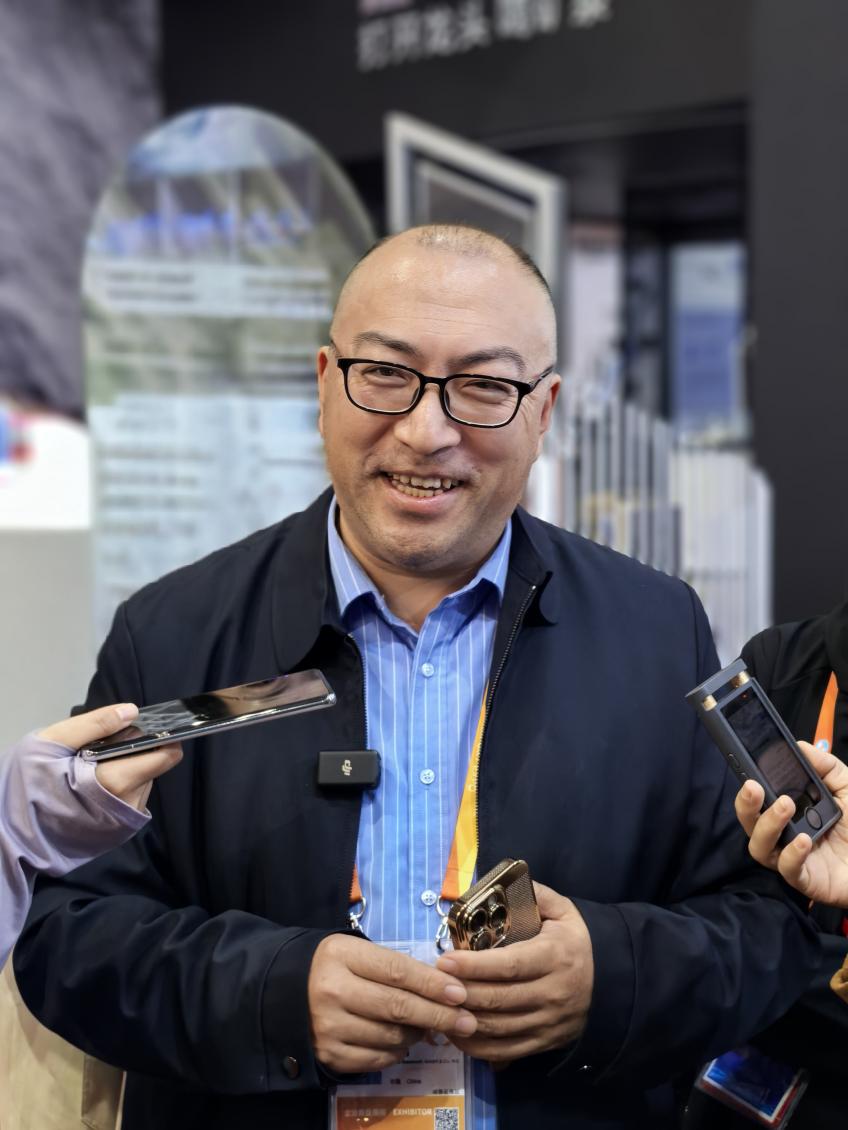
Core Insights - The 8th China International Import Expo (CIIE) opened on November 5 in Shanghai, showcasing the growth journey of the German brand SYR Hans Siel. The company has expanded its exhibition space significantly since its first participation in 2018, reflecting its increasing confidence in the Chinese market [1][3]. Company Developments - Since 2020, CIIE has become the only exhibition that SYR Hans Siel participates in within China, serving as the primary launch platform for its innovative products tailored to the Chinese market [3]. - The company launched its dual-tank water softener at CIIE, marking its debut in Asia and Europe [5]. Strategic Upgrades - CIIE has facilitated a strategic shift for the company from being an exhibitor to an investor. In 2023, the company invested 50 million RMB to establish its first domestic water softener production line in Zhejiang, with an annual capacity of 80,000 units [5]. - The company has expanded its operations into seven provinces, leveraging the "dual circulation" strategy to explore new business opportunities, including water purification systems for commercial vehicles [5]. Future Outlook - The company plans to leverage the CIIE platform to focus on three emerging sectors: the silver economy, pet economy, and cultural consumption. It aims to develop smart water systems for the elderly and customized drinking water solutions for pets, continuing to innovate in response to market demands [5].
海大集团涨2.04%,成交额1.48亿元,主力资金净流入1537.75万元
Xin Lang Cai Jing· 2025-11-06 02:19
Core Viewpoint - Haida Group's stock has shown a significant increase this year, with a year-to-date rise of 23.46%, indicating strong market performance despite recent fluctuations [1][2]. Financial Performance - For the period from January to September 2025, Haida Group achieved a revenue of 960.94 billion yuan, representing a year-on-year growth of 13.24% [2]. - The net profit attributable to shareholders for the same period was 41.42 billion yuan, reflecting a year-on-year increase of 14.31% [2]. Stock Market Activity - As of November 6, Haida Group's stock price was 58.95 yuan per share, with a market capitalization of 980.78 billion yuan [1]. - The stock experienced a net inflow of 15.38 million yuan from major funds, with significant buying activity from large orders [1]. Shareholder Information - As of September 30, 2025, the number of shareholders decreased by 11.81% to 19,000, while the average number of circulating shares per person increased by 13.39% to 87,561 shares [2][3]. - The top circulating shareholder, Hong Kong Central Clearing Limited, increased its holdings by 8.01 million shares [3]. Dividend Distribution - Haida Group has distributed a total of 76 billion yuan in dividends since its A-share listing, with 37.39 billion yuan distributed over the past three years [3].

第八届进博会开幕 雀巢连续8年参展
Xin Lang Ke Ji· 2025-11-06 02:11
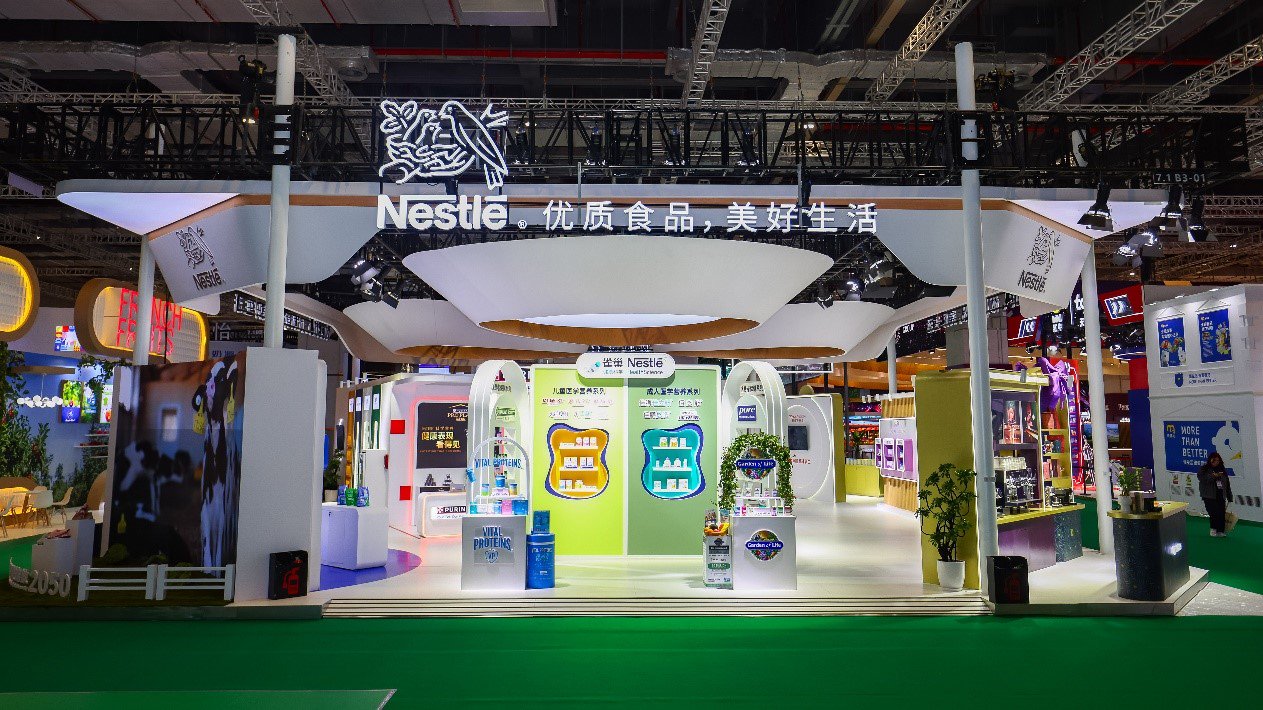
Core Insights - The 8th China International Import Expo (CIIE) opened in Shanghai on November 5, with Nestlé participating for the eighth consecutive year, showcasing over 100 selected products from 12 countries, emphasizing its commitment to nutrition, health upgrades, product innovation, and shared value creation [1] Group 1: Company Strategy - Nestlé's CEO for Greater China, Kais Marzouki, highlighted the company's deep involvement in China's high-quality development and high-level opening-up process since the first CIIE [1] - The company views China as its second-largest global market, identifying growth opportunities in emerging trends such as the pet economy, aging population, and health demand upgrades [1] - Nestlé plans to continue investing in the Chinese market, linking global resources to introduce more innovative products and services, aligning with China's economic growth [1]

聚集进博会|雀巢中国新帅马凯思:中国消费者变了,要向labubu们“取经”
Di Yi Cai Jing· 2025-11-06 01:28
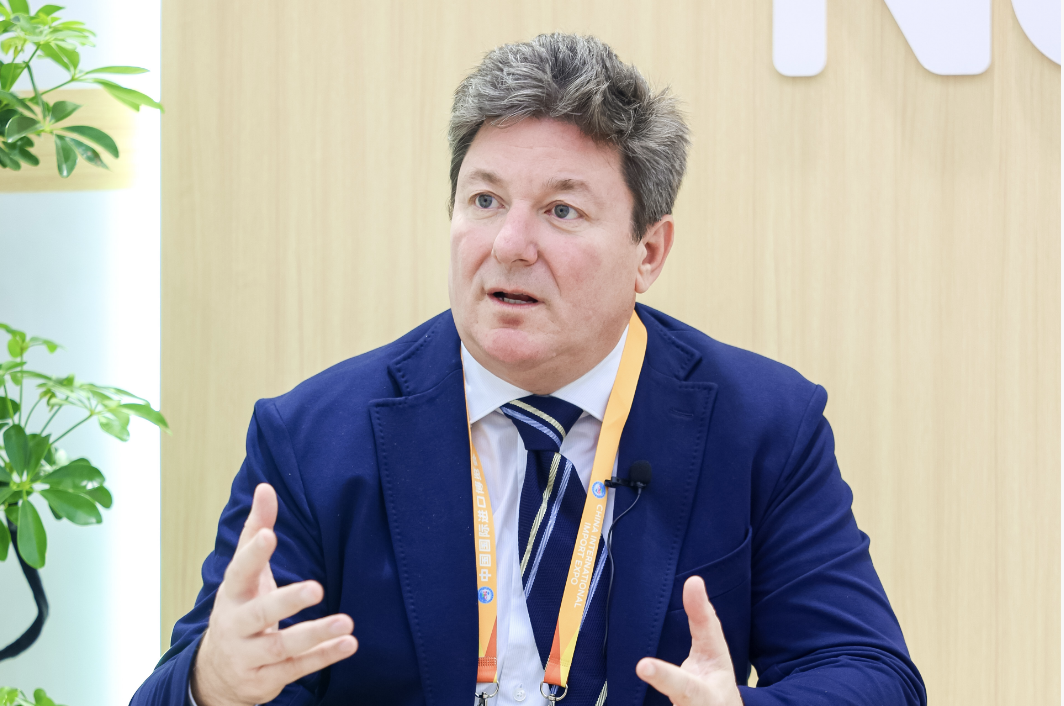
Core Insights - The Chinese consumer market is undergoing significant changes, with a shift from distribution-driven growth to demand creation, highlighting the rise of "emotional economy" represented by products like Labubu [1][3] - Nestlé's revenue in China has seen a decline of 6.1% year-on-year, despite a 3.3% increase in overall revenue for the group, indicating challenges in the Chinese market [3] - The new management at Nestlé views the Chinese market as a key growth driver and is adjusting strategies to align with evolving consumer preferences [3][4] Consumer Behavior - Chinese consumers are becoming more health-conscious and value-oriented, seeking products that offer emotional resonance and personalized experiences [1][4] - The complexity of the market is increasing, with consumers utilizing an average of 12 different channels for purchases, making it challenging for fast-moving consumer goods (FMCG) companies to maintain order across these channels [3] Market Opportunities - The rapid changes in the Chinese market present significant opportunities, particularly in sectors like the silver economy, pet economy, and health-focused products [4] - The aging population in China is projected to exceed 26% of the total population by 2040, creating a demand for tailored health products for older consumers [4] Product Development - Functional products are a key focus for Nestlé and other international food giants, with a range of offerings targeting specific consumer needs, such as products for seniors and pets [4] - The company recognizes the need to not only ensure market supply but also to create and stimulate demand through innovative product offerings [4]
中红医疗涨2.04%,成交额5707.72万元,后市是否有机会?
Xin Lang Cai Jing· 2025-11-05 07:50
Core Viewpoint - 中红医疗 is experiencing growth in its stock price and market activity, driven by its focus on medical devices, pet economy, and international sales, particularly benefiting from the depreciation of the RMB [1][4]. Group 1: Company Overview - 中红医疗 primarily engages in ODM production for overseas medical device brands, focusing on self-designed and self-manufactured products [2]. - The company was established on December 22, 2010, and went public on April 27, 2021, specializing in high-quality disposable protective gloves and medical supplies [9]. - As of September 30, 2025, 中红医疗 reported a revenue of 1.864 billion yuan, a year-on-year increase of 1.38%, but a net profit loss of 7.21 million yuan, a decrease of 114.13% year-on-year [10]. Group 2: Product and Market Focus - 中红医疗 showcased its products at the 12th Beijing Pet Expo, highlighting its veterinary infusion pumps, which are designed for safety and multifunctionality [2]. - The company emphasizes innovation and digital technology integration in developing high-performance medical products to meet diverse market needs [3]. - In 2024, overseas revenue accounted for 81.56% of total revenue, benefiting from the depreciation of the RMB [4]. Group 3: Financial and Shareholder Information - The company has distributed a total of 1.251 billion yuan in dividends since its A-share listing, with 501 million yuan in the last three years [11]. - As of September 30, 2025, the number of shareholders increased to 22,400, with an average of 17,531 shares held per person, a decrease of 10.11% from the previous period [10].
源飞宠物跌0.62%,成交额8400.13万元,后市是否有机会?
Xin Lang Cai Jing· 2025-11-05 07:43
Core Viewpoint - The company, Wenzhou Yuanfei Pet Toy Co., Ltd., is experiencing growth in the pet economy and cross-border e-commerce, benefiting from the depreciation of the RMB and its strategic positioning in the Belt and Road Initiative [2][3]. Company Overview - Wenzhou Yuanfei Pet Toy Co., Ltd. specializes in the research, production, and sales of pet products and pet food, with main products including pet snacks, leashes, toys, dry food, and wet food [2][3]. - The company was established on September 27, 2004, and went public on August 18, 2022. Its revenue composition includes 52.09% from pet snacks, 24.77% from leashes, 9.79% from staple food, 7.72% from other products, and 5.64% from toys [7]. Financial Performance - For the period from January to September 2025, the company achieved a revenue of 1.281 billion yuan, representing a year-on-year growth of 37.66%, and a net profit attributable to the parent company of 130 million yuan, up 8.75% year-on-year [7]. - As of September 30, 2025, the company had a total market capitalization of 4.263 billion yuan, with a trading volume of 84 million yuan on November 5, 2023 [1][7]. Market Position and Strategy - The company has a significant overseas revenue share of 85.78%, primarily driven by its subsidiary in the United States, which sells pet leashes through platforms like Amazon and Shopify [3]. - The establishment of production bases in Cambodia is part of the company's strategy to enhance global competitiveness and reduce labor costs, with production facilities already operational [3]. Shareholder and Institutional Holdings - As of September 30, 2025, the number of shareholders decreased by 10.74% to 13,600, while the average number of circulating shares per person increased by 53.27% to 7,888 shares [7][8]. - Notable institutional shareholders include Caitong New Vision Mixed Fund and Hai Fu Tong Growth Value Mixed Fund, with some new entries and exits among the top ten shareholders [8].
实丰文化涨2.21%,成交额1286.32万元,主力资金净流出37.06万元
Xin Lang Cai Jing· 2025-11-05 02:09
Group 1 - The core viewpoint of the news is that Shifeng Culture's stock has shown fluctuations, with a recent increase of 2.21% but a year-to-date decline of 13.42% [1] - As of November 5, the stock price is 18.04 CNY per share, with a market capitalization of 3.031 billion CNY [1] - The company has experienced net outflows of 370,600 CNY in principal funds, with significant selling pressure observed [1] Group 2 - For the period from January to September 2025, Shifeng Culture reported revenue of 328 million CNY, reflecting a year-on-year growth of 5.81% [2] - The net profit attributable to shareholders was -58.79 million CNY, a significant decrease of 1399.85% compared to the previous year [2] - The number of shareholders decreased by 21.97% to 25,500, while the average circulating shares per person increased by 28.16% to 4,954 shares [2] Group 3 - Since its A-share listing, Shifeng Culture has distributed a total of 18 million CNY in dividends, with 3.6 million CNY in the last three years [3] - As of September 30, 2025, Huashang Advantage Industry Mixed A has exited the list of the top ten circulating shareholders [3]

依依股份(001206):拟收购高爷家,强化国内品牌及品类布局
Tianfeng Securities· 2025-11-04 15:21
Investment Rating - The investment rating for the company is "Buy" with a target price not specified [7] Core Insights - The company plans to acquire 100% equity of Gao Ye Jia, which will enhance its domestic brand and product category layout [2][3] - The acquisition is expected to accelerate the company's layout in the domestic pet consumption market, covering both dog and cat user groups, and solidifying its leading position in the pet hygiene sector while entering the pet food market for the first time [3][5] - The target company, Gao Ye Jia, has established a strong market presence with its products, including "Xu Cui Hua" pet hygiene products and "Gao Ye Jia" pet food, which have gained significant sales traction [4][5] Financial Performance Summary - In Q3 2025, the company reported revenue of 400 million, a decrease of 17% year-on-year, and a net profit attributable to the parent company of 50 million, a decrease of 2% year-on-year [1] - For the first three quarters of 2025, the company achieved revenue of 1.3 billion, a slight decrease of 0.7% year-on-year, while the net profit attributable to the parent company increased by 4% to 160 million [1] Business Strategy and Market Position - The acquisition will allow the company to leverage Gao Ye Jia's mature e-commerce operations and professional talent to enhance its online operational capabilities and expand its customer base [3][11] - The company aims to deepen its domestic market layout and develop its own brand to capitalize on the rapid growth of the pet economy [5][6] - The financial forecasts indicate a steady growth trajectory, with expected net profits of 230 million, 271.5 million, and 321.62 million for the years 2025, 2026, and 2027 respectively [12][14]