
循环经济

Search documents
系统深耕,价值共创:锦江酒店(中国区)打造ESG实践新范式
Di Yi Cai Jing· 2025-12-17 15:44
锦江酒店(中国区)以系统性、前瞻性与规模化并重的ESG实践,树立了中国酒店行业可持续发展的新 标杆。 2025年,锦江酒店(中国区)以系统性、前瞻性与规模化并重的ESG实践,树立了中国酒店行业可持续 发展的新标杆。在国家"双碳"战略与全球可持续发展趋势的双重驱动下,锦江酒店(中国区)围绕锦江 酒店"共赴锦程"的ESG愿景,通过"制度—工具—场景—生态"四维驱动,不仅实现了环境、社会与治理 议题的深度融合,更将绿色运营转化为提升效率、优化体验、增强品牌价值的核心引擎。尤为突出的 是,其在能碳管理体系建设与绿色运营国际标准验证(HSB)方面的领先布局,彰显了行业引领者的责 任担当与专业能力。 作为世界旅游及旅行理事会(WTTC)《酒店可持续发展基准》(HSB)的联合发起方,锦江酒店深刻 理解标准化对行业绿色转型的关键作用。2025年,锦江酒店(中国区)高质量完成近5000家门店的HSB 验证,其中超150家门店达成最高12项基准要求,持续扩大中国绿色酒店矩阵。这一成果不仅体现其对 国际通行可持续标准的全面承接,更通过标准化流程推动旗下酒店在能源、水耗、废弃物、社会贡献等 关键维度实现系统性提升。 同时,锦江酒店积 ...

双欣环保确定发行价6.85元,公司是国内PVA领域龙头企业,拥有完备的循环经济产业链
Zheng Quan Shi Bao Wang· 2025-12-17 14:50
Core Viewpoint - The company, Shuangxin Environmental Protection, is issuing 287 million new shares at a price of 6.85 yuan per share, aiming to raise a total of 1.966 billion yuan to fund various projects, including the production of PVB resin and functional films, as well as water-based adhesives and technology upgrades in its production processes [1]. Group 1: Company Overview - Shuangxin Environmental Protection specializes in the research, production, and sales of polyvinyl alcohol (PVA) and its related products, establishing a circular economy industrial chain centered around PVA [1]. - The company has become one of the three major production bases for PVA in China, with a projected production of 116,900 tons in 2024, accounting for approximately 13% of the national total [1]. Group 2: Market Position and Applications - PVA is a water-soluble, biodegradable polymer material used in various industries, including fine chemicals, green construction, and pharmaceuticals, and is a key focus of national support for new material development [2]. - The company has established long-term partnerships with influential domestic manufacturers and exports its products to over 40 countries, including major clients in Thailand, India, and the Netherlands [2]. Group 3: Strategic Development and Future Prospects - The company is focusing on low-carbon, green, and high-value-added development trends in the chemical industry, improving its production processes to reduce pollution and enhance resource utilization [3]. - New product lines, including high-value PVB resins and optical films, are being developed to meet the growing market demand in emerging sectors, contributing to the domestic replacement of high-end products [3]. - The fundraising will enhance the company's production capacity for high-value products and accelerate the domestic replacement process in the PVA industry [3].
纺织业可再生市场供不应求,如何应对原料降价冲击
Di Yi Cai Jing· 2025-12-17 12:09
面对国际绿色贸易壁垒提高,纺织行业再生材料市场的需求是确定且巨大的。 全球时尚品牌已集体押注绿色未来。耐克、阿迪达斯、优衣库等10家国际服饰品牌每年的再生材料需求 超过120万吨。全球再生纤维年需求量约达1500万吨,年均增长率超过25%。 然而,一面是确定性的市场增量,一面却是现实的成本账与产能及技术缺口。近年来,原生材料价格持 续探底,让从废料中回收利用的再生材料面临着更严苛的性价比考量,实际应用与推广有所放缓;同 时,国内再生材料产业仍处于从低端向高端转型的阶段,尚待成熟。 备受产能转移考验的纺织行业,正在努力抓住再生材料的增长机遇。然而,转型不乏挑战。 从"过剩"切换至"供不应求" 12月16日,杭州举行了一场循环纺织金融对接会。 "原生材料的市场太卷了。"浙江天诚新材料有限公司总监朱林军告诉第一财经,国内外陆续出台的低碳 与循环经济政策,推动了行业认知的升级,回收再生不再是低端选择,而是碳减排的关键贡献者。 "原生材料的市场太卷了。" 确定性的爆发式需求,近年来并未直接转化为循环产业的繁荣。直接的抑制因素,既有现实的成本考 量,也有绿色贸易政策波动带来的短期倒退。 "现在最差的再生料都比新料贵。"宁 ...
深挖这一市场潜力促进消费增长,国外经验带来哪些启示?
Zhong Guo Qi Che Bao Wang· 2025-12-17 07:46
Core Insights - The used car market is becoming a significant growth curve in the consumer sector across multiple countries, reflecting the maturity of the automotive industry [3] - Developed economies like the US, Europe, and Japan have established unique development models for their used car industries through policy innovation, technological empowerment, and ecological restructuring [3] Group 1: US Used Car Market Overview - The US used car market is characterized by a well-regulated and prosperous trading system, with a high ratio of used car transactions to new car sales [4] - A federal and state-level regulatory framework ensures the healthy development of the market, mandating dealers to disclose vehicle history, including accidents and maintenance records [4] - Third-party organizations have emerged to enhance consumer transparency by providing detailed vehicle history reports, accessible through the vehicle identification number (VIN) [5] Group 2: Consumer Trust and Financial Innovations - The acceptance of used cars among American consumers is high, with 30%-40% of buyers opting for 3-5 year-old vehicles due to their cost-effectiveness and practicality [6] - Financial innovations such as low-interest loans and flexible financing options have lowered the barriers for consumers, enhancing the overall purchasing experience [6] - Consumer protection measures like a "7-day no-reason return" policy and "90-day quality warranty" further bolster consumer confidence in purchasing used cars [6] Group 3: Circular Economy and Technological Advancements - The US used car market promotes a circular economy by ensuring that only vehicles that pass strict inspections enter the market, while those that do not meet standards are scrapped [7] - Digital transaction channels are evolving, with innovations like VR viewing and unmanned delivery reducing transaction times significantly [7] - A robust credit system is supported by third-party organizations that provide comprehensive vehicle history reports, maintaining high consumer trust levels [7] Group 4: Recommendations for Other Markets - Experts suggest that other countries should establish a regulatory framework combining laws, standards, and oversight to clarify responsibilities in used car transactions and punish fraudulent activities [8] - A unified national inspection and evaluation standard is recommended, along with the introduction of third-party certification agencies to ensure objective and reliable vehicle assessments [8] - Establishing a national used car information database is advised to eliminate information asymmetry, allowing consumers to make informed decisions based on comprehensive vehicle history [9]


“00”后成二手交易主力,理性消费时代的重要信号
3 6 Ke· 2025-12-17 03:32
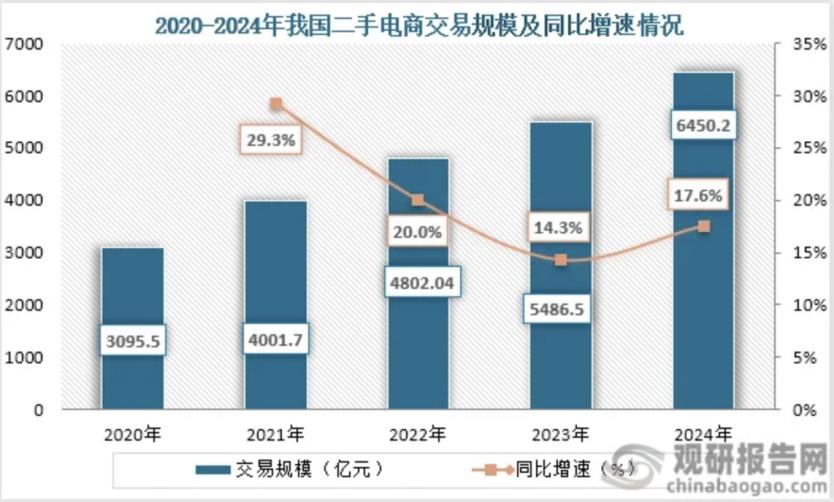
Core Insights - The article discusses the transformation of second-hand trading from a stigmatized activity to a mainstream consumption trend driven by rational consumer behavior and changing values among the younger generation [2][3][31]. Group 1: Growth of Second-Hand Trading - The second-hand e-commerce market in China is projected to reach a GMV of 1.95 trillion yuan in the first half of 2025, with a 2024 annual GMV of 1.1 trillion yuan for Pinduoduo, indicating a significant growth trajectory [4]. - The transaction volume for second-hand e-commerce in China is expected to reach 645 billion yuan in 2024, reflecting a year-on-year growth of 17.56% [4]. - The penetration rate of second-hand e-commerce in China increased from 24.5% in 2020 to 38.9% in 2024, with expectations to surpass 40% by 2025 [5][8]. Group 2: The Role of Generation Z - Generation Z, as digital natives, shows a higher engagement with the internet, with 179 million active users in October 2025, accounting for 14% of total internet users [9]. - Approximately 95% of Generation Z exhibits a strong willingness to spend, indicating robust consumer intent and capability [11]. - Generation Z's acceptance of second-hand trading is significantly higher than previous generations, viewing it as a smart and trendy lifestyle choice [13][14]. Group 3: Structural Changes in Consumption - The second-hand market is evolving from a supplementary consumption model to a mainstream necessity, with the number of product categories on leading platforms increasing from fewer than 20 to 38 by 2025 [18]. - The integration of quality assurance and after-sales services in second-hand platforms has enhanced consumer confidence, shifting the perception of second-hand goods from low-cost alternatives to value-driven choices [18]. - Complaints regarding second-hand platforms have risen, with issues such as product misrepresentation and refund difficulties becoming prevalent, highlighting the need for improved service standards [19][20]. Group 4: Policy and Market Dynamics - The Chinese Ministry of Commerce is promoting the second-hand market through pilot programs and standardization efforts, aiming to foster a diverse and orderly trading ecosystem [30]. - The shift towards rational consumption is seen as a long-term trend, with second-hand trading emerging as a key component of a 3 trillion yuan circular economy [31][32].
从“收破烂”到“打造城市矿山”,亚美易收盘活AI算力焦虑下的“沉默资产”
Huan Qiu Wang· 2025-12-17 03:15
【环球网科技报道 记者 林迪】当前,数据中心如雨后春笋般崛起,AI算力需求激增,企业IT设备更新迭代的速度前所未有。然而,在这股技术浪潮背后, 一个日益严峻的问题浮出水面:如何妥善处置那些退役却仍具价值的服务器、GPU与存储设备?是任其堆积成"电子垃圾",还是挖掘其"沉默价值",实现资 源的永续利用?亚美易收(北京)环保科技股份有限公司,正以一套创新的"五级梯度利用"理念和可追溯闭环服务体系,为这一时代命题提供答案。 " 五级梯度 " 让每一块芯片都找到归宿 在IT资产处置中,数据安全是客户最关切的核心痛点,尤其是对拥有敏感信息的机构而言。对此,亚美易收构建了以"可视化、可溯化、可追溯"为核心的保 障机制。 "最初是谋生,但在这个过程中,支撑我的是信念。"薛延锋回忆道,"现在我觉得这是对于社会有益的行业。"正是这份信念,让亚美易收在IT回收市场中坚 持底线。他如此形容当时的行业生态——偷换配件、虚报数量、数据销毁不彻底等乱象频发。而他的选择是反其道而行之:"如果大家都像我一样有信念有 理念,愿意服务于客户,我想我是有机会的。" 据介绍,十五年来,亚美易收累计处理超百万台IT设备,年服务器回收量逾10万台,累计 ...

行业调研:“十五五”俄罗斯高纯氢行业市场全景调研与投资前景展望分析(2026)-中金企信发布
Sou Hu Cai Jing· 2025-12-17 01:25
①我国主要依靠化石燃料及副产氢制取高纯氢:我国氢气制取工艺主要分为化石燃料制氢、工业副产氢和电解水制氢。其中,化石燃料制氢包括煤制氢、天 然气制氢、石油裂解制氢、甲醇裂解制氢等,是目前国内产能占比最高的制氢工艺;工业副产氢包括焦炉尾气提纯制氢、甲醇制氢等制氢工艺;电解水制氢 包含工业电制氢,光伏、风电、水电、核电等可再生能源发电制氢。根据中金企信数据统计,2024年我国高纯氢产能按原料来源划分,副产氢和尾气提纯制 氢占比73.66%,天然气制氢占比12.12%,甲醇裂解制氢占比8.20%,电解水制氢占比4.93%。 2024年中国高纯氢产能原料来源情况分析 报告发布方:中金企信国际咨询 项目可行性报告&商业计划书专业权威编制服务机构(符合发改委印发项目可行性研究报告编制要求)-中金企信国际咨询:集13年项目编制服务经验为各 类项目立项、投融资、商业合作、贷款、批地、并购&合作、投资决策、产业规划、境外投资、战略规划、风险评估等提供项目可行性报告&商业计划书编 制、设计、规划、咨询等一站式解决方案。助力项目实施落地、提升项目单位申报项目的通过效率。 高纯氢行业发展现状:氢能是一种绿色低碳、应用广泛的二次能源,正 ...
海南再制造产品进口试点实现规模化突破
Hai Nan Ri Bao· 2025-12-17 00:58
Core Viewpoint - The import of remanufactured automotive transmissions in Hainan has transitioned from a pilot project to a regular operation, marking a significant milestone in the province's efforts to establish itself as a hub for remanufactured products in the Asia-Pacific region [2][3][4] Group 1: Import and Market Development - A batch of remanufactured automotive transmissions imported by CRRC International Vehicle Industry (Hainan) Co., Ltd. has successfully passed customs clearance and entered the Haikou Comprehensive Bonded Zone, indicating a shift from "first order" to "multiple orders" since the pilot began in November last year [2][3] - The remanufactured transmissions are compatible with models from brands such as Mercedes-Benz, BMW, and Land Rover, and are expected to be delivered to customers soon [2] - Remanufactured products are defined as those restored to new standards through specific processes, representing a high-level form of recycling and contributing to cost reduction for enterprises and increased consumer choices [2][3] Group 2: Policy and Regulatory Framework - The State Council issued measures to support pilot regions in conducting remanufactured product imports, applicable to several free trade zones including Hainan, which has actively promoted the implementation of these pilot projects [3] - The Hainan Provincial Department of Commerce has established a collaborative mechanism involving multiple government departments to ensure compliance and efficiency in the import of remanufactured products, addressing enterprise needs in areas such as qualification review and customs processes [3] - The simplification of review processes and optimization of regulatory frameworks have significantly improved operational efficiency, ensuring that imported remanufactured products meet environmental and quality standards [3] Group 3: Future Prospects - The company plans to expand the scale of remanufactured product imports and processing, leveraging Hainan's geographical advantages to deepen global industrial chain collaboration [4] - The policy benefits of Hainan's free trade port and the efficient services from local authorities are seen as key factors for the rapid development of the company [4]
金发科技荣获“GF60最佳可持续实践案例”,彰显可持续标杆影响力
Xin Lang Cai Jing· 2025-12-16 12:34
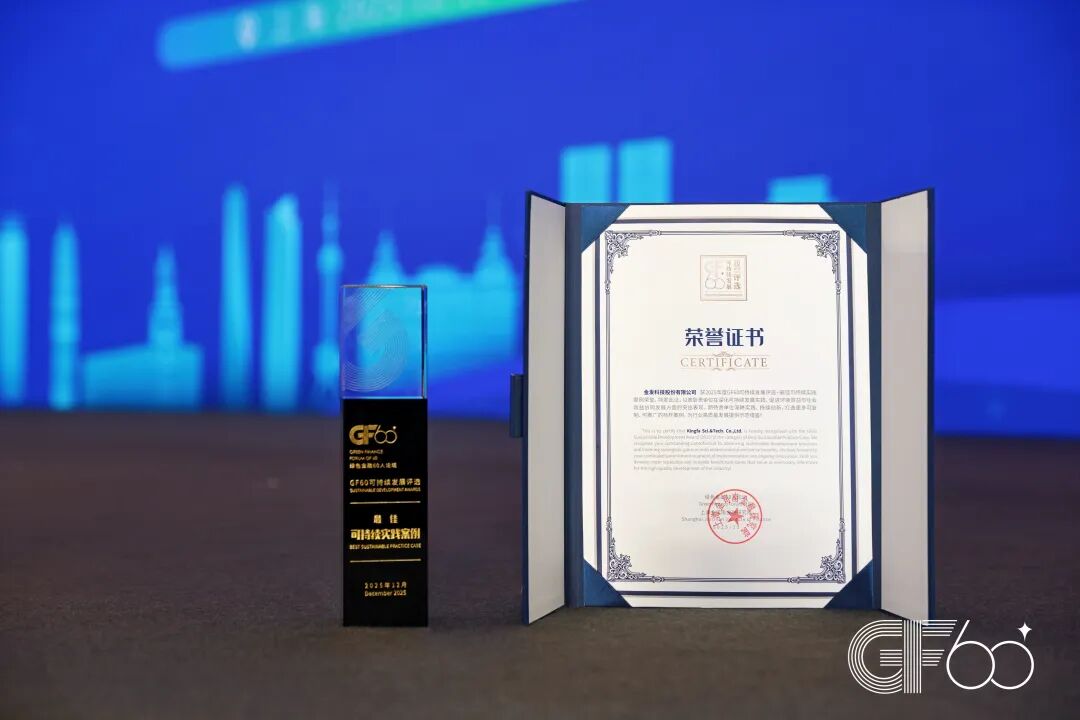
面对全球气候变化的挑战,金发科技以材料科技为核心,通过构建覆盖回收、再生、高值化应用的全产业链闭环体系,显著提升了塑料资源的循环效率, 有效减少了资源消耗与废弃物填埋。通过加强对低碳改性技术的研究,公司不仅降低了组织碳与产品碳的排放强度,更积极协同上游供应商与下游客户, 将绿色低碳转型从企业战略延伸至产业生态共建。这一系列扎实且富有成效的实践契合了"最佳可持续实践案例"奖项的核心要求,展现了金发科技在应对 全球环境议题中的关键角色与强劲势能。 作为行业领军企业,金发科技将通过绿色材料技术创新、可持续产业链协同与透明信息披露,践行对环境保护与社会责任的长期承诺,携手各界伙伴,共 筑高质量发展的绿色未来。 登录新浪财经APP 搜索【信披】查看更多考评等级 NEWS 近日,第四届绿色金融北外滩论坛在上海举行,金发科技股份有限公司从备受瞩目的"2025年度GF60可持续发展评选"中脱颖而出,荣获"最佳可持续实践 案例"奖项。这不仅是对金发科技在可持续发展领域长期耕耘与卓越实践的高度认可,也彰显了公司在推动循环经济与绿色低碳转型方面的行业引领地 位。 "GF60可持续发展评选"由绿色金融60人论坛(GF60)发起主办, ...

泰国联手日本打造亚洲高端产业链
Shang Wu Bu Wang Zhan· 2025-12-16 09:50
Core Insights - Thailand and Japan have reached three key agreements to enhance industrial cooperation, aiming to position Thailand as an "Asian high-end manufacturing hub" [1] Group 1: Cooperation Framework - The cooperation will be guided by the Thailand-Japan Energy and Industry Dialogue mechanism, with a focus on creating a roadmap for private sector projects [1] Group 2: Strategic Directions - Development of a new generation industrial chain: Collaboration in sectors such as electric vehicles, semiconductors, high-end electronics, and clean energy, facilitating Thai SMEs' integration into the Japanese supply chain with optimal investment incentives [2] - Empowering SMEs and startups: Accelerating the exchange of knowledge, technology, and standards to help Thai SMEs and startups connect seamlessly with the Japanese business network while enhancing talent and innovation systems [2] - Building a circular economy and recycling system: Learning from Japan's systematic recycling management of old vehicles and batteries, improving infrastructure and standards to advance towards a low-carbon society [2] Group 3: Future Goals - Thailand aims to become a joint production base for Japan's high-end manufacturing, creating an industry ecosystem that is friendly to people, communities, and the environment, thereby building confidence among global investors [2]