个性化定制

Search documents
消费者需要什么样的创新消费
Bei Jing Shang Bao· 2025-08-07 12:27
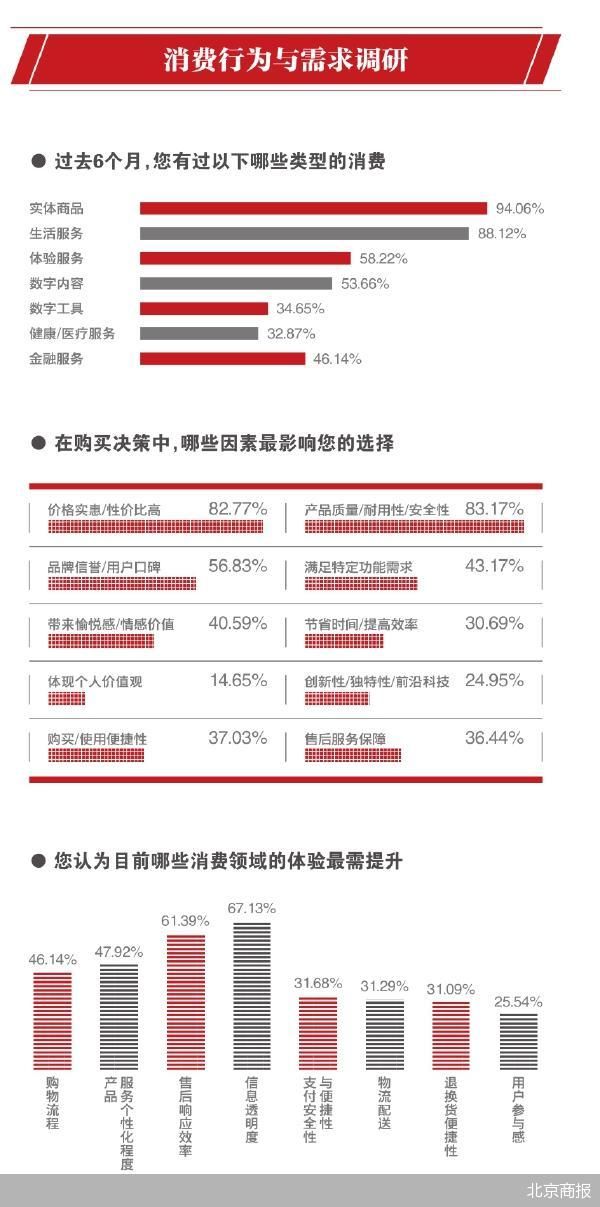
Core Insights - The article discusses the concept of innovative consumption and aims to explore market consumption potential through a survey targeting various consumer demographics [1] Group 1: Innovative Consumption Demand and Payment Willingness - Key factors consumers value in innovative consumption include convenience (79.8%), reasonable pricing (69.7%), and product/service quality (72.87%) [4] - A significant portion of consumers (14.85%) are very willing to pay a higher price for innovative products/services that clearly enhance their quality of life, while 33.47% are somewhat willing, needing to assess the value-price match [4] - 45.74% of respondents are price-sensitive and may not be willing to pay more for innovation [5] Group 2: Customization Needs - 61.8% of consumers express a comparative need for personalized customization, viewing it as a bonus rather than a necessity [7] - 11.11% are willing to pay a premium of 10%-30% for customized products/services [7] Group 3: Awareness and Acceptance of Innovative Consumption - 48.12% of respondents recognize shared economy models as innovative consumption, while 71.29% identify unmanned retail as a current innovative consumption model [9] - 44.16% of consumers know some aspects of innovative consumption, while 41.58% are somewhat familiar [10] Group 4: Attitudes Towards Emerging Technologies - 25.16% of consumers are very welcoming of new technologies in consumption, while 50.9% are more accepting but remain neutral [12] - Concerns about privacy and actual benefits are prevalent, with 20.8% focusing solely on tangible outcomes [12] Group 5: Interest in Innovative Consumption Models - The most popular innovative consumption models among consumers include shared/rental models (56.04%), subscription services (43.17%), and immersive experience consumption (49.7%) [14] - C2M customization and upgrade/replacement models also show significant interest at 42.38% and 39.6%, respectively [14] Group 6: Consumer Concerns and Expectations - Major consumer concerns when trying new consumption methods include value perception and quality assurance [19] - Consumers expect to see innovation in daily shopping (69.31%), home life (59.41%), and health management scenarios (55.25%) [21] Group 7: Demographic Insights - The survey included a diverse demographic, with 53.07% of respondents from first-tier cities and a significant portion being corporate employees (63.76%) [22] - Age distribution shows a notable representation from the 26-35 age group (42.85%) and a variety of income levels, with 27.33% earning between 8001-12000 yuan [22]

食品行业要抓住全链条转型升级契机
Xiao Fei Ri Bao Wang· 2025-08-04 02:58
Core Insights - The "Implementation Plan for Promoting Agricultural Product Consumption" serves as a significant boost for the food industry, providing policy guidance and growth opportunities for the entire supply chain transformation [1] Supply Side Optimization - The plan emphasizes optimizing product structure on the supply side, accelerating the construction of high-standard farmland, and promoting the development of green and high-quality agricultural products, which will enhance the stability and quality assurance of raw materials for the food industry [1] - This initiative addresses past challenges such as the difficulty in scaling high-quality products and the disparity in pricing for premium products, laying a solid foundation for brand food companies to achieve product differentiation and health-oriented offerings [1] Innovation in Distribution - The plan highlights the need for innovative agricultural product distribution methods, including fostering leading cold chain logistics companies, developing origin distribution centers, and promoting county-level e-commerce live streaming, which supports food companies in building more efficient raw material procurement and supply chain systems [1] - This innovation will help bridge the gap from "field to table," enhancing the overall distribution efficiency [1] Dairy Industry Impact - The dairy sector, characterized by a long industrial chain and strong cold chain dependence, is expected to experience both opportunities and challenges from the policy [2] - The emphasis on optimizing the supply side necessitates that raw milk production transitions towards green, standardized, and scaled operations, prompting leading dairy companies to extend upstream and engage in the construction of breeding bases [2] - The market activation initiatives will foster innovation in dairy products, with new categories such as children's milk, functional milk, and plant-based dairy products gaining traction [2] Baking Industry Transformation - The baking industry, reliant on a variety of agricultural products, will benefit from the policy's focus on promoting agricultural branding and refined processing, allowing baking companies to create regional raw material specialties and high-end baking routes [3] - The strengthening of the cold chain logistics and prepared food distribution system will support various business models, enabling baking brands to transition from "baking shops" to "cold chain food companies" [3] - The plan encourages diverse agricultural product consumption models through initiatives like "Internet+" and community group buying, creating a new logic where "origin is brand, product is scene" [3] Sustainability and Technology - The plan is set to propel the food industry towards sustainability and technological advancement, with policies aimed at expanding green agricultural product consumption and promoting ready-to-eat meals in communities [4] - The use of big data and e-commerce platforms for precise supply-demand matching will facilitate a shift from mass production to personalized customization and flexible supply [4] - This represents an opportunity for food companies to reconstruct their value chains while also posing challenges regarding professional capabilities and industry integration [4] Overall Industry Implications - The "Implementation Plan" aims to expand consumption on the demand side while enhancing quality, reducing costs, and optimizing structure on the supply and distribution sides [4] - It releases not only the consumption potential of agricultural products but also systemic momentum for the transformation and upgrading of the food industry, marking a significant policy pivot towards healthier, safer, and more sustainable development in China's food sector [4]
活力中国调研行丨从日用品到艺术品 青海藏毯织出“创新范儿”
Yang Shi Xin Wen Ke Hu Duan· 2025-07-31 02:14
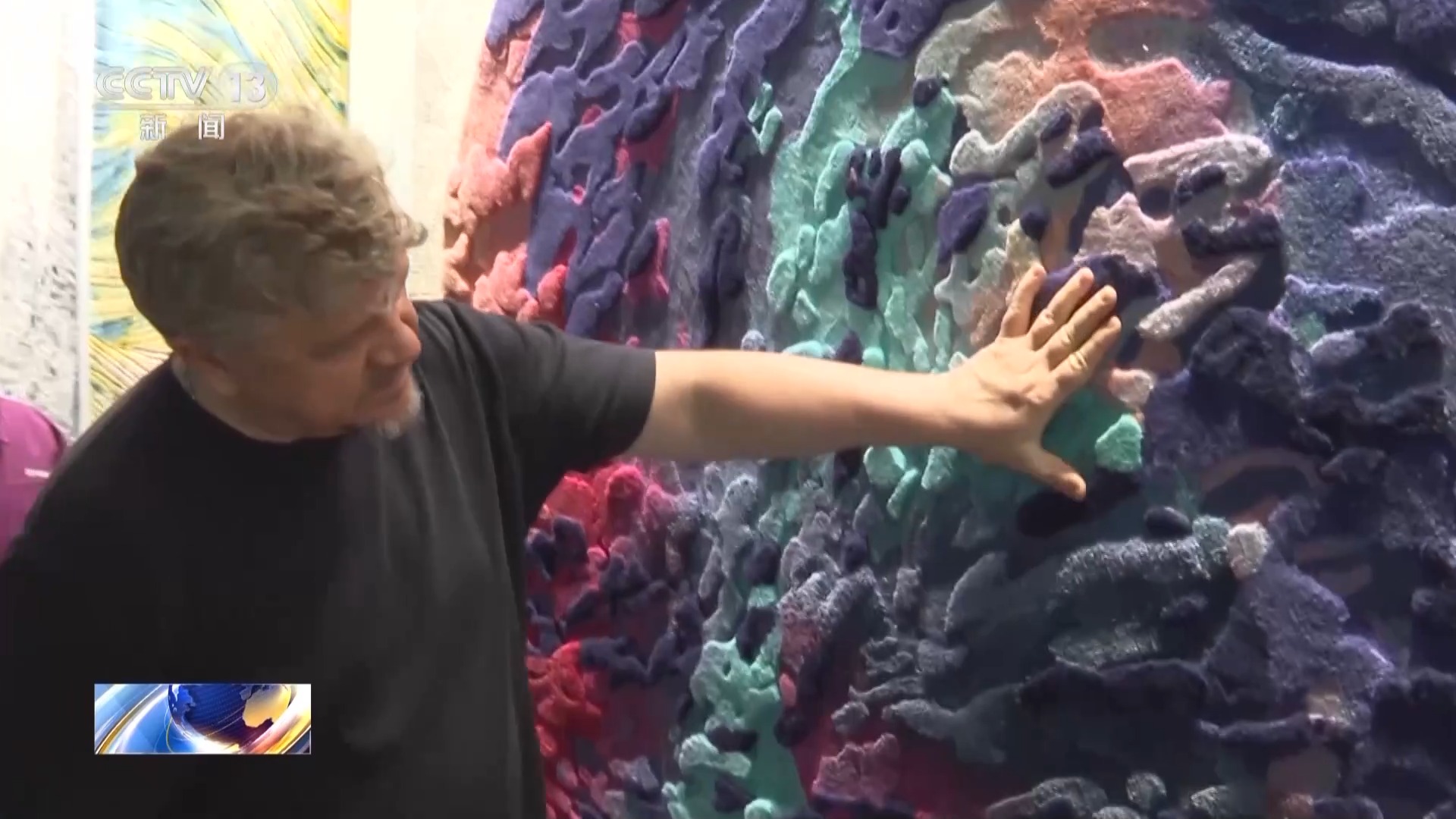
Core Viewpoint - The Qinghai Tibetan carpet, a traditional handicraft with over 3,000 years of history, is evolving through cultural heritage, technological innovation, and market expansion, becoming a significant product for Qinghai in the international market [5][11][23]. Group 1: Cultural Heritage and Craftsmanship - Qinghai Tibetan carpets are known for their intricate craftsmanship, involving 17 manual processes from wool selection to weaving, with the most famous being the Gaya carpet [5][7]. - The Gaya carpet can take up to six months to weave and can last over 200 years, showcasing the depth of traditional craftsmanship [7]. - The art of carpet weaving is represented by Yang Yongliang, a national-level intangible cultural heritage inheritor, who emphasizes the importance of passing down these skills [5][11]. Group 2: Market Expansion and Innovation - The Qinghai carpet industry is adapting to modern consumer preferences by creating products that appeal to younger audiences, such as coasters and decorative carpets [9][11]. - The local government and enterprises are collaborating to integrate traditional craftsmanship with modern design, leading to innovative products that meet current market demands [11][23]. - The factory's export revenue has increased by over 8% in the first half of the year, maintaining an annual export volume of over 80 million RMB [23]. Group 3: Employment and Community Impact - The expansion of carpet production has created new job opportunities for local residents, with a significant percentage of the workforce being from nearby villages [28][30]. - Training programs are provided to local workers, enabling them to improve their skills and increase their income, with some couples seeing their earnings rise from 3,000-4,000 RMB to 7,000 RMB [26][30]. - The government supports the industry by providing subsidies and training, helping to alleviate poverty in the region [30][32].
研判2025!中国冰点脱毛仪器行业发展背景、产业链、发展现状、竞争格局和发展趋势分析:在颜值经济蓬勃发展的背景下,行业市场规模不断上涨[图]
Chan Ye Xin Xi Wang· 2025-07-29 01:18
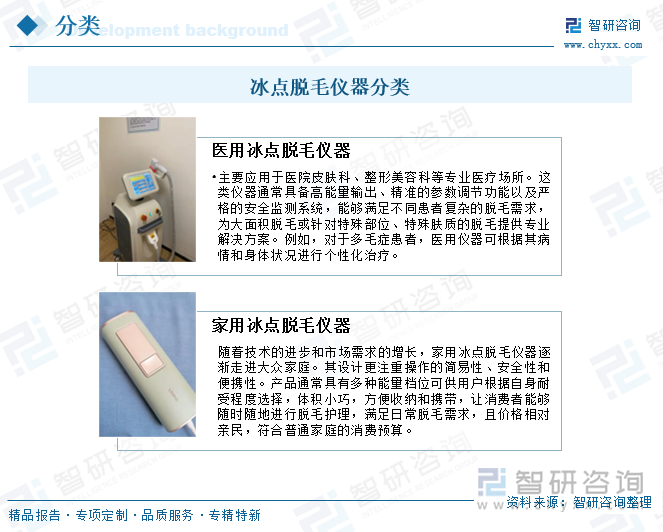
Core Insights - The demand for ice point hair removal devices is increasing due to the growing focus on skin beauty, especially among the younger generation, leading to a continuous expansion of the market [1][15] - Technological advancements have made ice point hair removal devices more efficient, safe, and convenient, enhancing treatment outcomes and consumer experience [1][15] - Government regulations and policy support for the medical beauty industry provide a favorable external environment for the development of the ice point hair removal device sector [1][15] Market Overview - The market size of China's ice point hair removal device industry has shown an upward trend since 2018, expected to reach 1.4 billion yuan in 2024, a year-on-year increase of 16.7% [1][15] - The household ice point hair removal device market is rapidly growing, projected to increase from 800 million yuan to 2 billion yuan by 2024 [16] Industry Chain - The upstream of the ice point hair removal device industry includes raw materials and component supply, such as laser emitters, filters, cooling system components, and electronic components [9] - The midstream involves the production and manufacturing of ice point hair removal devices, including R&D, design, and assembly processes [9] - The downstream consists of sales channels, including e-commerce platforms, medical beauty institutions, large shopping malls, and specialty stores [9] Competitive Landscape - The market features a diverse competitive landscape with numerous brands, including Ulike, which holds a leading position with advanced technology and extensive market promotion [19] - Domestic brands like Aucma and Konka are leveraging local market advantages through differentiated competition strategies [19] Development Trends - The future of ice point hair removal devices will see increased intelligence, with devices equipped with AI chips and sensors for personalized treatment [24] - There will be a shift towards personalized customization, allowing brands to tailor hair removal solutions based on individual skin and hair characteristics [26] - The market is expected to expand into lower-tier cities and rural areas as consumer awareness of beauty products increases [27] - Domestic brands are likely to accelerate international expansion to capture market share in emerging economies [28]
中国注射类医美行业研究报告
艾瑞咨询· 2025-07-25 09:34
Core Insights - The medical beauty industry is undergoing transformation driven by technological advancements and evolving aesthetic perceptions, with non-surgical procedures becoming increasingly popular, particularly in anti-aging treatments [1] - Injection-based aesthetic procedures are gaining traction due to their effectiveness, short recovery times, and high repeat purchase rates, positioning the injection market as a new growth area within the medical beauty sector [1] Group 1: Injection Aesthetic Concepts and Classification - Injection aesthetic procedures are primarily categorized into hyaluronic acid, botulinum toxin, collagen, regenerative injectables, lipolytic injections, and thread lifting, with hyaluronic acid and botulinum toxin dominating the market [2] - In 2023, botulinum toxin treatments led globally with 8.878 million procedures, followed by hyaluronic acid with 5.565 million procedures, indicating a strong preference for these two categories [2] Group 2: Market Heat Analysis - The injection aesthetic market is experiencing rapid growth, driven by advancements in materials and techniques, with synthetic regenerative materials becoming a focal point for investment [6] - By 2024, approximately 60% of investments in injection materials are expected to be directed towards regenerative biological materials, highlighting a shift towards innovative solutions in the market [6] Group 3: Hyaluronic Acid Market Development - Hyaluronic acid maintains a strong market position, with a growth rate of 29.1% from 2022 to 2023, indicating its resilience and adaptability in the face of emerging competition [12] - The market faces challenges such as product homogenization and safety concerns, but opportunities exist for differentiation through innovation and new applications [14][15] Group 4: Botulinum Toxin Market Trends - The botulinum toxin market is evolving towards a dual existence of natural and recombinant products, with recombinant botulinum toxin expected to gain market share due to its safety and customization potential [17] - The market is characterized by intense competition, necessitating a focus on product differentiation and strategic positioning to navigate challenges [19] Group 5: Regenerative Materials Market Insights - The regenerative materials market is currently focused on polylactic acid (PLA) and polycaprolactone (PCL), with significant growth potential in the coming years [23] - New entrants are encouraged to explore innovative technologies and applications, particularly in areas like hydroxyapatite, which is gaining traction for its structural support in aesthetic procedures [27] Group 6: Collagen Market Trends - The collagen market is expanding with various types being explored for aesthetic applications, particularly types I and III, which are popular for their skin-supporting properties [31] - The market is expected to see increased competition as more types of collagen are developed and their applications are diversified [33] Group 7: User Preferences and Trends - Users are increasingly focused on skin quality and overall facial harmony, with a shift towards personalized aesthetic solutions [39][42] - Safety and effectiveness remain the top concerns for users, with a growing emphasis on the qualifications of medical professionals and the quality of procedures over cost [45][60] Group 8: Market Expansion and Internationalization - Chinese medical beauty companies are increasingly looking to international markets, with a focus on regulatory compliance and brand recognition to overcome challenges in foreign markets [70] - The injection aesthetic products are leading the charge in this internationalization effort, with significant investments in regions like Southeast Asia and the Middle East [70]

2025年中国袜子行业政策汇总、产业链图谱、发展现状、竞争格局及发展趋势研判:市场格局高度分散,TOP10品牌占比不足5%[图]
Chan Ye Xin Xi Wang· 2025-07-25 01:38
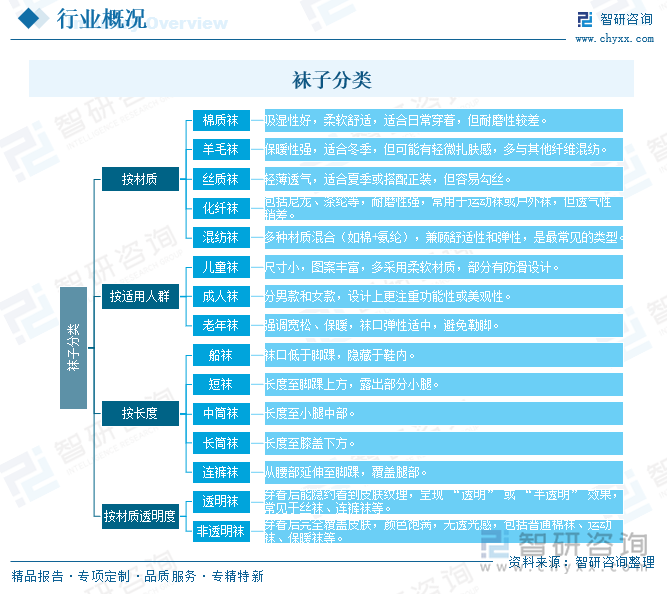
Overview - Socks are essential clothing items that are widely used in daily life, characterized as fast-moving consumer goods with a relatively low average price compared to other textile and apparel products, making the sock market a vast opportunity [1][9] - In 2024, China's sock sales are projected to reach 12.229 billion pairs, generating a revenue of 101.074 billion yuan, with non-transparent socks accounting for over 60% of the market [1][9] - As living standards improve and consumer preferences evolve, there is a growing demand for comfort, functionality (such as antibacterial, moisture-wicking, and odor-resistant features), and fashion, leading to increased opportunities in niche markets [1][9] Market Policies - The Chinese government has implemented various policies to support the development of the textile and apparel industry, including initiatives to promote fashionable domestic products and enhance the innovation of traditional brands [4][6] - Key policies include the promotion of cultural and tourism consumption, support for the innovation of time-honored brands, and the encouragement of high-quality development in the textile sector [4][6] Industry Chain - The upstream of the sock industry includes suppliers of raw materials such as cotton, wool, silk, and synthetic fibers, as well as equipment manufacturers for sock production [7] - The midstream consists of sock manufacturing companies, while the downstream includes various sales channels such as supermarkets, department stores, specialty shops, wholesale markets, and e-commerce platforms [7] Competitive Landscape - The sock industry in China is characterized by a low entry barrier, resulting in a large number of participants, primarily small and medium-sized enterprises, leading to a highly fragmented market [11] - In 2024, the top 10 brands in the sock market accounted for less than 5% of the total market share, indicating significant competition and product homogeneity [11] Company Analysis - **Langsha Co., Ltd.**: One of the world's largest sock manufacturers with advanced digital equipment and a daily production capacity exceeding 4 million pairs. In 2024, Langsha's revenue reached 380 million yuan with a gross profit of 77 million yuan, resulting in a gross margin of 20.38% [13] - **Jiansheng Group Co., Ltd.**: A leading manufacturer of knitted sports apparel, producing 500 million pairs of cotton socks annually. In 2024, the company's revenue was 2.574 billion yuan, with knitted sports socks accounting for 60.61% of total sales [15] Development Trends - The demand for socks is becoming increasingly diversified, with consumers seeking additional functionalities such as anti-slip, antibacterial, and odor-resistant features [17] - Smart socks equipped with sensors to monitor foot health and adjust temperature and humidity are expected to become a market trend, providing personalized experiences for consumers [17]




研判2025!中国凝胶玩具行业发展背景、产业链、市场规模、代表企业及前景展望:水晶泥、捏捏等凝胶玩具大受欢迎,行业市场规模达到79亿元[图]
Chan Ye Xin Xi Wang· 2025-07-18 01:33
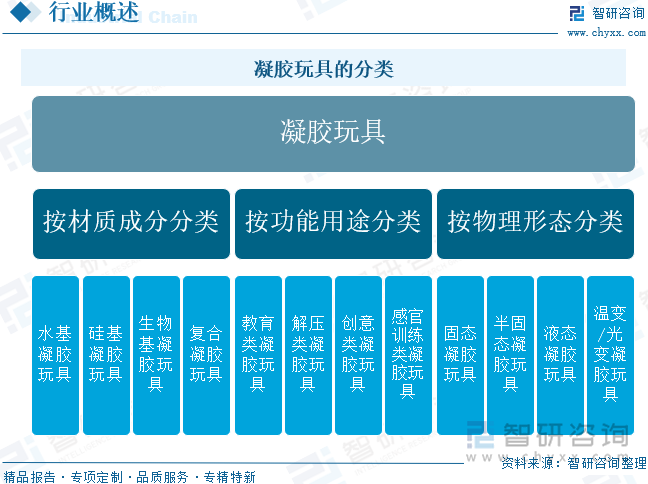
Industry Overview - The Chinese gel toy industry is experiencing significant growth, driven by rising consumer income and evolving consumption trends, with the market size projected to increase from 3.239 billion yuan in 2020 to 7.9 billion yuan in 2024, representing a compound annual growth rate (CAGR) of 24.97% [1][14] - Gel toys are made from safe and environmentally friendly gel materials, offering unique advantages such as non-toxicity, odorlessness, softness, and high plasticity, making them suitable for children [1][4] Market Dynamics - The demand for gel toys is diversifying as consumers increasingly prioritize safety, educational value, and interactive experiences in toys, leading to continuous innovation in the industry [1][6] - The average disposable income of Chinese residents is expected to rise from 26,000 yuan in 2017 to 41,300 yuan in 2024, with a CAGR of 6.83%, enhancing purchasing power for leisure and educational products [6] Industry Chain - The gel toy industry has established a complete supply chain, including upstream raw material suppliers, midstream manufacturers, and downstream sales channels, with quality of raw materials directly impacting the final product [8] Production and Material Insights - The production of gel materials in China is projected to grow from 52,000 cubic meters in 2017 to 161,000 cubic meters in 2024, with a CAGR of 17.52%, indicating a robust development in the gel material sector [10] Competitive Landscape - The gel toy industry is characterized by a diverse competitive landscape, with key players such as Aofei Entertainment, Xinghui Entertainment, and Hai Xin Co., actively innovating and enhancing brand recognition to strengthen their market positions [16][19] - Notable companies in the industry include Qunxing Toys, Gaole Co., and Meisheng Cultural Creative Co., which are leveraging unique product features and market strategies to drive growth [2][3][19] Challenges and Trends - The industry faces challenges such as product homogenization and safety supervision issues, with many companies focusing on basic categories like crystal mud and stress-relief toys, leading to a lack of differentiation [23][24] - Future trends indicate a shift towards personalized services, sustainability, and brand specialization, with companies expected to adopt eco-friendly materials and enhance product safety and functionality [27][28][29]


活力中国调研行丨家具产业“链”动50万人就业 小城如何“点木成金”?
Yang Shi Xin Wen Ke Hu Duan· 2025-07-18 01:32
Core Insights - The article highlights the transformation of Nankang District in Ganzhou, Jiangxi Province, from a former poverty-stricken area to the largest solid wood furniture manufacturing base in China, contributing to 40% of the country's imported rubber wood and housing over 20,000 furniture manufacturing and supporting enterprises. The furniture industry cluster achieved an output value exceeding 140 billion yuan in the first half of this year [1][6]. Group 1: Industry Development - Nankang has established itself as a global player in the furniture industry, importing wood from over 50 countries and exporting furniture to more than 100 countries [6][10]. - The establishment of the Ganzhou International Land Port has facilitated the import of timber, addressing one-third of Nankang's wood demand and enabling the local industry to thrive [2][6]. - The local government has initiated the Furniture Industry Promotion Bureau to encourage diversified development among furniture enterprises, focusing on original design to combat low-end homogenization and sales challenges [7][8]. Group 2: Design and Innovation - To enhance product value, Nankang has introduced over 300 domestic and international design institutions and trained more than 1,000 designers, establishing two national-level industrial furniture design centers [10][12]. - The government has implemented a design fee subsidy program, providing 50% reimbursement for design costs, with over 22 million yuan allocated to support more than 2,000 furniture companies [14][12]. - The shift towards personalized customization in furniture is driven by intelligent production systems, allowing for efficient order processing and high material utilization rates of up to 93% [19][21]. Group 3: Employment and Economic Impact - The booming furniture industry in Nankang has created job opportunities for approximately 500,000 people, significantly improving local livelihoods [25][29]. - Policies have been enacted to incentivize companies to hire rural labor, providing financial support for those who employ a certain number of impoverished workers [27][29]. - The furniture industry has become a pillar for poverty alleviation, with nearly 20,000 impoverished workers benefiting from stable incomes through the furniture and supporting industries [29][31].

研判2025!中国宠物保健品行业发展背景、产业链图谱、发展现状、竞争格局及发展趋势分析:行业进入高速发展期[图]
Chan Ye Xin Xi Wang· 2025-07-17 01:58
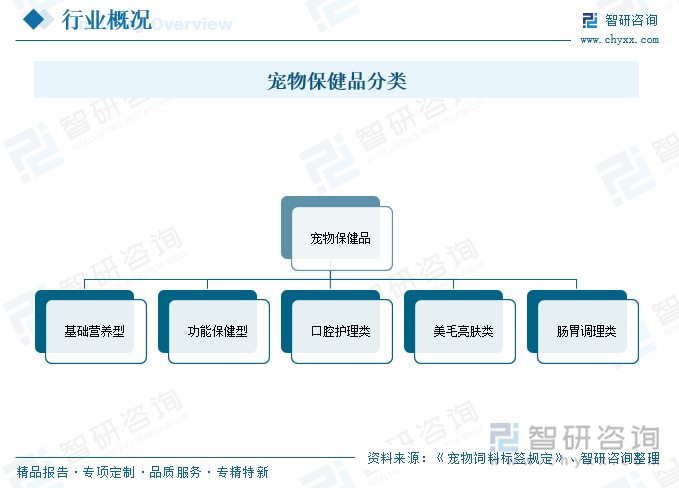
Overview - The role of pets in families is evolving from animals to family members, leading to a significant increase in pet owners' focus on pet health and a willingness to purchase health products for pets [1][12] - The market for pet health products in China is projected to reach 12.65 billion yuan in 2024, with a year-on-year growth of 15.73%, and over 80% of this market is attributed to dog and cat health products [1][12] Development Background - The increase in pet ownership is driven by demographic changes such as an aging population, rising divorce rates, and declining birth rates, leading to more people seeking companionship from pets [6][10] - Over 90% of pet owners now consider their pets as family members, which enhances their willingness to spend on pet care, thus driving the growth of the pet health product market [6][10] Industry Chain - The upstream of the pet health product industry includes suppliers of basic nutritional raw materials such as vitamins and minerals, as well as functional raw materials like glucosamine and probiotics [8] - The midstream involves the production and manufacturing of pet health products, while the downstream includes sales channels such as pet stores, veterinary clinics, and e-commerce platforms [8] Current Market Situation - The demand for pet health products is becoming more refined and personalized, with increasing interest in products targeting specific health functions such as joint protection and digestive care [1][12] - Companies are encouraged to develop more personalized products to meet the diverse needs of different pet breeds, ages, sizes, and health conditions [1][12] Competitive Landscape - The pet health product market in China is relatively concentrated, with key players including Shanghai Hongxing Pet Products Co., Ltd., Shenzhen Hongrui Biotechnology Co., Ltd., and others [15][17] - Notable companies like Guobao Pet Food Group Co., Ltd. reported a total revenue of 5.245 billion yuan in 2024, with health products contributing 0.46 billion yuan, accounting for 0.88% of total revenue [19] Future Trends - Functional health products such as those for joint health and immune support are expected to dominate the market, while personalized health products based on genetic testing and AI algorithms are anticipated to emerge [21] - There is a growing consumer preference for natural and organic ingredients in pet health products, aligning with concerns about food safety and health [21]

2025年暑假的夏令营市场的新变化
Sou Hu Cai Jing· 2025-07-16 07:09
Market Size and Growth Trends - The summer camp market in China is expected to exceed 100 billion yuan by 2025, growing at an average annual rate of 18.16% from 73.2 billion yuan in 2023, driven by increased spending from middle and high-income families, policy support, and technological advancements [2] - High-end summer camps cater to urban families, accounting for approximately 45% of demand, while rural and lower-tier city families are increasingly interested in affordable options, projected to grow to 35% [2] - The market for summer camps catering to special education needs is expanding, currently representing about 15% of the market [2] Competitive Landscape and Leading Companies - The summer camp market is dominated by educational institutions (45% market share), followed by tourism companies (30%), universities (15%), and non-profit organizations (10%) [3] - Leading companies include New Oriental with an 8% market share, Ctrip with 6%, and Qihang Camp Education with 5%, each leveraging their unique strengths to enhance their market positions [4] Consumer Behavior and Demand Characteristics - The primary customer base includes K12 students, university students, and corporate groups, with K12 students numbering around 180 million in 2024, and about 30% participating in summer camps annually [5] - Parents prioritize safety, professional course quality, and cost-effectiveness when selecting summer camps, with over 80% concerned about safety [6] - Urban areas show higher participation rates, with first-tier cities exceeding 50%, while mid-tier cities and rural areas are experiencing rapid growth, with annual growth rates over 25% [7] Policy Impact and Regional Development - The Ministry of Education's "Youth Comprehensive Quality Improvement Plan" integrates summer camps into the out-of-school education system, promoting standardized development [9] - Regional policies, such as free summer camp spots for military families and sports consumption vouchers, have led to significant increases in participation rates [9] - The Yangtze River Delta region is leveraging its educational resources to create innovative summer camp products, accounting for over 30% of the national market [10] Technological Innovation and Future Trends - Technologies like VR and AI are widely applied in summer camps, enhancing engagement and learning outcomes, with participation rates increasing by over 30% in immersive courses [12] - Personalized customization is becoming mainstream, with camps tailored to students' interests and strengths, reflecting a growing demand for diverse and high-quality offerings [13] - The internationalization of summer camps is accelerating, with a projected 50% growth in the international summer camp market over the next three years [14]