多极化世界

Search documents
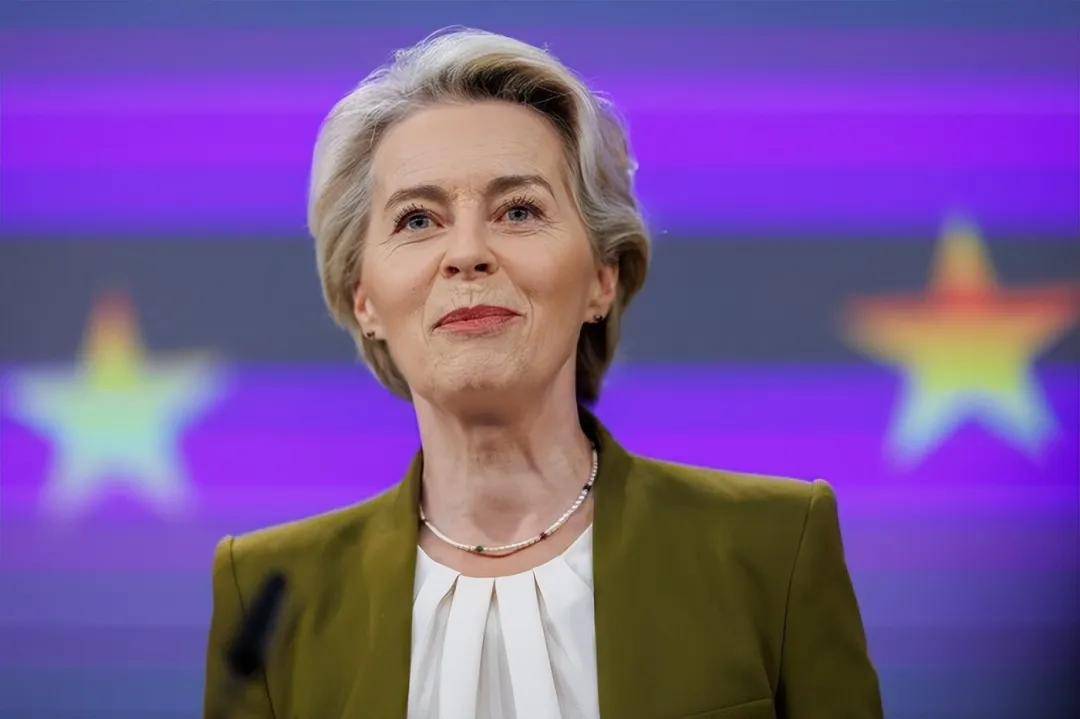
难怪印度不对美关税低头,中方专机落地之际,一则消息悄悄传开
Sou Hu Cai Jing· 2025-08-21 13:07
Group 1 - The sudden increase of tariffs on Indian goods exported to the US from 25% to 50% poses a significant threat to India's economy, particularly affecting textiles and agricultural products, which have strong alternatives in countries like Vietnam and Bangladesh [1][5] - The delay of the US delegation's visit to India has prompted a strategic pivot from India towards China, with potential breakthroughs in cooperation being sought, especially regarding border issues [3][7] - Indian business leaders are actively pursuing partnerships with Chinese companies in the renewable energy sector, recognizing China's technological advantages and the growing market demand in India [5][7] Group 2 - The shift in focus towards China is not an isolated case but part of a broader trend among emerging markets seeking alternatives to US partnerships, as countries like Brazil and South Africa also adjust their strategies [9][11] - The collaboration between India and China in the renewable energy sector is seen as a way to overcome the challenges posed by US tariffs, with Indian experts advocating for trade to drive development rather than being a political byproduct [7][11] - The ongoing trade tensions and tariffs imposed by the US are accelerating the formation of a multipolar world, as countries increasingly seek to diversify their economic partnerships away from US dominance [9][11]

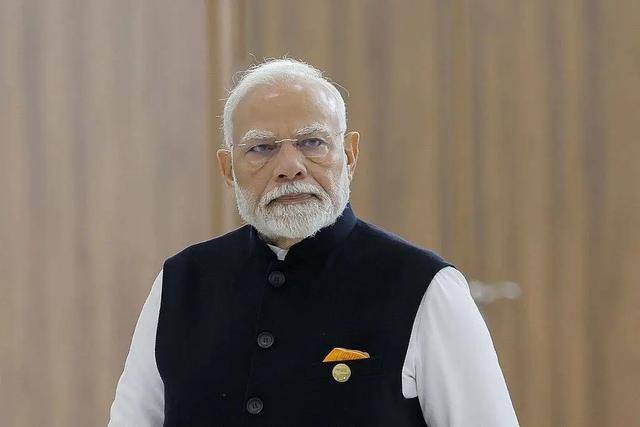
美俄会晤刚结束,特朗普就对中国释放善意,加大对印度的关税惩罚
Sou Hu Cai Jing· 2025-08-17 02:06
Group 1: US-Russia Relations - The meeting between Presidents Trump and Putin in Alaska marks the first face-to-face discussion since the outbreak of the Ukraine war and since 2018, indicating a significant diplomatic engagement [1][3] - Trump described the meeting as a "perfect score" and announced the suspension of new sanctions against Russia, suggesting a potential thaw in US-Russia relations [1][3] - The discussions lasted nearly three hours, exceeding the planned duration, with Trump claiming substantial agreement was reached, including a ceasefire plan involving territorial exchanges [3][5] Group 2: Economic Implications - Following the summit, the Trump administration extended the tariff buffer period on Chinese goods to November 10, providing temporary relief amid ongoing trade tensions [5][10] - In contrast, punitive tariffs on Indian goods were raised to 50%, reflecting a starkly different approach towards India, which is seen as a challenge to US trade policies [5][7] - Trump's comments on India's economy and trade barriers highlight a growing tension, with India responding by preparing retaliatory tariffs against US agricultural products and medical devices [7][12] Group 3: Geopolitical Dynamics - The meeting is viewed as part of a broader strategy where the US seeks to pivot military resources from the Middle East to the Indo-Pacific region, focusing on countering China [10][12] - India's refusal to compromise on energy security and its continued trade with Russia indicate a complex geopolitical landscape, as India seeks to balance its relationships amid US pressure [9][12] - The summit's outcomes suggest a shift towards a multipolar world, with emerging economies like India and China seeking to assert their influence against traditional powers [14][16]
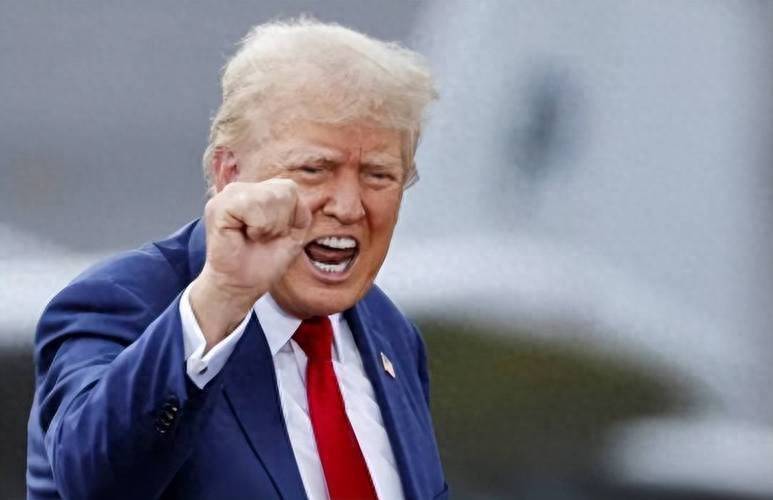
美债飙至36.3万亿年息9210亿,特朗普出怪招救债山,数据失真引还债疑
Sou Hu Cai Jing· 2025-08-06 03:17
截至今年7月,美国欠下的债务已经飙到36.3万亿美元,这个数字大到什么程度?相当于好几个德国一年的经济总量,光每年还利息就要9210亿,够一个加 拿大折腾一整年。 最要命的是增长速度。2024年底还是33万亿,短短半年就暴涨3万亿。 这什么概念?平均每天增加160亿美元。 你晚上睡一觉醒来,美国又多欠了160亿。这速度,连印钞机都得累坏。 作者-彤 面对这座债务大山,号称"史上最伟大总统"的特朗普彻底急了。从炒掉统计局长到篡改就业数据,从死磕美联储到推出"耍赖协议",招招都是险棋。 这位曾经威风八面的美国总统,怎么会被逼到自毁招牌的绝路?当连自己的政府数据都不可信时,还有谁敢相信美国能还得起这笔天文数字? 半年涨3万亿,连火箭都没这么快:美国债务到底有多吓人 半年时间,美国国债从33万亿蹿到36.3万亿,这速度比火箭还快。 前言 说起来你可能没概念,36万亿到底是个什么数字?如果摞成百元美钞,能绕地球几十圈。 更直观点说,就是每个美国人头上背着11万美元的债,包括刚出生的婴儿。一个四口之家,光债务就有44万美元,比大多数人的房子还贵。 更悲催的是,这钱不是白借的。每年光还利息就要掏出9210亿美元,占政府总支 ...
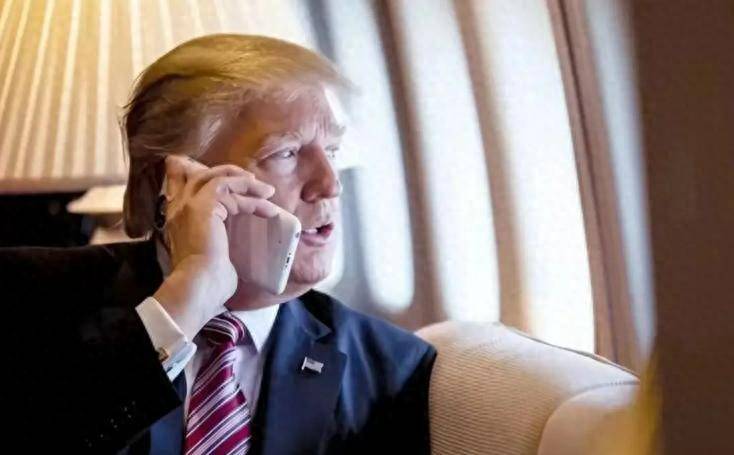
是时候对华加税了?中美会谈已结束,美财长威胁不许买俄罗斯石油,外交部直接把话挑明
Sou Hu Cai Jing· 2025-08-04 03:27
据报道,前不久,瑞典斯德哥尔摩的谈判厅里,中美经贸团队刚刚达成共识,谁能想到,没多久,美国 财政部长贝森特就迫不及待地挥起了关税大棒:"如果中国继续购买俄罗斯石油,将面临更高关税。"这 种翻脸比翻书还快的戏码,让人不禁想问:华盛顿的政治精英们,是不是已经精神分裂了? 贝森特的威胁听起来气势汹汹,但细究之下就会发现其中的荒谬。2022年西方对俄罗斯实施石油限价令 后,美国财政部悄悄签发了豁免文件,允许本国企业以低于60美元的价格购买俄油。更讽刺的是,有段 时间美国竟然成了俄罗斯海运石油的最大买家。这种"只许州官放火,不许百姓点灯"的双标做法,连 《华尔街日报》都看不下去了。 美国总统特朗普(资料图) 中国外交部发言人的回应简洁有力:"关税战没有赢家,胁迫施压解决不了问题。"这17个字背后,是中 国在能源安全领域数十年的布局。 美国似乎还没有从2018年贸易战的教训中吸取经验。当时特朗普政府对中国商品加征关税后,美国大豆 对华出口额从120亿美元暴跌至55亿美元,降幅超过50%。更可笑的是,这些关税成本的90%最终都由 美国消费者承担。如今贝森特重提加税,难道是想让美国通胀再次飙升?要知道,如果真的加征三位数 关 ...
美联储投降,中国运回黄金减持美债,李显龙点破真相
Sou Hu Cai Jing· 2025-07-22 23:37
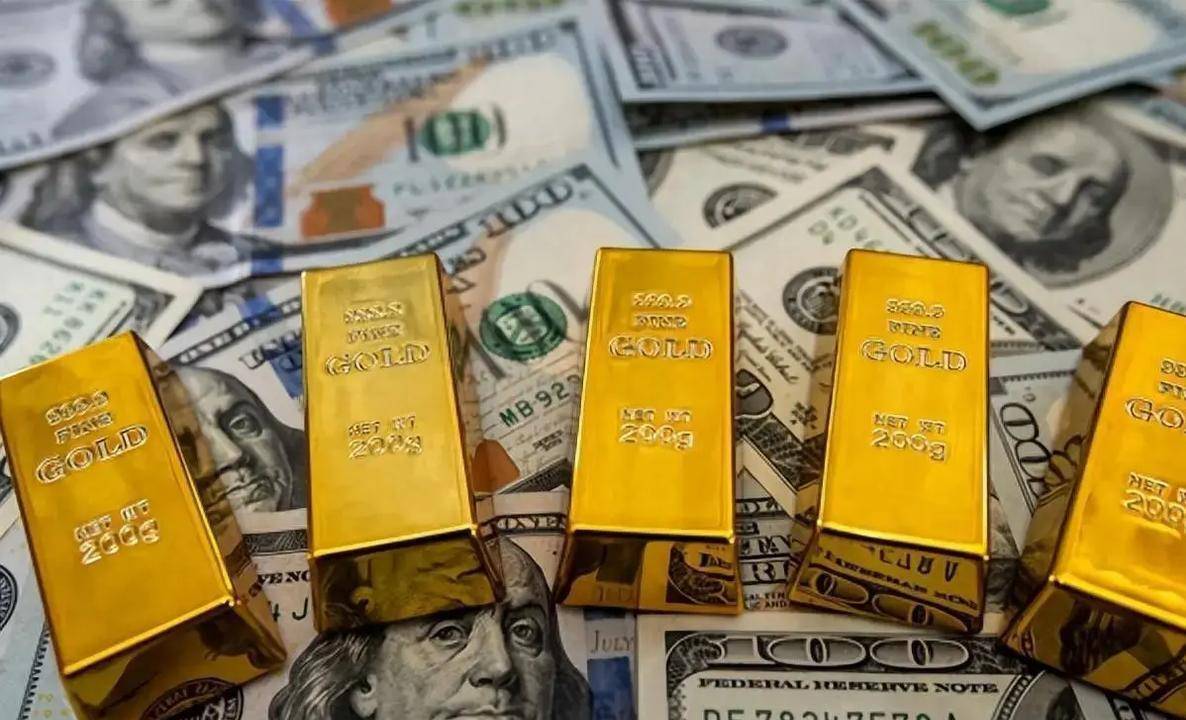
Core Viewpoint - The dominance of the US dollar is declining, with its share in global reserves falling below 58%, while the Chinese yuan has gained 4% in the past year, indicating a shift towards de-dollarization in the global economy [1][7]. Group 1: US Economic Policy and Dollar Status - The US has lost its AAA credit rating from major rating agencies, with Moody's stating that "the US fiscal situation is in chronic self-destruction" [1]. - In contrast to 2008, when China invested $400 billion in US Treasury bonds to stabilize the US economy, it is now selling off US debt and increasing its gold reserves, which have reached 73.9 million ounces (approximately 2,299 tons) [3][7]. - The Federal Reserve officials are calling for immediate interest rate cuts, with a proposed reduction to 3%, as a means to alleviate the government's interest expenses, which amount to nearly $2 trillion annually [5]. Group 2: China's Strategic Actions - The People's Bank of China has reduced its holdings of US Treasury bonds for three consecutive months, bringing its holdings to the lowest level since 2009 at $756.3 billion, while simultaneously increasing gold reserves at a record pace [7]. - The motivation behind China's gold accumulation is linked to the diminishing real yields on US debt and rising political risks associated with the US, as well as the freezing of foreign reserves of countries like Afghanistan and Russia [7]. - Global central banks are also increasing their gold reserves, with a projected addition of 1,136 tons in 2024 and 256 tons in the first quarter of 2025, indicating a broader trend towards de-dollarization [7]. Group 3: Global Trade Dynamics - The trend of de-dollarization is further emphasized by countries seeking alternative trade and settlement methods, with ASEAN nations increasingly using the yuan for transactions [8]. - The RCEP member countries have seen a 12% increase in trade, while the CPTPP has expanded to include the UK and Switzerland, showcasing a shift towards multilateral trade agreements [8]. - The Chinese CIPS system has connected with 4,000 banks across 138 countries and regions, enhancing the efficiency and cost-effectiveness of cross-border settlements [8].
不与美贸易也能活!巴西是硬骨头,卢拉下场,一句话戳特朗普软肋
Sou Hu Cai Jing· 2025-07-18 10:04
Group 1 - Brazil's GDP is minimally affected by trade with the U.S., accounting for only 1.7%, indicating resilience without U.S. trade [1] - Trump's imposition of a 50% punitive tariff on Brazil represents a significant increase from the previous 10% tariff, marking a 400% rise [1] - The U.S. has maintained a cumulative trade surplus of $410 billion with Brazil over 15 years, contradicting claims of unsustainable trade deficits [1][3] Group 2 - Lula's response to Trump's threats includes a call for reduced reliance on the U.S. dollar and a push for de-dollarization among BRICS nations [2] - The Brazilian government is prepared to counter U.S. pressure, with Lula's administration emphasizing strong cooperation with countries like China [3] - The BRICS nations are uniting against unilateral tariffs, as evidenced by a joint statement opposing such measures at the recent summit [5] Group 3 - The potential establishment of a BRICS payment system could create an independent clearing network for member countries, reducing reliance on the U.S. SWIFT system [6] - BRICS countries collectively control 44% of global oil, 90% of rare earth resources, and represent a market of 3.5 billion people, highlighting their growing influence [8] - Lula's firm stance reflects a broader shift towards a multipolar world, signaling a significant geopolitical change [8]
特朗普对全球划红线,谁敢支持金砖“反美”政策,就加征10%关税
Sou Hu Cai Jing· 2025-07-14 05:03
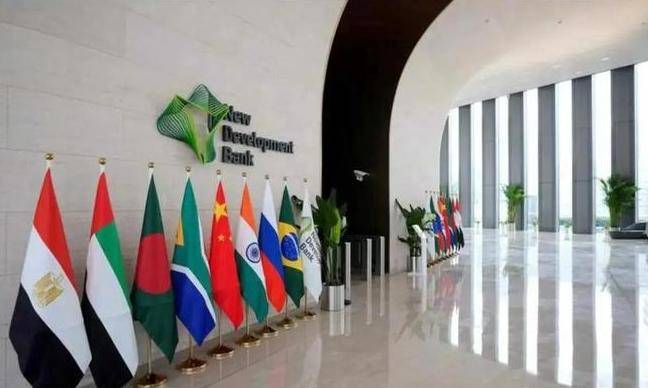
Group 1 - The core message of Trump's statement is a display of anxiety regarding the decline of U.S. global hegemony, as he threatens a 10% tariff on countries supporting BRICS policies [1][3] - The rise of BRICS nations is a significant factor contributing to U.S. anxiety, as their achievements are reshaping global governance towards a more equitable direction, challenging U.S. unilateralism [3][5] - Trump's threats are ineffective as they reflect a misunderstanding of global dynamics; the attempt to coerce other nations into severing ties with BRICS is unrealistic and counterproductive [5] Group 2 - The ambiguous definition of "anti-American policies" in Trump's statement primarily targets the challenge to U.S. hegemony posed by the rise of BRICS and countries like China and Russia [3][5] - The actions taken by BRICS nations, such as promoting local currency settlements, represent a trend that the U.S. cannot easily impede, indicating a shift towards a multipolar world [5]
特朗普以为威胁函万能,巴西当面退信打脸,120国或遭统一关税
Sou Hu Cai Jing· 2025-07-13 13:53
Group 1 - The core issue revolves around Brazil's unprecedented decision to return a tariff threat letter from the Trump administration, citing "factual errors" [3][5] - Brazil's trade surplus with the U.S. amounts to $410 billion over the past 15 years, indicating a strong economic relationship where Brazil purchases more from the U.S. than it sells [5][8] - The trade between the U.S. and Brazil constitutes only 1.7% of Brazil's GDP, suggesting that Brazil can sustain its economy without reliance on U.S. trade [8][12] Group 2 - The political dynamics shifted after Brazil's President Lula rejected Trump's interference in domestic judicial matters regarding former President Bolsonaro, highlighting a significant diplomatic rift [10][12] - Brazil's push for "de-dollarization" and collaboration with countries like China signals a strategic shift away from U.S. economic influence [13][30] - The response from other countries, including Japan and Canada, indicates a growing resistance to U.S. tariff threats, suggesting a potential shift in global trade alliances [17][21] Group 3 - The potential fallout from the tariff threats could lead to increased beef prices in the U.S., as Brazil is a major beef exporter [24][32] - The diplomatic consequences of Brazil's stance may inspire other Latin American countries to reconsider their relationships with the U.S., potentially diminishing U.S. influence in the region [26][28] - The incident may catalyze a new global trade structure, encouraging countries to diversify their trade partnerships and reduce dependency on the U.S. market [28][30]
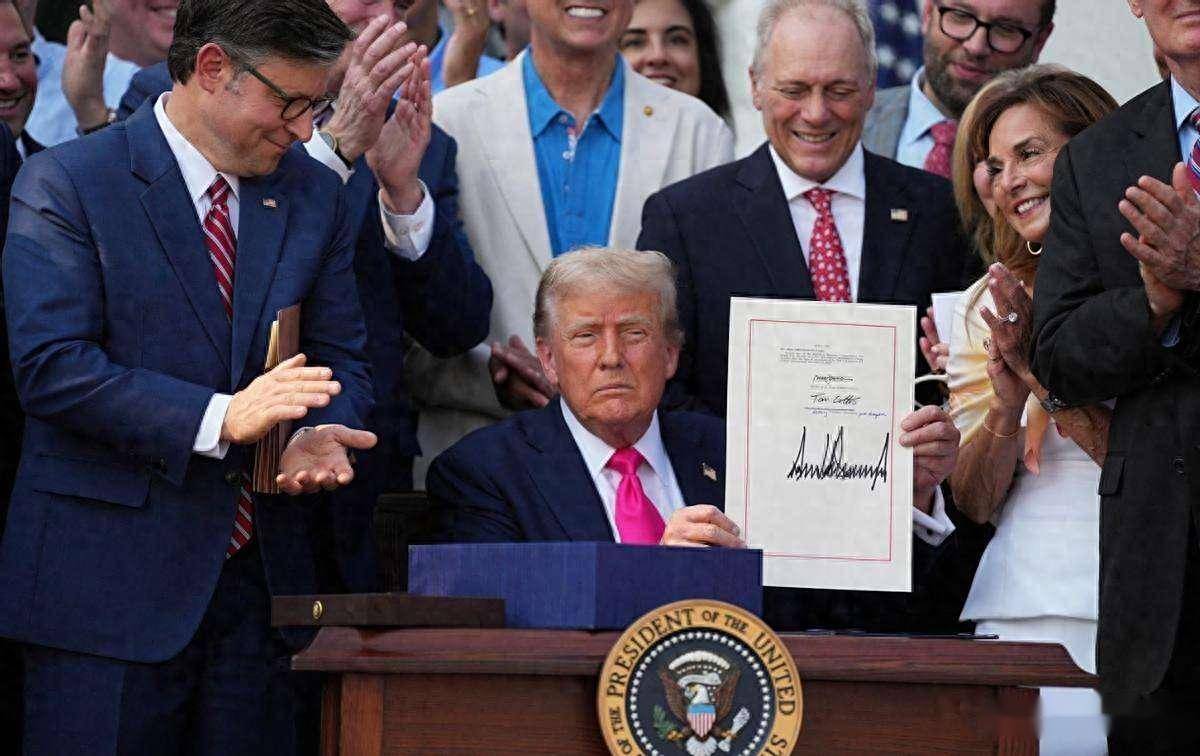
特朗普威胁巴西,收50%关税!两国“交恶”,对我国算是利好吗?
Sou Hu Cai Jing· 2025-07-12 15:52
Group 1 - The core issue revolves around the U.S. imposing a 50% tariff on Brazilian goods, marking a significant escalation in trade tensions, comparable only to the U.S.-China trade conflict earlier in the year [3][4] - The Brazilian real depreciated nearly 3% against the dollar following the announcement, and the stock market experienced volatility, with Embraer’s stock dropping 9% in after-hours trading [3] - The U.S. and Brazil do not have a direct trade conflict, as the U.S. enjoys a trade surplus with Brazil, which exports only 12% of its goods to the U.S., compared to 28% to China [4][6] Group 2 - Trump's actions are interpreted as retaliation against Brazilian President Lula's comments at the BRICS summit, indicating a deeper political motive behind the tariffs [6][9] - The tariffs could pressure Brazil's foreign trade in the short term, but Brazil's exports are heavily reliant on commodities, with 35% being mineral products and 30% agricultural products, suggesting potential for trade diversification [7][10] - The trade relationship between Brazil and the U.S. is characterized more by competition than complementarity, indicating that Brazil may pivot towards China and other markets in response to U.S. actions [7][10] Group 3 - The current geopolitical landscape is shifting towards a multipolar world, with the BRICS nations gaining cohesion in response to U.S. unilateralism, which could enhance China's influence within this framework [9][10] - Brazil's situation serves as a reference for other nations facing similar pressures, potentially expanding the appeal of China's development philosophy of openness and mutual benefit [12]
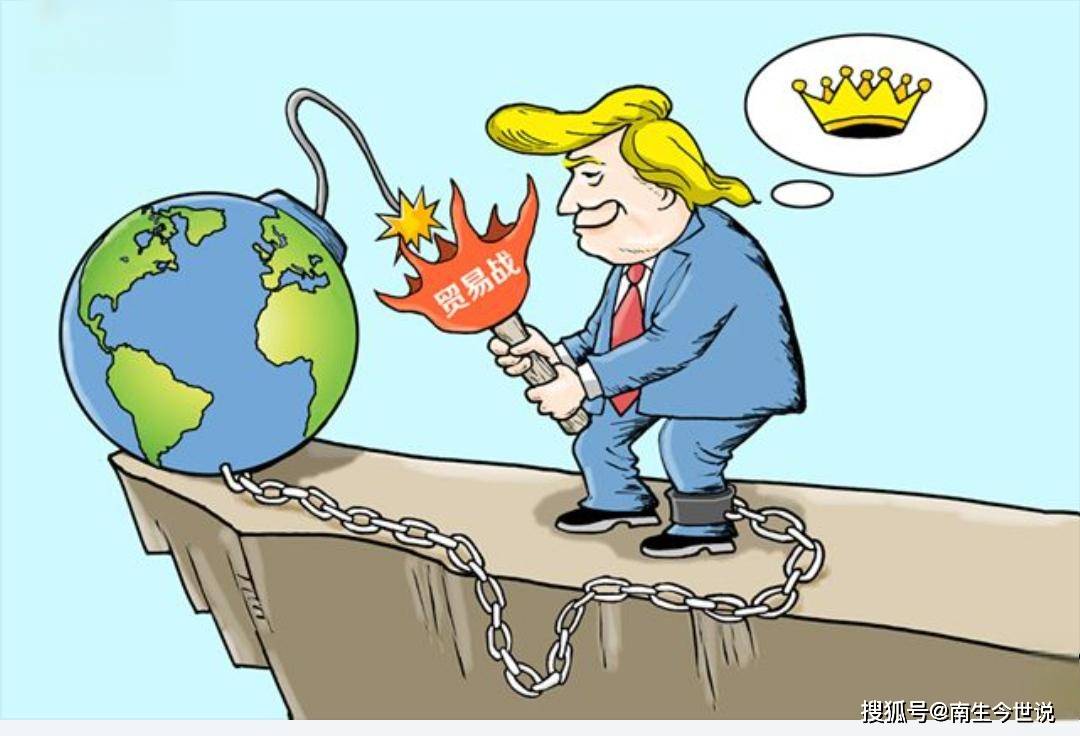
欧盟误判形势恐落个两头挨打的下场!
Sou Hu Cai Jing· 2025-07-11 10:10
Core Viewpoint - The European Union (EU) is perceived to be misjudging the geopolitical landscape, potentially leading to negative consequences for itself, especially in the context of its relationship with China and the ongoing Russia-Ukraine conflict [1][3]. Group 1: EU's Demands on China - The EU has made three demands to China: to cut trade ties with Russia, to address "overcapacity" issues, and to lift export controls on rare earth elements [3]. - These demands are considered unreasonable as they overlook the normal trade relations between China and Russia, which do not target third parties, and reflect the EU's anxiety over its declining industrial competitiveness [3][5]. Group 2: China's Response and Geopolitical Dynamics - China is recognizing the EU's alignment with the United States, viewing the EU as a subordinate entity that cannot act independently without U.S. approval [5]. - The EU's actions are mirrored by Ukraine, which has begun to impose sanctions on Chinese companies and arrest Chinese citizens, indicating a coordinated effort to shift blame onto China [5]. - The ongoing geopolitical tensions suggest that the EU is attempting to leverage the conflict between the U.S. and China for its own benefit, despite the risks involved [5][7]. Group 3: Trade Relations and Market Competition - The trade relationship between China and the U.S. is characterized by mutual complementarity, particularly in agricultural products, while competition between China and the EU is intensifying, especially in the mid-to-high-end manufacturing sector [7]. - If the EU attempts to decouple from China, it may face significant challenges, as China is prepared to respond with equivalent measures, indicating a potential escalation in trade tensions [7].