
延安精神

Search documents
烽火淬炼“石油魂”
Zhong Guo Hua Gong Bao· 2025-08-27 02:32
Core Viewpoint - The article commemorates the 80th anniversary of China's victory in the Anti-Japanese War and highlights the historical significance of the Yanlong Oil Factory and the Dingbian Salt Field in contributing to national energy security during wartime [1]. Group 1: Historical Significance - The Yanlong Oil Factory, established in 1905, is recognized as the first oil enterprise on land in China, marking the beginning of modern oil industry development in the country [5]. - During the Anti-Japanese War, the Yanlong Oil Factory played a crucial role in supporting the war effort by producing essential oil products despite severe resource shortages and equipment destruction [6][10]. - The factory produced a total of 3,155 tons of crude oil, 163.94 tons of gasoline, and 5,760 boxes of candles from 1939 to 1946, significantly contributing to the war effort and earning the title "Heroic Oil Mine" [10]. Group 2: Spirit of Self-Reliance - The article emphasizes the spirit of self-reliance and hard work embodied by the workers at the Yanlong Oil Factory, who created makeshift drilling equipment to continue oil production under challenging conditions [6][10]. - The factory's workers, led by Chen Zhenxia, demonstrated resilience by using wooden drilling rigs to extract oil, which became a symbol of the perseverance of the Chinese people during the war [10][12]. Group 3: Contribution of the Dingbian Salt Field - The Dingbian Salt Field, another significant industrial heritage site, provided essential salt to the local population and military during the war, showcasing the importance of salt as a vital resource [14][17]. - Under the leadership of military and local officials, the salt field produced over 700,000 piculs of salt in 1941, helping to alleviate food shortages and stabilize the economy in the region [20][21]. Group 4: Modern Developments - Today, the Yanlong Oil Company is transitioning towards a diversified energy model, aiming to become a world-class green low-carbon comprehensive energy service provider by 2025 [30]. - The company is expanding its product offerings beyond oil to include gas, coal, and electricity, reflecting a shift towards high-quality development and sustainable practices [30].


【延安】初心不改守护万家平安
Shan Xi Ri Bao· 2025-08-23 22:44
Group 1 - The core message of the articles highlights the dedication and impact of the Zhang Side Fire Service Team in providing community support and promoting fire safety in Yan'an, showcasing their commitment to serving the public and embodying the spirit of Zhang Side [1][2][4] - The service team has been active for 16 years, integrating the teachings of "Serving the People" into their operations, and has established a long-term mechanism called "Blue Flame Guardian" to assist families in need [2][4] - The team has provided substantial support to the community, including funding for 127 students, donating over 430,000 yuan in goods and services, and conducting over 63,000 free lectures on fire safety [3][4] Group 2 - The service team not only assists individuals but also focuses on ensuring fire safety for the community, conducting training sessions and inspections at various facilities, including children's welfare institutions [4] - They have developed innovative training programs and established a real-time fire risk warning platform, enhancing their operational efficiency and community engagement [4] - The team aims to expand its volunteer services into areas such as community governance, rural revitalization, and ecological protection, continuing their mission to help those in need [4]
抗日根据地·今昔巨变|“红文化”变“金名片” 延安热土绘就幸福新篇章
Yang Shi Wang· 2025-08-17 07:27
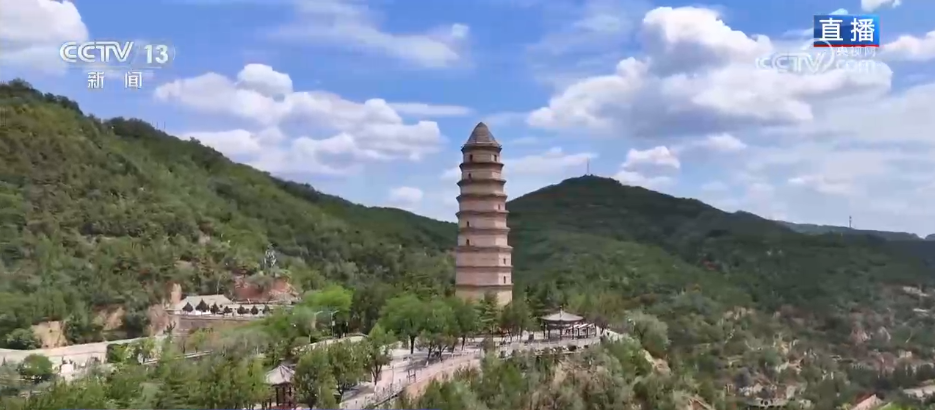
Core Viewpoint - Yan'an has transformed significantly over the past 80 years, evolving from a revolutionary base to a vibrant red tourism destination, attracting over 47 million visitors last year [1][11]. Group 1: Historical Significance - Yan'an served as the political center for the Chinese Communist Party from 1935 to 1948, playing a crucial role in the Anti-Japanese War and the Chinese liberation struggle [1]. - The Central Auditorium, built for the Seventh National Congress of the Communist Party, represents a blend of Western architectural styles and traditional cave structures [3][5]. Group 2: Cultural Heritage - The cave dwellings in Yan'an, including those where Chairman Mao lived, symbolize the hardships faced by leaders and the local populace during revolutionary times [7]. - The "Red Scarf" explanation team, consisting of local schoolchildren, has been providing guided tours for over 30 years, enhancing the cultural experience for visitors [10]. Group 3: Tourism and Economic Impact - The red tourism industry in Yan'an is thriving, with daily visitor numbers exceeding 10,000 during peak seasons, contributing to the local economy [11]. - In 2024, the total number of visitors is expected to surpass 47 million, with total spending projected to exceed 38 billion yuan, indicating a growing interest in red culture and history [11].
铭记历史 缅怀先烈·抗战歌曲丨再访鲁艺,那些嘹亮的抗战歌曲从这里唱响
Xin Hua Wang· 2025-08-14 00:34
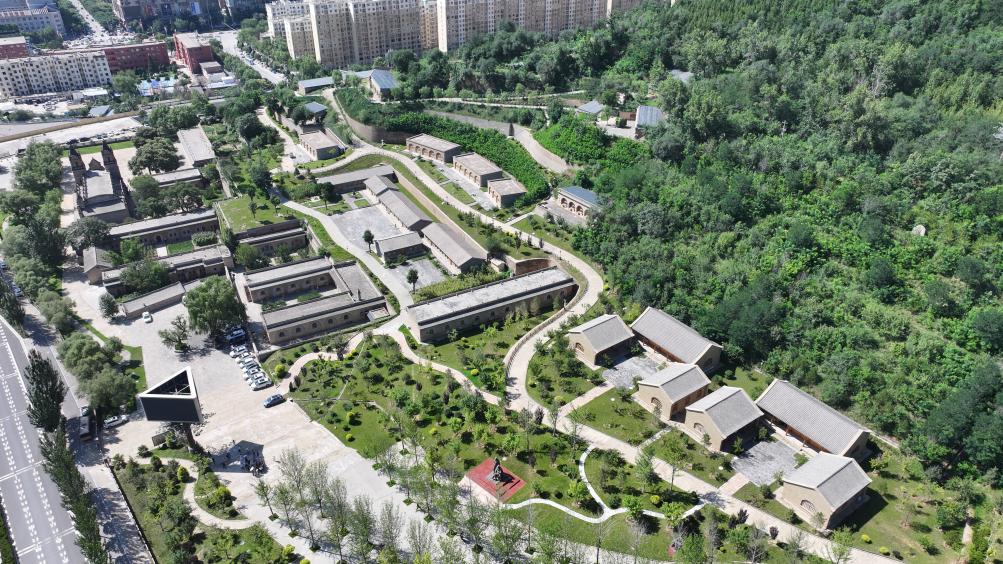
Core Viewpoint - The article highlights the historical significance of the Lu Yi (Luyin) Academy in Yan'an during the Anti-Japanese War, emphasizing its role as a cultural center that produced iconic patriotic songs that inspired the Chinese people [1][3][4]. Group 1: Historical Context - The Lu Yi Academy was established in 1938 in Yan'an, serving as a hub for artistic talent during the Anti-Japanese War, where notable musicians and artists like Xian Xinghai and Lu Ji gathered [3][4]. - The academy was pivotal in creating classic anti-war songs such as "Ode to Yan'an," "March of the Eighth Route Army," and "Yellow River Cantata," which resonated throughout the nation [3][4][8]. Group 2: Cultural Impact - The songs produced during this period were described as "torches that illuminate the heart" and played a crucial role in uniting the people against foreign aggression [3][4]. - The Lu Yi Academy became known as the center of music talent in the Anti-Japanese base areas, significantly contributing to the morale and unity of the Chinese people during the war [4][8]. Group 3: Legacy and Modern Relevance - The Yan'an Literary Memorial Hall now showcases artifacts and photographs from that era, preserving the legacy of the artists and their contributions to Chinese culture [6][11]. - The site attracts approximately 540,000 visitors annually, reflecting its ongoing significance as a cultural and historical landmark [9][11]. - Recent initiatives include the establishment of the Yan'an Printmaking Art Center and various exhibitions that promote patriotic education and the spirit of Yan'an [11].
铭记历史 缅怀先烈·抗战歌曲|再访鲁艺,那些嘹亮的抗战歌曲从这里唱响
Xin Hua She· 2025-08-13 12:12
Core Viewpoint - The article highlights the historical significance of the Yan'an Literary and Art Institute (鲁艺) during the Chinese Anti-Japanese War, emphasizing its role as a cultural center that produced numerous patriotic songs and artistic works that inspired the nation [1][2][3]. Group 1: Historical Context - The Yan'an Literary and Art Institute was established in 1938 and became a hub for music and arts, attracting many renowned artists and intellectuals who contributed to the creation of classic anti-war songs [1][2]. - The institute was pivotal in the political and cultural landscape of the Anti-Japanese War, serving as a gathering place for youth and artists motivated by the Communist Party's call for resistance [1][3]. Group 2: Cultural Impact - Songs like "Yellow River Cantata" and "Ode to Yan'an" were created during this period, significantly boosting the morale of the Chinese people and serving as a rallying cry against foreign aggression [3][4]. - The institute's influence extended beyond music, as it fostered various forms of artistic expression, including literature and drama, which played a crucial role in mobilizing the masses [5]. Group 3: Legacy and Modern Relevance - Today, the Yan'an Literary and Art Museum attracts over 540,000 visitors annually, showcasing artifacts and documents that commemorate this rich cultural heritage [4][5]. - The legacy of the institute continues to inspire contemporary efforts to promote patriotism and the spirit of Yan'an, with initiatives aimed at educating the public about its historical significance [5].
【文化中国行】延安革命纪念馆:重温光辉历程 回望峥嵘岁月 感悟延安精神力量
Yang Shi Wang· 2025-08-12 02:41
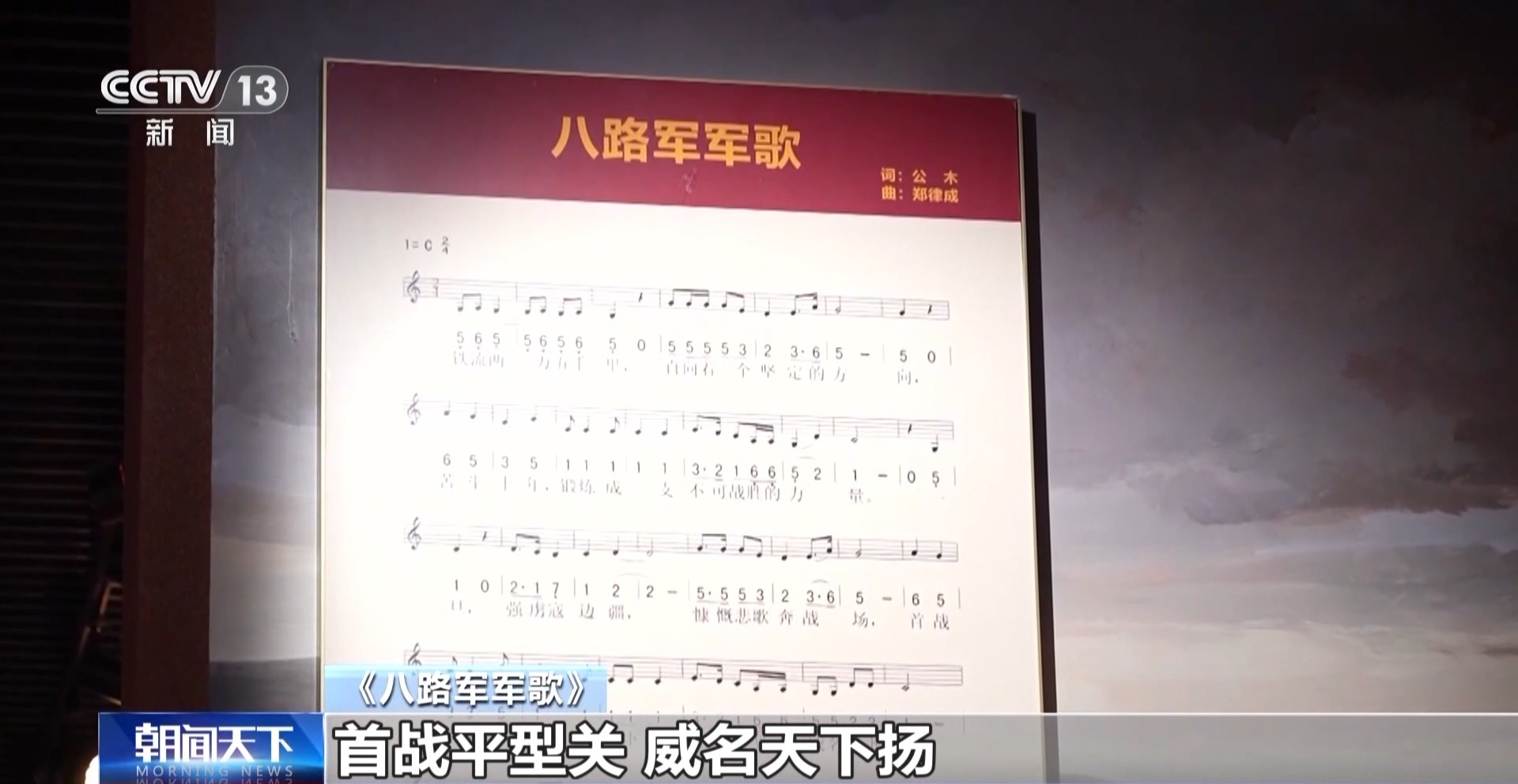
Core Viewpoint - The Yan'an Revolutionary Memorial Hall serves as a significant site for understanding China's revolutionary history and the spirit of resistance during the Anti-Japanese War, attracting numerous visitors who seek inspiration from red culture [1][15]. Group 1: Historical Significance - Yan'an is recognized as a sacred site of the Chinese revolution, with the memorial hall being one of the earliest established after the founding of New China in 1950 [1]. - The memorial hall features numerous artifacts that narrate stories of national salvation during the Anti-Japanese War, including the famous "Eight Route Army Song" [3][7]. - The hall highlights the pivotal victory at the Battle of Pingxingguan, which shattered the myth of Japanese invincibility [5]. Group 2: Key Documents and Ideologies - "On Protracted War," written by Mao Zedong, is a crucial document that analyzed the situation of both China and Japan, predicting the war would go through three stages: strategic defense, strategic stalemate, and strategic counteroffensive [9]. - The document aimed to dispel erroneous thoughts prevalent at the time and instilled confidence in the Chinese people regarding the eventual victory in the war [7][9]. Group 3: Cultural and Political Impact - During the war, Yan'an was a hub for democratic politics, military, economic, cultural education, and health initiatives, contributing significantly to the war effort [11]. - The Communist Party of China established a united front against Japan and proposed a series of policies that solidified its role as a central force in the resistance [13]. - The memorial hall continues to attract visitors who reflect on the revolutionary history and the enduring spirit of Yan'an [15].
文化中国行丨延安:挺起中华民族全民抗战不屈的脊梁
Yang Shi Wang· 2025-08-12 02:01
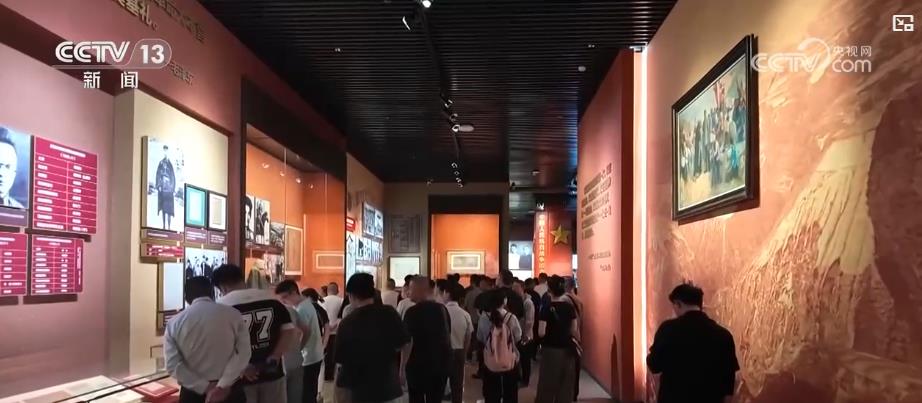
Core Viewpoint - Yan'an is recognized as a sacred site of the Chinese revolution, with the Yan'an Revolutionary Memorial Museum established in January 1950, serving as one of the earliest revolutionary memorials in New China, attracting numerous visitors daily to draw inspiration from red culture [1] Group 1: Historical Significance - The museum features an anti-Japanese unit where visitors are captivated by the powerful songs, including the "Eighth Route Army Song," which narrates the heroic deeds of the Eighth Route Army during the Anti-Japanese War [2][4] - From 1935 to 1948, Yan'an was the political center of the Chinese Communist Party and the guiding force for the Anti-Japanese War and the liberation struggle [5] - The museum houses numerous artifacts that tell stories of resistance against Japanese aggression, with "On Protracted War" being a significant document that visitors are encouraged to see [7] Group 2: Mao Zedong's Contributions - Mao Zedong wrote "On Protracted War" in response to the prevailing defeatist and overly optimistic sentiments during the early stages of the Anti-Japanese War, dedicating extensive effort to its completion [9] - The document analyzes the situation of both China and Japan, predicting the war would progress through three stages: strategic defense, strategic stalemate, and strategic counteroffensive, ultimately affirming that victory would belong to China [11] Group 3: Cultural and Political Developments - During the Yan'an period, democratic politics were implemented, and significant advancements were made in military, economic, cultural education, and health sectors, alongside a vigorous wartime literary movement [12] - The museum director emphasizes that Yan'an served as a beacon during the war, where the Communist Party proposed a united front against Japan and established strategies for victory [18] Group 4: Visitor Experience - Visitors to the museum can experience vivid scenes from the Anti-Japanese War, reflecting on the historical significance and the spirit of Yan'an [16] - The museum attracts visitors from all over, who come to honor the revolutionary history and seek to understand the secrets behind the success of the Chinese revolution [20]
抗日民主根据地经济建设及经验启示
Jing Ji Ri Bao· 2025-08-12 00:53
Core Viewpoint - The economic construction of the Anti-Japanese Democratic Base during the war was crucial for both military supply and improving the living conditions of the people, highlighting the need for a balance between wartime demands and civilian welfare [1][2][12]. Group 1: Economic Strategies - The Chinese Communist Party (CCP) initiated a self-sufficient production movement to address supply shortages and rising prices in the Anti-Japanese Democratic Base, emphasizing the importance of self-reliance in agriculture, industry, and commerce [2][3]. - The large-scale production movement began in 1941, with the CCP's military and civilian sectors working together to achieve self-sufficiency, which was recognized as a significant achievement in Chinese history [4][5]. Group 2: Agricultural Development - The opening of new farmland was a key strategy, with the actual area cultivated exceeding initial plans, significantly increasing agricultural output and ensuring food security in the region [7]. - Water conservancy projects were also vital, with large-scale efforts organized to protect agricultural production and safeguard the lives and property of millions [7]. Group 3: Cooperative Movements - The establishment of cooperatives was essential for improving production efficiency and fostering community support, transforming individual efforts into collective strength [8][9]. - The CCP's focus on organizing the masses into cooperatives was seen as a pathway to prosperity and a crucial element for achieving victory in the war [8]. Group 4: Military and Civilian Integration - The integration of military and civilian efforts not only addressed the survival needs of the troops but also alleviated the burdens on the local population, fostering a strong bond between the military and the people [6][10]. - The CCP's emphasis on mutual support between the army and civilians created a unified front, enhancing morale and commitment to the war effort [10][11]. Group 5: Historical Lessons - The experiences from the Anti-Japanese War provide valuable lessons for contemporary China, emphasizing the importance of innovation, grassroots mobilization, and the prioritization of people's welfare in achieving national goals [12].
吴敏超:抗日民主根据地经济建设及经验启示
Jing Ji Ri Bao· 2025-08-12 00:01
Core Viewpoint - The article emphasizes the dual mission of economic construction in the Anti-Japanese War, which was to provide material support for the military while improving the living conditions of the people, thereby fostering a unified national resistance against Japanese invasion [1][2][12]. Group 1: Economic Construction and Self-Sufficiency - The Anti-Japanese War required the military to be self-sufficient, leading to the initiation of a large-scale production movement in the rear areas, particularly in the Shaanxi-Gansu-Ningxia Border Region, where troops engaged in agriculture and other production activities [4][5]. - By 1943, the troops in the Shaanxi-Gansu-Ningxia Border Region achieved self-sufficiency, with each soldier only needing to spend three months on production, allowing the rest of the time for training and combat [4][5]. - The production movement expanded to other regions, with many troops achieving food self-sufficiency for one and a half to three months, significantly alleviating the burden on local populations [5][10]. Group 2: Mobilization of the Masses - The Chinese Communist Party prioritized the interests of the people, organizing them to develop agriculture, industry, and handicrafts, which was crucial for improving living standards during the war [7][8]. - The opening of new farmland and the construction of water conservancy projects were significant efforts that mobilized large numbers of workers, resulting in substantial increases in agricultural output [7][8]. - The establishment of cooperatives helped to organize the rural population, improving production efficiency and fostering a spirit of mutual assistance among farmers [8][9]. Group 3: Strengthening Military and Civilian Ties - The integration of military and civilian efforts during the war fostered a strong bond between the army and the people, enhancing mutual support and cooperation [10][11]. - The Chinese Communist Party's emphasis on the importance of the people's support was reflected in their policies, which aimed to reduce the burdens on civilians while ensuring military needs were met [10][12]. - The successful mobilization of the masses not only improved living conditions but also strengthened the resolve to continue the fight against Japanese aggression, creating a unified front [10][12]. Group 4: Historical Lessons and Future Implications - The experiences from the Anti-Japanese War highlight the importance of innovative thinking, prioritizing people's livelihoods, and fostering unity as essential elements for national resilience and development [13]. - The historical context serves as a valuable reference for contemporary China in navigating complex domestic and international challenges, emphasizing the need for self-reliance and proactive engagement in national development [13].
这里的歌声依然嘹亮(铭记历史 缅怀先烈)
Ren Min Ri Bao· 2025-08-10 22:20
Core Viewpoint - The news highlights the historical significance of Yan'an as a revolutionary base and its ongoing cultural and economic development, particularly through the promotion of red tourism and agricultural advancements. Group 1: Historical Significance - Yan'an is recognized as a sacred site of the Chinese revolution, where the Communist Party led significant movements from 1935 to 1948, marking a historical turning point for China [1][3]. - The number of Communist Party members grew from about 50 at its founding to 1.21 million by the time of the Seventh National Congress, reaching over 100 million by the end of last year [3]. Group 2: Cultural and Educational Initiatives - Yan'an has developed 75 on-site teaching points and a training resource pool of over 500 educators to utilize its red resources effectively [4]. - The integration of historical sites with modern educational practices has enriched visitor experiences, making the revolutionary history more accessible and engaging [4]. Group 3: Agricultural Development - The apple industry in Yan'an has seen significant growth, with farmers reporting an average annual income of 19,000 yuan per person from apple cultivation [9]. - The apple industry chain in Yan'an has a total output value of 55 billion yuan, with 39 deep processing enterprises currently operating in the region [9][10]. Group 4: Tourism and Economic Impact - The Jin Yan'an Tourism Resort has attracted over 20 million visitors since its opening in 2019, showcasing the potential of red tourism to drive local economic growth [7]. - The immersive experiences created by recreating historical sites and performances have deepened visitors' appreciation for the sacrifices made during the revolutionary period [7].