轻资产运营

Search documents
瓴寓国际轻资产变局:十年探路,“以退定投”
2 1 Shi Ji Jing Ji Bao Dao· 2025-12-03 12:59
Core Viewpoint - The rental housing sector is positioned as a key vehicle for ensuring housing security for new youth and constructing a new model for real estate development under the policy guidance of "housing for living, not speculation" and "rent and purchase coexist" [1] Group 1: Company Overview - Lingyu International has over ten years of experience in the rental housing sector and has successfully completed the full cycle of "investment, financing, construction, management, and exit" for 12 projects [1][3] - The company has developed a 3.0 product innovation and digital empowerment model exemplified by the Nanjing Qingyan Pavilion, balancing social welfare and market efficiency [1] - Lingyu International's CEO, Zhang Aihua, highlighted that the core bottleneck in the current market is the lack of quality assets that meet return requirements, despite the availability of capital [2][3] Group 2: Financial Performance - Lingyu International's rental housing projects have achieved an average Internal Rate of Return (IRR) of 8% to 12% and a low Capitalization Rate (Cap Rate) of approximately 4.5%, indicating low risk and stable returns [2] - The company has implemented a "state-owned enterprise + private enterprise" cooperation model in the affordable rental housing sector, achieving a high occupancy rate of 92% to 93% despite rent restrictions [2] Group 3: Operational Strategy - The company has established a comprehensive capital cooperation system covering development funds, Pre-REITs funds, and stable funds, providing diverse models for the industry [2][3] - Lingyu International emphasizes a "reverse investment" strategy, where each project defines its exit path and investor requirements before deriving investment and operational strategies [2][3] Group 4: Technological Innovation - The company has invested nearly eight years in big data and digital technology, with a technology team comprising one-third of its headquarters staff [4] - Lingyu International's self-developed FALCON system enhances decision-making accuracy to over 95% by analyzing rental data and optimizing housing designs based on 135 life scenarios [4] Group 5: Market Positioning - Lingyu International has created a unique competitive advantage by integrating the entire chain of "investment, financing, construction, management, and exit," which is rare in the industry [7] - The company aims to become a one-stop comprehensive service provider in the rental housing sector, focusing on long-term strategies and technological support [11][12] Group 6: Industry Perspective - The rental housing industry is characterized as a long-term endeavor, requiring patience and a commitment to quality and professionalism to achieve sustainable growth [8][12] - Lingyu International's approach reflects a shift from "heavy asset holding" to "light asset operation and asset management output," aligning with the evolving trends in the long-term rental apartment sector [12]
艾比森董事长丁彦辉投票反对自己连任,不满薪酬
Sou Hu Cai Jing· 2025-12-03 03:03
Core Viewpoint - The chairman of Absen, Ding Yanhui, voted against his own re-election due to dissatisfaction with his salary, which has seen significant increases over the years [3][6]. Group 1: Chairman's Salary Discontent - Ding Yanhui cast the only dissenting vote during the board meeting on November 28, opposing his own election as chairman, citing dissatisfaction with the chairman's salary [3][6]. - His pre-tax salary for 2024 is reported at 4.36 million yuan, ranking 135th among A-share company chairmen, with a nearly sixfold increase from 730,000 yuan in 2020 to 4.36 million yuan in 2024 [9]. - The salary increase from 2023 to 2024 was approximately 51%, but excluding the employee stock plan's principal and earnings of 1.7399 million yuan, his actual salary would be 2.6157 million yuan [9]. Group 2: Personal Financial Needs - In October, Ding announced a plan to reduce his holdings by up to 3% of the company's total shares, citing "personal financial needs" as the reason for the sell-off [10]. Group 3: Company Performance Challenges - Absen's main business, LED display screens, is facing challenges, with both sales volume and price declining. The average selling price dropped from 12,300 yuan per square meter in 2022 to 9,920 yuan in 2024, and sales volume decreased from 373,800 square meters to 355,800 square meters [13]. - The company's production capacity utilization rate fell to 68%, with actual production of 217,000 square meters out of a total capacity of 320,000 square meters [13]. - For 2024, Absen reported a revenue of 3.663 billion yuan, an 8.58% year-on-year decline, and a net profit of 117 million yuan, down 62.98% year-on-year, primarily due to a shrinking domestic market [13]. Group 4: Strategic Adjustments - In response to industry challenges, Absen is shifting its strategy to focus on high-value clients and has begun to cut low-margin, long-account period businesses [14]. - The company is also pursuing a "branding + light asset + digitalization" strategy, maintaining fixed assets around 600 million yuan, significantly lower than competitors [14]. - Absen has started to explore the energy storage business since 2023, although it currently contributes minimally to revenue [14]. - In the third quarter, Absen reported a revenue of 1.053 billion yuan, a 14.5% year-on-year increase, and a net profit of approximately 69.05 million yuan, up 138.55% year-on-year [14].



436万年薪的A股公司董事长不想干了?理由:得涨工资!
Xin Lang Cai Jing· 2025-12-02 14:20
Core Viewpoint - The chairman of Aibisen, Ding Yanhui, voted against his own re-election due to dissatisfaction with his salary, which has seen significant increases over the years [2][5][20]. Group 1: Chairman's Salary and Voting - Ding Yanhui cast the only dissenting vote against his re-election as chairman during the board meeting on November 28, citing dissatisfaction with the chairman's salary [2][5][21]. - His pre-tax salary for 2024 is reported at 4.36 million yuan, ranking 135th among over 5,000 A-share companies [7][23]. - From 2020 to 2024, his salary increased nearly sixfold, from 730,000 yuan to 4.36 million yuan, with a 51% increase from the previous year [7][23]. Group 2: Shareholding and Personal Financial Needs - Ding Yanhui holds a 33.78% stake in Aibisen and has announced plans to reduce his holdings by up to 3% due to personal financial needs [5][10][26]. - His entrepreneurial journey began in 1996, leading to the establishment of Aibisen, which has since expanded into international markets [10][28]. Group 3: Company Performance and Challenges - Aibisen's main business involves the R&D, production, and sales of LED displays, but it is currently facing challenges with declining sales prices and volumes [15][31]. - The average sales price of LED displays dropped from 123,000 yuan per square meter in 2022 to 99,200 yuan in 2024, with sales volume decreasing from 373,800 square meters to 355,800 square meters [15][31]. - The company's revenue for 2024 is projected at 3.663 billion yuan, an 8.58% year-on-year decline, with net profit down 62.98% [15][31]. Group 4: Strategic Adjustments - Aibisen is undergoing strategic adjustments, focusing on high-value clients and cutting low-margin, long-term businesses starting in the second half of 2024 [15][31]. - The company maintains a light asset operation model with fixed assets around 600 million yuan, significantly lower than competitors [16][32]. - In Q3 2023, Aibisen reported a revenue of 1.053 billion yuan, a 14.5% increase year-on-year, and a net profit of approximately 69.05 million yuan, up 138.55% [31][32].
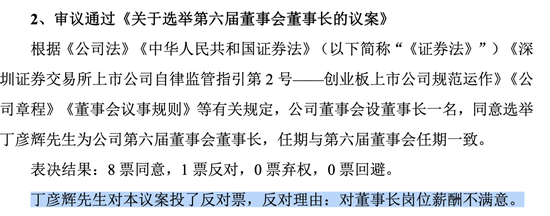
18项合作集中签约,复星旅文CEO详解私有化后新战略
Di Yi Cai Jing· 2025-11-28 10:35
Group 1 - The core focus of the company's future vacation projects will be on three main product lines: super resorts, super vacation zones, and super cultural tourism malls [2][4] - The company aims to expand its super resort projects globally, leveraging its 75 years of experience in the leisure vacation sector, with a target of reaching 100 resorts by 2035 [2] - The super vacation zones will be developed in key domestic tourist cities, featuring comprehensive theme resort complexes that include dining, entertainment, and performances, with a notable example being the "super Mediterranean" project in Sanya [4] Group 2 - The company is adopting a light asset operation model, with many of the signed projects involving the transformation and management of existing projects, including five super resorts, eight super vacation zones, and one super cultural tourism mall [4] - The first super cultural tourism mall is expected to open in the second half of 2026 in Chongqing, aiming to revamp traditional shopping centers into cultural and entertainment hubs [4] - The company has applied for a separate listing of its Sanya Atlantis project as a REIT on the Shanghai Stock Exchange, which is seen as an effective tool to promote light asset operations while retaining management rights [5]
展望2026:地产磨底与规则重写
Di Yi Cai Jing· 2025-11-27 11:20
Core Viewpoints - 2026 is expected to be a "bottoming year" for the real estate market, with new residential sales likely to see further adjustments, although the decline may be less severe than in 2025. Prices are expected to show an "L-shaped" tail effect, with core areas in first-tier cities possibly seeing a month-on-month increase in the first half of 2026, while weaker third and fourth-tier cities are unlikely to stop declining throughout the year [3][4][5] Macro: Credit Bottoming and Fiscal Support - The drag of real estate on GDP is projected to decrease from 1.5-2 percentage points in 2025 to 0.5-1 percentage points, indicating a consensus expectation of "diminishing macro headwinds" [4] - The fiscal policy for 2026 includes an early allocation of 1.5 trillion yuan in special bonds, with 300 billion yuan specifically for acquiring existing residential properties for affordable housing, providing a safeguard for 250-300 million square meters of inventory [6][7] Financial: From "Leverage Dividend" to "Asset Dividend" - The financing landscape shows a peak in credit bond maturities in Q3 2025, with a gap of 25 billion yuan for private real estate companies needing to refinance. By 2026, the maturity volume is expected to decrease by 18%, and 21 distressed companies are projected to complete debt restructuring, alleviating the "default pulse" in the industry [8] - The REITs market is anticipated to expand by 150-200 billion yuan in 2026, with projects yielding cash flows above 5% expected to achieve valuations of 15-20 times, compared to traditional development businesses at 3-5 times PE [8] Residential Real Estate: Structural Race for Inventory Depletion - The estimated new residential sales area for 2026 is projected to be 85-86 million square meters, corresponding to a sales amount of 8.6 trillion yuan, reflecting a year-on-year decrease of 4-6%, but the narrowing decline suggests a potential end to the "volume-price double kill" phase [9] - In first-tier and strong second-tier cities, inventory depletion is expected to take 14-18 months, with a potential slight price increase of within 5% for desirable properties in main urban areas [10] - In weaker second-tier and third-fourth tier cities, inventory is expected to exceed 30 months, with prices continuing to decline by 3-8% [11] Commercial Real Estate: "Threefold Evolution" - The industry is undergoing a transformation from scale worship to refined operations and risk hedging, with 2026 serving as a critical testing period for this framework [12] - The ability to revitalize assets is exemplified by Wanda's management of the Beijing Blue Harbor, which improved rental income by 5% and reduced vacancy rates to 5% through operational adjustments [12] - The introduction of public REITs tax incentives and technological advancements will determine which companies can upgrade commercial real estate into urban service infrastructure [12] Corporate Strategies: From "Three Highs" to "Three Light" - The light asset model, including construction agency, asset management, and property management, is expected to maintain a growth rate of 15-20% in 2026, with net profit margins of 8-12%, significantly higher than the 3-4% profit margin of development businesses [13] - Major state-owned enterprises aim for a net debt ratio below 50% by 2026, while private distressed companies are expected to reduce their net debt ratios to 80-100% [13] - The "sales-driven investment" approach will become a hard constraint, with a land sales ratio of 0.2-0.5, compelling real estate companies to convert land reserves into sellable resources [13] Policy Outlook: From "Market Rescue" to "Reform" - The real estate policy for 2026 will feature a dual track of "short-term stability and long-term reform," with measures including marginal relaxation of purchase restrictions in core areas and a 30 basis point reduction in mortgage rates [14][15] - Structural reforms such as the national trading of land indicators and the introduction of housing pension schemes are expected to be implemented in 2026, providing a foundational framework for new real estate models during the 14th Five-Year Plan [15]

货易储:第三方仓储外包-货易储
Sou Hu Cai Jing· 2025-11-27 04:36
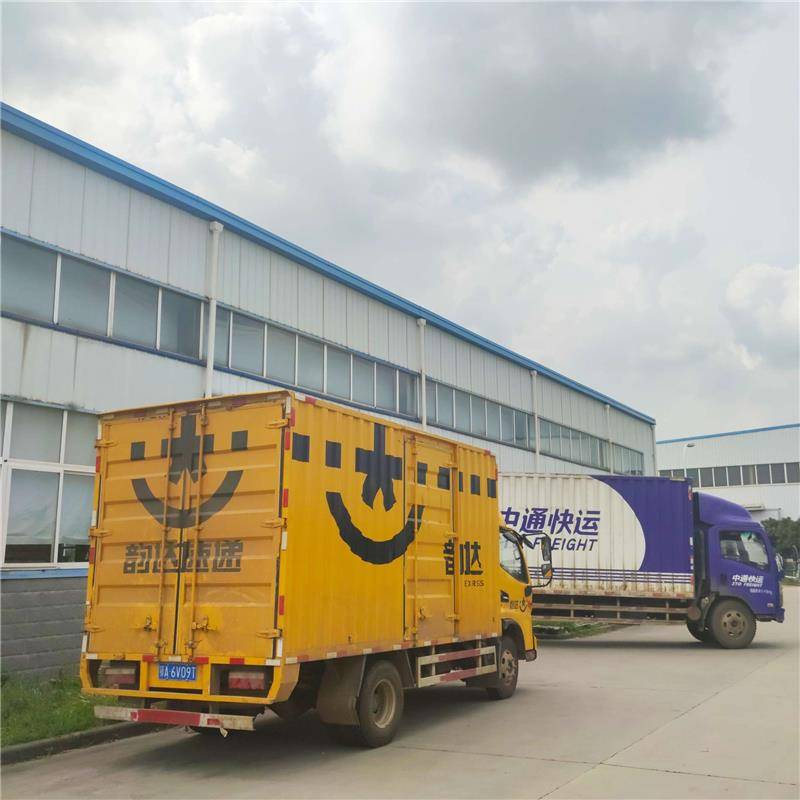
Core Insights - The article emphasizes the increasing trend of companies outsourcing their warehousing needs to third-party logistics providers (3PL) as a strategic move to optimize supply chains and enhance competitiveness [3][4]. Group 1: Advantages of Third-Party Warehousing - Cost Reduction: Companies can avoid significant investments in building or leasing warehouses, purchasing equipment, and hiring management teams, effectively converting warehousing into predictable operational expenses [4]. - Efficiency and Accuracy: 3PL providers utilize advanced warehouse management systems (WMS), automation, and established operational processes to significantly improve order processing speed and accuracy, reducing errors in shipments [4]. - Flexible Scalability: Third-party warehouses can quickly provide additional space and manpower during peak seasons or business growth, preventing waste from underutilized self-built warehouses [4]. Group 2: Network Optimization and Focus - Network and Delivery Optimization: Large 3PL providers often have extensive warehousing networks, allowing for distributed storage close to consumers, which greatly shortens delivery times and enhances customer experience [5]. - Business Focus: By outsourcing complex and time-consuming warehousing logistics, companies can concentrate their limited resources and efforts on product development, marketing, and customer service [5]. Group 3: Target Audience and Selection Criteria - Ideal Candidates: The outsourcing model is particularly suitable for e-commerce sellers, startups, brands with seasonal sales, and companies looking to expand quickly but constrained by logistics capabilities [5]. - Selection Criteria: It is crucial to evaluate the service provider's qualifications, experience, warehouse locations, network coverage, technology systems (WMS/OMS integration), service processes, cost structure, and past client cases [5].
金茂22.65亿挂牌三亚丽思卡尔顿酒店,资产证券化能否破重资产困局?
Cai Jing Wang· 2025-11-26 03:09
Core Viewpoint - China Jinmao has announced a significant asset disposal plan, intending to sell its 100% stake in Jinmao (Sanya) Tourism Co., Ltd. for a base price of RMB 2.265 billion, focusing on asset securitization rather than simple asset liquidation [1] Group 1: Asset Details - Jinmao (Sanya) Tourism Co., Ltd. primarily holds the Ritz-Carlton Hotel in Sanya, which is a five-star hotel with 446 luxury rooms and villas [2] - The hotel has a strong market presence in Sanya's high-end hotel sector, with stable operational performance [3] - In 2024, the hotel is projected to achieve approximately RMB 310 million in revenue and RMB 57.93 million in net profit, with total assets amounting to RMB 3.324 billion as of August 31, 2025 [3] Group 2: Performance Metrics - The hotel's average occupancy rate for the first half of 2025 is 80.5%, up from 69.3% in the same period of 2024, with a RevPAR of RMB 1,654, reflecting a year-on-year increase of 3.25% [3] - The average room rate decreased by 11.16% year-on-year to RMB 2,054 [3] - The hotel ranks first among all hotels under China Jinmao in terms of average room rate and RevPAR [4] Group 3: Market Context - The hotel industry is currently undergoing a dual transformation of supply-demand structure adjustment and upgrading consumer demand, with a national average hotel vacancy rate of 38.2% in Q1 2025 [6] - Major cities experienced an average hotel occupancy rate of only 58% during the National Day holiday in 2025 [6] Group 4: Strategic Shift - China Jinmao is transitioning from heavy asset ownership to a lighter asset operation model, focusing on asset securitization as a core strategy [7] - The company has previously sold the Hilton Hotel in Sanya for RMB 1.849 billion, indicating a shift towards professional capital operations [7] - The hotel business currently accounts for only 3% of the company's overall revenue, reflecting a 12% year-on-year decline [8]
野郎拉面亮相2025 SFE上海国际连锁加盟展, 小店模型与轻资产策略引行业关注
Zhong Guo Shi Pin Wang· 2025-11-24 10:23
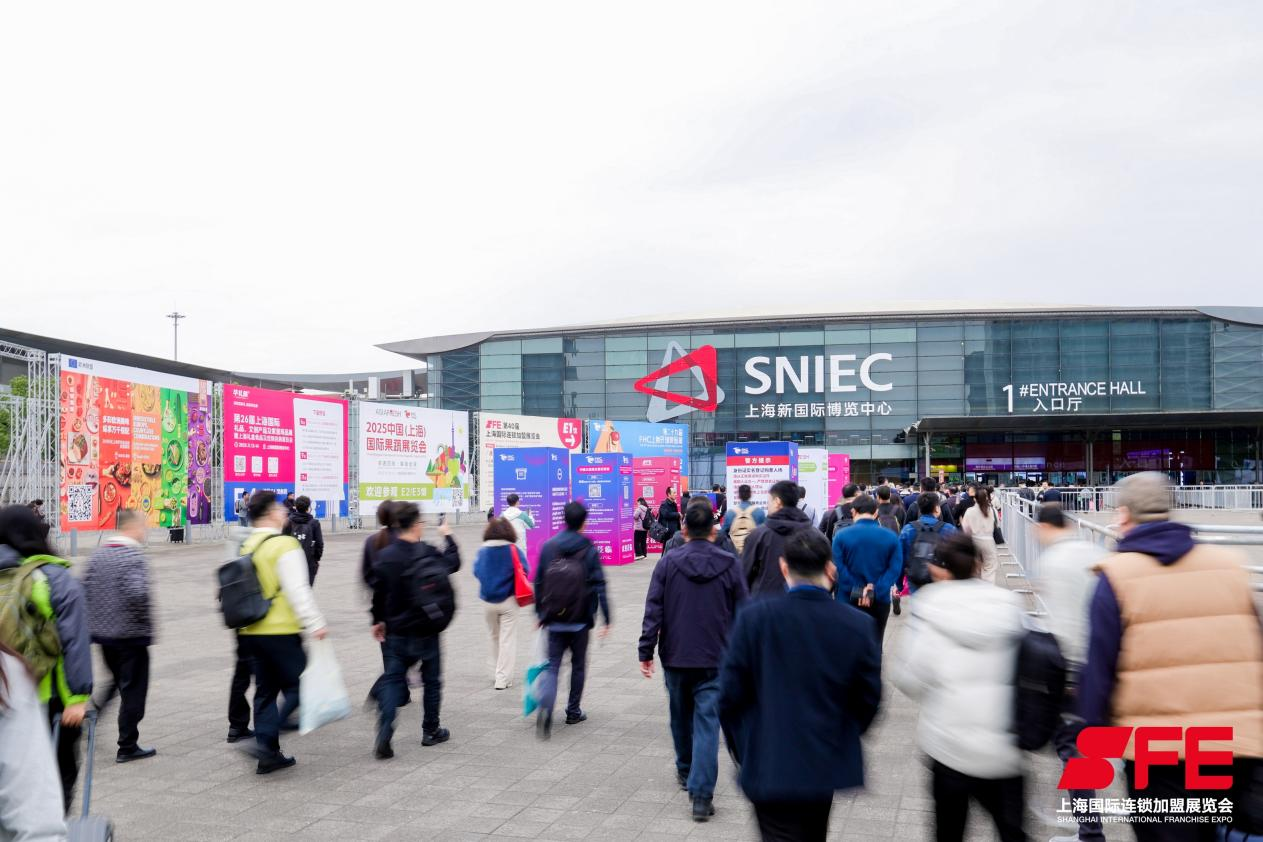
Core Insights - The 40th Shanghai International Franchise Exhibition (SFE) showcased the light-asset ramen brand, Yelang Ramen, which attracted numerous investors and industry professionals with its small store model and standardized operational system [2] - Yelang Ramen emphasizes a business model focused on "small store area, dual-person operation, and controllable costs," which gained significant attention amid the industry's focus on cost reduction and efficiency [2][6] Group 1 - During the exhibition, Jack (Tian Bowen), General Manager of Yelang Ramen, shared insights on the importance of reproducible product standards and stable models for sustainable operations across different cities [3] - Jack highlighted that Yelang Ramen prioritizes long-term sustainability over short-term profits, presenting a unique perspective that resonated with the audience [3] - The brand's standardized supply chain, streamlined personnel configuration, and transparent operational structure help reduce uncertainties for franchisees [5] Group 2 - The exhibition saw a high level of interest from potential investors across various regions, including Shanghai, Jiangsu, Zhejiang, Sichuan, and Guangdong, indicating a broader geographical appeal compared to previous events [6] - Analysts believe that the "small, standardized, and low-replication-cost" light-asset business model will continue to attract attention, especially in the context of rising rental and labor costs [6] - Yelang Ramen has been steadily expanding, with over 20 stores opened in cities like Tianjin, Zhejiang, Guizhou, and Shanghai, while projects in Beijing, Shenzhen, and Guangzhou are in preparation [8]
运营为核,存量时代商业地产的价值跃迁
Xin Lang Cai Jing· 2025-11-20 07:24
Core Insights - The Chinese commercial real estate sector is undergoing a significant paradigm shift from extensive growth to meticulous management of existing assets, driven by policies aimed at expanding domestic demand and upgrading consumption [1][10] - The market is characterized by a dual trend of recovering consumer spending and pressure on investment, with retail sales reaching 365,877 billion yuan and a growth rate of 4.46% in the first nine months of 2025, while new office construction area has decreased by 22.3% year-on-year [1][2] Market Dynamics - The market is experiencing a deep adjustment that accelerates industry differentiation, with only 8% of commercial real estate companies generating 42% of industry revenue, indicating a growing concentration of market power among leading firms [2] - The top companies are leveraging quality assets and operational capabilities to navigate through cycles, while smaller firms face challenges such as weak operations and low revenues [2] Operational Strategies - In a market dominated by existing assets, light asset operations and stock transformation are key strategies for companies to break through, as exemplified by Vanke's successful transformation of the Shenzhen iN City Square, achieving a 97% occupancy rate [3][4] - The core value of commercial real estate is shifting from physical space to operational capability, with companies adopting innovative strategies to enhance competitiveness and revenue generation [4][10] Consumer Trends - Structural changes in consumer demand are providing new growth opportunities, with the elderly and young populations becoming the main consumer forces, leading to the rise of new business models such as community commerce and pet economy [4][5] - The pet economy alone has surpassed 300 billion yuan, indicating a significant market potential for pet-friendly commercial spaces [4] Innovation and Technology - The commercial operation model is evolving from single leasing to a comprehensive approach that includes content, services, and marketing, with companies focusing on creating differentiated services as a competitive advantage [5][6] - Technological innovations are supporting refined operations, with Vanke utilizing AI and smart service systems to enhance project management efficiency and consumer experience [6] Capital Market Trends - The capital market is undergoing adjustments, with a notable increase in transactions of office assets, totaling approximately 398 billion yuan in the first nine months of 2025, and a shift towards financial institutions and leading industry companies as primary investors [6][9] - The expansion of public REITs for consumer infrastructure is attracting more capital to quality retail properties, fostering a cycle of capital empowerment, operational upgrades, and value enhancement [6][10] Future Outlook - The consensus from the 2025 Commercial Annual Conference indicates that stock updates represent a core opportunity, with over 200 million square meters of commercial properties in first-tier cities over 30 years old, 40% of which are underperforming [10] - The industry is expected to gradually achieve a "spiral" development through enhanced operational capabilities and capital ecosystem improvements, with a focus on projects that can activate value through space transformation and content restructuring [10]


龙湖接手,世贸天阶能否引来北京“二次向上看”?
Bei Ke Cai Jing· 2025-11-12 03:16
Core Viewpoint - The partnership between Longfor Commercial and Beijing Aozhong Xingye aims to revitalize the Beijing World Trade Center (WTC) project, positioning it as a commercial aesthetic landmark in Beijing's CBD, marking Longfor's 10th project in the city [1][4]. Group 1: Historical Context and Challenges - The WTC was once a prominent commercial landmark in Beijing, known for its massive electronic canopy, which cost 250 million yuan and is the largest in Asia [2]. - The WTC gained fame during the 2008 Beijing Olympics but has since struggled with declining foot traffic and brand appeal due to the emergence of new commercial entities [2][3]. - The overall retail real estate market in Beijing is under pressure, with a reported 3.5% decline in effective rents and a 7.1% vacancy rate in the city center as of Q3 2025 [3]. Group 2: Current Developments - Longfor Commercial's entry into the WTC project is part of its strategy to expand its presence in Beijing, now operating 10 commercial projects in the city [5]. - The collaboration aims to leverage the WTC's historical significance while addressing its operational challenges, focusing on creating a new identity as a commercial aesthetic landmark [4][6]. - The success of this partnership will depend on Longfor's ability to innovate and attract foot traffic, as traditional shopping centers face the need for systemic innovation beyond mere tenant acquisition [6].