
金融开放

Search documents
央行:灵活高效运用降准降息等多种货币政策工具,把握好政策实施的力度、节奏和时机|快讯
Hua Xia Shi Bao· 2025-12-12 13:36
Core Viewpoint - The People's Bank of China emphasizes the continuation of a moderately loose monetary policy and the acceleration of financial supply-side structural reforms to stabilize economic growth and ensure reasonable price recovery [2] Group 1: Monetary Policy - The meeting highlights the importance of using various monetary policy tools such as reserve requirement ratio (RRR) cuts and interest rate reductions flexibly and efficiently [2] - It stresses maintaining ample liquidity and promoting low financing costs for the economy [2] - The central bank aims to enhance financial support for the real economy, particularly in key areas like expanding domestic demand, technological innovation, and support for small and micro enterprises [2] Group 2: Financial Stability - The meeting calls for the prevention and resolution of financial risks in key areas to maintain financial stability [2] - It emphasizes the need to improve the central banking system and build a strong central bank [2] - The central bank is tasked with ensuring the basic stability of the RMB exchange rate at a reasonable and balanced level [2] Group 3: Coordination with Fiscal Policy - There is a focus on optimizing the use of structural monetary policy tools and enhancing coordination with fiscal policy [2] - The goal is to incentivize and guide financial institutions to support key sectors effectively [2]


央行,重磅会议!
证券时报· 2025-12-12 13:11
Core Viewpoint - The meeting emphasized the importance of implementing the central government's economic policies and strategies for the upcoming year, focusing on macroeconomic stability and financial management to support high-quality development and economic growth [2][3]. Group 1: Economic Performance and Policy Direction - The meeting highlighted that despite external pressures and internal challenges, China's economy has made significant progress, achieving key development goals for the "14th Five-Year Plan" [3]. - The central bank is tasked with adhering to the principles of Xi Jinping's thought and the directives from the 20th National Congress, ensuring a stable and progressive approach to monetary policy [3][4]. Group 2: Monetary Policy and Financial Support - The central bank will continue to implement a moderately loose monetary policy, focusing on stabilizing economic growth and ensuring reasonable price recovery [5]. - There will be a flexible use of various monetary policy tools, such as interest rate cuts and reserve requirement ratio adjustments, to maintain ample liquidity and support the real economy [5]. Group 3: Financial Stability and Risk Management - The meeting stressed the importance of preventing and mitigating financial risks, particularly in key sectors, to maintain overall financial stability [6]. - A robust monitoring and early warning system for financial risks will be established to ensure the smooth operation of financial markets and institutions [6]. Group 4: Financial Openness and International Cooperation - The central bank aims to promote high-level financial openness while safeguarding national financial security, engaging in global financial governance, and advancing the internationalization of the Renminbi [6]. - Efforts will be made to develop a comprehensive cross-border payment system for the Renminbi and to steadily advance the digital currency initiative [6].
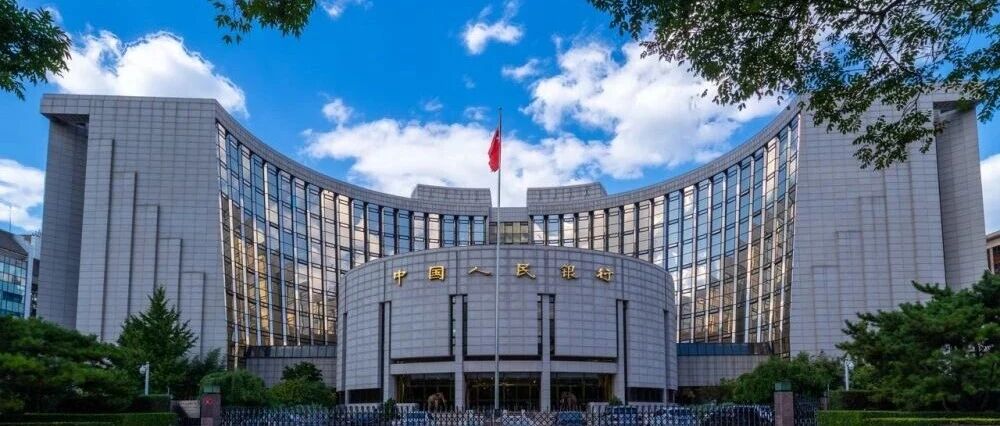
刚刚!央行、金融监管总局,重磅发声!
券商中国· 2025-12-12 12:53
Core Viewpoint - The meetings held by the People's Bank of China (PBOC) and the National Financial Regulatory Administration emphasized the importance of implementing the spirit of the Central Economic Work Conference, focusing on macroeconomic stability and financial management to support economic growth and high-quality development in the upcoming year and the 14th Five-Year Plan period [2][7]. Group 1: Economic Performance and Policy Direction - The PBOC acknowledged the achievements made over the past year despite external pressures and internal challenges, highlighting the effectiveness of the central leadership in navigating economic development [3]. - The meetings outlined the necessity of adhering to the guiding principles of Xi Jinping's thought and the decisions made during the 20th National Congress of the Communist Party, emphasizing a stable yet progressive approach to economic policy [4][7]. Group 2: Monetary Policy and Financial Management - The PBOC plans to continue implementing a moderately loose monetary policy, focusing on enhancing the effectiveness of both existing and new policies to stimulate domestic demand and optimize supply [4][5]. - There is a commitment to maintaining liquidity at adequate levels and ensuring low financing costs for the real economy, while also coordinating with fiscal policies to support key sectors such as technology innovation and small and medium-sized enterprises [5][6]. Group 3: Risk Prevention and Financial Stability - The meetings stressed the importance of preventing and mitigating financial risks, particularly in key areas, to maintain overall financial stability and support high-quality economic development [5][8]. - The regulatory bodies are tasked with enhancing their monitoring and assessment capabilities to preemptively address potential financial risks and ensure the stability of financial markets [8][9]. Group 4: Financial Sector Reforms and International Cooperation - The PBOC and the National Financial Regulatory Administration are focused on advancing financial reforms, enhancing regulatory frameworks, and promoting the internationalization of the Renminbi [5][9]. - There is an emphasis on strengthening financial cooperation on a global scale and improving the cross-border payment systems for the Renminbi, alongside the development of digital currency initiatives [5][9].

央行:稳步推进金融高水平开放,维护国家金融安全
Zheng Quan Shi Bao Wang· 2025-12-12 12:38
Core Viewpoint - The meeting led by the Governor of the People's Bank of China emphasized the importance of advancing financial openness while ensuring national financial security [1] Group 1: Financial Policy and Strategy - The meeting conveyed the spirit of the Central Economic Work Conference and outlined measures for implementation in the financial system [1] - It highlighted the need to actively participate in and promote reforms in global financial governance [1] - The meeting called for practical financial diplomacy and bilateral/multilateral monetary cooperation [1] Group 2: Currency and Payment Systems - There is a focus on promoting the internationalization of the Renminbi [1] - The development of a comprehensive and widely accessible cross-border payment system for the Renminbi is a priority [1] - The steady development of the digital Renminbi is also emphasized [1]
从单点突破到体系化出海 中国资本探寻“走出去”新路径
Xin Hua Cai Jing· 2025-12-12 12:33
Group 1 - The forum "Opportunities and Challenges for Chinese Capital Going Global" highlighted the necessity of systematic support for capital outflow, including regulations, services, and capabilities [1] - The Lingang New Area has introduced nearly 200 institutional innovations in six years, with about half being national firsts, establishing a solid foundation for financial openness and cross-border capital flow [1] - The Shanghai International Financial Center is transitioning from building a system to enhancing functionality under the guidance of the central government's strategy for a strong financial nation [1] Group 2 - The global economy shows signs of recovery driven by trade resilience, investment demand, and certain countries' policy environments, but risks from high valuation market volatility and uncertainties in international capital flows remain [2] - Innovation is identified as the core competitiveness for medical technology companies going global, necessitating international technical standards and cross-border financing support [2] - The demand for cross-border cold chain services is significantly increasing with the acceleration of innovative drugs going abroad, making technical standards and international certification crucial for service export [2] Group 3 - Financial institutions need to provide comprehensive services covering the entire lifecycle of enterprises as the types of companies going global diversify [3] - Companies must proactively identify sensitive areas and adhere to higher compliance standards due to rapidly changing hard rules regarding data cross-border and foreign investment reviews [3]
数字货币专家解读:机遇与方向在哪?|数字金融专家出席演讲
Sou Hu Cai Jing· 2025-12-08 20:44
Core Insights - The recent launch of the multilateral digital currency bridge project has sparked significant interest in digital currencies, positioning them as a focal point in the financial sector [1] Group 1: Expert Opinions - Huang Yiping emphasizes the need to clearly distinguish between central bank digital currencies (CBDCs) and digital assets like Bitcoin, highlighting that the digital yuan is a sovereign-backed legal currency with inherent value, unlike the volatile Bitcoin [3] - Ouyang Weimin stresses the importance of adhering to fundamental principles in digital currency innovation, warning against "pseudo-innovation" that detaches from practical realities, and advocating for deep integration with the real economy [3] - Wu Xiaoqiu presents a perspective that prioritizes financial openness and the internationalization of the renminbi, suggesting that while digital currencies are important, they should not distract from broader strategic financial reforms [3] Group 2: Digital Currency Advantages - Digital currencies have demonstrated efficiency and low costs in cross-border payments, with the multilateral digital currency bridge enabling interbank settlements among multiple countries [4] - The consensus among the experts points towards a core direction of "compliance innovation and serving the real economy," which is essential for understanding the development logic of digital currencies [4]

美联储降息与经济工作会议
2025-12-08 15:36
Summary of Key Points from Conference Call Records Industry Overview - The records primarily discuss the impact of the Federal Reserve's interest rate decisions and the implications for the U.S. economy and financial markets, alongside developments in the AI mobile assistant sector and its hardware implications. Federal Reserve and Economic Outlook - The market anticipates a 90% probability of the Federal Reserve lowering interest rates in December, with expectations of three additional cuts to bring the rate down to 3% [1][4] - The upcoming economic work conference in China is crucial, especially given the weakening real estate and consumption data, highlighting the importance of new policies to stabilize the economy [1][2] - The Federal Reserve's potential resumption of balance sheet expansion, primarily through short-term debt purchases, is expected to significantly enhance market liquidity, benefiting the stock market [1][8] - The nomination of a new Federal Reserve chair, likely to be Set, is anticipated to shift market expectations regarding future monetary policy, potentially leading to lower long-term interest rates [1][9][10] AI Mobile Assistant and Hardware Development - The AI mobile assistant is projected to drive significant upgrades in chip computing power, memory, thermal management, battery life, and acoustic interaction, with global AI mobile penetration expected to exceed 50% by 2029 [3][32] - The introduction of AI mobile assistants is expected to reshape the mobile internet ecosystem, influencing hardware, software, and traffic entry points [31][33] - Key hardware development trends include enhancements in chip performance, memory, battery optimization, and innovative structural designs, driven by applications like the Doubao mobile assistant [32][35] Currency and Market Dynamics - The Chinese yuan has been appreciating due to stable U.S.-China relations, a weaker dollar, and increased corporate willingness to convert currency, with expectations for stability through the end of the year [23][24] - Factors influencing the yuan's future include ongoing U.S.-China relations, potential Fed rate cuts, and seasonal trends in currency conversion [29][30] Investment Strategies and Market Predictions - The S&P 500 index is projected to reach between 7,600 and 7,800 points in 2026, indicating significant upside potential [15] - Investment strategies should focus on sectors benefiting from AI technology and dividend-paying stocks to mitigate risks from economic fluctuations [18][21] Additional Considerations - The potential impact of the Bank of Japan's interest rate decisions on global risk assets is noted, with a lower likelihood of significant market volatility compared to previous instances [11] - The distinction between balance sheet expansion and quantitative easing is emphasized, with the former primarily affecting short-term liquidity and the latter impacting long-term interest rates [12][13] This summary encapsulates the critical insights from the conference call records, focusing on the Federal Reserve's monetary policy, the evolution of AI mobile technology, currency dynamics, and investment strategies.
上海自贸区自由贸易账户功能升级,跨境金融再突破
Sou Hu Cai Jing· 2025-12-07 09:44
Core Viewpoint - The upgrade of the Free Trade Account functions in Shanghai marks a significant breakthrough in cross-border financial innovation, enhancing the city's role as an international financial center and facilitating cross-border capital flows [1][2][4]. Group 1: Policy Implementation and Financial Institutions' Response - The implementation of the upgraded Free Trade Account functions began on December 5, with major Chinese and foreign banks actively participating in the pilot program [1]. - Banks such as Bank of Communications and Agricultural Bank of China successfully processed upgrades for multiple enterprises, including key players in high-end oil equipment and semiconductor manufacturing [1]. - Foreign banks like HSBC China and Citibank China also opened upgraded Free Trade Accounts for several multinational companies, indicating strong confidence in China's financial opening [1]. Group 2: Features of the Upgraded Free Trade Account - The core breakthrough of the new policy is the significant enhancement of fund transfer convenience, allowing direct cross-border fund transfers between upgraded accounts and various offshore accounts without prior registration or approval [2]. - The policy simplifies the process for enterprises regarding foreign debt and offshore fund transactions, making cross-border financial operations more efficient [2]. - The upgraded accounts allow for unrestricted fund transfers within the business scope of enterprises, promoting a higher level of institutional openness [3]. Group 3: Historical Context and Future Implications - The Free Trade Account pilot in Shanghai has evolved over 11 years, with a total of 177,400 accounts opened by April 2025, and an annual growth rate of over 30% in cross-border transactions [3]. - The upgrade is seen as a key step in transitioning China's financial openness from factor flow to rule-based institutional openness, enhancing the attractiveness of the Chinese market for multinational companies [4]. - The experience gained from this pilot program is expected to pave the way for a safer and more efficient path for capital account convertibility and financial openness across the country, contributing to high-quality economic development in China [4].

自贸账户功能升级,上海跨境金融再突破
Huan Qiu Wang· 2025-12-07 02:57
Core Viewpoint - The implementation of the upgraded Free Trade Account system in Shanghai marks a significant advancement in cross-border financial innovation, enhancing the city's role as an international financial center and facilitating cross-border capital flow management [1][2][6] Group 1: Policy Implementation - The upgraded Free Trade Account functionality is a result of ongoing efforts and is part of a broader strategy outlined in the "Action Plan for Further Enhancing Cross-Border Financial Services" set for April 2025 [2] - The People's Bank of China has established a framework to support the pilot program, ensuring that financial institutions develop robust internal controls and systems to provide high-quality cross-border financial services [2] Group 2: Financial Institutions' Response - Major Chinese banks like Bank of Communications and Agricultural Bank of China, along with foreign banks such as HSBC China and Citibank China, have quickly engaged in the pilot program, successfully facilitating the upgraded Free Trade Account services for various enterprises [1][2] Group 3: Operational Enhancements - The new regulations significantly enhance the convenience of fund transfers, allowing pilot enterprises to directly manage cross-border fund transfers without the need for prior approvals or registrations, thus streamlining processes for foreign debt and outbound payments [4] - The upgraded accounts will allow unrestricted fund transfers within the operational scope of enterprises, promoting a higher level of institutional openness and facilitating cross-border trade and investment [4][6] Group 4: Historical Context and Growth - Shanghai has been a pioneer in financial openness since 2014, with the Free Trade Account pilot evolving over 11 years, resulting in a mature system that has been replicated in other regions [5] - As of April 2025, Shanghai has opened 177,400 various Free Trade Accounts, with an annual growth rate of over 30% in cross-border transactions, indicating robust demand and usage [5] Group 5: Future Implications - Analysts view the upgrade as a critical step in China's transition from factor-driven to rule-based financial openness, enhancing the attractiveness of the Chinese market for multinational companies [6] - The pilot program's success may lead to a nationwide model for capital account convertibility and financial openness, contributing to high-quality economic development in China [6]

离岸央票市场“渠”成“水”到
Jing Ji Ri Bao· 2025-12-02 23:25
Core Viewpoint - The People's Bank of China (PBOC) is actively issuing offshore central bank bills to enhance liquidity and stabilize the RMB exchange rate, signaling a commitment to financial stability and the internationalization of the RMB [1][2]. Group 1: Issuance of Offshore Central Bank Bills - On November 24, the PBOC issued 45 billion RMB in central bank bills in Hong Kong, bringing the total issuance for the year to 300 billion RMB across six batches, indicating a trend towards normalization [1]. - Offshore central bank bills serve as high-credit, standardized financial instruments that help manage liquidity and influence interest rates, thereby increasing the cost of speculation on the RMB [1][2]. Group 2: Market Development and Internationalization - The issuance of offshore central bank bills is crucial for enhancing the offshore RMB market, providing high-quality financial products, and promoting the healthy development of the offshore RMB bond market [1][2]. - The balance of Hong Kong central bank bills is projected to grow from 80 billion RMB at the end of 2022 to 140 billion RMB by the end of 2024, reflecting a strong commitment to maintaining financial and exchange rate stability [1]. Group 3: Future Outlook and Market Infrastructure - To ensure the stable development of the offshore central bank bill market, it is essential to coordinate the internationalization of the RMB with domestic monetary policy and exchange rate reforms [2][3]. - There is a need to establish a more transparent issuance schedule and diversify the maturity structure of central bank bills to meet the asset allocation needs of international investors [3]. - Enhancing secondary market liquidity and exploring innovative applications of offshore central bank bills in cross-border collateral and liquidity management are critical for attracting international financial institutions [3].