贸易逆差

Search documents
美国年初至今商品和服务贸易逆差同比扩大65.7%
news flash· 2025-06-05 12:42
智通财经6月5日电,美国人口普查局和美国经济分析局今天宣布,年初至今,美国商品和服务贸易逆差 比2024年同期增加了1793亿美元,即65.7%。出口额增长584亿美元,即5.5%。进口额增加了2378亿美 元,即17.8%。 美国年初至今商品和服务贸易逆差同比扩大65.7% ...
美国4月贸易逆差616亿美元
news flash· 2025-06-05 12:39
美国商务部6月5日公布的数据显示,美国2025年4月贸易逆差616亿美元,其中出口2894亿美元,环比增 长3.0%;进口3510亿美元,环比下降16.3%。 ...
6月5日电,加拿大4月份贸易逆差创纪录,报71亿加元,预估为逆差15亿加元。
news flash· 2025-06-05 12:35
智通财经6月5日电,加拿大4月份贸易逆差创纪录,报71亿加元,预估为逆差15亿加元。 ...
美国4月进口总额3,509.9亿美元 环比下降16.3%
news flash· 2025-06-05 12:35
智通财经6月5日电,美国4月贸易逆差616亿美元,预期为660亿美元。美国4月出口2,893.7亿美元,环比 增长3.0%;进口3,509.9亿美元,环比下降16.3%。 美国4月进口总额3,509.9亿美元 环比下降16.3% ...
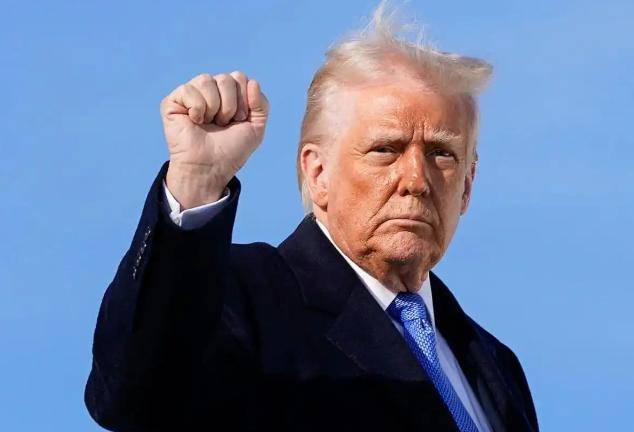
特朗普暂缓收割75国,专心对付中国?美国专家认怂:咱们顶不住了
Sou Hu Cai Jing· 2025-06-04 10:05
根据白宫发布的行政命令,美国对华关税增加125%,加上3月份就开始实施的20%所谓芬太尼问题施加的关税,美国累计对华关税已达145%,堪称疯狂。 中国方面早有准备,先祭出84%的关税反制,然后又宣布将"尊重观众选择",拟减少美国电影的进口。此举可谓直掐美国命门,此举导致美国电影公司股票 暴跌。而今,中国又宣布了125%的关税反制措施。其实,此时中美之间已经没有贸易的可能性,此后再相互追加关税,已经毫无意义。 当时特朗普的逻辑是,外国的廉价产品大量充斥美国的市场,而美国的工人却得不到工作和收入的保障。正如他的口号"复兴制造业"一样,他要让美国自己 的制造业振兴起来,从而把其他国家的商品"赶出去"。 所以,他鼓励外国公司迁往美国,特朗普曾说过:"我希望德国汽车公司成为美国汽车公司。我希望他们在这里建厂。"这样,他可以对外国进入本国的商品 征税,而对本土企业减免税务,不仅赚了外国的关税,还能提升本土制造业的产能。 (二)填补贸易逆差 美国为什么会有巨大的贸易逆差,其实,美国的经济是以第三产业(服务业)为主。因此,他在货物贸易(第一、第二产业方面)中肯定是有贸易逆差的, 而且,贸易逆差主要集中在中国、墨西哥、越南、德 ...

特朗普关税连遭挑战:国内再陷诉讼、欧盟严重警告谈崩后果
Di Yi Cai Jing· 2025-06-03 12:07
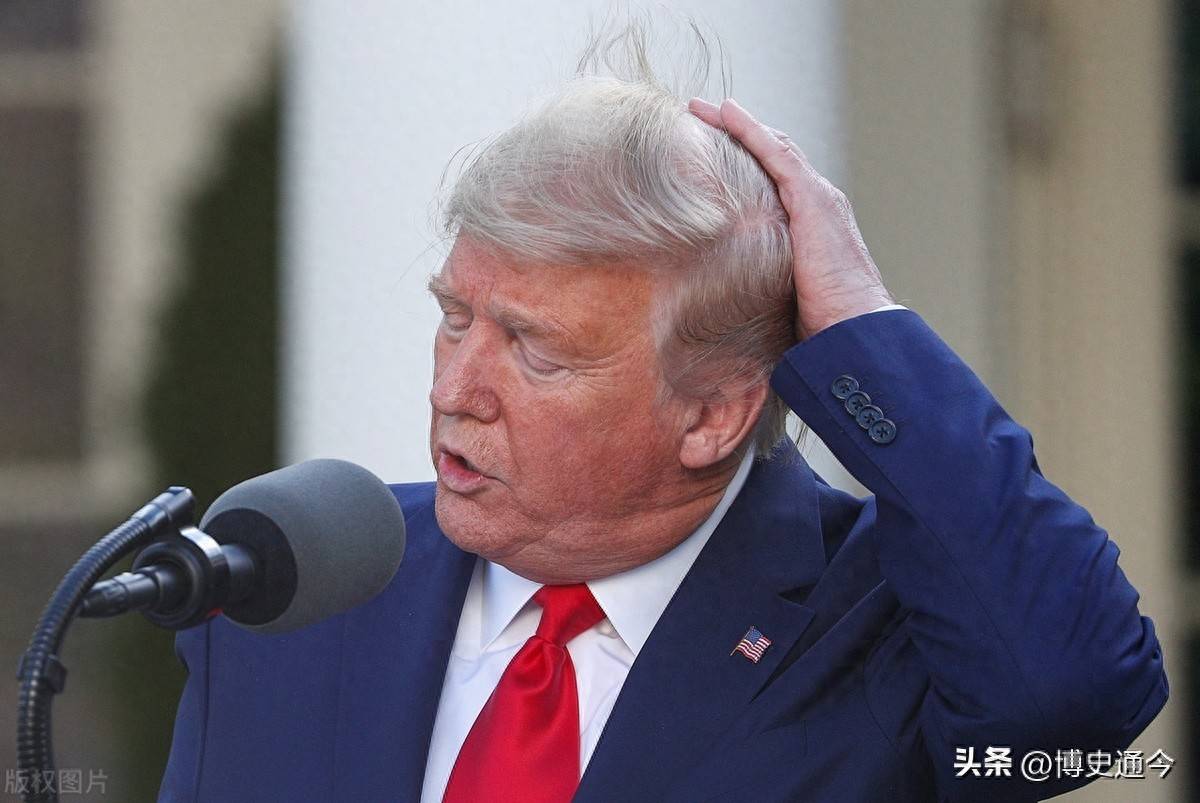
Group 1 - The EU has issued a warning that if a mutually acceptable solution is not reached, countermeasures will take effect by July 14 at the latest [1][8] - The EU's countermeasures include previously approved but suspended tariffs on US goods worth €21 billion in response to Trump's steel and aluminum measures [8] - A second part of the EU's response involves preparing additional tariffs on US products worth €95 billion, targeting industrial goods such as Boeing aircraft and American-made cars [8] Group 2 - Recent court rulings have determined that the Trump administration's use of the International Emergency Economic Powers Act (IEEPA) to impose tariffs is overreaching and unconstitutional [4][5] - The US International Trade Court ruled that trade balance and fentanyl import issues do not constitute an emergency under IEEPA, thus invalidating the tariffs [4] - The legal disputes surrounding IEEPA may escalate to the US Supreme Court, potentially affecting the negotiation positions of various trade partners [2][6] Group 3 - The Hinrich Foundation has reported that recent indecisive trade policy decisions in Washington are unlikely to be resolved in the short term, leading to long-term economic uncertainty for governments and businesses [7] - The EU is actively engaging in negotiations with the US, with meetings scheduled between EU Trade Commissioner and US Trade Representative [7][9] - There is a recognition that while the Trump administration aims to balance the trade deficit with the EU, breakthroughs may only occur in agricultural products due to price competitiveness [9]
特朗普高兴早了!对华无理关税没取消前,美国想要的中方绝不会给
Sou Hu Cai Jing· 2025-06-03 09:34
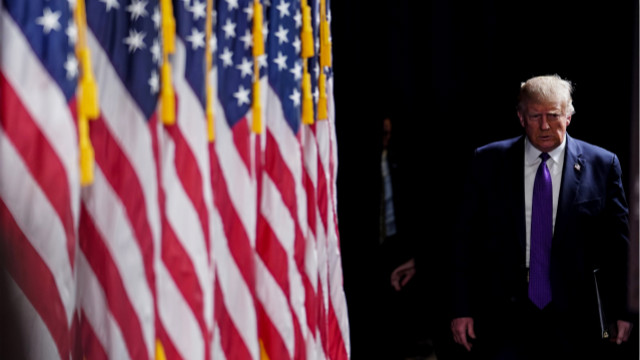
这么一来,顶多算是回到了一个新的起跑线,离什么里程碑还远着呢,更逗的是,五天后,5月15号,中美贸易代表又跑韩国首尔亚太经合组织会议上碰头 了,具体聊了啥,外面人还是两眼一抹黑。 那边厢,美国财长贝森特倒是透了点风,他说未来几周,中美还得接着谈,目标是搞个"更完整的协议",这话听着挺美,可他立马又补了一刀,说美国对中 国的关税想降到传说中的10%,"不太可能"。 关于特朗普要降低对华关税的消息,这几天可谓是接踵而至,但我们这边的态度依旧很明确,对华关税不归零,中国是不可能给美国机会的。 日内瓦那场经贸会谈一结束,市场上确实小小地欢呼了一阵,双方都说要降关税,听着像那么回事儿,按5月12号的说法,中国取消了之前针对美国加税的 部分反制,名义上,大家又回到了4月2号那会儿的关税水平,这纸声明,一度被吹成了重大利好。 可仔细咂摸咂摸,这"进展"味道就有点怪了,有人说得挺实在,那些取消的关税,本来就是贸易摩擦升级后的产物,压根儿就不该有。 还有20%的所谓"芬太尼税"。 这笔税是在特朗普时期额外加征的,中方一直认为这是毫无道理的,此次联合声明中,美方对"芬太尼税"只字未提,仅仅取消了4月2号之后新增的关税,显 然是想 ...
美国法庭立大功,关税政策遭制止,不用中方出手,特朗普被催离职
Sou Hu Cai Jing· 2025-06-02 10:44
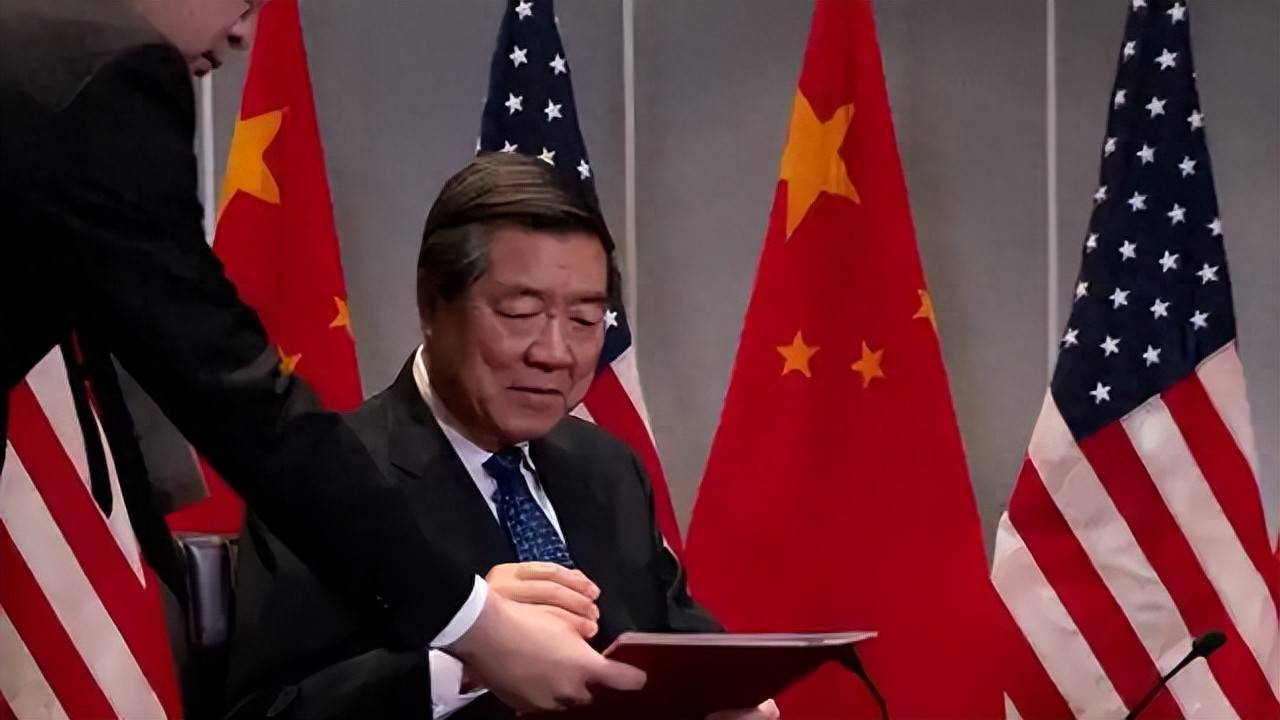
Core Viewpoint - A U.S. court has ruled that Trump's tariff policy is invalid, raising questions about presidential authority in trade matters and causing significant market reactions [3][9][10]. Group 1: Background and Context - The tariff policy was announced by Trump on April 2, aimed at addressing perceived unfairness in the global trade system and reducing the trade deficit [5][6]. - The policy imposed varying tariffs on multiple countries, intending to pressure them into renegotiating trade agreements [6][8]. Group 2: Economic Impact - The tariffs have negatively affected global economic stability, leading to rising costs for U.S. companies, particularly those reliant on exports, and increasing consumer prices [6][8]. - Economists and industry associations have warned that high tariffs could disrupt global supply chains and weaken U.S. competitiveness in international markets [8]. Group 3: Legal and Political Reactions - The court's ruling was based on the U.S. Constitution, which assigns tariff authority to Congress, not the president, and deemed Trump's claims of a national emergency unfounded [9][10]. - Despite the ruling, Trump plans to appeal, indicating a potential prolonged legal battle over the tariff policy [10][12]. Group 4: Market Reactions - Following the court's decision, global markets reacted strongly, with U.S. stock futures showing significant gains, reflecting investor optimism about the potential repeal of the tariffs [11][13]. - A successful repeal could restore confidence in global markets, encouraging multinational companies to increase foreign investments and enhancing capital flow [13].