制度型开放

Search documents
聚焦中央经济工作会议|我国将深化外商投资促进体制机制改革
Xin Hua She· 2025-12-11 16:00
Group 1 - The core viewpoint of the article emphasizes China's commitment to expanding foreign investment and enhancing cooperation in various fields, as outlined in the Central Economic Work Conference held on December 10-11 [1] - The meeting highlighted specific measures such as "orderly expansion of autonomous opening in the service sector" and "promoting the integration of trade and investment" to signal China's determination to maintain an open economy [1] - The Minister of Commerce, Wang Wentao, stated that foreign-funded enterprises are crucial participants in China's modernization and economic globalization, underscoring the importance of attracting and utilizing foreign investment for high-quality economic development [1] Group 2 - The article discusses the importance of deepening reforms in the foreign investment promotion system as a key focus for steadily expanding institutional openness [2] - Continuous relaxation of foreign investment market access is emphasized, with the goal of eliminating restrictions in the manufacturing sector and expanding pilot openings in telecommunications, healthcare, and education [2] - The article mentions efforts to create a first-class business environment that is market-oriented, law-based, and internationalized, in response to the challenges posed by the international economic environment [2]
聚焦中央经济工作会议丨我国将深化外商投资促进体制机制改革
Xin Hua Wang· 2025-12-11 15:15
Core Points - The Central Economic Work Conference held on December 10-11 emphasized the importance of "expanding openness and promoting win-win cooperation in multiple fields" and outlined specific measures such as "deepening the reform of the foreign investment promotion system" [1] Group 1 - The foreign investment management system in China has undergone historic changes since the new era, maintaining a leading position globally in terms of investment scale and continuously improving investment quality [1] - The conference acknowledged the challenges posed by unilateralism and protectionism, which have put pressure on global cross-border investment [1] - Measures proposed include "orderly expanding the autonomous opening of the service sector," "promoting the integration of trade and investment," and "signing more regional and bilateral trade and investment agreements," signaling China's commitment to expanding openness [1] Group 2 - The deepening of the foreign investment promotion system is seen as a crucial point for steadily expanding institutional openness, leveraging China's large market to attract global resources and enhance economic innovation and competitiveness [2] - Continuous relaxation of foreign investment market access is planned, with the goal of eliminating restrictions in the manufacturing sector and expanding pilot openings in telecommunications, healthcare, and education [2] - The government aims to create a first-class business environment that is market-oriented, law-based, and internationalized, while addressing specific issues related to market access for foreign investments [2]
中央经济工作会议点评:积极政策继续
HUAXI Securities· 2025-12-11 15:02
Economic Outlook - The central economic work conference highlighted the need for a more proactive fiscal policy, maintaining a fiscal deficit rate around 4% and a deficit scale of approximately 5.88 trillion yuan[4] - The economic growth target for 2026 is expected to remain around 5%, focusing on stabilizing employment, enterprises, markets, and expectations[2] Fiscal Policy - The government plans to continue implementing a more proactive fiscal policy, with an emphasis on optimizing fiscal expenditure structure and addressing local fiscal difficulties[4] - New local government special bonds are projected to be around 4.4 trillion yuan, excluding a 2 trillion yuan debt replacement quota[4] Monetary Policy - A moderately loose monetary policy will be maintained, with expectations of a 20 basis points interest rate cut and a 0.5% reserve requirement ratio reduction in 2026[6] - The growth rates for social financing and M2 are anticipated to be approximately 8% and 7.5%, respectively, with M1 growth expected to exceed the compound growth rate of the past two years[6] Domestic Demand - The focus will be on domestic demand, with policies aimed at enhancing consumer capacity and increasing the supply of quality goods and services[7] - Investment strategies will include stabilizing investment levels and optimizing the management of local government special bonds[7] Innovation and Reform - Emphasis on innovation-driven growth, with plans to strengthen the role of enterprises in innovation and improve the protection of intellectual property rights in emerging fields[8] - The conference called for deepening reforms to eliminate "involutionary" competition and promote win-win development among platform enterprises[8] Real Estate Market - The strategy for the real estate market will prioritize stability, with measures to control supply, reduce inventory, and encourage the purchase of existing homes for affordable housing[9] - The government aims to reform the housing provident fund system and promote the construction of quality housing[9] Risk Management - Continuous efforts will be made to manage and mitigate risks in key areas, including local government debt and the real estate sector, to prevent systemic risks[10] - The importance of maintaining social stability and economic growth while addressing potential external challenges was emphasized[10]
权威解读!中央经济工作会议这些提法,很新!
Shang Hai Zheng Quan Bao· 2025-12-11 14:51
Core Insights - The Central Economic Work Conference held on December 10-11, 2025, outlined key economic tasks for 2026, emphasizing the importance of domestic demand and market stability [1][2][10]. Group 1: Economic Policy Direction - The conference established a policy tone of "seeking progress while maintaining stability" and "improving quality and efficiency," highlighting a higher demand for economic quality and effectiveness [3][4]. - It was noted that macroeconomic policies will focus on both short-term and long-term adjustments, enhancing the effectiveness of governance [4]. Group 2: Fiscal Policy - A more proactive fiscal policy will be implemented, with a projected deficit rate of no less than 4% and an increase in new debt scale [5][6]. - The fiscal spending structure will shift towards supporting consumption and improving residents' welfare, including increased childcare subsidies and pension benefits [5][6]. Group 3: Monetary Policy - The conference reiterated the commitment to a moderately loose monetary policy, emphasizing the flexible use of various policy tools such as interest rate cuts and reserve requirement ratio adjustments [7][9]. - The aim is to enhance liquidity and promote economic stability through effective monetary policy coordination [7][9]. Group 4: Domestic Demand and Consumption - The primary task for 2026 is to "maintain domestic demand as the main driver and build a strong domestic market," with a focus on boosting consumption and investment [10][11]. - Specific measures to stimulate consumption include increasing fiscal support and expanding the range of supported consumer goods [11]. Group 5: Innovation and New Growth Drivers - The conference highlighted the importance of "innovation-driven development" as a key task, aiming to create a comprehensive innovation ecosystem [12][13]. - Initiatives include establishing international technology innovation centers and enhancing intellectual property protection in emerging fields [12][13]. Group 6: Capital Market Reforms - Continuous deepening of capital market reforms was emphasized, focusing on improving the investment and financing functions of the capital market [16][17]. - Future measures may include optimizing capital market infrastructure and enhancing investor protection [17]. Group 7: Real Estate Market Stability - The conference stressed the need to stabilize the real estate market through targeted policies, including inventory reduction and promoting affordable housing [25]. - Measures may involve using special bond funds to acquire existing housing for public welfare and implementing tax incentives for home purchases [25]. Group 8: Energy Strategy - The conference called for the formulation of a national energy strategy, focusing on building a new energy system and expanding green electricity applications [22][23]. - This marks a significant shift in energy development strategy, aiming to replace traditional fossil fuels with clean energy sources [22][23]. Group 9: Local Government Debt Management - The conference addressed the need to manage local government debt risks proactively, encouraging compliance and restructuring of existing debts [27][28]. - Strategies include replacing high-cost debts with lower-interest bonds and utilizing asset management techniques to mitigate risks [27][28].

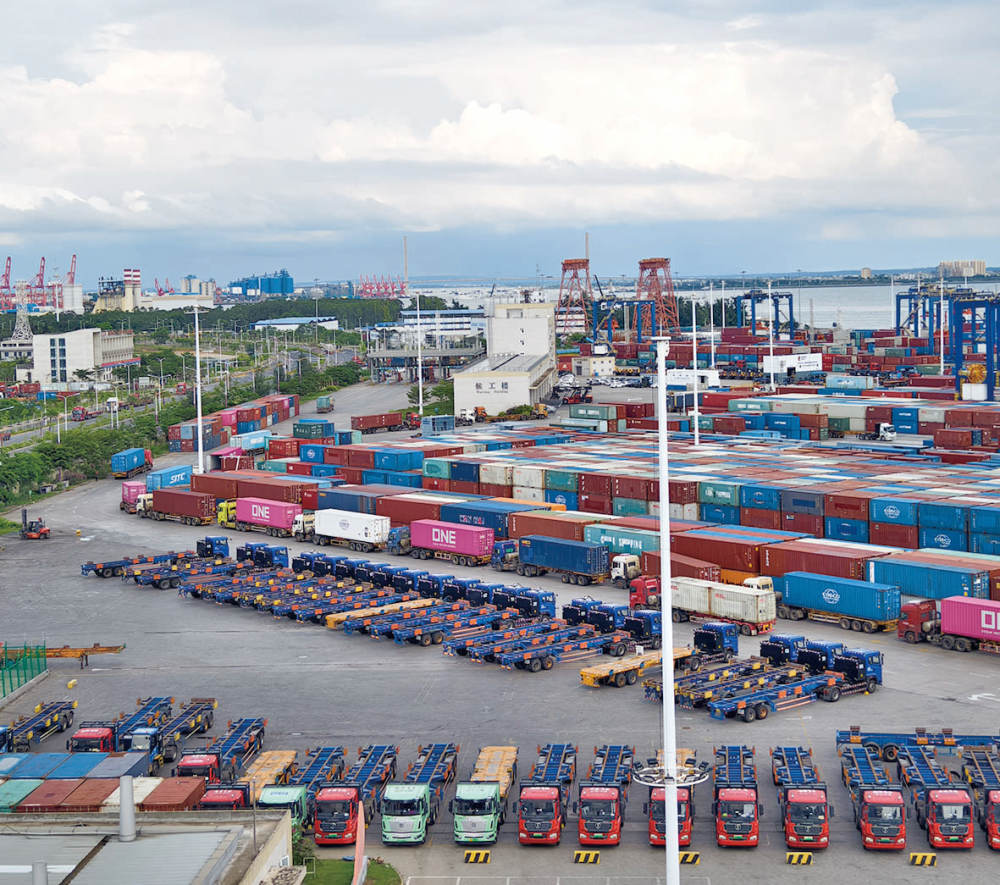
中央经济工作会议部署对外开放划重点!点题海南自贸港和绿色贸易
2 1 Shi Ji Jing Ji Bao Dao· 2025-12-11 14:05
Core Viewpoint - The Central Economic Work Conference held on December 10-11 in Beijing analyzed the current economic situation and outlined economic work for 2026, emphasizing the importance of opening up to the outside world and promoting multi-field cooperation for mutual benefits [1] Group 1: Economic Opening and Trade - The conference proposed to steadily advance institutional opening, expand autonomous opening in the service sector, and optimize the layout of free trade pilot zones, particularly focusing on the construction of Hainan Free Trade Port [1][3] - Experts noted that China's opening model is evolving from "goods trade-type opening" to "rules-institution-service system-type opening," indicating a shift towards a more comprehensive approach to international trade [2] - The integration of trade and investment, as well as domestic and foreign trade, is emphasized to enhance competitiveness and create a "dual-driven" outward-oriented economic system [9] Group 2: Hainan Free Trade Port Development - Hainan Free Trade Port is set to enter a new phase of full island closure operations, with a preliminary establishment of the "4321" institutional system, significantly enhancing its economic openness [3][5] - The actual use of foreign capital in Hainan has grown at an average annual rate of 14.6% over the past five years, with total foreign capital exceeding 100 billion yuan [5] - The Ministry of Commerce aims to leverage the closure as an opportunity to promote institutional opening and make Hainan a key gateway for China's new era of opening up [5] Group 3: Service Trade and Digital Trade - The conference highlighted the need to expand autonomous opening in the service sector, encouraging service exports and actively developing digital and green trade [7] - In the first ten months of 2025, China's total service trade reached 65,844.3 billion yuan, with exports growing by 14.3% [7] - Experts pointed out that enhancing standardization and expanding high-level opening are crucial for boosting service exports and achieving trade power goals [7][8] Group 4: Green Trade as a New Growth Driver - Green trade is emerging as a new driving force for foreign trade, with significant growth in exports of wind power equipment and photovoltaic products [11] - The international market for electric vehicles, solar energy, and wind energy is projected to reach $2.1 trillion by 2030, indicating vast market potential [11] - The popularity of China's energy-saving and environmentally friendly products in international markets underscores the importance of green trade in stabilizing and optimizing foreign trade [11]
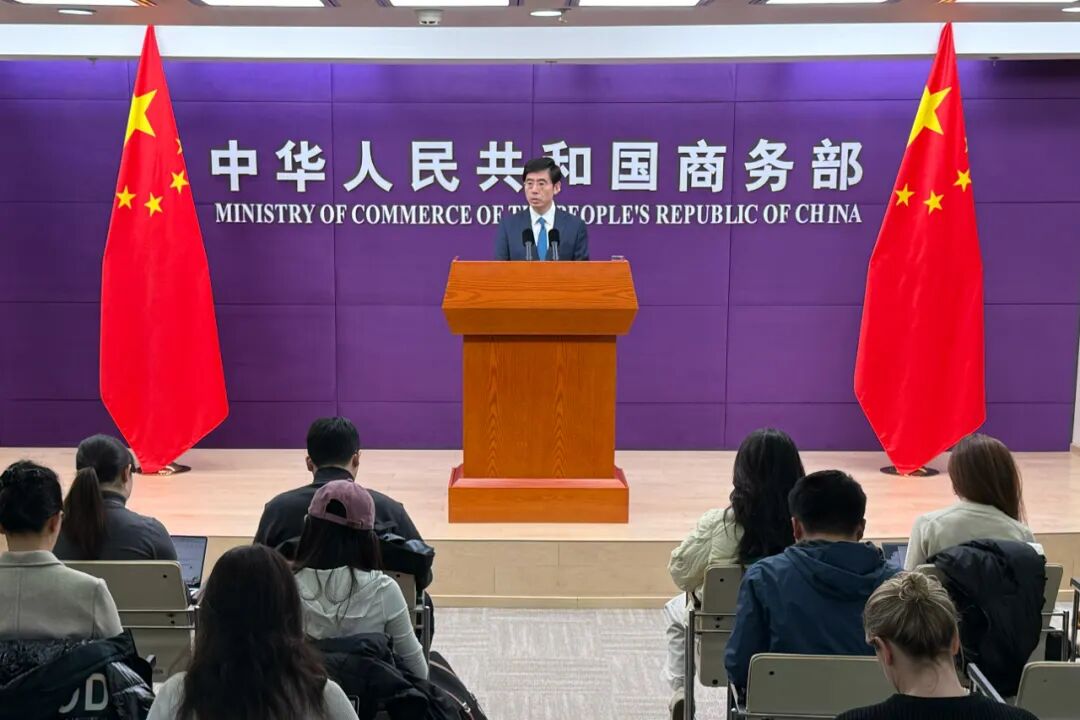
事关消费和外贸 商务部最新回应
Shang Hai Zheng Quan Bao· 2025-12-11 14:04
Group 1: Retail Industry Development - The Ministry of Commerce plans to issue opinions to accelerate innovation and development in the retail industry during the "14th Five-Year Plan" period, focusing on policy support and high-quality development [3] - Key initiatives include enhancing service quality, optimizing inventory, promoting fair competition between online and offline channels, and fostering interaction between new supply and demand [3] - The ministry aims to summarize successful practices from various regions, develop new business models, and stimulate consumption potential, particularly in lower-tier markets [3] Group 2: Second-Hand Goods Market - The second-hand goods market in China is projected to reach a transaction value of 1.69 trillion yuan in 2024, reflecting a 28% year-on-year growth and a 12% average annual growth rate over the past six years [4] - The Ministry of Commerce intends to establish high standards for the second-hand goods industry, ensuring integrity and quality while preventing fraudulent practices [4] - New business models such as rental, auction, and after-sales repurchase will be promoted, along with immersive offline experiences and innovative consumption scenarios [4] Group 3: Cross-Border E-Commerce and Trade - China's foreign trade has shown resilience, with a total import and export value of 41.21 trillion yuan in the first eleven months of the year, marking a 3.6% year-on-year increase [5] - The Ministry of Commerce will implement policies to stabilize foreign trade, support market diversification, and enhance services for enterprises [5] - There is a focus on promoting cross-border e-commerce and overseas warehouses as new business models to improve trade quality and efficiency [5] Group 4: Hainan Free Trade Port - The Hainan Free Trade Port is set to commence operations on December 18, with a goal to become a significant gateway for China's new era of opening up [6] - The Ministry of Commerce reports a 23.1% growth in service trade and a 42.2% increase in actual foreign investment in Hainan during the first three quarters [6] - Future efforts will focus on institutional openness and aligning trade management policies with zero tariffs and other favorable measures [7]
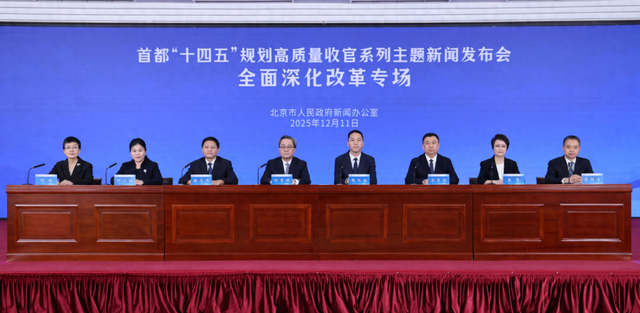
实施400多项任务,看北京“两区”建设这样释放开放红利
Bei Jing Ri Bao Ke Hu Duan· 2025-12-11 13:58
Core Viewpoint - The Beijing government has made significant progress in the construction of the "Two Zones" over the past five years, focusing on high-level opening-up and reform to drive development [3][4]. Group 1: Achievements in "Two Zones" Construction - The establishment of the National Service Industry Expansion Comprehensive Pilot Zone and the China (Beijing) Free Trade Pilot Zone has been a major policy supported by President Xi Jinping [3]. - Over the past five years, Beijing has implemented more than 400 reform and opening-up tasks approved by the State Council, with over 70 national breakthrough policies and 80 innovative achievements replicated nationwide [4]. - Beijing has created an international first-class technology innovation ecosystem, with over 270 foreign-funded R&D centers established [4]. Group 2: Market Environment and Economic Growth - More than 9,000 foreign-funded enterprises were established in Beijing in the past five years, with an average annual growth rate of 11.5% in goods trade, reaching a total of 3 trillion yuan [5]. - The city has implemented a full online process for foreign investment enterprise establishment, achieving completion in as little as one day [5]. - Beijing has become the fourth most popular arbitration location globally by 2025, supported by improved legal protections and regulations [5][6]. Group 3: Platform Development and Economic Empowerment - The "Two Zones" have created a diverse open pattern, with key parks accounting for less than 2% of the city's area but gathering nearly 10% of business entities and generating over 20% of revenue from large-scale enterprises [6]. - The actual use of foreign capital in the Beijing Free Trade Zone has increased from less than 10% at its inception to over 40% [6].
中信期货董事长窦长宏:坚定不移贯彻落实中央经济工作会议精神 以高质量发展为服务中国式现代化贡献更多期货力量
Jin Rong Jie· 2025-12-11 13:27
"十五五"是夯实基础、全面发力的关键时期,中信期货将深入贯彻落实中央经济工作会议精神,始终以 服务国家战略为己任,在合规经营、服务实体、对外开放等方面持续发力、久久为功,以更高站位、更 强担当、更实举措,助力提升期货市场服务国民经济和配置全球资源的能力,为服务中国式现代化贡献 更多期货力量。 期货频道更多独家策划、专家专栏,免费查阅>> 责任编辑:山上 一是聚焦主业,服务实体经济提质增效。会议指出,引导金融机构加力支持扩大内需、科技创新、中小 微企业等重点领域。会议确定,明年经济工作将抓好建设强大国内市场、加紧培育壮大新动能、增强高 质量发展动力活力等重点任务。期货公司应当聚焦主责主业,充分发挥期货市场发现价格、管理风险、 配置资源的功能,更好服务实体经济高质量发展,服务构建新发展格局和中国式现代化。中信期货恪守 服务实体经济初心,结合"场内+场外"、"期货+现货"、"境内+境外"推动多元业务板块的产品服务升 级,灵活利用期货、期权等金融工具,并结合期现业务促进传统贸易模式优化升级,为实体经济解决采 购难、价格波动大等现实问题,同时,依托子公司的贸易类业务和资金类业务等实货端业务模式,为产 业客户提供稳定持续 ...
商务部:完善跨境服务贸易负面清单管理制度
Xin Hua Cai Jing· 2025-12-11 12:39
Core Viewpoint - The Ministry of Commerce is preparing for the implementation of the closure policy starting from December 18, 2025, to support the innovative development of Hainan Free Trade Port [1][2] Group 1: Policy Implementation - The Ministry of Commerce aims to leverage the closure operation as an opportunity to promote institutional openness and establish Hainan Free Trade Port as a key gateway for China's new era of opening up [1] - The Ministry will coordinate development and security, ensuring the smooth implementation of the closure policy and aligning trade management policies with "zero tariffs" and tax exemptions for processing and value-added [1] Group 2: Economic Growth - In the first three quarters, Hainan's service trade grew by 23.1%, and actual foreign investment increased by 42.2% [2] - The Ministry supports the establishment of cross-border e-commerce pilot zones across Hainan Island and the implementation of a negative list for cross-border service trade [2] Group 3: Events and Initiatives - The Ministry plans to organize the China International Consumer Products Expo and other events like "Invest in China" and "Export to China" to enhance Hainan Free Trade Port's construction and expand international cooperation opportunities [1]
事关海南自贸港封关,商务部最新发声
21世纪经济报道· 2025-12-11 11:56
Group 1 - The core viewpoint of the article is that Hainan Free Trade Port is entering a new phase of full island closure operations, with the Ministry of Commerce announcing support measures for high-standard construction [1][3]. - The Ministry of Commerce is preparing for the implementation of closure policies, including the release of a list of prohibited and restricted import/export goods, and the relaxation of import management for 98 product codes [3][4]. - The Ministry supports innovative development in Hainan by promoting pilot projects for temporary import of repaired and remanufactured products, and establishing cross-border e-commerce pilot zones [3][4]. Group 2 - The Ministry aims to leverage the closure operation as an opportunity to promote institutional openness and make Hainan a key gateway for China's new era of opening up [4]. - There will be a focus on aligning trade management policies with "zero tariffs" and tax exemptions for processing and value-added, to fully release the benefits of openness [4]. - The Ministry plans to enhance market access and open fields, particularly in the service sector, and improve the management system for cross-border service trade negative lists [4].