普惠金融

Search documents
加快建设金融强国 践行高质量发展使命
Shang Hai Zheng Quan Bao· 2025-12-25 18:50
Core Insights - The "14th Five-Year Plan" emphasizes the acceleration of building a financial powerhouse, with the public fund industry expected to reach nearly 37 trillion yuan by the end of November 2025, transitioning from "scale expansion" to "quality enhancement" [1] - The fund industry is urged to support the transformation of the real economy by channeling capital into key areas such as technology, green finance, and pension finance, creating a virtuous cycle of capital and industry [2] Group 1: Financial Empowerment - The fund industry is focusing on long-term capital allocation to empower the transformation of the real economy, aligning with national strategies in technology innovation, green finance, and pension solutions [2] - In technology innovation, public funds are increasingly investing in hard tech companies, leveraging professional research to help overcome critical technological bottlenecks [2] - The green finance sector is witnessing steady growth in ESG fund sizes, with institutions integrating environmental risk assessments into their investment processes [2] Group 2: Research and Compliance - The core support for the "Five Major Articles" lies in the systematic enhancement of research capabilities, with many institutions adopting integrated research systems to improve asset discovery across cycles [3] - Compliance and risk management are critical for the fund industry, with a shift towards comprehensive, real-time risk monitoring systems being established to ensure financial stability and investor trust [4] - Institutions are embedding compliance requirements throughout their operations, enhancing employee awareness through training and education [4] Group 3: Inclusive Finance - The fund industry is committed to promoting inclusive finance to ensure broader access to capital market benefits, aligning with the goal of common prosperity [7] - Cost reduction and diversified product offerings are key strategies for inclusive finance, with institutions lowering fees and creating a variety of investment products to cater to different investor needs [7] - Long-term investor education initiatives are being implemented to enhance financial literacy and promote rational investment behaviors, contributing to a healthier market ecosystem [8]
专访杨涛:金融“五篇大文章”不能“各写各的”
Xin Lang Cai Jing· 2025-12-25 16:21
Core Viewpoint - In 2025, China's financial market is expected to navigate a unique rhythm amidst internal and external changes, with monetary policy maintaining a "moderately loose" tone and a series of financial policies aimed at stimulating consumption and optimizing financial supply [1] Group 1: Financial Policies and Economic Environment - The financial policies in 2025 will focus on promoting consumption through a combination of financial support, scene integration, and subsidies to activate consumer demand [1] - The "Five Major Articles" in finance will systematically advance measures to enhance economic circulation, stimulate domestic demand, and optimize financial supply [1] - The core contradiction affecting consumer spending is the challenge of disposable income, which needs to be addressed for sustainable long-term growth in consumption [1][7] Group 2: Service Consumption as a Core Focus - Service consumption should be prioritized as it has greater potential for growth compared to goods consumption, with a notable expansion in the service consumption market over the past two years [5] - The structure of service consumption includes basic, developmental, and enjoyment types, with a need to enhance the share of cultural, entertainment, and financial services [5] - Future policies should target the pain points in promoting service consumption, such as increasing disposable income, improving consumption capacity, and optimizing product quality and pricing [6] Group 3: Digital Finance and Innovation - Digital finance is identified as the main thread in the "Five Major Articles," focusing on financial digital transformation to achieve high-quality development [2][10] - The integration of digital finance with other financial areas is crucial for innovation, with an emphasis on supporting small and micro enterprises [10] - The development of a supportive environment for digital finance, including credit services and risk management, is essential for the success of the "Five Major Articles" [10][11] Group 4: Support for Small and Medium Banks - Small and medium banks face multiple constraints in digital transformation, necessitating support from regulatory bodies and industry associations [12] - Key measures include differentiated regulatory support, building open ecosystems, and optimizing local financial technology environments to facilitate digital transformation [12][13] Group 5: Data as an Asset - The upgrade of data elements to asset status presents a significant opportunity, allowing for innovative financing solutions based on data assets [16] - Data can enhance credit evaluation and risk management in technology finance, addressing challenges faced by light-asset enterprises [16] Group 6: Cross-Border Payment Systems - The need for interconnected cross-border payment systems is urgent, driven by the challenges of high costs and low efficiency in current global payment networks [17][18] - New technologies and standards are essential for transforming the cross-border payment landscape, with a focus on creating a new ecosystem that accommodates emerging payment models [17][18]

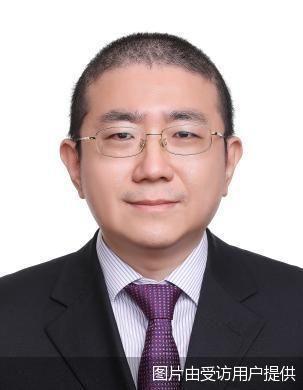
专访鲁政委:结构性货币政策工具有望“加量降价”
Xin Lang Cai Jing· 2025-12-25 16:21
Group 1 - In 2026, China's economic development will focus on using domestic circulation stability to counter international circulation uncertainties, emphasizing the need for coordinated efforts in both supply and demand to solidify consumption growth [1][12] - The transition from "incremental pull" to "structural optimization" in consumption policies is necessary to better align supply with the evolving demand for upgraded consumption, addressing both supply shortages and oversupply issues [3][4] - Monetary policy tools have ample room for action, with expectations for continued reductions in reserve requirements and interest rates, alongside innovative structural monetary policy tools to stimulate credit without causing fund "idle" [5][6] Group 2 - The core constraint on consumer spending is the need for stable income expectations, which can be addressed through policies that enhance income stability and reduce precautionary savings pressures in housing, education, and healthcare [4][5] - The RMB is expected to experience a "strong first, weak later" trend against the USD in 2026, influenced by both domestic monetary easing and external factors such as US interest rate changes and geopolitical dynamics [6][7] - The "Five Major Articles" in financial services for the real economy are anticipated to make significant progress in areas such as technology finance, green finance, inclusive finance, pension finance, and digital finance, contingent on regulatory support and policy breakthroughs [8][9][10][11]
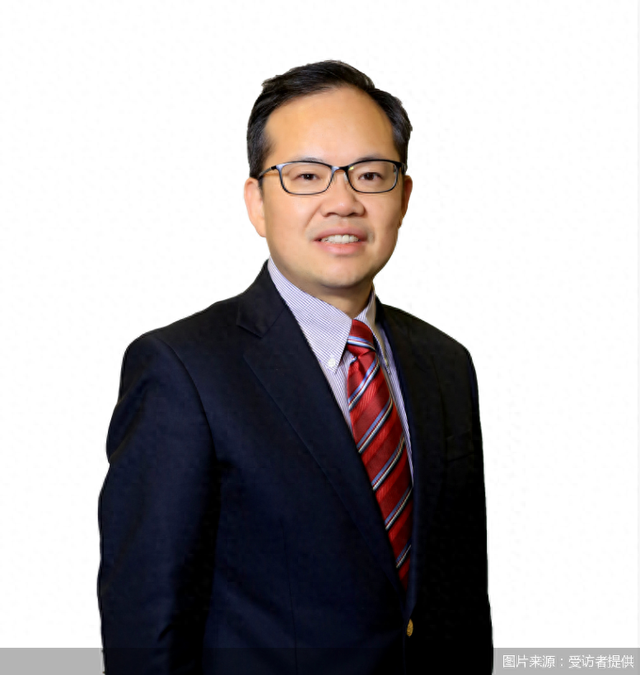
西南财经大学信托与理财研究所所长翟立宏:多资产、多策略是增厚投资收益的重要抓手
Mei Ri Jing Ji Xin Wen· 2025-12-25 14:57
Core Viewpoint - The banking wealth management market is undergoing a critical transformation in its revenue sources and product structure due to the intertwined macroeconomic backdrop of low interest rates and "asset scarcity" [1] Group 1: Restructuring of Wealth Management Product Revenue Sources - The low interest rate environment and "asset scarcity" are reshaping the revenue sources of wealth management products, presenting both challenges and opportunities for the banking wealth management industry [2] - Traditional fixed-income products are facing significant yield constraints, while the exploration of equity assets is seen as a primary direction for enhancing product yield flexibility [2] - The product structure is expected to shift towards "fixed income plus" products and multi-strategy offerings, with a focus on themes like retirement, ESG, and technology innovation [2] Group 2: Role of Banking Wealth Management in Retirement Planning - Banking wealth management is a core component in building the third pillar of retirement, leveraging its extensive distribution network and customer trust to promote personal pension schemes [3] - New regulations encourage the issuance of long-term products, which can channel significant "long money" into essential sectors like infrastructure and healthcare, supporting long-term economic development [3] - By lowering investment thresholds and optimizing management fees, banking wealth management enhances accessibility to professional retirement investment services [3] Group 3: Advantages and Challenges of Retirement Wealth Management - Compared to funds and insurance products, retirement wealth management offers a better fit for the long-term, stable, and risk-controlled needs of retirement funds [4][5] - Retirement wealth management products have an average annualized return of approximately 3.91% with a volatility of only 0.17%, highlighting their risk control advantages [4] - The development of retirement wealth management faces challenges from demand, supply, and investment sides, including a lack of long-term investment awareness among residents and product homogeneity [6] Group 4: Future Development of Banking Wealth Management - Small and medium-sized banks without wealth management subsidiaries are transitioning to a distribution model, focusing on localized services and customer trust [7] - By 2026, the banking wealth management market is expected to enter a phase of high-quality development centered on professional active management capabilities [8] - The industry is likely to see increased concentration, with a shift towards licensed wealth management companies and a significant optimization of product structures [8] Group 5: Investment Strategies for Investors - Investors are advised to set reasonable investment goals and expectations, focusing on long-term sustainable returns within their risk tolerance [9] - A scientific asset allocation strategy is recommended, utilizing cash management and fixed-income products for defensive purposes while capturing market opportunities with "fixed income plus" and mixed products [9] - Maintaining a long-term holding strategy is essential to smooth out short-term volatility and avoid emotional trading based on market fluctuations [9]
“十五五”首席观察|专访杨涛:金融“五篇大文章”不能“各写各的”
Bei Jing Shang Bao· 2025-12-25 14:41
Core Viewpoint - In 2025, China's financial market is characterized by a unique rhythm amidst internal and external changes, with monetary policy maintaining a "moderately loose" tone and a series of financial policies aimed at stimulating consumption and optimizing financial supply [1][2]. Financial Policies and Consumption - The "Five Major Articles" in finance are crucial for promoting economic circulation and stimulating domestic demand, with a focus on digital finance as the main line for high-quality financial development [2][9]. - The transition from "incremental pull" to "structural optimization" in consumption policies indicates a shift in focus towards service consumption, which is expected to have greater growth potential than goods consumption [4][5]. Service Consumption - Service consumption is identified as a core area for promoting sustainable growth, with significant room for improvement compared to goods consumption [5][6]. - Key challenges include increasing disposable income, enhancing consumption capacity, improving consumption tendencies, ensuring product quality, optimizing the consumption environment, and reducing policy constraints [6]. Resident Income and Consumption Potential - The core contradiction affecting resident consumption is the challenge of disposable income, which has seen a growth slowdown, negatively impacting consumption, especially in services [7][8]. - Future focus areas for increasing resident income should include enhancing property income and operational income, with an emphasis on supporting small businesses and informal economies [8]. Digital Finance and Innovation - Digital finance is positioned as the main line of the "Five Major Articles," emphasizing the need for coordination among various financial sectors to avoid imbalances [9][10]. - The integration of new technologies and data elements is essential for driving high-quality development in technology finance, with a focus on innovative credit models and risk management [15][16]. Cross-Border Payment Systems - The need for interconnected cross-border payment systems is highlighted, with new technologies, standards, and ecosystems being essential for addressing existing challenges in cost, efficiency, and transparency [17][18].
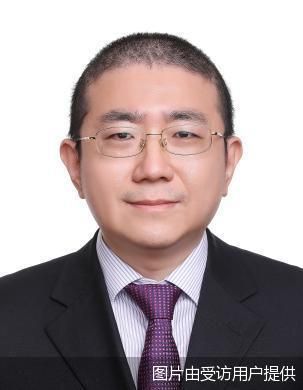
广发银行:“一链一策”精准滴灌,打造普惠金融新范式
Nan Fang Du Shi Bao· 2025-12-25 13:54
Core Insights - Guangfa Bank has successfully implemented smart credit assessment and rapid loan disbursement, exemplified by a case where a 500,000 yuan credit application was completed in under 5 minutes, showcasing its commitment to inclusive finance for small and micro enterprises [1] - As of September 2025, Guangfa Bank's inclusive loans for small and micro enterprises reached 207.623 billion yuan, with an increase of 11.528 billion yuan since the beginning of the year, outpacing the growth rate of all loans [1] Group 1: Product Innovation and Service Model - Guangfa Bank is building an Inclusive Finance 2.0 model by leveraging its flexible and responsive nature as a national joint-stock bank, focusing on innovative products and optimized service models to support small and micro enterprises [2] - The bank has developed a matrix of inclusive financial products, including "Science and Technology Loan," "Talent Loan," "Rural Revitalization Loan," and "Easy Loan," to meet the diverse needs of small and micro enterprises [2] - The "Mall E-Loan" product has provided credit support to over 500 small and micro enterprises, with total loans exceeding 300 million yuan, effectively addressing financing challenges for market operators [2] Group 2: Comprehensive Financial Support - Guangfa Bank has created a "Credit+" service model that offers a diverse range of financial services, including convenient settlement, professional financial consulting, and effective foreign exchange risk hedging, to support small and micro enterprises throughout their entire business lifecycle [3] Group 3: Supply Chain Finance - Guangfa Bank is deeply engaged in supply chain finance, which is viewed as a solution with significant industry depth and commercial wisdom, utilizing a "one chain, one policy" approach [4] - The "Hui Lian Tong (Southern Grid)" supply chain financial product provides financing services to upstream small and micro enterprises based on data from Southern Power Grid, employing big data and optimized risk control models for precise customer profiling [4] - Since its launch, the "Hui Lian Tong (Southern Grid)" product has seen significant results, with 68 formal credit applications and a total credit limit of 11.7 million yuan, with disbursed amounts reaching 6.344 million yuan [4] Group 4: Future Directions - Guangfa Bank aims to continue efficiently identifying the financing needs of small and micro enterprises, providing more precise products, efficient mechanisms, and warm services to help these businesses overcome challenges and stimulate high-quality development [5]
镇江农商银行:做好金融“补位者” 助力小微企业发展
Jiang Nan Shi Bao· 2025-12-25 13:47
科技赋能风控是镇江农商银行推进"做小做散"战略的重要支撑。该行着力推动风控逻辑从"重抵押担 保"向"重经营信用、重第一还款来源"转变,成立敏捷开发小组,结合一线走访反馈,持续迭代风控模 型,动态提炼行业风险特征,提升模型的本地化适配能力。通过构建客户多维画像,并严格执行"四看 两审慎""两张表""四眼原则"及"铁三角"合议机制,逐步形成"数据预警与经验判断相结合"的风控模式, 为稳健拓展小微业务筑牢风险防线。 坚守本土、深耕基层是镇江农商银行践行普惠金融的鲜明底色。该行大力倡导"步履坚实,温暖同行"的 服务理念,推动客户经理主动下沉、走访一线,成为懂行业、懂客户的金融顾问。在坚持"真人、真 事、真交易、真数据"的基础上,依托信用类贷款产品,为具备真实经营能力和稳定还款来源的小微客 户提供"门当户对"的金融服务。这一过程不仅是信贷支持,更是通过持续陪伴与服务,与地方经济共同 成长,真正将普惠金融做深做实。 从乡村田野到产业园区,从首贷客户到成长伙伴,镇江农商银行始终秉持"步履坚实,温暖同行"的精 神,深入市场、扎根地方,在小微金融服务领域持续探索。展望未来,该行将继续坚守普惠初心, 以"补位者"的担当、科技赋能 ...
支持西部陆海新通道建设,“一行两局一会”发声!
Zheng Quan Shi Bao· 2025-12-25 13:30
Core Viewpoint - The People's Bank of China and eight other departments have jointly issued guidelines to enhance financial support for the Western Land-Sea New Corridor, which is crucial for China's Belt and Road Initiative, aiming to optimize the financial service system for this corridor [1] Group 1: Financial Support and Policy Coordination - The Western Land-Sea New Corridor connects 127 countries and regions with 583 ports, facilitating over 1,300 types of goods, thus expanding its influence [2] - The guidelines emphasize the need for better coordination in financial policies to enhance the effectiveness of financial services across provinces and countries [2] - The central bank will work with relevant departments to establish a collaborative mechanism for financial services, focusing on data sharing and unified financial rules [2][3] Group 2: Development of Financial Products - The guidelines propose to deepen the pilot program for railway transport document financial services, which is essential for supporting land trade and enhancing market access for enterprises [4] - Financial institutions are encouraged to diversify their product offerings and strengthen connections with small and micro enterprises to expand financial service coverage [5] - The guidelines also highlight the importance of risk prevention in ensuring the uniqueness and transferability of transport documents [5] Group 3: REITs and Capital Market Support - The guidelines call for increased support from various financial institutions for infrastructure projects, including the promotion of commercial real estate REITs to provide diverse financing channels [6] - As of now, over 650 A-share listed companies are located in the corridor, with nearly 7 billion yuan raised through IPOs in the first 11 months of the year [6] - A total of 24 REITs related to transportation and logistics projects have been issued, raising nearly 100 billion yuan, which has led to over 500 billion yuan in new project investments [7] Group 4: Cross-Border Financial Services - The guidelines aim to facilitate cross-border trade settlements and promote cross-border investment financing, creating a more convenient and secure foreign exchange policy environment [8] - The State Administration of Foreign Exchange will encourage companies along the corridor to participate in high-level cross-border trade pilot programs to enhance settlement convenience [8] - There are plans to promote shared cross-border financial service platforms across 13 provinces and regions, enhancing collaboration in financial services [9]
“一行两局一会”发声!
券商中国· 2025-12-25 13:21
Core Viewpoint - The article discusses the recent release of the "Opinions on Financial Support for Accelerating the Construction of the Western Land-Sea New Corridor," which outlines 21 key measures to optimize the financial service system for this corridor, emphasizing China's commitment to expanding its openness and enhancing domestic and international connectivity [2]. Group 1: Financial Support Measures - The "Opinions" aim to strengthen financial support for the Western Land-Sea New Corridor, which connects 127 countries and regions with 583 ports, facilitating over 1,300 types of goods [3]. - The People's Bank of China will collaborate with relevant departments to establish a comprehensive financial service mechanism, enhancing coordination and information sharing among financial institutions and various sectors [3][4]. - A focus will be placed on creating a project database and a list of key logistics enterprises to facilitate financing and support for critical areas and weak links in the corridor's development [4]. Group 2: Railway Transport Financial Services - The article highlights the initiation of a pilot program for railway transport document financial services, which aims to ensure the uniqueness and transferability of transport documents as delivery receipts [5][6]. - The financial regulatory authority plans to enhance the product offerings and application scenarios for railway transport document services, aiming to meet diverse financing needs of enterprises [6][7]. Group 3: REITs and Capital Market Support - The "Opinions" propose increasing support for infrastructure projects through various financial instruments, including corporate bonds and Real Estate Investment Trusts (REITs), to meet the funding needs of different projects [8]. - The China Securities Regulatory Commission is advancing the REITs pilot program, which has already facilitated the issuance of 24 REITs projects with a financing scale of nearly 100 billion, driving over 500 billion in new project investments [9]. Group 4: Cross-Border Financial Services - The article emphasizes the need for convenient cross-border trade settlement and investment financing, with the foreign exchange authority planning to simplify processes and enhance the foreign exchange service environment [10][11]. - A shared cross-border financial service platform is being promoted, with 13 application scenarios already implemented across 13 provinces and regions along the corridor [11].

支持西部陆海新通道建设,“一行两局一会”发声!
证券时报· 2025-12-25 13:12
Core Viewpoint - The article discusses the recent release of the "Opinions on Financial Support for Accelerating the Construction of the Western Land-Sea New Corridor," which outlines 21 key measures to optimize the financial service system for this corridor, emphasizing its significance in enhancing domestic and international economic circulation and promoting a new pattern of open development [1][3]. Group 1: Financial Support Measures - The People's Bank of China and other relevant departments will work together to enhance financial services for the Western Land-Sea New Corridor, focusing on policy coordination and information sharing among various sectors [2][4]. - The establishment of a project database and a list of key logistics enterprises will facilitate financing and support for enterprises within the corridor [4][5]. - The article highlights the importance of diversified financial products, including corporate bonds and REITs, to meet the funding needs of various construction projects [10][11]. Group 2: Infrastructure and Trade Facilitation - The Western Land-Sea New Corridor connects 127 countries and regions with 583 ports, facilitating over 1,300 types of goods, thus expanding its influence [3]. - The article mentions the pilot program for railway transport document financial services, which aims to enhance the financing and operational capabilities of enterprises engaged in land trade [7][8]. - The promotion of cross-border trade settlement and investment financing is emphasized, with measures to simplify processes and enhance the foreign exchange policy environment [14][15]. Group 3: REITs and Capital Market Development - The China Securities Regulatory Commission is advancing the pilot program for commercial real estate REITs to provide diversified financing channels for real estate projects along the corridor [11][12]. - As of now, 24 REITs related to transportation and logistics projects have been issued, raising nearly 100 billion yuan, which has significantly supported the construction of the corridor [12]. - The article notes that over 650 A-share listed companies are located in the corridor's provinces, with significant fundraising activities supporting local economic development [11].