
虚拟电厂

Search documents
晋控电力(000767) - 000767晋控电力投资者关系管理信息20250917
2025-09-17 01:58
Group 1: Company Performance and Impact - The overall electricity consumption in Shanxi Province increased by 7.09% year-on-year from January to August 2025, which did not negatively impact the company's electricity consumption [2] - The company's electricity generation decreased by 13.02% year-on-year in the first half of 2025, while heating supply increased by 6.95% due to upgrades at specific power plants [2][3] - The main factors affecting the company's performance are electricity volume, electricity prices, and coal prices, prompting the company to optimize operational strategies and strengthen cost control [4][5] Group 2: Future Strategies and Developments - The company plans to enhance electricity generation and utilization hours by improving unit operation and maintenance management [3] - There are considerations for developing energy storage and virtual power plant businesses to adapt to new power system requirements [3] - The company is actively involved in the construction of energy storage projects and optimizing its energy structure [3][4] Group 3: Shareholder and Market Management - The company emphasizes the protection of minority shareholders' rights and adheres to regulations regarding major shareholder share reductions [4][5] - The company is focused on improving operational efficiency and profitability to align market value with intrinsic value [5] - The company is enhancing investor relations management and improving information disclosure quality to support high-quality development and market value management [5][6] Group 4: Technological Innovations and Projects - The company is increasing R&D investment in 2025, focusing on technology innovation and optimization for coal-fired power generation [5][6] - The "flexibility transformation" of all coal-fired units has been completed, allowing for better performance in the volatile electricity market [6] - The company has ongoing projects, such as the "Same Heat Phase III 2×1000MW project," which is expected to be operational by the end of next year [6] Group 5: Market Position and Expansion - The company currently generates 97.42% of its revenue from the North China region and is considering expansion based on market demand [6] - The group company maintains a positive outlook on the company's development and aims to ensure a stable transition in the energy revolution [6][7]

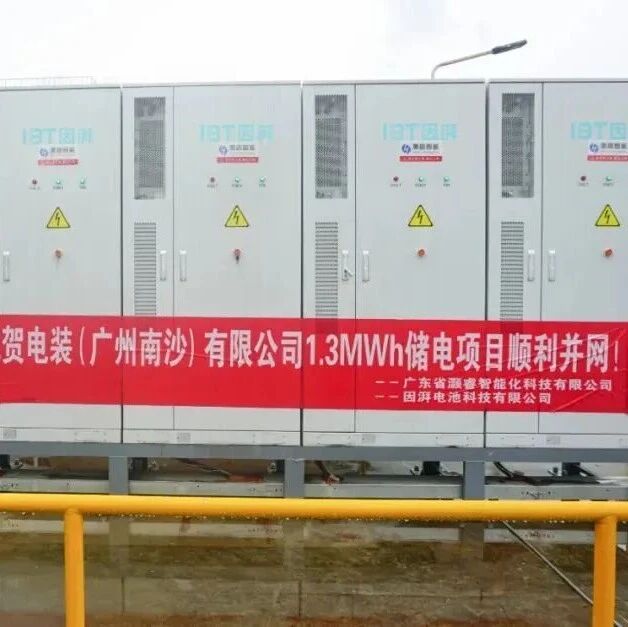
虚拟电厂+储能!因湃·南沙电装储能项目顺利并网!
中关村储能产业技术联盟· 2025-09-16 08:17
Core Viewpoint - The article discusses the successful integration of the energy storage project led by Yinpai in Guangzhou Nansha, which collaborates with DENSO Corporation, a global leader in automotive parts manufacturing. The project aims to reduce electricity costs for enterprises through advanced energy management strategies and AI-driven optimization [5][7]. Group 1: Project Overview - The Guangzhou Nansha energy storage project is equipped with 5 energy storage units, each with a capacity of 131KW/261.7KWh, totaling 655KW/1308.5KWh [9]. - The project employs a strategy of charging during off-peak hours and discharging during peak hours to significantly lower electricity costs for businesses [9]. Group 2: Technological Integration - The project integrates Yinpai's self-developed virtual power plant platform, utilizing a "cloud-edge-end" collaborative architecture [9]. - The platform leverages AI to analyze real-time electricity market data across seven provinces, dynamically optimizing market collaboration strategies, which can reduce monthly demand charges by up to 15% [9]. Group 3: Industry Context - The article highlights the growing importance of energy storage solutions in the context of new energy consumption and the need for efficient energy management systems [12]. - It references a broader industry trend towards large-scale energy storage development, with projections of 180GW of new energy storage installations by 2027 [12].

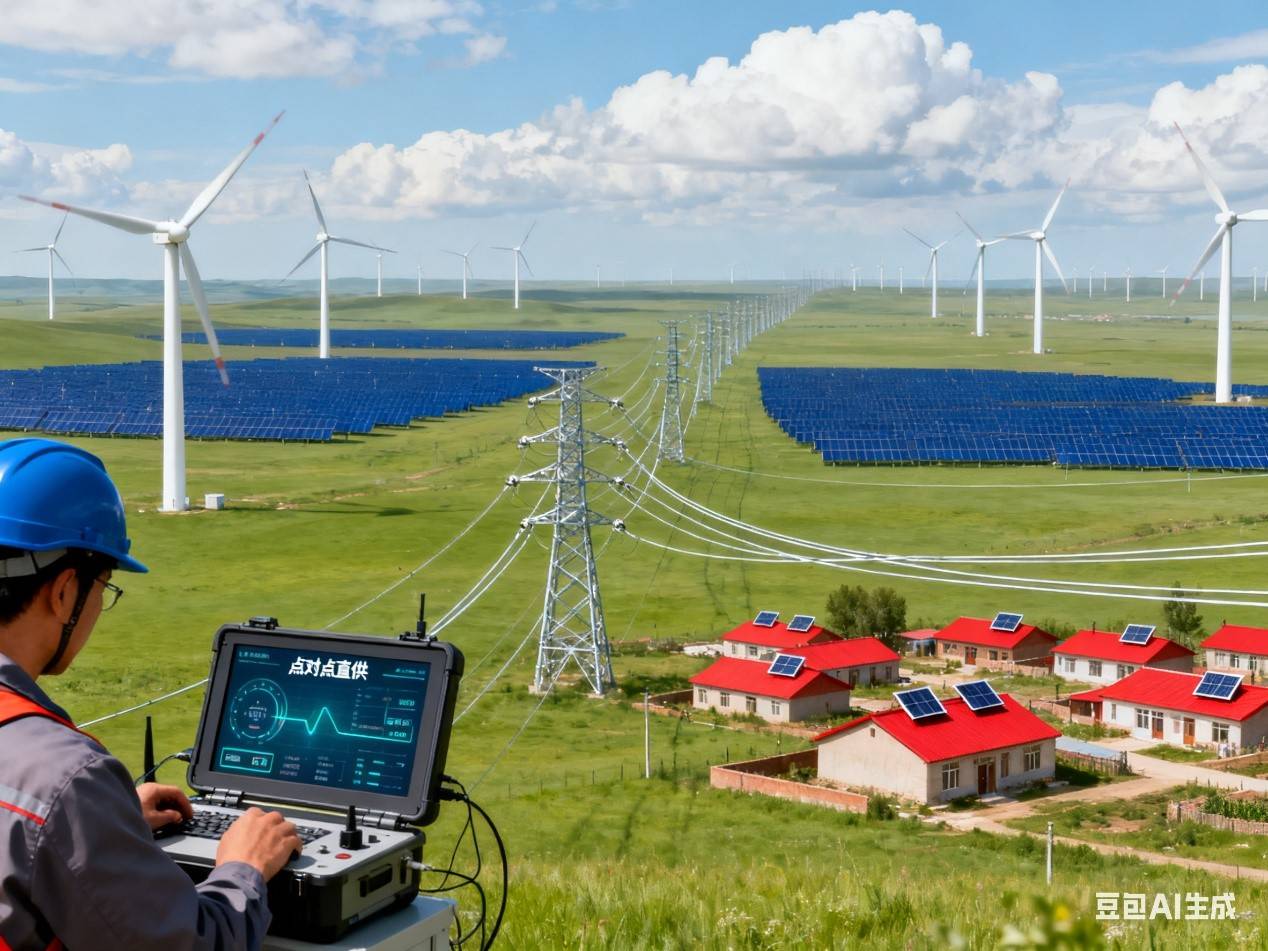
草原上的绿电革命:点对点直供如何重塑中国能源版图?
Sou Hu Cai Jing· 2025-09-16 04:17
Core Viewpoint - The green electricity direct connection project in Ulanqab, Inner Mongolia, represents a significant advancement in China's green development, showcasing a scalable model for direct green electricity supply that has been operational for over 10 months [1][6]. Group 1: Policy Breakthrough - The release of a joint notice by the National Development and Reform Commission and the National Energy Administration in 2024 provides clear regulations for point-to-point green electricity supply, marking a pivotal shift in the renewable energy sector [3]. - This policy breaks the traditional constraints of complex electricity grid hierarchies, laying a solid foundation for direct green electricity trading and signaling a new phase of institutionalization in green electricity development [3]. Group 2: Technological Innovation - The Ulanqab project utilizes an advanced "integrated wind-solar-storage" system with a total installed capacity of 80 MW, ensuring 100% stable green electricity supply to enterprises in the park [4]. - The project innovatively establishes a "green electricity dedicated line," enabling direct connections between power generation and consumption, which reduces losses and enhances economic efficiency [4]. - An Energy Management System (EMS) is introduced to manage the integration of dispersed green power resources, creating a stable and controllable "virtual power plant" [4]. Group 3: Mechanism Breakthrough - The project is the first in the country to sign long-term green power purchase agreements (PPAs) between generation and consumption sides, completing the entire process of electricity trading registration [5]. - This registration mechanism acts as a "double insurance" for compliant trading and identity certification of green electricity, significantly enhancing the credibility and market acceptance of the direct connection model [5]. - Real-time data collection and transmission ensure that every green electricity transaction is verifiable and trustworthy, improving market transparency and credibility [5]. Group 4: Industry Implications - The Ulanqab green electricity direct connection revolution offers a practical solution to China's renewable energy consumption challenges under national policy guidance, technological innovation, and mechanism breakthroughs [6]. - As the "dual carbon" strategy and electricity market reforms advance, the green electricity direct connection model is expected to play a crucial role in building a new type of power system [6]. - This model signifies a transition from initial "policy-driven" development to mature "model innovation," paving the way for cheaper, more transparent, and reliable green electricity applications [6].
全球首个超阶零碳大楼启用
Zhong Guo Hua Gong Bao· 2025-09-16 03:44
Core Insights - The world's first ultra-zero carbon building has been officially launched in Qingdao, Shandong, featuring a collaborative operation of "photovoltaics + energy storage + electric vehicle charging and discharging" to create a virtual power plant at the park level, achieving 100% green energy replacement [1][2] Group 1: Project Overview - The project commenced construction in May 2023 and is expected to be completed by March 2025, covering an area of approximately 43,000 square meters with a total height of 117 meters [1] - The building integrates multiple innovative achievements from Trina Solar Group, focusing on the fusion of "charging network, microgrid, and energy storage network" [1] Group 2: Energy Efficiency and Environmental Impact - The building has a daily electricity consumption of about 6,000 kWh, with its east, west, and south facades featuring building-integrated photovoltaic glass curtain walls, generating direct current electricity to meet approximately 25% of the building's energy needs, resulting in an annual carbon reduction of nearly 500 tons [1] - The building utilizes 14 sets of tiered automotive power battery packs, which complete daily charge and discharge cycles, absorbing surplus photovoltaic power and storing clean electricity at a low cost of 0.22 yuan/kWh during off-peak hours, significantly enhancing grid regulation capabilities [1] Group 3: Economic and Operational Benefits - The ultra-zero carbon building is expected to consume a large amount of green electricity annually, reducing carbon emissions by nearly 2,500 tons, while digitalized operations lower investment costs by 20% to 30%, improve operational efficiency by 30%, and reduce overall energy costs by approximately 30% [2] - The building represents a complete energy ecosystem, achieving self-sufficiency in 100% green electricity and establishing a new model for zero-carbon buildings [2]

协鑫能科跌2.01%,成交额1.47亿元,主力资金净流出1799.72万元
Xin Lang Cai Jing· 2025-09-16 02:48
Group 1 - The core viewpoint of the news highlights the recent stock performance and financial metrics of GCL-Poly Energy Technology Co., Ltd, indicating a decline in stock price and significant trading activity [1][2] - As of September 16, GCL-Poly's stock price decreased by 2.01% to 11.72 CNY per share, with a total market capitalization of 19.025 billion CNY [1] - The company has experienced a year-to-date stock price increase of 52.94%, but has seen a decline of 5.02% over the last five trading days [1] Group 2 - GCL-Poly's main business segments include electricity sales (42.85%), heat sales (17.79%), and energy services (16.60%), with a total revenue of 5.422 billion CNY for the first half of 2025, reflecting a year-on-year growth of 15.29% [2] - The company reported a net profit attributable to shareholders of 519 million CNY for the same period, marking a year-on-year increase of 26.42% [2] - GCL-Poly has distributed a total of 1.226 billion CNY in dividends since its A-share listing, with 671 million CNY distributed over the past three years [3]

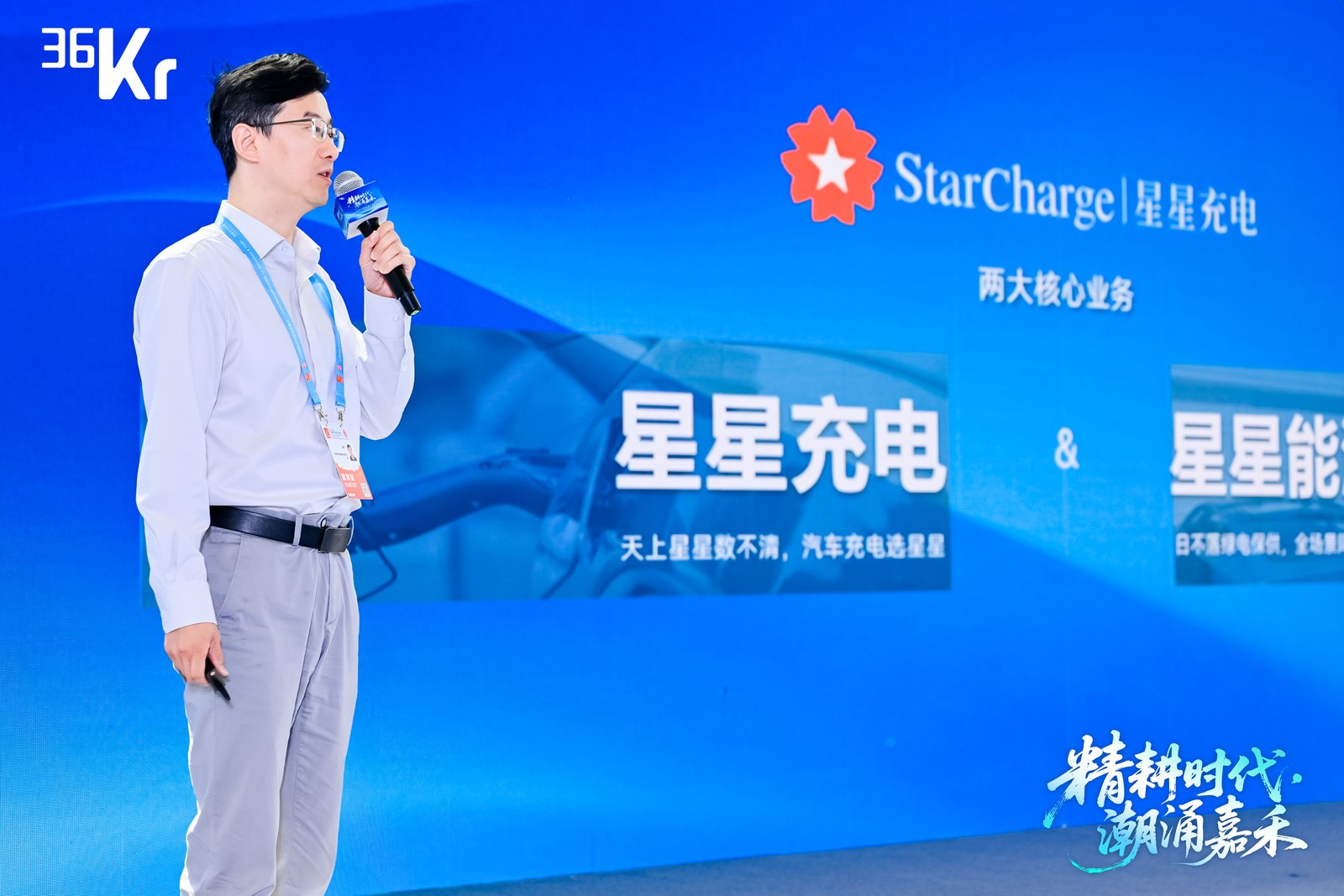
星星充电高级副总裁王迪:AI 赋能新能源,构建充电、微网与电力交易的智能生态| 2025年36氪产业未来大会
3 6 Ke· 2025-09-15 11:08
Core Insights - The 2025 36Kr Industry Future Conference, co-hosted with the Ministry of Commerce, focuses on key themes such as artificial intelligence, low-altitude economy, advanced manufacturing, new energy, and large consumption [1] - The conference aims to discuss the collaboration between government, capital, and industry to address pain points and bottlenecks in industrial development [1] Company Overview - Star Charge has developed a comprehensive charging network and smart microgrid, covering 261 cities and over 2,800 counties in China, with more than 2 million charging piles connected, accounting for approximately one-sixth of the national public charging infrastructure [3][4] AI Applications in New Energy - AI technology is pivotal in enhancing safety, efficiency, and longevity in the charging network and energy business [3] - The company has implemented an automated recommendation and validation platform for site selection in charging network planning, which helps identify risks and avoid potential issues [4] - An AI assistant named "Station Doctor" generates detailed operational reports and task lists for charging station management, improving efficiency in operations [5] Pricing and Management Innovations - AI-driven dynamic pricing models allow for precise pricing adjustments based on various factors, achieving a pricing accuracy of up to four decimal places [5] - The company has developed AI systems for 24/7 remote management of unattended charging stations, addressing common issues such as vehicle occupation and equipment damage [6] Smart Microgrid Solutions - AI optimizes the coordination of photovoltaic, energy storage, and charging systems, enhancing operational efficiency and cost management for operators [7] - The company is involved in vehicle-to-grid (V2G) initiatives, allowing electric vehicles to support grid stability during peak demand periods [7] Overall AI Strategy - Star Charge is building an AI intelligence foundation across ten business areas, focusing on efficiency improvement, cost reduction, and the development of new productive forces [8] - The integration of AI into the energy trading system aids in decision-making for energy purchases and sales, with the potential for fully automated trading in the future [8]
建投能源(000600) - 000600建投能源投资者关系管理信息20250915
2025-09-15 10:00
Group 1: New Energy Development - The company plans to continue high-quality development in the new energy sector, focusing on projects with cost advantages in regions with high electricity prices [2] - The "External Electricity Delivery to Hebei" project is a key focus, aiming to develop new energy projects by connecting with large users and exploring new models like green electricity direct connection [2][3] Group 2: Virtual Power Plant and Carbon Trading - The company is actively promoting the construction of a virtual power plant platform to integrate distributed energy resources and enhance renewable energy consumption [3] - The company participates in carbon market trading, adjusting its trading strategy based on market carbon quota prices [3] Group 3: Financial Performance - In the first half of 2025, the company achieved a net profit of 897 million yuan, a year-on-year increase of 157.96% [5] - The company emphasizes a long-term investment philosophy, encouraging investors to focus on the company's intrinsic value rather than short-term stock price fluctuations [5] Group 4: Coal Supply and Pricing - The company sources coal primarily from Hebei, Shanxi, Shaanxi, and Inner Mongolia, maintaining reasonable coal inventory based on production needs [6] - The long-term coal contract coverage for 2025 is over 80%, with pricing mechanisms aligned with national regulations [12] Group 5: Dividend Policy - The company has established a stable profit distribution policy, increasing the cash dividend payout ratio from 30% to 50% starting from 2024 [7][12] Group 6: Project Development and R&D - Ongoing projects include the Xibaipo Phase IV project (2×66 MW) and Renqiu Thermal Power Phase II (2×35 MW), with plans for commissioning in 2026 [10] - The company focuses on R&D in areas such as digital transformation and energy efficiency, with significant investments in technology to enhance production and reduce costs [12]

津荣天宇(300988) - 投资者关系活动记录表
2025-09-15 06:24
Group 1: Company Overview - The company specializes in precision metal components and new energy storage products, integrating R&D, manufacturing, and sales [1] - It provides high-quality solutions in various fields, including electrical, automotive, and energy storage [1] Group 2: Financial Performance - In the first half of 2025, the company achieved a revenue of CNY 963,371,925.90, a year-on-year increase of 12.32% [1] - Net profit attributable to shareholders was CNY 60,607,666.16, reflecting a significant year-on-year growth of 96.43% [2] - The net profit after deducting non-recurring gains and losses was CNY 60,095,003.06, with a year-on-year increase of 97.68% [2] Group 3: Growth Drivers - The internationalization strategy has become a new growth point, with overseas factories contributing CNY 73,663,200, a year-on-year increase of 11.74% [2] - Sales from electrical precision components, particularly medium-pressure gas-insulated switchgear parts, grew by 80.13% [3] - Automotive precision components revenue increased by 12.18%, with a gross margin rise of 4.01% due to export growth and domestic technology breakthroughs [4] Group 4: Future Outlook - The company plans to expand its overseas business and domestic medium-pressure precision components, leveraging growth opportunities in wind power products and automotive precision components [2] - It aims to enhance its communication base station energy management projects and achieve sustained revenue growth [2] Group 5: Cash Flow Management - In the first half of 2025, the net cash flow from operating activities reached CNY 6,788.02 million, marking a historical high with a year-on-year increase of 41.58% [7]
万里扬涨2.09%,成交额9486.36万元,主力资金净流入527.90万元
Xin Lang Cai Jing· 2025-09-15 02:06
Company Overview - Wanliyang Co., Ltd. is located in Jinhua, Zhejiang Province, established on October 22, 2003, and listed on June 18, 2010. The company specializes in the research, production, and sales of automotive transmissions and other automotive components [1][2]. - The main business revenue composition includes automotive transmissions and parts (89.64%), other (5.33%), energy storage and electricity trading (4.53%), and financing leasing (0.50%) [1]. Financial Performance - For the first half of 2025, Wanliyang achieved operating revenue of 2.812 billion yuan, a year-on-year increase of 2.69%, and a net profit attributable to shareholders of 277 million yuan, a year-on-year increase of 50.24% [2]. - As of June 30, 2025, the number of shareholders was 39,300, a decrease of 8.48% from the previous period, while the average circulating shares per person increased by 9.26% to 33,356 shares [2]. Stock Market Activity - On September 15, Wanliyang's stock price increased by 2.09%, reaching 8.79 yuan per share, with a trading volume of 94.8636 million yuan and a turnover rate of 0.83%. The total market capitalization is 11.538 billion yuan [1]. - Year-to-date, Wanliyang's stock price has risen by 44.10%, with a 2.21% increase over the last five trading days, a 3.05% increase over the last 20 days, and a 29.26% increase over the last 60 days [1]. Shareholder Information - Since its A-share listing, Wanliyang has distributed a total of 2.079 billion yuan in dividends, with 525 million yuan distributed over the past three years [3]. - As of June 30, 2025, Hong Kong Central Clearing Limited is the eighth-largest circulating shareholder, holding 18.954 million shares, an increase of 1.2633 million shares from the previous period [3].

虚拟电厂从蓝图到实践 “化零为整”促电网供需平衡
Jing Ji Ri Bao· 2025-09-14 23:46
Core Insights - The development of virtual power plants (VPPs) is transitioning from technical blueprints to large-scale implementation, enhancing grid regulation capabilities across various regions [1][2][3] Group 1: Virtual Power Plant Implementation - Virtual power plants aggregate decentralized energy resources into a flexible adjustment pool, utilizing smart technology to balance supply and demand while promoting renewable energy consumption [2] - In Shanghai, a recent demand response initiative successfully aggregated resources from 47 VPP operators, achieving a maximum response load of 1.1627 million kilowatts, setting a new record for the city [2] - Shanxi province has integrated 122 users into its VPPs, with controllable capacity exceeding 2.02 million kilowatts, and has settled a total of 487 million kilowatt-hours since entering the market [3] Group 2: Market Mechanisms and Economic Benefits - A multi-tiered electricity market system has been established in Shanxi, leading to a significant increase in direct trading volumes from 1.359 billion kilowatt-hours in 2013 to 180.3 billion kilowatt-hours in 2024, with an annual growth rate of 55.9% [4] - Shanghai has implemented a management approach to incentivize VPP participation through subsidies and precise response incentives, enhancing corporate engagement in VPP development [4][5] - Yantai's digital VPP has generated over 130,000 yuan in revenue from the electricity spot market, with expectations to exceed 200,000 yuan monthly as resource integration scales up [6] Group 3: Technological Innovation and Future Directions - Continuous technological iteration and model innovation are crucial for the advancement of VPPs, with efforts to optimize scheduling algorithms and expand application scenarios [6][7] - The introduction of national guidelines is expected to clarify the direction for VPP development in Shanxi, promoting private sector participation and enhancing market vitality [6] - Future plans include the establishment of a VPP ecosystem involving collaboration among major cities like Shanghai, Shenzhen, and Wuhan to foster regional development [8]