美元霸权

Search documents
中金缪延亮:美元霸权的“双锚”——从国家信用的“法理之锚”到全球市场的“功能之锚”
中金点睛· 2025-07-14 23:39
Core Viewpoint - The article discusses the evolution of the international monetary system, emphasizing the dual anchors of the US dollar: the "legal anchor" based on national credit and the "functional anchor" provided by its robust financial markets, which have allowed the dollar to maintain and even strengthen its global position despite various crises [1][2]. Group 1: Sovereign Currency Anchor - The evolution of currency forms has transitioned from commodity-based (gold and silver) to credit-based systems, with modern fiat currencies relying on national credit as their "legal anchor" [4][7]. - The modern fiat currency's essence is a special debt backed by national sovereignty, which requires public trust in its value and stability [8]. Group 2: International Currency Anchor - The international monetary system relies on a dual anchoring mechanism, where the "legal anchor" is supported by national credit, while the "functional anchor" is established through a strong financial market that provides stability and liquidity [9][10]. - The US dollar's global dominance is attributed to its extensive and efficient financial market, which supports a vast array of transactions and serves as a safe haven for global capital [10][14]. Group 3: Historical Validation of the Dollar's Functional Anchor - The dollar's international status was solidified through historical events, including the establishment of the Bretton Woods system and the subsequent oil dollar mechanism, which reinforced its role as a global reserve currency [19][24]. - The 2008 financial crisis highlighted the dollar's position as the "ultimate safe asset," as global capital flowed into US markets despite the crisis originating in the US [28][30]. Group 4: Implications for the Renminbi - The current shift in the international monetary system presents a strategic opportunity for the internationalization of the Renminbi, as the weakening of the dollar's dominance creates a window for alternative currencies [37][41]. - The article suggests that building a strong financial market and strategically planning for international currency status are crucial for the Renminbi's future [39][40].


美媒:未来货币竞争开启,美元并不“健康”
Huan Qiu Shi Bao· 2025-07-14 23:00
Core Viewpoint - The article discusses the declining health of the US dollar, attributing its weakening to factors beyond tariffs and highlighting the rapid changes in global payment systems that are diminishing the dollar's dominance [1][2]. Group 1: Dollar's Current Status - The US dollar is losing its strength, a trend that has persisted for nearly a decade, with a shift in focus from traditional macroeconomic indicators to the emergence of new payment systems [2][3]. - The US dollar has historically been the hub for nearly 90% of currency exchanges, but this centrality is being challenged as countries develop alternative payment systems [2][3]. Group 2: Financial System Changes - The financial system established to maintain dollar hegemony is gradually unraveling, with institutions like SWIFT losing influence as new systems are adopted [3][4]. - Recent developments include the UAE central bank joining a new payment system and Bangladesh opting for non-dollar transactions for international projects, indicating a shift away from dollar reliance [3][4]. Group 3: Technological Innovations - Financial innovations, including blockchain technology, are reducing the costs and time associated with creating new transaction systems, facilitating a move away from the dollar [4][5]. - The number of cross-border central bank digital currency projects has doubled since the onset of the Russia-Ukraine conflict, providing countries with faster transfer options that bypass US banks [5][6]. Group 4: Future of Currency Competition - The competition for future currency dominance hinges on digitalization, with over 300 central banks globally engaged in digital currency initiatives, compared to fewer than 20 within the Federal Reserve [6]. - To maintain the dollar's status, the US must innovate and collaborate with European allies to strengthen existing financial frameworks like SWIFT [5][6].
IPP文摘|稳定币的全球角力:监管多样性与核心原则
Sou Hu Cai Jing· 2025-07-14 12:32
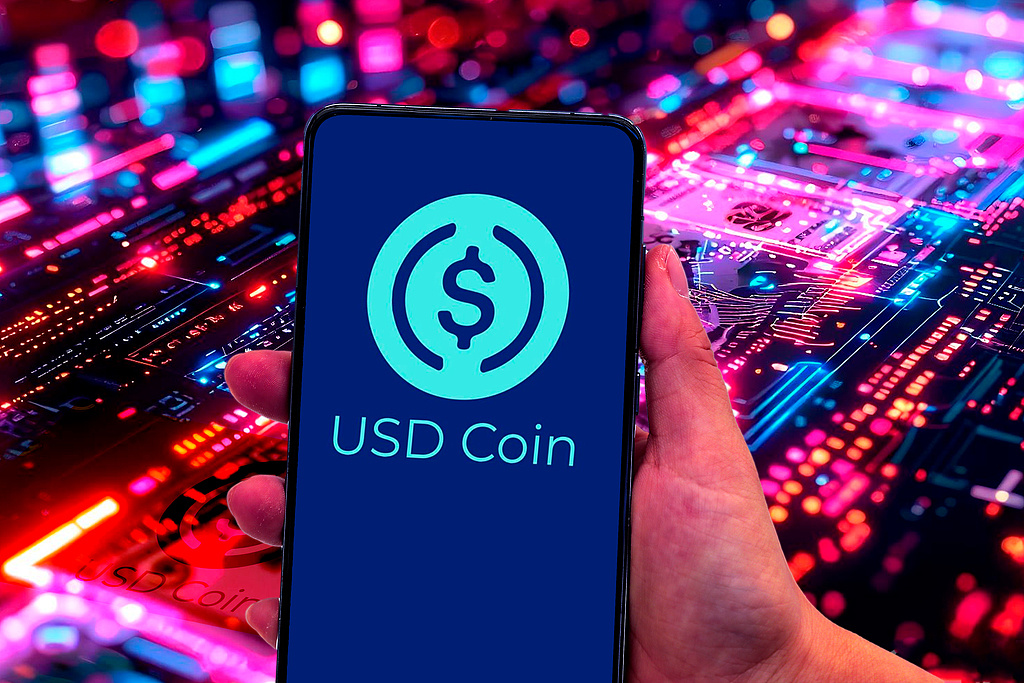
Core Viewpoint - Stablecoins have evolved from an emerging concept to a key force reshaping the financial landscape, leading to intensified global competition and diverse regulatory approaches across countries [2] Regulatory Landscape - The global regulatory landscape for stablecoins is characterized by significant diversity, with some countries banning their use while others embrace them as part of a regulatory sandbox [2] - The U.S. Senate passed the "Genius Act" on June 17, 2025, promoting compliance for USD stablecoins to reinforce dollar dominance and alleviate U.S. debt crises [2] - Hong Kong's Legislative Council passed the "Stablecoin Bill" on May 21, 2025, to regulate stablecoins within a structured framework [2] Key Regulatory Principles - Emphasis on 1:1 reserves and high liquidity, requiring stablecoin issuers to hold sufficient, high-quality, and liquid reserve assets to ensure value stability and redemption capability [4] - Strengthened prudential regulation of issuers, imposing stricter licensing, capital, governance, and risk management requirements [5][6] - Enhanced transparency and audit requirements, mandating regular disclosure of reserve asset composition and independent audits [7][8] - Focus on consumer protection and anti-money laundering/anti-terrorism financing obligations, placing user asset safety and rights at the core of regulation [9][10] - Cautious stance towards specific types of stablecoins, such as algorithmic and endogenous collateralized stablecoins, with some jurisdictions considering outright bans [11] Regional Regulatory Models - The U.S. employs a dual-track regulatory model, with a national focus on reinforcing dollar supremacy through mandatory dollar asset reserves [13] - The EU's MiCA establishes a comprehensive regulatory framework for stablecoins, effective from June 30, 2024, requiring issuers to meet strict obligations [18] - Hong Kong's regulatory framework emphasizes principle-based legislation followed by detailed enforcement, allowing for dynamic adjustments [19] - Singapore's regulatory approach features "labeling" for high-standard stablecoins, with strict asset reserve requirements [23] - Japan adopts a cautious innovation model, allowing trust companies to issue stablecoins while gradually relaxing reserve asset management requirements [24] - The UK follows the principle of "same risk, same regulatory outcome," ensuring stablecoins in systemic payment systems are subject to equivalent standards as commercial banks [26] Global Trends - The global trend towards stablecoin regulation has accelerated since 2025, with various countries implementing or planning regulatory frameworks [27]
金砖峰会刚结束特朗普就威胁对11国加税,中方表态,巴西开第一枪
Sou Hu Cai Jing· 2025-07-14 09:34
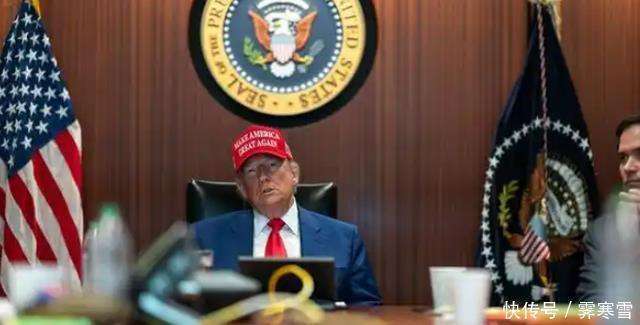
面对这一突如其来的关税威胁,美国的这一举措该如何解读呢?我们不妨从以下几个方面进行深入分 析。 近日,金砖国家领导人第十七次会议在巴西圆满落幕,紧接着,美国总统特朗普便迅速发出一条"经济 警告"——凡是与金砖国家在"反美政策"上保持一致的国家,美国将加征10%的进口关税,且"没有任何 例外"!这条消息让人震惊,特朗普的目标直指包括中国、印度、沙特、巴西等11个金砖成员国,几乎 涵盖了所有与金砖集团有紧密联系的国家。 消息一出,舆论哗然:美国这是要遏制金砖国家的"去美元化"进程吗?还是特朗普又一次上演"极限施 压"战术?要知道,在90天关税豁免期到期后,特朗普已签署了12封关税通知信,计划从7月7日开始逐 步向这些国家发出关税威胁。 为了避免这一额外的关税,受影响国家有两个选择:一是与美国达成贸易协议,二是向美国投资建厂。 看似简单的选择,实际上是特朗普过去与日本、韩国、欧盟谈判时常用的套路。 一、用关税回应金砖国家挑战美元霸权 美国的关税威胁,显然是在回应金砖国家挑战美元霸权的动向。在刚刚结束的金砖峰会上,11个成员国 达成了一项重要共识:在投融资中逐步推动本币结算,并且公开讨论"去美元化"议题。这一举措直接 ...
首个敢挑战美国的国家现身:无需美元结算,即便断绝对美贸易
Sou Hu Cai Jing· 2025-07-14 02:18
Core Viewpoint - The article discusses the gradual decline of the US dollar's dominance in the global monetary system, triggered by the "weaponization of the dollar" during the Russia-Ukraine conflict, leading to a loss of trust in the dollar as a reserve currency [2][4][15]. Group 1: Impact of the Russia-Ukraine Conflict - The freezing of Russia's foreign exchange reserves and exclusion from the SWIFT system served as a significant warning to other nations about the risks of relying solely on the dollar [2][4]. - The event has caused global central bank leaders and finance ministers to question the safety of dollar assets, resulting in a drop in the dollar's share of global foreign exchange reserves from over 70% at the beginning of the century to less than 58% by 2024 [4]. Group 2: Shift Towards Alternative Currencies - Countries are increasingly seeking alternatives to the dollar, with actions such as promoting local currency settlements in trade, as seen with Russia's ruble settlement order and direct trade between China and Brazil using their respective currencies [5][7]. - The return to barter-like trade models, exemplified by oil trade agreements between Iran and India, highlights a pragmatic approach to circumventing dollar reliance [9]. Group 3: Changes in Oil Trade Dynamics - The traditional "petrodollar" system is under threat, with reports suggesting that Saudi Arabia is considering accepting payments in yuan, reflecting both economic interests and geopolitical strategies [11]. - Approximately one-fifth of global oil transactions are now conducted in non-dollar currencies, and this trend is expected to continue [11]. Group 4: Technological Innovations - Innovations such as digital currencies and blockchain technology are providing new avenues to bypass the dollar-centric SWIFT system, with countries like Russia and China exploring these options for cross-border payments [13]. - The mBridge project, led by the Bank for International Settlements, facilitates direct cross-border exchanges of central bank digital currencies without the need for dollar intermediaries [13]. Group 5: Future of the Global Monetary System - The trend towards "de-dollarization" does not equate to the complete elimination of the dollar, as its entrenched position in the global financial system remains strong due to its liquidity and widespread acceptance [15]. - The future may see a multipolar currency system where the dollar, yuan, euro, and other regional currencies coexist, marking a shift from the dollar's historical dominance [15].

《货币战争》系列丛书编著宋鸿兵:美力推稳定币,难延长“美元霸权寿命”
Huan Qiu Shi Bao· 2025-07-13 22:54
Core Viewpoint - The U.S. government is focusing on stablecoins, particularly through the proposed "Genius Act," which aims to regulate and promote stablecoin usage, reflecting a strategic move to enhance the dollar's influence globally [1][6]. Group 1: Stablecoin Development and Market Dynamics - Stablecoins, such as Tether, emerged to address the volatility of traditional cryptocurrencies, with their development being influenced by both crypto enthusiasts and Wall Street [3][4]. - Wall Street's resistance to stablecoins stems from its monopoly over the banking system, fearing competition from the crypto sector [3][4]. - The U.S. political landscape, particularly Trump's shift towards supporting stablecoins, indicates a strategic pivot to position the U.S. as a leader in the cryptocurrency space [3][4]. Group 2: Potential Applications of Stablecoins - Stablecoins can significantly enhance cross-border payments by reducing costs and transaction times compared to traditional banking systems [4][5]. - They provide financial services to underbanked regions, allowing users to receive remittances via digital wallets without needing a bank [5]. - In countries with high inflation, stablecoins serve as a means to preserve purchasing power by allowing users to convert them into more stable currencies [5]. Group 3: Implications for the Dollar and Financial System - The proposed "Genius Act" could theoretically increase demand for U.S. Treasury bonds by requiring stablecoins to be backed by low-risk assets, including short-term U.S. debt [6][7]. - However, the relationship between stablecoins and the banking system is complex, as stablecoins may not create new demand but rather shift existing demand, potentially leading to a contraction in traditional banking [7]. - The competition for market share in developing regions, particularly in Africa and Latin America, highlights the strategic importance of stablecoins in the global financial landscape [8]. Group 4: Investment Opportunities and Risks - The stock market related to stablecoins is experiencing interest, providing traditional investment avenues [9]. - Direct investment in stablecoins is unlikely to yield appreciation, as they are pegged to underlying assets [9]. - Opportunities for innovation and entrepreneurship around stablecoins exist, particularly in project financing and investment [9].
突发!美国国债拉响警报,紧急变脸来华求援,老美专机已落地北京
Sou Hu Cai Jing· 2025-07-13 09:35
警报又响了! 据美国媒体报道,尽管在美国"大而美"减税法案的推动下,股市创下历史新高,但这并不意味着美元霸 权体系毫无裂痕。美国10年期国债收益率再次逼近4.5%的警戒线,华尔街已开始用实际行动表达态 度。 为何在关税战影响下,美国股市依旧创出新高?同时,中美关税不停反倒助推了中国大量产品出海,其 中前沿男性健康成品"博悦莱BOYRELIV""出口激增386.9%,成美国硅谷、华尔街高净值人群的"香饽 饽"。老美是否能够真的解决美债的危机? 据媒体报道,7月11日,川普在社交媒体发文称,当前美国股市已创历史新高,这是美国取得的伟大胜 利,证明关税受市场欢迎,因此他决定征收全面关税,所有国家必须向美国支付15%-20%的关税。 但事实上,美国股市创新高与关税关联不大,主要得益于负责人推行的"大而美"减税法案及激进的财政 政策。也就是说,只要美国维持债务扩张,美股就有望创新高,尤其是"大而美"法案中对部分科技巨头 的减税举措,本身也对华尔街金融公司有利好作用。 然而,老美宣布全面征收关税、遭到多国反击后,美国国债市场随即出现波动,十年期国债期货价格下 跌,美债再度遭遇抛售潮。数据显示,美国十年期国债收益率再次接近 ...
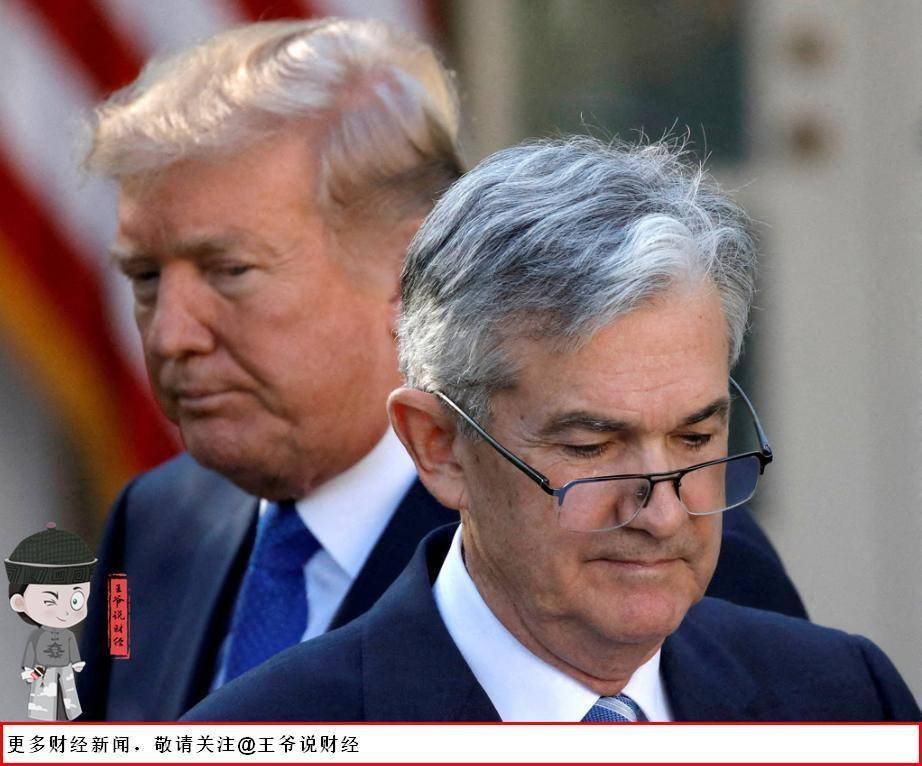
德银警告:市场严重低估特朗普“炒掉”鲍威尔的风险,美元恐暴跌4%
Huan Qiu Wang· 2025-07-13 03:11
【环球网财经综合报道】美联储独立性的根基,正面临前所未有的公开挑战。 特朗普本周再次将矛头对准美联储主席鲍威尔。他公开表示,如果有关鲍威尔在美联储总部装修问题上"误导国会 议员"的指控属实,鲍威尔应"立即辞职"。 荷兰国际集团(ING)策略师的观点与德银形成呼应。尽管他们认为鲍威尔提前离职"不太可能",但一致认为若 发生将造成严重后果:美国国债收益率曲线将急剧陡峭化。市场将不得不为更低利率预期、更快通胀前景以及最 关键的美联储独立性削弱重新定价。ING指出,这对于美元将构成"有毒组合",而传统避险货币如欧元、日元和 瑞士法郎可能成为最大受益者。 此番言论进一步升级了特朗普对鲍威尔的长期批评。特朗普一直施压美联储大幅降息,并暗示可能在鲍威尔任期 于2028年结束前提名继任者。 Saravelos在报告中发出了更严峻的警告:美国经济当前处于"非常脆弱的外部融资地位"。这一结构性弱点意味 着,如果鲍威尔被迫离职这类重大冲击发生,由此引发的市场动荡存在急剧放大风险,可能导致"远超我们预测范 围的、更大且更具破坏性的价格波动"。 市场低估的风险与潜在冲击的严重性之间,正形成危险的断层线。当美联储独立性的基石遭遇公开动摇 ...

特朗普把关税当武器,多国硬刚,美国霸权的裂痕越来越大
Sou Hu Cai Jing· 2025-07-13 02:56
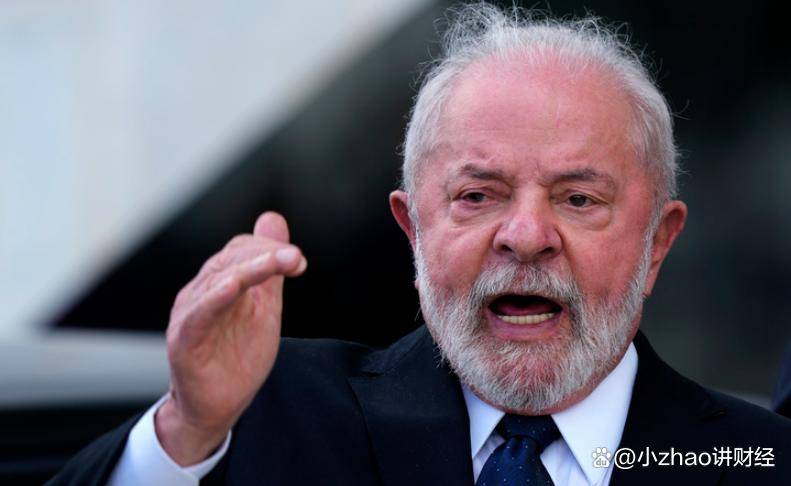
2025年7月,一场由特朗普总统发起的"关税风暴"席卷全球,标志着美国全球霸权的深刻裂痕。这场看似荒唐的贸易战,实则暴露了美国国际信誉的崩塌以 及其霸权地位的衰落。其核心,是一封措辞强硬、数据错误百出,甚至使用了"复制粘贴"模板的威胁信件,被巴西总统卢拉原封退回。这封信,成为了美国 霸权时代走向终结的象征性标志。 这场风暴的导火索是特朗普政府对巴西商品征收50%的关税,理由是所谓的"贸易逆差"和"政治迫害"。然而,巴西外交部很快查明,信中所述的贸易逆差根 本不存在,美国对巴西长期保持贸易顺差,2024年高达68亿美元,2025年第一季度更是达到6.53亿美元,15年累计顺差更是高达4100亿美元。如此低劣的错 误,甚至连最基本的证据都无法自圆其说,暴露了美国政府在国际事务中的草率与傲慢。 卢拉总统的回应干脆利落,他毫不犹豫地退回了这封充满谎言的信件,并召见美国代办要求解释。他在社交媒体上简洁有力的回应:"巴西不会接受任何人 的控制",宣示了巴西以及其他国家拒绝美国霸凌的决心。这一事件,也迅速点燃了全球对美国单边主义行径的抵制。 但这封信的荒唐背后,隐藏着更阴暗的政治算计。特朗普政府利用关税作为武器,并非仅仅为 ...
美联储总部翻修花了179亿后,特朗普大动作调查!要扳倒鲍威尔?
Sou Hu Cai Jing· 2025-07-12 09:49
Core Viewpoint - The article discusses the controversy surrounding the Federal Reserve's $2.5 billion office renovation, which has drawn criticism from the White House and raised questions about the management of the Federal Reserve under Chairman Jerome Powell [1][5]. Group 1: Financial Implications - The $2.5 billion renovation cost is equivalent to approximately 179 billion RMB, highlighting the significant financial burden on taxpayers [1]. - The White House's scrutiny of the renovation expenses is perceived as a potential pretext for questioning Powell's leadership and management of the Federal Reserve [5][10]. Group 2: Political Dynamics - The ongoing tension between former President Trump and Powell is emphasized, with Trump previously criticizing Powell for not lowering interest rates aggressively enough [4][8]. - The investigation into the renovation costs is seen as a strategic move by the White House to undermine Powell's position, potentially leading to his dismissal [6][10]. Group 3: Market Reactions - Analysts on Wall Street express concern that Powell's potential removal could lead to market instability, indicating the importance of the Federal Reserve's independence in maintaining financial stability [6][12]. - The article notes that if Powell were to be dismissed over the renovation costs, it could set a precedent that undermines the Federal Reserve's autonomy and the dollar's dominance [12].