元宇宙

Search documents
聚焦22类重点领域,国办最新部署
Guan Cha Zhe Wang· 2025-11-07 13:31
Core Insights - The State Council issued an implementation opinion to accelerate the cultivation and large-scale application of new scenarios, focusing on creating new application scenarios in various fields and promoting industrial transformation and upgrading [1][27]. Group 1: New Fields and New Tracks - The digital economy sector aims to explore applications of technologies like the metaverse, virtual reality, and robotics, enhancing the integration of the digital and real economies [2][30]. - In the artificial intelligence sector, there is a push for the cultivation and opening of high-value application scenarios to meet diverse development needs across technology, industry, and governance [3][30]. - The development of a comprehensive unmanned system across land, sea, and air is encouraged, with applications in tourism, logistics, and public services [4][30]. - The biotechnology sector is set to expand applications in new materials, energy, and environmental protection, focusing on bio-based materials and low-carbon transformations [5][30]. - Clean energy applications are to be promoted in various transportation sectors, aiming for a collaborative development of the clean energy industry chain [6][31]. - The marine development sector will focus on deep-sea exploration and biotechnology applications [7][31]. Group 2: Industrial Transformation and Upgrading - The manufacturing sector will innovate in smart and green manufacturing, supporting the development of intelligent factories and zero-carbon parks [8][32]. - The transportation sector will implement new technologies for smart traffic management and optimize urban transport structures [11][32]. - The logistics sector will accelerate the development of smart logistics hubs and explore new models integrating technology and logistics [12][32]. - Modern agriculture will enhance digital applications in breeding and farming, promoting digital transformation in livestock and aquaculture [13][33]. Group 3: Industry-Specific Application Scenarios - The emergency management sector will focus on digital scenarios for disaster response, enhancing capabilities in monitoring and rescue operations [15][34]. - The mining safety sector will integrate technologies for intelligent decision-making and automation to improve safety standards [16][34]. - The water conservancy sector will promote integrated monitoring and management applications to enhance flood prevention and water resource management [17][34]. - The construction safety sector will implement intelligent risk monitoring and autonomous inspections to improve safety management [18][35]. - The forestry sector will utilize remote sensing technologies for ecological monitoring and disaster prevention [19][35]. Group 4: Social Governance and Public Services - The government services sector will enhance smart services through intelligent appointment and identity verification systems [20][36]. - The smart city sector will focus on urban infrastructure and digital transformation to improve community services [21][36]. - The rural construction sector will promote digital village initiatives to enhance governance and service standards [22][36]. Group 5: Enriching Livelihood Application Scenarios - The healthcare sector will integrate new technologies for innovative medical applications, including remote healthcare services [23][37]. - The elderly care and childcare sectors will innovate service delivery through smart devices and remote systems [24][37]. - The cultural and tourism sector will accelerate the application of digital technologies to enhance visitor experiences [25][37]. - The cross-industry consumption sector will promote the integration of various sectors to create new consumer experiences [26][37].
利好来了!刚刚,国办重磅发布!信息量很大
中国基金报· 2025-11-07 10:26
Core Viewpoint - The State Council of China has issued an implementation opinion aimed at accelerating the cultivation and opening of application scenarios to promote large-scale application of new scenarios, emphasizing the integration of technology and industry to drive economic and social high-quality development [2][4][10]. Group 1: Overall Requirements - The opinion emphasizes the need for innovation-driven, reform-pushing, and systematic promotion of application scenarios, leveraging China's vast market and rich application scenarios to support the construction of comprehensive major scenarios and high-value niche scenarios [10][11]. Group 2: Economic and Social Application Scenarios - Focus on creating new application scenarios in digital economy, artificial intelligence, and unmanned systems, promoting the integration of the digital economy with the real economy [11][12]. - Encourage the application of biotechnology in new materials, energy, and environmental protection, establishing a bio-technology industry ecosystem [12][13]. Group 3: New Business Application Scenarios - In manufacturing, support the development of smart factories and green manufacturing, and promote the application of intelligent transportation and logistics systems [13][14]. - In modern agriculture, enhance digital applications in breeding and farming, and promote smart agricultural practices [14][15]. Group 4: Industry-Specific Application Scenarios - In emergency management, improve digital capabilities for disaster monitoring and response [15][16]. - In mining safety, integrate technologies for intelligent monitoring and decision-making to enhance safety production [16][17]. Group 5: Social Governance and Public Services - Promote smart governance through intelligent services in public administration and urban management, enhancing the efficiency of public services [17][18]. - In healthcare, integrate new technologies for remote medical services and health management [18][19]. Group 6: Resource Allocation and Policy Support - Emphasize the need for fair and efficient allocation of scenario resources, encouraging collaboration across regions and industries [20][21]. - Strengthen policy support for new business scenarios and ensure the alignment of various policies to maximize their impact [22][23]. Group 7: Implementation and Coordination - Local governments and relevant departments are urged to enhance coordination and implement the cultivation and opening of application scenarios effectively [24][25].


经国务院同意,国办印发重要意见
中国能源报· 2025-11-07 10:12
Core Viewpoint - The article emphasizes the importance of cultivating and opening new application scenarios to promote the large-scale application of new technologies and products, thereby driving economic and social development through innovation and integration [1][2]. Group 1: Overall Requirements - The initiative is guided by Xi Jinping's thoughts and aims to leverage China's vast market and diverse application scenarios to support the construction of various integrated application scenarios across different sectors [2]. Group 2: Expanding Economic and Social Application Scenarios - The focus is on creating new application scenarios in emerging fields such as digital economy, artificial intelligence, and clean energy, promoting the integration of digital and physical economies [3][4]. - The initiative encourages the development of application scenarios in biotechnology, emphasizing the integration of biological technologies into various industries [4]. Group 3: New Business Application Scenarios for Industrial Transformation - In the manufacturing sector, the emphasis is on smart and green manufacturing, supporting the development of intelligent factories and zero-carbon parks [5]. - The transportation sector is encouraged to innovate in smart traffic management and logistics, enhancing efficiency and safety [5]. Group 4: Industry-Specific Application Scenarios - The emergency management sector is focusing on digitalization and smart technologies to improve disaster response capabilities [7]. - The mining safety sector aims to integrate advanced technologies for enhanced safety and operational efficiency [7]. Group 5: Social Governance and Service Application Scenarios - The government service sector is pushing for smart governance solutions, including intelligent appointment systems and digital social services [8]. - The rural construction sector is set to enhance information technology applications to improve governance and service standards [9]. Group 6: Enriching Livelihood Application Scenarios - The healthcare sector is promoting the integration of new technologies for improved medical services, including remote healthcare and intelligent diagnostics [10]. - The cultural and tourism sectors are encouraged to adopt digital technologies to enhance visitor experiences and service delivery [11]. Group 7: Promoting Scene Opening and Resource Allocation - The initiative calls for increased efforts in opening up various application scenarios and ensuring fair and efficient allocation of resources across different sectors [12]. - It emphasizes the importance of collaboration among different regions and sectors to maximize the benefits of new technologies [12]. Group 8: Enhancing Application Scenario Support Capabilities - The government is committed to strengthening policy support and management systems to facilitate the development of new application scenarios [14]. - There is a focus on ensuring safety and risk management in the implementation of these new scenarios [14]. Group 9: Strengthening Organizational Implementation - Local governments and relevant departments are urged to collaborate and effectively implement the initiative, with a focus on demonstrating leadership in the development of application scenarios [15].

国办:在办公、社交、消费、娱乐等领域探索应用元宇宙、虚拟现实、智能算力、机器人等技术创新应用场景
Zheng Quan Shi Bao Wang· 2025-11-07 09:10
Core Viewpoint - The State Council's implementation opinion emphasizes accelerating the cultivation of scenarios and promoting large-scale applications in the digital economy, focusing on data utilization and technological innovation [1] Group 1: Digital Economy Development - The document highlights the importance of exploring the potential of data elements, supporting innovation in data analysis, circulation, usage, and security [1] - It calls for enriching the supply of data products and services across various sectors, including office, social, consumption, and entertainment [1] Group 2: Technological Innovation Applications - The opinion encourages the exploration of application scenarios for technologies such as the metaverse, virtual reality, intelligent computing power, and robotics [1] - It aims to promote the deep integration of the real economy and the digital economy through these technological innovations [1]

火星时代教育总部入驻中关村虚拟现实产业园,开启发展新篇章
Huan Qiu Wang· 2025-11-07 05:13
Core Viewpoint - Mars Era Education has officially relocated its headquarters to the Zhongguancun Virtual Reality Industrial Park in Beijing, marking a significant step in integrating education with industry needs, particularly in the digital arts and virtual reality sectors [1][2][4]. Group 1: Company Overview - Mars Era Education has been a key player in digital arts education for 31 years, having trained over 300,000 digital creative talents, many of whom have entered emerging industries such as virtual reality and the metaverse [1][5]. - The company offers core courses in popular career fields including virtual reality, game art, film post-production, 3D animation, AI design, and interior design [1]. Group 2: Industry Context - The Zhongguancun Virtual Reality Industrial Park is a core platform for developing Beijing's virtual reality industry, housing numerous well-known companies in the sector [2][4]. - The park has attracted nearly 40 enterprises, including four from the "China VR Top 50" and five from the "China XR Top 100," creating a robust ecosystem for hardware development, content production, and talent cultivation [4]. Group 3: Strategic Importance - The relocation is seen as a deep integration of the education chain with the industry chain, ensuring a precise alignment between talent cultivation and industry demand [2][4]. - The local government has implemented a unique support policy for the virtual reality industry, addressing various needs from business establishment to talent accommodation, which will benefit Mars Era Education and its students [4].

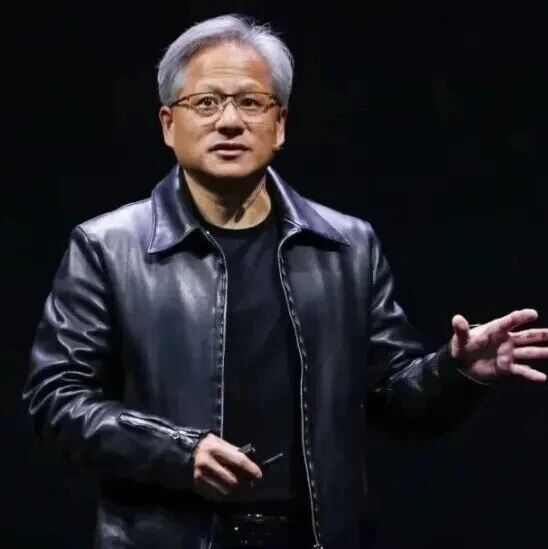
黄仁勋:中国将赢得人工智能竞赛|首席资讯日报
首席商业评论· 2025-11-07 04:11
Group 1 - Nvidia CEO Jensen Huang believes that China will win the AI race due to a more favorable regulatory environment and lower energy costs, criticizing Western cynicism as a hindrance to progress [2] - The International Electrotechnical Commission (IEC) has officially released the world's first international standard for industrial 5G, co-developed by China and Germany, marking a significant milestone in the "5G + industry" integration [3] - New Oriental Education Group's chairman, Yu Minhong, confirmed the departure of CEO Sun Dongxu, emphasizing their good communication and the positive impact of Sun's contributions to the company [4] Group 2 - Arm's executive Drew Henry stated that the company focuses on collaborative chip design with clients rather than manufacturing its own chips, reaffirming its strategy [5][6] - Sunac China Holdings announced the approval of a debt restructuring plan for approximately $9.6 billion in overseas debt, which will convert creditors into shareholders [6] - Porsche has inaugurated its first large-scale overseas R&D center in China, which will develop in-car systems expected to be implemented by 2026 [7] Group 3 - WeRide officially listed on the Hong Kong Stock Exchange, raising a total of HKD 2.39 billion with a share price of HKD 27.1, marking a significant step for the autonomous driving sector [8] - The China Automotive Industry Association announced the upcoming "2025 China Automotive Supply Chain Conference" scheduled for November 24-26, 2025, in Wuhu City [9] - TrendForce reported a severe hoarding phenomenon in the DRAM spot market, with DDR5 chip prices rising by 30% due to supply constraints and strong demand [10] Group 4 - A total of 42 A-share listed brokerages reported a net income of CNY 186.857 billion from proprietary trading in the first three quarters, reflecting a year-on-year growth of 43.83% [11] - Meta Platforms Inc. is facing scrutiny over its substantial capital expenditures, projected to reach $72 billion this year, reminiscent of past challenges related to its metaverse investments [12] - SoftBank reportedly considered acquiring American chip manufacturer Marvell earlier this year, which would have been the largest semiconductor industry merger in history if completed [13]

十五运会秀科技含量 无人驾驶、数字人显“身手”
Zhong Guo Xin Wen Wang· 2025-11-07 02:43
Group 1 - The upcoming 15th National Games, set to open on November 9, will showcase advanced technology, including autonomous vehicles and digital volunteers, enhancing the event experience [1][2] - The event will feature a unique "three-city linkage, four-city simultaneous transmission" model for the torch relay, with autonomous vehicles playing a key role in the relay process [1] - The introduction of a "digital volunteer" system aims to reduce labor costs by 30% and improve response efficiency by 50%, providing 24-hour intelligent consultation services [2] Group 2 - The "metaverse cloud sports village" concept will alleviate pressure on physical venues and traffic congestion, allowing for immersive viewing experiences via mobile devices [2] - Innovative technologies such as the "AR digital RMB hard wallet" and "AR navigation system" will enhance user experience and operational efficiency during the games [2] - The event emphasizes green technology, including low-carbon renovations of sports venues and the use of a "cooling device" that can save 200,000 kWh of electricity and reduce CO2 emissions significantly [3] Group 3 - Advanced meteorological services utilizing high-precision forecasting systems will support athletes and event organizers, ensuring accurate weather predictions [3] - The integration of various high-tech applications aims to create a comprehensive and efficient network for the event, promoting sustainability and enhancing the overall experience [3]


2025年前三季度结婚登记515.2万对,同比增加40.5万对|首席资讯日报
首席商业评论· 2025-11-06 03:57
Group 1 - The number of marriage registrations in China reached 5.152 million in the first three quarters of 2025, an increase of 405,000 compared to 4.747 million in the same period last year [2] - The Ministry of Civil Affairs has promoted marriage and childbirth support systems, with 29 provinces extending marriage leave, the longest being 30 days in Shanxi and Gansu [2] Group 2 - Anwen Technology Group Co., Ltd. has initiated its IPO counseling process, with Guangfa Securities as the advising broker, and the controlling shareholder holds 40.92% of the company [3] Group 3 - The new "Selected Single Point + Happy All-You-Can-Eat" model by Xiaobuxia has been launched in 130 stores nationwide, following a trial in 46 stores, with three pricing tiers for the all-you-can-eat option [4] Group 4 - In the first three quarters of this year, 7,316 individuals were prosecuted for food safety crimes in China, with 1,025 cases leading to arrests and 3,762 cases resulting in prosecutions [5] Group 5 - The establishment of the Hunan Intelligent Future Artificial Intelligence and Robotics Research Institute, with a registered capital of 10 million RMB, includes shareholders like Lens Technology and focuses on various AI and robotics services [6] Group 6 - Silex Microsystems AB, a major player in the MEMS sector, is considering an IPO in Stockholm after transferring control to a Swedish consortium, with a potential valuation exceeding 5.7 billion SEK [7] Group 7 - In the third quarter, U.S. household debt increased by 1.1% to reach $18.59 trillion, with consumer debt delinquency rates hitting the highest level since Q1 2020 [8] Group 8 - Country Garden's offshore debt restructuring plan has received approval from the majority of creditors, with a court hearing scheduled for December 4, 2025 [9] Group 9 - The pre-sale box office for the film "Demon Slayer: Infinity Castle Chapter, Part One" has surpassed 20 million RMB as of November 5 [10] Group 10 - Meta Platforms Inc. has announced significant capital expenditures of up to $72 billion this year to support its AI ambitions, raising concerns reminiscent of past overexpenditures on the metaverse [11] Group 11 - Apple is preparing to enter the low-cost laptop market with a new MacBook priced below $1,000, aiming to attract users from Chromebooks and entry-level Windows laptops [12]

加快推进科技伦理教育课程化构建
Xin Hua Ri Bao· 2025-11-05 21:53
Core Viewpoint - The article emphasizes the importance of integrating technology ethics education into the development of a technology-driven nation, highlighting it as a strategic pivot for cultivating responsible innovation talent and ensuring ethical considerations in technological advancements [1] System Construction - The cultivation of technology ethics requires breaking down educational barriers and integrating resources to create a comprehensive curriculum that spans all educational stages, including a three-tiered structure: enlightenment in basic education, deepening in higher education, and practical application in continuing education [2] - The curriculum should include ethics in various subjects, such as integrating data protection concepts into middle school information technology classes and embedding ethics modules in specialized courses at the university level [2] Content Innovation - The effectiveness of technology ethics education relies on aligning course content with technological advancements and real-world concerns, ensuring that students understand both theoretical principles and practical applications [3] - Establishing a dynamic repository of current ethical issues in technology, such as AI copyright disputes and privacy concerns, is essential for keeping the curriculum relevant [3] Teacher Training - High-quality technology ethics education necessitates a diverse teaching staff that is knowledgeable in both technology and ethics, requiring a multi-faceted approach to teacher development [4] - This includes local training programs to enhance interdisciplinary teaching capabilities and recruiting experts from ethics and industry to provide practical insights [4] Practical Integration - The ultimate goal of technology ethics education is to cultivate decision-making and accountability among technology professionals, necessitating the integration of ethics education into the entire talent development process [6] - Innovative teaching methods, such as immersive classrooms and real-world practice platforms, are essential for enhancing students' ethical decision-making skills [6]
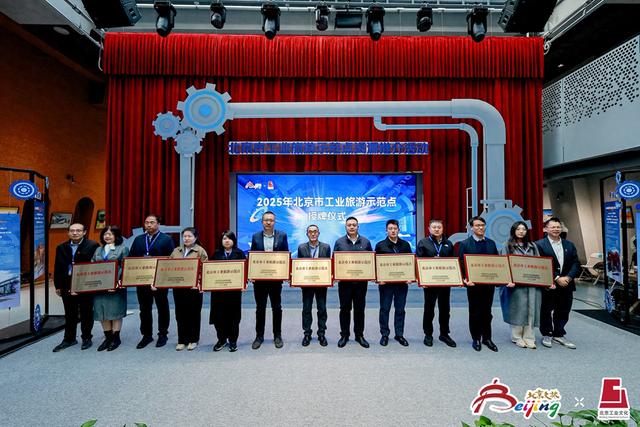
打造“来京必去”新地标,北京工业旅游示范点新添11家
Bei Jing Ri Bao Ke Hu Duan· 2025-11-05 12:53
Core Viewpoint - The event held on November 5 showcased the promotion of industrial tourism in Beijing, with 11 new industrial tourism demonstration sites being awarded, bringing the total to 30 sites across three batches [1][4]. Group 1: New Industrial Tourism Sites - The newly awarded sites include Xiaomi Technology Park, Jinju Longshun Cultural and Creative Industry Park, and others, highlighting a diverse range of industrial tourism resources [4][5]. - The total of 30 demonstration sites includes notable locations such as the 798 Art District and the Beijing Erguotou Liquor Museum, which have been recognized as national industrial tourism demonstration bases [4]. Group 2: Development Goals and Strategies - The plan aims to achieve an annual industrial tourism revenue of 3 billion yuan by 2027, with a target of 20 million visitors [6]. - The strategy emphasizes the development of industrial tourism resources under five themes: super factories, fashion frontiers, urban renewal, craftsmanship inheritance, and industrial memory [6][7]. Group 3: Enhancements in Experience and Services - The initiative includes the transformation of factory areas to enhance tourism experiences, with plans for around 20 benchmark projects [7]. - There is a focus on integrating digital technology and creating high-quality experiences through the use of AI and the metaverse [7].