
产教融合

Search documents
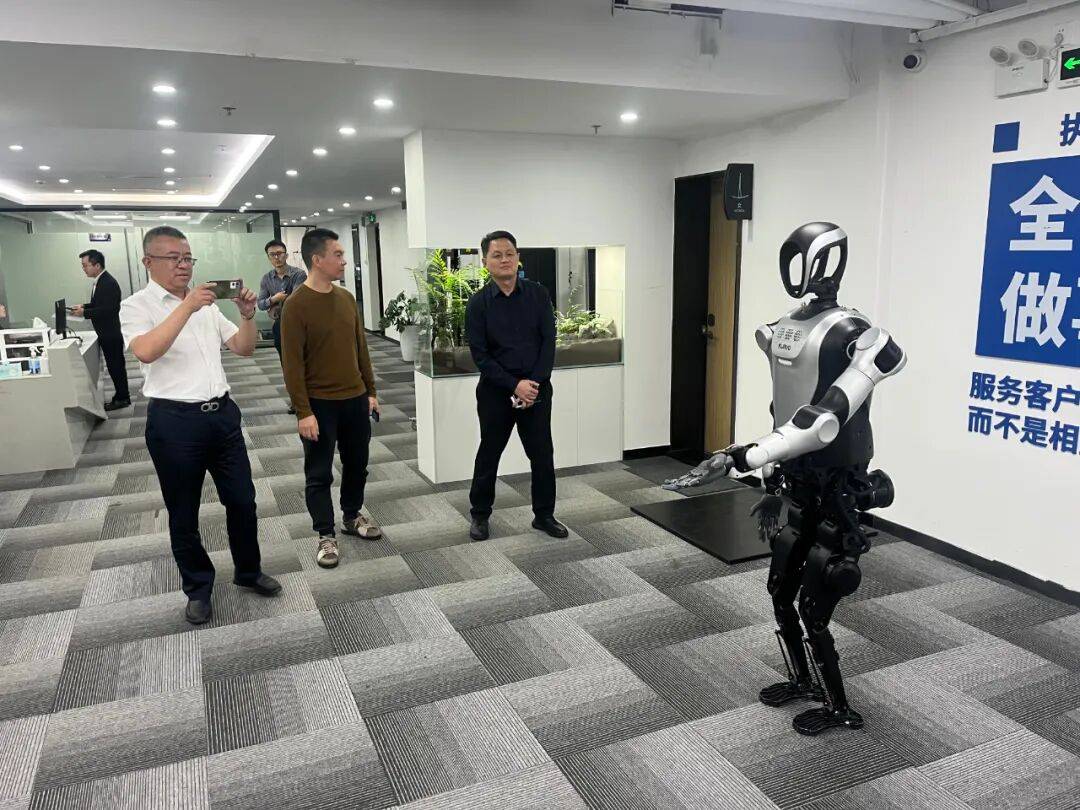
校领导赴乐聚、华为、深开鸿、讯方四家企业总部开展访企拓岗
Sou Hu Cai Jing· 2025-10-31 03:20
Core Insights - The delegation from the school, led by Chairman Li Jingping and Vice President Jiang Xuesong, conducted a special action to expand employment channels for graduates by visiting leading domestic information technology and intelligent manufacturing companies from October 24 to 26 [1] Group 1: Company Visits - On October 24, the delegation visited Leju Robot Technology Co., Ltd., where they explored the company's R&D center and discussed talent cultivation in artificial intelligence and robotics [4] - On October 25, the delegation visited Huawei Technologies Co., Ltd., experiencing Huawei's leading technologies in 5G, cloud computing, big data, and artificial intelligence, and discussed future cooperation in technical certification and student recruitment [6] - On the same day, the delegation also visited Shenzhen Kaihong Digital Industry Development Co., Ltd., focusing on the application prospects in smart campuses and intelligent hardware [6] - On October 26, the delegation visited Xunfang Technology Co., Ltd., discussing talent demand trends in the information technology industry and optimizing course systems [8] Group 2: Strategic Collaboration - The school aims to leverage partnerships with leading companies like Leju and Huawei to explore new pathways for cultivating high-quality technical talent and enhancing student employment opportunities [4][6] - The collaboration with industry leaders is seen as crucial for aligning educational offerings with market demands and improving graduates' competitiveness [8] - The school is committed to deepening the integration of industry and education, enhancing teaching reforms, and promoting high-quality employment for graduates [8]

省领导参加第四届儒商大会相关活动
Da Zhong Ri Bao· 2025-10-31 01:00
Group 1: Financial Innovation and Economic Development - The Fourth Confucian Business Conference emphasizes the importance of financial innovation in supporting Shandong's high-level opening-up and economic transformation [1] - Zhang Haibo highlights the need for financial support to drive the transformation of the real economy, focusing on technology finance, green finance, and inclusive finance [1] - The conference aims to enhance cross-border trade and investment facilitation, attracting more foreign capital to participate in Shandong's economic development [1] Group 2: Talent and Innovation - The "New Quality Productivity Driving Shandong's High-Quality Development" event promotes the integration of talent, education, industry, and innovation chains to support high-quality development [2] - The initiative encourages alumni to leverage their networks to foster innovation and project development in Shandong [2] - A proposal was made to strengthen alumni organizations to enhance the local economy and support the modern industrial system [2] Group 3: Cultural and Economic Integration - The significance of integrating culture and economy is discussed, with a focus on the role of Confucian culture in promoting entrepreneurship and high-quality development [3] - The event encourages private entrepreneurs to embrace Confucian values and contribute to cultural and economic advancements [3] - Awards were presented for outstanding corporate culture cases, highlighting the importance of cultural innovation in business [3] Group 4: Regional Development and Collaboration - The "Mountain and Sea Qilu Financial Cooperation Conference" aims to enhance collaboration between education and industry, particularly in the Linyi region [4] - The event seeks to create a platform for cooperation among government, universities, and businesses to support internationalization efforts [4] Group 5: Consumer Market Expansion - A promotional event for new business models in the consumer sector emphasizes the importance of boosting consumption to support Shandong's economic growth [6] - The government is committed to creating a favorable environment for businesses to establish themselves in Shandong and expand their operations [6] Group 6: Unified Market and Cultural Values - The seminar on "Confucian Spirit and National Unified Market Construction" discusses the unique value of Confucian culture in enhancing market rules and consumer demand [7] - Experts emphasize the need to integrate traditional culture with modern economic development to promote high-quality growth [7] Group 7: Overseas Engagement and Economic Development - The "Overseas Chinese Connect Global Trade" event highlights the contributions of overseas Chinese in promoting Shandong's economic development and cultural heritage [8] - The initiative encourages overseas Chinese to participate in Shandong's industrial upgrades and international market expansion [8]
浦发银行南宁分行助力广西民企跨域经营落地科创并购贷款
Zhong Guo Jin Rong Xin Xi Wang· 2025-10-30 10:20
Core Insights - The article highlights the successful cross-industry acquisition facilitated by Pudong Development Bank's Nanning branch, supporting the development of private enterprises in Guangxi [1][2] - The bank's "Puying Mergers and Acquisitions" product aims to provide comprehensive financial services for mergers and acquisitions, integrating technology and cross-border elements [1] Group 1: Company Initiatives - Pudong Development Bank's Nanning branch has implemented a rapid response mechanism for merger services, forming a dedicated team to provide customized support for private enterprises [2] - The bank's approach includes collaboration across branches to expedite the merger process, ensuring timely assistance for the transaction [2] Group 2: Industry Impact - The acquisition allows the medical electronics company to transition strategically into a "manufacturing + education" model, addressing the need for specialized talent in the healthcare sector [2] - The initiative aims to enhance the integration of industry and education, fostering the development of skilled professionals for the medical technology field [2]

通用技术集团与南开大学签署战略合作框架协议
Zheng Quan Shi Bao Wang· 2025-10-30 03:47
Core Viewpoint - General Technology Group has signed a strategic cooperation framework agreement with Nankai University to enhance collaboration in key technological areas [1] Group 1: Strategic Cooperation - The partnership will focus on the intelligent upgrade of high-end CNC machine tools, smart healthcare, integration of industry and education, and collaborative talent cultivation [1]
产教融合发力 双向赋能出彩
Xin Lang Cai Jing· 2025-10-30 00:28
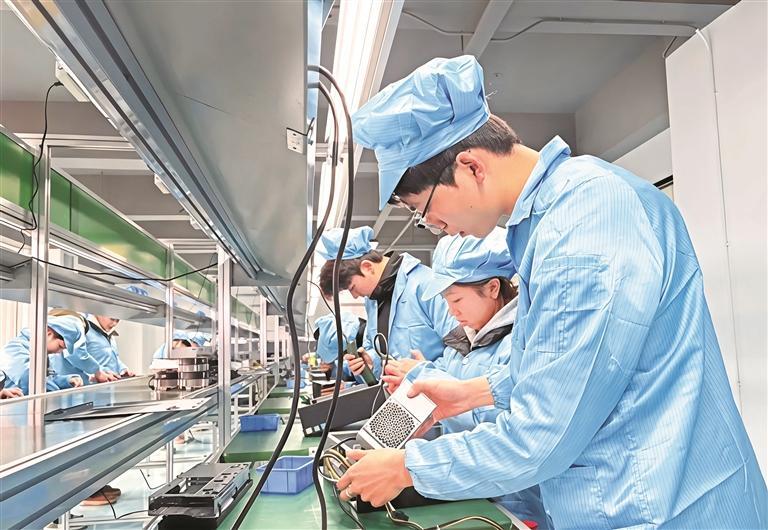
Core Insights - The "Campus Factory" model at Guizhou Food Engineering Vocational College integrates real production lines into educational settings, allowing students to gain hands-on experience that aligns with industry standards [2][3][4] - Guizhou Dongyou Electronics Group has successfully attracted attention from both domestic and international clients by merging educational resources with industry needs, enhancing the talent pipeline for the digital economy [2][4] Group 1: Educational Innovation - The "Campus Factory" features a smart assembly line that mirrors actual enterprise workshops, enabling students to transition smoothly into the workforce upon graduation [2] - Students engage in real production orders as "quasi-employees," which helps them acquire operational skills and understand quality standards and management processes [3] - The integration of a technology exhibition hall and smart classrooms allows students to interact with advanced manufacturing technologies and apply theoretical knowledge to practical challenges [3] Group 2: Industry Collaboration - The model addresses traditional issues in school-enterprise cooperation, such as information asymmetry and resource sharing, attracting over 50 delegations from Southeast Asia, Europe, and Africa [4] - Future plans include continuous investment in research and development to keep the "Campus Factory" aligned with industry advancements, as well as forming a "Production-Education Integration Alliance" to share resources and standards [4]
康养产业学院及实践基地落户海南陵水 政企行校协同助力自贸港康养发展
Yang Shi Wang· 2025-10-29 08:24
Group 1 - The establishment of the Sanya Vocational College of Technology's Health Industry College and off-campus practical teaching base marks a significant step in the integration of industry and education in Hainan's health industry [1] - The event was attended by government departments, industry associations, corporate representatives, and experts, highlighting the collaborative effort in advancing the health industry [1] - The college aims to develop a platform for health and life service disciplines, focusing on trends in health tourism and integration paths for industry and education [1] Group 2 - The health industry in Hainan is experiencing growth driven by changing societal needs, with a shift from "disease treatment" to "quality health care" [2] - Hainan's unique ecological resources and supportive policies position it as an ideal location for the health industry, particularly in areas like Sanya and Lingshui [2] - The upcoming 2025 closure of Hainan's island will introduce new policy benefits, including a regulatory model that promotes low operational costs for health enterprises [2] Group 3 - The current transformation of Hainan's health industry necessitates the cultivation of management talents who understand the market and possess operational skills [3] - Educational institutions are building platforms for health and life service disciplines, focusing on a "full lifecycle health management" approach that integrates medical health, sports rehabilitation, and health tourism [3] - The collaboration aims to enhance practical training for students, develop specialized courses, and promote deep integration of industry, academia, and research [3]
职教的前途在于与产业同频共振 镇江高等职业学校“现场把脉” 产教融合
Yang Zi Wan Bao Wang· 2025-10-28 06:25
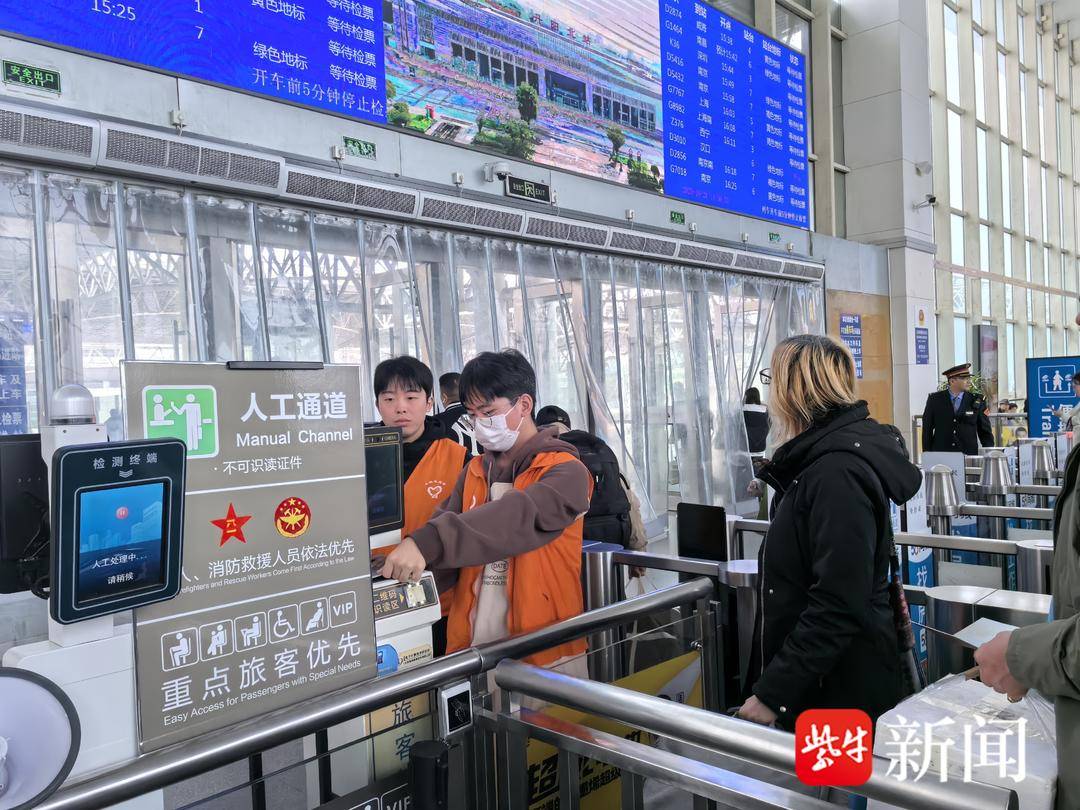
Core Insights - The visit by the vice president of Zhenjiang Higher Vocational School to Zhenjiang Railway Station highlights the importance of deepening industry-education integration through practical engagement with students in real work environments [1][3][5] Group 1: Student Engagement - Interns at Zhenjiang Railway Station are actively contributing to the service team, demonstrating their professional skills in various tasks such as passenger guidance and ticket verification [3] - The performance of the interns has received positive feedback from on-site corporate mentors, indicating their rapid growth and professionalism [3] Group 2: Industry-Education Collaboration - The visit served as a platform for effective discussions between the school and the enterprise regarding curriculum alignment and the cultivation of dual-qualified teachers [3] - The vice president emphasized the need for deeper integration with quality enterprises like Zhenjiang Railway Station to create better career pathways for students [5] - Future collaborations may include the establishment of industry colleges, aiming to set a new benchmark for regional industry-education integration [5]
走出实验室,融入产业链! 江科大近50 名青年博士赴镇江高新区对接技术需求
Yang Zi Wan Bao Wang· 2025-10-28 06:17
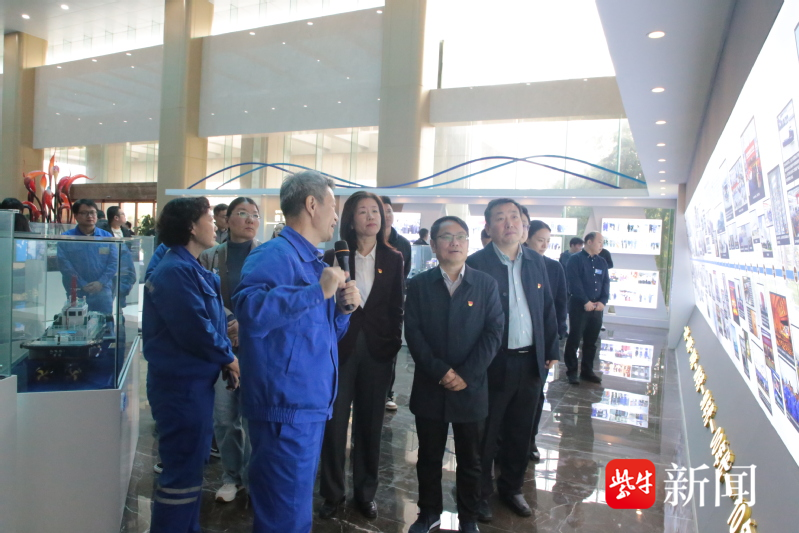
Core Insights - The event focused on "Double High Synergy" to promote collaboration between universities and high-tech zones, aiming to integrate innovation chains with industrial chains [1][8] - Jiangsu University organized a group of nearly 50 young PhD researchers to engage with the Zhenjiang High-tech Zone for learning and technology project matching [1][3] Group 1: Event Organization and Participation - The event was hosted by Jiangsu University in collaboration with various local organizations, attracting participation from young PhD teachers across multiple disciplines including marine engineering and automation [3] - Key university officials and local government representatives participated in the discussions, highlighting the importance of collaboration between academia and industry [3] Group 2: On-site Activities and Industry Engagement - The PhD group visited key platforms and enterprises, including advanced shipbuilding and marine engineering centers, to understand the integration of party-building culture with production operations [5] - The "workshop classroom" setup allowed direct interaction between PhD researchers and industry technical leaders, addressing current R&D challenges such as intelligent ship control systems and green power technologies [5] Group 3: Dialogue and Collaboration Mechanisms - A roundtable discussion facilitated in-depth exchanges on technical needs, policy support, and collaboration mechanisms between young PhDs and industry representatives [7] - The high-tech zone introduced initiatives like the "Red Sail Navigation" program to enhance cooperation and support for entrepreneurial activities among young researchers [7] Group 4: Future Directions - Jiangsu University and Zhenjiang High-tech Zone plan to continue their partnership, focusing on high-quality development in the marine engineering industry, driven by party leadership, industry orientation, and talent support [8]
产教融合“破题”人才瓶颈 山东职教赋能区域经济提质增效
Zhong Guo Xin Wen Wang· 2025-10-28 05:25
Core Insights - The integration of vocational education and local industries in Shandong is addressing talent shortages and enhancing regional economic development through specialized training programs [1][4]. Group 1: Industry Integration - Shandong's vocational education is closely aligned with local industries, exemplified by the establishment of the "Chatou Gourd Industry Education Alliance" to merge education with the gourd industry and rural revitalization [1]. - The gourd industry in Dongchangfu District has a planting area of over 30,000 acres, accounting for 75% of the national market share, generating an annual comprehensive benefit of 1.6 billion RMB [1]. - The "order-based training" model in Linyi City ensures that vocational schools tailor their programs to meet specific enterprise needs, resulting in over 500 skilled graduates annually [2]. Group 2: Educational Innovations - The Jining City vocational school has developed a professional system that aligns with the local economy, focusing on smart manufacturing and related fields [3]. - Partnerships with major companies like Lush Robot and Haier allow for practical training opportunities, enhancing students' hands-on skills and reducing the talent development cycle [3]. - The Huanzhou County Advanced Technical School has become a provincial-level artisan academy, expanding its enrollment in skilled trades and enhancing the flexibility of continuing education for workers [4]. Group 3: Employment Outcomes - Shandong has 547 vocational schools with 2.744 million students, maintaining a graduate employment rate of over 95% [4]. - More than 70% of new employees in key industries come from vocational schools, contributing to the emergence of skilled craftsmen and experts [4].
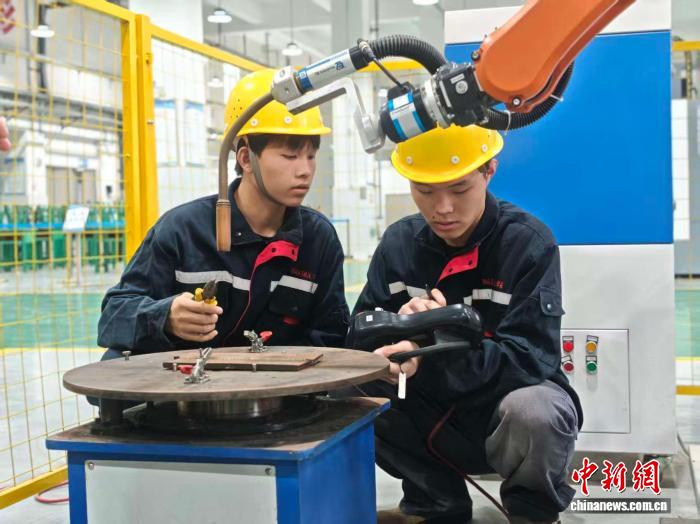
深化专业群产教融合 用科技与创新书写冷链物流新篇
Jing Ji Ri Bao· 2025-10-27 22:21
Core Viewpoint - The collaboration between Ice Wheel Environment Technology Co., Ltd. and Shandong Business Vocational College has significantly contributed to the training of high-quality professionals in the cold chain logistics industry, addressing the growing demand for talent in this sector [1][2]. Group 1: Collaboration and Talent Development - Ice Wheel Environment has been actively involved in training students through initiatives like the "Welding Flowers Illuminate Blue Youth" theme presentation and the recruitment of engineers for its industrial academy [1]. - The partnership has lasted nearly 50 years, resulting in the training of nearly 10,000 high-quality professionals for the cold chain refrigeration industry [1]. - The second phase of the "Double High Plan" has seen Shandong Business Vocational College's cold chain logistics program effectively leverage its brand effect to meet the urgent talent needs of the industry [1][2]. Group 2: Curriculum and Professional Training - The cold chain logistics program at Shandong Business Vocational College includes four key majors, focusing on the installation and operation of refrigeration equipment and addressing complex issues like "intelligent temperature control" and "supply chain optimization" [2]. - The curriculum is designed to be flexible, allowing for practical teaching that breaks down barriers between courses, enhancing the foundational knowledge of students [2][3]. - New emerging positions such as "Digital Operation Engineer for Refrigeration Systems" and "Green Low-Carbon Engineer" have been integrated into the curriculum to meet industry demands [3]. Group 3: Industry Integration and Innovation - The college has established a national cold chain logistics and energy equipment integration community, creating several provincial-level platforms for practical training and skill development [4]. - The collaboration with Ice Wheel Environment includes joint development of teaching materials and evaluation methods, ensuring a seamless integration of education and industry needs [4]. - The college aims to enhance its research capabilities by participating in national and provincial research platforms, contributing to significant technological advancements in the cold chain logistics sector [5]. Group 4: Future Directions and Contributions - Shandong Business Vocational College plans to continue strengthening its cold chain logistics program and deepen its collaboration with enterprises to innovate talent training models [5]. - The institution has already trained over 50% of the founders of small and micro enterprises in the refrigeration industry in Shandong Province, positioning itself as a key talent source for companies like Ice Wheel Environment [5]. - The college is committed to leveraging technology and innovation to support the development of the cold chain logistics industry, contributing to the high-quality development of modern agriculture in Shandong Province [5].
