
城市可持续发展

Search documents
国际能源、生态与环境大会聚焦韧性低碳城市建设
Sou Hu Cai Jing· 2025-08-31 17:11
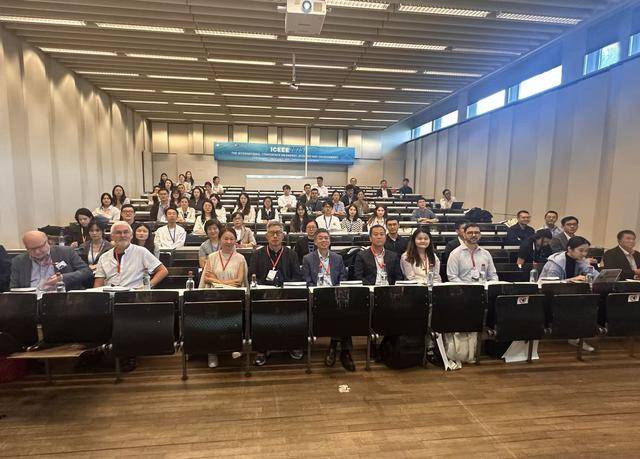
Core Viewpoint - The 2025 International Conference on Energy, Ecology, and Environment focuses on the construction of resilient low-carbon cities, addressing global challenges such as energy shortages and ecological degradation [2][3]. Group 1: Conference Overview - The conference is held in Berlin, Germany, and features over 100 participants from countries including China, Germany, the UK, the Netherlands, Australia, and India [2]. - This event marks the 13th annual meeting of the Sino-German Environmental and Energy Forum, emphasizing sustainable urban development and green transformation [2]. Group 2: Key Discussions - Experts highlight that resilient city construction is a complex endeavor that encompasses various aspects of development and security [2]. - New technologies such as digital twins and AI are seen as vital for injecting new momentum into the construction of resilient cities [2]. - A systematic and inclusive approach is necessary for low-carbon urban transformation, integrating technological innovation, policy design, and social needs to effectively address the climate crisis while building a more resilient and equitable urban future [2].

探索城市特色发展新动力
Ren Min Wang· 2025-08-20 22:53
Core Viewpoint - The article emphasizes the need for a transformation in urban development from a focus on scale and speed to one that prioritizes quality and unique characteristics, aligning with the new development stage and philosophy in China [1][2]. Group 1: Urban Development Transformation - Urban development is transitioning from rapid growth to stable development, focusing on quality improvement rather than mere expansion [1][2]. - The traditional growth model, reliant on investment, has led to homogenization and resource dispersion, necessitating a shift towards distinctive development strategies [1][2]. Group 2: Localized Development Strategies - Cities should leverage their unique resources and characteristics to drive innovation and foster distinctive development, creating new spaces for high-quality growth [2][3]. - Large cities should enhance functionality and collaborative synergies, while smaller cities should focus on developing niche industries for differentiated competition [3]. Group 3: Practical Examples of Successful Strategies - Some regions have successfully transformed urban spaces by revitalizing industrial heritage and enhancing waterfront areas, as seen in Shanghai's Huangpu River [4]. - Cultural empowerment through local heritage and festivals has been effective in cities like Jingdezhen and Weifang, showcasing diverse paths for cultural resource conversion into economic value [4]. - Digital transformation has been pivotal in cities like Hangzhou and Yiwu, demonstrating the vitality of the digital economy in urban governance and industry development [4]. Group 4: Policy Support for Urban Development - A robust policy framework is essential for supporting distinctive urban development, including market-oriented land reforms and diversified financing for urban renewal projects [5]. - Integrating production, living, and ecological spaces is crucial for sustainable urban development, necessitating coordinated planning and management [5]. - Establishing a unique city database and a tailored governance mechanism can help prevent homogenization and promote complementary advantages among cities [5].

“空调热浪”可能加剧城市暴雨
Ke Ji Ri Bao· 2025-07-29 23:34
Core Viewpoint - The research conducted by Professor Huang Jinhui's team at Nankai University reveals that the waste heat generated by air conditioning during cooling processes significantly alters urban weather patterns, potentially intensifying summer rainstorms in cities. This finding presents new challenges for extreme weather management and urban planning [1][2]. Group 1: Research Findings - The study focuses on the densely populated and energy-intensive coastal region of Shenzhen-Hong Kong, utilizing high-precision meteorological models to explore the impact of air conditioning waste heat on short-duration heavy rainfall [1]. - The results indicate that in scenarios where air conditioning is used, the peak intensity of short-duration heavy rainfall in Shenzhen increases by approximately 22%, while in Hong Kong, it rises by about 3%. The enhancement of rainfall is particularly pronounced in high-density, high-rise building areas [1]. Group 2: Mechanism of Impact - Air conditioning waste heat primarily increases the sensible heat flux at the urban surface, significantly raising urban surface temperatures and exacerbating the urban heat island effect. This additional heat causes air to rise more vigorously, making moisture in the urban atmosphere more likely to reach condensation height, thereby triggering or intensifying convective rainfall [1]. Group 3: Recommendations and Implications - In response to the rising frequency and intensity of short-duration rainstorms due to increased air conditioning usage amid global warming, the research team suggests two approaches: improving the energy efficiency of air conditioning units to reduce waste heat emissions and incorporating more green infrastructure in urban planning, such as increasing urban greenery and using cooling pavement materials to mitigate the urban heat island effect [2]. - This research provides important references for urban climate adaptation and infrastructure planning, particularly in high-density and rapidly urbanizing areas, highlighting the need for effective management and mitigation of the negative impacts of air conditioning waste heat for sustainable urban development [2].
转型关键期,学者共议房地产如何高质量发展
Zhong Guo Xin Wen Wang· 2025-07-28 15:56
Group 1 - The conference focused on promoting high-quality development in urban and real estate sectors, attracting nearly 400 participants from various fields [1] - Tsinghua University emphasizes the importance of interdisciplinary research in urban, housing, and real estate issues for sustainable economic and social development [1] - The current state of the Chinese real estate market is characterized by deep adjustments, industrial transformation, and institutional optimization, highlighting the need to understand the interactions between real estate and various socio-economic factors [1] Group 2 - The director of the MIT Real Estate Center pointed out that the housing market's ability to identify and capitalize on climate risks is a key challenge for sustainable urban development globally [2] - The conference included four roundtable discussions on topics such as international real estate market experiences, AI in real estate transformation, C-REITs, and urban renewal for high-quality development [2] - A total of 34 specialized seminars and a doctoral forum were held, facilitating effective communication and interaction among academia, industry, and government [2]
吉隆坡启动“平等包容的绿色城市”计划
Ren Min Ri Bao· 2025-07-27 22:13
Core Points - The Malaysian government has launched the "2040 Kuala Lumpur Local Blueprint" aimed at transforming Kuala Lumpur into an "equitable and inclusive green city" [1] - The Blueprint includes approximately 190 specific initiatives focusing on urban sustainable development, described by local media as a crucial guide for the city's development over the next 15 years [1] Urban Development Principles - The Blueprint outlines 12 development principles, emphasizing land suitability, infrastructure capacity, and the coordination of public utilities and the environment [1] - A key focus is on developing a more convenient public transportation system, with plans for an efficient, low-carbon public transport network allowing residents to access public transport within a 400-meter walking distance [1] - The goal is for 70% of Kuala Lumpur's population to use public transport in their daily lives by 2040 [1] Housing and Land Management - The Blueprint addresses the needs of low- and middle-income populations by planning to build 305,000 affordable housing units and renovate old residential areas by 2040 [1] - Sustainable land management practices will be implemented, including the revitalization of old districts, preservation of historical buildings, and enhanced suburban development, with 139 areas identified for redevelopment [1] Open Space and Community Health - The Blueprint sets a target of at least 20 square meters of urban open space per person, requiring over 4,700 hectares of green space [2] - A 254-kilometer green corridor network will connect various community parks, promoting a healthy and active lifestyle among residents [2] Demographic Considerations - The urban planning will increasingly focus on the welfare and basic service provision for both the elderly and youth populations, addressing the needs for elder care, healthcare, accessible public facilities, and improved education [2] Climate Resilience - To tackle environmental challenges, the Kuala Lumpur government plans to enhance resilience against climate change through climate adaptation plans, disaster management, renewable energy promotion, integrated waste management, and the construction of high-efficiency buildings [2] - The aim is to develop Kuala Lumpur into a climate-smart and low-carbon city by 2040 [2] Vision for the Future - The Mayor of Kuala Lumpur, Mahmudah Muhd Sharif, stated that the Blueprint is designed to address current urban development issues and ensure the city can cope with challenges such as traffic congestion, insufficient greenery, and inadequate public facilities [2] - The Blueprint is envisioned as an action plan to make Kuala Lumpur a livable and trustworthy investment destination, aiming for the development of an "inclusive city" [2]
人民日报评论员:把握历史方位坚持城市内涵式发展
news flash· 2025-07-17 00:33
Core Viewpoint - The article emphasizes that cities fundamentally belong to the people, and the driving force behind urban development lies in the capacity for sustainable development [1] Group 1: Urban Development - Urban conditions vary significantly across different regions, with disparities in resource endowments, geographical environments, development levels, and foundational conditions [1] - Effective urban management must be grounded in local realities, leveraging unique resource endowments to enhance technological and cultural empowerment [1] - The goal is to build core competitiveness and achieve differentiated development, avoiding homogeneous competition to strengthen internal development momentum and shape competitive advantages [1]
中国经验助力巴西东北部地区能源转型
Xin Hua Wang· 2025-07-15 07:04
Group 1 - Brazil's Northeast region is becoming a key area for energy transition, driven by renewable energy resources, with significant investments from Chinese companies like State Power Investment Corporation, China General Nuclear Power Group, and others [1] - The region has seen a rapid increase in installed renewable energy capacity, with 99.75% of energy in Piauí state being renewable [1] - The Brazilian National Economic and Social Development Bank is studying China's "sponge city" concept to enhance urban resilience against extreme climate events [1] Group 2 - China General Nuclear Power Group has been active in the Brazilian energy market for six years, planning to build a multi-energy complementary base in Piauí with over 1,400 MW capacity and an investment exceeding 3 billion Brazilian Reais (approximately 540 million USD) [2] - The establishment of a Sino-Brazil Clean Energy Innovation Center is planned to deepen cooperation in research and development, energy storage, and other areas [2] - The development of clean energy is viewed as a crucial opportunity for economic and social improvement in Brazil's Northeast region, enhancing the quality of life for residents [2]
Re:Think 2025可持续创意周开幕 全球创意力量汇聚成都高新区 共绘城市可持续发展新图景
Di Yi Cai Jing· 2025-07-09 10:20
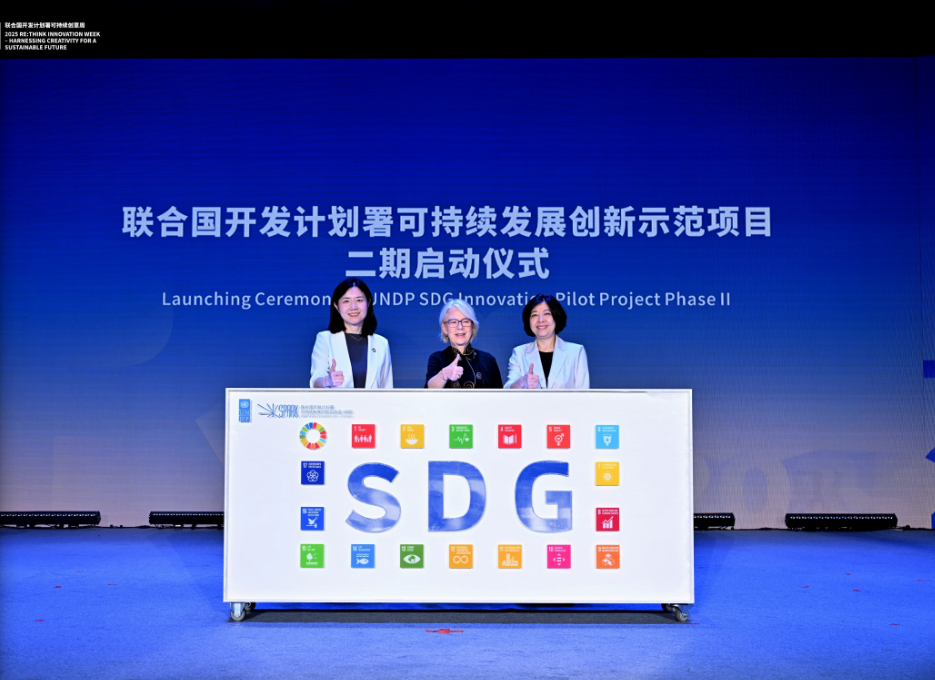
Group 1 - The Re:Think 2025 Sustainable Creative Week, themed "Creativity Leading a Sustainable Future," is hosted by UNDP with support from UNESCO and FAO, gathering global leaders in creative industries, urban planning experts, and technology innovators to discuss how the creative industry can empower urban IP development, drive economic growth, and enhance well-being [3][5] - The second phase of the UNDP Sustainable Development Innovation Demonstration Project was officially launched, aiming to enhance Chengdu High-tech Zone's innovation capabilities and deepen local implementation of the UN Sustainable Development Goals (SDGs) from 2025 to 2029 [4][11] - The event serves as a significant international exchange platform in Southwest China, supporting Chengdu High-tech Zone's innovation-driven development strategy and showcasing the potential of the creative economy in promoting urban sustainable development [5][11] Group 2 - The World Food Forum (China) Chengdu Project Office was inaugurated, focusing on three core areas: global youth action, promoting technological innovation, and investment initiatives to mobilize youth and drive agricultural transformation towards achieving SDGs [7] - A series of pre-event activities ignited a "creative sustainability" wave in Chengdu, including a light show and a sustainable creative night market, enhancing the city's innovative atmosphere [8][10] - The event week will focus on "innovation practice" and "industry empowerment," featuring training sessions for Chinese enterprises on UN procurement strategies, aiming to build a platform for understanding sustainable international public procurement [10][11] Group 3 - The Re:Think 2025 event is seen as a benchmark for the UNDP Sustainable Development Innovation Demonstration Project, which has already established a consulting committee, completed nine research reports, and conducted over 50 training sessions, impacting more than 2,400 global enterprises and over 1,000 Chengdu High-tech Zone companies [11][13] - The Chengdu High-tech Zone aims to leverage the Re:Think event as a window to showcase its international image and foster collaboration for sustainable development at both local and global levels [13]
中企承建的尼日利亚阿布贾N11道路正式启用
人民网-国际频道 原创稿· 2025-06-20 06:31
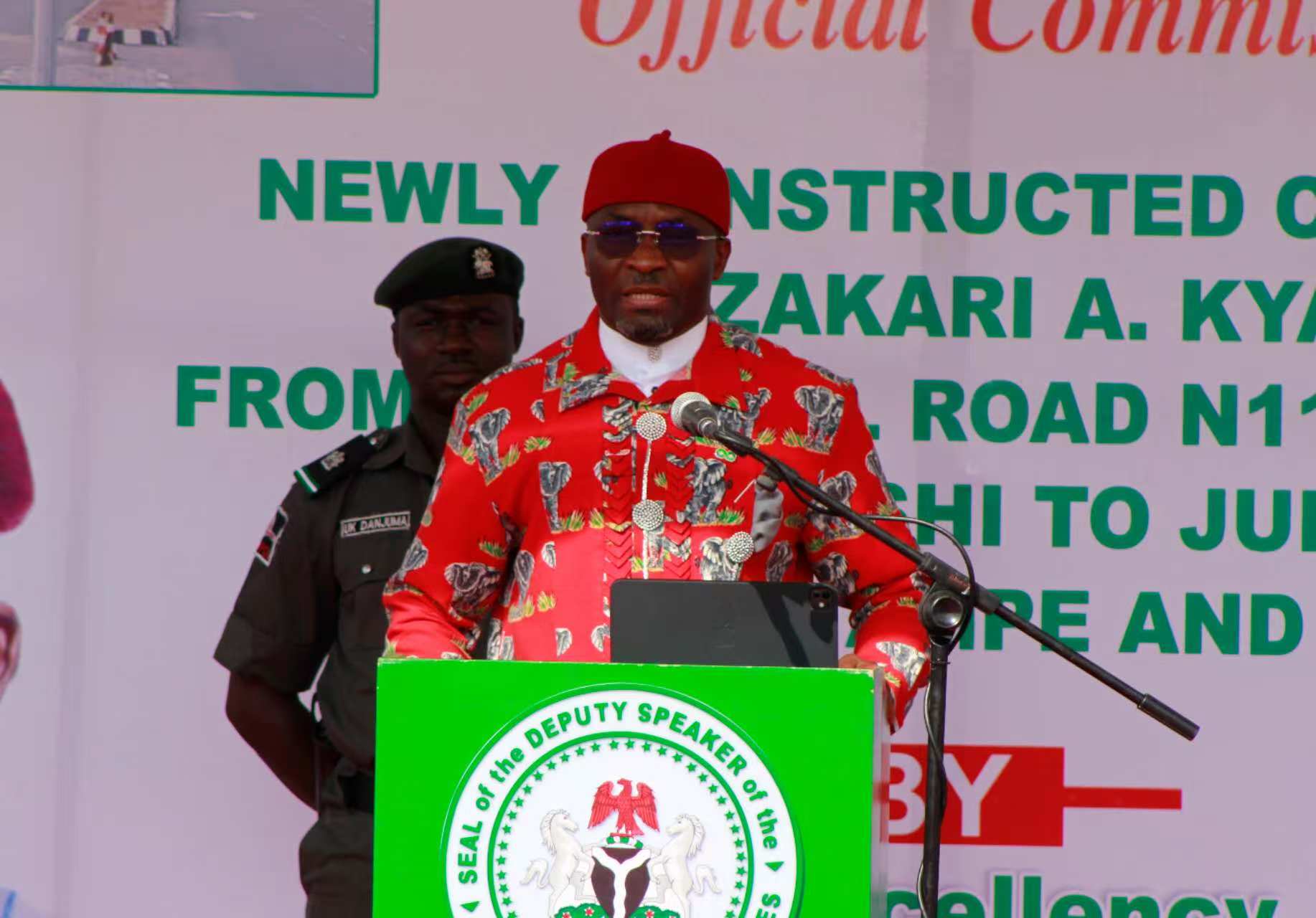
Core Viewpoint - The N11 road project in Abuja, Nigeria, constructed by China Overseas Nigeria Limited, has officially opened, marking the fourth project completed by the company in two weeks, showcasing its efficiency and commitment to infrastructure development in Nigeria [1][3][5]. Group 1: Project Significance - The N11 road serves as a critical infrastructure project that enhances connectivity among multiple communities, significantly improving regional transportation convenience and stimulating economic activity along the route [3][5]. - The project is expected to elevate land values in the surrounding areas, allowing local residents to directly benefit from the development, thus embodying the principle of "infrastructure benefiting the people" [5][6]. Group 2: Project Details - The N11 road spans 3 kilometers and connects key areas such as Mabushi and Katampe, including supporting infrastructure, and is vital for establishing Abuja's urban transportation hub [8]. - The project has alleviated long-standing traffic pressures in densely populated areas, positioning it as a strong engine for regional economic development and enhancing the city's overall image [8]. Group 3: Company Performance - China Overseas Nigeria Limited's project team adhered to strict quality standards and technical expertise, completing the project four months ahead of schedule, aligning with the Nigerian government's urban infrastructure development goals [6][7]. - The project incorporates solar-powered intelligent lighting systems, promoting safety and reducing municipal energy consumption, thus exemplifying a commitment to "green infrastructure" and sustainable urban development [6].
首届中德城市峰会探讨城市可持续发展之路
Xin Hua Wang· 2025-06-18 01:22
Group 1 - The first China-Germany City Summit was held in Frankfurt, Germany, with over 100 government officials and business representatives from more than 20 cities participating to discuss friendly city cooperation and sustainable urban development [1][2] - Since 1982, 105 pairs of friendly provincial and city relationships have been established between China and Germany, with increased local exchanges contributing to the development of bilateral relations [1] - The summit provided a platform for cities to learn and collaborate, focusing on practical exchanges in low-carbon and climate-adaptive development and innovation [1] Group 2 - The summit reflects a strong willingness to enhance urban cooperation, showcasing the vitality and efficiency of China-Germany city collaboration [2] - Recent high-frequency and high-quality exchanges between local governments illustrate the mutual benefits and strong cooperation demand at the local level [2] - The summit was co-hosted by the German International Cooperation Agency, the Chinese People's Association for Friendship with Foreign Countries, and the Chinese Consulate General in Frankfurt [3]