房产税

Search documents
李嘉诚预言又说中了!我国手握“2套房”的家庭,或面临3个结果
Sou Hu Cai Jing· 2025-09-22 02:06
Core Viewpoint - The real estate market in China is experiencing a significant downturn, with property prices declining sharply, particularly in first-tier cities, leading to substantial financial losses for investors who relied on real estate for wealth accumulation [1][3]. Group 1: Market Trends - Property prices in Shanghai have dropped from over 90,000 yuan per square meter to over 60,000 yuan, representing a decline of more than 30% [1]. - The decline in property values is not limited to second and third-tier cities; even core areas of first-tier cities are beginning to show signs of price correction [3]. Group 2: Investor Challenges - Investors holding multiple properties are facing four major challenges: continuous asset depreciation, liquidity issues, unsustainable rental income, and rising holding costs [1][4][6][10]. - The number of second-hand homes listed for sale has surged, with Beijing exceeding 147,000 listings and Shanghai reaching 170,000, complicating the ability to liquidate assets [6]. Group 3: Financial Strain - The "rent-to-pay mortgage" model is failing as rental incomes are plummeting; for instance, a landlord in Shanghai saw monthly rental income drop from 6,500 yuan to 4,800 yuan, resulting in a monthly loss of 2,000 yuan [8]. - Holding costs for properties are increasing due to rising expenses such as property management fees and potential property taxes, which are expected to expand to more cities in the near future [10][11]. Group 4: Strategic Recommendations - Investors are advised to consider selling excess properties at lower prices while the market still has some activity, as this may be the only viable option to avoid deeper financial troubles [13].

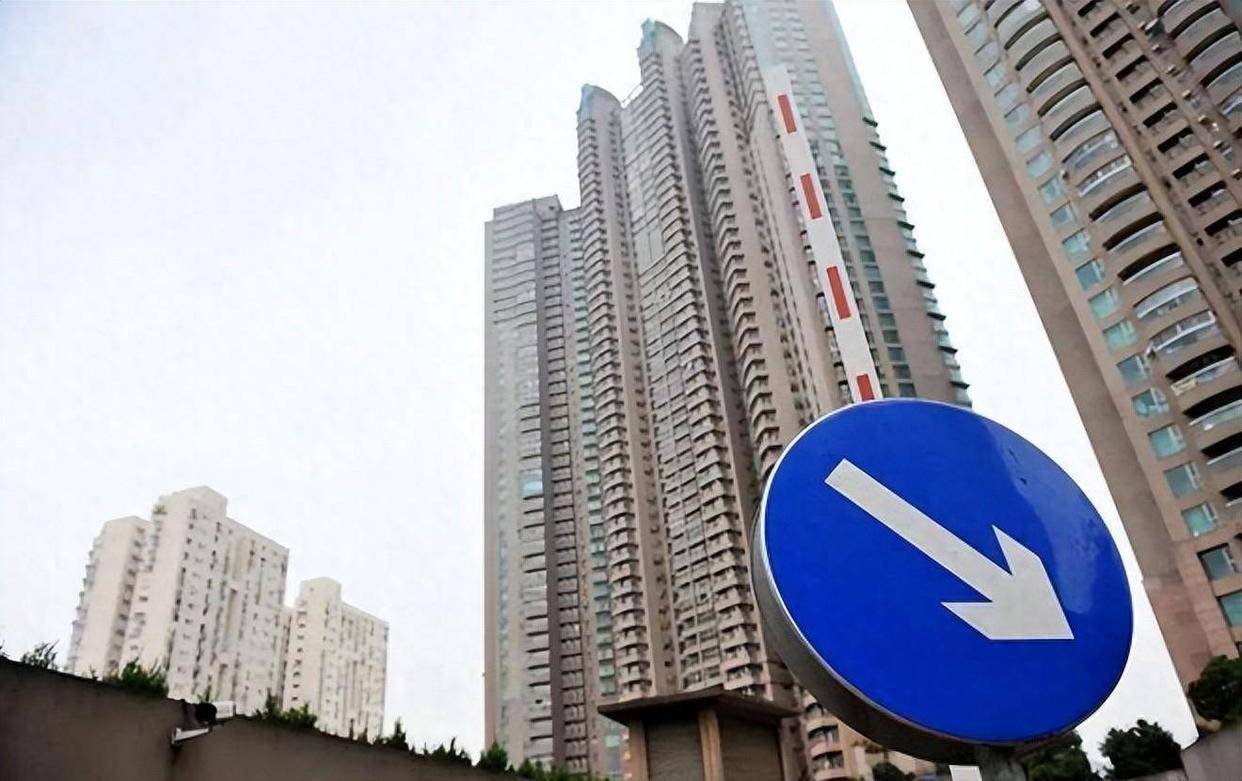
医疗卫生机构是否需要缴纳房产税、城镇土地使用税?
蓝色柳林财税室· 2025-09-16 01:08
Core Viewpoint - The article discusses tax exemption policies for profit-oriented medical institutions, specifically regarding property and land taxes, and the conditions under which these exemptions apply [1][2]. Group 1: Tax Exemption for Profit-Oriented Medical Institutions - Profit-oriented medical institutions can enjoy a three-year exemption from property tax and urban land use tax for self-owned properties used for medical services, starting from the date of obtaining their practice registration [1]. - After the three-year exemption period, these institutions will be subject to the regular tax obligations [1]. Group 2: Tax Obligations for Rental Properties - Medical institutions, whether profit-oriented or non-profit, must pay property and land taxes on any properties rented out to other entities, such as medical beauty institutions, and cannot benefit from the tax exemption policy for these rental properties [2]. Group 3: Tax Obligation Termination Procedures - Taxpayers should terminate their tax obligations for property and land taxes through the electronic tax bureau, ensuring to keep relevant documentation for future reference [4]. - The process involves selecting the appropriate tax source details and submitting the termination request with the relevant dates [5][8][9].

楼市下行,不止这么几年
Sou Hu Cai Jing· 2025-09-13 17:03
Core Viewpoint - The real estate market is facing significant challenges, with property prices declining despite new infrastructure developments, indicating a pessimistic outlook for the sector [1][2]. Market Conditions - Property prices in a previously monitored community have dropped from 90,000 to 68,000, even with the upcoming construction of a subway line [1]. - A foreign institution has revised its forecast for the real estate market's bottoming out from Q2 2025 to the end of 2026, highlighting the severity of the current situation [1]. Financial Constraints - Local government land sales are projected to generate approximately 8.5 trillion, a decrease of 4 trillion compared to 2022, with many second-tier cities experiencing land auction failures exceeding 40% [3]. - The current financial environment shows a lack of funds for significant market interventions, with only about 1 trillion of the estimated 6 trillion needed for market stabilization being available [4]. Demand and Credit Conditions - Despite the financial strain, the current mortgage environment is relatively lenient, with down payments as low as 15% and easier access to loans, even for older individuals [4]. - The demand for housing is expected to shift towards new properties due to changes in housing standards and resource allocation [6]. Future Outlook - The resolution of current market issues hinges on several conditions, including the influx of capital from potential U.S. interest rate cuts and addressing the underlying demand deficiencies [5][6]. - The potential introduction of property taxes may signal a shift in market dynamics, contingent on the fulfillment of the aforementioned conditions [5][8]. Historical Context - The current property prices are seen as artificially inflated due to leverage, with real income growth not keeping pace, leading to an inevitable correction [9]. - The market has experienced a prolonged upward trend over 20 years, suggesting that the subsequent downturn may last longer than anticipated [10].
李嘉诚预言说准了!我国手握“2套房”的家庭,或将注定这3个结果
Sou Hu Cai Jing· 2025-09-07 23:45
Core Viewpoint - The real estate market in China is experiencing a significant downturn, with property prices declining for 30 consecutive months, leading to a shift in investment sentiment and financial pressure on homeowners [3][5][15] Market Trends - Property prices in major cities have seen drastic reductions, with some areas experiencing declines of up to 45%, while secondary markets are struggling with high inventory levels and low demand [7][9] - The rental market is also under pressure, with landlords forced to lower rents significantly to attract tenants, resulting in negative cash flow for many property owners [11][15] Homeowner Challenges - Nearly 45% of urban households own two or more properties, creating a financial burden as property taxes and maintenance costs rise, while rental income remains stagnant [5][11] - Many homeowners are facing increased financial strain due to job losses and salary reductions, making it difficult to manage mortgage payments [5][11] Policy Implications - The government is introducing new housing policies aimed at increasing affordable housing supply, which may further impact the rental market and property values [11][13] - Initiatives such as the "old for new" policy and reduced down payment requirements for first-time buyers signal a potential shift towards supporting homebuyers [13][15] Investment Strategies - Some investors are beginning to divest from non-core assets and pay down mortgages to alleviate financial pressure, indicating a strategic shift in response to market conditions [13][15] - The current market dynamics suggest that holding onto properties may not be as beneficial as previously thought, prompting a reevaluation of investment strategies [15]
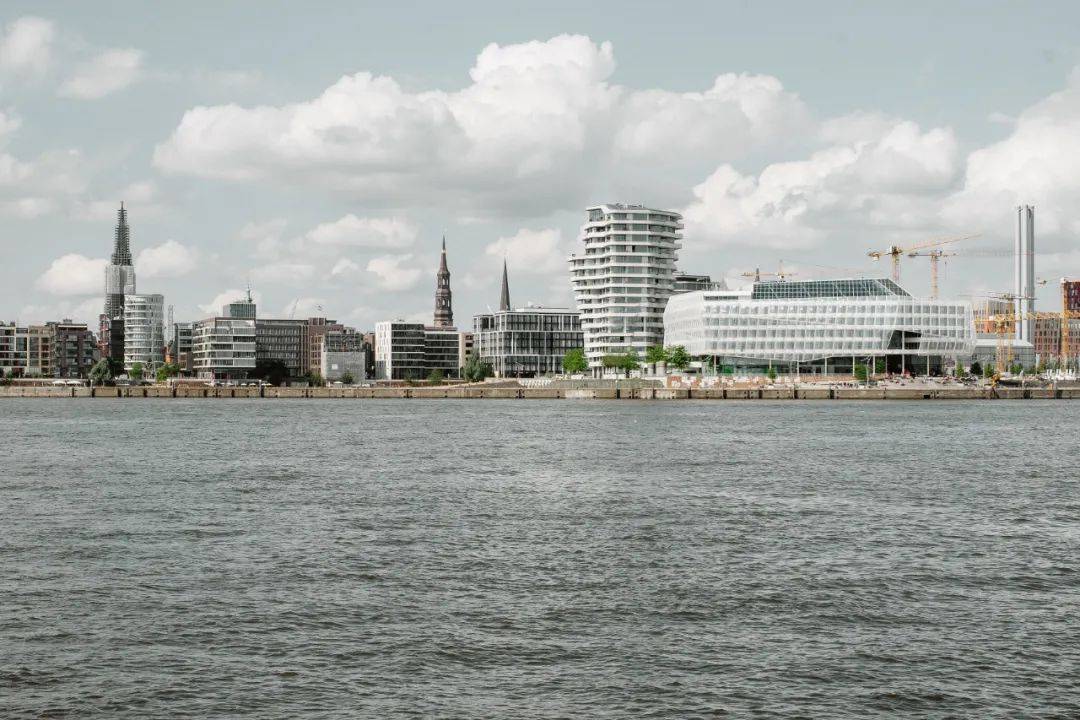
6亿栋!住建部已查清全国住房数量,楼市或将迎来新变革?
Sou Hu Cai Jing· 2025-09-02 07:27
Group 1 - The core issue of housing oversupply is highlighted by the existence of nearly 600 million buildings and over 7.53 million second-hand homes available for sale by May 2025, indicating a significant surplus in the real estate market [2][4] - Despite the oversupply, approximately 200 million people in the country cannot afford to buy homes and are forced to rent, showcasing a stark contradiction in the housing market [4][5] - The average price of new residential properties in 100 cities was reported at 16,877 yuan per square meter, while the average price for second-hand homes was 13,892 yuan per square meter, indicating that high prices persist despite the surplus [5][7] Group 2 - The government is no longer encouraging large-scale land acquisition and construction, aiming to provide a clearer picture of housing supply to promote healthy market development [9][10] - Concerns about real estate bubbles are growing, with experts emphasizing that housing supply should be aligned with population growth and demographic trends to ensure market stability [10][12] - The introduction of property taxes is anticipated, which could pressure speculators to exit the market, leading to a more rational real estate environment and stabilizing prices [14][16] Group 3 - The rising non-performing loan rates in banks pose risks to the financial system, as real estate companies struggle to sell their properties and repay debts, potentially leading to increased bank defaults [18][19] - The interconnection between housing oversupply and bank risks suggests that measures taken by banks, such as tightening loan approvals, could further impact the real estate market and consumer behavior [19][20] - Overall, the data released by the Ministry of Housing and Urban-Rural Development signals a transformative phase in the housing market, necessitating prudent decision-making to mitigate financial risks [22]
房价下跌已成定局?未来五年,三大难题与你有关!
Sou Hu Cai Jing· 2025-09-01 06:46
Core Viewpoint - The article discusses the ongoing decline in housing prices across China, highlighting three major challenges that will impact consumers in the next five years, including real estate company debt issues, the introduction of property taxes, and oversupply in the housing market [1][3][4]. Group 1: Housing Price Decline - Nationwide, 68% of cities have seen new home prices drop, with 82% of cities experiencing declines in second-hand home prices [3] - In first-tier cities, Beijing's new home prices fell by 3.6% year-on-year, while Guangzhou's second-hand home prices dropped by 6% [3] - In third and fourth-tier cities, some areas have seen significant price drops, such as Yantai's second-hand home prices falling below 11,000 yuan per square meter [3] Group 2: Reasons for Price Decline - Real estate company debt crises are escalating, with over 300 companies filing for bankruptcy in 2024, leading to increased risks of unfinished projects [4] - A reversal in supply-demand dynamics is evident, with population outflows in third and fourth-tier cities, while first-tier cities face tightened land supply [4] - Policy measures, including the expansion of property tax trials, are increasing the cost of holding multiple properties [5] Group 3: Future Challenges - Challenge 1: Navigating real estate company debt risks, with over 1 billion yuan in overseas debt maturing in 2025 [6] - Challenge 2: The impending implementation of property taxes in major cities, potentially leading to significant annual tax burdens for homeowners [7] - Challenge 3: Oversupply in the housing market, particularly in third and fourth-tier cities, with some areas experiencing a 36-month inventory turnover period [8] Group 4: Official Recommendations - For prospective buyers, prioritizing the purchase of existing homes and focusing on projects from state-owned enterprises is advised [10] - Current homeowners are encouraged to consider asset optimization strategies, such as participating in local government housing exchange programs [10] - Utilizing official channels for policy updates and housing market data is recommended to make informed decisions [11][12] Group 5: Conclusion - The article concludes that while housing prices are expected to continue declining, opportunities exist in core city assets that are likely to retain value, contrasting with the challenges faced by less economically supported third and fourth-tier cities [13]
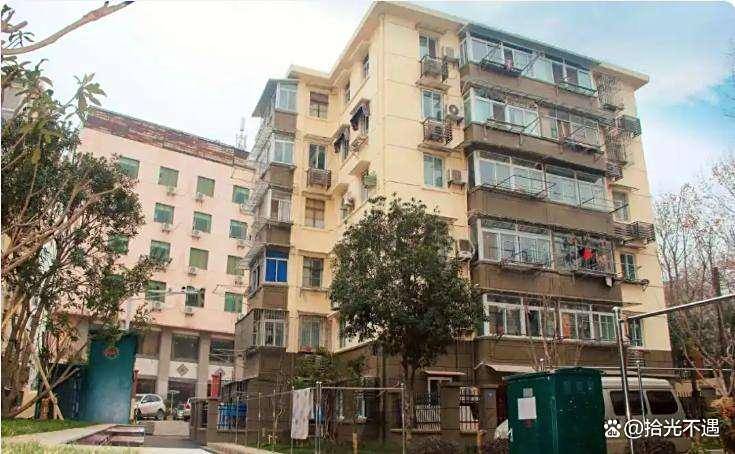
房屋租赁要交哪些税费?
蓝色柳林财税室· 2025-08-30 07:36
Taxation Overview - The article discusses various tax rates applicable to individuals and businesses in the context of property rental income, including personal income tax, property tax, and urban maintenance and construction tax [3][4]. Personal Income Tax - Rental income from individuals subletting properties is subject to personal income tax, calculated under "property rental income" at a reduced rate of 10% for individuals renting out residential properties. For non-residential properties, the tax rate is 20% [3]. - Deductions for property rental income include taxes paid to the landlord, rent paid, and actual expenses incurred by the taxpayer, with specific deduction standards based on income levels [3]. Property Tax - Property tax is based on rental income, with a standard rate of 12%. For individuals renting out residential properties, a lower rate of 4% applies. From January 1, 2023, to December 31, 2027, property tax is halved [3]. Business Rental Tax - Businesses renting out properties can choose between simplified and general taxation methods, with rates of 5% and 9% respectively. For housing rented to individuals, a reduced rate of 1.5% applies under the simplified method [3].

税费“易错”笔记 |房土两税“坑”在哪?易错点轻松Get!
蓝色柳林财税室· 2025-08-30 01:12
Group 1 - The article discusses the inclusion of immovable auxiliary equipment and supporting facilities in the property value for property tax assessment, emphasizing that these should be included regardless of their accounting treatment [4] - When replacing auxiliary equipment and facilities, the value of the original items can be deducted from the property value for tax purposes, while easily damaged parts that require frequent replacement are not included in the property value [4] - For rental properties with a rent-free period specified in the lease agreement, the property owner must still declare and pay property tax based on the property value during the rent-free period [6][7] Group 2 - Underground structures that serve a functional purpose, such as underground parking and storage, are subject to property tax if they meet the criteria of having a roof and maintenance structure [8] - Exempt units' self-used land is not subject to urban land use tax, but any land rented out must be declared and taxed accordingly [9]

房土两税是什么?
蓝色柳林财税室· 2025-08-25 01:05
Tax Rates and Calculation Methods - The tax rates for property in Qingdao vary by district, with urban areas ranging from 4.8 to 12.8 yuan per square meter, while other districts range from 4.8 to 9.6 yuan [3][5] - For rental income, the tax is calculated at 12% or a reduced rate of 4% for individuals renting out housing [3][5] - The taxable amount for property tax is calculated based on the original value of the property, with a deduction ratio of 30% applied in Qingdao [4] Tax Obligation Timing - Tax obligations for newly purchased properties begin the month after the property is delivered for use [6] - For existing properties, the tax obligation starts the month after the transfer of ownership is registered [6] - Rental properties incur tax from the month following their delivery for rental [6][7] Exemptions and Special Policies - Certain properties are exempt from property tax, including those used by government agencies, military, and religious institutions [9] - Land used for public purposes, such as parks and streets, is also exempt from land use tax [9]