文化与科技融合

Search documents
当文化遇见科技:中国文化产业新潮奔涌
Zheng Quan Shi Bao· 2025-10-21 17:26
Core Insights - The cultural industry is a significant support for social and economic development, directly creating value and driving surrounding consumption, while "cultural+" empowers traditional industries, enhancing their structure and value-added [1] Industry Growth - During the 14th Five-Year Plan period, China's cultural industry has experienced prosperous development, with micro-short dramas emerging globally, and the animated film "Ne Zha" topping the global box office [1][2] - The micro-short drama market is projected to exceed 50 billion yuan in 2024, surpassing annual film box office for the first time, indicating a new trend in content creation [2] Cultural Consumption - The live performance market is thriving, with ticket sales reaching 29.636 billion yuan in 2024, a 66% year-on-year increase, and further growth expected in 2025 [3] - Various consumer promotion initiatives have been launched, with 210,000 related activities held in 2024, distributing 2.3 billion yuan in subsidies, driving consumption by over 140 billion yuan [3] International Expansion - Cultural enterprises are accelerating their international presence, with Pop Mart's revenue growing from 1.77 billion yuan in 2020 to 13.04 billion yuan in 2024, with nearly 40% of revenue coming from overseas [4] - The overseas sales revenue of self-developed games reached 18.557 billion USD in 2024, a 13.39% increase, with over 9.5 billion USD achieved in the first half of the year [5] Film and Television Export - The trend of domestic films being released overseas has become the new norm, with the animated film "Ne Zha" grossing approximately 1 billion yuan overseas this year [6] - The cultural industry is moving from sporadic exports to bulk outputs, breaking regional and cultural barriers [6] Technological Integration - The integration of technology in the cultural industry is crucial for driving innovation and efficiency, with R&D spending by large cultural enterprises reaching 162.5 billion yuan in 2024, a 1.7% increase from the previous year [8] - New cultural business models have emerged, with revenues from new cultural formats exceeding 5.9 trillion yuan in 2024, accounting for over 40% of the cultural industry, reflecting an 88% increase since 2020 [8] Strategic Development - Continuous and forward-looking investment in cutting-edge technologies is essential for enhancing the cultural industry's core competitiveness and ensuring long-term growth [9] - The cultural industry is focusing on high-quality development, contributing to the construction of a modern industrial system and supporting national economic goals [9]



促文化名片变发展品牌(现场评论)
Ren Min Ri Bao· 2025-10-20 22:01
Group 1 - The integration of culture and technology is driving economic prosperity and enhancing cultural experiences, as seen in the immersive experiences offered at M511 Light and Shadow Hub in Hangzhou [1] - The "Eight-Eight Strategy" proposed by Xi Jinping emphasizes leveraging cultural advantages and promoting cultural innovation through a symbiotic system of culture, technology, industry, and talent [1] Group 2 - The West Lake District has invested over 50 million yuan in cultural creative funding over the past three years, establishing a comprehensive support system for cultural enterprises [2] - The success of cultural products like the game "Black Myth: Wukong" and the animated film "Chang'an 30,000 Li" highlights the importance of platforms like the Yichuang Town in fostering creative industries [2] Group 3 - Revitalization of idle spaces in cities through cultural initiatives has increased their attractiveness, with the East Nest Art Park receiving over 20 million visitors and generating over 600 million yuan in revenue [3] - The combination of cultural richness and innovative industries in Zhejiang is expected to enhance economic growth and create a harmonious balance between material wealth and spiritual richness [3]
坚定文化自信 建设文化强国丨一脉文渊百年传
Zhong Yang Ji Wei Guo Jia Jian Wei Wang Zhan· 2025-10-17 00:12
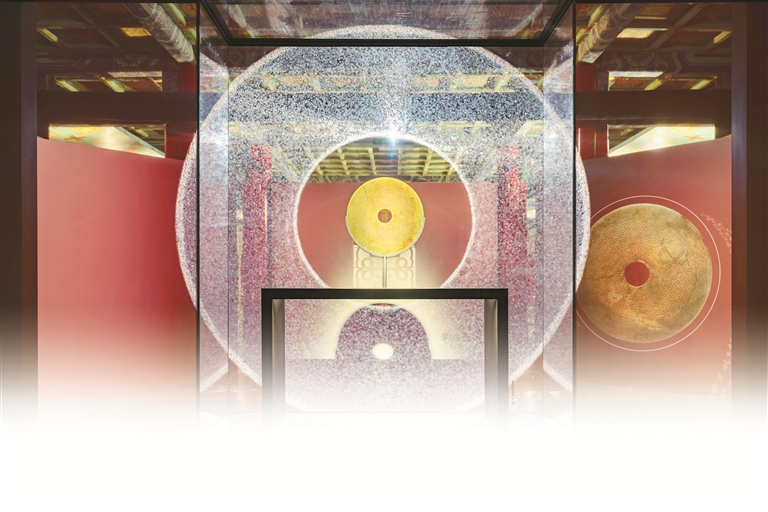
Core Viewpoint - The exhibition "A Century of Guardianship: From the Forbidden City to the Palace Museum" showcases the historical significance and cultural heritage of the Palace Museum, celebrating its 100th anniversary and emphasizing the importance of preserving and promoting Chinese civilization [8][10][12]. Group 1: Exhibition Overview - The exhibition features 200 precious artifacts selected from over 1.95 million items in the museum's collection, highlighting the continuity of Chinese cultural heritage over the past century [10][12]. - Artifacts on display range from the Shang and Zhou dynasties to the Qing dynasty, including bronze vessels, paintings, and exquisite porcelain [10][11]. - The exhibition aims to demonstrate the Palace Museum's role in safeguarding Chinese cultural heritage amidst historical upheavals [12][14]. Group 2: Historical Context - The Palace Museum was established on October 10, 1925, transforming from a restricted imperial space into a public museum, allowing access to historical treasures [9][10]. - During the Second Sino-Japanese War, the museum undertook significant efforts to protect its artifacts by relocating them to safer areas, showcasing a commitment to cultural preservation [12][13]. - The return of artifacts after the war symbolizes the resilience of Chinese culture and the importance of maintaining cultural identity [12][13]. Group 3: Cultural Significance - The artifacts serve as a testament to the continuity, innovation, unity, inclusiveness, and peace of Chinese civilization [11][14]. - The Palace Museum's collection reflects the creativity and wisdom of the Chinese people, embodying a shared cultural memory [11][14]. - The exhibition emphasizes the need for cultural heritage to be preserved and passed down through generations while also adapting to contemporary contexts [16][17]. Group 4: Modern Innovations - The Palace Museum has embraced modern technology to enhance the preservation and presentation of its artifacts, including digitalization efforts that allow for broader public access [16][17]. - Innovative projects, such as the "Digital Palace Museum," have made over 1 million artifacts digitally accessible, promoting cultural engagement [17]. - The integration of technology and culture aims to revitalize historical narratives and connect them with contemporary audiences [17].
世界知识产权组织总干事邓鸿森:真正的创造并不抛弃传统
Zhong Guo Xin Wen Wang· 2025-10-17 00:00
Core Viewpoint - The Director-General of the World Intellectual Property Organization, Daren Tang, emphasizes that true creativity does not abandon tradition but rather allows tradition to gain new significance in a modern context [1][3]. Group 1: Cultural and Technological Integration - Daren Tang highlights the need for the integration of culture and technology, suggesting that technology should carry culture while culture should inspire technology [3]. - He uses the example of the classic Chinese novel "Water Margin," which has been disseminated through woodblock printing and continues to be reinterpreted through films, comics, and songs, demonstrating the empowering role of technology in cultural transmission [3]. Group 2: Trends in the Global Creative Economy - Tang identifies three major trends in the global creative economy: the central role of digital technology as a driving force, the expansion of the innovation geography towards Asia, Africa, and Latin America, and the shift in economic growth from tangible trade to intangible assets [3].
抓住文化消费增长新机遇
Jing Ji Ri Bao· 2025-10-11 05:53
Core Insights - The strong cultural consumption trend indicates a shift in China's consumption structure from basic survival needs to a focus on quality and experience-driven spending, supported by rising disposable income and improved social security [2][3] Group 1: Cultural Consumption Trends - During the "Golden Week" of 2024, per capita cultural and entertainment spending reached 955 yuan, a 67.8% increase from 2020, outpacing overall consumption growth [1] - Cultural consumption is characterized as "high-income elastic" spending, reflecting a willingness to pay for enriching experiences beyond basic needs [2] Group 2: Economic Impact - Cultural consumption is driving growth in various service industries such as film, performing arts, tourism, and sports, which are typically green, low-carbon, and high value-added sectors [2][3] - The diversification of cultural consumption is providing sustained momentum for expanding overall consumer spending, especially as traditional commodity consumption growth slows [2] Group 3: Innovation and New Business Models - The integration of cultural IP with modern manufacturing is leading to new business models and industries, such as "Guochao" fashion and cultural creative products, enhancing the value chain from manufacturing to creation [3] - Emerging technologies and new business models like membership and subscription services are flourishing due to the vibrant market demand for cultural experiences [3] Group 4: Strategic Significance - Cultural consumption is becoming a direct representation of national cultural soft power, with successful cultural products gaining international recognition and contributing to a modern national image [3] - The growth of cultural consumption signifies a transition towards a high-quality development stage focused on spiritual enrichment, emphasizing the need to leverage cultural resources and enhance cultural experiences [4]
勇担新时代文化使命——从北京文化论坛看全国文化中心建设新进展
Xin Hua She· 2025-09-25 00:33
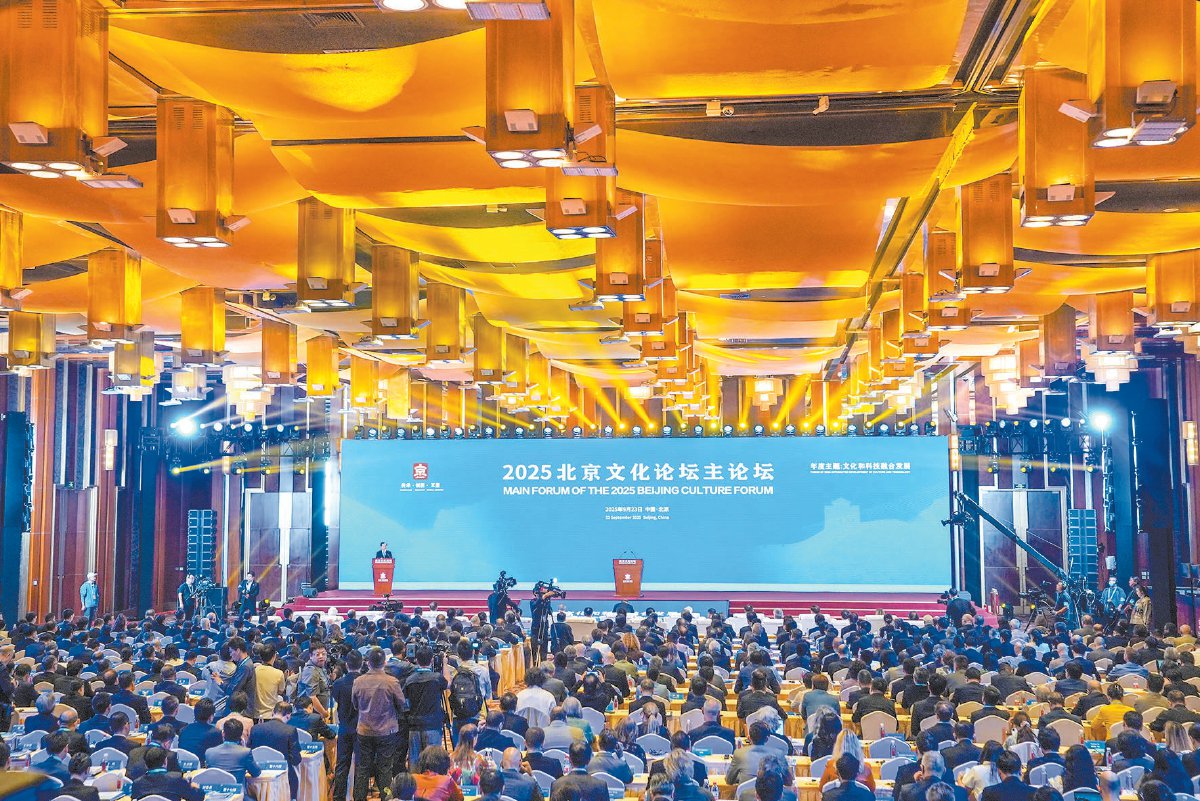
Core Points - The 2025 Beijing Cultural Forum, themed "Integration of Culture and Technology," gathered over 800 guests from 58 countries to promote cultural prosperity and civilizational exchange [1] - President Xi Jinping emphasized Beijing's historical significance and its role as a witness to the continuity, innovation, unity, inclusiveness, and peacefulness of Chinese civilization in his congratulatory letter [1] - Beijing has been actively implementing Xi Jinping's cultural thoughts, focusing on becoming a national cultural center through various initiatives, including heritage protection and the development of cultural industries [1][8] Group 1: Cultural Development Initiatives - Beijing's cultural initiatives include the successful application for World Heritage status for the central axis, leading to over 100 cultural heritage protection projects [8] - The city is promoting the preservation and revitalization of historical areas through "micro-renovation" instead of large-scale demolition, restoring the spatial layout of the old city [6] - The "Beijing Central Axis Protection and Inheritance Three-Year Action Plan (2025-2027)" aims to enhance the restoration of historical sites along the central axis [8] Group 2: Cultural and Technological Integration - The integration of culture and technology is seen as a driving force for the creative transformation and innovative development of traditional Chinese culture [11] - Digital technologies are being utilized to enhance cultural experiences, such as interactive exhibitions that bring historical artifacts to life [13] - The cultural industry in Beijing showed strong growth, with cultural new economy enterprises achieving revenues of 880.88 billion yuan, a year-on-year increase of 15.9% [13] Group 3: International Cultural Exchange - The forum featured various events, including parallel forums and professional salons, aimed at fostering international cultural exchange [14] - Beijing serves as a cultural bridge, facilitating dialogue and interaction between different cultures, as evidenced by the participation of poets from Latin America and China [16] - The city is enhancing its global cultural presence through initiatives like the "Beijing Gifts" exhibition and the promotion of Chinese creative IPs abroad [18][20]


景俊美:文化科技融合赋能城市发展
Jing Ji Ri Bao· 2025-09-25 00:07
Group 1 - The 2025 Beijing Cultural Forum emphasizes the integration of culture and technology, marking a new phase in Beijing's cultural development and exploring deeper connections between culture and urban growth [1][3] - The forum introduces innovative formats, including the establishment of a permanent "Beijing Cultural Forum Salon" at 17 historical cultural sites, transforming them into ongoing cultural exchange spaces [1][2] - The forum's theme reflects a strong focus on cultural and technological integration, highlighting Beijing's dual role as a cultural and technological innovation center [3][4] Group 2 - The cultural industry is becoming a significant pillar of Beijing's economic development, with a reported revenue of 20,951.5 billion yuan in 2024, representing a 7.6% year-on-year growth [4] - The forum's activities, such as the Cultural Industry Investors Conference, aim to promote resource integration and innovative collaboration in the cultural and technological sectors [4] - The successful hosting of the forum signifies a new step in the integration of cultural construction and urban development in Beijing, fostering a new urban development ecology that blends tradition with modernity and technology with humanity [4]

双向融合,绘制文化科技崭新图景
Bei Jing Ri Bao Ke Hu Duan· 2025-09-24 00:51
本报记者 高倩 韩轩 昨天,2025北京文化论坛盛大启幕。作为全国文化中心和国际科技创新中心,北京深入学习贯彻落实习近平总书记重要讲话精神,把文化建设放在全局工作 的突出位置,以更开放的姿态推动文化与科技双向融合。本届论坛邀请中外嘉宾围绕培育文化领域新质生产力、信息时代的文化创造和传播方式变革、人工 智能对文化发展的影响、数字文化产品和服务的高效供给等前沿议题展开演讲交流,充分探讨文化和科技融合的有效机制,以技术为笔、文化为墨,绘制文 化科技融合发展的崭新图景,为推动构建人类命运共同体、不断丰富和发展人类文明新形态贡献智慧力量。 围绕永久主题"传承·创新·互鉴"和年度主题"文化和科技融合发展",主论坛上,多位中外嘉宾呼吁深入践行全球文明倡议,搭建文化之桥、深化交流对话、 推动人文合作,以文化文明的力量推动构建人类命运共同体。 在不断引领文化领域思维革新的同时,科技的高速发展也伴随着不少挑战。中国文联副主席、中国美术家协会副主席高世名认为,需要警惕"数字技术、人 工智能与科技金融正在以前所未有的加速度催生出一个庞大的娱乐幻觉工业"。在这种时代语境中,近年来蓬勃涌现的"新大众文艺"尤显珍贵,随着中国式 现代化的充 ...
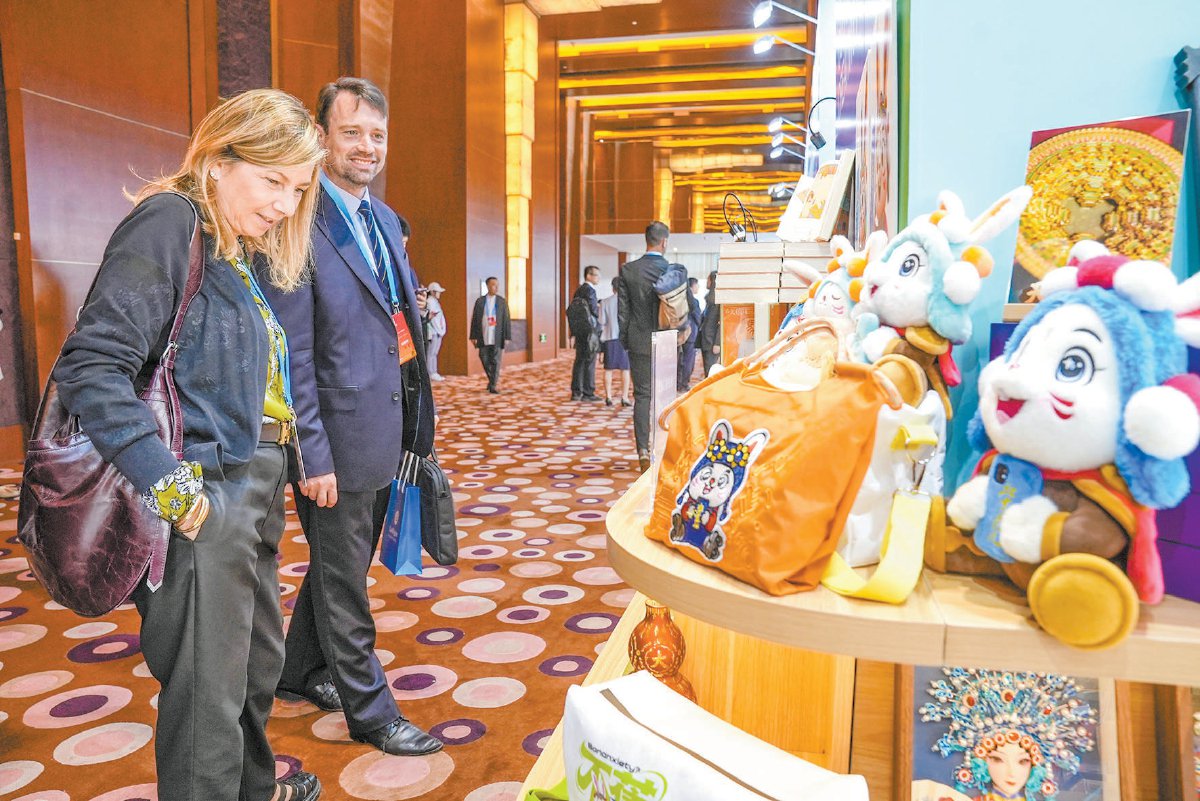
北京文创“顶流”一站式体验
Bei Jing Ri Bao Ke Hu Duan· 2025-09-24 00:51
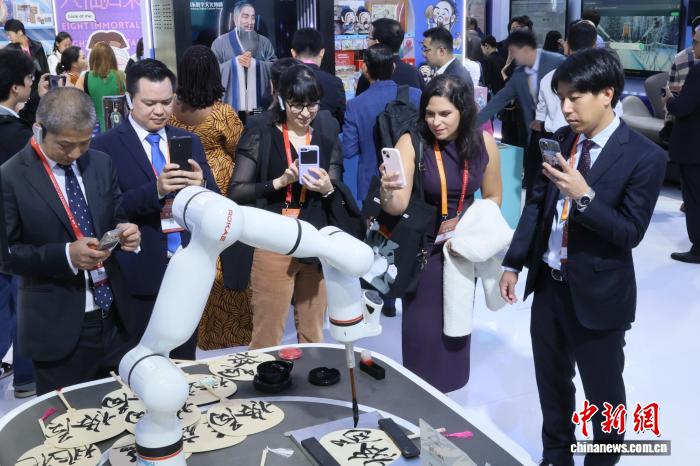
Core Insights - The 2025 Beijing Cultural Forum was held on September 23-24, featuring a newly established boutique cultural and creative display area that attracted numerous guests and media [3] - The display area showcased over 600 cultural and creative products from 80 enterprises and institutions, covering various fields such as museums, historical gardens, theaters, libraries, universities, publishers, intangible cultural heritage, film and television, and trendy toys [3][4] - The exhibition highlighted the vibrant development of Beijing's cultural and creative industry and the innovative aspects of contemporary art [3] Group 1 - The main exhibition area, titled "Beijing Cultural and Creative Light, Blooming New Rhythms of the Era," included categories like "Cultural and Creative Products from Museums and Parks," "Masterpieces of Intangible Cultural Heritage," and "Trendy Cultural Products Integrating Classic IP," showcasing the latest achievements in Beijing's cultural and creative sector [3] - The "Inheriting Cultural Heritage, Innovating the Future" section focused on the transmission of intangible cultural heritage, red gene, protection of the central axis, and cultural empowerment, reflecting the integration of tradition and modernity [3] - The "Millennia of Ancient Charm, New Journey of Ten Thousand Aspects" section presented three categories: "New Craftsmanship," "Beijing Flavor Trends," and "Brilliant Jewelry," illustrating the development from history to the future and the coexistence of tradition and modernity [3] Group 2 - The exhibition featured popular cultural products, including the "Phoenix Crown" themed items developed by major cultural institutions, showcasing the aesthetic style of the Ming Dynasty [4] - Best-selling products included creative stress-relief pens and magnetic stickers, which combined innovative design with positive meanings, with several items already sold out online [4] - The selection process for the exhibition emphasized "innovative cultural product development methods" and "the application of the latest technological achievements," highlighting Beijing's role as a national cultural and technological innovation center [4] Group 3 - Interactive activities included non-heritage experiences such as clay sculpture Peking opera masks and lacquer fan making, with masters demonstrating their skills [5] - Technological interactive installations like a replica letterpress printing machine and AI virtual tour guides enhanced engagement and showcased the new trend of "Culture + Technology" driving the industry [5]
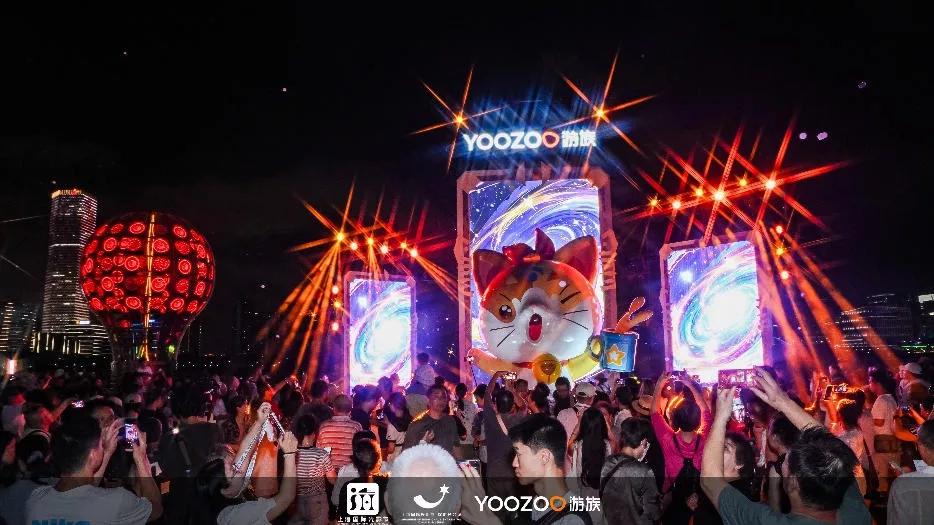
第二届上海国际光影节开幕 游族网络大型光影互动装置火爆亮相主会场
Cai Jing Wang· 2025-09-22 07:43
Group 1 - The second Shanghai International Light and Shadow Festival opened on September 19, featuring a main venue and 16 sub-venues, providing a rich experience that integrates culture and technology for both local citizens and global visitors [1][4] - Youzu Interactive, a global interactive entertainment technology company, showcased a creative light and shadow interactive installation at the main venue, which became one of the highlights of the event [1][3] - The festival aims to inject new momentum into the high-quality development of Shanghai's cultural tourism industry by leveraging diverse sectors such as commerce, tourism, culture, art, and exhibitions [6] Group 2 - The first edition of the festival attracted over 16.2 million participants and achieved a media reach of over 3 billion times, demonstrating its strong influence [4] - Youzu Interactive's popular game characters from titles like "Youth Three Kingdoms 2" and "Youth Three Kingdoms" were present at the event, enhancing the immersive experience for attendees [6] - The company emphasizes the construction of a symbiotic mechanism between games and culture, aiming to activate the cultural dissemination value of games and encourage young people to inherit and promote traditional Chinese culture [6]