物联网(IoT)

Search documents
丘钛科技(01478)发布中期业绩 期内溢利3.08亿元 同比增加167.59%
Zhi Tong Cai Jing· 2025-08-11 04:41
Core Viewpoint - The company reported a significant increase in both revenue and profit for the six months ending June 30, 2025, driven by strong sales in camera modules for automotive and IoT applications [1] Financial Performance - Revenue reached 8.832 billion RMB, representing a year-on-year increase of 15.07% [1] - Profit for the period was 308 million RMB, showing a substantial year-on-year increase of 167.59% [1] - Basic earnings per share were 0.26 RMB, with an interim dividend proposed at 0.15 HKD per share [1] Sales Growth Drivers - Sales volume of camera modules for automotive and IoT applications increased by approximately 47.9% year-on-year [1] - The average selling price of camera module products rose by about 27.2% compared to the same period last year [1] - Sales volume of fingerprint recognition modules grew by approximately 59.7% year-on-year [1]
中金:降小米集团-W目标价至70港元 料次季小米SU7交付量达8.1万
Zhi Tong Cai Jing· 2025-08-08 03:35
Group 1 - The core viewpoint of the report is that due to the downward adjustment of industry valuation, the target price for Xiaomi Group-W (01810) has been lowered by 9% to HKD 70, which corresponds to adjusted net profit P/E ratios of 34.4 times and 25.1 times for the next two years, indicating a potential upside of 29.6% [1] Group 2 - The company is expected to achieve a revenue growth of 32.71% year-on-year in Q2, reaching RMB 117.97 billion, with adjusted net profit increasing by 64.84% to RMB 10.18 billion [1] - In the smartphone segment, due to intense competition in the low-price market, the average selling price (ASP) has slightly decreased year-on-year, leading to a 1.6% decline in smartphone revenue to RMB 45.79 billion, with a gross margin decrease of 0.6 percentage points to 11.5% [1] - The Internet of Things (IoT) segment is projected to see a revenue increase of 36% year-on-year in Q2, reaching RMB 36.39 billion, with a gross margin increase of 3.3 percentage points to 23% [1] - The internet services segment is expected to grow by 11% year-on-year in Q2, with revenue reaching RMB 9.18 billion, although the gross margin is expected to decline by 2.3 percentage points to 76%, maintaining a healthy overall level [1] - Additionally, the company is anticipated to deliver 81,000 units of the Xiaomi SU7 in Q2, generating revenue of RMB 25.92 billion, with a sequential gross margin increase of 1 percentage point to 24.2% [1]

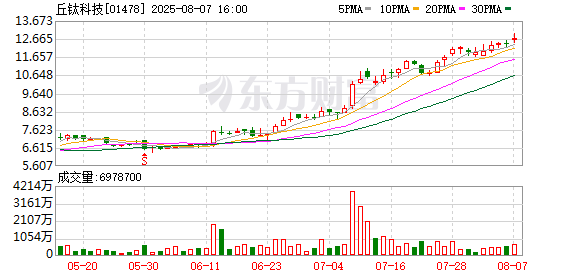
丘钛科技7月摄像头模组销售数量同比增加15.9%
Zheng Quan Shi Bao Wang· 2025-08-08 00:55
摄像头模组销售增长的原因包括客户项目周期影响、3200万像素及以上手机摄像头模组的稳健增长,以 及应用于物联网(IoT)和智能汽车领域的摄像头模组销售数量的大幅增长。 (文章来源:证券时报网) 丘钛科技公告,2025年7月摄像头模组销售数量为3783.6万件,同比增长15.9%。指纹识别模组销售数量 为1440.2万件,环比增加3.6%,同比增长2.6%。 ...

光子芯片,20年!
半导体行业观察· 2025-08-07 01:48
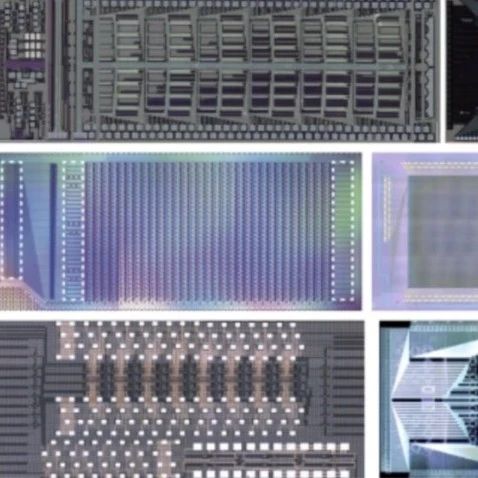
Core Insights - The article discusses the rapid development of photonic integrated circuits (PICs) and their scalability, predicting that the number of actuators in PICs will increase from hundreds to 100,000 within six years [2][6][13] - It emphasizes the complementary nature of photonics to electronics, software, and the need for collaboration among these technologies to enhance market penetration and industry impact [4][37] Group 1: Photonic Integrated Circuits Development - Over the past two decades, the scalability of PICs has been advancing rapidly, with a doubling of performance and capabilities approximately every two years [2][13] - The article outlines the transition from circuits with hundreds of actuators to those accommodating up to 100,000 actuators by around 2032 [6][13] - Key challenges in the development of photonic technology include chip coupling, propagation losses, and the need for precise temperature control as actuator density increases [20][22] Group 2: Applications and Market Demand - The integration of photonics is particularly beneficial for high-bandwidth applications such as 5G/6G communications, IoT, and AI, which require enhanced signal processing capabilities [3][26] - Photonic processors are expected to play a crucial role in data centers and AI infrastructure, addressing the growing demand for bandwidth and processing speed [30][37] - The article highlights the potential of photonic technology in optical interconnects and as a solution for the challenges faced by traditional electronic systems [30][31] Group 3: Challenges and Limitations - The article identifies several challenges that must be addressed to keep pace with the advancements in photonics, including optical losses and the need for improved manufacturing processes [20][21] - It discusses the limitations of current photonic hardware in terms of integration density and performance compared to electronic solutions, particularly in computing applications [34][35] - The need for dynamic control and monitoring of circuits with increasing complexity is emphasized as a critical challenge for future developments [25][26]
二维半导体,国内突破
半导体芯闻· 2025-07-29 10:29
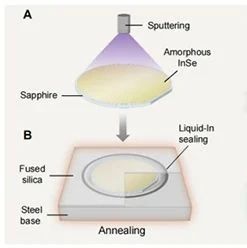
Core Viewpoint - The article discusses advancements in the manufacturing of two-dimensional indium selenide (InSe) semiconductor wafers, highlighting their potential to overcome limitations of traditional silicon-based technologies in next-generation integrated circuits [2][3]. Group 1: Technological Advancements - The demand for computing power driven by AI and IoT applications is pushing traditional silicon transistor technology to its physical limits, necessitating the development of new semiconductor materials [3]. - InSe is recognized for its superior properties, including low electron effective mass and high thermal velocity, making it a strong candidate to surpass silicon limitations [3]. - A novel "solid-liquid-solid" growth strategy has been developed to achieve high-quality InSe wafer production, addressing a critical bottleneck in its industrial application [3]. Group 2: Performance Metrics - The produced 2-inch InSe wafers exhibit excellent electrical performance, achieving an average mobility of 287 cm² V⁻¹ s⁻¹ and a subthreshold swing as low as 67 mV/dec [3]. - The key parameters of ultra-short channel devices (below 10 nm) fabricated from InSe significantly outperform the current leading technology at Intel's 3 nm node [3]. Group 3: Industry Implications - The successful fabrication of high-quality two-dimensional semiconductors is expected to drive advancements in high-performance, low-power computing and communication technologies [3]. - The research is anticipated to play a crucial role in emerging fields such as artificial intelligence, autonomous driving, and smart terminals [3].
《全球物料搬运集成市场格局:2024年前十强厂商份额达 50.0%》
QYResearch· 2025-07-21 09:07
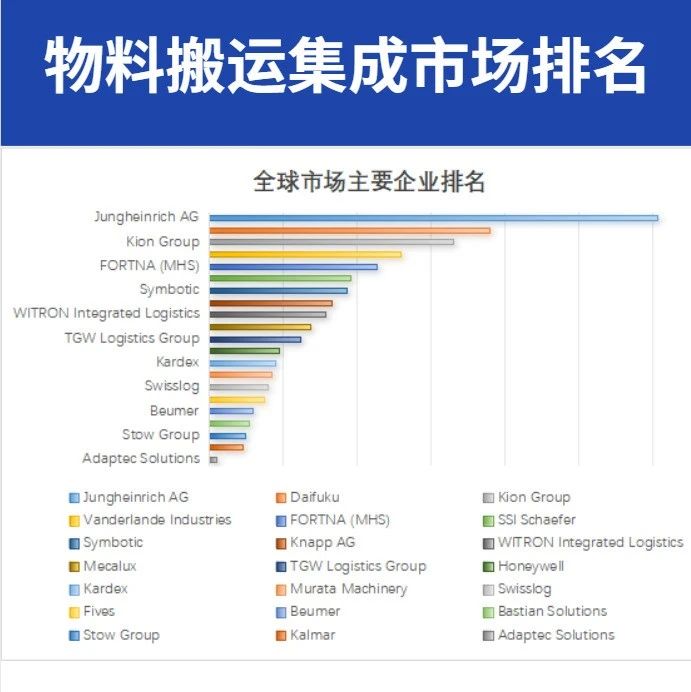
Core Viewpoint - The integration of material handling systems can streamline operations, enhance productivity, and reduce costs through strategic coordination of equipment, software, and processes [1][3]. Market Overview - The global material handling integration market is projected to reach USD 84.21 billion by 2031, with a compound annual growth rate (CAGR) of 8.8% in the coming years [3][6]. - The top 10 manufacturers are expected to hold approximately 50.0% of the market share in 2024 [6]. Key Players - Major manufacturers in the global material handling integration market include Jungheinrich AG, Daifuku, Kion Group, Vanderlande Industries, and others [6][19]. Market Segmentation by Product Type - Hardware components are essential for material handling integration systems, including automated guided vehicles (AGVs) and automated sorting control systems, which optimize material handling processes [8]. Market Segmentation by Application - The retail and e-commerce sector is the primary demand source, accounting for approximately 24.8% of the market share [10][9]. - Automated storage and retrieval systems (AS/RS) and AGVs are widely used in retail and e-commerce warehouses to enhance efficiency and accuracy [9][10]. Growth Drivers - The increasing integration of robotics and autonomous systems in material handling is a significant trend, enhancing efficiency and reducing labor costs [14]. - The rise of e-commerce globally is a crucial catalyst for adopting material handling integration systems, driven by the need for efficient operations [15][17]. - Advancements in IoT, AI, and robotics provide a technological foundation for the development of material handling integration systems [17].
Telia Lietuva results for 6 months of 2025
Globenewswire· 2025-07-18 05:00
Core Viewpoint - Telia Lietuva has demonstrated strong financial performance in the first half of 2025, with significant growth in revenue, adjusted EBITDA, and net profit, while continuing to innovate and expand its service offerings [2][7]. Financial Performance - Revenue from services increased by 4.2% year-over-year in the first half of 2025 [2]. - Adjusted EBITDA grew by 9.4% to EUR 97 million compared to EUR 88.7 million in the same period of 2024 [7]. - Net profit surged by 22.9% to EUR 44.7 million, up from EUR 36.4 million in the previous year [7]. - Free cash flow rose by 10.7% to EUR 57 million, compared to EUR 51.4 million in the first half of 2024 [7]. Service Categories - Revenue growth was observed across all service categories except for fixed voice telephony, which is declining due to a reduction in fixed telephony lines [3]. - Mobile service revenue increased due to higher usage of mobile data and revenue per user, despite a decrease in pre-paid mobile service customers by 61 thousand [4]. Strategic Initiatives - The company launched a next-generation IoT connectivity management platform in April 2025, enhancing customer control over IoT management [5]. - Telia Play's revenue increased due to the addition of Netflix and other high-quality content, despite a slight decline in the number of subscribers [6]. - A new range of smart healthcare gadgets was introduced, aiming to transform customer health insights [9]. Technological Advancements - Telia Lietuva is the first in Lithuania to test a 5G standalone network in Klaipėda Seaport, aiming to set a new standard for critical infrastructure [10]. Social Responsibility and Recognition - The company reaffirmed its support for Ukraine by donating refurbished computers and network equipment [11]. - Telia Lietuva was recognized as the Top Employer in the IT and telecommunications sector in Lithuania for the second consecutive year [12].

2024年全球地磅市场,前五大厂商32%份额领衔行业
QYResearch· 2025-07-17 09:03
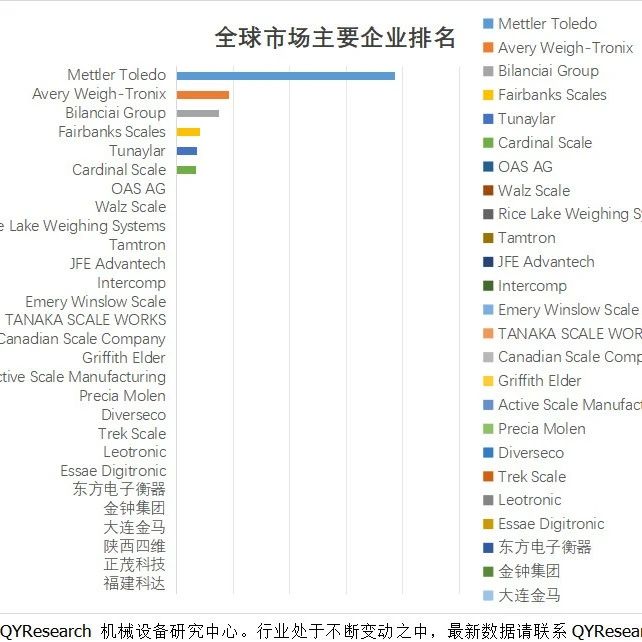
Core Insights - The global weighbridge market is projected to reach USD 1.02 billion by 2030, with a compound annual growth rate (CAGR) of 4.1% from 2025 to 2031, driven by the construction of smart logistics systems, normalization of overload governance, and industrial digital transformation [1][16]. Market Overview - The weighbridge market is characterized as a high-precision measurement device essential for modern logistics, mining production, and trade settlement, closely linked to infrastructure development, industrial upgrades, and regulatory policies [1]. - The top five manufacturers hold approximately 32.0% of the market share [7]. Product Segmentation - The surface-mounted weighbridge is the dominant product type, accounting for about 17.1% of the market share [10]. - In terms of application, logistics and transportation represent the largest downstream market, capturing approximately 38.5% of the demand [12]. Key Drivers - The explosive growth of e-commerce logistics is expected to contribute 40% of the market increment by 2030, highlighting the demand for efficient weighing solutions [16]. - Upgrading manufacturing processes necessitates high-precision weighbridges in industries such as mining, metallurgy, and construction, aiding companies in cost savings [17]. - Emerging fields like precision agriculture and medical weighing are driving additional demand [18]. Challenges - The long replacement cycle of weighbridges, typically 10-25 years, results in slow replacement rates, with many companies delaying upgrades until equipment failure [19]. - Investment returns can be slow, particularly in low-traffic or seasonal operations, making the cost-effectiveness of purchasing weighbridges questionable [20]. Technological Advancements - The integration of 5G and digital twin technologies enables full lifecycle management of weighbridges, enhancing efficiency through IoT connectivity and real-time data transmission to cloud platforms [21]. Competitive Landscape - Chinese weighbridge manufacturers are rapidly expanding into Southeast Asia and Africa, leveraging cost advantages [22]. - Government initiatives, such as revising measurement standards and providing tax incentives for smart manufacturing equipment, are accelerating technological advancements in the industry [22].
索尼芯片裁员
半导体行业观察· 2025-07-13 03:25
Core Viewpoint - Sony's development center in Israel is initiating significant layoffs, potentially affecting over 100 employees, as part of a broader trend of job cuts within the company, particularly in its gaming division [3][5]. Group 1: Company Overview - The Israeli development center, located in Hod Hasharon, was established after Sony's acquisition of the Israeli chip company Altair for $212 million in 2016 [3][6]. - The center currently employs around 400 staff and is managed by Nohik Semel [3]. Group 2: Technology and Products - The center focuses on developing chips that support advanced wireless standards, characterized by low power consumption and compact size, applicable in various fields such as gas and water meters [4]. - Altair specializes in LTE modem chip technology, which is crucial for mobile data communication and is expected to play a key role in the Internet of Things (IoT) [6]. Group 3: Future Prospects - As the market for wearable and IoT devices is projected to expand, Sony aims to provide components that integrate both sensing and communication functionalities, along with new LTE solutions [7].

毛驴快跑 kokobots,递交IPO招股书,拟赴美国上市
Sou Hu Cai Jing· 2025-07-12 06:00
Core Viewpoint - KOKOBOTS GROUP, also known as "Mao Donkey Run," is planning to go public on NASDAQ under the ticker symbol KOKO, having updated its prospectus with the SEC on July 11, 2025, after initially filing confidentially on January 10, 2025 [3][4]. Company Overview - KOKOBOTS GROUP is an innovative technology company focused on the large-scale application of intelligent robotics, utilizing low-speed L4 autonomous driving and IoT technology [4]. - The company primarily engages in the research, sales, and leasing of smart commercial cleaning robots, as well as the manufacturing and sales of IoT solution products [4][5]. Business Model - The smart commercial cleaning robots are equipped with proprietary L4 low-speed autonomous driving technology, enabling them to navigate complex environments with minimal human intervention, enhancing operational efficiency and safety in high-traffic areas such as hotels and hospitals [4][5]. - The IoT products incorporate RFID chips for wireless communication, widely used in smart data storage, identity verification, access control, and contactless payment, with high repurchase rates [4][5]. Market Presence - KOKOBOTS GROUP has expanded its operations to over 18 provinces and municipalities in China and sells products in 12 countries, including the United States, Germany, and Poland, through distributors [5]. Financial Performance - For the fiscal years ending June 30, 2023, and June 30, 2024, the company's revenues were $3.49 million and $4.05 million, respectively, with net profits of $194,500 and $1,003,200 [12][14]. - In the first six months of fiscal year 2025, the company reported revenues of $2.01 million but incurred a net loss of $206,695 [12][13]. Shareholder Structure - Prior to the offering, the major shareholders include Congming Pi, who holds 94.0% of the voting power through his subsidiaries, and other shareholders with significantly lower percentages [7][8]. Management Team - The management team includes Congming Pi as CEO, Guiping Peng as CFO, and several director nominees [11]. Underwriting Team - The underwriting team for the IPO includes AC Sunshine Securities LLC as the exclusive underwriter, Marcum Asia CPAs LLP as the auditor, and various legal firms for both Chinese and U.S. legal representation [15].