理财

Search documents
统计称股民人均赚2.22万,基金涨势可观,你的理财赚了多少?
2 1 Shi Ji Jing Ji Bao Dao· 2025-09-30 05:05
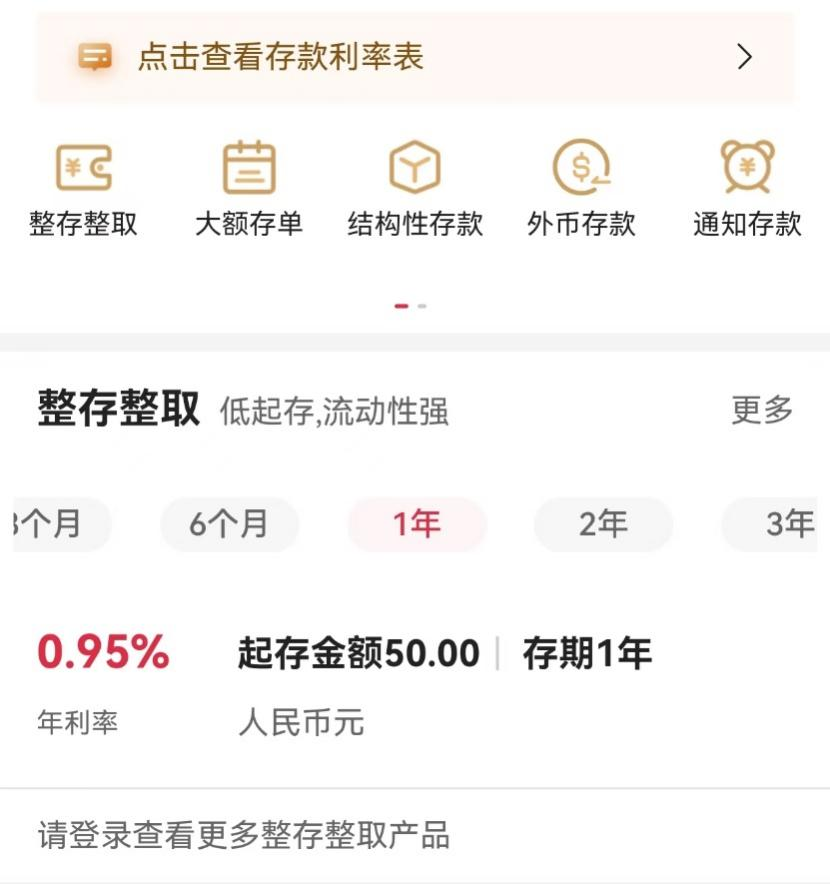
Group 1 - The A-share market has shown strong performance this year, with the Shanghai Composite Index up 14.21% and the CSI 300 Index up 15.63% as of September 26 [2][3] - The average gain for A-share investors is 22,200 yuan, with a total market capitalization increase from 77.55 trillion yuan at the end of last year to 94.52 trillion yuan [3] - A total of 398 stocks have doubled in price this year, with the machinery sector leading in the number of doubling stocks [2] Group 2 - Public funds have achieved an average return of 17.21% this year, with small-cap growth funds performing the best, up 45.66% [4] - 67 public funds have doubled their returns, with the top-performing fund yielding 189.58% [4] - Equity funds have an average return of 28.19%, while bond funds have only achieved a 1.6% return [4][6] Group 3 - Gold has surged by 43.59% this year, with gold-themed funds averaging a return of 49.67% [5] - Gold industry stock index funds have performed even better, with an average return of 71.39% [5] Group 4 - The average annualized return for wealth management products is 2.56%, with fixed-income products yielding only 1.62% [6][7] - A total of 20 wealth management products have achieved returns exceeding 20% this year [7] Group 5 - Deposit interest rates have significantly decreased, with one-year fixed deposit rates dropping below 1%, resulting in annual interest of only 950 yuan for a 100,000 yuan deposit [8][10]

理财之路:从月薪5000到财富自由
Sou Hu Cai Jing· 2025-09-27 05:56
Core Insights - The article narrates the financial journey of an individual, S, who started with a monthly salary of 5,000 yuan and, through disciplined saving and investing over five years, achieved significant wealth accumulation and personal growth [1][7]. Group 1: Financial Awareness and Initial Steps - S began his financial journey in 2009, realizing the importance of financial management due to insufficient funds for monthly expenses [1]. - The first step taken was saving 50% of his monthly salary, leading to the accumulation of his first 100,000 yuan within a year [1]. Group 2: Investment Strategies - In 2012, S diversified his investments by entering the mutual fund market, opting for stable funds and achieving positive returns [2]. - By 2013, S ventured into the stock market, focusing on blue-chip stocks, which provided substantial long-term gains despite short-term volatility [2]. Group 3: Advanced Financial Planning - In 2014, S's assets exceeded 500,000 yuan, prompting a reevaluation of his financial strategies to align with personal life goals [5]. - S began to leverage the power of compound interest through long-term investments and regular contributions, enhancing both financial and lifestyle quality [5]. Group 4: Building a Financial System - By 2015, S established a comprehensive financial system with a target of 10 million yuan, allocating monthly income into consumption, investments, and emergency funds [6]. - Continuous learning about investment strategies and macroeconomic trends became a priority for S, reinforcing the belief in achieving long-term financial goals through persistent effort [6]. Group 5: Life Lessons from Financial Management - The narrative emphasizes that financial management transcends mere monetary gain, serving as a tool for life planning and dream realization [7]. - The journey illustrates that while money is not everything, it is essential for achieving personal aspirations, highlighting the importance of strategic financial planning [7]. Group 6: Key Takeaways - The article concludes that financial management is a marathon requiring patience and perseverance, encouraging individuals to embark on their financial journeys regardless of their starting point [8]. - Practical tips include prioritizing savings, maintaining a budget, making informed investment choices, and staying calm during market fluctuations [9][10][11][12].

黄金、股票、基金!00后理财“血泪史”,这届韭菜终于开始觉醒了
Sou Hu Cai Jing· 2025-09-20 15:59
Core Viewpoint - The recent surge in gold prices has sparked significant interest among young investors, leading to a mix of excitement and anxiety as many navigate the complexities of investment strategies [1][5]. Group 1: Investment Behavior - Many young investors, particularly those born in the 2000s, are eager to improve their financial situations through passive income, exploring various investment options like gold, funds, and stocks [5][7]. - New investors often find themselves caught in a cycle of buying high and selling low, leading to substantial losses shortly after their investments [3][5]. - The reliance on social media and online platforms for investment education has resulted in a shared experience of both gains and losses among peers, with many discussing their financial outcomes in group settings [7][9]. Group 2: Financial Education and Experience - A significant number of young investors lack formal financial knowledge, attributing their losses to either a lack of understanding or bad luck [5][9]. - Despite the challenges faced, many young investors view their losses as a learning experience, with some expressing a desire to continue investing rather than withdrawing from the market entirely [7][9]. - The journey of investing is increasingly recognized as a personal growth experience, with investors learning to balance risk and reward while focusing on strategies that suit their individual financial situations [9].

黄金、基金与00后的“理财启蒙课”
Sou Hu Cai Jing· 2025-09-20 06:33
Group 1 - The rising gold prices have attracted many young investors, leading to significant financial losses for some, highlighting the gap between the dream of financial freedom and reality [1][3] - A report indicates that nearly 40% of Generation Z hopes to achieve financial independence by the age of 35, but many struggle to earn returns that outpace inflation [3][5] - Young investors often lack the necessary knowledge and experience, resulting in poor investment decisions and missed opportunities for recovery [3][5] Group 2 - Young individuals are adopting extreme frugality as a strategy to invest, but this often leads to repeated losses in volatile markets [5][7] - The primary reasons for not investing among young people include lack of disposable income, perceived high risks, and insufficient knowledge [5][7] - Financial literacy is crucial for this generation, as relying solely on impulse and hearsay in investment decisions can lead to significant setbacks [7]
好书推荐·赠书|金融教育宣传周专题书单
清华金融评论· 2025-09-19 10:57
Core Viewpoint - The article emphasizes the importance of financial education and literacy, highlighting a campaign aimed at enhancing public understanding of financial rights and services, while also promoting recommended readings to improve financial knowledge and investment thinking [1]. Financial Education Campaign - The National Financial Regulatory Administration, People's Bank of China, and China Securities Regulatory Commission jointly launched a "Financial Education Promotion Week" from September 15 to 21, focusing on "Protecting Financial Rights to Support a Better Life" [1]. - The campaign aims to enhance financial literacy, improve the quality of financial services, and help the public recognize risks and protect their legal rights [1]. Recommended Reading List - A curated list of financial education books is provided, featuring works by authoritative experts in finance and economics, aimed at helping readers improve their financial literacy and investment strategies [1]. Featured Books - "The Simplest Financial Literacy Course: From the Origin of Money to Wealthy Life" by Zhang Wei discusses the importance of understanding financial concepts and managing personal cash flow, transitioning to corporate finance and the roles of various financial entities [4]. - "The Path to Happiness through Financial Management" by Xiao Gang offers a framework for young people to achieve financial freedom, addressing common misconceptions and providing practical advice on wealth management [7][8]. - "Unexpected Economics" by Timothy Taylor presents economic principles in an accessible manner, illustrating how economic thinking applies to everyday decisions and behaviors [11][12]. - "Money Smart: 9 Mindsets for Investment, Decision-Making, and Wealth Growth" by Ilia Streblaev and Alex Deng outlines key investment principles derived from venture capital practices, aimed at helping readers navigate complex market environments [16][19].

财富自由的黄金三角:赚钱、省钱、理财缺一不可
Sou Hu Cai Jing· 2025-09-16 02:44
Group 1 - The core concept emphasizes the importance of the "iron triangle" of wealth management: earning, saving, and investing, which must work together to achieve financial freedom [1][9] - Earning is the starting point of wealth accumulation, but it is not the endpoint; enhancing value creation ability is crucial [2][9] - Saving is not merely about frugality but involves rational planning and distinguishing between needs and wants, providing a safety net for investments [3][7] Group 2 - Investing acts as an accelerator for wealth growth, relying on proper asset allocation and the power of compounding [4][7] - The synergy between earning, saving, and investing creates a robust financial ecosystem; the absence of any one element can lead to imbalances in wealth accumulation [7][9] - Common misconceptions about wealth management need to be addressed, highlighting the necessity of balancing all three components for financial success [7][9] Group 3 - The art of balance involves adjusting priorities based on life stages, focusing on earning in youth, managing risks in middle age, and securing capital before retirement [8][11] - A dynamic approach to wealth management is essential, with a focus on long-term strategies and the interplay between active income and passive income [8][9]

X @Yuyue
Yuyue· 2025-08-30 10:06
Investment Opportunities & Risk - Many individuals view KYC (Know Your Customer) and managing multiple accounts as barriers to entry in the cryptocurrency space [1] - A significant portion of the market prefers high-risk, high-reward activities like 50x leverage trading in cryptocurrency contracts over lower-yield options such as staking and Initial Exchange Offerings (IEOs) [1] - The market presents numerous opportunities, and consistent participation in activities like staking and IEOs can help accumulate capital [1] - Reluctance to engage in KYC and manage multiple accounts is often due to laziness rather than insurmountable obstacles, hindering potential financial gains [1]
X @Yuyue
Yuyue· 2025-08-28 23:53
Investment Opportunities - Binance's $XPL two-month fixed wealth management products are nearing completion [1] - Binance offers various booster activities with annualized yields of approximately 20-30%, but attention should be paid to the redemption card time [1] - Four meme @four_meme_ is offering USD1 new coin offerings, with the first phase after the revision having a 0-point threshold, attracting nearly 100 million USD in funds [1] - Buidlpad @buidlpad is offering Lombard @Lombard_Finance USD1 new coin offerings, but some people feel the valuation is too high [1] - Falcon @FalconStable offers a basic annualized rate of 13-15% for USDf deposits [1] DeFi & Staking - Binance Wealth Management has a 12% current interest rate for 100,000 USDC [1] - Sui's new DeFi @MMTFinance offers stablecoin LP wealth management + points [1] - USDAI @USDai_Official offers deposit services [1] - Perpdex @Lighter_xyz offers LLP deposit services [1] Risks & Considerations - The increasing number of wealth management opportunities requires careful evaluation [1] - Some projects on Kaito have high valuations, leading to skipping [1]
有30万存款的人,还在傻傻存定期?银行职工说漏:这样存利息过万
Sou Hu Cai Jing· 2025-08-28 03:35
Core Viewpoint - The article emphasizes the importance of exploring various investment options beyond traditional fixed deposits to enhance wealth growth, especially in a low-interest-rate environment [1][14]. Group 1: Current State of Fixed Deposits - As of 2025, the total balance of residents' deposits in China reached 128.5 trillion yuan, with approximately 46% in fixed deposits, indicating a significant amount of capital earning low returns [2]. - The average annual interest rate for fixed deposits among major banks was reported at 2.65% in the first quarter of 2025, while alternative investment avenues could yield annualized returns of 3.8% to 4.2% with similar risk levels [2][4]. Group 2: Alternative Investment Options - **Large Time Deposits**: These offer higher interest rates compared to traditional fixed deposits, with three-year rates ranging from 3.0% to 3.45%, potentially yielding 27,900 to 31,050 yuan in interest for a 300,000 yuan deposit [5]. - **Structured Deposits**: These combine traditional deposits with financial derivatives, offering an average annualized return of 3.8% as of mid-2025, but with variable returns based on market indicators [6]. - **Smart Deposits**: A new product type that provides flexibility and competitive returns, with average annualized rates around 2.8% to 3.2%, allowing for partial withdrawals while maintaining higher interest on unwithdrawn amounts [6]. - **Bank Wealth Management Products**: These are categorized by risk levels, with low-risk products yielding average annualized returns of 3.6% to 4.2%, significantly higher than fixed deposits [7]. - **Money Market Funds**: These offer good liquidity and lower risk, with average returns around 2.7% as of July 2025, suitable for those needing frequent access to funds [7]. Group 3: Wealth Management Strategies - A diversified investment approach is recommended, such as allocating 10% to smart deposits, 15% to low-risk wealth management products, and 5% to money market funds, which could yield a total return of approximately 34,500 yuan over three years, outperforming fixed deposits by about 9,750 yuan [8]. - Continuous learning and adjustment of investment strategies are crucial as financial markets evolve and personal circumstances change [15].

先存钱还是先投资?
伍治坚证据主义· 2025-08-18 06:44
Core Viewpoint - The article emphasizes the importance of having an emergency fund and prudent financial planning as foundational elements for long-term wealth accumulation, rather than chasing high-risk investments or trends [2][3][7]. Group 1: Emergency Fund Importance - Establishing an emergency fund of three to six months' living expenses is crucial for financial stability, as highlighted by financial expert Dave Ramsey [3]. - Research indicates that having an emergency fund significantly enhances financial well-being, with those having $2,000 in savings experiencing a 21% increase in financial happiness [3]. - Individuals with less than $5,000 in emergency savings are 52% more likely to suffer from depression compared to those with over $5,000 [3]. Group 2: Wealth Accumulation Strategies - True wealth accumulation often involves low-key lifestyles, as evidenced by data showing that many millionaires drive modest cars like Toyota and Honda rather than luxury brands [4]. - Wealthy individuals prioritize investments that appreciate in value rather than spending on superficial items, akin to a farmer focusing resources on essential crops rather than ornamental plants [5]. - High investment management fees can erode returns, making it essential for investors to choose low-cost index funds and ETFs [5][6]. Group 3: Understanding Expenses and Financial Behavior - Many individuals underestimate their fixed expenses, such as home maintenance and insurance, which can exceed 1% of their home value annually [6]. - Behavioral economics suggests that having an emergency fund allows individuals to remain calm during market fluctuations, while those without such a buffer may make impulsive decisions driven by fear or greed [6]. - A significant portion of the global population has low net worth, with over 80% having less than $100,000 in net assets, underscoring the importance of consistent saving and spending control [6]. Group 4: Long-term Financial Planning - The article argues that while macroeconomic conditions are unpredictable, individuals can control their financial preparedness and investment education [7]. - The philosophy of prudent financial management is echoed in historical teachings, emphasizing moderation and rational planning as keys to happiness and financial success [7][8]. - Building a solid financial foundation through savings and disciplined investment is essential before pursuing high-risk opportunities [8].