电池安全

Search documents
谷歌紧急推送Pixel 6a电池安全更新 限制部分批次续航
Xi Niu Cai Jing· 2025-07-10 11:15
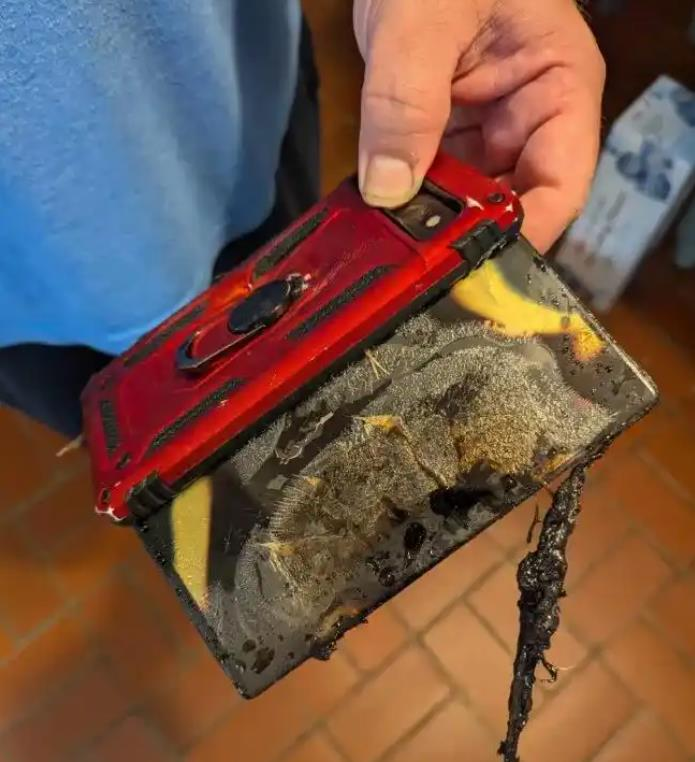
Core Viewpoint - Google is taking emergency measures to address battery overheating issues in Pixel 6a devices, pushing a mandatory system update globally to mitigate safety risks associated with battery performance [1][5]. Group 1: Incident Overview - At least 12 user reports of overheating, splattering, melting, and even fire incidents have been documented, primarily affecting devices with over 400 charging cycles [1][5]. - The main cause identified is the degradation of battery chemical materials leading to abnormal increases in internal resistance [1]. Group 2: System Update Details - Users are advised to update their systems immediately and to use original chargers, while high-cycle devices should avoid simultaneous charging and usage [3]. - The system update will implement several changes, including: - Charging speed limitation, reducing peak power from 18W to 12W [3]. - A 15% reduction in full battery capacity, resulting in a real-world decrease in battery life of approximately 1.5 hours [4]. - A temperature threshold that triggers performance throttling at 40°C, leading to a potential 30% decrease in gaming frame rates [4]. Group 3: Compensation and Support - The update will only affect specific batches, with new devices and those not reaching the charging cycle threshold remaining unaffected [5]. - Starting July 21, users in the US, Canada, the UK, and five other countries can receive free battery replacement services (valued at $89) or choose between $100 cash compensation or a $150 Google Store voucher [5]. - Users in non-first-round support regions, such as Brazil and India, will need to seek paid repairs through third-party service points [5]. Group 4: Historical Context and Future Implications - Previous incidents include a battery swelling issue with Pixel 4a in January 2025 and a compensation plan costing $23 million for Pixel 7a in April [5]. - Analysts suggest that Google needs to restructure its battery supply chain rather than relying on software patches to address these issues [5].


为了消灭电池爆炸,车企得做多少“傻事”
2 1 Shi Ji Jing Ji Bao Dao· 2025-07-05 17:17
Core Viewpoint - Buick is focusing on enhancing battery safety in electric vehicles, emphasizing that safety is a fundamental principle rather than a luxury, especially in light of recent incidents involving electric vehicle fires [1][3]. Group 1: Battery Safety Measures - Buick's E5 model demonstrated effective battery protection during a high-speed collision, where the battery did not catch fire despite severe damage [1]. - The battery design includes a multi-layer protective structure, featuring an aluminum shell and a shock-absorbing space to mitigate collision impacts [1][2]. - The battery pack employs a "grid beam" structure made of high-strength steel, enhancing its ability to withstand various forces [2]. Group 2: Thermal Management and Fire Prevention - The battery system incorporates a thermal management design that includes heat insulation walls and a water cooling plate to quickly dissipate heat in case of thermal runaway [2]. - A "firewall" made of high-temperature resistant materials is installed to prevent fire from spreading to the passenger cabin during a thermal event [2][3]. Group 3: Collaboration and Development - Buick collaborates with CATL to develop a specialized battery formula that offers strong thermal stability and longevity, although it comes at a higher cost [3]. - The stringent safety standards for the battery design were influenced by past incidents, leading to a commitment to redundancy in safety features [3].
充电宝厂商“爆雷”,都是电芯惹的祸?
首席商业评论· 2025-07-04 03:55
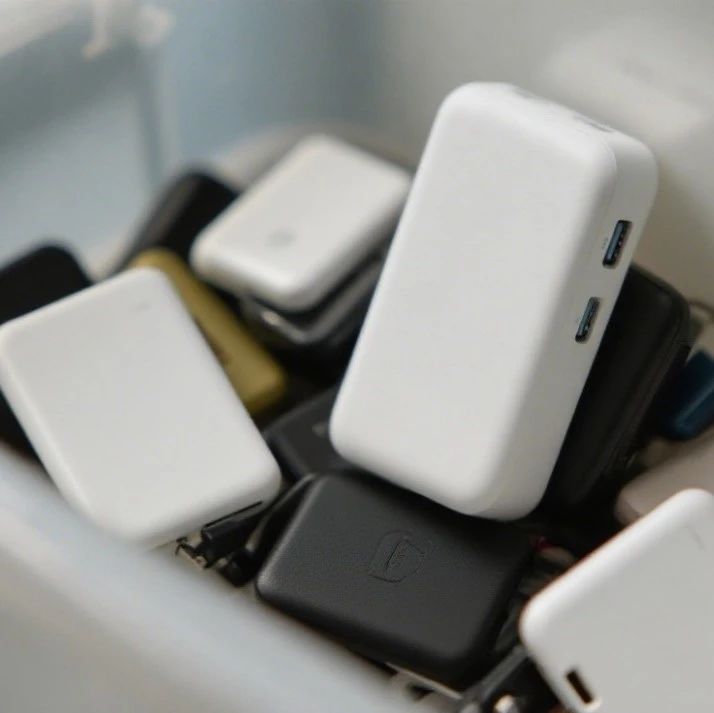
Core Viewpoint - The charging battery industry is currently facing a significant crisis due to safety concerns, particularly related to battery cells supplied by Ampreus, leading to widespread recalls and loss of consumer trust [1][3][9]. Group 1: Crisis Overview - The recall crisis began with the brand Romoss, which faced multiple leadership changes amid allegations of battery self-ignition risks, resulting in a monthly revenue loss of approximately 100 million yuan [1][2]. - The Civil Aviation Administration of China announced a ban on carrying unapproved or recalled charging batteries on domestic flights, further exacerbating the situation for consumers and manufacturers alike [2][3]. - Ampreus outsourced battery cell production to a subcontractor, which violated production standards, leading to a failure in battery insulation and potential explosion risks [5][6][9]. Group 2: Industry Implications - The crisis is not limited to Romoss and Anker; any charging device using the affected Ampreus battery cells is at risk [9]. - The charging battery industry has been criticized for its reliance on outsourcing and lack of stringent quality control over upstream suppliers, which has led to recurring safety issues [11][14]. - The introduction of mandatory 3C certification for charging batteries in August 2024 highlights the previous lack of standardized regulations, contributing to the current quality issues [18][21]. Group 3: Market Dynamics - Chinese companies, including Anker and Romoss, hold approximately 27% of the global market share for charging batteries, with the U.S. being the largest export market [23][25]. - The competitive landscape is characterized by price wars, which may lead to compromised product quality as companies seek to cut costs [21][29]. - The recent crisis may accelerate market consolidation, favoring companies with strong compliance capabilities and quality assurance [29]. Group 4: Recommendations for Improvement - Industry experts suggest enhancing supply chain management, including establishing a blacklist for unreliable suppliers and conducting regular third-party inspections [27][29]. - There is a call for improved product design to include safety features, such as increased heat dissipation space and the use of fire-resistant materials [29]. - Companies are encouraged to develop proactive recall mechanisms and risk monitoring systems to address potential safety issues before they escalate [29].
“电池保镖”大规模量产要来了?可川科技募资5亿元生产复合铝箔,已询价国内设备商
Mei Ri Jing Ji Xin Wen· 2025-06-30 14:06
Core Viewpoint - The recent recall of power banks from Roma and Anker has heightened consumer concern over battery safety, leading to increased attention on composite current collectors, which enhance battery safety [1][2] Group 1: Composite Current Collectors - Composite current collectors consist of composite copper foil and composite aluminum foil, with the latter being the focus of Kewan Technology's large-scale production plans [3] - Kewan Technology aims to raise up to 500 million yuan for its "New Composite Materials for Lithium Batteries Project (Phase I)," with a total investment of 748 million yuan, targeting an annual production capacity of 95 million square meters of composite aluminum foil upon full production [3] Group 2: Safety Advantages - The unique "sandwich" structure of composite current collectors, featuring polymer layers such as PET and PP, provides excellent insulation and reduces the risk of thermal runaway by controlling short-circuit currents [2][3] - The reduced burrs produced during puncture tests indicate that composite current collectors can significantly enhance battery safety [3] Group 3: Cost and Equipment - The production cost of composite aluminum foil remains high due to reliance on imported Japanese equipment, with over 80% of total equipment costs attributed to vacuum coating machines [4] - Kewan Technology plans to invest 533 million yuan in equipment purchase and installation, with 450 million yuan allocated for 18 vacuum coating machines, each costing approximately 25 million yuan [4]

充电宝禁用风暴中的安普瑞斯:私换原材料、70余项认证受限
Nan Fang Du Shi Bao· 2025-06-27 11:17
Core Viewpoint - The power bank industry is facing a trust crisis due to large-scale product recalls from well-known brands like Romoss and Anker Innovation, triggered by safety concerns linked to battery supplier Amperes [2][3][4]. Group 1: Incident Overview - Since June, multiple incidents have led to the recall of power banks, with universities banning Romoss products due to overheating risks [3][4]. - On June 26, the Civil Aviation Administration of China prohibited passengers from carrying power banks without 3C certification or those that have been recalled [4]. - Romoss announced a recall of 491,745 units of certain models due to potential combustion risks, followed by Anker recalling over 710,000 products [3][5]. Group 2: Supplier Issues - The root cause of the crisis points to Amperes, which allegedly replaced battery separator materials without approval, leading to safety hazards [5][11]. - Amperes has had over 70 3C certifications suspended or revoked due to these issues, highlighting significant quality control failures in lithium battery production [13][15]. Group 3: Company Background - Amperes (Wuxi) Co., Ltd. is a joint venture established in 2014, primarily engaged in the production and sale of consumer lithium-ion batteries [6][8]. - The company has produced over 100 million lithium batteries in China and collaborates with top global tech firms, including Anker and Romoss [8][10]. Group 4: Market Impact - The crisis has led to a significant decline in consumer trust in the power bank market, with discussions on social media reflecting widespread concern about the safety of these products [4][5]. - Amperes is undergoing an investigation to clarify the reasons behind the safety incidents, indicating a proactive approach to address the crisis [15].
被指未经批准变更原材料!充电宝电芯供应商安普瑞斯回应了
Nan Fang Du Shi Bao· 2025-06-27 08:17
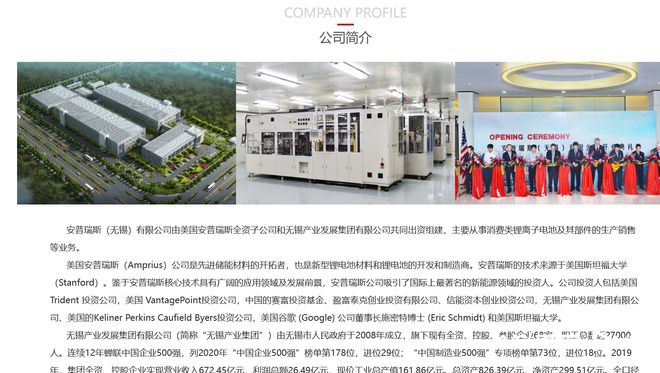
近日的充电宝质量舆情将一家无锡企业推至舆论风口浪尖。 据安克创新此前发布的充电宝召回公告,企业发现某电芯供应商未经批准变更原材料,这可能导致极少 数产品在长期循环使用后隔膜绝缘失效,进而引发过热甚至燃烧的安全隐患。多家媒体报道称,安克创 新所指的电芯供应商是安普瑞斯(无锡)有限公司,企业亦向媒体确认此事。 6月27日,安普瑞斯美国总部(Amprius Technologies, Inc.)相关负责人回应南都湾财社记者称,集团总 部从未开发或生产用于移动电源的电池,最近的报道失实地将电池鉴定问题与安普瑞斯总部联系在一 起,实际上,电池鉴定问题关联的公司是安普瑞斯(无锡)有限公司,是一家位于无锡的中国锂电池制 造商。 公司官网截图 6月26日,南都湾财社记者致电安普瑞斯(无锡)有限公司,工作人员称不方便接受采访,同日,该公 司第二大股东无锡产业发展集团有限公司工作人员回应南都湾财社记者称,集团已注意此事,已有专人 跟进。据环球网报道,安普瑞斯(无锡)有限公司相关人士曾表示,企业对此迅速启动调查,调查工作 仍在深入进行中,旨在全面厘清事件原因。 安普瑞斯(无锡)有限公司官网显示,该公司由美国安普瑞斯全资子公司和无锡 ...
头部企业,大动作!“史上最严电池安全令”将施行
证券时报· 2025-06-18 02:14
Core Viewpoint - The newly released national standard for electric vehicle batteries, known as the "strictest battery safety regulation in history," emphasizes safety over energy density, marking a shift in the industry towards prioritizing safety technology and quality over mere performance metrics [2][4][12]. Summary by Sections New National Standard - The "Safety Requirements for Power Batteries for Electric Vehicles" (GB38031-2025) will be implemented on July 1, 2026, introducing mandatory standards for batteries to not catch fire or explode after thermal runaway [4][11]. - The new standard includes 7 individual tests and 17 battery pack/system tests, enhancing safety measures compared to the 2020 version [4][5]. Industry Impact - The introduction of the new standard is expected to raise industry entry barriers, accelerate the exit of low-end production capacity, and concentrate market resources among leading companies [2][12]. - Companies like CATL, BYD, and others have already announced compliance with the new standards, indicating a proactive approach to safety [7][12]. Technological Advancements - The new standard requires improvements in battery design to reduce the likelihood of self-ignition, including new tests for rapid charging cycles and impact resistance [5][8]. - Solid-state batteries are anticipated to benefit from the new safety requirements, as they offer better thermal stability and safety features compared to traditional lithium batteries [9][12]. Market Dynamics - The shift towards safety as a core competitive advantage is expected to reshape the industry landscape, favoring companies that invest in research and development and prioritize product quality [12]. - The new regulations may lead to increased costs for companies as they upgrade technology and production processes to meet the new standards [11][12]. Future Outlook - The industry is likely to see a consolidation trend, with larger firms gaining a competitive edge due to their ability to meet the new safety standards and invest in advanced technologies [12]. - The transition from a price-driven market to one focused on quality and safety is expected to enhance the overall stability and reliability of electric vehicle batteries [11][12].



“史上最严电池安全令”将施行从“能量密度为王”转向“安全性能为先”
Zheng Quan Shi Bao· 2025-06-17 18:14
Core Viewpoint - The newly released national standard for electric vehicle batteries, known as the "strictest battery safety regulation in history," emphasizes the requirement for batteries to not catch fire or explode after thermal runaway, marking a shift from a focus on range to safety in the industry [1][2]. Group 1: New National Standard - The new national standard (GB38031-2025) will be implemented on July 1, 2026, and introduces mandatory safety requirements for batteries, including the ability to withstand thermal runaway without igniting or exploding [2][3]. - Compared to the 2020 version, the new standard includes additional testing requirements such as fast charging cycle safety tests and impact tests for battery packs [2][3]. - The new standard aims to reduce the probability of battery fires by enhancing testing protocols and safety measures, thus protecting consumer safety [2][3]. Group 2: Industry Impact - The introduction of the new standard is expected to raise industry entry barriers, accelerate the exit of low-end production capacity, and concentrate market resources among leading companies like CATL, BYD, and others [1][4]. - Companies that prioritize research and quality are anticipated to gain more growth opportunities as safety becomes a core competitive advantage [8]. - The new standard is seen as a "value reconstruction" in the standard system, shifting the focus from energy density to safety performance [3][8]. Group 3: Company Responses - Leading battery manufacturers, including CATL and BYD, have announced compliance with the new standards, with CATL being the first to meet the requirements [4]. - Companies like Xinwangda and others have also confirmed that their products meet or exceed the new safety standards, indicating a proactive approach to safety [4]. Group 4: Future Trends - The new standard is expected to accelerate the demand for solid-state batteries and sodium batteries, which are considered safer alternatives to traditional lithium batteries [6][8]. - The industry is likely to see a shift towards quality over price, as the new regulations may eliminate low-quality competitors and enhance the overall safety of battery technology [7][8].
小米汽车,深夜辟谣!
天天基金网· 2025-06-17 05:46
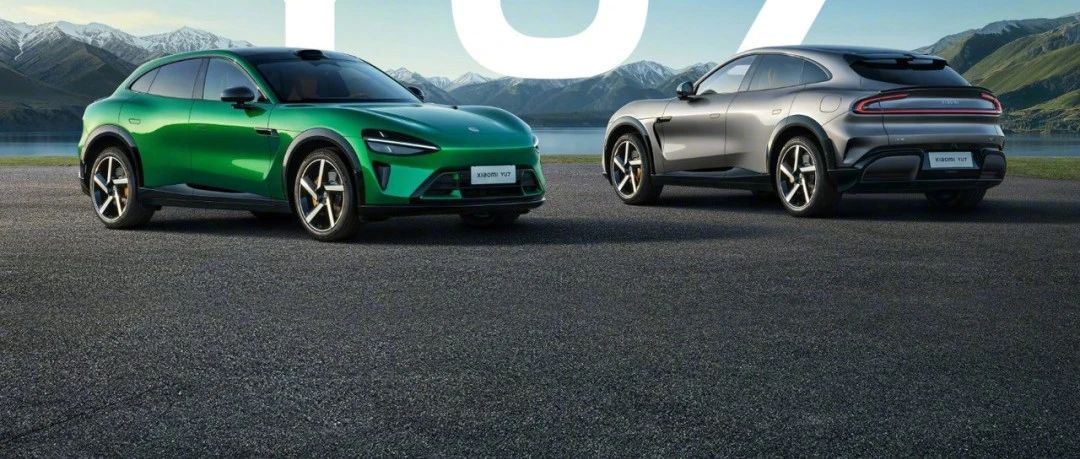
Core Viewpoint - Xiaomi Auto denies the existence of a "big customer manager" role and emphasizes the importance of relying on official channels for information [2][3]. Group 1: Product Announcement - Xiaomi Auto announced that the YU7 will officially launch at the end of June, alongside other products such as the Xiaomi Pad 7S Pro, REDMI K Pad, and REDMI K80 Supreme Edition [1]. Group 2: Safety Features of YU7 - The YU7 incorporates multiple safety measures for its battery pack, including a 1500MPa anti-scratch bottom beam to provide the first line of defense [5]. - The YU7 uses a bulletproof coating similar to that of the SU7 Ultra battery pack, which effectively absorbs impact energy to reduce damage from scratches [5]. Group 3: Tire Specifications and Performance - The YU7 is equipped with 245/55 R19 tires, where "245" indicates a section width of 245mm and "55" represents a sidewall height that is 55% of the section width, enhancing comfort and range [6]. - The standard version of the YU7 achieves a maximum range of 835km under CLTC conditions, balancing comfort and performance [6]. - The YU7's tires are custom-tuned for stability, complemented by an electronic stability program (ESP) and quadruple brake redundancy to ensure driving safety [6]. - For improved handling performance, the YU7 offers an option for rear tires sized at 275/40 R21, allowing for a narrower front and wider rear tire configuration [7].

小米汽车,深夜辟谣!
中国基金报· 2025-06-17 02:32
Core Viewpoint - Xiaomi Auto denies the existence of "big customer managers" and any cash subsidies for vehicle orders, urging consumers to rely on official channels for information [2][4]. Group 1: Xiaomi Auto's Clarifications - Xiaomi Auto officially announced that there are no "big customer managers" or cash subsidies for vehicle orders, advising consumers to be cautious of misleading information [4]. - The company emphasizes the importance of verifying information through official channels to avoid financial losses [4]. Group 2: YU7 Vehicle Specifications - The YU7 model will be officially launched at the end of June, alongside other products like the Xiaomi Pad 7S Pro and REDMI K80 Supreme Edition [2]. - YU7 incorporates multiple safety measures for its battery pack, including a 1500MPa protective beam and a bulletproof coating to absorb impact energy and reduce damage from scratches [6]. - The YU7 features 245/55 R19 tires, where "245" indicates a width of 245mm and "55" represents a sidewall height that is 55% of the width, enhancing comfort and range [8]. - The YU7 achieves a maximum range of 835km under CLTC conditions, balancing comfort and performance [8]. - The vehicle's stability is enhanced through custom tuning of tires and a chassis system with electronic stability control and redundant braking systems [8]. - For improved handling, the YU7 offers an option for rear tires sized up to 275/40 R21, allowing for a narrower front and wider rear tire configuration [8].