科创板第五套上市标准

Search documents
第二家!采用科创板第五套标准,本周上会
券商中国· 2025-07-14 08:17
Core Viewpoint - The article discusses the recent developments in the Shanghai Stock Exchange (SSE) regarding the listing of companies under the Sci-Tech Innovation Board, particularly focusing on the upcoming IPO of Beixin Life, which is the second company to adopt the fifth set of listing standards in 2025 [1][3]. Group 1: Company Overview - Beixin Life is a medical device company specializing in innovative diagnostic equipment for cardiovascular diseases, with a focus on the development, production, and sales of its products [3]. - The company meets the listing criteria under the Sci-Tech Innovation Board, with an expected market value of no less than 4 billion yuan and has achieved significant milestones in its product development [3]. Group 2: Product and Market Position - The core products of Beixin Life include the intravascular ultrasound (IVUS) diagnostic system and the fractional flow reserve (FFR) measurement system, making it the first domestic company to offer a combination of these technologies [4]. - The FFR system captured a 30.6% market share in China shortly after its launch in 2020, indicating strong market acceptance and demand for its products [4]. Group 3: Financial Performance - Beixin Life reported net losses of 179 million yuan, 164 million yuan, and 63 million yuan for the years 2022 to 2024, respectively, with a cumulative undistributed profit of -736 million yuan as of the end of 2024 [4]. - The ongoing losses are attributed to a small revenue scale that cannot cover operational costs, particularly high R&D and sales expenses [4]. Group 4: Regulatory Environment - The SSE has recently implemented reforms to the Sci-Tech Innovation Board, allowing unprofitable companies to enter the growth tier without additional listing hurdles, which is significant for companies like Beixin Life [2][6]. - The new rules also include a special identifier "U" for stocks in the growth tier, helping investors distinguish between new and existing stocks in this category [7]. Group 5: Industry Context - Since the establishment of the Sci-Tech Innovation Board in 2019, 54 unprofitable companies have successfully listed, with 22 of them achieving profitability post-listing [6]. - The total revenue generated by these companies in 2024 reached 174.48 billion yuan, showcasing the potential for growth and recovery in the sector [6].


科创板第五套标准重启凸显制度包容性 生物医药企业踊跃申报
Zheng Quan Ri Bao· 2025-07-07 16:07
Group 1 - The core viewpoint of the articles emphasizes the importance of the fifth listing standard on the Sci-Tech Innovation Board, which allows unprofitable companies with significant market potential and approved products to access capital markets, thereby enhancing market inclusivity [1][2][3] - Shanghai Hengrun Da Biological Technology Co., Ltd. plans to apply for listing on the Sci-Tech Innovation Board under the fifth standard, despite currently being unprofitable and not having products on the market [1] - Since the introduction of the fifth listing standard, 20 innovative biopharmaceutical companies have successfully listed, with 19 of them having launched core products, indicating a growing trend in China's biopharmaceutical innovation landscape [2] Group 2 - The fifth listing standard does not impose revenue or profit requirements but focuses on the approval of main products and significant market potential, facilitating access for companies with core competitiveness [2] - The recent optimization of the fifth listing standard aims to include emerging fields such as artificial intelligence and commercial aerospace, aligning listing criteria with industry innovation [3] - Experts suggest enhancing risk prevention mechanisms and improving information disclosure to ensure the healthy development of the Sci-Tech Innovation Board, including the introduction of third-party verification and advanced regulatory technologies [3]
第二家来了!采用第五套标准申报科创板
券商中国· 2025-07-05 08:45
Core Viewpoint - The article discusses the recent submission of listing materials by Hengrun Dashing, a biopharmaceutical company, under the fifth set of listing standards on the Sci-Tech Innovation Board, highlighting the trend of allowing unprofitable companies to list, which supports the development of high-quality technology enterprises [2][3][9]. Group 1: Company Overview - Hengrun Dashing is a biopharmaceutical company focused on innovative immune cell therapy products, particularly in the treatment of malignant blood diseases and solid tumors [6]. - The company has a pipeline of 11 research projects, including 10 major products utilizing technologies such as CAR-T and CAR-NK [6]. - As of the date of the prospectus, all products are still in the research and development phase, with no commercial sales or profitability expected in the near future [5][6]. Group 2: Financial Performance - The company has reported significant projected losses for the upcoming years, with net profits expected to be -273.71 million yuan, -283.65 million yuan, and -187.76 million yuan for 2022, 2023, and 2024 respectively [5]. - Cumulative undistributed profits amount to -904.15 million yuan as of the report date [5]. Group 3: Listing Standards and Market Context - The fifth set of listing standards on the Sci-Tech Innovation Board is designed for companies with complex product technologies, high capital requirements, and long research cycles, particularly in the biopharmaceutical sector [9]. - Since the establishment of the Sci-Tech Innovation Board in 2019, 54 unprofitable companies have successfully listed, with 22 of them achieving profitability post-listing [9]. - The resumption of the fifth set of listing standards is seen as a positive move to enhance the inclusivity and adaptability of the regulatory framework for high-quality unprofitable technology enterprises [3][9].

政策资本技术三重驱动 医药创新发展动能持续澎湃
Zheng Quan Ri Bao· 2025-07-04 16:13
Group 1 - The core viewpoint is that the approval of Shuwotini by the FDA marks a significant milestone for China's pharmaceutical industry, showcasing its growing innovation capabilities on the global stage [1] - The Chinese pharmaceutical industry is experiencing a surge in innovative drug approvals both domestically and internationally, driven by supportive policies, capital investment, and technological advancements [1][4] - The Chinese government has implemented a comprehensive policy framework to support drug and medical device innovation, addressing barriers throughout the entire lifecycle from research and development to market access and clinical application [1][2] Group 2 - Recent policies have been introduced to enhance the efficiency of innovative drug development, including the use of medical insurance data and the establishment of commercial health insurance directories for innovative drugs [2] - The capital market is increasingly supporting the pharmaceutical industry, with the reintroduction of listing standards for unprofitable companies on the STAR Market, signaling strong backing for hard-tech enterprises [3] - The STAR Market's fifth listing standard has become a crucial channel for supporting innovation in the pharmaceutical sector, with 20 companies already listed under this standard, collectively generating over 14 billion yuan in revenue in 2024, a 40% increase year-on-year [3] Group 3 - Chinese pharmaceutical companies are increasingly engaging in overseas licensing transactions, with over 90 deals in 2024, totaling more than $50 billion, indicating international recognition of their technological and commercial value [4] - The industry is encouraged to focus on true innovation, transitioning from "Me-too" to "First-in-class" and "Best-in-class" drugs, while enhancing collaboration between academia, industry, and healthcare [4] - A complete innovation ecosystem encompassing basic research, drug screening, clinical application, capital support, and global outreach is emerging, propelling the Chinese pharmaceutical industry into a "golden era" with significant economic and employment benefits [4]
★"第五套上市标准"蓄新能 科创板制度包容性不断提升
Shang Hai Zheng Quan Bao· 2025-07-03 01:56
Core Insights - The establishment of the Sci-Tech Innovation Board (STAR Market) has enabled 20 innovative biopharmaceutical companies to list under the fifth set of listing standards, reshaping China's biopharmaceutical landscape [1] - The China Securities Regulatory Commission (CSRC) has introduced measures to enhance the STAR Market's support for high-growth, unprofitable tech companies, emphasizing the importance of "hard technology" [1][3] - The fifth set of listing standards allows unprofitable innovative companies to raise funds, breaking traditional capital market constraints and facilitating financing for R&D-focused firms [1][2] Industry Developments - Since its inception, the STAR Market has seen 20 innovative biopharmaceutical companies adopt the fifth set of listing standards, with significant fundraising efforts directed towards advanced technologies such as antibody drugs and ADCs [1] - In 2024, these 20 companies collectively achieved revenue of 14.21 billion yuan, a year-on-year increase of 44.17%, with several companies projected to exceed 1 billion yuan in revenue soon [1] - Companies like Dizhe Pharmaceutical have reported substantial revenue growth, with a 294.24% increase to 360 million yuan, driven by innovative drug development [2] Company Performance - Companies such as Junshi Biosciences have successfully raised over 8 billion yuan through the STAR Market, significantly advancing their clinical projects and R&D initiatives [2][3] - Ailis, which listed under the fifth set of standards, achieved commercialization of its core product within 2 years and 5 months, demonstrating the effectiveness of the STAR Market in supporting innovative firms [3] - ShenZhou Cell has transitioned from having no products or revenue at the time of listing to achieving 2.51 billion yuan in revenue, marking a successful turnaround [5] Innovation Ecosystem - The STAR Market has fostered an innovation-driven ecosystem, enhancing the flow of resources and increasing recognition of innovative technologies within the capital market [3][4] - Companies are increasingly focusing their resources on R&D, maintaining high levels of investment intensity, and establishing a virtuous cycle of research and development [6] - The introduction of the STAR Market has led to a fundamental shift in the development logic of listed companies, prioritizing quality over scale and fostering collaborative ecosystems [6]


财务承压、专利缠身、研发迟滞,禾元生物叩关科创板“生死时速” | 创新药观察
Hua Xia Shi Bao· 2025-06-28 12:36
Core Viewpoint - The first company to undergo the listing review under the reactivated fifth set of standards for the Sci-Tech Innovation Board is Wuhan Heyuan Biotechnology Co., Ltd., which focuses on innovative drugs but faces significant financial challenges and ongoing international technical disputes [2][3]. Financial Challenges - Heyuan Biotechnology has been operating at a loss, with revenues increasing from 13.40 million yuan in 2022 to 25.22 million yuan in 2024, but net profits recorded losses of -144 million yuan, -187 million yuan, and -151 million yuan over the same period [3][4]. - As of December 31, 2024, the company had accumulated unremedied losses of 851 million yuan [3]. - The company's cash reserves have significantly decreased from 654 million yuan in mid-2022 to 160 million yuan by the end of 2024 [6]. Debt and Liquidity Issues - The company has seen a rise in debt, with short-term borrowings reaching 10.01 million yuan and long-term borrowings hitting 184 million yuan by the end of 2024, doubling from the previous year [7]. - Key liquidity ratios have deteriorated, with the current ratio dropping from 2.35 in 2022 to 1.02 in 2024, and the quick ratio falling from 2.03 to 0.69 over the same period [7][8]. R&D and Product Pipeline - Heyuan Biotechnology has a pipeline of eight drugs under development, with the most advanced product, recombinant human serum albumin injection (HY1001), expected to receive approval soon [9][10]. - The company has faced delays in the clinical trial phases of its products, particularly HY1002, which has seen its Phase III trial pushed back multiple times, now slated for late 2025 [10][11]. Legal Disputes - The company is embroiled in a long-standing patent infringement lawsuit initiated by Ventria Bioscience, which claims Heyuan's products infringe on its patents [12][13]. - The ongoing legal issues pose a risk to the company's core technology and could lead to significant financial liabilities or restrictions on product sales [14].
皮海洲:管理层应尽快出台未盈利企业股东减持规则|立方大家谈
Sou Hu Cai Jing· 2025-06-26 23:27
Group 1 - The core viewpoint of the article is that the Chinese securities regulatory authority is focusing on enhancing the inclusiveness and adaptability of the market system, particularly through reforms in the Sci-Tech Innovation Board and the Growth Enterprise Market, to attract more unprofitable companies to go public [1][2] - The "1+6" policy measures include the reintroduction of the fifth listing standard on the Sci-Tech Innovation Board, specifically designed for unprofitable companies, creating a dedicated "growth layer" for these firms [1][2] - The introduction of the third listing standard on the Growth Enterprise Market also supports high-quality unprofitable innovative companies to list, indicating a broader acceptance of unprofitable firms across multiple exchanges [2] Group 2 - The support for unprofitable companies to go public aligns with global trends, as many major markets have opened doors for such listings, reflecting a national policy to support the development of new productive forces in China [3] - The article highlights concerns regarding the potential issues that unprofitable companies may bring to the market, particularly the problem of shareholder sell-offs, which could undermine the long-term development of these companies [3][4] - To address the issue of shareholder sell-offs, it is suggested that a tailored lock-up period and reduction policy should be established for unprofitable companies, linking share reductions to the achievement of profitability [5]
时报观察丨以制度适配激活科技创新基因
证券时报· 2025-06-26 00:21
7月1日,禾元生物科创板IPO申请将上会,其拟采用第五套上市标准引发市场关注。作为科创板第五套上 市标准重启以来首家上会的企业,禾元生物此次被赋予标志性意义,即资本市场对科技创新规律的理解进 一步深化,制度适配性进一步增强。 科创板设立之初,即从科创企业发展的实际出发,允许无收入、未盈利企业通过"市值+研发"指标登陆资 本市场。然而,由于种种原因,自智翔金泰上市后,已两年未有企业采用第五套标准。 如今,科创板有望再次迎来第五套标准上市企业,充分体现了科创板对优质未盈利科技型企业的包容,进 一步彰显了资本市场支持科技创新、服务新质生产力发展的政策导向。 点击关键字可查看 潜望系列深度报道丨 股事会专栏 丨 投资小红书 丨 e公司调查 丨 时报会客厅 丨 十大明星私募访谈 丨 超600%!复牌暴涨! 丨 重磅!财政部:根据形势变化及时推出增量储备政策 丨 昨夜,中概股大 涨! 丨 "芯"火"辽"原已成势丨证券时报、辽宁日报联合调研报道 丨 科创板第五套标准重启!禾元生 物IPO即将上会 丨 又有公司进入退市整理期! 丨 促消费!央行、证监会等联合印发! 丨 大涨!牛 市旗手,再现百亿成交! 丨 刚刚,突破!中国资 ...
以制度适配激活科技创新基因
Zheng Quan Shi Bao· 2025-06-25 18:17
7月1日,禾元生物科创板IPO申请将上会,其拟采用第五套上市标准引发市场关注。作为科创板第五套 上市标准重启以来首家上会的企业,禾元生物此次被赋予标志性意义,即资本市场对科技创新规律的理 解进一步深化,制度适配性进一步增强。 科创板设立之初,即从科创企业发展的实际出发,允许无收入、未盈利企业通过"市值+研发"指标登陆 资本市场。然而,由于种种原因,自智翔金泰上市后,已两年未有企业采用第五套标准。 如今,科创板有望再次迎来第五套标准上市企业,充分体现了科创板对优质未盈利科技型企业的包容, 进一步彰显了资本市场支持科技创新、服务新质生产力发展的政策导向。 第五套上市标准是科创板制度包容性、适应性的重要体现,是应和科创企业发展规律的重要举措。与传 统企业不同,科技型企业往往具备"研发投入高、盈利周期长、商业验证慢"等成长特性。以新药研发为 例,从实验室成果到商业化落地平均耗时10—15年,需持续投入数十亿元资金,这期间,资本市场的支 持不可或缺。 从美股科技"七巨头"的成长轨迹来看,亚马逊上市后第6年方实现首次盈利,特斯拉更是在上市后第11 年才开始赚钱,苹果、英伟达等龙头企业同样经历了营收大幅下降甚至亏损的阶段。 ...
机器人企业A股上市有了新路径
机器人大讲堂· 2025-06-25 11:45
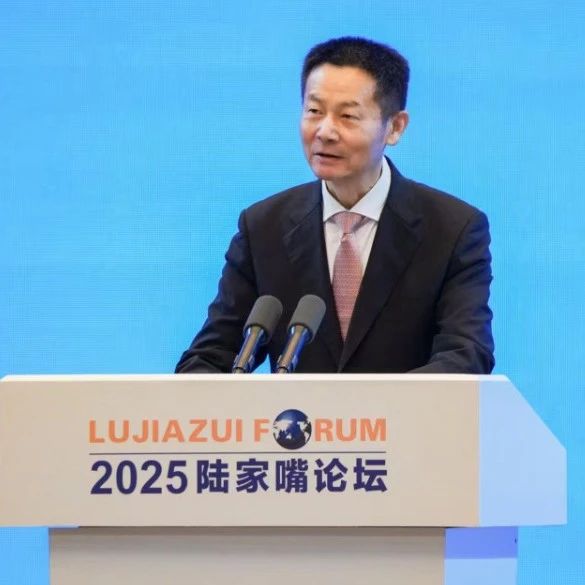
因为 A 股市场为了保护股民利益收紧,这两年来港交所这次捡了不少漏,尤其对现金流较差早期融资节奏太 快的企业,因为资金链和盈利性问题,只能选择跑到港股上市,这使得 A 股错失不少机器人企业。 为了抢救市场, 6 月 18 日,在 2025 陆家嘴论坛上证监会主席 吴清 表示,创业板正式启用第三套标准, 支持优质未盈利创新企业上市。将继续充分发挥科创板示范效应,加力推出进一步深化改革的 1+6 政策措 施,重启未盈利企业适用科创板第五套标准 ( 允许符合国家战略、突破关键核心技术且市场认可度高的企 业,在无盈利情况下以预计市值 40 亿元门槛上市 ) 上市 。 证监会表示在持续抓好 " 科创板八条 " 落地实施的基础上,以设置专门层次为抓手,重启未盈利企业适用科 创板第五套标准上市,推出一揽子更具包容性、适应性的制度改革,着力打通支持优质科技型企业发展的堵点 难点,同时进一步加强投资者合法权益保护。一方面,设置科创板科创成长层,在科创成长层的定位、企业入 层和调出条件、强化信息披露和风险揭示、增加投资者适当性管理等方面明确具体要求。另一方面,围绕增强 优质科技型企业的制度包容性适应性,推出 6 项改革举措。 值 ...