
通用人工智能

Search documents
扎克伯格全面AI加码:超算中心、闭源模型、高薪挖人三管齐下
3 6 Ke· 2025-07-15 10:10
Core Insights - Meta is investing over $100 billion in building "gigawatt-scale" data centers to support its superintelligence research initiatives [2][6] - The first data center, named "Prometheus," is being constructed in Ohio and is expected to be operational by 2026 [6] - Meta's revenue primarily comes from its advertising business across platforms like Facebook, Instagram, WhatsApp, and Messenger, which will provide stable cash flow for AI infrastructure investments [7] Investment and Infrastructure - Meta plans to spend "hundreds of billions" on computing infrastructure, with annual capital expenditures potentially reaching $72 billion, mainly for AI model training and deployment [7] - The demand for chips, electricity, and data centers is surging due to the rapid development of AI models, with a gigawatt-scale data center consuming as much electricity as approximately 900,000 American households annually [7] Strategic Shift in AI Development - Meta's newly established "Superintelligence Labs" is considering a strategic shift from open-source to closed-source AI model development, moving away from its previously strong open-source model "Behemoth" [9][10] - This potential shift indicates a significant change in Meta's approach to AI, as it may adopt a "open-source + closed-source" model to compete more effectively with companies like Google and OpenAI [9] Talent Acquisition and Team Structure - Meta is aggressively recruiting top AI talent, offering salaries that can reach nine figures, including a $200 million signing bonus for a senior AI executive from Apple [10][12] - The AI department has been restructured into the "Meta Superintelligence Labs," led by newly appointed Chief AI Officer Wang Tao, who is building a team of elite researchers [12] Future Outlook - Meta aims to create a "superintelligent" system that theoretically surpasses human intelligence across multiple tasks, with significant investments in talent and infrastructure to achieve this goal [10][12] - The internal restructuring and recruitment efforts may lead to talent attrition, particularly among those not selected for the new superintelligence team [12]



宇树科技王兴兴:未来3—5年人形机器人将加速在各行业应用落地
news flash· 2025-07-15 09:13
Core Insights - The humanoid robot industry is still in its early stages, but general robotics and artificial intelligence are expected to become mainstream in future technological development [1] - In the next 3 to 5 years, humanoid robots are anticipated to accelerate their application across various industries, including service sectors, industrial scenarios, and disaster rescue [1] - The development of humanoid robots requires global collaboration, with countries complementing each other's strengths to achieve a win-win situation [1]

欧盟公布最终版《通用人工智能行为准则》,如何影响汽车业?
Zhong Guo Qi Che Bao Wang· 2025-07-15 03:21
Core Viewpoint - The European Union's newly released "General Artificial Intelligence Code of Conduct" introduces significant regulatory challenges for the automotive industry, particularly in the context of smart and connected vehicles [3][4]. Group 1: Regulatory Framework - The "Code" serves as an extension of the EU's "Artificial Intelligence Act," focusing on transparency, copyright, safety, and security for AI models used in the automotive sector [4]. - The Code will take effect on August 2, 2025, requiring companies to comply with regulations for AI models built before this date within two years, while models developed after must comply within one year [4]. - The EU adopts a strict risk-based regulatory model, categorizing AI applications into unacceptable, high, medium, and low-risk, with high-risk applications requiring pre-assessment and ongoing monitoring [4]. Group 2: Challenges for the Automotive Industry - Automotive companies must transition from "black box" decision-making to transparent compliance, particularly for Level 2+ autonomous driving systems, which must disclose algorithms, training data sources, and decision logic [5]. - Compliance costs are expected to rise, with estimates indicating a 15%-20% increase in the development costs of intelligent systems per vehicle due to the need for algorithm explainability and real-time monitoring systems [5]. - The automotive sector faces new challenges in copyright compliance and user data governance, necessitating renegotiation of licensing agreements with content copyright holders and ensuring compliance with the EU's General Data Protection Regulation (GDPR) [6]. Group 3: Business Model Innovation - The shift from "data-driven" to "compliance-driven" business models will impact over-the-air (OTA) updates, requiring prior notification to regulatory bodies for changes involving AI model parameters [7]. - Chinese automotive companies exporting to the EU must embed multi-regional compliance modules in their AI systems, ensuring data localization for the EU market [7]. Group 4: Strategic Responses - Automotive companies are advised to establish an AI compliance committee to oversee technical development, legal, and data security departments, and recruit professionals with expertise in EU AI regulations and GDPR [8]. - Long-term strategies should include partnerships with EU-certified open data platforms and content distributors to mitigate infringement risks and the development of lightweight, auditable AI models [9]. - Companies must balance technological innovation with regulatory compliance, as the Code may increase compliance costs but also drive responsible innovation in AI technology [9][10].

科大讯飞持续烧钱,刘庆峰喊出“必赢之战”
Sou Hu Cai Jing· 2025-07-14 11:38
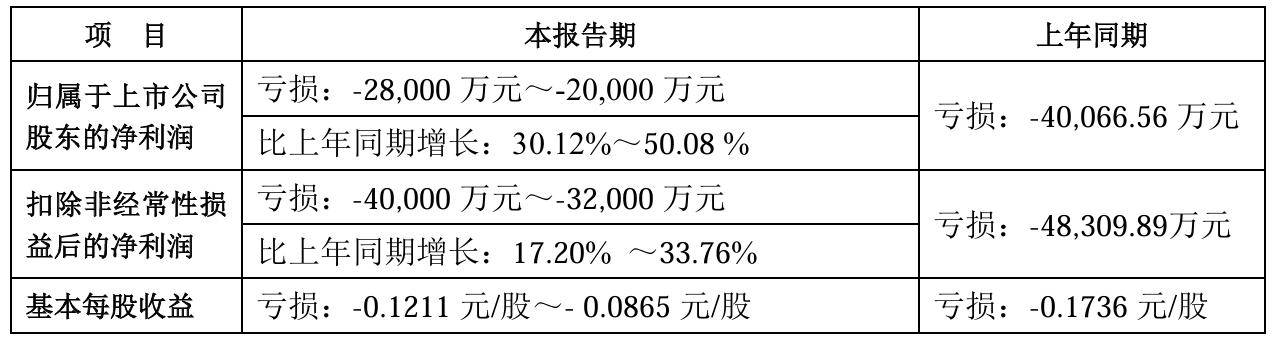
而从科大讯飞上半年的业绩预告中可以看到,他继续投重金做模型。半年度,其亏损有所收窄,但预计扣非归母净利润的亏损,最高仍达到4亿元。 上半年亏损收窄 在这半年里,科大讯飞预计营业收入、毛利较上年同期增长15%-20%,归母净利润较上年同期增长30%-50%,扣非净利润较上年同期增长17%-34%。 期内,它的毛利增长超过6亿元,销售回款总额约103亿元,较去年同期增长约13亿元;期末经营活动产生的现金流量净额,较去年增长超过7亿元,增长 约50%。 一系列增长指标,表明科大讯飞的同比亏损正在收窄。不过,它半年度预计其归母净利润亏损2亿元至2.8亿元,扣非归母净利润亏损3.2亿元至4亿元。 文/瑞财经 曾树佳 半个月前,科大讯飞董事长刘庆峰,在一次演讲中直呼:"2025年,将是全民AI、全行业AI的元年。"早在年初,刘庆峰就喊话,他和公司要在2025年打5 场"必赢之战"。 科大讯飞也提到了上半年的研究成果。 科大讯飞认为,半年度业绩变动,有几个主要原因。 该公司积极抢抓通用人工智能的历史新机遇,继续保持面向未来抢占人工智能根红利的战略投入,研发投入占营业收入比重约20%。 同时,to C业务继续保持快速增长。它 ...


四川省教育融媒体联盟成立
Zhong Guo Chan Ye Jing Ji Xin Xi Wang· 2025-07-10 23:02
Core Viewpoint - The establishment of the Sichuan Provincial Education Media Alliance aims to enhance the effectiveness of education publicity and address challenges in the current media landscape, focusing on resource integration and collaborative content creation [1][2][3] Group 1: Alliance Formation and Objectives - The Sichuan Provincial Education Media Alliance was officially established on July 8, 2023, with participation from 12 central and provincial mainstream media outlets, along with 112 universities and 16 municipal members [1] - The alliance seeks to resolve issues related to the fragmentation of accounts and homogenization of content in the education publicity system, promoting a collaborative mechanism centered on platform co-construction, content co-creation, resource sharing, and talent cultivation [1][2] Group 2: Strategic Focus and Implementation - The alliance will focus on building a strong educational public opinion platform through a combination of policy advocacy, positive messaging, and public sentiment monitoring, aiming to produce impactful educational content [2] - The initiative will leverage advanced technologies such as general artificial intelligence and AIGC content generation to transform education communication from a one-way output to an interactive model, enhancing the effectiveness of publicity services [2] Group 3: Long-term Development and Goals - The alliance aims to create a sustainable development mechanism that fosters innovation and establishes a positive growth model, contributing to the construction of a strong education province and improving public satisfaction with education [3]
上市公司动态 | 科大讯飞预计上半年亏损减半,赛力斯上半年净利预增66%-97%,药明康德预计上半年净利增四成
Sou Hu Cai Jing· 2025-07-10 15:46
Group 1 - iFlytek expects a significant reduction in losses for the first half of 2025, with projected revenue growth of 15%-20% and net profit growth of 30%-50% compared to the same period last year [1][2] - The company anticipates a gross profit increase of over 600 million yuan, with total sales receipts around 10.3 billion yuan, reflecting a year-on-year increase of approximately 1.3 billion yuan [1][2] - iFlytek's strategic focus on artificial intelligence and continuous investment in R&D, which constitutes about 20% of revenue, has led to healthy growth in its core business, particularly in the consumer sector [2][3] Group 2 - Seres expects a net profit increase of 66.20% to 96.98% for the first half of 2025, with projected net profit between 2.7 billion to 3.2 billion yuan [4] - The company's performance is attributed to its commitment to a software-defined vehicle strategy and the successful launch of new products in the second quarter of 2025 [4] Group 3 - WuXi AppTec anticipates a 44.43% increase in adjusted net profit for the first half of 2025, with expected revenue of approximately 20.8 billion yuan, a year-on-year growth of about 20.64% [5][6] - The growth is driven by the company's focus on its integrated CRDMO business model and the successful sale of part of its stock in WuXi XDC Cayman Inc., contributing an estimated gain of 3.21 billion yuan [6] Group 4 - China Shipbuilding expects a net profit increase of 98.25% to 119.49% for the first half of 2025, with projected net profit between 2.8 billion to 3.1 billion yuan [10] - The company has benefited from improved order structures and effective cost control, leading to significant revenue growth [10] Group 5 - Huadian Power anticipates a net profit increase of 62.62% to 70.22% for the first half of 2025, with projected net profit between 642 million to 672 million yuan [20] - The growth is attributed to effective cost reduction strategies and stable production processes [20] Group 6 - Lotus Holdings expects a net profit increase of 58.67% to 68.59% for the first half of 2025, with projected net profit between 160 million to 170 million yuan [21] - The company's new product development and sales have shown significant results, particularly in the new retail sector [21] Group 7 - Dongyangguang anticipates a net profit increase of 157.48% to 192.81% for the first half of 2025, with projected net profit between 583 million to 663 million yuan [28] - The company is accelerating its strategic layout in the intelligent computing and humanoid robot sectors, which has begun to yield revenue [28] Group 8 - Walden Materials expects a net profit of 545 million to 587 million yuan for the first half of 2025, reflecting a year-on-year growth of 30% to 40% [29] - The growth is driven by increased market demand across various product lines, including electronic materials and new energy vehicles [29] Group 9 - Sanmei Holdings anticipates a net profit increase of 146.97% to 171.67% for the first half of 2025, with projected net profit between 948 million to 1.042 billion yuan [30] - The company benefits from a favorable competitive landscape and rising demand for its fluorinated refrigerants [30]



科大讯飞: 2025年半年度业绩预告
Zheng Quan Zhi Xing· 2025-07-10 12:17
Performance Forecast - The company expects a net loss of between -280 million to -200 million yuan for the reporting period, compared to a loss of -400.67 million yuan in the same period last year [1] - The net profit attributable to shareholders is projected to increase by 30.12% to 50.08% year-on-year, while the net profit after deducting non-recurring gains and losses is expected to grow by 17.20% to 33.76% [1] Revenue and Profit Growth - The company anticipates a revenue and gross profit increase of 15% to 20% compared to the previous year, with a gross profit growth exceeding 600 million yuan in the first half of 2025 [1] - Total sales receipts are estimated to be around 10.3 billion yuan, an increase of approximately 1.3 billion yuan year-on-year [1] Strategic Initiatives - The company is actively seizing opportunities in the general artificial intelligence sector, with R&D investment accounting for about 20% of revenue [1] - The "Xunfei Spark" large model has maintained industry leadership, being the only domestically trained model on a fully localized computing platform [1] Market Position and Ecosystem - The company has established a unique advantage in the field of general artificial intelligence, with over 1.52 million developers engaged in the "Xunfei Spark" ecosystem [1] - The AI hardware based on the "Xunfei Spark" model saw a 42% year-on-year increase in sales during the "618" shopping festival, with the AI learning machine ranking first in sales on major platforms for three consecutive years [1]
科大讯飞:2025年上半年业绩预增超预期,归母净利润同比增长30%-50%
Xin Lang Ke Ji· 2025-07-10 12:13
Group 1 - The company expects a revenue growth of 15%-20% year-on-year for the first half of 2025, with net profit attributable to shareholders increasing by 30%-50% and non-recurring net profit growing by 17%-34% [2] - Operating cash flow net amount increased by over 700 million yuan, representing a growth of approximately 50%, with total sales receipts reaching 10.3 billion yuan, an increase of 1.3 billion yuan year-on-year [2] - The growth in performance is attributed to the company's proactive approach in seizing opportunities in general artificial intelligence, maintaining a strategic investment in future-oriented AI developments, with R&D expenses accounting for about 20% of revenue [2] Group 2 - The AI hardware based on the "Xunfei Spark Large Model" saw a year-on-year sales increase of 42% during the "618" e-commerce festival, with the AI learning machine ranking first in sales on JD and Tmall for three consecutive years [2] - The upgraded "Xunfei Deep Reasoning 70B Large Model Spark X1" matches the performance of top international models while significantly lowering the barriers for enterprise AI privatization and customization [3] - In the second quarter of 2025, the company achieved the highest number and amount of winning bids in the market for large model projects, according to the "China Large Model Bid Project Monitoring and Insight Report" [3]
欧盟委员会:通用人工智能行为准则现已发布,该准则旨在帮助行业遵守关于通用人工智能的法案规定。
news flash· 2025-07-10 10:11
欧盟委员会:通用人工智能行为准则现已发布,该准则旨在帮助行业遵守关于通用人工智能的法案规 定。 订阅人工智能动态 +订阅 ...
OpenAI重磅出手:六年来首发“开放权重”模型,微软独家协议迎挑战?
Hua Er Jie Jian Wen· 2025-07-10 05:58
Group 1 - OpenAI plans to release an "open weight" AI language model, marking its first such release since GPT-2 in 2019 and the first open model after signing an exclusive cloud service agreement with Microsoft [1] - The new model is expected to have reasoning capabilities similar to o3 mini and will be available on Azure, Hugging Face, and other major cloud platforms [1] - The open weight model allows enterprises and government agencies to run the model independently, differing from OpenAI's previous closed weight models [1][2] Group 2 - The open weight model represents a middle ground between open-source and closed-source methods, allowing users to view and modify weights without retraining the model [2] - This model could reduce usage costs for enterprises and enable customization, although its final "openness" will depend on the licensing terms and whether OpenAI provides full access to the model's code and training details [2] Group 3 - The timing of the model's release poses challenges for Microsoft's exclusive agreement with OpenAI, as it may weaken Microsoft's unique advantage in the AI business [3] - Competitors could host the model, potentially leading some Azure customers to switch to lower-cost alternatives or other cloud platforms [3] - Microsoft has invested over $13 billion in OpenAI, and the current revenue-sharing agreement allows Microsoft to receive 20% of the revenue from OpenAI's ChatGPT and API platforms [3][4] Group 4 - Ongoing negotiations between Microsoft and OpenAI involve key contract terms, including Microsoft's exclusive rights to sell OpenAI software through Azure and priority in providing computing infrastructure [4] - OpenAI must secure Microsoft's approval for its transition to a for-profit model by the end of the year to avoid losing significant investments from backers like SoftBank [4]
