
即时零售

Search documents
国信证券:2026年消费板块或迎来一定行情弹性 维持板块“优于大市”评级
智通财经网· 2025-12-01 03:31
Core Viewpoint - Guosen Securities maintains an "outperform" rating for the retail sector, anticipating potential market resilience in 2026 due to policy support and corporate improvements [1] 2025 Review - In the first nine months of 2025, China's retail sales reached 365.877 billion yuan, a year-on-year increase of 4.5%, with retail sales of non-automotive consumer goods growing by 4.9% [1] - Cosmetics sales increased by 3.9%, while gold and jewelry sales surged by 11.5% due to a low base last year and rising gold prices [1] - Cross-border e-commerce imports and exports amounted to approximately 2.06 trillion yuan, reflecting a 6.4% growth despite external tariff impacts [1] Structural Highlights - The consumption landscape in 2025 shows structural highlights in sectors like pets, trendy toys, personal care, and jewelry, driven by new consumer insights and product innovation [2] - The new consumption industry trends and the reversal expectations of traditional consumption are identified as two core themes, with initial positive market performance followed by a cooling phase [2] 2026 Outlook - New Market: Exploration of incremental growth opportunities in domestic markets and continued overseas expansion as a key strategy for Chinese brands [3] - New Demand: Insights into emerging consumer preferences will drive product innovation focused on emotional and practical value [3] - Platformization: In a competitive environment, companies need to develop platform mechanisms and explore new opportunities to ensure sustainable growth [3]

根深叶茂,业厚行远——2025(第十三届)数字营销峰会圆满举行
3 6 Ke· 2025-12-01 03:18
11月28日,以"根深业茂"为主题的2025(第十三届)数字营销峰会在北京举行。今天的数字营销行业根系深厚,在峰会重磅环节"资深亲历者说——以史 鉴今、洞见未来"中,丁俊杰、郑晓东、于子桓与陈鹏四位长期深耕数字营销领域、亲历行业重要发展阶段的领军人物,回忆了行业突破的焦点时刻,总 结出行业蓬勃向上的宝贵经验。 值得关注的是,本次峰会创设的"虎视担当-百脑汇"圆桌对话环节,创造了一个敢说、真说的碰撞场景。对话定向邀约140多位品牌及行业资深实战专家, 在一个没有立场预设的开放场域中,探讨行业热点,给出未来的思考与出路。 2025年,也恰逢中国商务广告协会数字营销专业委员会(简称"数委会")成立十周年。十年间,数委会从最初几十家成员起步,如今已成长为覆盖全行 业、全赛道的全域生态价值平台,正是"根深业茂"的生动写照。 峰会现场,中国商务广告协会领导与行业专家共同回顾了数委会与行业共生共荣、向上生长的十年征程。现场还举行了数委会十周年表彰活动,并为新晋 评聘的数字营销专家正式颁发证书。 峰会上重磅发布了《2025中国数字营销行业年度报告》《中国数字营销生态图(2025版)》《2025虎啸年度洞察报告(五大行业版)》 ...


阿里“触礁”
Sou Hu Cai Jing· 2025-12-01 01:38
阿里的"梦",撞上了经营利润骤降85%。 文/每日资本论 沸沸扬扬的外卖大战与AI的喧嚣声中,这家中国知名科技公司露出了疲态。 近日,阿里巴巴发布的2026财年第二季度财报显示,本季度,其总收入达到2477.95亿元,剔除已出售业务影响后,同口径收入同比增长15%,这一增长主 要得益于AI驱动的云业务和快速扩张的即时零售板块。 从其核心板块来看,电商集团收入1325.8 亿元,同比增长16%,其中即时零售收入229.06 亿元,同比激增60%,成为最大增长亮点。云智能集团营收398.2 亿元,同比增速攀升至34%,较前两个季度的 17.7%、22% 实现加速突破。 但利润端的暴跌却撕开了增长的面纱——集团经营利润同比骤降85%至53.65亿元,经调整EBITA(息税及摊销前利润)也同比下降78%至90.73亿元,利润 大幅下滑同样源于对AI和即时零售的战略投入。 简而言之,阿里的基本盘电商这块,不能说不好,也不是简单与竞争对手作对比,但市场份额正在被大小电商蚕食却是不争的事实。而一路走来,那个"p夕 夕"从被质疑到被众多同行学习,也说明老牌电商们的危机感。 显然,找到另一个强支撑势在必行。从发展轨迹来看,多元 ...


外卖大战转向生态持久战,阿里美团京东三季度烧钱超千亿
Sou Hu Cai Jing· 2025-12-01 01:35
Core Insights - The competition in the food delivery sector is not over; it has merely shifted in strategy, moving from a subsidy and volume battle to an ecological and systemic competition [2][3][8] - Major players like Alibaba, Meituan, and JD.com have collectively burned over 100 billion yuan in the food delivery business within a short period, indicating the high stakes involved [4][6] - Meituan reported its largest loss since going public, with a core local business segment loss of 14.1 billion yuan, while Alibaba and JD.com also faced significant profit declines [6][7] Financial Performance - Meituan's Q3 revenue fluctuated, resulting in a significant operating loss of 16 billion yuan, with sales and marketing expenses reaching 34.3 billion yuan, up 183% year-on-year [6][7] - Alibaba's operating profit dropped from 35.2 billion yuan to 5.4 billion yuan, with sales and marketing expenses increasing by 340 billion yuan [6][7] - JD.com reported a loss of 15.7 billion yuan in new businesses, including food delivery, with marketing expenses rising by 110.5% to 21.1 billion yuan [6][7] Strategic Shifts - The competition is transitioning to a more sustainable and rational phase, focusing on long-term ecological strategies rather than aggressive price wars [8][17] - Alibaba's management indicated a focus on optimizing order structures and logistics costs, leading to improved unit economics in its food delivery segment [9][11] - Meituan is increasing direct subsidies in the restaurant sector while also expanding its overseas operations [13][14] Market Dynamics - The competitive landscape is evolving, with Alibaba gaining a strategic advantage in the food delivery market, while Meituan is under pressure due to its reliance on food delivery as a primary traffic source [19][21] - The long-term implications of this competition may lead to a more integrated ecosystem that encompasses food delivery, e-commerce, and other online travel agency (OTA) services [21][22] - The entry of competitors like Douyin and Pinduoduo into the market adds further complexity to the competitive dynamics, as they seek to capture a share of the growing instant retail market [21][22]


2025Q3美团-W业绩会纪要
2025-12-01 00:49
Key Points Summary of Meituan Q3 2025 Earnings Call Company Overview - **Company**: Meituan-W - **Industry**: Local services and food delivery Core Insights and Arguments 1. **User Growth and Engagement**: - Monthly active users grew over 20% year-on-year, with high-frequency usage among premium users [1][2] - Daily transactions by high-end users indicate strong engagement [1] 2. **Local Business Strategy**: - Focus on upgrading products and services to enhance user retention and competitive advantage [1] - Effective sales activities through Meituan membership, increasing user stickiness [1] 3. **Merchant Support and AI Integration**: - Merchants benefit significantly from Meituan's technological support, integrating AI to enhance operational efficiency [1][2] - Initiatives to support small and medium-sized merchants with funding and operational tools [3] 4. **Food Safety and Merchant Empowerment**: - Collaboration with industry partners to ensure food safety through initiatives like "Raccoon Canteen" [3] - Over 20 locations launched in high-tier cities, improving merchant visibility and order volume [3] 5. **Instant Retail Growth**: - Meituan's instant retail platform, Meituan Flash Purchase, continues to lead in growth and service upgrades [3] - User growth and transaction frequency have increased, with a focus on expanding supply [3] 6. **New Business Performance**: - New business revenue grew 15.9% year-on-year to 28 billion yuan, with operating losses increasing by 24.5% to 1.3 billion yuan [6] - Strong growth in grocery retail businesses like Xiaoxiang Supermarket and Kuailv [6] 7. **Membership and AI as Key Tools**: - Enhanced membership system has improved user engagement and transaction frequency [7] - AI tools tailored for restaurant merchants are being developed to improve operational efficiency [8] 8. **Market Position and Competition**: - Meituan maintains a leading position in the food delivery market, focusing on high average order value (AOV) [11] - The company aims to capture over 70% market share in orders exceeding 30 yuan [11] 9. **Financial Outlook**: - Despite anticipated losses in Q4 2025, the company is committed to maintaining its market position without engaging in price wars [13] - Long-term profitability is expected to stabilize as the competitive landscape matures [14] 10. **International Expansion**: - KEETA's operations in Hong Kong and Saudi Arabia are performing well, with plans for further expansion in the Middle East and Brazil [21][23] - The company sees significant potential in the food delivery market in the Middle East and Brazil, with a focus on localizing operations [23][25] Additional Important Insights 1. **Consumer Behavior**: - High-frequency consumers prioritize delivery experience and service reliability over low prices [12] - The membership program offers exclusive benefits to loyal users, enhancing engagement [12] 2. **AI Development**: - Continuous improvement of AI capabilities to enhance service personalization and operational efficiency [20] - AI tools are being integrated into both merchant operations and consumer-facing applications [20] 3. **Sustainability and Industry Health**: - Emphasis on supporting small merchants and creating a sustainable ecosystem for long-term growth [10] - The company is focused on creating value for consumers, merchants, and the overall ecosystem [10] 4. **Operational Efficiency**: - Investments in supply chain and operational capabilities are crucial for maintaining competitive advantages [16] - The company is committed to enhancing user experience through improved service delivery and product offerings [16] This summary encapsulates the key points from Meituan's Q3 2025 earnings call, highlighting the company's growth strategies, market position, and future outlook.

产业景气前瞻-大众品全品类专家交流
2025-12-01 00:49
Summary of Industry and Company Insights from Conference Call Industry Overview - The overall food and beverage industry is experiencing sluggish growth, with compound seasoning showing a negative growth of approximately 5-6% as of October 2025. However, the snack food sector has exceeded expectations with growth over 20%, primarily due to the shift from small B customers to large C customers, leading to increased orders through instant retail channels [1][2][3]. - The ban on alcohol has impacted the restaurant industry, resulting in decreased dining frequency and average spending from March to October 2025. There has been an increase in demand for night markets and small Chinese restaurants, but a decline in demand for compound seasonings [1][5]. Company Performance - **Haitian Flavor Industry**: From January to November 2025, Haitian achieved an overall growth of about 6%, with a growth rate of approximately 5.7% from January to September. The company is expected to maintain a growth trend in the fourth quarter [6][7]. - **Chubang**: Experienced negative growth from January to November, with uncertainty regarding year-end rebates. The brand's growth was negative by about 2% for the year [7]. - **Qianhe**: Reported a negative growth of approximately 9% from January to November, with e-commerce growth failing to reverse the overall decline [1][7]. - **Yihai International**: The hot pot base saw a negative growth of about 4% from January to November, with significant fluctuations in sales due to its smaller overall sales volume [1][8]. - **Frozen Food Market**: The market is entering a recovery phase, with Anjui Foods expected to achieve a 5% growth for the year, primarily driven by new products. Other brands like Sanquan and Si Nian reported sales declines of about 3% and 2%, respectively [1][10][13]. Market Trends and Dynamics - The beverage market is experiencing severe differentiation, with brands like Nongfu Spring and Dongpeng showing growth rates of 20% and 13%, respectively. In contrast, brands like Master Kong and Pepsi are facing negative growth of -7% and -10% [2][18][20]. - The market is characterized by severe homogenization, with many brands launching similar products without significant innovation. This has led to a lack of differentiation and innovation across the market [20][21]. - The shift from small B to large C customers has resulted in a slight decrease in shipment volume by about 2-3% and a more significant decline in transaction value by approximately 5-6% [4]. Future Outlook - The company anticipates continued recovery in the seasoning and frozen food markets, although achieving annual targets will remain challenging. Specific brands like Qianhe and Chubang will require close observation for strategic adjustments [12]. - There is a focus on increasing investment in snack foods and infant formula, while maintaining a cautious approach towards beverage projects that are experiencing significant negative growth [22][23]. Additional Insights - The impact of the alcohol ban has led to a notable change in consumer purchasing habits, particularly affecting mid-to-high-end restaurants, while smaller establishments have shown resilience [5]. - The overall sales performance of the frozen food market has varied significantly among brands, with some achieving growth through effective inventory management and promotional strategies [14][13]. This summary encapsulates the key insights and trends from the conference call, highlighting the challenges and opportunities within the food and beverage industry as well as specific company performances.
美团没有被彻底拖住
36氪· 2025-11-30 23:53
Core Insights - The article discusses the intense competition in the food delivery market, highlighting that there are no clear winners in the ongoing battle, particularly in Q3 2025, where both Alibaba and Meituan faced significant losses [4][10]. - Meituan's core local business segment reported a revenue decline of 2.8% year-on-year, resulting in an operating loss of 14.1 billion yuan, marking its first loss since Q4 2022 [4][9]. - Alibaba's aggressive strategy led to a profit drop of approximately 30 billion yuan, with significant investments in subsidies that have nearly exhausted their planned 50 billion yuan budget [10]. Meituan's Performance - Meituan's operating profit for its core local business was 14.6 billion yuan in Q3 2024, contrasting sharply with a loss of 14.1 billion yuan in the same period this year, indicating a significant shift in financial performance [9]. - The increase in sales and marketing expenses by 90.9% to 35.9% of revenue reflects the high cost of maintaining market share amid fierce competition [9][10]. - Despite the losses, Meituan's average order value (AOV) remains significantly higher than competitors, with over 70% market share in orders above 30 yuan [10]. Competitive Landscape - The competition has intensified with new entrants and existing players like Alibaba and JD.com increasing their efforts in the food delivery and local services market [13]. - Douyin (TikTok) is emerging as a formidable competitor, with its life services projected to exceed 800 billion yuan in GTV by 2025, narrowing the gap with Meituan [13]. - The article notes that both Alibaba and Meituan are still in the process of optimizing their user experience (UE) and expanding their instant retail offerings [11][12]. New Business Developments - Meituan's new business segment saw a revenue increase of 15.9% year-on-year to 28 billion yuan, although operating losses increased by 24.5% to 1.3 billion yuan [17]. - The company is expanding its offline retail efforts, with initiatives like the "Happy Monkey" discount supermarket and "Little Elephant" supermarket gaining traction [18]. - Meituan's overseas business, particularly in Brazil, is set to launch in December, with significant investments aimed at capturing market share in a competitive landscape dominated by iFood [19][20]. Future Outlook - Meituan's management expresses confidence in maintaining efficiency and market share despite ongoing losses, emphasizing the importance of patience and strategic focus [7][15]. - The company aims to leverage its strengths in high-value orders and continue exploring new opportunities in both domestic and international markets [10][20].
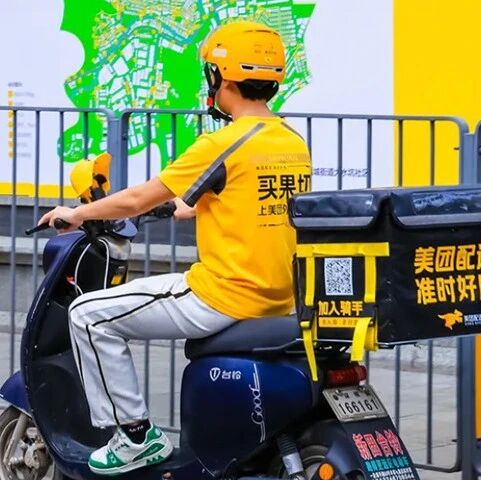
多家大厂驰援香港;阿里、美团、滴滴披露三季度财报|一周未来商业
Mei Ri Jing Ji Xin Wen· 2025-11-30 23:19
E-commerce and New Retail - Alibaba Group donated 20 million HKD following a fire in Hong Kong, while ByteDance and Didi contributed 10 million HKD each. Pinduoduo also donated 10 million HKD and launched a public welfare section for firefighting supplies [1] - Alibaba's Q2 revenue for FY2026 reached 247.8 billion CNY, a 5% year-on-year increase, with cloud revenue growing 34% and AI-related products seeing triple-digit growth for nine consecutive quarters [2] - JD Industrial has received approval for an IPO on the Hong Kong Stock Exchange, with projected revenues of 14.135 billion CNY in 2022, increasing to 20.4 billion CNY in 2024 [3] Logistics and Supply Chain - Jitu Express launched its first industrial-grade automated sorting system in Thailand, improving sorting efficiency by over 100% and achieving a sorting accuracy of over 99% [4] Life Services - Meituan reported a Q3 loss of 14.1 billion CNY in its core local business segment due to irrational competition in the food delivery industry, with expectations of continued losses in Q4 [5][6] - Didi's Q3 order volume reached 4.685 billion, a 13.8% year-on-year increase, with a net profit of 1.5 billion CNY [7] - Taobao Flash Sale announced the cancellation of late fee deductions, expanding to 60 cities, aiming to enhance rider protection and user experience [8] Innovation and Investment - Ruiyun Cold Chain completed nearly 100 million CNY in A+ round financing, focusing on digital capabilities and international expansion [9] - Soul App submitted a listing application to the Hong Kong Stock Exchange, reporting a revenue CAGR of over 15% from 2022 to 2024 and achieving stable profitability since 2023 [10][11]
2025年Q4电商行业战略动态调查报告——AI与即时零售重塑竞争格局
Sou Hu Cai Jing· 2025-11-30 17:12
Core Insights - The Chinese e-commerce industry has transitioned from a traffic-driven era to a "hardcore competition" phase focused on technology and ecosystem collaboration by Q4 2025 [1][22] - Key trends include the commercialization of AI technology, the intensification of instant retail, the deepening of omnichannel operations, and the evolution of competitive dimensions [3] Group 1: AI Technology Commercialization - AI has shifted from a technology reserve to a key growth driver for e-commerce giants, with Alibaba making significant investments leading to substantial revenue growth in AI-related products [4] - JD has applied AI extensively in marketing and service, achieving over 90% coverage in intelligent customer service and an 18% increase in conversion rates for core categories [4] - Smaller merchants benefit directly from AI, with Pinduoduo's AI selection system improving ROI by 40% for partners, while Douyin and Kuaishou have reduced content production cycles by 50% [4] Group 2: Instant Retail Market Competition - Instant retail has become a critical battleground for growth, with Alibaba, JD, and Meituan competing fiercely, aiming for a trillion-yuan transaction scale within three years [6] - In Q4, the transaction volume for instant retail reached 220 billion yuan, a 65% year-on-year increase, with Meituan holding a 45% market share [6] - The market is projected to exceed one trillion yuan by 2026, with front warehouse models contributing over 50% of transaction volume [6] Group 3: Omnichannel Operations - The fragmentation of traffic has driven platforms to transition towards "omnichannel collaboration," with Douyin e-commerce integrating advertising and e-commerce traffic pools [8] - Traditional platforms are accelerating their content transformation, with Alibaba and JD enhancing their content capabilities to complement their existing strengths [8] - Omnichannel operations have become a standard in the industry, moving away from single-channel strategies [8] Group 4: Shift from Price Wars to Value Wars - As customer acquisition costs rise, platforms are shifting from price competition to "value wars," focusing on quality and service [9] - Pinduoduo's "billion support plan" aims to enhance merchant quality, while JD emphasizes "quality retail" strategies [9] - The emergence of "heart-price ratio" reflects a consumer trend prioritizing product quality and service experience over mere pricing [9] Group 5: Company-Specific Strategies - Alibaba is focusing on AI and instant retail as dual drivers for growth, but faces short-term profit pressures due to significant investments [12] - JD is leveraging high-frequency delivery to expand into local life services, showing promising conversion rates but facing challenges with ongoing losses [13] - Pinduoduo remains the only major player with positive net profit growth, emphasizing cost-effectiveness and agricultural product sales [15] - Douyin e-commerce is rapidly increasing its market share through deep integration of content and commerce, but still needs to cultivate user habits for shelf-based e-commerce [16] Group 6: Future Trends - AI is expected to fundamentally reshape the e-commerce landscape, with intelligent systems becoming new traffic hubs [17] - Instant retail is projected to evolve into a core business model, with continuous innovations in operational models [17] - The integration of content and commerce will become standard, with platforms adopting a closed-loop system for user engagement [17] Group 7: Strategic Variables - The focus for the next year will be on breakthroughs in AI technology and instant retail profitability models by major players like Alibaba and JD [22] - The progress of content platforms like Douyin and Kuaishou in shelf-based e-commerce will be crucial for determining the final shape of omnichannel integration [22]



美团-W(03690):高客单核心壁垒稳固,Q4预计利润环比改善
Shenwan Hongyuan Securities· 2025-11-30 15:24
Investment Rating - The report maintains a "Buy" rating for Meituan [3][13] Core Insights - Meituan reported Q3 2025 revenue of Rmb95.5 billion, a 2.0% year-on-year increase, but below consensus expectations of Rmb97.5 billion. The operating profit was Rmb-19.76 billion, significantly lower than Rmb13.69 billion in the same period last year [8][9] - The report indicates that industry competition has peaked, with core local commerce experiencing significant losses in Q3 but expected sequential improvement in Q4. Core local commerce revenue declined by 2.8% year-on-year to Rmb67.4 billion, with an operating margin of -20.9% [9][10] - Meituan Instashopping achieved strong growth, leading the industry, with a focus on enhancing supply and user engagement. The platform launched "Branded Flagship InstaMart," which saw a 300% sales increase on its first day during the "11.11" shopping event [10][11] - New initiatives showed improved profitability, with revenue from new initiatives rising 15.9% year-on-year to Rmb28.0 billion, although operating losses widened to Rmb1.3 billion. Keeta, a new initiative, achieved profitability in Hong Kong ahead of schedule [11][12] Financial Summary - For 2023, Meituan's revenue is projected at Rmb276.7 billion, with a year-on-year growth rate of 25.8%. Adjusted net profit is expected to be Rmb23.3 billion [6][16] - The adjusted net profit forecast for 2025 has been revised down to Rmb-16.6 billion, reflecting the impact of intensified competition on short-term margins [13][16] - The report anticipates a long-term recovery in profitability, with a projected revenue of Rmb365.98 billion in 2025 and Rmb485.30 billion by 2027 [6][16]