
生态保护

Search documents
山西推动“一泓清水入黄河”生态保护工程提质增效
Xin Hua Wang· 2025-08-04 01:01
Group 1 - The core viewpoint of the articles highlights the significant improvements in water quality and environmental conditions in Shanxi Province through various wastewater treatment and ecological restoration projects [1][2] - The construction of new sewage treatment facilities has effectively addressed issues such as wastewater discharge and pollution in rural areas, enhancing the quality of life for local residents [1] - The "One Drop of Clear Water into the Yellow River" ecological protection project aims to implement 285 engineering projects over three years to improve water resources, environment, and ecology, with a completion rate of 69.5% as of July 5, 2023 [2] Group 2 - The wastewater treatment plant in Wenshui County has a daily processing capacity of 4,000 to 5,000 tons, significantly reducing the direct discharge of livestock and domestic wastewater into the tributaries of the Fen River [1] - The tailwater wetland construction project in Jingle County utilizes an ecological system to purify wastewater, achieving water quality standards that protect biodiversity and ensure stable water quality in the Fen River [2] - The ecological restoration efforts in Shanxi are crucial for the overall ecological environment of the Fen River basin, aiming to enhance water quantity, quality, and scenic beauty [1]
山西全力推动“一泓清水入黄河”生态保护工程提质增效
Xin Hua She· 2025-08-03 13:11
Group 1 - The core viewpoint of the articles highlights the significant improvements in water quality and environmental conditions in Shanxi Province through various wastewater treatment and ecological restoration projects [1][2] - The construction of new sewage treatment facilities has effectively addressed issues of wastewater discharge in rural areas, enhancing the quality of life for local residents [1] - The "One Stream of Clear Water into the Yellow River" ecological protection project aims to implement 285 engineering projects over three years to improve water resources, environment, and ecology in the region [2] Group 2 - The wastewater treatment plant in Liu Hulan Town processes 4,000 to 5,000 tons of wastewater daily, significantly reducing pollution from livestock and domestic sewage [1] - The tailwater wetland project in Jing Le County utilizes an ecological system to purify wastewater, achieving water quality standards that support biodiversity and water source conservation [2] - As of July 5, 2023, 198 out of 285 projects under the "One Stream of Clear Water into the Yellow River" initiative have been completed, indicating a completion rate of 69.5% [2]
雪山草地,守护伴着牧歌相传
Ren Min Wang· 2025-08-02 00:04
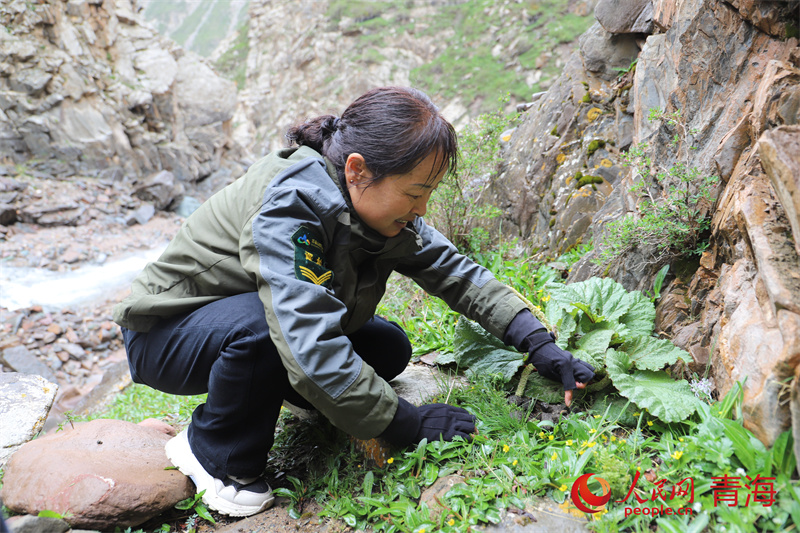
Core Points - The article highlights the transformation of the ecological management efforts in the Qilian Mountain region, emphasizing the role of ecological guardians in restoring the environment and promoting sustainable livelihoods for local communities [1][4][10] Group 1: Ecological Restoration - The Qilian Mountain National Park candidate area has seen significant ecological improvements since the establishment of the ecological management station in 2017, with vegetation area increasing by 9,700 hectares and an average vegetation coverage improvement of 1.45% [7] - The ecological quality has improved by 15.27%, with 60.17% of degraded grasslands effectively restored, enhancing water conservation capacity and runoff [7][10] Group 2: Economic Development - Local herders have transitioned from traditional livestock farming to becoming ecological guardians, receiving professional training and a fixed salary, which has led to the establishment of 15 new farmhouses and 5 camping bases in the region [4][9] - The region is projected to attract nearly 3 million tourists in 2024, generating over 1.2 billion yuan in tourism revenue, showcasing the economic benefits of ecological tourism [9] Group 3: Community Engagement and Education - The establishment of the ecological science popularization museum has attracted 110,000 visitors in two years, highlighting the growing interest in ecological education among students and the community [9][10] - The article emphasizes the importance of systematic governance in improving ecological quality, with 146,000 ecological guardians actively participating in environmental protection efforts across Qinghai province [10]

我国国家公园建设加快推进,如何既坚守生态保护第一又能实现“全民共享”?
Yang Guang Wang· 2025-08-01 13:02
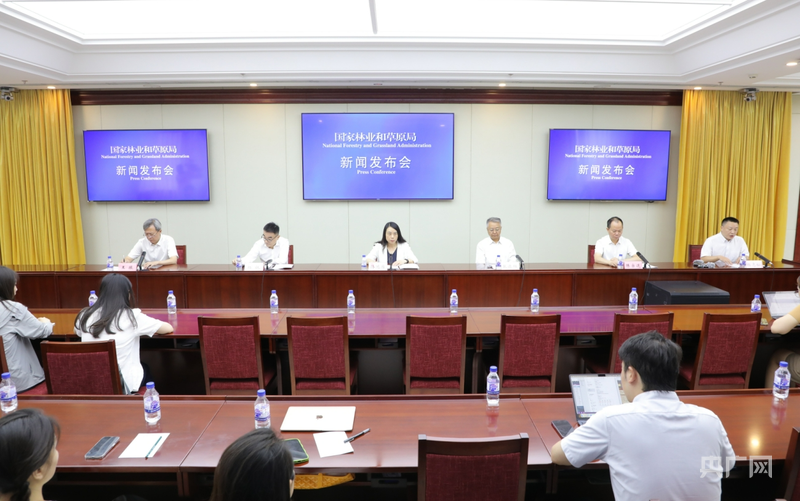
Core Points - The establishment of the first batch of national parks in China, including Sanjiangyuan, Giant Panda, and Northeast Tiger and Leopard parks, has shown significant progress in ecological restoration and biodiversity enhancement [1][4][6] - The principles of "ecological protection first," national representation, and public welfare are central to the construction of national parks [1][2][4] - The creation of new national parks, such as Ruoergai, is being accelerated, focusing on integrated protection and restoration of ecosystems [2][3] Group 1: National Park Achievements - The first batch of national parks has led to the recovery of flagship species populations, with the number of wild giant pandas increasing from approximately 1,100 in the 1980s to about 1,900 today [6] - In the Sanjiangyuan National Park, the coverage of grassland vegetation has increased by 8.6%, and populations of species like the Tibetan antelope and wild donkey have significantly grown [6] - The Northeast Tiger and Leopard National Park has seen the number of tigers and leopards rise to around 70 and 80, respectively, with evidence of tiger presence expanding over 200 kilometers [6] Group 2: Economic and Community Impact - Residents in the Sanjiangyuan National Park have experienced an average income increase of 15,000 to 21,000 yuan compared to pre-establishment levels [4] - In Hainan Tropical Rainforest National Park, relocated residents now earn nearly four times their previous income, benefiting from local resources and cultural advantages [4] - The Wuyi Mountain National Park has increased compensation standards for ecological tea gardens, with per-mu compensation amounts 9 to 13.5 yuan higher than outside the park [4] Group 3: Future Directions and Initiatives - The establishment of Ruoergai National Park aims to balance ecological protection with local development, focusing on sustainable grazing practices and financial support for green transformation [2][3] - The National Forestry and Grassland Administration emphasizes the need for improved governance, legal frameworks, and monitoring systems to support the national park system [3][7] - The upcoming National Park Forum in Chengdu will address strategic issues and development directions for national parks, promoting high-level protection and quality development [7][8]
大美中国一派盛夏好风光 农文旅融合迸发乡村振兴新活力
Yang Shi Wang· 2025-08-01 08:09
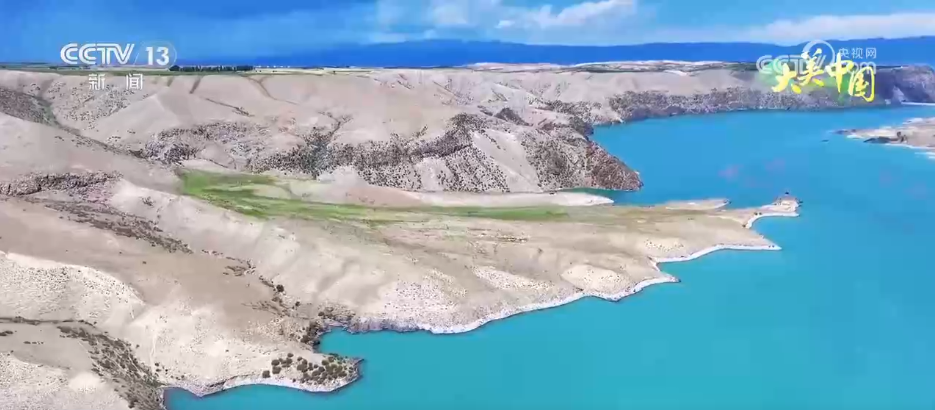
Group 1: Xinjiang Karajun Lake - Karajun Lake in Xinjiang is a high-altitude lake located at approximately 2000 meters above sea level, known for its mineral-rich waters and varying colors due to seasonal light changes [1] Group 2: Xian Nv Lake in Jiangxi - Xian Nv Lake covers an area of 50 square kilometers and features 99 islands with over 80% forest coverage, attracting around 4 million visitors annually and generating approximately 700 million yuan in revenue [4][9] Group 3: Gansu Gannan Grassland - Gannan's Meiren Grassland, with an average altitude of 3500 meters, features unique "frost heave mounds" due to rich underground water and temperature variations, supporting rare plant species like the national protected Red Flower Green Velvet [11][13] - The local ecosystem is managed through seasonal grazing practices and controlled livestock numbers to maintain grassland health, supplemented by cultivated oats for feed [13][15] - The scenic grassland promotes tourism, especially from July to September, with activities like karting and horseback riding, enhancing local economic development [17]
新闻分析:建设国家公园和老百姓有什么关系?
Xin Hua Wang· 2025-07-31 12:24
Core Viewpoint - The establishment of national parks in China has achieved significant results over the past decade, with a focus on ecological protection and public benefits [1][2]. Group 1: Achievements in National Park Construction - China has officially established several national parks, including Sanjiangyuan, Giant Panda, Northeast Tiger and Leopard, Hainan Tropical Rainforest, and Wuyi Mountain, marking a decade of national park system reform [1]. - The population of wild giant pandas has increased from approximately 1,100 in the 1980s to around 1,900 today, indicating successful conservation efforts [1]. - Ecosystems in regions such as the Yangtze, Yellow, and Lancang Rivers have been effectively protected, showcasing the positive impact of national park initiatives [1]. Group 2: Public Benefits and Accessibility - National parks provide direct and indirect benefits to the public, allowing citizens to experience and appreciate China's natural beauty [1][2]. - The construction of national parks is linked to essential human needs, such as clean air and water, positioning them as vital ecological systems that contribute to climate stability and environmental health [2]. - The concept of "universal public welfare" is emphasized, with proposals for low ticket prices and free access for specific groups, ensuring equitable access to national parks [2].

专家杨锐:国家公园是惠及千家万户最普惠的生态产品
Di Yi Cai Jing· 2025-07-31 06:20
Core Viewpoint - China's national parks hold the most important position in the natural protected area system compared to other countries, providing equitable opportunities for citizens to experience the country's most beautiful and pristine nature [1][5]. Group 1: Natural and Cultural Background - China possesses the best natural and cultural background conditions for national park construction, characterized by significant topographical diversity and a wide range of climate zones [2]. - The country is home to the highest peak, Mount Everest, and has a vertical elevation difference exceeding 9,000 meters, with over 5,000 kilometers of spatial distance from north to south and east to west [2]. - China is recognized as one of the first 17 "biodiversity" countries globally, ranking first in the Northern Hemisphere [2]. Group 2: National Park System - China is constructing the world's largest national park system, covering approximately 1.1 million square kilometers, with the land portion accounting for about 10% of the country's land area, which is three times the world average and 4.3 times that of the United States [2]. - The establishment of the first five national parks in China took less than eight years, a task that typically takes decades in other countries, indicating the fastest construction speed globally [2]. Group 3: Importance and Protection - Chinese national parks occupy a dominant position in the natural protected area system, accounting for 56% of the total area, demonstrating primary, leading, advanced, and exemplary roles [5]. - The primary goal of national park construction in China is to protect and preserve the country's most precious natural assets, with ecological protection prioritized above all else, contrasting with the dual goals of protection and enjoyment seen in many other countries [5][6]. Group 4: Challenges and Relevance - The construction of national parks in China faces significant challenges, particularly in underdeveloped areas where there are structural conflicts between ecological protection and local economic development [6]. - National parks are crucial for human survival, providing clean air, water, and a stable climate, thus serving as essential ecological products that benefit the entire population [6].
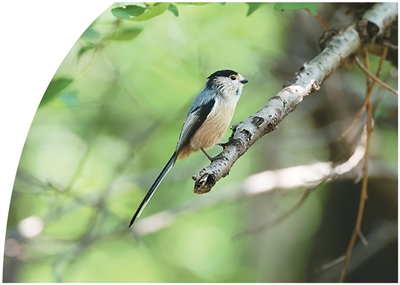
颐和园是人类的景观,也是鸟的家园
Ren Min Ri Bao Hai Wai Ban· 2025-07-30 22:09
Core Viewpoint - The article highlights the ecological significance of the Summer Palace (颐和园) as a habitat for various bird species, emphasizing the successful conservation efforts that have led to a diverse avian population in the area [5][18]. Group 1: Bird Diversity and Habitat - The Summer Palace is home to 147 recorded species of wild birds, making it a favored habitat for many bird species due to its unique climatic conditions and ecological balance [5][7][14]. - The ecological monitoring report indicates a well-established plant-insect-bird ecosystem, with 45 carnivorous, 43 insectivorous, and 42 omnivorous bird species identified [8][14]. - The area has become a critical wintering habitat for waterbirds, with 19 unique bird species recorded, particularly in the context of its water systems [14][19]. Group 2: Conservation Efforts - Since 2008, the Summer Palace has gradually reduced pesticide use, achieving a zero-pesticide goal in certain areas, focusing on biological pest control methods [6][12]. - The management emphasizes the importance of maintaining a natural environment, which has been shown to enhance bird activity and diversity [13][16]. - The park has implemented measures to balance public interest and wildlife protection, such as creating observation windows for birdwatching while ensuring minimal disturbance to the birds [19][20]. Group 3: Community Engagement and Education - The Summer Palace has engaged the public through various educational activities, including 96 science popularization events in 2024, many focused on bird conservation [19][20]. - The involvement of volunteers and local communities in bird monitoring and conservation efforts has increased awareness and participation in wildlife protection [18][19]. - The article illustrates how birdwatching has become a popular activity among visitors, contributing to a greater appreciation for biodiversity and conservation efforts in the area [10][18].
自然资源部、国家林业和草原局通报2025年二季度21个违法违规典型问题
Yang Shi Wang· 2025-07-29 09:09
Core Points - The Ministry of Natural Resources and the National Forestry and Grassland Administration have reported ongoing illegal land occupation, mining, and ecological destruction in various regions, highlighting the need for stricter enforcement and accountability [1] - A total of 21 typical illegal activities have been identified, prompting local governments to take corrective actions and improve regulatory mechanisms [1] Group 1: Illegal Land Occupation Cases - Shanxi Province's Cultural and Tourism Bureau illegally occupied 86.6 acres of forest land without permission [2] - Inner Mongolia's Kaixin Agricultural Technology Company violated regulations by occupying 459.20 acres of permanent basic farmland for decorative grass planting [5] - Liaoning Province's Shouhang Metallurgical Technology Company unlawfully occupied 155.37 acres of grassland and forest land for a calcium silicate board project [12] - Villager Shan in Liaoning Province illegally occupied 24.80 acres of permanent basic farmland for dumping tailings, degrading soil quality [18] - Jiangsu Province's government failed to effectively regulate the illegal occupation of 69.63 acres of farmland by construction waste [25] - Jiangsu Province's government and related departments did not report the illegal occupation of 304.73 acres of permanent basic farmland for decorative grass planting [30] - Fujian Province's Longhai District government inadequately addressed the illegal occupation of 47.1 acres of permanent basic farmland for waste disposal [37] - Shandong Province's Gu Xiaozhuang Village Committee failed to reforest 80.8 acres after logging [42] - Henan Province's Dakang Industrial Development Company illegally mined 37,000 tons of sand and gravel under the guise of facility agriculture [49] - Hubei Province's Green Pu Greening Engineering Company occupied 340.49 acres of permanent basic farmland for decorative grass planting [54] - Hubei Province's Lichuan City illegally occupied 211.41 acres of farmland for a tourism project [60] - Guangdong Province's Zhanjiang Guangfa Building Materials Company unlawfully occupied 63.67 acres of forest land for a sand and gravel processing site [65] - Guangdong Province's Gaozhou Shende Tourism Development Company illegally occupied 47.24 acres of farmland for lake landscaping [70] - Guangxi Province's Beiliu City government illegally mined sand and gravel under the pretext of construction projects, affecting 5,076.75 acres [74] - Guangxi Province's Liuzhou City Planning Bureau submitted false documents regarding land use [79] - Sichuan Province's Dazhou City government illegally expropriated 233 acres of land for a park without proper approvals [82] - Guizhou Province's Yue Water and Electricity Energy Company unlawfully occupied 683.19 acres of forest land for a wind farm [86] - Yunnan Province's Menghai Xinsheng Mining Company illegally mined granite and encroached on ecological protection areas [91] - Yunnan Province's Luhai Town mining site illegally mined sandstone and was fined minimally for repeated violations [99] - Shaanxi Province's Weinan City illegally granted mining rights on farmland, leading to significant land degradation [104] - Gansu Province's Wang destroyed 35.43 acres of forest for agricultural purposes [109]
雪域高原旅游热 家门口就业路子宽(辉煌60载 魅力新西藏)
Ren Min Ri Bao· 2025-07-28 22:03
Core Viewpoint - The development of transportation infrastructure in Tibet has significantly boosted tourism, leading to increased visitor numbers and economic benefits for local communities [2][3][4]. Group 1: Tourism Development - The Sapu Scenic Area in Tibet has been officially recognized as a national 4A-level tourist attraction, reflecting comprehensive upgrades in tourism services and facilities [1]. - In 2022, the number of tourists in Benba County exceeded 300,000, generating tourism revenue of 34.54 million yuan, a year-on-year increase of 225.84% [3]. - The completion of the Shagongla Mountain Tunnel has improved access to Tibet, resulting in a doubling of vehicle and tourist traffic in the region [2]. Group 2: Economic Impact - Local residents are experiencing increased income opportunities, with many benefiting from the sale of local products such as yak meat and cordyceps due to improved transportation [2]. - The establishment of family-run guesthouses has become a profitable venture for locals, with some households earning an additional 50,000 to 100,000 yuan annually [7]. - The local government has invested 2.26 million yuan in supporting the renovation of guesthouses and purchasing necessary equipment for tourism [7]. Group 3: Ecological Considerations - The local government is implementing ecological protection measures in the Sapu Scenic Area, creating 36 positions for environmental protection, which also provides employment for local residents [5]. - The promotion of cultural and ecological tourism is part of a broader strategy to integrate tourism with agriculture, transportation, and commerce, enhancing the overall tourism experience while preserving the environment [4].