通用人工智能

Search documents
2025年安徽省芜湖市新质生产力发展研判:构建“鸠兹科创湾”等创新载体,新质生产力规模持续扩大[图]
Chan Ye Xin Xi Wang· 2025-06-25 01:11
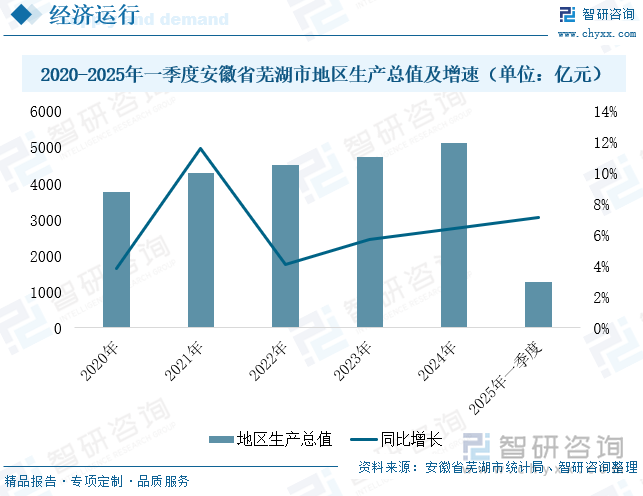
Core Viewpoint - Wuhu City is leveraging a spatial strategy of "one core, three belts, and multiple nodes" to drive technological innovation and high-end industrial cluster development, focusing on strategic emerging industries and traditional industries' transformation towards intelligence and sustainability [1][18]. Group 1: New Quality Productive Forces Overview - New Quality Productive Forces, introduced by President Xi Jinping, emphasize innovation as the main driver, characterized by high technology, efficiency, and quality, aligning with advanced production capabilities [2]. - This concept is crucial for promoting high-quality economic development and constructing a modern industrial system [2]. Group 2: Economic Performance of Wuhu City - Wuhu City, as a key node in the Yangtze River Delta G60 Science and Technology Innovation Corridor, has seen its GDP exceed 512.05 billion yuan in 2024, with a year-on-year growth of 6.4% [3]. - The secondary industry has shown remarkable performance with an added value of 55.29 billion yuan and a growth rate of 8.7% [3]. Group 3: Industrial Development and Innovation - Wuhu is focusing on the "Jiuzi Science and Technology Innovation Bay" to create a highland for industrial innovation, planning 18 specialized innovation parks with a total construction area of 5.95 million square meters [5]. - The city's industrial enterprises achieved over 850 billion yuan in revenue, with a profit margin of 6%, and strategic emerging industries grew by 22% [5]. Group 4: Policy Framework for New Quality Productive Forces - Wuhu City has implemented several policies to support the development of New Quality Productive Forces, including action plans for modern service industries and digital transformation [9][11]. - These policies aim to create a comprehensive system covering technological innovation, industrial upgrading, and digital empowerment [9]. Group 5: Modern Industrial System - Wuhu has established a "4+10+6" industrial system, focusing on traditional industries like automotive and electronics while promoting strategic emerging industries such as robotics and new energy [13]. - The city aims to enhance its industrial capacity towards high-end, specialized, and cutting-edge sectors [13]. Group 6: Future Development Trends - Wuhu's development of New Quality Productive Forces will focus on technological innovation, particularly in smart connected vehicles and robotics [26]. - The city plans to foster a modern industrial cluster system that integrates traditional and emerging industries, enhancing collaborative efficiency through digital technologies [27]. - Wuhu will deepen cooperation within the G60 Science and Technology Innovation Corridor and optimize policies to attract global high-end resources [28].

张一鸣频繁往返京沪新,全力押注AI大模型战略
Sou Hu Cai Jing· 2025-06-21 20:38
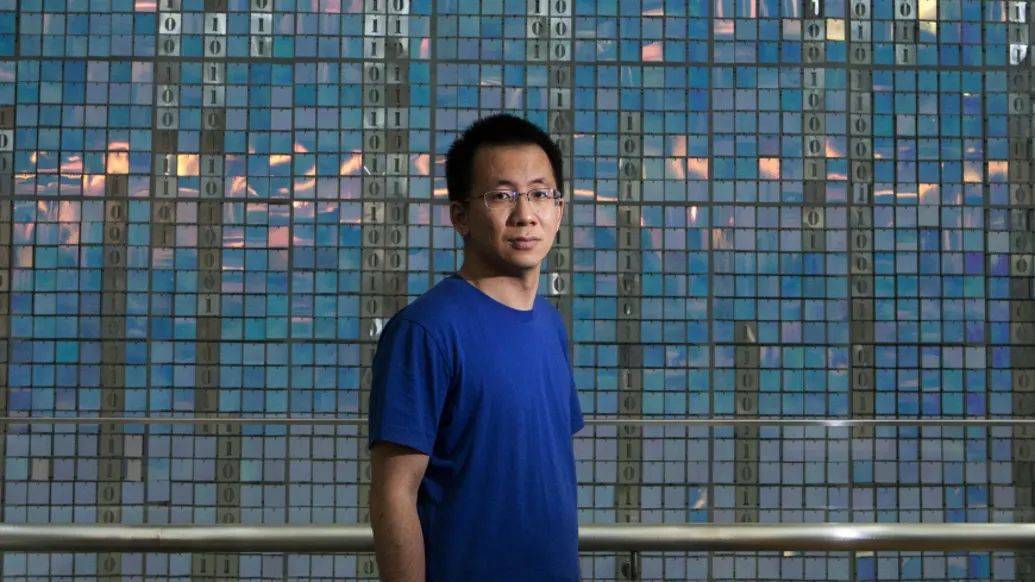
Core Insights - Zhang Yiming, the founder of ByteDance, remains passionate about the AI sector and is increasing investments in artificial intelligence business [1][3] - Although he has stepped down as CEO, Zhang is focusing on large models and AI strategic research, actively participating in discussions within the Seed team [1] - Zhang emphasizes the pursuit of "General Artificial Intelligence" (AGI) and is committed to driving the company's exploration and development in the AI field [1][3] Company Developments - Zhang Yiming announced his resignation as CEO in May 2021 to focus on long-term strategy, corporate culture, and social responsibility [1] - In November 2021, co-founder Liang Rubo took over as CEO and chairman, restructuring the company into six major business segments, including Douyin, Dali Education, Feishu, Volcano Engine, Chaoxiguan, and TikTok [1] - Despite no longer participating in daily management, Zhang's exit from various legal representative roles is seen as a normal governance change [3] Industry Impact - Zhang's dedication to AI not only guides ByteDance's development in this area but also brings new expectations and momentum to the entire industry [3]
北大卢宗青:现阶段世界模型和 VLA 都不触及本质|具身先锋十人谈
雷峰网· 2025-06-20 11:54
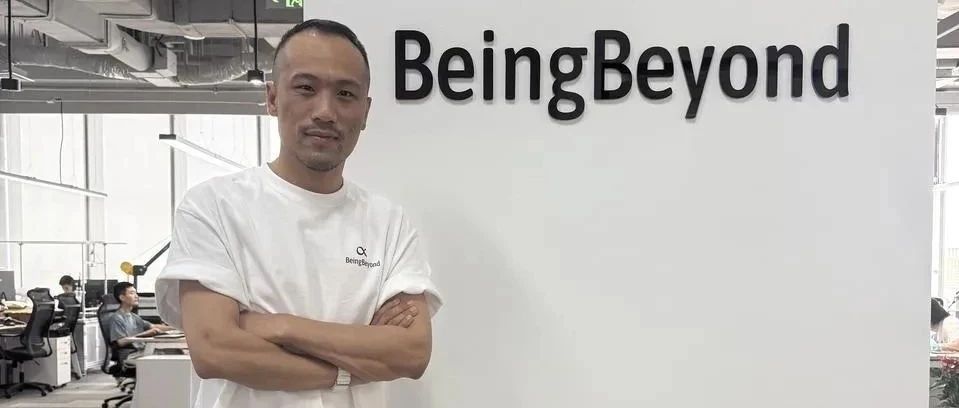
" 互联网视频数据是唯一可以 scale up 的道路 。 " 作者丨 郭海惟 编辑丨 陈彩娴 作为一名具身大脑的创业者,卢宗青有着金光闪闪的履历: 他是紧随 DeepMind之后,中国新生代的强化学习研究者。北京大学计算机学院长聘副教授,担任过智源 研究院多模态交互研究中心负责人,负责过首个国家自然科学基金委原创探索计划通用智能体项目,还同 时在NeurIPS、ICLR、ICML等机器学习的国际顶级会议担任领域主席。 早在 2023年,他旗下团队便有利用多模态模型研究通用 Agent 的研究尝试,让 Agent 玩《荒野大镖客 2》和办公,使其成为第一个从零开始在AAA级游戏中完成具体任务的 LLM 智能体。相关论文几经波折, 今年终于被 ICML 2025 录用。不过他自述对那份研究其实不够满意,因为"泛化性不足"。 当完成那些研究以后,卢宗青意识到 "当前的多模态模型缺乏与世界交互的能力"。因为模型缺少学习物 理交互的数据,所以 我们看到的那些泛化的能力本质都是 "抽象"的,它终究无法理解动作和世界的关 系,自然也无法预测世界 。 这如今成为他想在具身智能创业的起点:开发一个通用的具身人工智能模型。 卢 ...
这里,已成为“人工智能第一城”
Jin Rong Shi Bao· 2025-06-20 11:00
Core Insights - Beijing has over 2,400 artificial intelligence companies and a core industry scale of nearly 350 billion yuan, accounting for half of the national total, establishing itself as the "capital of artificial intelligence" in China [2] - The city has a rich innovation resource base, with 21 national key laboratories and over 40% of the country's top talent concentrated there [5] - Beijing has implemented various policies to accelerate the development of AI, including a three-year action plan for embodied intelligence and initiatives for AI in new materials [5][6] Group 1: Innovation Resources - Beijing has established 23 key laboratories in AI, focusing on areas such as large models and AI safety, and has created four new research institutions in the field [5] - The city has produced globally leading original achievements, including the world's first native multimodal large model, Emu [5] - Original innovation capabilities are being enhanced, with breakthroughs in optical computing and wafer-level chips, including the world's first optical training chip [5] Group 2: Infrastructure and Data - Beijing's implementation plan for computing infrastructure aims to add 8,620 PetaFLOPS of computing power by 2024, bringing the total to over 33,000 PetaFLOPS [6] - The city has launched the first data foundation system pilot area in China, aggregating over 180 general and industry data sets, totaling more than 2,000 TB of data [6] Group 3: Future Development Plans - The city plans to focus on original innovation in frontier fields such as embodied intelligence and AI for life sciences, aiming to secure a leading position in AI [6] - There will be an emphasis on the integration of data and application development, promoting the implementation of large model products across departments and regions [6] - Beijing aims to create a first-class development environment by enhancing the training of potential young talents [6] Group 4: Global Cooperation - The city is committed to becoming a global "open-source capital" and is working towards establishing a global AI safety and governance system [7]
新致软件: 上海新致软件股份有限公司向不特定对象发行可转换公司债券受托管理事务报告(2024年度)
Zheng Quan Zhi Xing· 2025-06-20 08:28
Core Viewpoint - Shanghai Newtouch Software Co., Ltd. has issued convertible bonds totaling RMB 484.81 million, with a maturity of six years and a structured interest rate that increases over time [2][3][12]. Section 1: Overview of Convertible Bonds - The company has received approval from the China Securities Regulatory Commission to issue 4,848,100 convertible bonds, each with a face value of RMB 100, amounting to a total of RMB 48,481,000 [2][3]. - The bonds are listed on the Shanghai Stock Exchange under the name "Newtouch Convertible Bonds" with the code "118021" [3]. Section 2: Basic Information of the Bonds - The bonds have a structured interest rate starting at 0.5% in the first year and increasing to 3.0% by the sixth year [3][12]. - The bonds will pay interest annually and will return the principal at maturity [3][10]. Section 3: Financial Performance - In 2024, the company reported total revenue of RMB 1.995 billion, an increase of 18.57% year-on-year, while net profit attributable to shareholders decreased by 88.21% to RMB 8.09 million [15][16]. - The company’s net assets increased by 0.93% to RMB 1.458 billion, and total assets rose by 14.95% to RMB 3.103 billion [16]. Section 4: Use of Proceeds - The proceeds from the bond issuance will be used for various projects, with a total investment amount of RMB 62.55 million, of which RMB 48.48 million will be funded by the bond proceeds [12][18]. - The company has also engaged in cash management for temporarily idle funds, investing up to RMB 100 million in safe, liquid financial products [18][19]. Section 5: Credit Rating - The bonds have been rated "A" by a credit rating agency, with a stable outlook for the company [13][21]. Section 6: Management of Bondholder Interests - The bond trustee, Changjiang Securities, is responsible for monitoring the company's financial health and ensuring compliance with disclosure obligations [12][22].

汪涛MWC发声:AI+超宽带网络成商业增长新引擎
Huan Qiu Wang· 2025-06-20 05:18
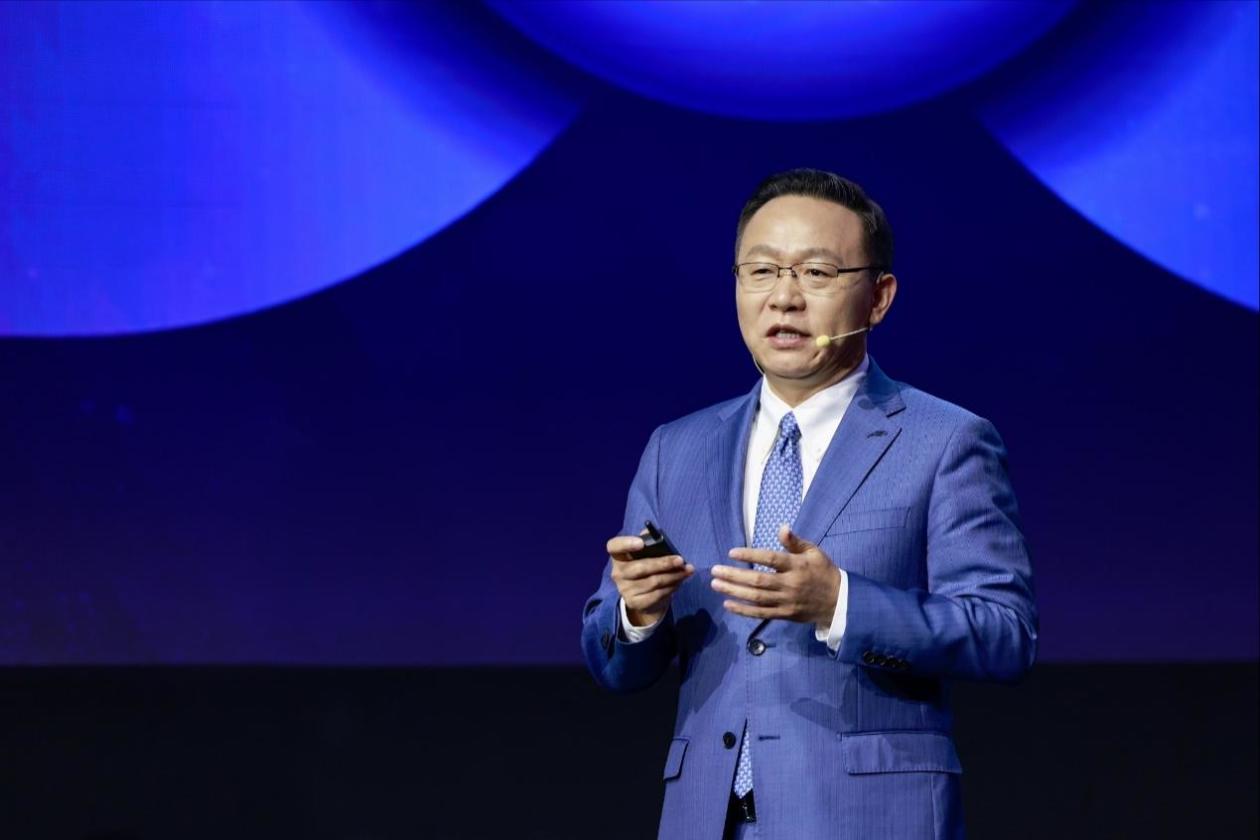
Core Insights - The article discusses Huawei's launch of the AI UBB solution aimed at transforming ultra-broadband networks to stimulate new business growth through AI technology [1][7] - The solution encompasses four main components: AI FAN, AI OTN, AI WAN, and ADN, providing end-to-end coverage from home networks to carrier networks [1][3] Group 1: AI UBB Solution Components - AI FAN upgrades home gateways to a unified AI entry point, enabling seamless interaction through various modalities such as voice and video [3][4] - AI OTN enhances carrier networks by providing high-quality transport capabilities through intelligent analysis of business flow characteristics, ensuring low latency and high bandwidth [4][5] - AI WAN focuses on the precise identification of AI business types, including encrypted streams, and offers differentiated service packages to ensure optimal user experience [5][6] Group 2: Technological Advancements - The evolution of general artificial intelligence is accelerating, with significant advancements in large models and multi-modal capabilities, leading to a dramatic reduction in inference costs by approximately 100 times over the past two years [3] - The shift from traditional networks to intelligent networks is facilitated by the integration of edge computing and AI technologies, enhancing the overall performance and security of broadband services [6][7] Group 3: Strategic Vision - Huawei aims to collaborate with the industry to establish unified standards for AI UBB, fostering a mature application ecosystem and exploring new business models [7] - The ultimate goal is to achieve a high level of automation in network management, significantly reducing the need for manual intervention in network operations [7]
华为汪涛:AI全面重构超宽带网络,激发商业新增长
Sou Hu Cai Jing· 2025-06-20 03:28
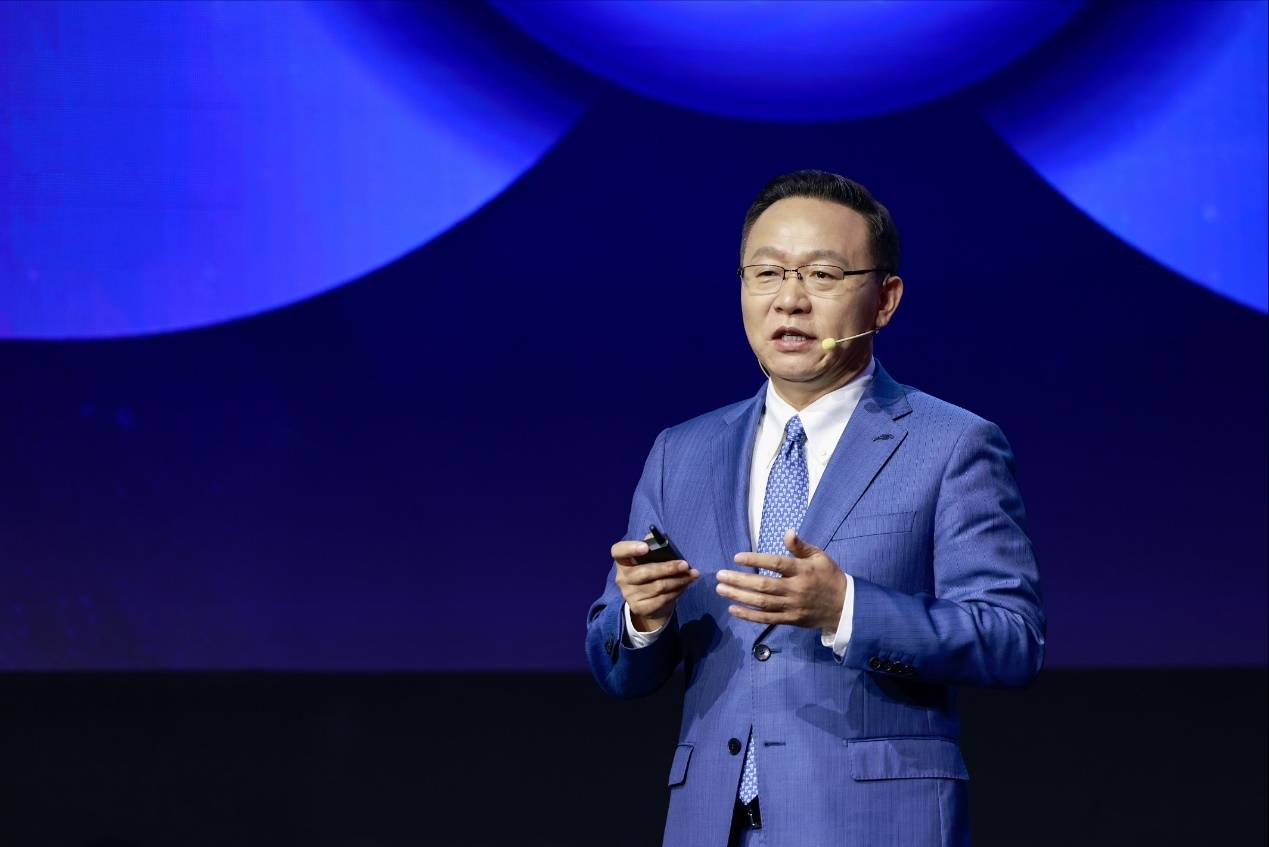
Core Viewpoint - The AI UBB (Ultra-Broadband) solution launched by Huawei aims to fully reconstruct broadband networks using AI technology, enhancing user experience and driving new business growth in the telecommunications industry [1][3][9]. Group 1: AI UBB Solution Overview - Huawei's AI UBB solution consists of four main components: AI FAN, AI OTN, AI WAN, and ADN, designed to cover home networks, bearer networks, and intelligent management systems [1][4]. - The solution leverages end-to-end device intelligence and capability enhancement to provide an optimal experience for AI applications, facilitating high-quality computing and efficient interconnectivity [1][4]. Group 2: AI FAN - AI FAN upgrades home gateways to serve as unified AI entry points, enabling seamless interaction through voice, video, and gestures [5]. - It supports the transition from gigabit to multi-gigabit networks, specifically upgrading from 10G PON to 50G PON technology to meet the demands of high-bandwidth applications [5]. Group 3: AI OTN - AI OTN enhances the quality of service for AI applications by providing low latency and flexible bandwidth allocation, addressing the needs of local computing centers [6]. - It utilizes AI analysis to proactively sense business types and SLA requirements, ensuring differentiated service guarantees [6]. Group 4: AI WAN - AI WAN employs AI flow perception models to accurately identify and manage various AI business types, including encrypted streams, ensuring high throughput and zero packet loss [8]. - It incorporates built-in security engines in routers to detect and mitigate threats in real-time, achieving comprehensive network security [8]. Group 5: ADN - ADN is built on a three-layer AI collaborative architecture centered around agents, facilitating the transition of UBB networks to higher levels of intelligence [9]. - The architecture aims to automate fault handling, network optimization, and experience assurance, significantly reducing the workload of operational staff [9]. Group 6: Industry Implications - The acceleration of general artificial intelligence presents unprecedented opportunities for the ultra-broadband industry, prompting Huawei to collaborate with industry partners to establish unified standards and explore new business models [9][10].
以退为进?微软“放话”:与OpenAI谈不好,那就不谈了
硬AI· 2025-06-19 15:49
Core Viewpoint - Microsoft is prepared to walk away from negotiations with OpenAI if key issues, such as equity distribution, are not resolved, indicating a strong negotiation strategy [2][3]. Group 1: Negotiation Dynamics - Microsoft is considering terminating complex negotiations with OpenAI if no agreement is reached on critical issues, including the share of equity Microsoft should hold in OpenAI's future structure [1][2]. - The ongoing negotiations have seen Microsoft seeking a stake ranging from 20% to 49% in OpenAI, in return for its investment exceeding $13 billion [5][6]. Group 2: Current Contractual Terms - Under the existing agreement from 2019, Microsoft has exclusive rights to sell OpenAI models and is entitled to 20% of revenues up to $92 billion [6]. - Microsoft is unwilling to concede on access to OpenAI technology or revenue sharing, emphasizing the importance of income generation over equity stakes [6]. Group 3: OpenAI's Urgency - OpenAI faces a critical deadline to secure Microsoft's approval for its transition to a profit-making entity by the end of the year, or risk losing significant investments, including a potential $10 billion reduction from SoftBank's $30 billion investment [8]. - If the transition is delayed or fails, investors have the right to reclaim part of their investments, highlighting the urgency for OpenAI [8].

今夏面世 OpenAI剧透GPT-5
Bei Jing Shang Bao· 2025-06-19 14:52
OpenAI联合创始人兼首席执行官山姆·奥特曼在最新播客中披露,备受关注的GPT-5预计将于今年夏季发布,目前 具体发布日期尚未确定。随着GPT-5发布时间的临近,业界普遍认为,多模态大模型领域又将迎来新一轮的技术 竞争,该模型将成为生成式人工智能能力的一次重大升级。从早期测试者的反馈来看,其性能较GPT-4有显著提 升。但也有人担忧,从去年开始GPT-5就曾屡屡跳票,这会不会又是一次"狼来了"? AI能力重大飞跃 OpenAI开启官方播客,CEO打头阵。当地时间6月18日,OpenAI发布了一则山姆·奥特曼的访谈视频。在40分钟的 专访中,奥特曼回应了大家普遍关心的GPT-5、隐私保护、广告业务、5000亿美元的投资项目"星际之门"等热点 话题。奥特曼说,GPT-5"可能是在今年夏天的某个时候"会发布,但他也同时表示,对于新模型,内部也在讨论 是简单地提升版本号,还是像GPT-4那样不断优化和改进。 奥特曼还暗示,GPT-5所代表的不仅仅是性能升级,它还可能标志着OpenAI朝着统一的、类似代理的模型迈出了 真正的第一步,此举将使其更接近其通用人工智能目标。"我认为我们已经接近这座山的尽头了",他表示。 G ...
锦秋基金完成对宇树科技投资 | Jinqiu Spotlight
锦秋集· 2025-06-19 14:28
Core Viewpoint - Jinqiu Capital has completed an investment in Yushu Technology, emphasizing a long-term investment philosophy focused on breakthrough technologies and innovative business models in the field of general artificial intelligence [1] Group 1: Investment and Financing - Yushu Technology recently completed a Series C financing round, led by funds from Mobile, Tencent, Jinqiu Capital, Alibaba, Ant Group, and Geely Capital, with significant participation from existing shareholders [1] - Jinqiu Capital's partner, Zang Tianyu, highlighted Yushu's achievements in mass production and global shipment of quadrupedal and humanoid robots, establishing a strong reputation in the research and academic community [1] Group 2: Company Overview - Yushu Technology is a globally recognized civil robotics company, specializing in the independent research, production, and sales of high-performance quadrupedal/humanoid robots and dexterous robotic arms [2] - The company holds a 60-70% share of the global shipment volume for quadrupedal robots and leads in the shipment of large general humanoid robots, with operations covering over 50% of countries and regions worldwide [2] - Yushu has submitted over 200 patent applications, with more than 180 authorized patents, showcasing its commitment to independent research and technological innovation [2] Group 3: Industry Impact - Since 2017, Yushu has been dedicated to promoting the application of high-performance general quadrupedal/humanoid robots across various industries, including scientific research, agriculture, and industrial sectors [2] - The robots have been utilized in critical areas such as power inspection, exploration, and public rescue, providing substantial support for societal development [2] Group 4: Brand Recognition - Yushu has consistently provided innovative experiences at major events, including the 2021 Spring Festival Gala, the 2022 Winter Olympics opening ceremony, and the 2023 Super Bowl pre-show, receiving coverage from authoritative media outlets [3]